World
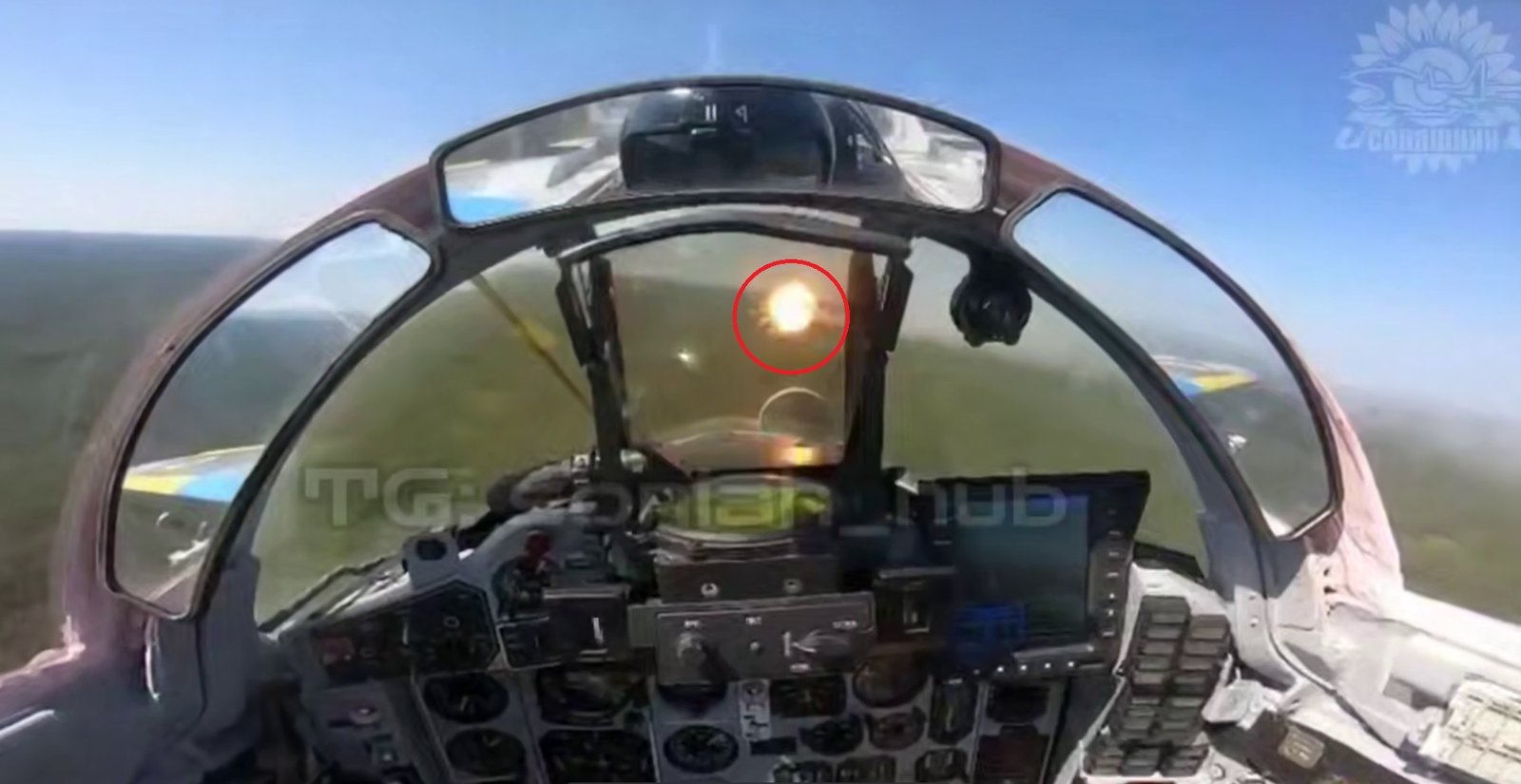
KYIV, Ukraine, — A Ukrainian Air Force MiG-29MU1 fighter jet reportedly intercepted and destroyed a Russian S8000 Banderol lightweight cruise missile while flying at extremely low altitude. The fighter used an R-60 short-range air-to-air missile during the engagement. The aviation-focused Telegram channel Sonyashnyk reported the incident and published video footage of the interception. The low-altitude engagement required rapid target acquisition, precise maneuvering and quick execution by the pilot. R-60 Modernization The R-60, a Soviet lightweight guided air-to-air missile, entered service in 1973. It uses an infrared seeker and was designed for short-range attacks against maneuvering aircraft and helicopters. The missile weighs about 44 kg, carries a 3–3.5 kg high-explosive fragmentation warhead and reaches approximately Mach 2.5. Its practical range is generally a few kilometers, with published figures of up to about 8 km under favorable high-altitude conditions. Before Russia's full-scale invasion, Ukraine considered the R-60 largely obsolete because newer R-73 missiles were available. Continued Russian attacks using cruise missiles and Shahed/Geran-2 drones, however, have increased demand for modern interceptors. Ukraine subsequently began modernizing remaining R-60 missiles. In November 2025, Ihor Fedirko, executive director of the Ukrainian Council of Defense Industry, said the work involved replacing legacy analog components with digital systems and improving infrared seeker sensitivity. Some Ukrainian companies have reported approximately a tenfold increase in sensitivity for certain variants. The missiles have also been adapted for possible use from ground-based launchers, with the modernization described as a temporary way to return aging weapons to service. S8000 Banderol The S8000 Banderol was developed and manufactured by Russian JSC Kronstadt and formally introduced in 2025. Russian forces have increasingly used the missile against Ukrainian cities as production expands. The Banderol has a cruising speed of 520–560 km/h and a maximum speed of 620–650 km/h. When launched from airborne platforms, it has a reported range of up to 500 km. Its OFBCh-150 high-explosive fragmentation warhead weighs 114.3 kg, including 49.5 kg of explosives. The weapon has primarily been associated with launches from the Kronshtadt Orion UAV and can also be integrated with Mi-28 helicopters. Ground-based launchers have also been observed in recent operations. The Banderol has been described as a hybrid system combining characteristics of a cruise missile and loitering munition. Its low-altitude flight profile can complicate detection and interception by some ground-based air-defense systems. Ukrainian reports also indicate that the weapon uses commercially available foreign components, including a Chinese turbojet engine. The reported interception highlights Ukraine's continued use of modernized Soviet-era fighters and older air-to-air missiles as part of its air-defense efforts against Russia's evolving missile and drone threats.
Read More → Posted on 2026-09-02 14:05:00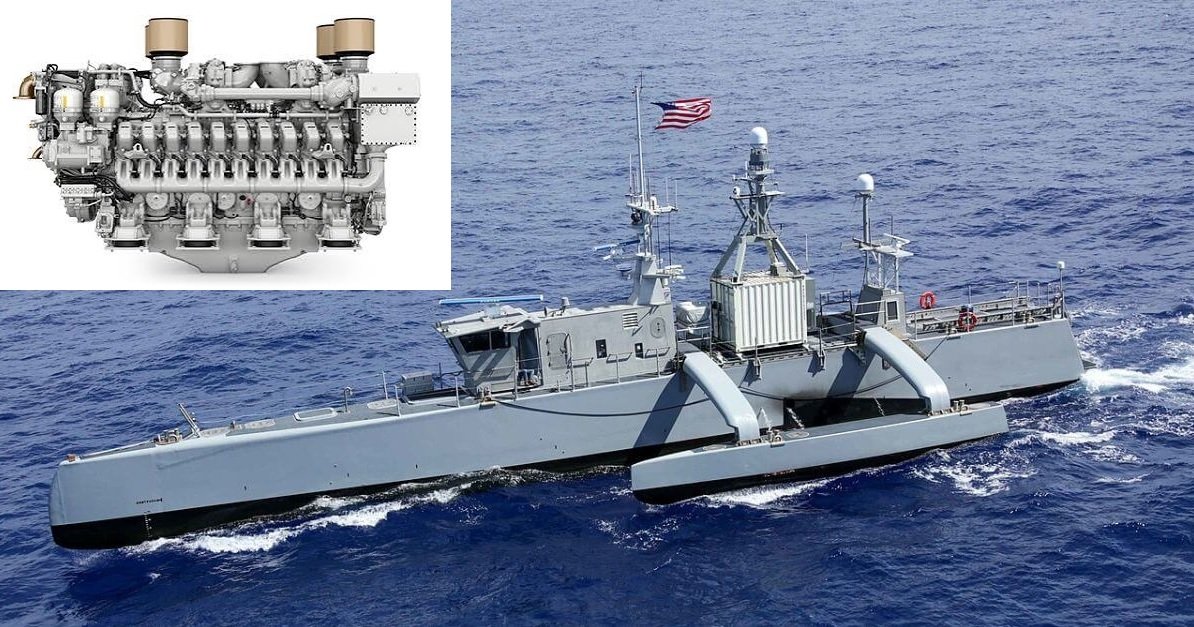
U.S
WASHINGTON, — Rolls-Royce has received U.S. Navy certification for its mtu Series 4000 and Series 2000 marine engines, clearing the engines for use in autonomous naval vessel operations. The certification supports the U.S. Navy’s effort to expand its unmanned maritime fleet with vessels capable of operating for extended periods without onboard crews or routine maintenance. The certification is based on requirements set out in the National Defense Authorization Act (NDAA) for unmanned systems. Under the requirements, qualifying propulsion systems must complete demanding reliability and operational tests without human intervention and without preventive or corrective maintenance or repairs to their main propulsion, fuel and oil systems. Successful systems can support unmanned deployments of up to 30 days without maintenance personnel. Series 4000 completes 720-hour durability tests The mtu Series 4000 received certification after completing two 720-hour durability tests. The engine is certified for autonomous applications with up to 4,300 kW of propulsion power and up to 3,000 kWe of electrical generation. The Series 4000 is available in V8, V12, V16 and V20 configurations. The testing was intended to demonstrate that the propulsion system could maintain continuous operation for the required period without human intervention or maintenance. The U.S. Navy has previously conducted 720-hour demonstrations for unmanned vessel power systems. In one such test, an mtu 8V4000M24S completed a 720-hour demonstration without human intervention or preventive or corrective maintenance, making the tested engine model eligible for future use on unmanned surface vessel platforms. Series 2000 also receives certification The mtu Series 2000 was certified following extensive component testing and thousands of hours of field operation. The engine family is offered in V10, V12 and V16 configurations and provides up to 1,939 kW of propulsion power. One of the U.S. Navy’s existing unmanned vessels, Sea Hunter, is powered by two mtu 12V 2000 engines. According to Rolls-Royce, Sea Hunter has accumulated tens of thousands of operational hours since it was christened in 2016. The Navy deployed Sea Hunter and Seahawk earlier this year as its first dedicated division of unmanned surface vessels. The vessels form part of the Navy’s wider effort to develop and operate autonomous maritime systems. Certification covers more than engine durability The Navy’s approval process also includes validation of associated engine control systems, cybersecurity measures and safety-critical functions. These requirements are intended to support the safe and reliable operation of autonomous systems during maritime missions. For unmanned surface vessels, propulsion reliability is particularly important because extended autonomous missions reduce or eliminate the ability to carry onboard mechanics for routine maintenance. The certification therefore establishes that the certified engine systems meet the specified requirements for long-duration unmanned operation. Scott Hanson, Vice President of Governmental Sales at Rolls-Royce Power Systems in North America, said the certification demonstrates the reliability and technology of the mtu Series 4000 and Series 2000 marine propulsion systems. “The certification of our engines for unmanned operations further demonstrates the reliability and advanced technology of our mtu Series 4000 and 2000 marine propulsion systems,” Hanson said. Hanson also said the certification addresses the increasing importance of autonomous missions and the need for power systems capable of supporting long-endurance unmanned vessels. Rolls-Royce already supplies engines for U.S. unmanned systems The certification expands Rolls-Royce’s existing involvement in U.S. military unmanned platforms. In aviation, the company’s engines power the RQ-4 Global Hawk and MQ-4C Triton unmanned aircraft. Rolls-Royce has also supported test flights of the Navy’s MQ-25A Stingray, which uses the company’s AE 3007N engine. During testing, the unmanned aircraft autonomously completed taxiing, take-off, flight manoeuvres and landing. The new maritime certification gives the U.S. Navy additional certified propulsion options for autonomous vessel applications. It also reflects the increasing importance of propulsion systems that can operate reliably for long periods without onboard maintenance crews.
Read More → Posted on 2026-09-02 13:54:37
World
TEL AVIV, Israel, — Omnisys, an Israel-based defense technology company and a company of Ondas Inc. (NASDAQ: ONDS), has introduced BRO-API (Battle Resource Optimization Application Programming Interface), a new bidirectional software integration layer designed to connect its AI-powered BRO (Battle Resource Optimization) platform directly with existing military Command and Control (C2) and C4I systems. The new interface extends BRO from a primarily standalone mission-planning tool into an integrated operational system that can continuously use live operational data during a mission. According to Omnisys, the capability can shorten the military decision loop from hours to minutes or less. Connecting AI Mission Planning With Live C2 Systems The BRO platform uses situational-awareness information from C4I systems to help commanders develop situational understanding, evaluate operational alternatives and optimize the deployment of sensors and effectors. Before the introduction of BRO-API, these functions were mainly performed through a separate mission-planning platform. The new interface allows BRO to exchange information with command-and-control systems throughout an operation. BRO-API supports the Decision and Act phases of the OODA loop, allowing recommendations generated by the system to be incorporated into ongoing operational decision-making. The interface receives continuous updates from the operational picture, including Blue Force deployment and readiness, operational events and the Red Force picture. It uses this information to generate updated recommendations covering areas such as deployment, routing and frequency allocation. Results from mission re-planning and operational insights can then be sent back to the command-and-control system. This creates an ongoing exchange between the AI mission-optimization platform and the military's existing operational network. Designed for Classified and Disconnected Networks Omnisys said BRO-API was designed for operational defense environments and can operate on classified and disconnected networks. The system also supports controlled permissions and secure message logging. The interface uses standard RESTful integration methods, allowing it to connect with existing systems while supporting future compatibility with U.S. and NATO military networking standards. The company describes BRO as a modular and vendor-agnostic software suite. It can integrate information from sensors, platforms and command systems and apply artificial intelligence and operations research methods to generate optimized courses of action. Supports Multiple Defense Missions The BRO suite is designed to support multi-domain missions. Its applications include air defense, counter-UAS operations, electronic warfare, spectrum management, intelligence gathering and border security. By connecting the platform directly to operational C2 and C4I systems, BRO-API is intended to keep mission plans synchronized with changes in the operational environment rather than limiting optimization to the planning stage before a mission begins. The system also covers the mission lifecycle after an operation. BRO-API supports After-Action Reviews (AAR), lessons learned and ongoing mission improvement, allowing operational information to be recorded and used in the evaluation of completed missions. Omnisys Platform Already Used by IDF and NATO Customers According to Omnisys, the BRO suite has been combat-proven with the Israel Defense Forces (IDF) and is currently under contract with several NATO customers in Europe. The introduction of BRO-API therefore adds an integration capability to an existing mission-optimization platform, allowing its functions to be used alongside military command networks during mission execution. Alfred (Fredi) Tzimet, Deputy CEO of Omnisys, said: “BRO has always enabled commanders to optimize their plans before the mission begins. BRO-API is the next step in that evolution, extending those capabilities throughout mission execution so commanders can continuously optimize operations as the battlefield evolves.” Ondas Acquisition The BRO-API launch follows Ondas Inc.'s acquisition of Omnisys in May 2026. The all-stock transaction was valued at approximately $196.6 million. The acquisition expanded Ondas' defense technology portfolio beyond drone manufacturing, with Omnisys bringing its AI-powered mission optimization and decision-support capabilities to the company's broader autonomous defense activities. With BRO-API, Omnisys is extending the BRO platform from pre-mission planning into continuous operational support by connecting its AI-based recommendations with existing C2 and C4I infrastructure.
Read More → Posted on 2026-09-02 13:31:37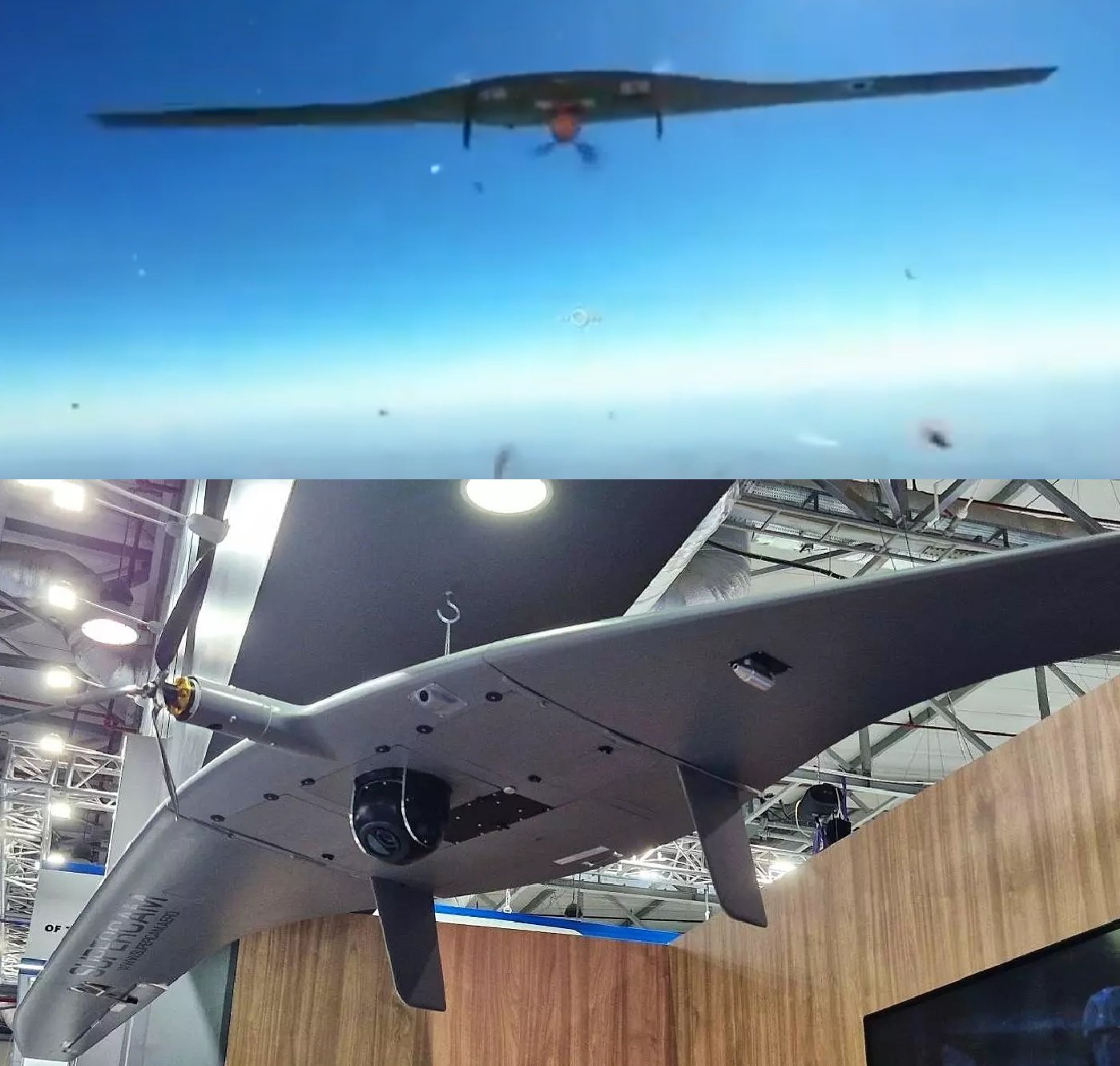
World
KYIV, Ukraine — Russian reconnaissance drones are being fitted with physical countermeasures designed to defend against Ukrainian interceptor drones, according to recently circulated battlefield footage. Videos appearing on September 1–2 show Russian SuperCam S350 and Knyaz Veshchiy Oleg (KVO) reconnaissance UAVs releasing nets as Ukrainian interceptor drones approach from behind. The footage was recorded by Ukrainian anti-aircraft drones and circulated by Ukrainian defense-technology adviser Serhiy Flash and the Telegram channel Voennyy Osviedomitel. Russian media also reported the deployment of net launchers on the two UAV types. In one sequence, operators from the Signum unmanned systems battalion of Ukraine’s 59th Separate Assault Brigade recorded a KVO drone releasing a net during an attempted interception. Similar footage later showed a SuperCam deploying a net against an approaching Ukrainian interceptor. The purpose of the system is to place a net or strands in the interceptor’s flight path. The material can become caught in the interceptor’s propellers, potentially disrupting its flight and preventing it from reaching the reconnaissance UAV. Russian SuperCam S350 and KVO reconnaissance drones are now deploying defensive nets against Ukrainian interceptor drones, aiming to foul their propellers and avoid interception. pic.twitter.com/91fcfrDtc1 — The Defense News (@TheDefenseNews) September 2, 2026 Multiple Defensive Measures The net launcher is part of a broader effort to improve the survivability of Russian reconnaissance UAVs against drone interceptors. Earlier modifications reported on Russian reconnaissance drones included additional cameras for detecting approaching interceptors and systems capable of detecting radio-frequency emissions from nearby drones. These measures can provide an operator with an early warning and an opportunity to maneuver away from an approaching interceptor. In February 2026, Russian reporting also described additional cameras on the upgraded SKAT 350M for detecting approaching interceptor drones and allowing the operator to perform evasive maneuvers. The use of rear-facing optical sensors and radio-frequency detection had already been observed on Russian UAVs before the latest net-launching systems appeared. Earlier battlefield modifications were subsequently reported as being incorporated into newer production configurations. SuperCam S350 The SuperCam S350 is a Russian reconnaissance UAV used for surveillance and other battlefield reconnaissance missions. Ukrainian military intelligence data lists the aircraft with a 3.2-meter wingspan, a maximum takeoff weight of 15.5 kg, a flight endurance of up to 4.5 hours, and a communications range of up to 100 km. The listed flight range is 240 km. The addition of a net-launching system gives the aircraft another layer of protection against small interceptor drones. It combines a physical countermeasure with previously reported detection and evasive measures. Knyaz Veshchiy Oleg Also Receives Protection The Knyaz Veshchiy Oleg, or KVO, is another Russian reconnaissance UAV that has been observed using the defensive net system. Ukrainian intelligence information published earlier this year describes the aircraft as having a 2.8-meter wingspan, a maximum takeoff weight of 11 kg, a stated range of up to 45 km, and an endurance of up to 3.5 hours. Its stated maximum speed is 130 km/h. The recent footage indicates that KVO operators are also using physical countermeasures when the aircraft is targeted by an interceptor. Ukrainian Interceptors Drive the Adaptation Ukraine has increasingly used relatively inexpensive interceptor drones to attack Russian reconnaissance UAVs, including aircraft such as SuperCam, ZALA and Orlan. The approach allows Ukrainian forces to target reconnaissance platforms with drones rather than relying exclusively on conventional air-defense missiles. The Institute for the Study of War previously reported Ukrainian use of tactical UAV interceptors against Russian reconnaissance and strike UAVs, including reported attacks on SuperCam and Merlin aircraft. The development of Russian defensive nets is therefore another step in the continuing adaptation between reconnaissance UAVs and interceptor drones. The development is not limited to Russia. Ukrainian companies have also been working on net-based drone interception. In August 2026, Ukrainian company WINFLY presented its Spider interceptor, based on the WINFLY 10 Hunter and equipped with a Karakurt net launcher designed to disable targeted drones while allowing the interceptor to return. Drone-on-Drone Combat Continues to Evolve The latest footage shows how reconnaissance UAVs are increasingly being equipped to respond directly to other drones. Instead of relying only on the remote operator to avoid an attack, newer systems combine detection, evasive maneuvering and physical countermeasures. However, the available footage does not establish how effective the defensive nets are across different interception scenarios or whether they have significantly reduced Russian UAV losses. Their effectiveness will depend on factors including the relative position of the two drones, timing and the ability of the interceptor to change its flight path. For now, the appearance of net launchers on both the SuperCam S350 and KVO indicates that drone-versus-drone interception is driving the development of new defensive systems for reconnaissance UAVs.
Read More → Posted on 2026-09-02 13:16:19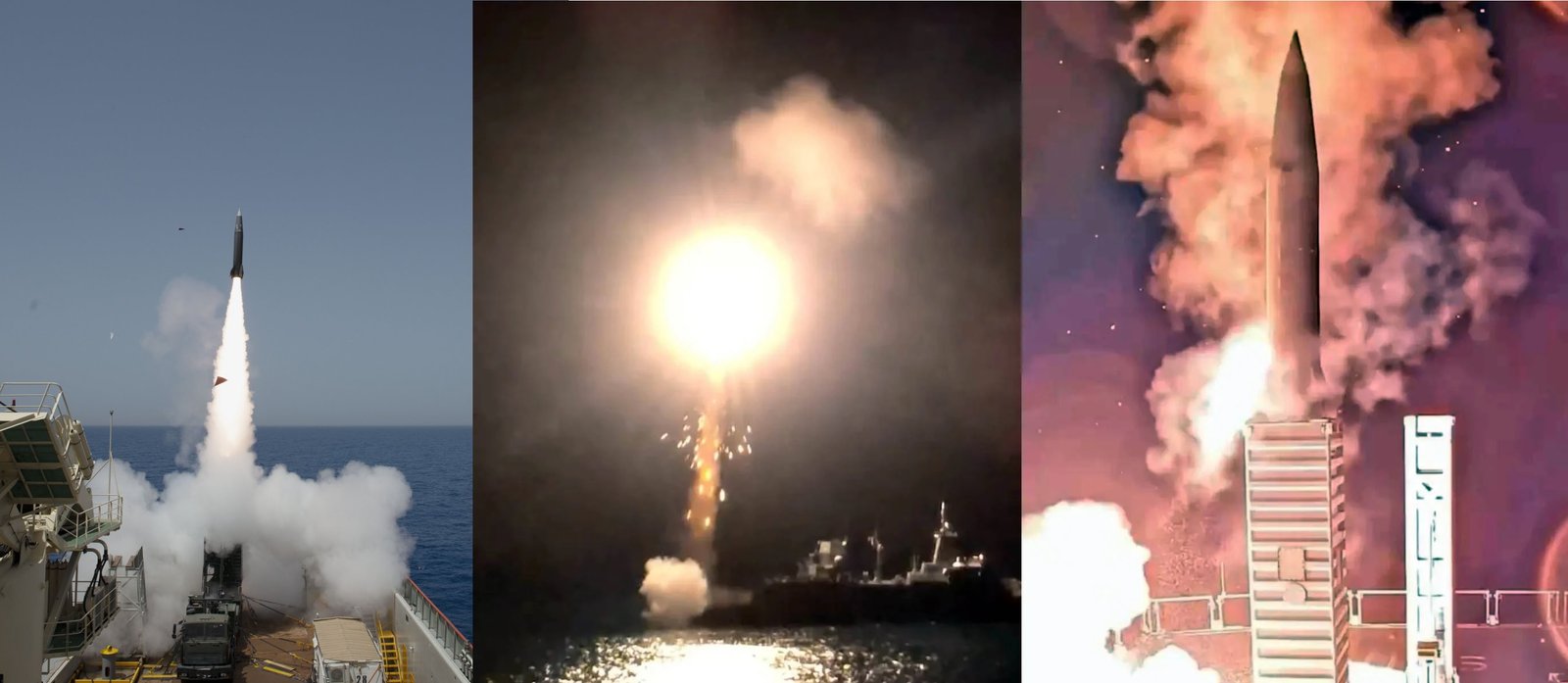
Europe
BERLIN, — The German Navy has successfully completed a dual live-fire trial of the Naval LORA ballistic missile, developed by Israel Aerospace Industries (IAI), in the North Atlantic between Ireland and Iceland. LORA Missile Fired From German Frigate Two LORA missiles were launched during the trial from German naval vessels, with the F125-class frigate Sachsen-Anhalt (F224) identified as the launch platform. The missiles were fired from containerized launchers temporarily installed on the frigate’s flight deck. According to IAI, both missiles followed their planned trajectories, navigated to their targets and completed the engagements with the required precision. The trial also assessed the missile, its naval launcher and command-and-control system, with all test objectives successfully completed. September 2, 2026 Part of Germany’s Marine 2035 Programme The firing was conducted under the German Navy’s Operational Experimentation (OPEX) programme, which supports the “Marine 2035 and Beyond” modernization plan. OPEX allows the German Navy to test new technologies and operational concepts in conditions designed to reflect real missions. The LORA trial used a configuration that included the missile launcher and a command trailer aboard the German vessel. German Navy Inspector Vice Admiral Jan Christian Kaack described the firing as “naval history.” He said the system had demonstrated that it could be deployed from German naval units and that its potential range exceeds anything previously available to the German Navy. Germany Evaluating More Than 500-km Range Following the successful trial, Germany plans to advance preparations for procurement of the missile system. German defence officials have referred to a potential range of more than 500 kilometres for the configuration being considered. IAI’s publicly listed specifications for LORA give the missile an operational range of 90 to 430 kilometres. The missile has a stated circular error probable (CEP) of about 10 metres and uses GNSS/GPS and inertial navigation for guidance. LORA is approximately 5.2 metres long, 0.62 metres in diameter and weighs about 1.6 tonnes. It is a quasi-ballistic missile that can be launched from land-based mobile launchers or naval vessels and is designed for sea-to-shore and sea-to-sea precision engagements. North Atlantic Trial The test area was located between Ireland and Iceland. Preparations were largely kept secret, although shipping and air traffic in the area received warnings approximately 45 days before the firing. The LORA system is described by IAI as combat-proven and has previously been used operationally by Azerbaijan during the 2020 Nagorno-Karabakh conflict. Germany-Israel Defence Cooperation IAI Chairman Boaz Levy said the successful naval trial demonstrated Israel’s technological capabilities and the defence cooperation between Germany and Israel. He also highlighted the deployment of the Israeli-made Arrow 3 air-defence system on German territory. IAI CEO Guy Bar Lev said the company was proud to contribute to the strategic cooperation between the two countries and described the live-fire exercise as a significant milestone for LORA. The operational data collected during the North Atlantic trial will now support the German Navy’s evaluation of future long-range maritime strike capabilities. Germany currently does not have ballistic missiles in its inventory, making the LORA trial an important step in its assessment of ship-launched ballistic missile capability.
Read More → Posted on 2026-09-02 13:01:41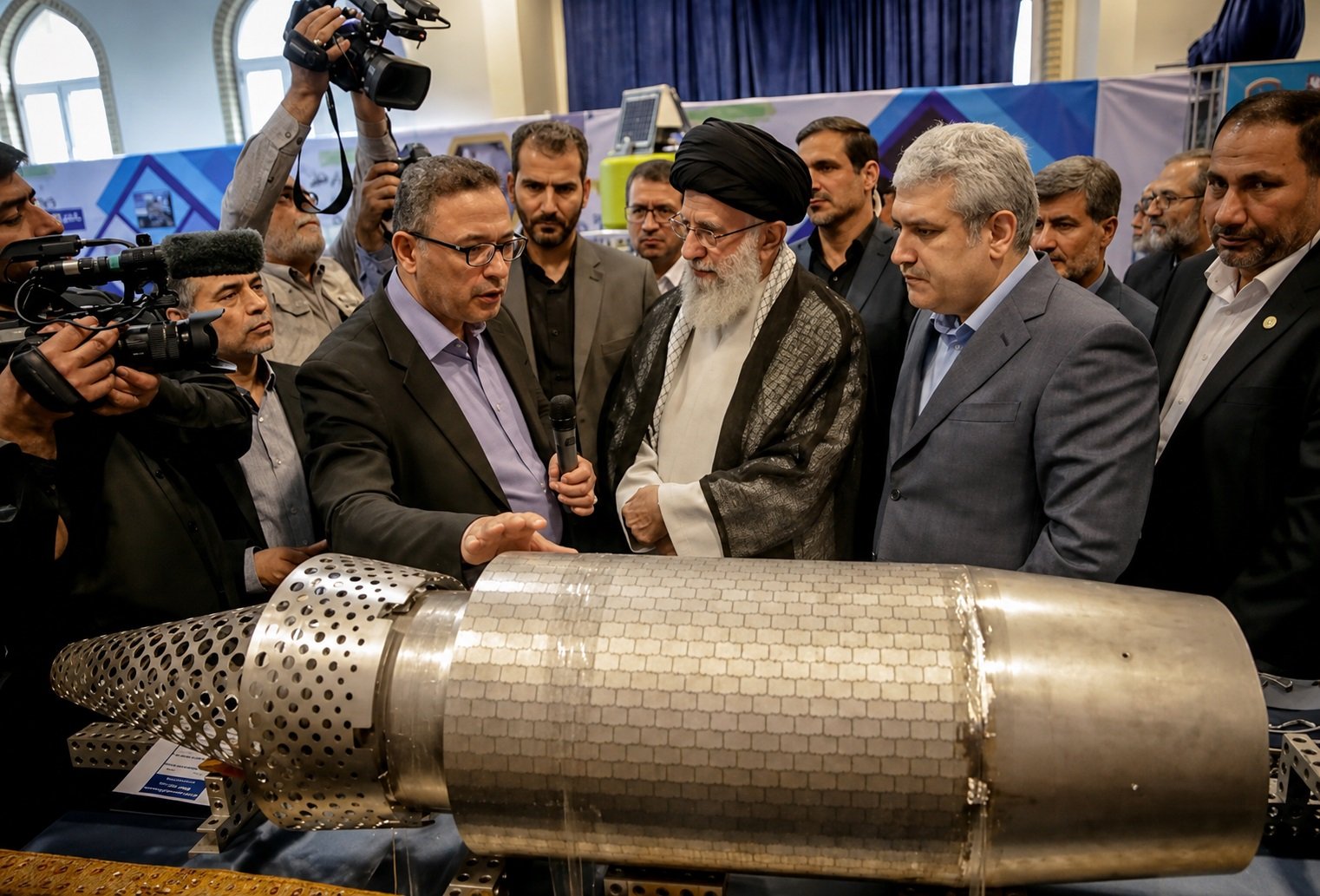
World
TEHRAN, September 2, 2026 — Russia has been secretly assisting Iran in developing ramjet propulsion technology for supersonic cruise missiles under a program codenamed C430L, according to an investigation published by the Financial Times on September 1–2, 2026. The investigation is based on leaked Russian correspondence, travel records and analysis of military patents. The multiyear program began in 2023 and continued into 2026. The reported cooperation has focused primarily on helping Iran develop and refine a ramjet propulsion system for missiles intended for anti-ship and land-attack roles. Russian Firms Involved in the Program The C430L program was organized by Russia’s state arms exporter Rosoboronexport in coordination with NPO Mashinostroyenia, a Russian missile design bureau. Travel records reviewed by the Financial Times indicate that senior Russian arms-export officials and engineers from NPO Mashinostroyenia made repeated visits to Tehran during 2023. A contract between Rosoboronexport and Iran’s Ministry of Defense and Armed Forces Logistics (MODAFL) was subsequently signed in November 2023. The Russian delegation included several specialists involved in missile and propulsion development. Alexandr Dergachov, then deputy head of NPO Mashinostroyenia, was identified as the chief designer responsible for sea-launched missiles and cruise missile systems. Alexandr Chebakov, head of the company's air-breathing jet-engine design department, also participated. Russian patents identify Chebakov as an inventor associated with control systems for supersonic ramjets and cruise-missile engines. The documents indicate that he visited Tehran three times in 2023. Yuri Prokhorchuk, head of NPO Mashinostroyenia's aerodynamics and ballistics department, was another member of the group. He is a co-author of a patent covering a ramjet-powered hypersonic cruise missile designed for attacks against ships and land targets. In July 2023, Rosoboronexport official Vladislav Kuzmichev, head of its defense technologies and space department, joined the Russian engineers during a visit to Iran. He later signed the November 2023 contract on behalf of Rosoboronexport. Iran Shared Ramjet Test Data With Russia Iran has been working on supersonic anti-ship missile technology for years. In 2016, Iran's then-defense minister announced plans to develop supersonic anti-ship missiles. In 2019, Iranian authorities displayed components of a ramjet during an inspection by Iran's Supreme Leader. In August 2023, the IRGC-affiliated Tasnim news agency reported that testing had begun on a prototype supersonic cruise missile. According to the leaked correspondence reviewed by the Financial Times, NPO Mashinostroyenia had received a substantial amount of Iranian technical information on the ramjet by 2025. Russian engineers examined telemetry from an Iranian flight test. The telemetry stopped transmitting less than a minute after the missile was launched. Russian specialists subsequently sent Iranian counterparts detailed technical questions concerning the engine's fuel system, combustion stability, air intake and nozzle performance. They also asked whether the ramjet had continued operating after the telemetry transmission ended. The exchange shows that Russian specialists were involved in examining Iran's test results and identifying technical issues associated with the propulsion system. Russia Offered Further Technical Assistance The cooperation continued beyond the exchange of technical data. In April 2025, Rosoboronexport proposed sending a delegation of approximately two dozen Russian specialists to Iran to provide technical consultations. A letter from Rosoboronexport dated June 2026 indicates that the two sides were still discussing the next phase of the program and planned further reviews of Russian technical reports. This indicates that the reported cooperation remained active into 2026 rather than ending after the initial 2023 agreement. Ramjet Technology at the Center of the Program The main technical focus of C430L is the development of a ramjet propulsion system. Unlike a conventional turbojet engine, a ramjet has no compressor or turbine. It relies on the forward movement of the missile to compress incoming air before fuel is burned in the engine. Ramjets are therefore suited to sustained high-speed flight after a missile has reached the required operating conditions. The reported Russian assistance is focused on helping Iran overcome technical challenges associated with the propulsion system, including fuel delivery, combustion, airflow through the intake and nozzle operation. The Financial Times reported that Iran has already built and flight-tested a ramjet system. However, there is no public evidence that an operational supersonic cruise missile developed with Russian assistance has entered Iranian service. Potential Anti-Ship and Land-Attack Applications The reported program is intended to support missiles for both anti-ship and land-attack missions. Supersonic cruise missiles can reduce the amount of time available to defensive systems to detect, track and engage an incoming weapon, particularly when combined with a low-altitude flight profile. However, the effectiveness of any specific missile would depend on its final design, flight profile, guidance system and other characteristics that have not been publicly established for the C430L program. Fabian Hinz of Conflict Armament Research, an expert on Iranian missile programs, said that obtaining this type of technology had been an Iranian objective for decades. Former CIA military analyst Jim Lamson said successful deployment could provide Iran with a new strategic weapon capable of threatening U.S. Navy vessels. At present, however, the available information does not establish that an operational Russian-assisted missile has been deployed. Wider Iranian Missile Procurement The reported Russian cooperation comes alongside Iran's efforts to obtain advanced missile technology from China. In February 2026, Reuters reported that Iran was nearing an agreement to purchase CM-302 supersonic anti-ship cruise missiles from China. Reuters reported a range of about 290 kilometers for the missile and said negotiations had been underway for more than two years. The Chinese missile procurement discussions and the C430L program represent separate developments. The C430L program, as described by the Financial Times, concerns Russian assistance with Iran's development of ramjet propulsion technology, while the reported CM-302 deal concerns the potential acquisition of an existing Chinese missile system. Significance of the C430L Program The Financial Times described C430L as one of the most significant known transfers of strategic military technology from Moscow to Tehran. The leaked documents indicate that the cooperation involved more than a conventional arms purchase. Russian specialists reportedly examined Iranian test data, exchanged technical questions, proposed sending engineering teams to Iran and continued discussions on technical reports into 2026. Iran's ability to develop and produce an operational supersonic cruise missile with this assistance remains unconfirmed. The available evidence instead shows an ongoing effort centered on ramjet propulsion technology, with potential applications in future anti-ship and land-attack missiles. The disclosures add another dimension to the expanding military relationship between Russia and Iran and come as Tehran continues to pursue high-speed missile capabilities through both domestic development and reported foreign cooperation.
Read More → Posted on 2026-09-02 12:48:52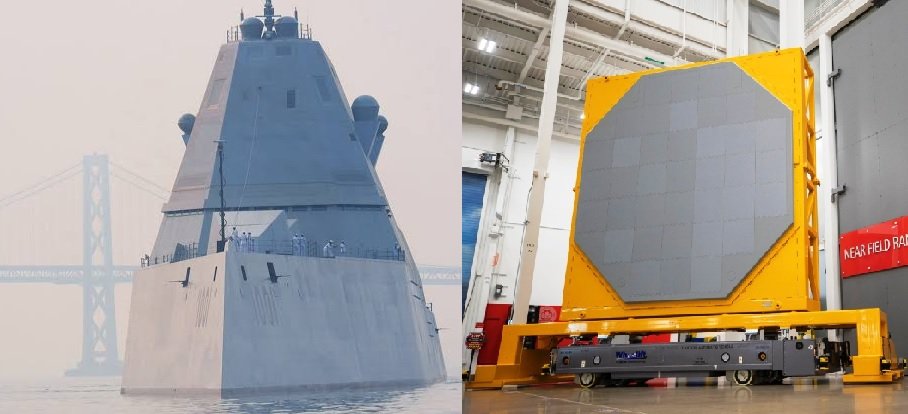
U.S
WASHINGTON, — The U.S. Navy and Raytheon are studying options to accelerate the installation of the AN/SPY-6(V)3 S-band radar on the Navy’s three DDG-1000 Zumwalt-class guided missile destroyers. Jen Gauthier, Raytheon’s vice president of Naval Systems & Sustainment, confirmed that the study is examining the replacement of the Zumwalt class’s existing AN/SPY-3 X-band multifunction radar with the SPY-6(V)3. The upgrade was previously expected in the mid-2030s, but the first installation could now take place as early as 2028, subject to the ongoing study. Existing Radar Hardware Could Accelerate Upgrade A major reason for the possible acceleration is the availability of SPY-6(V)3 radar hardware originally built for the now-cancelled FFG-62 Constellation-class frigate program. The Navy cancelled the Constellation program on November 25, 2025, and the already-built radar systems are being considered for reuse on the Zumwalt ships. This could reduce the need to wait for new radar production. Part of the ZEUS Modernization The radar upgrade is a central part of the Zumwalt Enterprise Upgrade Solution (ZEUS), which Naval Sea Systems Command began assessing in 2022. ZEUS aims to replace unique Zumwalt-class combat systems and sensors with equipment used across the wider U.S. Navy surface fleet, improving long-term supportability and interoperability. The AN/SPY-6(V)3 is part of the Navy’s AN/SPY-6(V) Air and Missile Defense Radar family. It uses three fixed array faces, with each face containing nine Radar Modular Assemblies (RMAs). Each RMA is a self-contained radar antenna housed in a 2-by-2-by-2-foot box. The V3 configuration is roughly comparable in size to the existing SPY-3, which could reduce the need for major structural changes during installation. Gauthier said Raytheon has already received funding to study radar availability and integration with the DDG-1000 class. Raytheon has also received Navy funding for development work on the Zumwalt combat management system to support potential SPY-6 integration. In April 2026, the Navy awarded Raytheon a $213.4 million contract modification for combat-system integration, modernization, installation, testing and sustainment work on the class through 2027. SPY-6 Upgrade for Arleigh Burke Destroyers The Zumwalt effort is running alongside the Navy’s SPY-6 upgrade of DDG-51 Flight IIA destroyers. Under the DDG MOD 2.0 program, the larger AN/SPY-6(V)4 will replace the Lockheed Martin AN/SPY-1D radar. The V4 has four array faces, each containing 24 RMAs. Raytheon has already delivered and installed the first SPY-6(V)4 array at the Navy’s Surface Combat Systems Center at Wallops Island, Virginia, where it will undergo testing of its power requirements and combat-system interfaces. The USS Pinckney (DDG-91) is scheduled to become the first Flight IIA destroyer to receive the V4, with the backfit planned from late 2026 to 2028. Zumwalt-Class Ships The three Zumwalt-class destroyers are USS Zumwalt (DDG-1000), USS Michael Monsoor (DDG-1001), and USS Lyndon B. Johnson (DDG-1002). The ships are also being modernized for their surface-strike role, including integration of the Conventional Prompt Strike hypersonic missile system. The SPY-6(V)3 study remains underway, and the 2028 first installation is currently a potential accelerated schedule rather than a finalized Navy decision.
Read More → Posted on 2026-09-02 12:08:33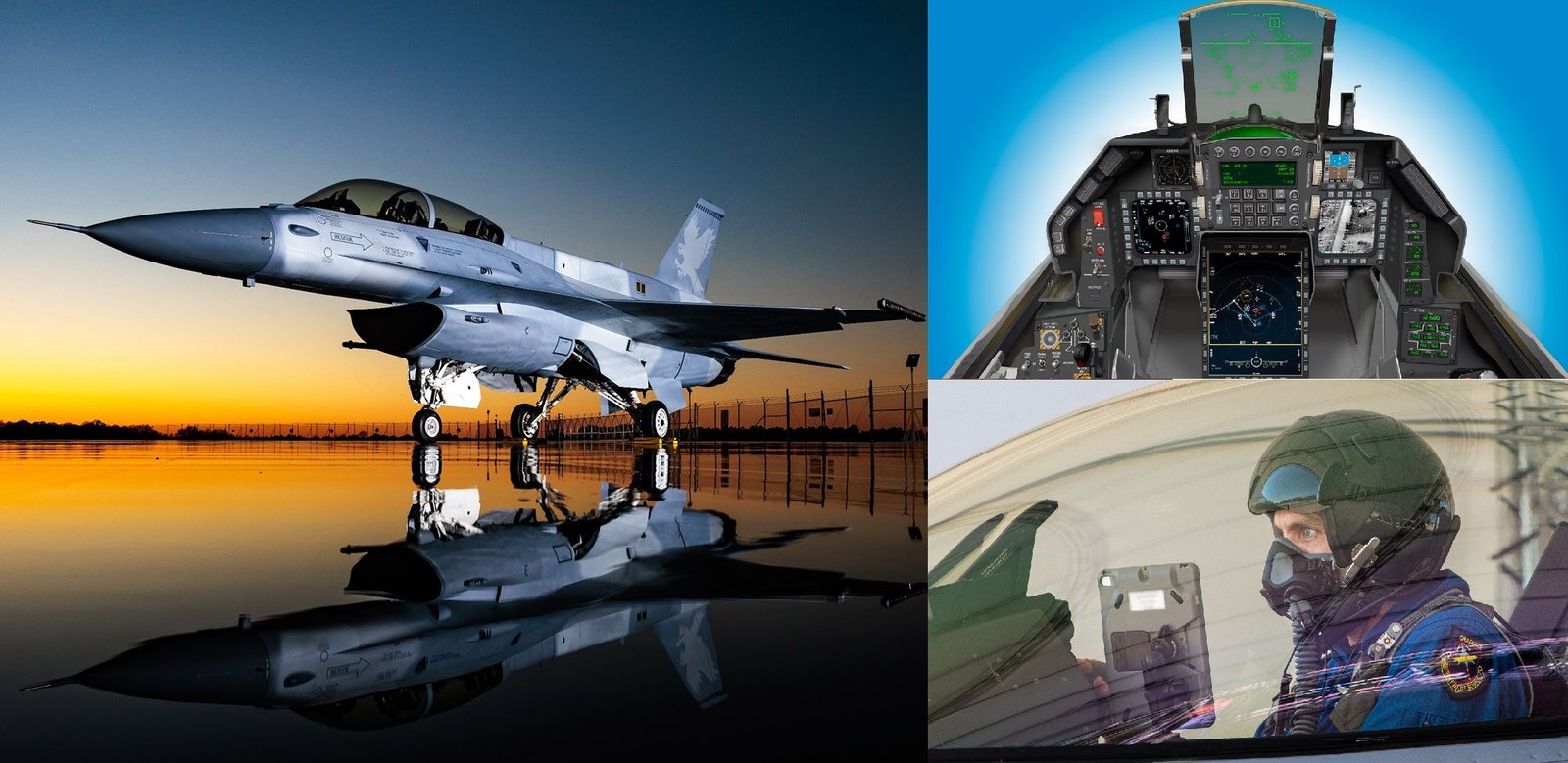
U.S
GREENVILLE, SOUTH CAROLINA — Lockheed Martin is highlighting the F-16 Block 70/72 as the most advanced production version of the F-16, combining a new-production airframe with an AESA radar, modernized cockpit, advanced targeting systems, electronic warfare capabilities and broad weapons integration. The company describes the aircraft as an advanced fourth-generation fighter, while its Northrop Grumman APG-83 AESA radar provides what Lockheed Martin calls fifth-generation fighter radar capabilities through hardware and software commonality with the AESA radars used on the F-22 and F-35. The Block 70/72 is currently being produced at Lockheed Martin’s facility in Greenville, South Carolina. The company says the configuration is designed to keep the F-16 operating into the 2060s and beyond. APG-83 AESA Radar The APG-83 is at the center of the Block 70/72 sensor package. According to Lockheed Martin, the radar provides faster all-weather targeting, greater situational awareness and more detailed digital mapping. The radar provides the F-16 with fifth-generation fighter radar capabilities by leveraging hardware and software commonality with the AN/APG-77 AESA radar used by the F-22 and the AN/APG-81 AESA radar used by the F-35. Northrop Grumman developed the APG-83 as a multifunction active electronically scanned array (AESA) fire-control radar for the F-16. The APG-83 supports high-resolution Synthetic Aperture Radar (SAR) mapping, allowing pilots to obtain detailed digital maps for target identification and precision strike missions. It also supports interleaved air-to-air and air-to-ground operations, allowing the radar to rapidly switch between different mission modes while maintaining situational awareness. The radar provides multiple simultaneous air-to-air tracks, improved detection and tracking performance, and robust electronic protection for operations in dense radio-frequency environments. Northrop Grumman says the radar's electronic scanning allows faster area searches and more rapid target updates compared with mechanically scanned radars. Lockheed Martin specifically describes the APG-83 as providing “5th Generation fighter radar capabilities” because of its hardware and software commonality with the F-22 and F-35 radar systems. This does not make the F-16 a fifth-generation fighter; the Block 70/72 remains classified by Lockheed Martin as a fourth-generation aircraft. Northrop Grumman's published information also states that the APG-83 incorporates proven hardware and advanced operating modes from the F-22 and F-35 AESA radar programs, including electronic-protection capabilities. Its published SABR documentation says approximately 95 percent of the radar's mode suite comes directly from the F-35's APG-81 AESA radar, including electronic-protection functions. Advanced Cockpit and Targeting Systems The aircraft receives radar and targeting information through a new high-resolution Center Pedestal Display (CPD). The display provides color moving maps, larger air-to-air situation displays, zoom functions and digital flight information. The Block 70/72 can also integrate Lockheed Martin’s Sniper Advanced Targeting Pod and Legion-ES infrared search-and-track (IRST) system. These systems provide the pilot with additional sensor information beyond the aircraft's radar. The IRST system provides a passive means of searching and detecting targets, while the targeting pod provides imagery and targeting information. The aircraft also incorporates an upgraded mission computer and avionics architecture. Lockheed Martin says the new mission computer combines computing functions for weapons and avionics into a single system and is designed to support software upgrades over time. Electronic Warfare and Data Links The Block 70/72 also includes an internal electronic warfare system incorporating a digital radar warning receiver and jammer technology. Lockheed Martin says the electronic warfare system is integrated with the AESA radar, sensors, helmet-mounted display and cockpit displays. The aircraft also incorporates advanced tactical data-link capabilities for sharing tactical information and tracking data. Broad Weapons Integration Weapons integration is another major feature of the F-16 Block 70/72. Lockheed Martin says more than 36 years of F-16 weapons-integration work with the U.S. Air Force and foreign military sales customers has resulted in more than 3,300 certified carriage and release configurations covering more than 180 weapons and stores. The Block 70/72 therefore combines its modern radar and targeting systems with a large existing weapons-integration base. The aircraft is designed as a multirole platform capable of employing a broad range of air-to-air and air-to-ground weapons. Auto GCAS and Extended Structural Life The Block 70/72 also incorporates the Automatic Ground Collision Avoidance System (Auto GCAS). Developed by Lockheed Martin, the system is designed to prevent controlled flight into terrain by detecting the risk and initiating an automatic recovery when required. Lockheed Martin says the system entered U.S. Air Force service in 2014 and has saved multiple pilots and F-16 aircraft. The new-production airframe has a rated structural life of 12,000 flight hours, which Lockheed Martin says is more than 50 percent higher than previous production F-16 aircraft. The company says this provides most air forces with at least 40 years of service life without expected major structural repairs during that period. The aircraft can also use conformal fuel tanks, which increase fuel capacity and range while maintaining the aircraft's aerodynamic characteristics. 119 Aircraft in Backlog The technology upgrades are being introduced as Lockheed Martin continues production of new F-16s for international customers. The company currently reports a Block 70/72 backlog of 119 aircraft, with 41 aircraft delivered to customers in seven countries. The figures represent the latest production program status reported by Lockheed Martin. The new-production aircraft add to the existing global F-16 fleet. Lockheed Martin reports approximately 2,800 F-16s operating in 29 countries, with the worldwide fleet having accumulated more than 14 million sorties and 21 million flight hours. Lockheed Martin also reported that F-16 deliveries resumed in 2026 following redesign and additional flight testing of a new variant. The company delivered two F-16s during the second quarter of 2026 and said it expects F-16 deliveries to increase during the year compared with 2025. The Block 70/72 therefore represents an evolution of the F-16 design rather than a new fighter-generation designation. Its main upgrades are centered on the APG-83 AESA radar, modern mission computing, advanced targeting and IRST systems, electronic warfare, improved cockpit displays, Auto GCAS and extensive weapons integration.
Read More → Posted on 2026-09-02 11:58:40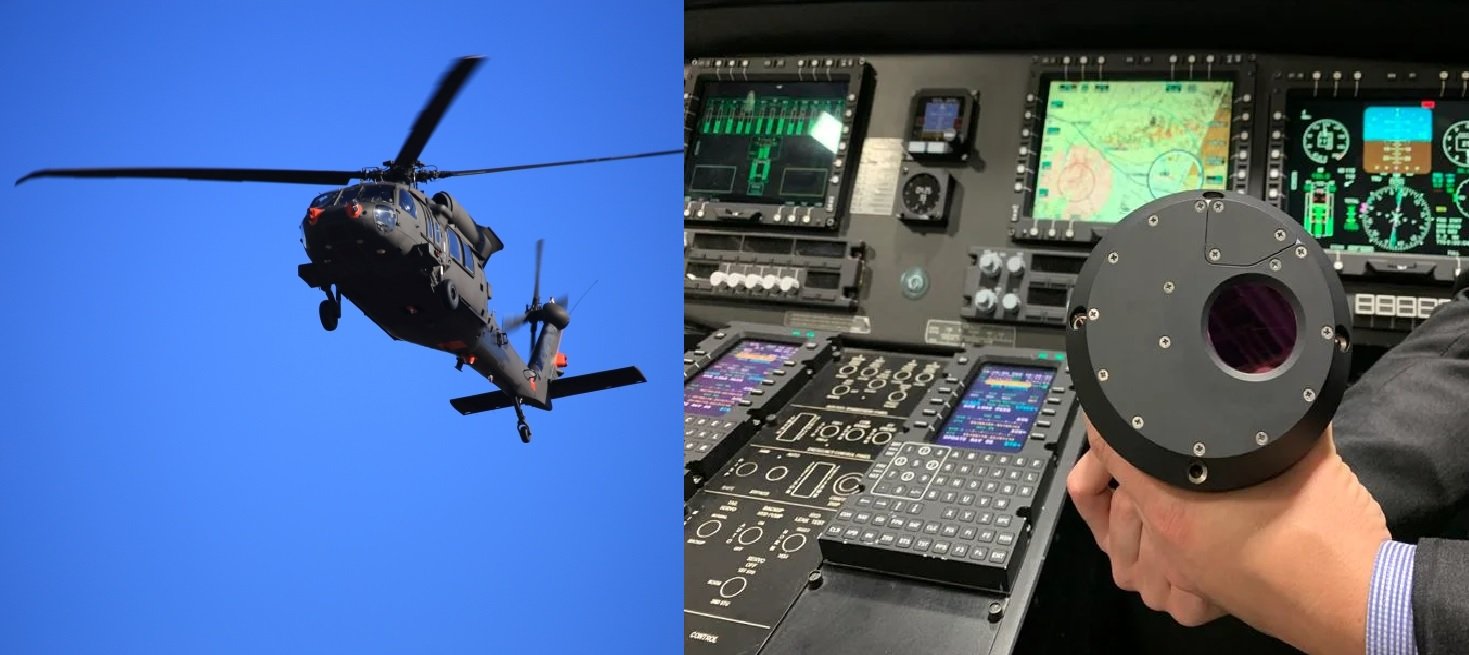
U.S
ASHBURN, Va. — Curtiss-Wright Corporation has received an approximately $14 million contract from Northrop Grumman to supply sensor-processing equipment for the U.S. Army’s Improved Threat Detection System (ITDS). The award supports Phase II development of the Army’s future aircraft threat-warning system. ITDS for Army Aviation ITDS is designed to detect, classify and identify electro-optical and infrared threats in real time and provide the information needed for an aircraft’s defensive response. The system is intended for current and future Army aviation platforms, with priority given to the AH-64 Apache and MV-75 Future Long-Range Assault Aircraft (FLRAA). Curtiss-Wright Processor and ATHENA Sensor Under the contract, Curtiss-Wright will provide an integrated processor capable of receiving, processing and fusing high-bandwidth sensor data before rapidly distributing threat information across the aircraft. The processor will work with Northrop Grumman’s Advanced Tactical Hostile Engagement Awareness (ATHENA) sensor. ATHENA is designed to provide 360-degree situational awareness and high-resolution detection of electro-optical and infrared threats. The system is designed to detect threats including unmanned aerial systems, air-to-air missiles, anti-tank guided missiles, rocket-propelled grenades, loitering munitions, guided man-portable air-defense systems, small-arms fire and machine guns. It can also identify related threats outside a pilot’s direct line of sight or below the aircraft. Threat Warning and Defensive Response Once a threat is classified, ITDS is designed to provide information to the aircraft’s defensive systems and support an appropriate response. This includes directable infrared countermeasures and expendable countermeasures such as chaff and flares. The system will also provide hostile-fire warnings and distinguish small-arms fire from rocket threats. Open Architecture and Processing Curtiss-Wright’s processor uses a modular architecture aligned with the Modular Open Systems Approach (MOSA) and Sensor Open Systems Architecture (SOSA) requirements. The equipment is housed in a conduction-cooled chassis designed for airborne operations and includes high-speed optical connections and configurable input-output interfaces. These features support both modern digital sensors and legacy aircraft systems. The processor also provides artificial-intelligence-enabled computing and real-time network-centric data sharing. The open architecture is intended to support the integration of new sensors, algorithms and countermeasure capabilities as threats evolve. The planned ITDS configuration consists of infrared sensors, a processor and a memory module connected through a digital backbone. The system is designed to conform to the Future Airborne Capability Environment (FACE). Phase II Development The contract is part of Phase II of the Army’s ITDS Other Transaction Agreement. Northrop Grumman advanced to Phase II following earlier development and testing, including more than 51 hours of flight testing and live-fire evaluations during Phase I. Phase II includes initial prototype systems, system design, integration, architecture development, sensor assessment, and additional flight and operational testing. The program is being developed under the Army’s Program Executive Office for Intelligence, Electronic Warfare & Sensors and is intended to provide a future threat-warning capability for rotary-wing aviation while supporting integration with existing countermeasure systems. Curtiss-Wright’s approximately $14 million award provides the processing element that will operate with Northrop Grumman’s ATHENA sensor as ITDS moves through Phase II development and testing. Source : defence-industry
Read More → Posted on 2026-09-01 16:47:49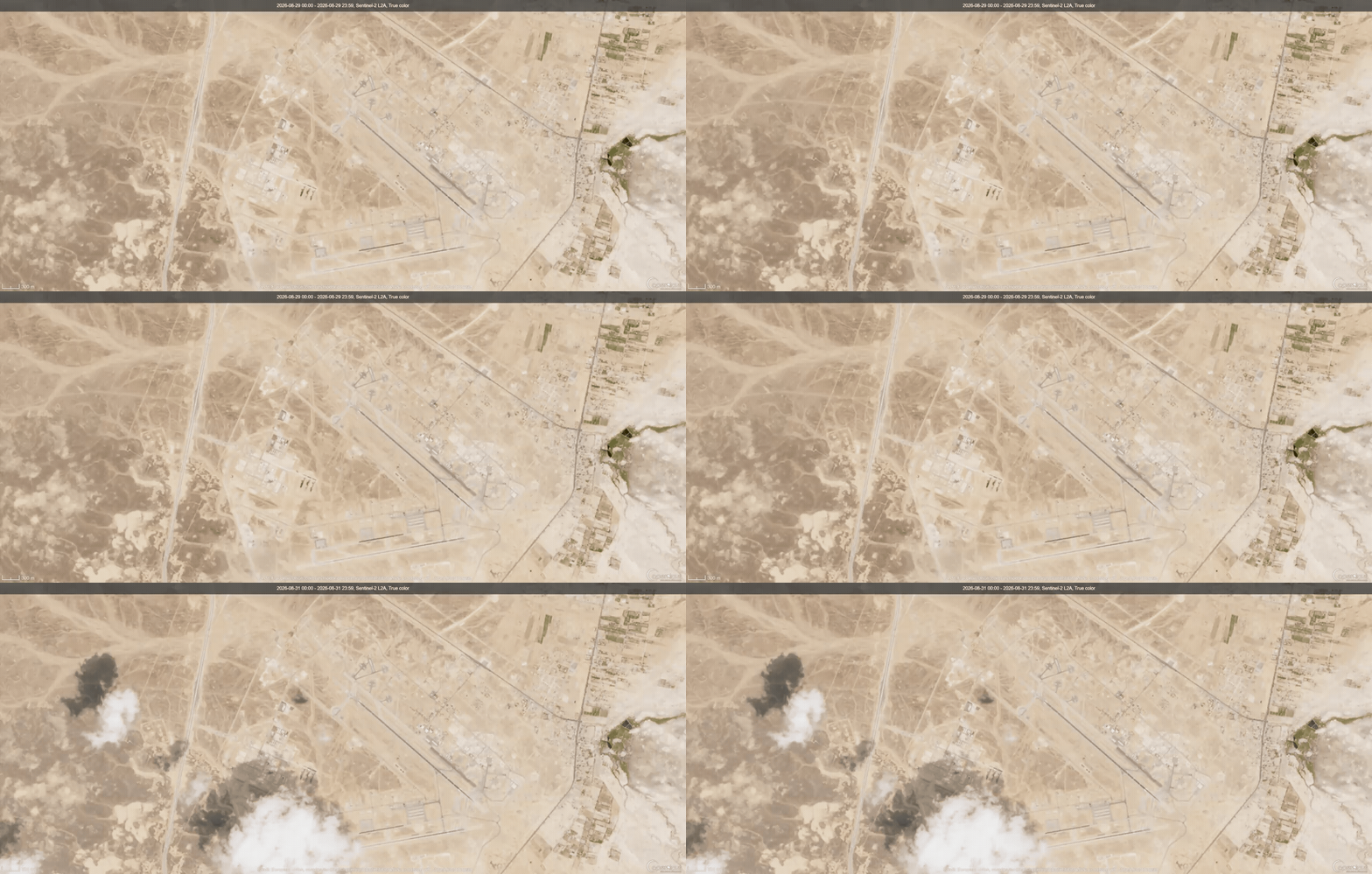
World
AMMAN, Jordan — Newly surfaced satellite imagery from August 31 shows a darkened area near aircraft hangars at Muwaffaq Salti Air Base in Jordan following Iran's ballistic missile attack on U.S.-linked military facilities in the country. The imagery, at coordinates 31.829263, 36.799926, shows an area that appears different from earlier imagery and is consistent with possible blast or impact damage. However, the available imagery alone does not establish the exact cause or extent of the damage. Iran launched ballistic missiles toward U.S.-linked facilities in Jordan on August 30-31 following U.S. strikes on Iranian positions on Larak Island in the Strait of Hormuz. Jordan's military said its air-defense systems intercepted eight missiles, while U.S. officials said nearly all incoming weapons were intercepted and reported no significant operational impact on the bases. Iran's Islamic Revolutionary Guard Corps, however, claimed that its missile and drone attacks struck technical, maintenance and aircraft-related facilities at Muwaffaq Salti and other locations in Jordan. Those claims have not been independently established. Possible damage near aircraft hangar The newly observed dark patch is located close to aircraft hangars inside Muwaffaq Salti Air Base. Open-source imagery analysts have described the feature as potentially consistent with blast damage following the August 30-31 attack. The imagery provides a visual indication of a possible impact area, but it does not by itself confirm whether a ballistic missile directly struck a hangar, what aircraft or equipment may have been affected, or whether the facility remains operational. Muwaffaq Salti has previously been targeted during the conflict. Earlier attacks reportedly caused damage to aircraft shelters and other infrastructure at the base, while U.S. officials previously reported American casualties in attacks on U.S. positions in Jordan. Black Hawk helicopters seen on road transport Separately, footage published by several media outlets and open-source accounts reportedly shows two U.S. UH-60 Black Hawk helicopters being transported on flatbed trailers through Jordan. The helicopters have been described as possibly coming from Muwaffaq Salti Air Base or Prince Hassan Air Base. Their exact origin and destination have not been independently confirmed. Pro-Iranian Arab media outlets published footage allegedly showing two U.S. UH-60 Black Hawk helicopters being transported on trailers in Jordan, likely from Muwaffaq al-Salti AB or Prince Hassan AB, possibly being moved out ahead of potential Iranian attacks. The way they're… https://t.co/n8JbCqNOMd pic.twitter.com/7mCNqSl911 — Egypt's Intel Observer (@EGYOSINT) August 31, 2026 Transporting helicopters by road could indicate that the aircraft were not being flown at the time, but the available footage does not establish the reason for their transport. It therefore cannot confirm whether the helicopters were damaged in Iranian attacks or were being moved for another operational or logistical reason. U.S. aircraft movements from King Abdullah II Air Base The developments also come as U.S. aircraft have reportedly been moved from King Abdullah II Air Base in Jordan. The reported movements include C-130 transport aircraft, UH-60 Black Hawks and AH-64 Apache attack helicopters. King Abdullah II Air Base itself has not been reported as a target of Iranian missile strikes in the recent attack. The movement of aircraft from the facility may reflect wider force-protection and aircraft-distribution measures, although the U.S. military has not publicly provided details establishing the reason for each reported relocation. Satellite imagery adds to conflicting assessments The latest imagery has emerged amid differing accounts of the August 30-31 attack. Jordan and U.S. officials have emphasized the large number of missile interceptions and limited reported impact, while Iran has claimed that its missiles caused substantial damage to U.S.-linked facilities. The August 31 satellite image provides evidence of a possible new blast-related area near hangars at Muwaffaq Salti, but higher-resolution imagery or official assessments would be required to determine the precise extent of any damage and whether aircraft or other military equipment were affected. For now, the available evidence confirms that the area changed between satellite observations, but the exact damage assessment remains unconfirmed.
Read More → Posted on 2026-09-01 16:31:13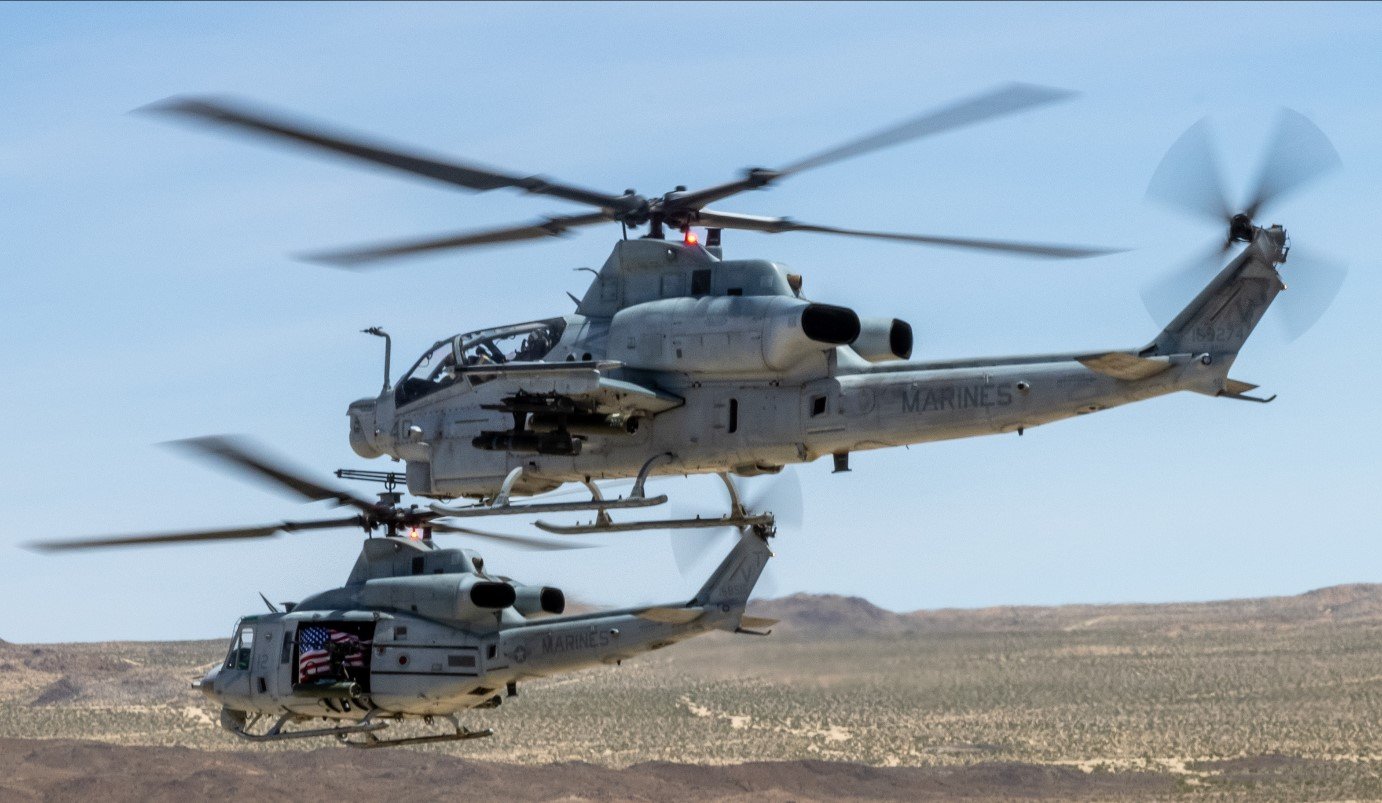
U.S
WASHINGTON, — The U.S. State Department has approved a possible $800 million Foreign Military Sale (FMS) to Iraq covering Bell 412EPX utility helicopters, Bell 407M light military helicopters and associated weapons, sensors, communications equipment, training and support. The approval was notified to Congress on August 31, 2026, under the U.S. Foreign Military Sales process. The notification does not specify the number of helicopters Iraq has requested, and the proposed sale is not yet a finalized contract. The State Department said the proposed package would improve Iraq's rotary-wing transport, reconnaissance and air-to-surface targeting capabilities and support the security of what it described as a strategic partner. Bell 412EPX and Bell 407M The proposed acquisition combines two different helicopter types. The Bell 412EPX is a twin-engine utility helicopter developed by Bell and Subaru. Bell lists seating for one pilot and up to 14 passengers, a maximum cruise speed of about 123 knots (228 km/h), a maximum internal gross weight of 12,200 pounds (5,534 kg) and a cargo-hook capacity of 5,000 pounds (2,268 kg). The helicopter is designed for utility and transport missions and has an external maximum gross weight of 13,000 pounds (5,897 kg). Bell says the 412EPX uses Pratt & Whitney PT6T-9 Twin Pac engines and an upgraded main rotor transmission. The Bell 407M is a single-engine military version of the Bell 407 family intended for military and special-mission applications. Bell lists a standard configuration of one pilot and up to six passengers, a maximum cruise speed of 133 knots (246 km/h) and an external-load maximum gross weight of 6,000 pounds (2,722 kg). Bell also lists a 3,100-pound (1,406 kg) cargo-hook capacity for the 407M and a Rolls-Royce Model 250-C47E/4 turboshaft engine producing 862 shaft horsepower at takeoff. Weapons and Mission Systems The proposed Iraqi package includes equipment for both reconnaissance and armed missions. The weapons listed in the notification include GAU-19 three-barrel machine guns and M260 seven-tube launchers for 2.75-inch (70 mm) rockets. For surveillance and targeting, Iraq has requested L3Harris WESCAM MX-15HDI electro-optical/infrared sensors. The package also includes AN/AAR-60 Block 2 missile-launch detection systems. Additional equipment includes very-high-frequency radios, spare parts, ground-support equipment, publications and technical data. The proposed sale also covers pilot and maintenance training and U.S. government and contractor engineering, technical and logistics support. Bell Textron to Be Principal Contractor Bell Textron, based in Fort Worth, Texas, is identified as the principal contractor for the proposed sale. The $800 million figure covers the proposed aircraft, equipment and associated support package. Because the notification does not specify the number of helicopters and the final configuration remains subject to negotiations, the eventual contract could differ from the notified proposal. Congressional Review The State Department's approval is an important step in the U.S. FMS process, but it does not mean that a contract has been signed. Congress has a period to review the proposed transaction before the process can move toward final agreements and contracting. The proposed acquisition would add new Bell 412EPX and Bell 407M capabilities to Iraq's rotary-wing fleet while providing weapons, sensors, training and sustainment support as part of a single FMS package.
Read More → Posted on 2026-09-01 16:13:58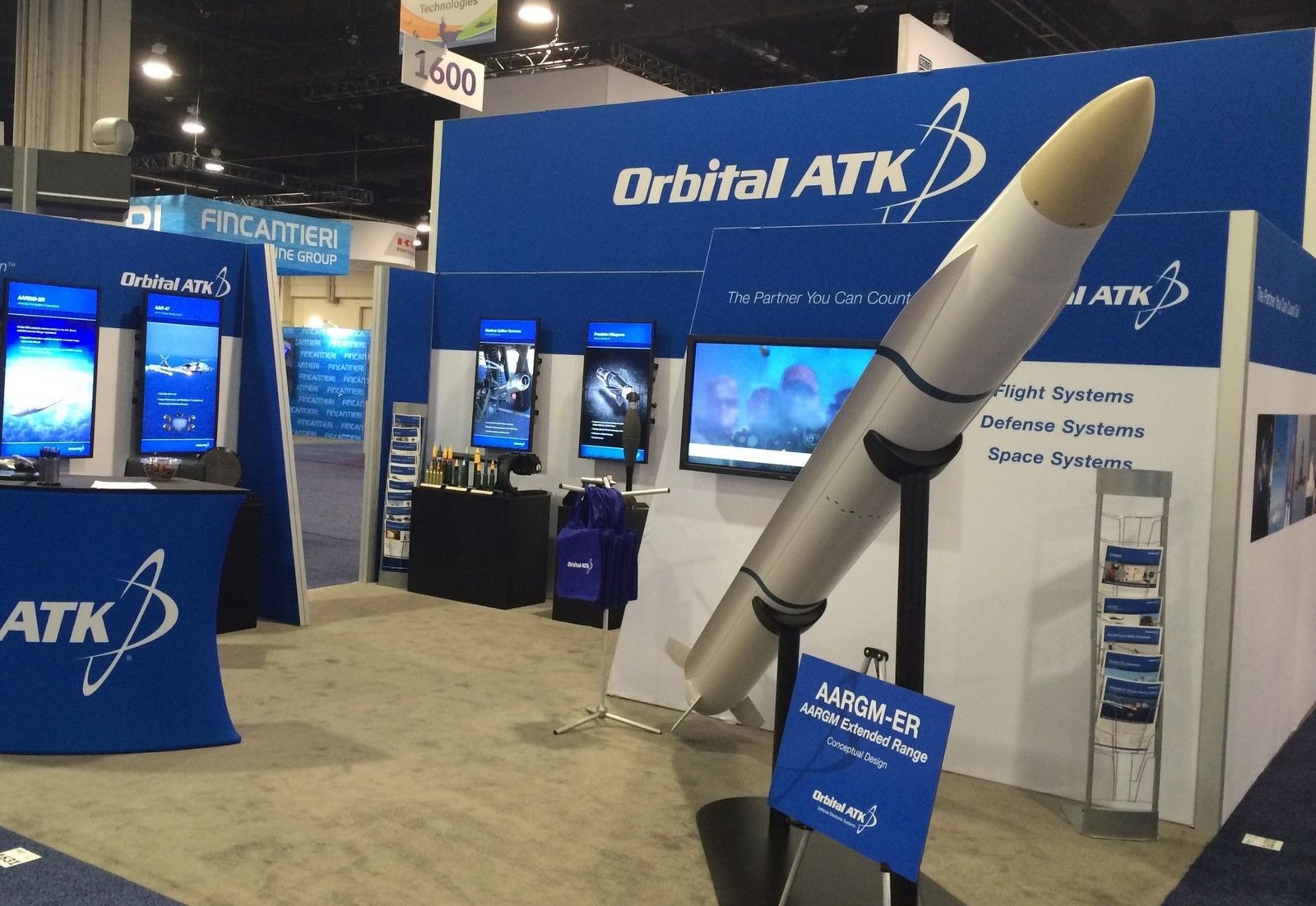
World
TOKYO — Japan’s Ministry of Defense has included the U.S.-made AGM-88G Advanced Anti-Radiation Guided Missile-Extended Range (AARGM-ER) in its fiscal 2027 budget request. Procurement is planned to begin in 2027 as Japan seeks to strengthen its ability to counter adversary integrated air-defense systems, particularly amid increased Chinese military activity. The Ministry submitted a record 8.89 trillion yen (about $55.6 billion) defense budget request on August 31, 2026. The final budget is expected to be decided by the end of December. The AARGM-ER would be the first anti-radiation missile of this type operated by the Japan Air Self-Defense Force (JASDF) since its establishment. JASDF Chief of Staff Gen. Yuhiro Morita said the missile can be carried by the F-35A and F-35B and described it as a supersonic air-launched anti-radar missile capable of reducing an adversary’s air-defense capability and supporting anti-ship attacks. AARGM-ER capabilities Developed by Northrop Grumman, the AARGM-ER is designed for Suppression and Destruction of Enemy Air Defenses (SEAD/DEAD) missions. It can target fixed radar installations, mobile surface-to-air missile systems, command posts and other elements of an integrated air-defense network. The missile uses a multi-mode guidance system combining GPS/inertial navigation, passive anti-radiation homing and a terminal millimeter-wave active radar seeker. This allows it to continue attacking a target even if its radar is switched off. The AARGM-ER was initially developed for the U.S. Navy’s F/A-18E/F Super Hornet and EA-18G Growler and was later expanded to the F-35A, F-35B and F-35C. Its redesigned airframe allows internal carriage on the F-35A and F-35C, while a new rocket motor provides greater range and speed and an upgraded warhead improves its overall capability. Open-source assessments have placed its range at around 300 km, roughly twice that of the earlier AARGM, although the exact performance remains classified. The missile is supersonic. Japan expands long-range strike capabilities Japan’s AARGM-ER procurement is part of a wider effort to expand its stand-off and air-defense suppression capabilities. Japanese combat aircraft previously had a predominantly defensive weapons focus, limiting their ability to attack radar sites, surface-to-air missile systems and command posts. The JASDF is also conducting flight testing of a new long-range air-launched cruise missile on the F-2 fighter. Recent observations showed an air-launched variant of the upgraded Type 12 surface-to-ship missile (SSM-2) being tested by an F-2 assigned to a specialized testing unit near Gifu Air Base. The exact specifications of the air-launched variant remain classified. The ground-launched version of the upgraded Type 12 is estimated to have a range of 1,000 to 1,500 kilometers. The fiscal 2027 budget request also includes ASM-3 Kai missiles with anti-ship and air-to-air capability, additional F-35 fighters, low-cost cruise missiles and various unmanned systems. Several quantities and costs remain listed as item requests pending updated national security strategy documents. If approved, the AARGM-ER will give the JASDF a dedicated capability to suppress and destroy enemy air-defense systems while becoming part of Japan’s broader effort to strengthen stand-off strike and air-defense capabilities.
Read More → Posted on 2026-09-01 16:00:01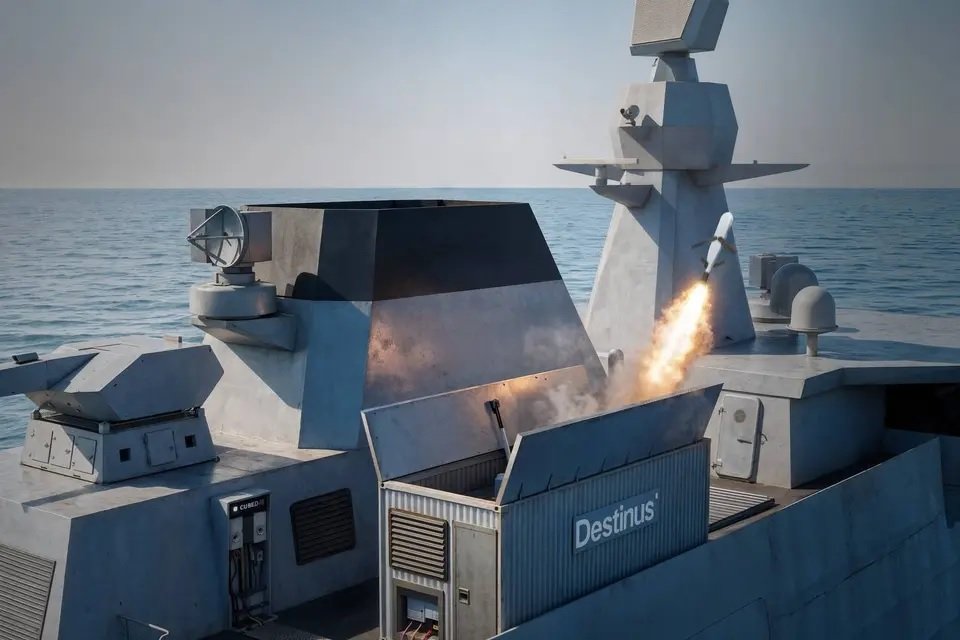
Europe
HERning, Denmark — European defense companies Destinus, CUBEDIN A/S and OMT Group A/S have signed a Memorandum of Understanding (MoU) to develop a modular, containerized counter-drone system for naval vessels. The agreement was announced at DALO Industry Days 2026 in Herning, Denmark. The companies plan to integrate Destinus' Hornet interceptor family into standardized 10-foot and 20-foot mission modules. The system is intended to provide navies with a scalable, lower-cost defense layer against high-volume aerial threats, particularly Class 2 unmanned aerial systems (UAS) and similar threats, including loitering munitions. The containerized design is intended for rapid installation on existing surface combatants and future ship designs. Using standard ISO container footprints would allow navies to add or remove the capability according to mission requirements without major structural modifications or extensive changes to the ship's combat management system. Roles of the Three Companies Under the agreement, Destinus will provide the Hornet interceptor system, internal launcher and mission-payload architecture. OMT Group A/S will handle naval platform engineering, structural integration and ship-design adaptations. CUBEDIN A/S will provide standardized mission-modularity interfaces and the software framework for physical, electrical and data connections with the host ship. The development is planned to progress through a Preliminary Design Review (PDR) and Critical Design Review (CDR) before full naval qualification testing. The companies intend to offer the system to European navies seeking adaptable point-defense capabilities. Hornet Interceptor The Hornet system is designed as a kinetic interceptor for counter-UAS missions. Destinus' Hornet family includes the Hornet Block 1 and Hornet B2 variants. In June 2026, Destinus and the Spanish Navy conducted a live launch of a Hornet Block 1 interceptor from a containerized launcher installed on the F-81 Santa María frigate. The demonstration examined the use of a container-based interceptor system on an existing warship. Destinus has separately described the Hornet B2 as a further development of the system. The information provided for the programme states that it has a reported range exceeding 150 kilometers and a 3-kilogram payload. Dutch Navy Programme The new partnership follows a separate agreement between Destinus and the Netherlands Ministry of Defence's Materiel and IT Command (COMMIT) announced in August 2026. That Concept Development and Evaluation (CD&E) programme will examine the integration of the Hornet B2 kinetic interceptor onto Royal Netherlands Navy warships. It is scheduled to continue through the second quarter of 2027, with naval operators involved in the testing and development process. The new MoU with CUBEDIN and OMT is separate from the Dutch programme but supports the broader development of a modular naval architecture for deploying Hornet interceptors on different warships. The three companies will contribute their respective expertise in interceptor technology, naval platform engineering and standardized modular integration as the project moves toward design reviews and naval qualification.
Read More → Posted on 2026-09-01 14:54:00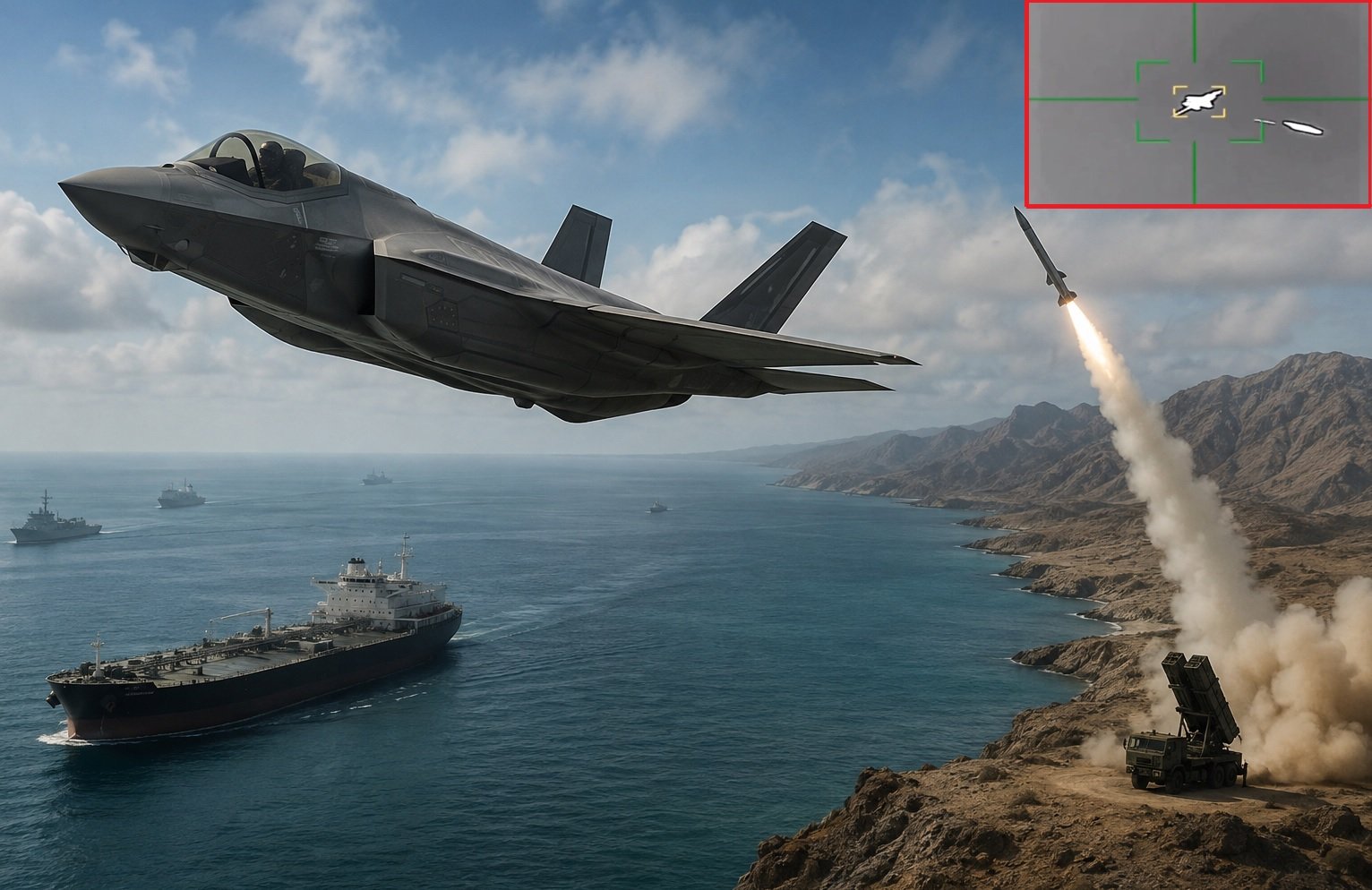
World
WASHINGTON — An Iranian surface-to-air missile was launched in recent days toward a U.S. F-35 fighter jet operating over the Strait of Hormuz, according to a U.S. official cited by Axios. The aircraft was providing air cover for ships transiting the strategic waterway. The missile did not come close enough to threaten the F-35, and there was no reported damage to the aircraft or injury to its pilot. The specific Iranian air-defense system involved has not been publicly identified by U.S. officials. The incident has become part of a wider U.S. assessment that Iran is rebuilding radar, air-defense and anti-ship missile capabilities around the Strait of Hormuz. U.S. Considers Limited Strikes U.S. Central Command (CENTCOM) has reportedly developed a plan for periodic, limited strikes against Iranian military capabilities around the strait. According to Axios, the proposal is intended to prevent Iran from rebuilding systems that could threaten commercial shipping, U.S. Navy ships and American aircraft operating in the area. The plan has the support of Defense Secretary Pete Hegseth and was sent to the White House for consideration several days ago. Chairman of the Joint Chiefs of Staff Gen. Dan Caine was also briefed on the proposal. The plan had not received final approval from President Donald Trump before the latest exchange of fire. The administration had previously been reluctant to approve additional strikes because of concerns about further escalation with Iran. Strait of Hormuz Remains a U.S. Military Focus The F-35 incident comes after months of U.S. military operations aimed at reducing Iran's ability to threaten commercial vessels in and around the Strait of Hormuz. CENTCOM has previously said its forces conducted strikes against Iranian air-defense systems, coastal radar sites, anti-ship missile capabilities, command-and-control networks and other military assets connected to threats against commercial shipping. The U.S. military has also supported commercial vessel movements through the waterway. The White House said on August 28 that nearly 1,500 commercial vessels had moved through the strait under U.S. protection, although those figures were provided by the White House and were not part of the Axios report. Recent Iranian Missile Attack Could Affect Trump's Decision The White House is also considering the situation following a separate Iranian ballistic missile attack on U.S. positions in Jordan, according to Axios. The attack followed a U.S. strike against Iranian forces that were preparing to launch rockets carrying sea mines into the Strait of Hormuz. President Trump subsequently said the United States would respond to the Iranian attack. The latest developments could therefore influence the administration's earlier reluctance to authorize the proposed limited strikes. No Final Decision Announced The U.S. government has not publicly announced that President Trump has approved the proposed campaign of periodic strikes described by Axios. The immediate concern for CENTCOM is Iran's reported effort to restore radar, air-defense and anti-ship missile capabilities that could threaten ships and U.S. military aircraft operating around the Strait of Hormuz. The recent launch of a surface-to-air missile toward the F-35 is being treated by U.S. officials as one indication of that rebuilding effort. CENTCOM has previously stated that keeping the Strait of Hormuz open for commercial traffic remains a major operational objective.
Read More → Posted on 2026-09-01 14:43:17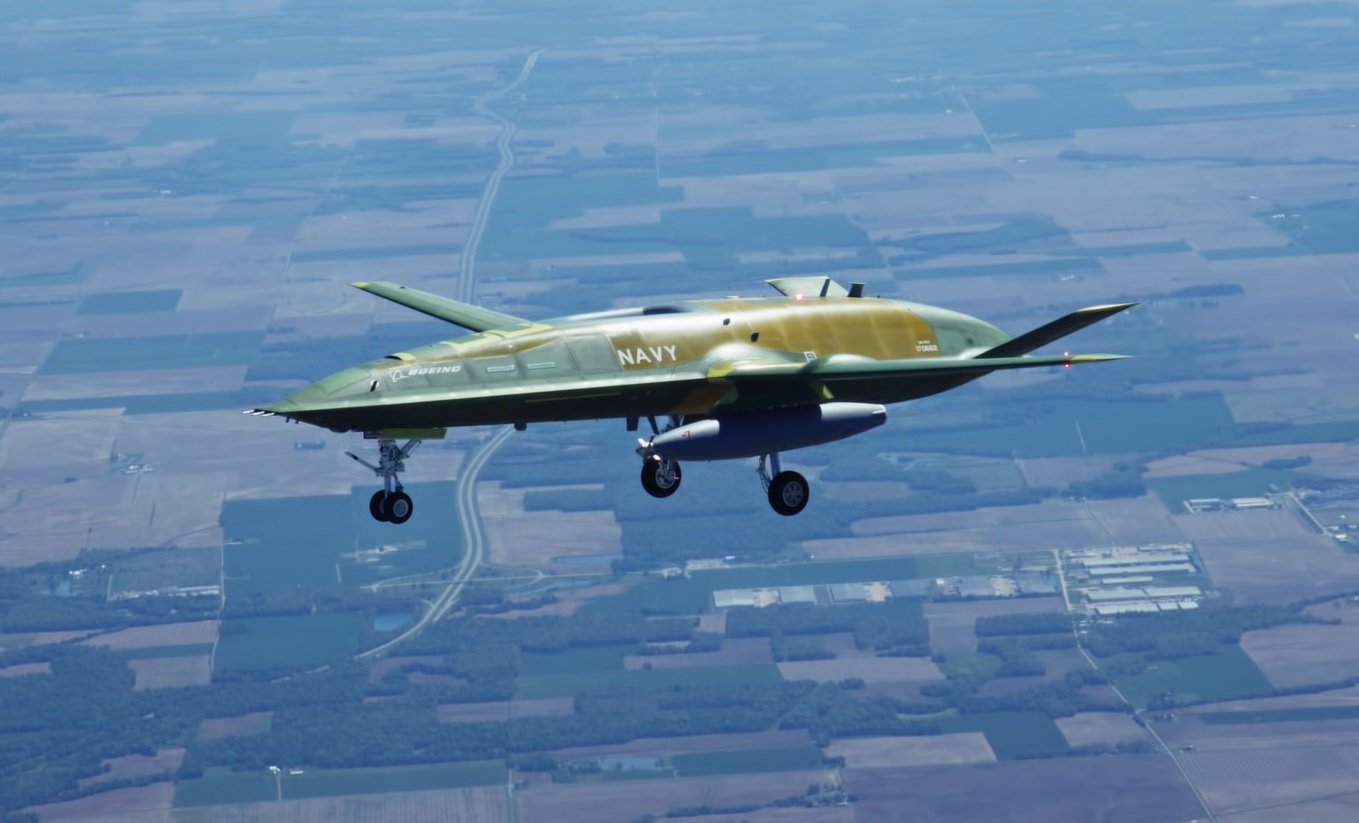
U.S
WASHINGTON, — The U.S. Navy has awarded Boeing a $12.68 million contract modification to upgrade electronic systems on the MQ-25A Stingray, the Navy’s carrier-based unmanned aircraft. The exact contract value is $12,680,717. The modification covers non-recurring engineering and integration work for an updated Radio Frequency Blanker Unit and an Encrypted Mass Storage System with an embedded Data Transfer System. The Radio Frequency Blanker Unit is designed to prevent the aircraft’s own transmissions from interfering with its onboard sensors, while the encrypted storage system provides secure storage and transfer of mission data. The contract also includes deficiency analysis and software corrections resulting from security assessments of the MQ-25’s Mission Management System Computer. The specific deficiencies have not been publicly disclosed. About 85 percent of the work will be performed in St. Louis, Missouri, with the remaining 15 percent in Fairborn, Ohio. The work is scheduled for completion by November 2029. Fiscal 2026 Navy research, development, test and evaluation funds will cover the full amount. The modification was not competitively bid, and Naval Air Systems Command at Patuxent River, Maryland, is the contracting activity. MQ-25's Carrier Role The MQ-25 is being developed primarily as an unmanned aerial refueling aircraft for U.S. Navy carrier air wings. It is intended to take over tanker missions currently performed by crewed F/A-18E/F Super Hornets, allowing those aircraft to remain available for other missions. The Navy has said the Stingray will be the first unmanned aircraft to routinely operate from a U.S. aircraft carrier. The platform is also planned to support intelligence, surveillance and reconnaissance missions. 2026 Flight Testing The first production-representative MQ-25A completed its approximately two-hour maiden flight on April 25, 2026, at Boeing’s facility at MidAmerica St. Louis Airport in Mascoutah, Illinois. An earlier flight attempt on April 22 was aborted for undisclosed reasons. During the maiden flight, the aircraft autonomously taxied, took off, maneuvered and landed while responding to commands from the Unmanned Carrier Aviation Mission Control System MD-5 ground station. The aircraft completed its second test flight in July, including landing-gear cycling and testing of new software intended to support future expansion of its flight envelope. Separate deck-handling trials aboard USS George H.W. Bush demonstrated the aircraft’s physical compatibility with carrier deck operations. The Boeing-owned T1 demonstrator has also participated in carrier deck activities aboard USS Nimitz. The Navy previously planned a test fleet of nine MQ-25 aircraft, including four Engineering Development Model aircraft produced under an $805 million engineering and manufacturing development contract. Future testing will expand the aircraft’s flight envelope, certify its aerial-refueling capability and eventually move to Naval Air Station Patuxent River for operational evaluation. The Navy has targeted Initial Operational Capability for the MQ-25, while the program continues its testing and development toward operational deployment.
Read More → Posted on 2026-09-01 14:15:31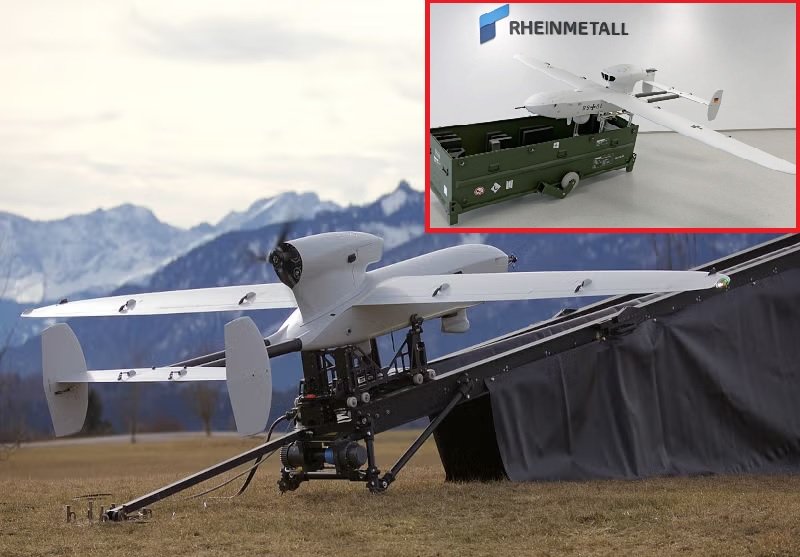
Europe
DUSSELDORF, — Rheinmetall’s LUNA NG unmanned reconnaissance system has received provisional airworthiness certification from the Bundeswehr Aviation Authority (LufABw), moving the system closer to full type certification. Provisional Airworthiness Certification The provisional certificate allows the LUNA NG to operate in regular restricted airspace under aviation test procedures. This removes the previous limitation of operating only in dedicated military areas and supports flight operations over densely populated European territory while meeting civil aviation safety standards. Mike Schmidt, CEO of Rheinmetall’s Air Unmanned Space business unit, said the certification process follows the same standards used for large aircraft such as the A320. He said critical systems, including the autopilot and safety-critical navigation systems, had to be developed and certified in-house because certified systems for tactical unmanned aircraft are not available on the market. Flight Testing and Pilot Training The LUNA NG has completed around 150 flights, accumulating approximately 200 flight hours under civil operating licences. The first Bundeswehr pilots and verifiers have also completed training on the system. The provisional certification allows these qualified personnel to conduct independent flights for training and testing. LUNA NG Specifications The Bundeswehr is introducing the system under the designation HUSAR (Highly Efficient Unmanned System for Medium-Range Reconnaissance). It is designed for sustained airborne reconnaissance, object classification and real-time detection. Key specifications include: Endurance: More than 12 hours Data-link range: More than 100 km Coverage: More than 30,000 km² Maximum operating altitude: Above 5,000 m Maximum take-off weight: 110 kg Reconnaissance speed: 90 km/h Maximum speed: 130 km/h Wingspan: 5.34 m Length: 3.17 m Height: 0.73 m Payload: Up to around 30 kg Engine: Heavy-fuel Wankel rotary engine The aircraft uses a carbon-fibre-reinforced plastic (CFRP) structure and has low acoustic, thermal and radar signatures. Sensors and Runway-Independent Operation The LUNA NG has a modular payload architecture supporting electro-optical, infrared, acoustic and spectrum-analysis sensors. Rheinmetall also lists options for communications relay, tactical satellite communications and AI-supported data evaluation. The aircraft can be launched by catapult without a runway and recovered autonomously using differential GPS with either a net or parachute. Bundeswehr HUSAR Order The current Bundeswehr order covers 12 standard systems plus one pilot/training system, including spare parts and training support. The contract was valued at around €200 million net. Each complete system typically consists of: Five air vehicles Two ground control stations Two launcher vehicles Two antenna masts Workshop equipment Transport platforms Deliveries were planned to begin in 2025, with the complete order scheduled through 2028. The systems are intended for the German Army’s reconnaissance and artillery units. Integration into Military Networks Earlier in 2026, the LUNA NG participated in Bundeswehr tests of reconnaissance and strike networks at the Army Combat Training Centre. The system was integrated with the Command & Control Unmanned Management System (C2-UMS Bw) and operated alongside other unmanned systems. Rheinmetall said the LUNA NG has demonstrated its ability to operate within the Bundeswehr’s reconnaissance and operational network, including real-time interaction with other unmanned systems. The company said the majority of the required certification criteria have already been met. Rheinmetall is continuing work with the aviation authorities toward full type certification and broader operational use of the LUNA NG.
Read More → Posted on 2026-09-01 13:52:44
U.S
PERTH, Australia — The U.S. Department of War has announced an estimated $174 million equity investment to support construction of a new gallium production facility at Alcoa’s Wagerup alumina refinery in Western Australia. The facility is projected to produce 100 metric tons of gallium metal annually, representing up to 10 percent of global supply. Multinational Partnership The project involves the United States, Australia and Japan. Alcoa of Australia will construct and operate the facility in partnership with Export Finance Australia, the Japanese government and Sojitz Corporation. Australia is expected to provide up to $200 million in financing for the project. The U.S. investment is being managed by the Office of the Assistant Secretary of War for Industrial Base Policy through the Industrial Base Analysis and Sustainment (IBAS) program. The U.S. financing gives the Department of War an equity position in the facility. The final dollar value of the investment will remain subject to exchange-rate movements when the transaction is completed. “This landmark agreement with our key allies, Australia and Japan, will secure a vital supply of gallium for our defense industrial base, strengthening our collective security and economic resilience for years to come,” said Michael Cadenazzi, Assistant Secretary of War for Industrial Base Policy. Gallium Production at Wagerup The facility will recover gallium as a byproduct of Alcoa’s existing bauxite and alumina refining operations using ion-exchange technology. No additional bauxite mining will be required. The plant will occupy about 4 hectares of already cleared land at the Wagerup site, located approximately 120 to 150 kilometers south of Perth. A final investment decision was reached in July 2026, while construction began in late August 2026. The project is expected to create up to 200 construction jobs and approximately 20 permanent positions once operational. Partners are expected to receive offtake rights proportional to their interests. Importance for Defense and Supply Chains Gallium is used in high-performance semiconductors for advanced aircraft and maritime radars, ground-based missile defense systems, secure satellite and tactical communications, electro-optical and infrared sensors for missile guidance and thermal imaging, and solar cells used by military and civilian satellites. The project is intended to strengthen the global gallium supply chain after China introduced export restrictions on gallium in 2023. China accounts for roughly 98 percent of global gallium production, making alternative sources a priority for the United States, Australia and Japan. The planned 100-metric-ton annual output would represent up to 10 percent of global supply. U.S. Defense Industrial Base Investment The U.S. investment is being made through the IBAS program, which was established in 2014 to restore and expand production capacity supporting the defense industrial base. Since its creation, IBAS has invested more than $2.6 billion across over 200 projects. Alcoa will construct and operate the Wagerup facility, and its participation is not expected to have a material impact on the company’s overall financial position or results.
Read More → Posted on 2026-09-01 13:34:26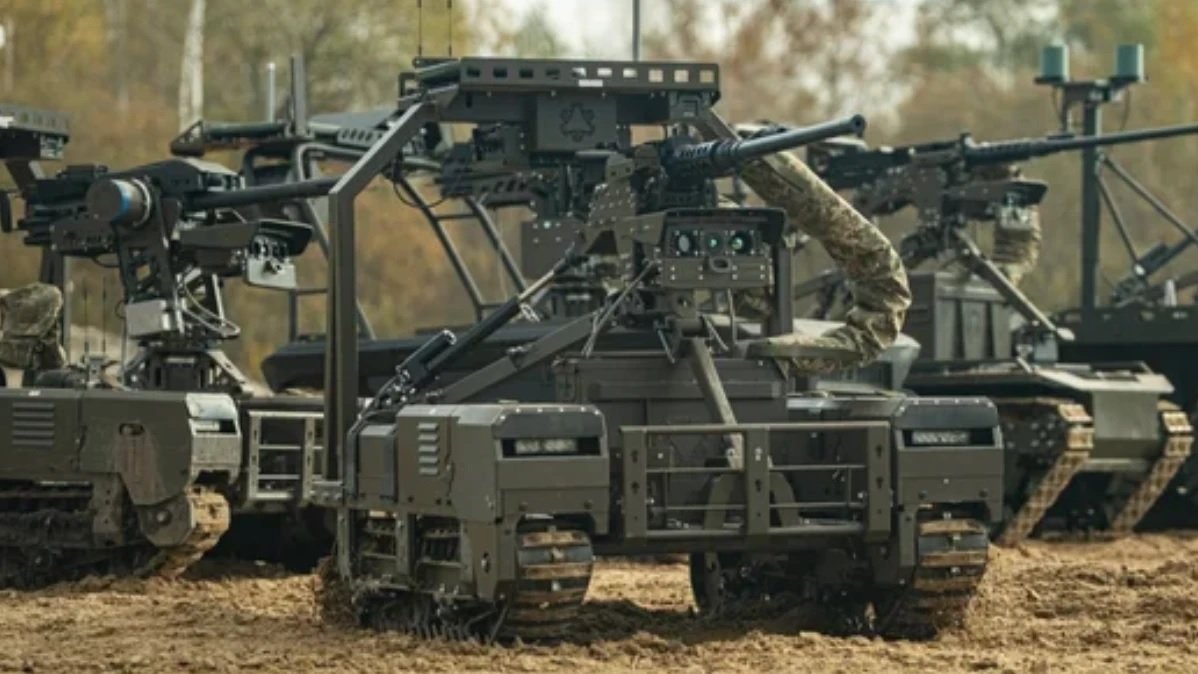
Europe
WARSAW, — Poland’s state-owned defense group Polska Grupa Zbrojeniowa (PGZ) is advancing plans to establish a joint project with an undisclosed Ukrainian defense company to produce unmanned ground vehicles (UGVs), also known as ground robotic systems. PGZ and Ukraine Move Toward Cooperation Agreement Rafał Harmoza, Director of PGZ’s International Cooperation Department, confirmed the development in comments to Ukrinform. He said PGZ is closely following Ukrainian defense technologies, particularly unmanned systems, missile technologies and electronic warfare. The discussions intensified after the Ukraine Recovery Conference in Gdańsk in late June 2026, where PGZ met with several Ukrainian defense representatives. In August, PGZ and the potential Ukrainian partner signed a non-disclosure agreement (NDA), allowing the sides to exchange confidential information. They are now working toward a formal cooperation agreement. “We signed such an agreement in August, and now we are moving toward concluding a cooperation agreement. This will allow us to implement a specific, thoroughly developed project,” Harmoza said. Production Based on “Build With Ukraine” Model The planned cooperation follows the “Build with Ukraine” and “Build for Ukraine” principles, with joint production focused on Ukraine’s defense requirements. Harmoza said Ukrainian defense companies are interested in establishing production facilities in Poland because of intensified Russian attacks on Ukrainian territory. PGZ is already expanding cooperation with Ukrainian defense companies. At the Gdańsk conference, it signed a letter of intent with TAF Industries covering the production of small unmanned aerial systems, including FPV drones, and electronic warfare systems for countering drones. Key components are planned to be produced in Poland using PGZ infrastructure, with the Ukrainian Armed Forces as a primary customer. TAF Industries also has UGVs in its portfolio. European Expansion of Ukrainian UGV Production The PGZ project follows other Ukrainian-European UGV production initiatives. Ukrainian company Tencore and Finland’s Insta recently announced a joint venture to manufacture the TerMIT 2.0 unmanned ground vehicle. The initial target is 320 systems for Ukraine’s Defense Forces through a distributed production model involving Finnish industrial partners. The tracked TerMIT 2.0 can carry a payload of up to 398 kg and is used for logistics, casualty evacuation and direct-fire support. Its modular design allows weapon stations and electronic warfare equipment to be integrated. Separately, Ukrainian Unmanned Technologies (UUT) and Denmark’s Vidar Industries agreed to establish a joint venture in Denmark for serial production of the Ravlyk UGV. The planned facility has capacity for more than 3,000 systems per year, while Danish government funding is expected to support production of around 1,000 units for Ukrainian forces. UUT handles development and engineering in Ukraine, while Vidar manages production, assembly, quality control and compliance. The Ravlyk can reach 12 km/h, carry a 300 kg payload and tow up to 2 tons. It has been combat-tested on Ukraine’s eastern front, with recent configurations integrated with the Wolly 12.7 combat module and the Amulet anti-tank missile system developed by Ukraine’s Luch Design Bureau. PGZ has not disclosed the identity of its Ukrainian UGV partner, the specific vehicle involved or the planned production volume.
Read More → Posted on 2026-09-01 13:19:26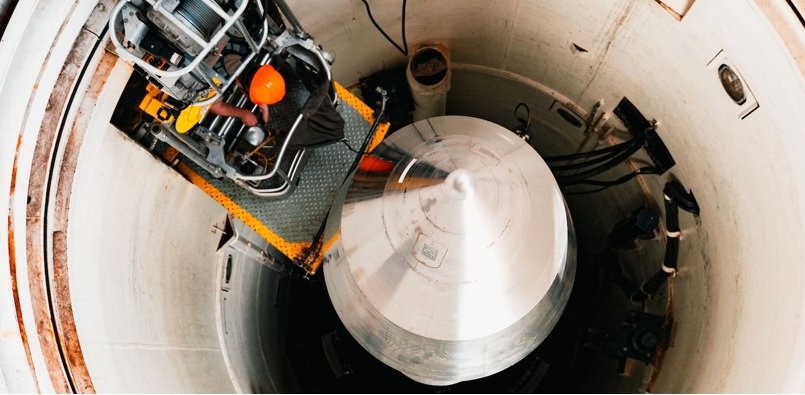
U.S
HILL AIR FORCE BASE, Utah — The U.S. Air Force has awarded Northrop Grumman an $86.1 million sole-source task order to provide program management, maintenance, sustaining engineering and support services for the Remote Visual Assessment (RVA) program, which provides camera and sensor-based surveillance at facilities associated with the Minuteman III intercontinental ballistic missile (ICBM) system. The Air Force Nuclear Weapons Center at Hill Air Force Base, Utah, is the contracting activity for the award. The task order is expected to run through September 2031. Maintaining the Remote Visual Assessment system The RVA program provides a ground-based surveillance network that allows Air Force personnel to visually assess activity at Minuteman III launch facilities and other related sites. The system is particularly useful because Minuteman III launch facilities are distributed across large areas of the northern United States. When a security sensor generates an alert, personnel can use the RVA camera network to assess activity remotely rather than immediately sending personnel to the affected location. This provides security personnel with visual information for determining whether an alert requires a response. The current task order covers the continued operation and sustainment of the camera and sensor infrastructure, including program management, routine maintenance, sustaining engineering and other support services. Work across four Air Force locations Maintenance and engineering activities under the task order will be carried out at Hill Air Force Base in Utah and at the three Air Force bases responsible for the Minuteman III missile fields: F.E. Warren Air Force Base, Wyoming Malmstrom Air Force Base, Montana Minot Air Force Base, North Dakota These installations support the dispersed Minuteman III ICBM force located across the northern United States. $15.2 million obligated initially The task order has a total potential value of $86.1 million. At the time of the award, the Air Force obligated $15.2 million in fiscal year 2026 procurement funds. The remaining funding is expected to be provided incrementally as work under the task order progresses. The award was made through a sole-source acquisition and falls under the broader Ground Subsystems Support Contract (GSSC) effort supporting the Minuteman III system. Northrop Grumman has been involved in sustaining the ground subsystems of the Minuteman III system for years. The company's GSSC work includes engineering and field support intended to maintain the reliability and security of the ground-based ICBM system. One report identifies the task order as FA8214-26-F-B017. Supporting the Minuteman III during the transition to Sentinel The Minuteman III is the current U.S. land-based ICBM and forms the ground-based component of the country's nuclear triad. Northrop Grumman describes the system as having been deployed since the 1970s and continues to support its sustainment. The Air Force is also developing the LGM-35A Sentinel as the replacement for Minuteman III. Sentinel is intended to modernize the ground-based component of the U.S. nuclear triad, including the missile and associated ground infrastructure. Until the replacement system is fielded, maintaining the existing Minuteman III ground infrastructure remains part of the Air Force's ongoing sustainment effort. The new $86.1 million task order therefore continues support for an existing surveillance capability used to monitor activity around Minuteman III facilities while the United States works toward its next-generation ICBM system.
Read More → Posted on 2026-09-01 13:04:56
World
MOSCOW, — Russia’s United Aircraft Corporation (UAC), part of the Rostec state corporation, is developing a combat artificial intelligence system for military applications. The system is being tested on the new two-seat Su-57D stealth fighter, which is also being developed for specialised pilot training and control of unmanned aerial vehicles (UAVs). Su-57D Completes First Flight The Su-57D completed its maiden flight on May 19, 2026, at the Komsomolsk-on-Amur aviation plant. The aircraft was flown by Sukhoi chief test pilot Sergey Bogdan and remained airborne for about 40 minutes. Taxi trials had started on May 16. The prototype, carrying side number 055, was converted from an earlier single-seat T-50 flight-test airframe rather than being built as a completely new aircraft. The two-seat concept had previously appeared in a UAC patent filed in November 2023. Training and Unmanned-Aircraft Control Rostec has identified two main roles for the Su-57D. The first is specialised pilot training, with the two-seat configuration allowing crews to practise flight regimes that cannot be fully reproduced in ground-based simulators. The second is testing technologies that Russian officials associate with sixth-generation combat aviation, including the use of the fighter as an airborne command-and-control platform for unmanned systems. Mikhail Strelets, director of the Sukhoi Design Bureau, said the additional cockpit allows the aircraft to control highly autonomous systems, including the S-70 Okhotnik heavy unmanned combat aircraft, as well as UAV groups and swarms. The arrangement allows the main pilot to concentrate on flying and the primary combat mission while the second crew member manages the unmanned systems. Combat AI Development UAC specialists are developing a combat AI system that will be tested on the Su-57D. The programme is intended to examine the integration of artificial intelligence and autonomous decision-making with the fighter and unmanned aircraft. Russian officials have not disclosed the AI system’s detailed capabilities, level of autonomy, testing parameters or any confirmed timeline for operational deployment. The Su-57D concept builds on earlier Russian testing involving the Su-57 and S-70 Okhotnik, which began in 2019. The two-seat aircraft is intended to provide a manned platform capable of coordinating mixed formations of crewed and unmanned aircraft. Export Potential UAC chief executive Vadim Badekha has said the two-seat version could increase the Su-57 family’s appeal on foreign markets. First Deputy Prime Minister Denis Manturov has also described the aircraft as having combat, training and tactical-control functions. India has been mentioned as a potential market for a two-seat configuration, partly because of its experience operating the two-seat Su-30MKI, although there is no confirmed Indian procurement agreement for the Su-57D. As of late August 2026, the Su-57D remains in the flight-test phase. Russia has not announced a production schedule, final operational designation or confirmed integration timeline for the combat AI system.
Read More → Posted on 2026-09-01 12:57:02Search
Top Trending in 24 Hours
-
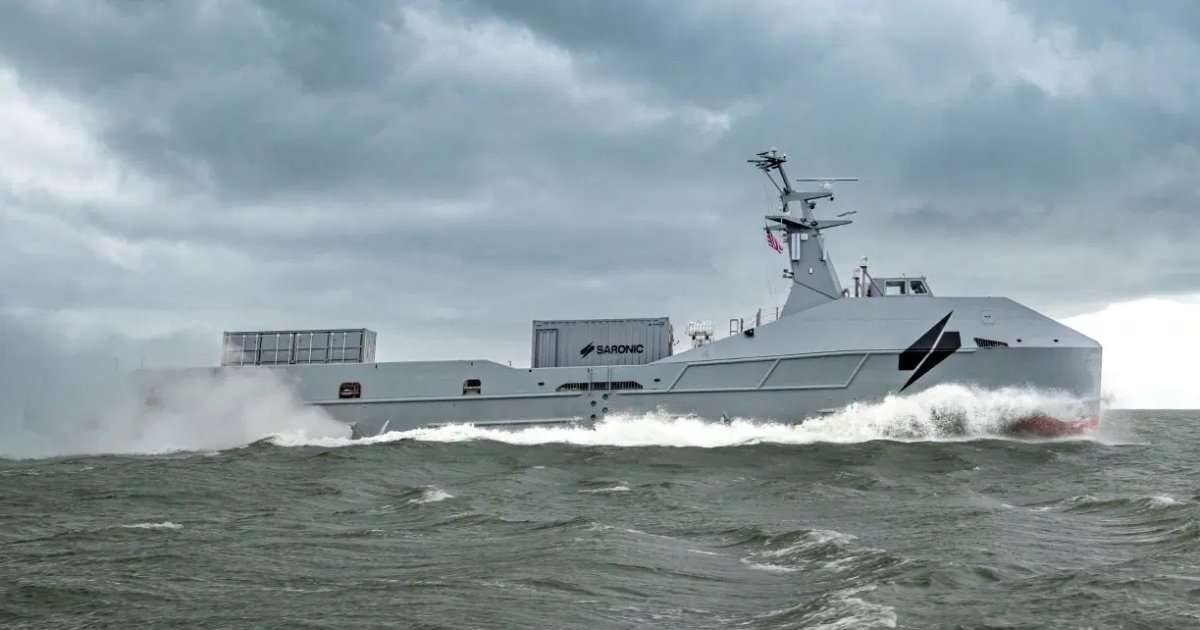 U.S. Navy Awards Production Agreements for 30 Medium Unmanned Surface Vessels, Including 10 Saronic Marauders
-
 Boeing Wins $20 Billion U.S. Navy Contract for F/A-XX Sixth-Generation Fighter
-
 Flydubai Flight to Israel Diverted to Saudi Arabia After Possible Attempted Terror Attack in Cockpit
-
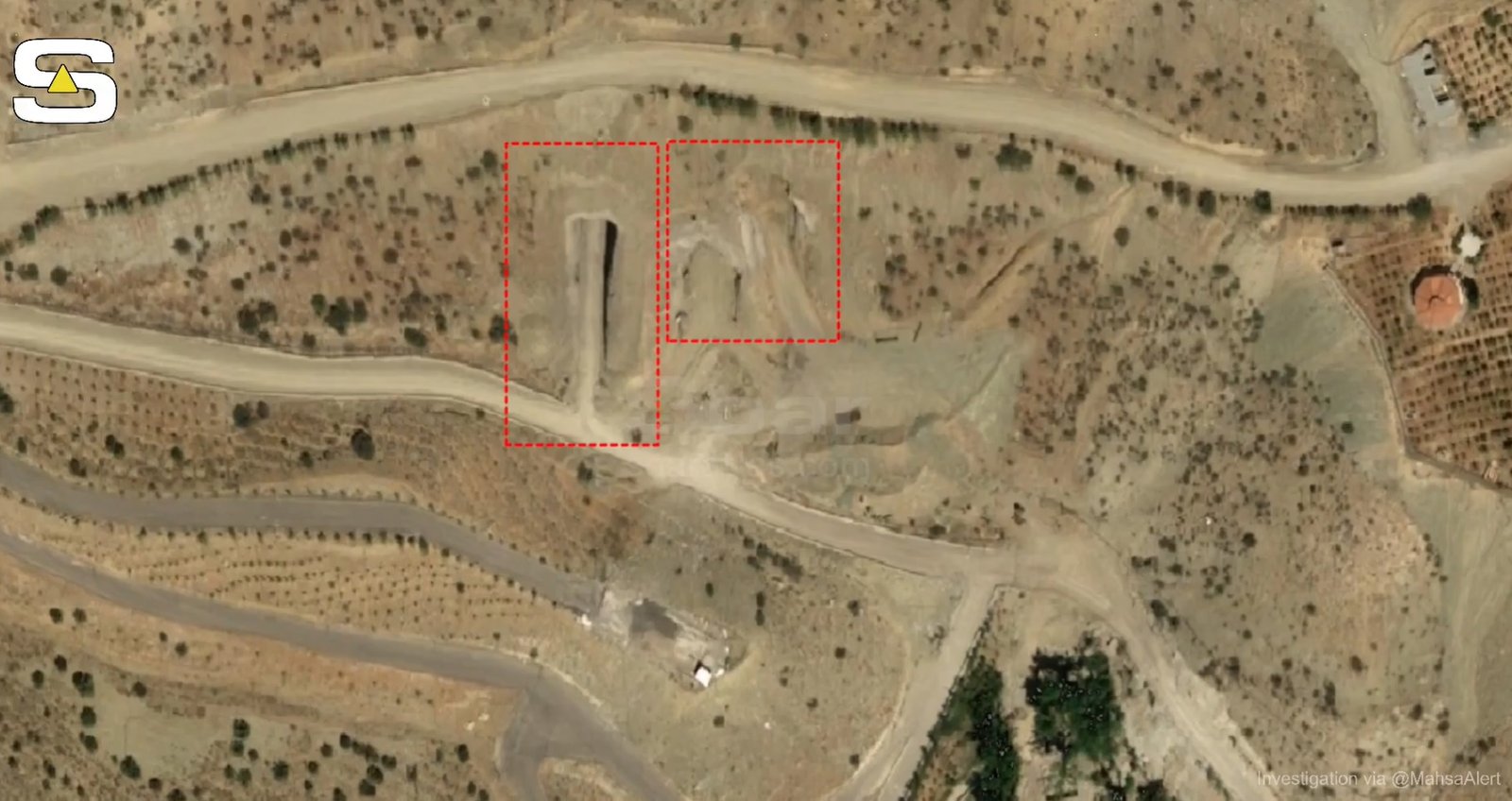 Satellite Imagery Shows Construction Changes at Hillside Site Linked to Iran’s Supreme National Security Council
-
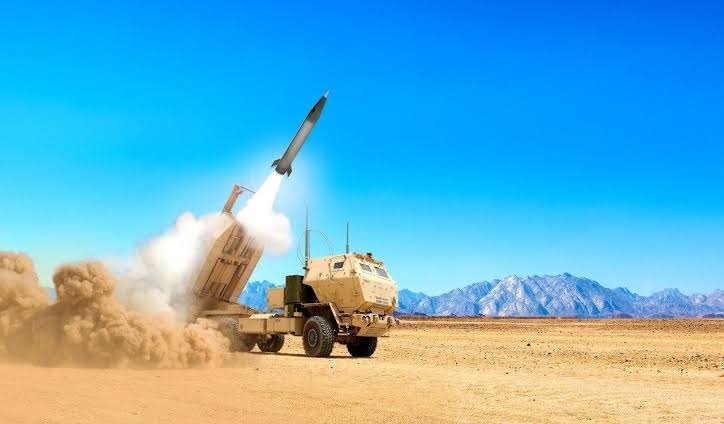 U.S. Army Selects Five Companies to Develop 1,000-Km Precision Strike Missile Prototypes
-
 NASA Adds Blue Origin’s Upgraded New Glenn 9×4 to Launch Services Contract
-
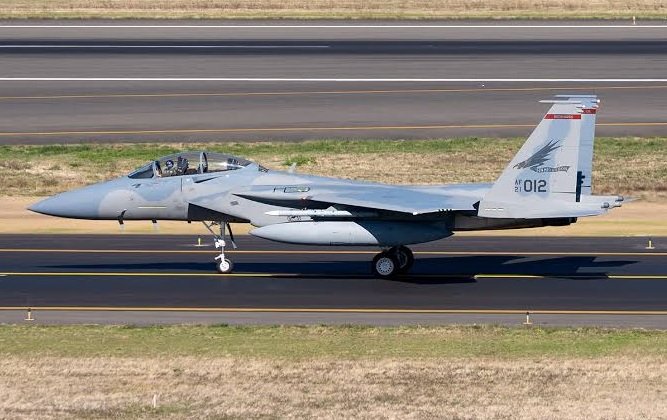 U.S. Air Force Awards Boeing $2.38 Billion Contract for 22 F-15EX Fighter Jets
-
 U.S. Army Awards Heaviside Industries $99 Million Contract for MOTH RF Spectrum Analyzers
Top Trending in 4 Days
-
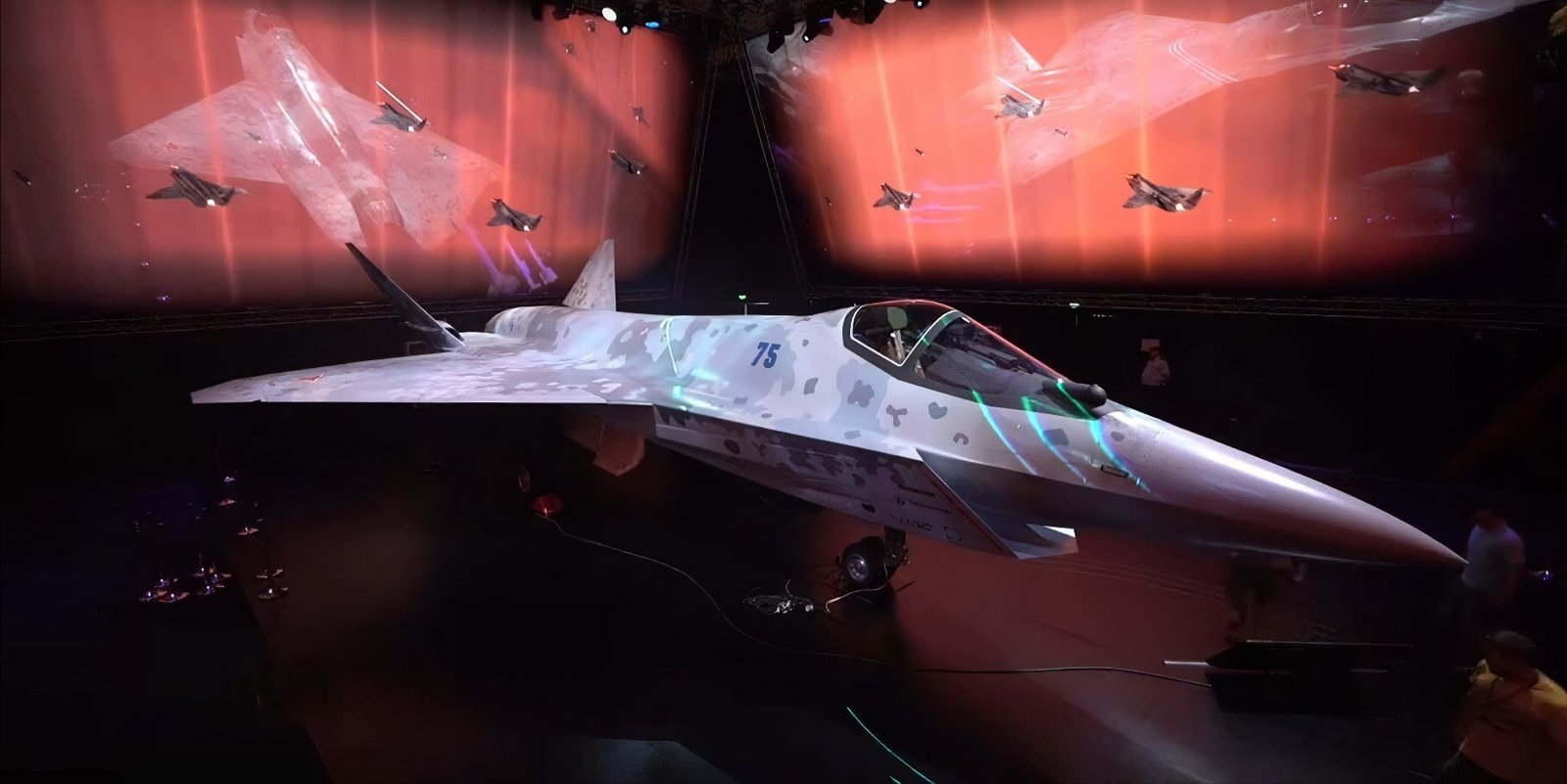 Russia Says Su-75 Checkmate Could Cost Just $25–30 Million, Flight-Hour Costs 6 Times Lower Than F-35
-
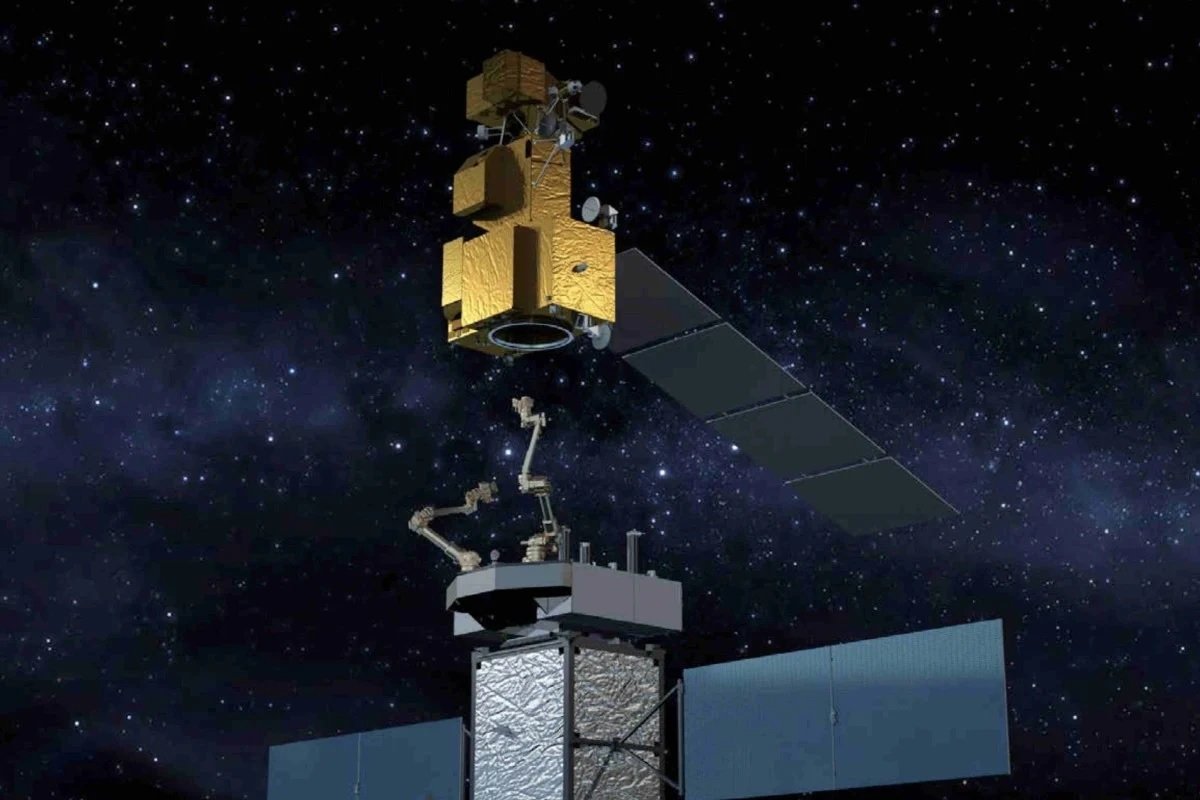 China Reports First High-Orbit Refueling of BeiDou Satellite, but Tracking Data Raise Questions
-
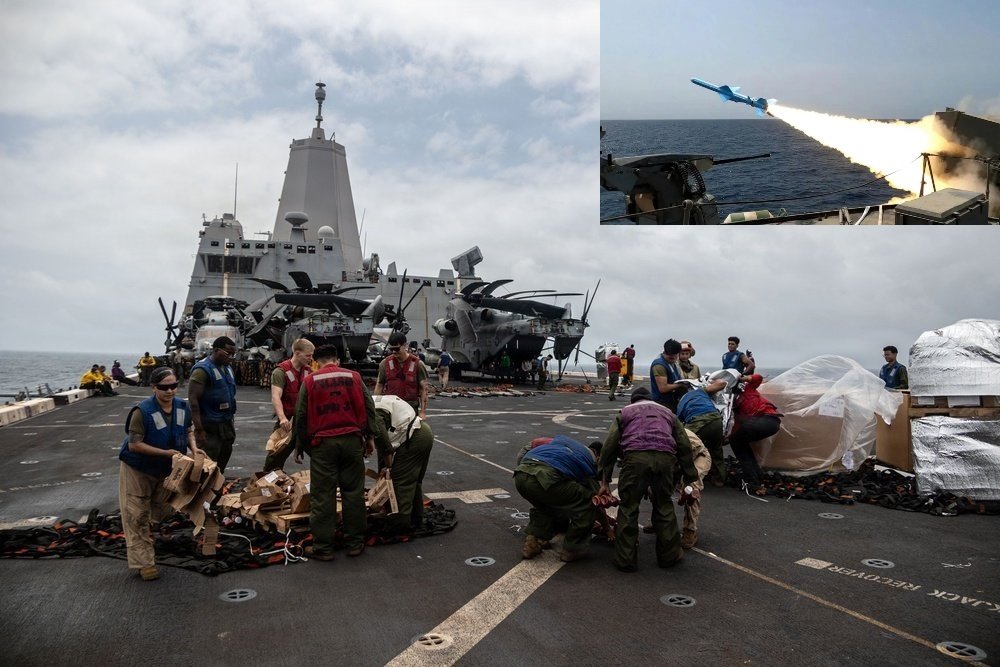 Eight U.S. Marines Injured in Iranian Missile Strike on U.S Vessel in Strait of Hormuz
-
 U.S. and Russia Remove Human-Review Rules From Draft UN AI Weapons Framework
-
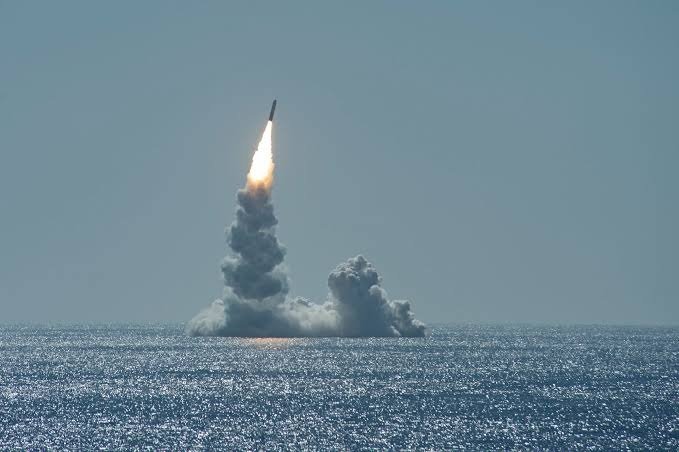 UK Offers Nuclear Deterrence for Its Northern European Defence Partners
-
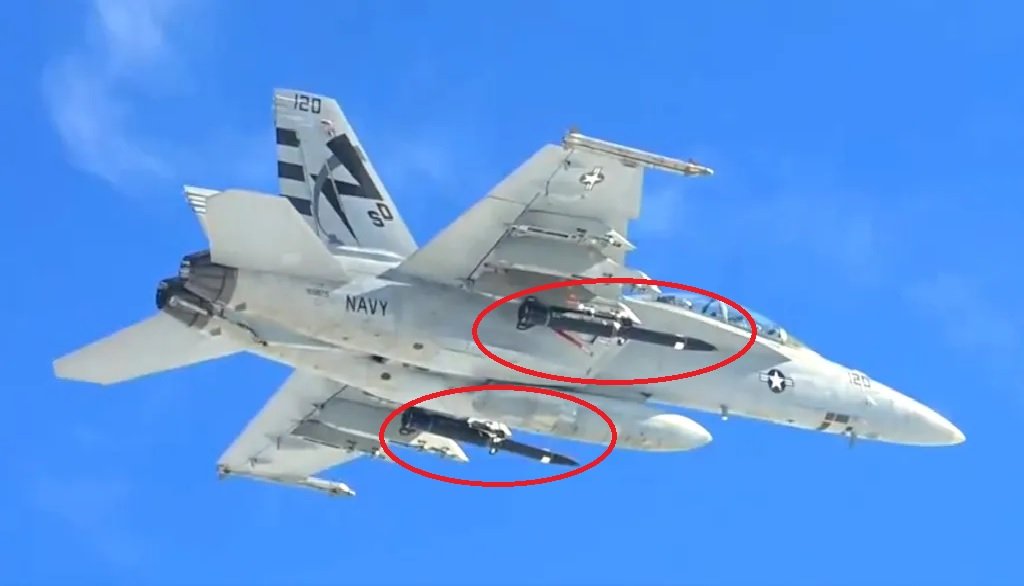 U.S. Navy Begins Flight Testing Blackbeard Hypersonic Missile on F/A-18 Super Hornet
-
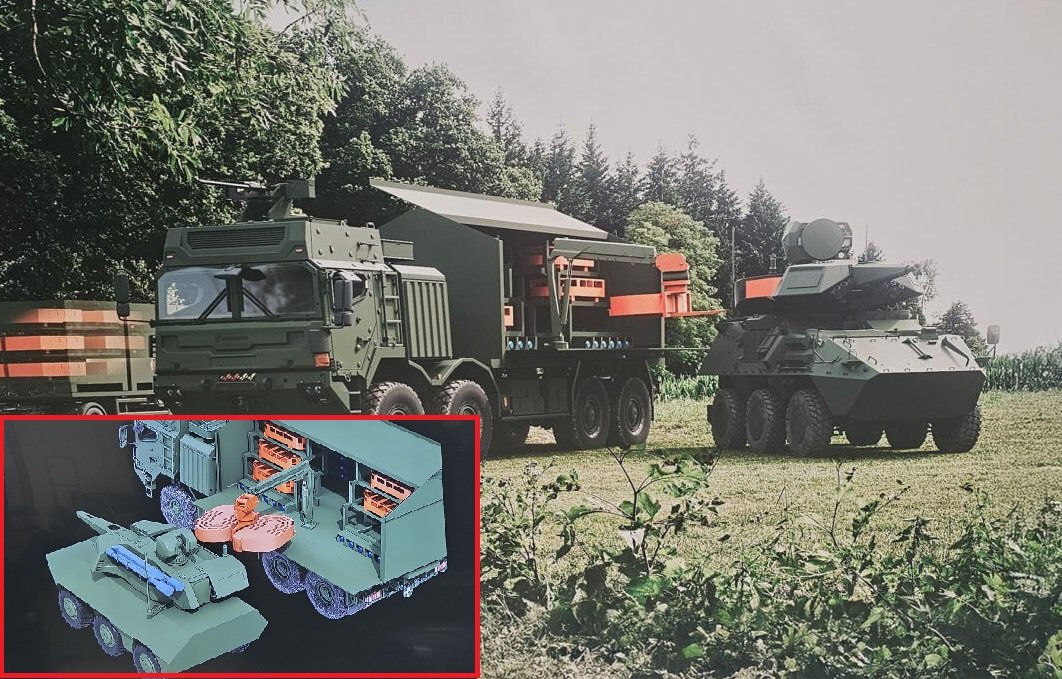 Rheinmetall Develops Automated Reloader for Austrian Skyranger Air Defense System
-
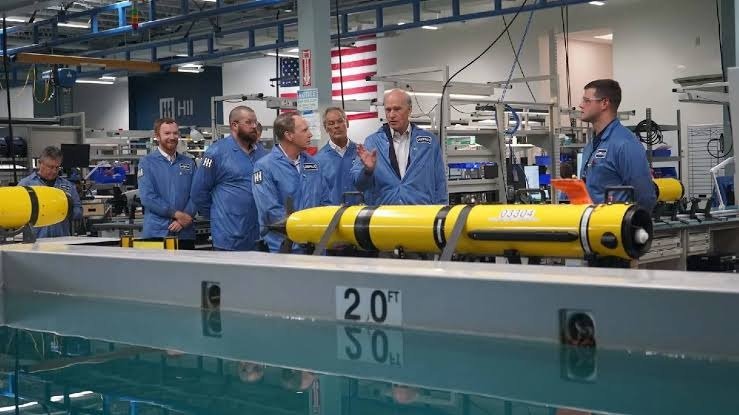 HII Expands Massachusetts Unmanned Systems Facility by 25 Percent to Support U.S. Navy Lionfish Production
