U.S
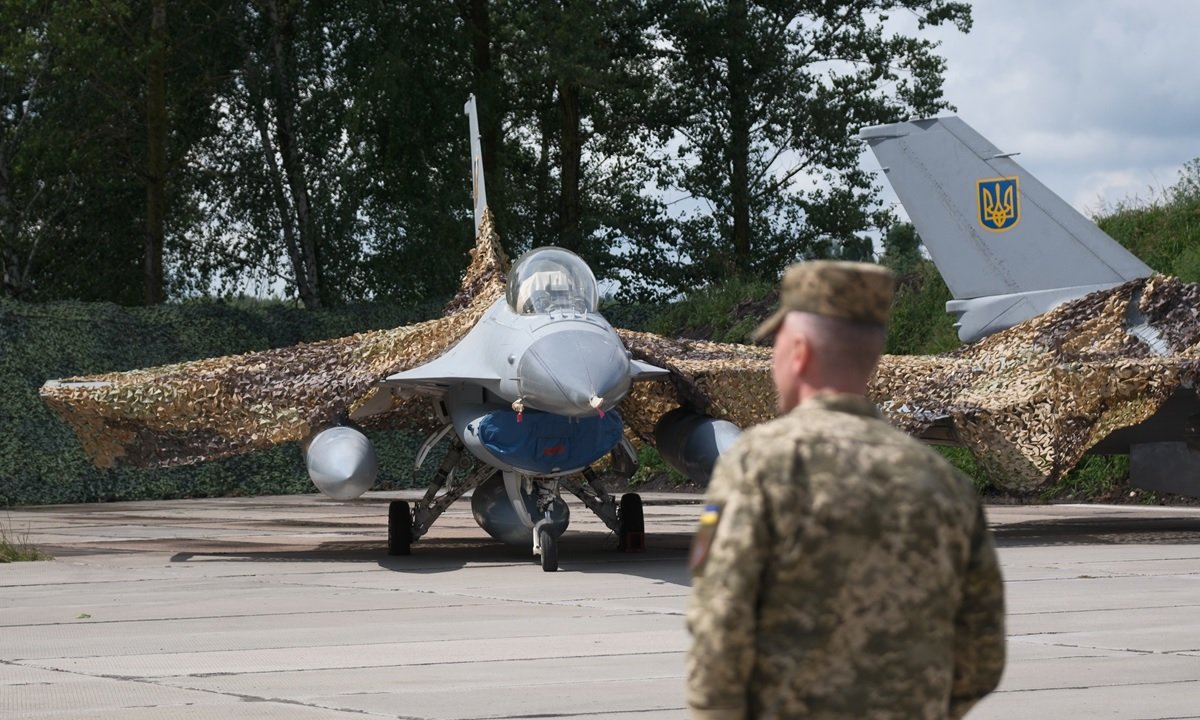
KYIV, September 3, 2026 — Ukraine’s F-16 fighter fleet is facing a shortage of air-to-air missiles, forcing the Ukrainian Air Force to ration weapons and, during some daytime missions, use the aircraft’s internal cannon against Russian drones and cruise missiles. The shortage mainly affects the AIM-9 Sidewinder and AIM-120 AMRAAM missiles. With Russia continuing large-scale drone and missile attacks, the shortage is putting additional pressure on Ukraine’s layered air-defense network. Ukrainian Forces Closely Track Missile Deliveries According to reporting by The War Zone, Newsmax journalist Shelby Wilder spoke with a senior Ukrainian commander who described the urgency surrounding incoming missile shipments. Ukrainian personnel are reportedly tracking deliveries almost minute by minute to determine whether new weapons will reach airbases before another Russian attack. Ukrainian Air Force commander “Phantom,” who leads the 107th Wing, confirmed the shortage. “Yes, that’s true,” Phantom said when asked about the lack of munitions. He also stressed that an aircraft without weapons cannot fulfill its mission. Phantom said the F-16 provides a major technological improvement over Ukraine’s Soviet-era MiG-29 and Su-27 fighters. However, its main priority remains protecting Ukrainian cities and infrastructure from Russian aerial attacks. Pilots Ration Missiles and Use Cannons To conserve missile stocks, Ukrainian F-16 pilots have sometimes used the aircraft’s M61A1 Vulcan 20mm rotary cannon against aerial targets during daytime sorties. Earlier reporting also documented Ukrainian F-16 pilots using cannons when missile supplies were insufficient. Cannon engagements are limited to daylight because engaging fast-moving drones or missiles at night is considered significantly more difficult and dangerous. The shortage means commanders must carefully consider each missile launch, particularly when inexpensive drones may require interception while more capable missiles are being reserved for other threats. AMRAAM Supplies Also Used by NASAMS The shortage of AIM-120 AMRAAM missiles affects both Ukraine’s F-16 fleet and its NASAMS ground-based air-defense systems, which also use the missile. This means the same limited AMRAAM stocks must support both fighter aircraft and ground-based air-defense operations, forcing Ukrainian forces to balance their requirements. Ukraine is also facing pressure on its Patriot interceptor supplies. Patriot systems are particularly important for defending against Russian ballistic missiles. Reuters reported in August that Patriot interceptor stocks had been heavily depleted globally because of demand from the war in Ukraine and the conflict in the Middle East. Reuters cited a CSIS estimate that about 65% of the U.S. Patriot interceptor inventory was expended between February and July 2026, leaving fewer than 850 missiles from an estimated 2,330 before the Iran war began. Exact inventory figures remain classified. Ukraine Continues to Request More Missiles On August 25, Ukrainian President Volodymyr Zelenskyy said Ukraine had received some Patriot missiles and AIM-family missiles, but did not disclose quantities or specific AIM variants. Ukraine’s Defence Ministry has said its forces use AIM-9 Sidewinder, AIM-120 AMRAAM and AIM-7 Sparrow missiles, including with F-16 and NASAMS systems. The shortage follows an earlier supply problem. Reuters reported in March that Ukrainian F-16 units had experienced an air-to-air missile shortage for more than three weeks during late November and mid-December of the previous year. Sources said the fleet had only a small number of AIM-9 Sidewinders available. Ukraine has also used older AIM-9L and AIM-9M Sidewinders, many of which were manufactured decades ago, against Russian drones and cruise missiles. Pressure to Increase Production The missile shortage comes as Russia continues large-scale drone and missile attacks against Ukraine. Ukrainian commanders are calling on Western partners not only to provide additional interceptors but also to expand long-term missile production capacity. Phantom has called for more AIM-9, AIM-120 and Patriot interceptors, while also urging greater production capacity in Ukraine or Europe. The situation highlights that maintaining Ukraine’s F-16 fleet requires not only aircraft but also a continuous supply of compatible weapons. The fighters remain part of Ukraine’s wider air-defense network alongside ground-based systems and other methods used to counter Russian aerial attacks.
Read More → Posted on 2026-09-03 17:01:27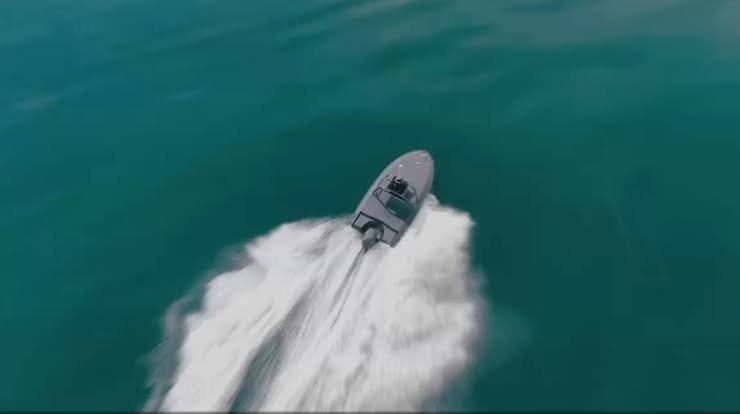
World
KAZAN, — Russia has demonstrated a new unmanned system in which an unmanned boat and a fixed-wing unmanned aerial vehicle (UAV) operate together from a single control system at the 16th International Salon “Integrated Security” in Kazan. According to the manufacturer, the unmanned boat has an operating range of about 30 kilometers when operating independently. When the fixed-wing UAV is launched as part of the system, the boat’s effective operational range can increase to 300 kilometers. “All devices are interconnected and work together,” a company representative told TASS. The representative said the boat and UAV can be controlled from a single computer, allowing the different unmanned platforms to operate as one interconnected system. The manufacturer said the unmanned platforms are modular and can be equipped with different equipment depending on the mission. The company also develops robotic ground vehicles, expanding its range of unmanned systems across land, air and water. The manufacturer further said that the models displayed at the exhibition use secure communications and proprietary encryption. No additional technical specifications of the communications system were disclosed. The demonstration highlights the use of interconnected unmanned platforms for missions where an aerial system can work alongside a surface vessel. However, the manufacturer has not disclosed further details about the UAV’s endurance, speed, payload or the specific technical method through which the UAV enables the boat’s range to increase. Integrated Security 2026 in Kazan The unmanned boat-UAV system was presented as part of the 16th International Salon “Integrated Security,” which opened in Kazan on September 3 and will run through September 5 at the Kazan Expo International Exhibition Centre. This is the first time the salon has been held in Kazan, after previously being organized in the Moscow region. The event is organized around four areas: fire protection, infrastructure and industrial safety, airspace protection, and safety and rescue on water. According to Russia’s Ministry of Emergency Situations, the exhibition includes 84 models of new equipment and technology from EMERCOM of Russia, along with exhibits from more than 230 organizations. More than 30 events are included in the business programme. Russian Emergencies Minister Alexander Kurenkov inspected the exhibition on its opening day. His programme also includes meetings with representatives of foreign delegations. The exhibition also features other unmanned and robotic technologies. The Ministry of Emergency Situations said the wider exhibition includes unmanned aviation systems, robotic complexes, digital monitoring systems, communications equipment and technologies for safety and rescue operations. Among the other systems displayed in Kazan is the upgraded Skat 350M UAV from the Kalashnikov Group, equipped with a thermal imager and a highly sensitive camera on a single gyro-stabilized platform. Kalashnikov says the system is intended to support search operations by detecting objects using both thermal and visible-light information. The Kalashnikov Group is also presenting the upgraded Lider-11 search-and-rescue boat, designed for patrol, search-and-rescue, interception of vessels violating regulations, counter-sabotage operations and support for diving activities. The unmanned boat and fixed-wing UAV combination therefore forms part of a broader Russian exhibition effort focused on integrating unmanned aircraft, surface vessels, ground robots, secure communications and other technologies for security and emergency-response applications. Source : TASS
Read More → Posted on 2026-09-03 16:49:51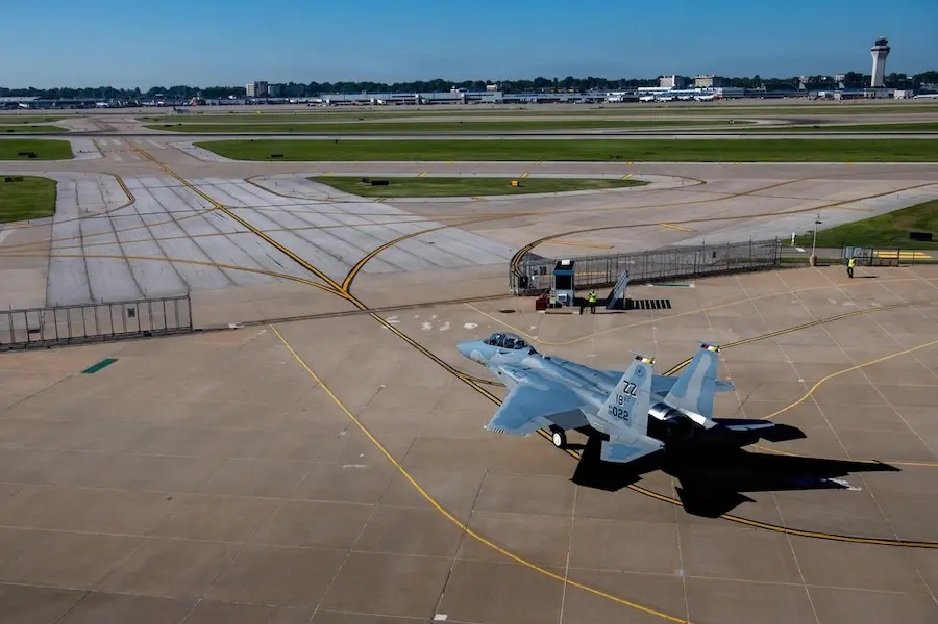
U.S
ST. LOUIS, Missouri — The first F-15EX Eagle II fighter designated for Kadena Air Base in Okinawa, Japan, departed Boeing’s facility in St. Louis on August 28, marking another step toward the U.S. Air Force’s permanent deployment of the aircraft to Japan. The aircraft departed for Portland Air National Guard Base in Oregon, where it will receive additional updates and preparations before eventually continuing its journey to Kadena. The Air Force has announced that F-15EX aircraft are scheduled to begin arriving at Kadena in fiscal year 2027. The F-15EX deployment is part of the U.S. Air Force’s broader modernization of the permanent fighter force at Kadena. The new aircraft will replace the base’s legacy F-15C/D fleet. Kadena is scheduled to receive 36 F-15EX aircraft, compared with the 48 F-15s previously associated with the base. The transition follows the retirement and withdrawal of Kadena’s older F-15C/D aircraft. Preparations Already Underway at Kadena Kadena personnel have already gained experience with the F-15EX ahead of the permanent deployment. In July 2025, two F-15EX aircraft from the 85th Test and Evaluation Squadron at Eglin Air Force Base, Florida, visited Kadena for integration and familiarization training with local units and joint partners. The F-15EX returned to Kadena on June 29, 2026, again supporting familiarization and integration activities. The deployment gave 18th Wing personnel additional opportunities to train with the aircraft and prepare for its long-term mission at the base. The 67th Fighter Squadron is planned to become Kadena’s first operational F-15EX unit. Its personnel have been involved in preparations to build the operational and technical knowledge needed to operate the aircraft. F-15EX Capabilities The F-15EX is the latest version of the F-15 family and incorporates modern avionics, digital fly-by-wire controls, an all-glass cockpit, modern mission systems and an open mission-systems architecture. Boeing also lists an advanced AESA radar and the Eagle Passive Active Warning Survivability System (EPAWSS) electronic-warfare suite. The aircraft is designed for both air-to-air and air-to-ground missions and provides a substantially larger weapons payload than many fighter aircraft. Boeing lists a maximum payload of 29,500 pounds, while the aircraft can carry up to 12 AIM-120 AMRAAMs, depending on configuration. The Air Force also views the F-15EX as a complement to fifth-generation fighters, providing additional weapons capacity, sensors and electronic-warfare capabilities. Second U.S. Location for Combat-Coded F-15EX Once the Kadena aircraft become operational, the base will become the second U.S. Air Force location with combat-coded F-15EX aircraft. The first is the Oregon Air National Guard’s 142nd Wing at Portland Air National Guard Base, which has already begun operating the Eagle II and conducting weapons training with the aircraft. Brig. Gen. John Gallemore, commander of the 18th Wing, described the latest movement as an important step toward bringing the aircraft to Kadena. “This is an important next step toward bringing the F-15EX home to Kadena,” Gallemore said. The permanent arrival of the F-15EX is expected to strengthen Kadena’s ability to generate combat-ready airpower while supporting continued training with U.S. allies and partners. The 18th Wing regularly conducts bilateral training with Japan Air Self-Defense Force (JASDF) F-15 units based at Naha Air Base. The Air Force says integrating the F-15EX into these activities will provide additional opportunities to improve interoperability between U.S. and Japanese forces. The departure of the first Kadena-bound F-15EX from Boeing is therefore the latest publicly announced milestone in the transition from Kadena’s legacy F-15C/D fleet to the F-15EX Eagle II. The aircraft’s next stop at Portland will precede its eventual movement to Japan, with deliveries to Kadena now scheduled to begin in fiscal year 2027.
Read More → Posted on 2026-09-03 16:31:35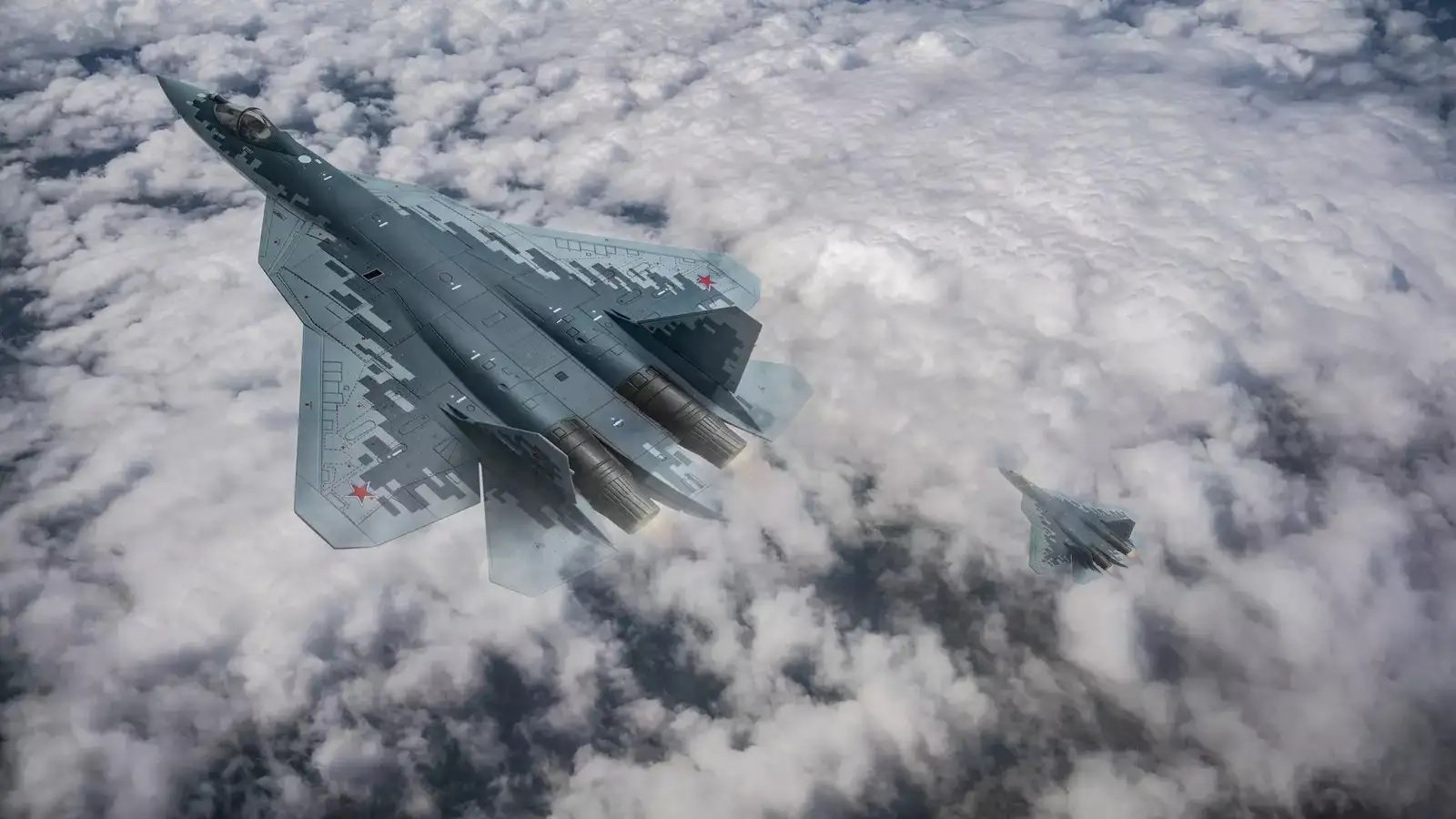
World
MOSCOW, — Russia’s state technology corporation Rostec reported that the powerplant of the Su-57 fifth-generation fighter can withstand internal temperatures approaching 2,000°C during extreme low-speed and high-angle maneuvers. Rostec reported that the capability supports the Su-57’s supermaneuverability, giving pilots additional options to rapidly change speed, direction and attitude during combat. The corporation linked this ability to potential missile-evasion maneuvers, although maneuverability alone cannot guarantee that an incoming missile will be defeated. Aero India demonstration Rostec cited a demonstration by Russian test pilot Sergey Bogdan at Aero India 2025 in Bengaluru as an example. During the flight at Yelahanka Air Force Station in February 2025, Bogdan performed a maneuver that brought the aircraft to an apparent standstill at an altitude of about 600 meters. According to Rostec, the engine’s internal temperature reached approximately 2,000°C during the maneuver, while the powerplant continued producing thrust and remained operational. Aero India 2025 was held from February 10 to 14, and United Aircraft Corporation had announced that the Su-57E would participate in the flying display. The 2,000°C figure refers to the internal temperature in the engine during the extreme flight regime, not the temperature of the entire engine. Jet engines already operate at very high temperatures in their combustion and turbine sections, requiring specialized materials and cooling systems to maintain reliable operation. Su-57 engine development The Su-57 program has used several propulsion systems during its development. Early production aircraft and prototypes were equipped with the AL-41F1, or Product 117, while Russia developed the newer Product 30, later associated with the AL-51F-1, specifically for the fighter. The Product 30 program was intended to provide improvements in thrust and fuel efficiency and support capabilities such as sustained supersonic flight without afterburner. However, publicly available information does not establish that the AL-51F-1 has replaced the AL-41F1 across the entire operational Su-57 fleet. Russia has also begun testing another engine, Product 177. Rostec and UAC announced in December 2025 that a Su-57 had completed its first flight with the new engine. Rostec reported that Product 177 produces 16,000 kgf of afterburning thrust, while also offering reduced fuel consumption and increased service-life characteristics. Role of thrust vectoring The Su-57 uses thrust-vectoring propulsion to help control the aircraft at high angles of attack and low speeds, when conventional aerodynamic control surfaces become less effective. This allows the fighter to perform rapid changes in attitude and direction. In combat, such maneuvers may complicate an incoming missile’s tracking solution, but their effectiveness depends on factors including the missile’s seeker, guidance system, launch conditions, distance and timing. Rostec has also promoted the Su-57’s low radar signature, advanced avionics and internal weapon bays as parts of its overall combat capability. Russian officials have claimed that the fighter has demonstrated effectiveness against Western-made air-defense systems in combat conditions; this remains a Russian claim rather than an independently established assessment. The latest statement therefore adds a specific technical claim to Russia’s continuing promotion of the Su-57: Rostec reported that the engine experienced an internal temperature of approximately 2,000°C during Sergey Bogdan’s extreme maneuver at Aero India 2025 and continued operating reliably.
Read More → Posted on 2026-09-03 16:07:42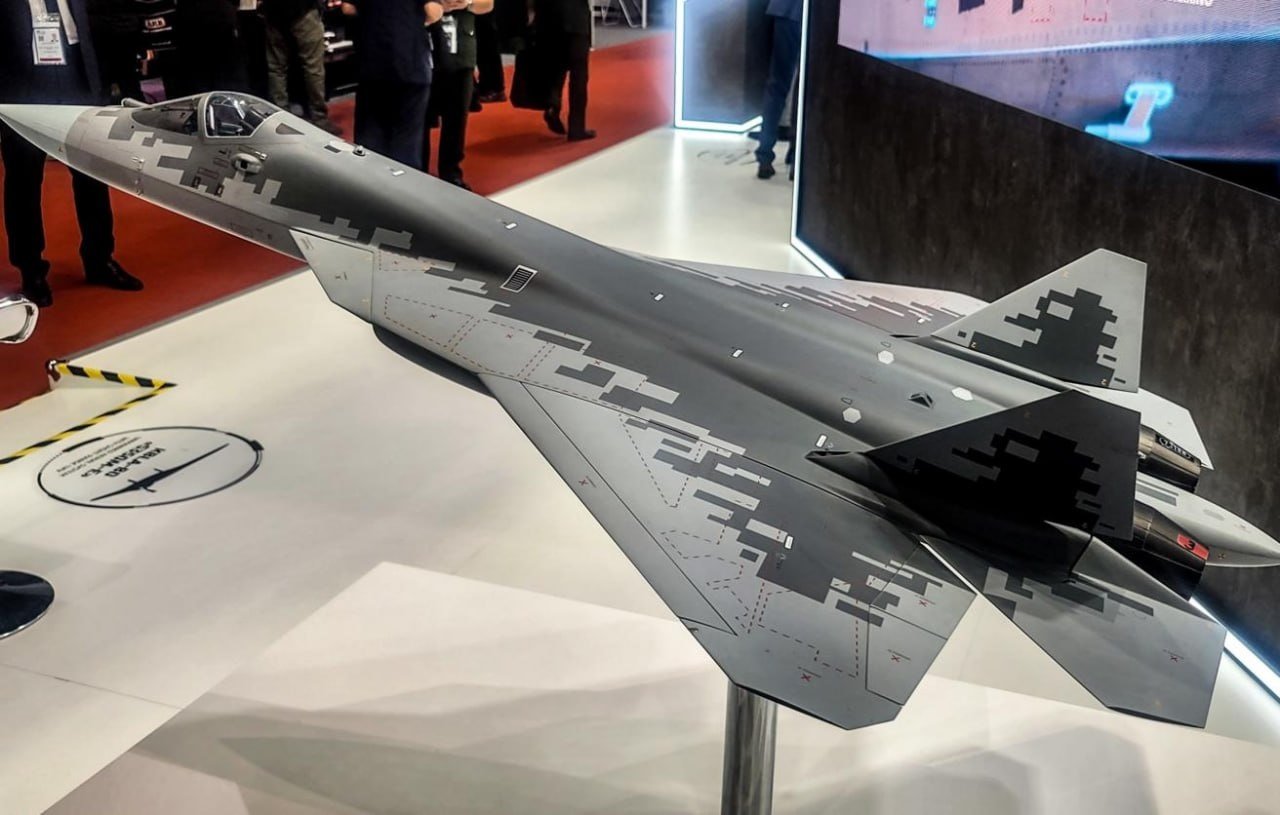
World
EL ALAMEIN, EGYPT, — Russia will showcase its Su-57E export fifth-generation fighter with previously undisclosed weaponry at the El Alamein International Airshow 2026 in Egypt from September 8 to 10. Russia’s state defence conglomerate Rostec said the Su-57E will be presented with “fundamentally new” weapons that have not previously been demonstrated publicly in Russia or abroad. The company has not disclosed the weapon’s designation, range, guidance system or intended targets. The aircraft will also participate in the flying programme, with an approximately eight-minute solo display scheduled for September 9 and 10. Rostec said the fighter will perform aerobatic manoeuvres as part of the programme. New Stealth Drones Rostec will also unveil a new family of low-observable unmanned platforms designed to be launched from fifth-generation fighter aircraft. The company said the drones have low visibility, long flight range and high speed. They use different types of wings and are being developed as universal platforms capable of performing a wide range of tasks. Rostec has not released their individual designations, dimensions, endurance, payload or launch mechanism. It has also not confirmed that the drones will actually be launched from a Su-57E during the Egyptian airshow. Russia has been developing manned-unmanned cooperation for the Su-57 programme. This includes the two-seat Su-57D prototype, which is intended to act as an airborne command post for controlling autonomous drone swarms and larger unmanned aircraft such as the S-70 Okhotnik. Su-57E Export Programme The Su-57E is the export version of Russia’s Su-57 multirole fifth-generation fighter, developed by United Aircraft Corporation (UAC), part of Rostec. Russia markets the aircraft for its reduced radar visibility, manoeuvrability and ability to use a wide range of air-to-air and air-to-surface weapons. Compatible weapons can be carried inside the aircraft’s internal weapons bays to help maintain its low-observable configuration. Russia has previously displayed several weapons for the Su-57E, including the RVV-MD2, RVV-SDM and RVV-BD air-to-air missiles, as well as the Kh-38MLE, Kh-69, Kh-58UShKE and Kh-35UE missiles and KAB-250LG-E and UPAB-1500B-E guided bombs. However, Rostec has not confirmed that any of these previously displayed weapons is the new weapon planned for El Alamein. Foreign Customers Rostec said deliveries of the Su-57E to unnamed foreign partners are already underway. Algeria has been widely reported as the first export customer following Algerian media reports and statements from Russian officials, although the two governments have not publicly disclosed the full contractual details or number of aircraft. Rosoboronexport also signed additional agreements involving the Su-57E at the DSA-2026 exhibition in Malaysia in April. The aircraft has previously appeared at international exhibitions in China, India and the United Arab Emirates, including Airshow China 2024, Aero India 2025 and the Dubai Airshow 2025. Egypt’s Previous Su-35 Deal The Su-57E presentation comes after Egypt’s earlier plans to purchase around 30 Russian Su-35 fighters were halted. The deal faced concerns over possible U.S. sanctions against countries purchasing Russian military equipment under the Countering America's Adversaries Through Sanctions Act. There is currently no official announcement that Egypt has ordered the Su-57E. Other Russian Systems Russia will also debut the Bison counter-drone system internationally at El Alamein. Developed by Rostec subsidiary High Precision Systems, Bison is designed to protect critical infrastructure from low-altitude unmanned aircraft. The system uses radar and electro-optical sensors to detect and track drones and automated 7.62 mm machine-gun mounts to engage them. Rosoboronexport is organising the unified Russian pavilion at the exhibition, which is expected to bring military delegations and defence-industry representatives from Africa and the Middle East. The main new elements of Russia’s presentation will be the previously undisclosed Su-57E weapon and the international debut of the new family of low-observable drones designed for launch from fifth-generation fighters.
Read More → Posted on 2026-09-03 15:55:50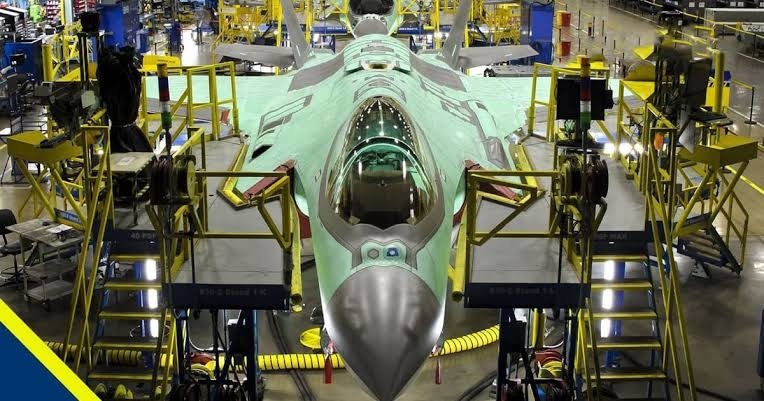
Europe
NOKIA, FINLAND — Finnish defence company Patria has completed the assembly of the first F135 fighter engine in Finland, marking the start of domestic F135 engine assembly for the country’s incoming F-35A fleet. The engine was completed at Patria’s new assembly and maintenance facility in Linnavuori, Nokia, and was presented during an event on September 3. Patria said its F-35 programme has now entered full-scale production. Patria and Pratt & Whitney, an RTX business, reached an agreement in February 2026 for the final assembly and inspection of F135 engines for Finland. Production at the Linnavuori facility is already underway and is planned to continue until 2030. The Linnavuori facility was completed and handed over to Patria in autumn 2025. It was built to meet the security requirements of the F-35 programme and Pratt & Whitney. The facility will initially be used for engine assembly before being adapted for maintenance activities. Assembly to transition into engine maintenance Under the framework agreement signed by Patria and Pratt & Whitney in 2024, Patria will assemble F135 engines and components during the 2025–2030 period. The facility will then transition to Maintenance, Repair, Overhaul and Upgrade (MRO&U) activities from 2030. Patria is expected to maintain and support Finland’s F135 engines at Linnavuori throughout the operational lifecycle of the Finnish F-35 fleet. The agreement is estimated to create approximately 50 direct jobs at Patria between 2025 and 2030. Petri Hepola, Patria’s Chief Programme Officer for F-35, said the completion of the first engine represents a significant milestone and the beginning of full-scale F135 engine assembly in Finland. Retired Colonel Henrik Elo, F-35 Programme Director for the Finnish Air Force, said the domestic production and future maintenance capability would strengthen Finland’s security of supply for its F-35 fleet. Jill Albertelli, President of Pratt & Whitney Military Engines, said the Finnish facility will contribute to the global F-35 sustainment network and expand propulsion capabilities in Finland. F-35A deliveries to begin in 2026 Finland’s first F-35A fighters are scheduled to arrive at the Lapland Air Wing in Rovaniemi at the end of 2026. The Linnavuori facility is therefore being established as part of Finland’s domestic engine support capability as the aircraft enter service. The F135 is the engine used by all F-35 variants. It produces approximately 43,000 pounds of thrust with afterburner, according to the information provided for the programme. Patria has also preserved a historical connection to Pratt & Whitney. A Second World War-era Pratt & Whitney engine recovered from a lake near Orivesi in Finland in 2025 has been conserved and placed on display at the Linnavuori facility. Patria is owned by the State of Finland (50.1%) and Kongsberg Defence & Aerospace (49.9%). The company serves as a strategic partner to the Finnish Defence Forces and is involved in the production and sustainment activities associated with Finland’s F-35 programme.
Read More → Posted on 2026-09-03 15:44:11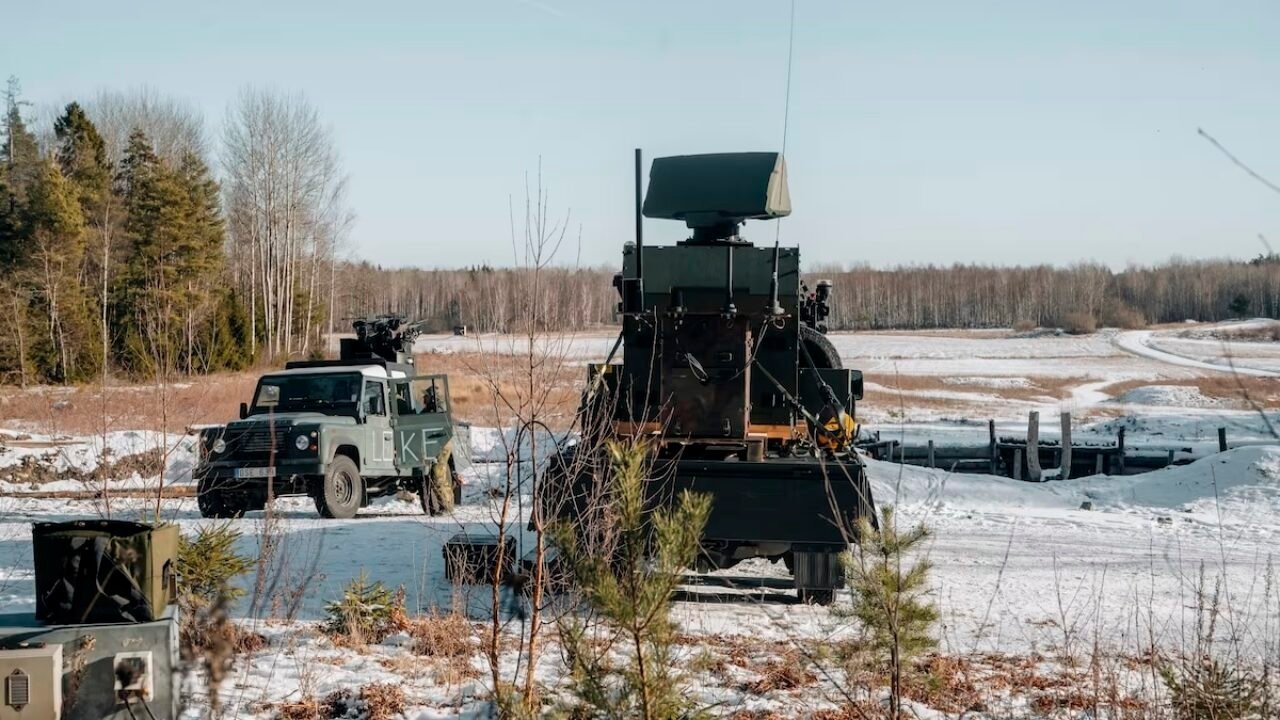
Europe
LONDON, — Saab UK has delivered its Giraffe 1X radar systems to the Royal Air Force (RAF), providing additional capability for detecting and tracking uncrewed aerial systems (UAS) as part of the UK’s wider counter-drone architecture. Saab confirmed the delivery on September 2, saying the procurement was driven by an operational requirement and followed several years of cooperation between the RAF and Saab. The relationship includes earlier capability development and operational experience with the radar system. The newly delivered radars will support the RAF’s broader counter-UAS activities, including the RAF Regiment’s role in protecting British and coalition personnel and facilities. Saab said this work includes deployed operations in the Middle East, where specialist teams provide protection against drone threats. Rapid delivery for an urgent requirement The latest delivery was completed after Saab mobilised its global production network while also using its manufacturing and support capabilities in the UK. A Royal Air Force spokesperson said the service was impressed by Saab’s ability to rapidly meet the Giraffe 1X requirement for counter-drone operations. The RAF said the equipment is considered important for reducing the risk to personnel from drone threats. Andy Fraser, Group Managing Director at Saab UK, said the delivery demonstrated cooperation between Saab’s UK manufacturing teams and colleagues across the wider company. He also highlighted the company’s UK industrial capability and its role in supplying equipment to British and coalition forces. Giraffe 1X radar capabilities The Giraffe 1X is a compact, lightweight 3D multi-mission radar designed for air surveillance and ground-based air defence applications. Saab states that the complete system weighs less than 150 kilograms. The radar can detect and track small aerial targets, including drones, and is designed to provide continuous air surveillance. It can also provide counter-rocket, artillery and mortar (C-RAM) sense-and-warn capability. Giraffe 1X can be deployed in fixed, mobile or deployable configurations and can be integrated onto different platforms. Saab describes it as a multi-mission system that can support force protection, weapon locating, ground-based air defence and counter-UAS operations. The radar is also designed to provide target information for wider air-defence systems rather than operating only as an isolated sensor. Its capabilities include detection and tracking of small and slow aerial targets, which are among the challenges addressed by modern counter-drone systems. UK production and earlier orders The latest delivery builds on the UK's existing Giraffe 1X programme. Saab has a Centre of Radar Excellence at Fareham in Hampshire, where the company manufactures the radar. In May 2026, Saab announced that its UK operation had completed production of its 100th Giraffe 1X system. In April 2026, Saab announced an order from the UK Ministry of Defence for Giraffe 1X systems worth approximately £24 million. Those systems were being produced at the Fareham facility, with the order funded through the UK-administered NATO Security Assistance and Training for Ukraine Trust Fund. The UK had also previously ordered Giraffe 1X radars from Saab. In 2023, Saab announced contracts for 11 Giraffe 1X radars, with a total order value of approximately SEK 264 million. A separate £1.8 million logistics-support contract was awarded to Saab UK in August 2026, according to reporting on the UK procurement. The contract covers logistics support for the Giraffe 1X fleet, including equipment, training and spares. Neither Saab's September delivery announcement nor the RAF statement specifies the number of Giraffe 1X systems delivered in the latest delivery. The value of the latest radar delivery has also not been disclosed. The delivery adds another element to the UK's counter-drone and force-protection capability, while Saab's existing production and support infrastructure in the UK provides the basis for supplying and sustaining the radar systems.
Read More → Posted on 2026-09-03 15:42:39
World
SOCHI, RUSSIA — A Ukrainian unmanned surface vessel (USV) struck the Russian-flagged multipurpose support vessel Nefrit at the seaport of Sochi in Russia’s Krasnodar Krai on the morning of September 3, according to the Ukrainian Navy. The Ukrainian Navy said a powerful explosion and smoke were recorded in the area of the vessel. Video footage circulated online showed an explosion near the pier where the vessel was located. Ukrinform and other Ukrainian media also reported smoke rising over the Sochi port following the attack. Sochi: footage of this morning’s USV raid on the seaport.The likely target was a Multipurpose Supply Vessel (MPSV) used to support offshore oil and gas operations. pic.twitter.com/Ndr5bRAYV5 — Exilenova+ (@Exilenova_plus) September 3, 2026 Nefrit was the reported target The Nefrit is a multipurpose support vessel used for offshore oil and gas operations, servicing offshore facilities, transporting cargo and personnel, and carrying out underwater engineering work, according to information released by the Ukrainian Navy. The vessel operates under the Russian flag and had previously operated in the Novorossiysk area and elsewhere in the Black Sea. The Ukrainian Navy described the vessel as part of Russia’s maritime and energy infrastructure and said the strike affected Russian logistics and military-economic infrastructure. Open-source analysis by Militarnyi and information from the monitoring channel Exilenova+ placed the strike near a pier in Sochi port. Footage and photographs published after the incident showed the explosion and its aftermath. Militarnyi also reported that a Russian Pantsir air-defense system was visible near one of the strike locations. However, available evidence does not establish whether the Pantsir system itself was deliberately targeted. Reports have also circulated about explosions elsewhere in the port area. Flight restrictions were imposed Russia temporarily restricted aircraft arrivals and departures at the Sochi and Gelendzhik airports on September 3. Rosaviatsiya said the restrictions were introduced to ensure flight safety. The restrictions were later lifted. The flight restrictions occurred amid reports of drone activity in the region. However, there is no publicly confirmed evidence establishing that aerial UAVs were used alongside the naval drone in the Sochi port attack. Publicly available reports have primarily identified the attack on Nefrit as being carried out by an unmanned surface vessel. Expanding Ukrainian USV operations in the Black Sea The Sochi strike adds to Ukraine’s recent use of unmanned surface vessels against Russian maritime targets and port infrastructure in the Black Sea. In the previous month, Ukrainian forces also carried out an attack on Russian naval and port facilities in Novorossiysk, reportedly involving Neptune missiles, Palianytsia turbojet drones and unmanned surface vessels. The September 3 attack demonstrates that Ukrainian naval drones continue to be used against Russian vessels and infrastructure along the Black Sea coast, including targets located away from the immediate front line.
Read More → Posted on 2026-09-03 14:51:55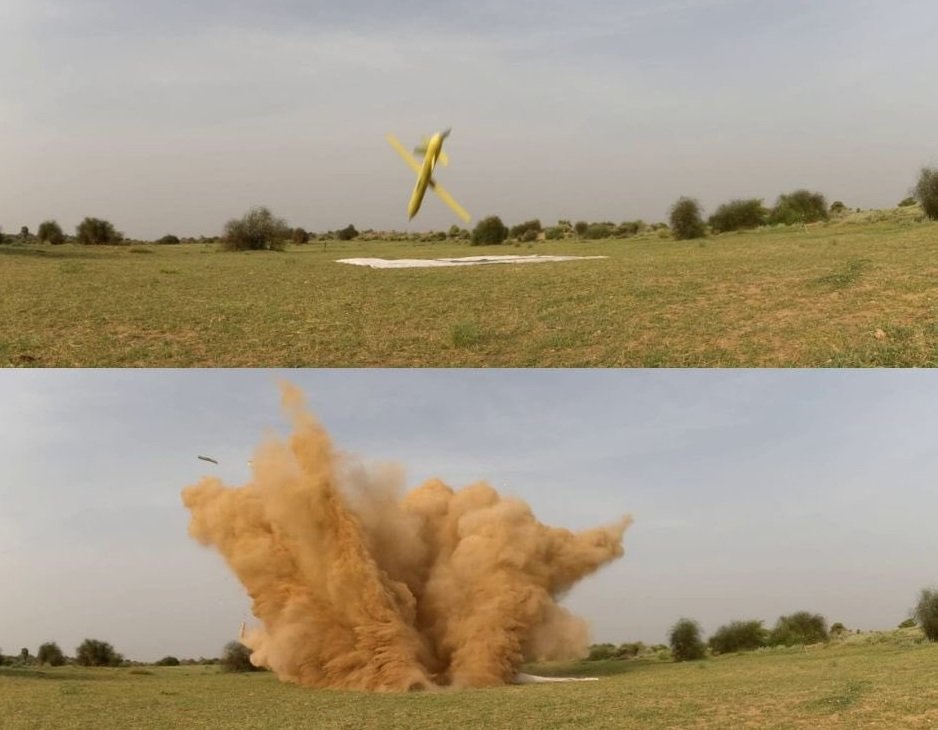
India
New Delhi, — The Indian Air Force (IAF) successfully conducted the drop trial of the indigenously designed and developed Khagantak-243 Long Range Glide Bomb (LRGB) on September 2. The IAF said the trial met all its stated objectives. The Khagantak-243 is a 300-kg-class stand-off precision-guided glide bomb jointly developed by Nagpur-based JSR Dynamics and Bharat Electronics Limited (BEL). JSR Dynamics is responsible for the weapon body and control systems, while BEL provides the electronics and guidance subsystems. The weapon has a cylindrical body, swivel-type mid-body glide wings and five aft control surfaces. It carries a 125 kg Mk-81 general-purpose blast-fragmentation warhead. Its mid-course guidance uses an inertial navigation system (INS) along with GNSS. The Khagantak-243 has a reported range of more than 140 km when released from an altitude of around 12,000 metres. Its glide design allows the launching aircraft to engage targets from a stand-off distance rather than flying directly over the target area. The trial was conducted from a Su-30MKI fighter aircraft, which has been identified as the initial integration platform. Future integration with other aircraft, including the MiG-29K and Mirage-2000, has also been reported. The IAF had earlier placed an order with BEL for an unspecified number of Khagantak-243 munitions. The exact quantity and contract value have not been disclosed. The successful trial adds another indigenous stand-off precision weapon to India's developing domestic air-launched weapons capability.
Read More → Posted on 2026-09-03 14:27:06
World
SEOUL, — South Korea’s government has submitted a 73.2777 trillion won ($51.4 billion) defense budget proposal for 2027 to the National Assembly. The proposal is 8.2 percent higher than the 2026 budget, marking the largest annual increase in about two decades and taking defense spending above 70 trillion won for the first time. The budget focuses on strengthening self-reliant defense capabilities, preparations for the transfer of wartime operational control (OPCON), military restructuring amid declining manpower, and the expansion of AI, unmanned systems, drones and counter-drone capabilities. Budget Breakdown Of the total, 50.0416 trillion won ($35.1 billion) is allocated to force operations, up 5.9 percent. Defense capability improvement receives 22.7112 trillion won ($15.9 billion), an increase of 13.8 percent, while military service administration receives 524.9 billion won ($368.2 million), up 1.4 percent. The defense capability improvement budget has increased by about 2.8 trillion won, the largest increase on record. Funding for OPCON preparations and self-reliant defense capabilities will rise 34.9 percent, from 9.0222 trillion won to 12.1744 trillion won. KF-21, L-SAM and Nuclear-Powered Submarine South Korea plans to accelerate key capabilities for responding to North Korea’s nuclear and missile threats, including medium-altitude reconnaissance UAVs (MUAVs) and long-range surface-to-air missiles (L-SAMs). Their deployment is planned to be brought forward by roughly one year, targeting late 2027 to 2028. The government will also expand KF-21 fighter mass production. Funding for the program will rise from about 1.4 trillion won to 3.3 trillion won, including around 150 billion won for follow-on production. For the first time, the budget also includes nearly 100 billion won for the initial phase of the Jang Bogo N nuclear-powered submarine project, covering initial design, facilities and related reviews. Military Restructuring and AI To address declining military-age population, the standing reserve force will expand from 3,700 to 7,000 personnel in 2027. Reserve-training compensation will increase from 68.8 billion won to 90.3 billion won. The government also plans to increase the monthly pay of entry-level staff sergeants to about 3 million won and use civilian personnel for selected non-combat duties, including facility management, snow removal and some garrison security functions. Funding for AI and manned-unmanned hybrid systems will increase 55.5 percent, from 496.8 billion won to 772.7 billion won. This includes 43 billion won for physical-AI demonstration projects involving transportation, garrison security and hazardous-material handling. Planned systems include AI-enabled border surveillance, unmanned ground sensors, explosive-detection and disposal robots, autonomous underwater mine detectors, unmanned surface vessels and multi-legged robots. Drone and Counter-Drone Capabilities Spending on drone and counter-drone systems will rise 18.8 percent, from 678.8 billion won to 806.1 billion won. The budget supports swarm-drone research, medium-range loitering munitions, tactical drones and reconnaissance systems. Funding to train 500,000 “drone warriors” will increase from 29.6 billion won to 77.1 billion won. South Korea will also expand border counter-drone capabilities, invest in Block-I laser anti-aircraft weapons and begin development of mobile Block-II laser systems. A new K-Blue UAS certification system will also be introduced to support rapid acquisition of quality-assured drones. Defense Technology and Industry The proposal includes 56.5 billion won for defense semiconductors, 9 billion won for advanced aviation propulsion and 12.1 billion won for high-power laser-based hard-kill technology. Funding for the K-Defense Startup Incubation program will increase from 5.4 billion won to 12.4 billion won. Support for defense innovation companies will rise from 65.9 billion won to 75.8 billion won. Military-technology demonstrations by small and medium-sized enterprises will receive 17 billion won, up from 7 billion won, while defense export support will rise from 51.2 billion won to 62.7 billion won. If approved by the National Assembly, the 2027 defense budget will represent approximately 2.33 percent of South Korea’s projected GDP, compared with 2.28 percent in 2026. The proposal will now undergo National Assembly deliberation.
Read More → Posted on 2026-09-03 14:20:02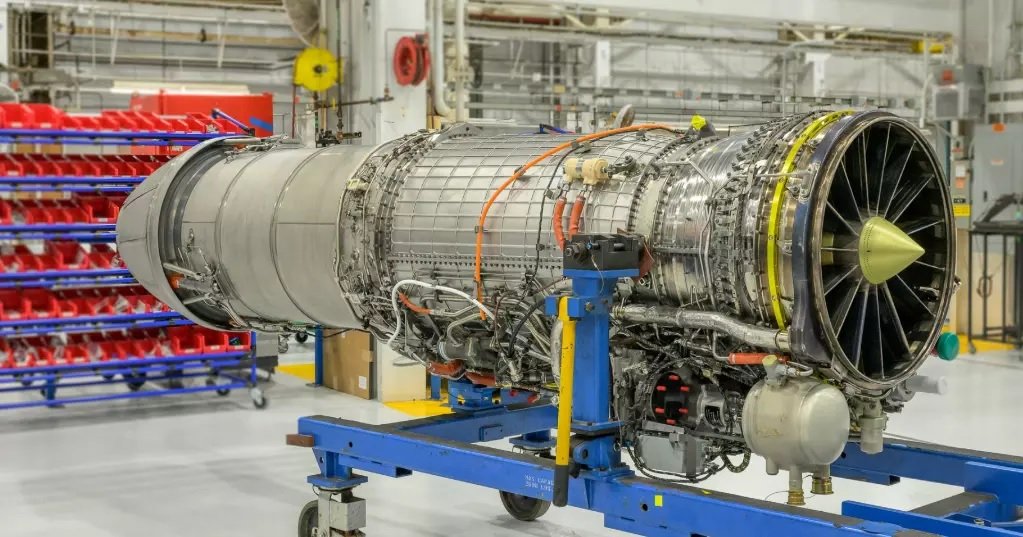
India
NEW DELHI, — GE Aerospace has delivered three more F404-IN20 engines to Hindustan Aeronautics Limited (HAL) for India’s Tejas Mk1A fighter aircraft programme. The engines were delivered in August 2026, taking the total number of F404-IN20 engines delivered to HAL for the Tejas Mk1A programme to 10. The deliveries are part of a contract signed in 2021, under which GE Aerospace is to supply 99 F404-IN20 engines and associated support to HAL. The agreement is valued at around ₹5,375 crore (approximately $716 million). Engine deliveries have been slower than originally planned, affecting the pace of Tejas Mk1A production. GE Aerospace has been working to increase F404-IN20 production and address earlier supply-chain problems. The F404-IN20 is an uprated version of the F404 engine family and produces up to 85 kN (19,000 lbf) of afterburning thrust. It is equipped with a Full Authority Digital Engine Control (FADEC) system. The Indian Air Force has ordered 180 Tejas Mk1A aircraft from HAL. In November 2025, HAL also placed a follow-on order with GE Aerospace for 113 additional F404-IN20 engines to support a further 97 Tejas Mk1A aircraft, with deliveries scheduled from 2027 to 2032. The latest three-engine shipment is expected to support HAL’s efforts to maintain the Tejas Mk1A production schedule as GE continues to increase engine deliveries.
Read More → Posted on 2026-09-03 14:06:43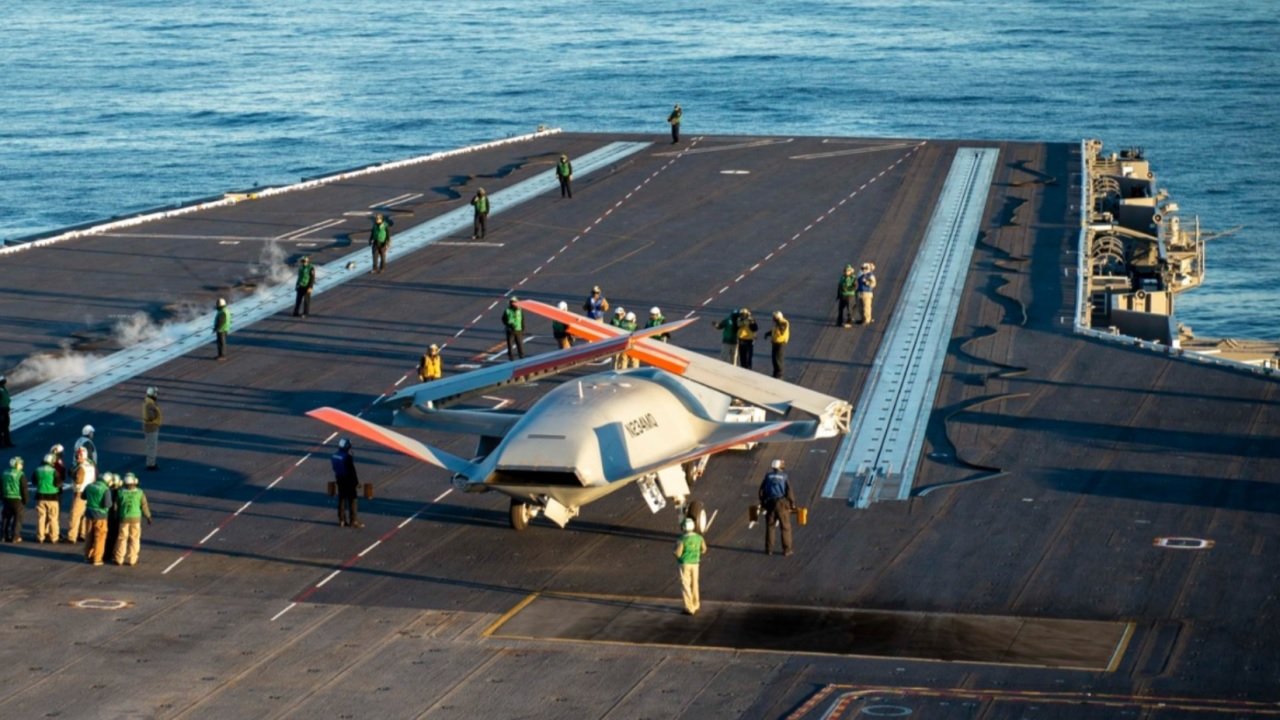
U.S
PATUXENT RIVER, Md., — The U.S. Navy has formally started the development process for its first carrier-based Collaborative Combat Aircraft (CCA), issuing a Request for Information (RFI) to industry on August 31, 2026. The RFI, issued by Naval Air Systems Command (NAVAIR) through the Future Advanced Capability Program Office (PMA-228), seeks proposals for the CCA Increment 1 Prototype Project. The Navy wants an affordable, weaponized, extended-range autonomous unmanned aircraft that can operate alongside the F/A-18E/F Super Hornet and F-35C Lightning II. The Navy plans to use the CCA to increase the number of aircraft available to carrier air wings and assign higher-risk or longer-range missions to uncrewed aircraft. Planned roles include forward sensing, electronic warfare and carrying additional weapons. Development timeline and cost The Navy is seeking two fully functional prototypes. The first flight is expected within 24 months of a contract award, with shore-based carrier certification completed within three years. Industry responses are due by September 18, 2026, followed by an industry briefing on September 22 in California, Maryland. The Navy is considering Other Transaction Authority for the potential prototype project. The RFI is for market research and does not commit the government to an award. The targeted unit cost is approximately $30 million. Companies must provide manufacturing and supply-chain plans showing how the aircraft could meet the cost target at scale. Carrier integration and weapons The aircraft must be compact enough to operate within the existing deck, elevator and hangar constraints of aircraft carriers, with a footprint comparable to an existing F/A-18E/F Super Hornet. It must conduct catapult launches and arrested recoveries from both Gerald R. Ford-class and Nimitz-class aircraft carriers, operate safely in conditions up to Sea State 5, and use standard shipboard tools and logistics. The Navy wants the aircraft to use the existing Joint Precision Approach and Landing System (JPALS) and the MD-5 Unmanned Carrier Aviation Mission Control System, which is used for the MQ-25 Stingray. Commercial off-the-shelf components that are not initially marinized are permitted if manufacturers provide a clear plan to make them suitable for long-term maritime operations. The CCA must be capable of carrying up to four externally mounted 2,500-pound-class weapons, providing an external weapons payload of about 10,000 pounds. Designs without internal weapons bays are acceptable, allowing the Navy to prioritize affordability and faster development over maximum stealth. Wider Navy and international efforts The program follows earlier Navy work on autonomous aircraft and manned-unmanned teaming. The Navy has also continued development of the MQ-25 Stingray, while the C-2A Greyhound has completed its service and the CMV-22B Osprey has taken over the Carrier Onboard Delivery mission. Congress is also considering multi-year procurement authority for additional E-2D Advanced Hawkeyes. The Navy's CCA effort comes as the service continues work on its future carrier air wing and the F/A-XX sixth-generation fighter program. The U.S. Air Force is also advancing its CCA program, including flight testing of the YFQ-42A. Similar efforts are underway in Europe. France issued an RFI in June 2026 for a carrier-capable collaborative combat UAV intended to operate with the Rafale M F5 aboard its future PANG aircraft carrier. The UK's Royal Navy is advancing fixed-wing autonomous aircraft demonstrations under its Maritime Aviation Transformation (MATX) strategy and Project Vanquish, with a goal of developing a hybrid carrier air wing by 2040. The new RFI marks the Navy's formal move toward developing a carrier-based uncrewed combat aircraft designed to expand the size and operational reach of future carrier air wings while operating within existing carrier constraints.
Read More → Posted on 2026-09-03 13:19:52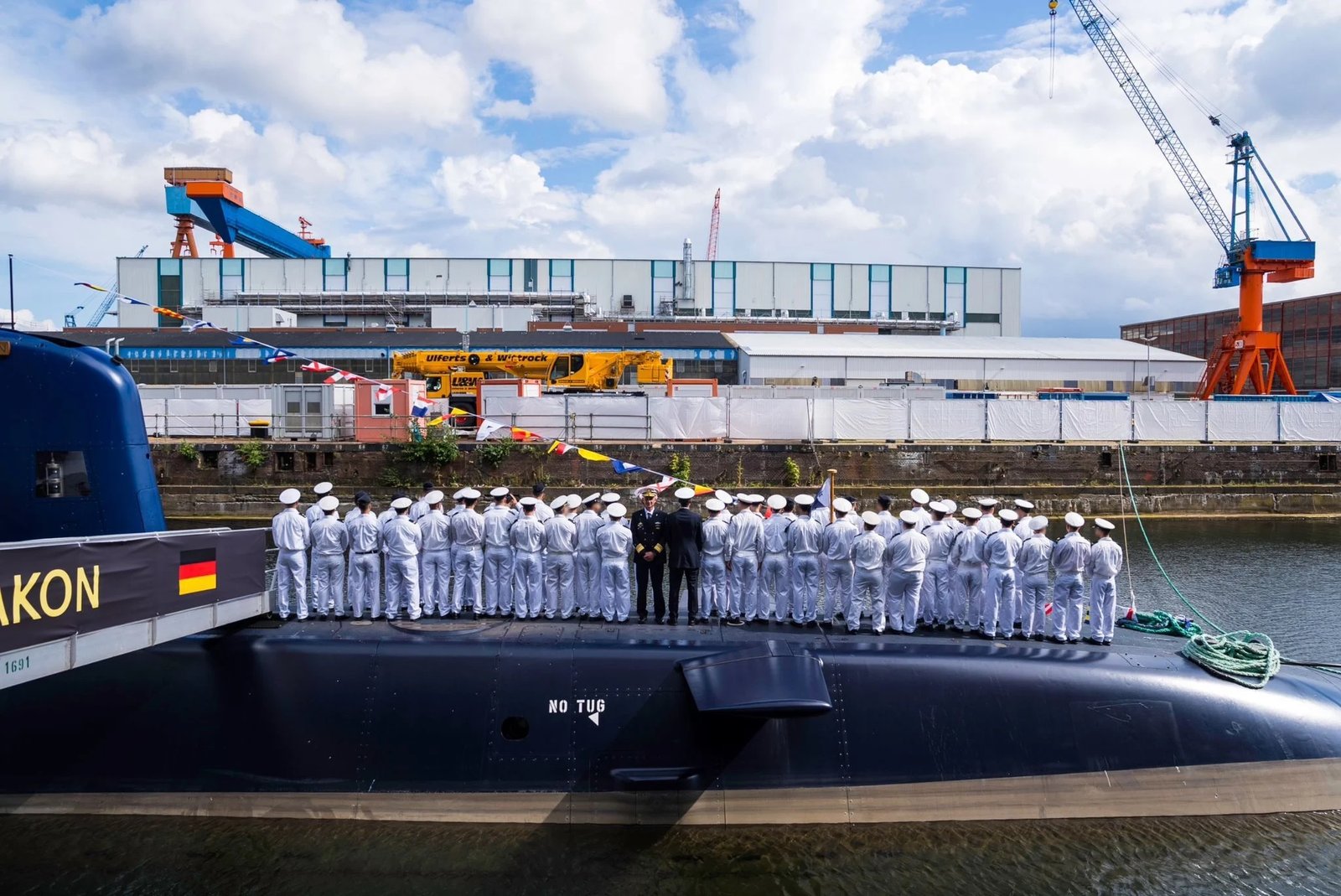
World
KIEL, Germany — Thyssenkrupp Marine Systems (TKMS) has completed the delivery process for INS Drakon, Israel’s sixth submarine, with the vessel leaving the company’s shipyard in Kiel on September 1 and beginning its voyage to Israel. The departure marks the completion of the Dolphin AIP submarine program, with Drakon being the third and final submarine in the series equipped with air-independent propulsion (AIP). The Israeli Ministry of Defense and Israel Defense Forces confirmed that the submarine is now sailing toward Israel. A farewell and departure ceremony was held at the TKMS facility in Kiel. The event was attended by senior Israeli and German officials, including Israeli Navy Commander Vice Adm. Eyal Harel, representatives of Israel’s Defense Ministry and Navy, Israel’s ambassador to Germany Ron Prosor, and German naval representatives. The Israeli flag was raised aboard Drakon as the submarine formally began its journey to Israel. The voyage was accompanied by a security operation involving Israeli and German security forces. After reaching Israel, Drakon is expected to undergo its induction process, with a formal ceremony planned at the Haifa Naval Base. Final Dolphin AIP submarine INS Drakon is the third and final Dolphin AIP submarine acquired by Israel. The two earlier vessels in this group are INS Tanin and INS Rahav. The AIP system allows a submarine to remain underwater for longer periods without depending on atmospheric air for propulsion. The Israeli Ministry of Defense and IDF said Drakon incorporates advanced technologies intended to increase the Navy's operational flexibility, range and endurance. Israeli Navy Commander Vice Adm. Eyal Harel said Drakon, together with the three future Dakar-class submarines, will form an important part of the future Submarine Flotilla and the Israeli Navy. TKMS CEO Oliver Burkhard described the Dolphin AIP program as a complex and challenging naval program and said the company would continue its cooperation with Israel through the Dakar-class submarine program. Enlarged sail and classified systems Drakon is understood from publicly available imagery and reporting to be approximately 73 meters long, making it longer than the earlier Dolphin II submarines Tanin and Rahav. Its submerged displacement has been estimated at approximately 2,400 tons. One of the most visible differences is its substantially enlarged sail. However, Israel and TKMS have not publicly confirmed the specific systems housed within this additional space. Some open-source analysis has suggested that the enlarged sail could provide space for additional mission systems, including possible vertical launch arrangements, unmanned underwater vehicles, sensors or equipment associated with special operations. These remain unconfirmed and should not be treated as the submarine's officially disclosed configuration. The submarine is equipped with 10 bow torpedo tubes, comprising six 533 mm tubes and four larger 650 mm tubes. Exact details of its weapons and other classified systems have not been publicly disclosed. Earlier Israeli Dolphin-class submarines have been reported to possess the ability to launch submarine-launched cruise missiles through enlarged torpedo tubes, but the specific missile configuration of INS Drakon has not been officially confirmed. Transition to the Dakar class The delivery of Drakon also marks the transition toward Israel's next generation of submarines. Israel is developing the Dakar class, with three submarines planned. Construction of the first Dakar-class submarine has already begun, and Israel has described the class as an important part of the future Submarine Flotilla. The long-standing German-Israeli naval partnership has produced several generations of Israeli submarines. TKMS and Israel are continuing this cooperation through the Dakar program. With Drakon now sailing from Germany to Israel, the Dolphin AIP program has reached its final stage, while preparations continue for the next generation of Israeli submarines.
Read More → Posted on 2026-09-03 12:26:07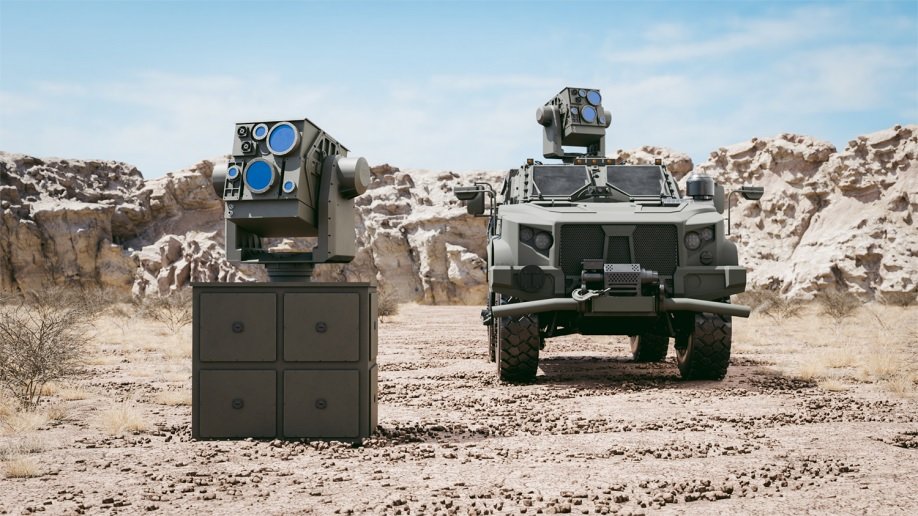
U.S
ARLINGTON, Va., — The U.S. Army has awarded AeroVironment a $464.8 million Other Transaction Agreement (OTA) to produce and deliver dozens of LOCUST X3 high-energy laser weapon systems under the Enduring-High Energy Laser (E-HEL) program. AeroVironment announced the award on September 2, saying it represents the first-ever production contract for directed-energy systems in U.S. history. The agreement moves the LOCUST system from prototype and testing activities into production and planned fielding. The contract was awarded through the Army’s Portfolio Acquisition Executive for Fires (PAE Fires). AeroVironment will deliver the systems over the next several years to support the Army’s multi-year fielding requirements, along with training and ongoing system support. 30-kilowatt laser for counter-drone missions The LOCUST X3 is a 30-kilowatt directed-energy system designed to counter Group 1 through Group 3 unmanned aircraft systems (UAS). AeroVironment describes it as a platform-agnostic system intended for integration with different vehicles and other configurations. The initial Army integration will include the Joint Light Tactical Vehicle (JLTV), while palletized configurations will also be available. AeroVironment said it will study the possibility of integrating the system with the Infantry Squad Vehicle (ISV). The company says LOCUST X3 uses its AV_Halo software for AI-enabled detection, tracking and precision targeting. The system is also designed to operate as an effector within AeroVironment’s Halo_Shield counter-UAS architecture, allowing integration with different sensors and command-and-control systems. Because the weapon uses electrical power rather than conventional interceptor ammunition, its engagements are not limited by a traditional missile magazine. AeroVironment has also highlighted the system's low cost per engagement and ability to provide persistent counter-UAS protection when sufficient power is available. Builds on earlier Army testing The E-HEL program builds on the Army’s Multi-Purpose High Energy Laser (AMP-HEL) prototypes and earlier LOCUST development. AeroVironment said LOCUST systems underwent testing at White Sands Missile Range with Joint Interagency Task Force 401 and the Army's fires acquisition office. According to the company, those tests demonstrated safe and effective counter-drone operations in U.S. airspace and supported a safety agreement between the Department of War and the Federal Aviation Administration for domestic use of the system. Earlier LOCUST systems have also been demonstrated aboard the U.S. Navy aircraft carrier USS George H.W. Bush. AeroVironment said the system successfully demonstrated its counter-UAS capability during those tests. Production expansion in New Mexico To support the new production requirement, AeroVironment is investing $30 million to expand its directed-energy manufacturing facility in Albuquerque, New Mexico. The company announced the investment in March 2026, with the expansion intended to increase manufacturing capacity for the LOCUST family. Wahid Nawabi, AeroVironment’s Chairman, President and CEO, said the award reflects the transition of directed energy from experimentation to an enduring, fielded capability following years of work with the U.S. Army. John Garrity, the company's Vice President of Directed Energy Systems, described E-HEL as a production-ready system based on lessons from earlier prototyping and operations. The Army contract marks a significant step in the U.S. effort to move high-energy laser weapons into regular military service, with the LOCUST X3 now moving toward multi-year production and fielding as part of the Army's layered counter-UAS capabilities.
Read More → Posted on 2026-09-03 12:20:01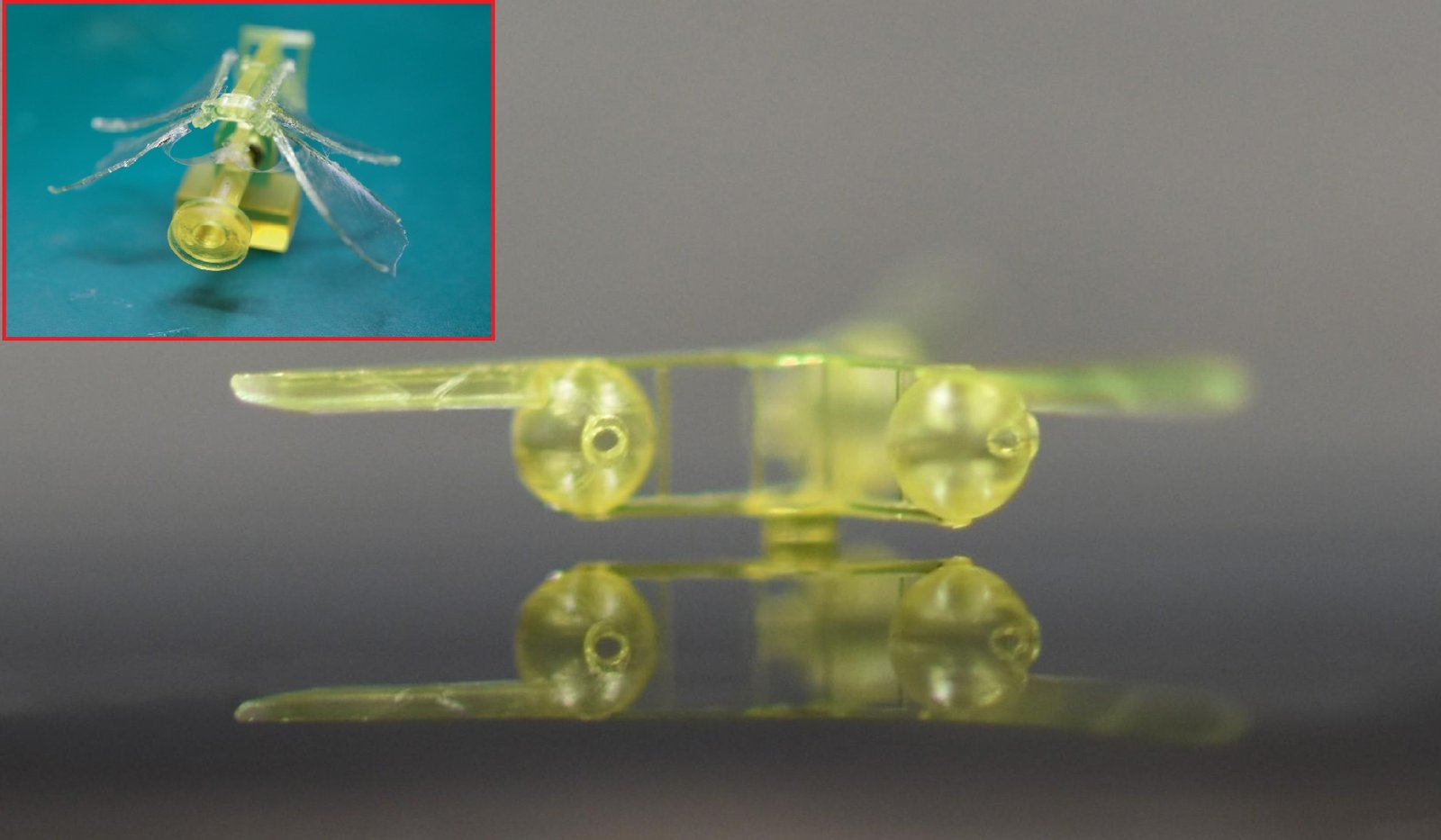
Space & Technology
LAUSANNE, Switzerland, — Engineers at the Swiss Federal Institute of Technology Lausanne (EPFL) have developed miniature robots and ultralight flying devices that generate thrust from sound waves without using onboard motors, batteries, electronics or conventional actuators. The research, published on August 12, 2026, in Science Advances, uses a well-known acoustic effect called Helmholtz resonance. The same phenomenon produces a tone when air is blown across the opening of an empty bottle. At a suitable frequency, air inside a cavity oscillates strongly. Researchers from EPFL’s MicroBioRobotic Systems (MICROBS) Laboratory, led by Selman Sakar, designed hollow acoustic cavities using 3D-printing techniques. When exposed to sound at their resonant frequency, the cavities produce a concentrated air jet. The difference between the outgoing and returning airflow generates directional thrust. Sound-controlled miniature boats At the centimetre scale, the team built small boats fitted with up to three acoustic resonators. Each cavity was tuned to a different audible frequency and positioned to produce thrust in a specific direction. By changing the frequency from a nearby speaker, researchers could activate individual resonators to move the boats forward or turn left or right. The boats were also able to navigate around obstacles and follow programmed paths. The researchers demonstrated the same principle using both airborne sound and structure-borne sound, where a transducer excites the cavity through physical contact. Microfliers use ultrasound The team then applied the technology at a much smaller scale. Using two-photon polymerisation, a high-resolution 3D nanoprinting technique, researchers produced ultralight devices called microfliers. Because the sound levels required for comparable operation with audible frequencies would be unsuitable for humans, the microfliers were designed to respond to ultrasound at around 40 kHz, which is above the human hearing range. One microflier weighed 150 micrograms and used three microscopic cavities to generate upward thrust. It achieved a thrust-to-weight ratio of 4.9, meaning the generated thrust was nearly five times its weight. A second design weighed 184 micrograms and combined three acoustic resonators with small blades. When activated by ultrasound, the blades reached speeds of up to 13,000 revolutions per minute, producing stable aerodynamic lift. No conventional motor components The approach replaces conventional miniature motor components with precisely shaped hollow cavities. The structures can be produced using materials including common 3D-printing plastics, rubber-like polymers and glass. The researchers say the design can be further miniaturised because it does not depend on the magnets, coils, shafts and other components normally found in small motors. The study also presents analytical models, numerical simulations and experimental results to establish design principles for acoustic resonators used as wireless actuators. Potential future applications EPFL researchers say multiple sound-responsive cavities could eventually be integrated into flexible structures, with different sections responding to different frequencies. Such designs could allow parts of a device to move, bend or vibrate selectively. Potential applications suggested by the researchers include soft robotic structures, contact-free manipulation of small objects and biomedical devices. The team also identified possible applications in medical technology, including components for heart stents. The current work establishes the basic operating and design principles. Further research is expected to focus on practical designs, improved control and navigation.
Read More → Posted on 2026-09-02 16:51:30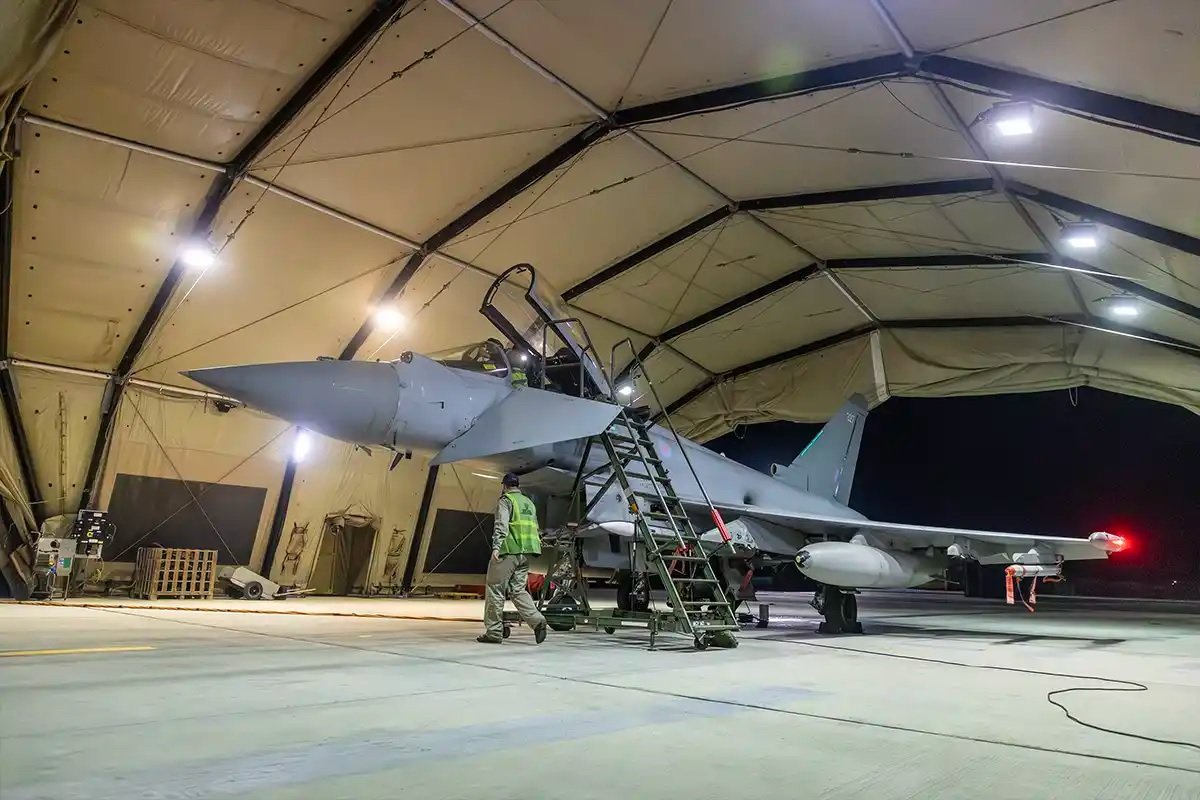
Europe
LONDON, — The United Kingdom is committing another £1.1 billion to upgrade and sustain its Eurofighter Typhoon fleet, ensuring the aircraft remains a major part of Royal Air Force (RAF) combat capability into the 2040s. The funding is included in the government's 2026 Defence Investment Plan, which provides £5.4 billion for the UK's 107 remaining Typhoon aircraft between the 2026/27 and 2029/30 financial years. The additional £1.1 billion is specifically linked to the Long Term Evolution programme and wider sustainment work. The investment covers improvements including the European Common Radar System (ECRS) Mk2 radar, communications, software, defensive aids and pilot helmet-mounted sights. The decision reverses an earlier January 2026 plan that focused upgrades on only 40 aircraft. Defence Readiness and Industry Minister Luke Pollard confirmed that the investment covers the full 107-aircraft fleet. Typhoon's air-defence role Typhoon and the F-35 remain central to Britain's Integrated Air and Missile Defence capability. RAF Typhoons have recently been involved in protecting UK sovereign bases in Cyprus and supporting Gulf partners against drone attacks launched by Iran and its proxies. The aircraft were also rapidly equipped with the Advanced Precision Kill Weapon System (APKWS) to provide a lower-cost option for engaging drones during sustained air-defence operations. The UK is separately investing £1.4 billion in the STRATUS missile programme, developed with France and Italy. The programme is intended to arm Typhoon aircraft and Royal Navy frigates and provide a major part of Britain's future long-range strike capability. It includes a UK-led low-observable subsonic variant and a high-speed variant. Supporting Typhoon exports The investment also supports Britain's aerospace industrial base and Typhoon export programme. In 2025, the UK reached an £8 billion agreement with Türkiye for 20 Typhoon aircraft, with options for additional aircraft. The deal is expected to support production and jobs across the UK supply chain, including at BAE Systems facilities in Warton and Samlesbury. Part of a wider air-power plan The Typhoon will operate alongside the F-35, GCAP and future autonomous combat aircraft as Britain develops what the government calls a “Next Generation Royal Air Force.” The four-year plan allocates £2.2 billion to the F-35 programme, £8.6 billion to GCAP with Italy and Japan, and £300 million to Collaborative Combat Aircraft. Overall, £27.8 billion is allocated to air-domain capabilities through 2029/30, with at least £70 billion of further air-domain investment planned between 2030 and 2035. The Ministry of Defence has stressed that longer-term figures represent current priorities rather than fixed commitments, meaning programmes can still be delayed, rescoped, reprioritised or cancelled. The £1.1 billion Typhoon commitment therefore provides continued support for the RAF's existing fighter capability while Britain develops its next generation of crewed and uncrewed combat aircraft.
Read More → Posted on 2026-09-02 16:41:10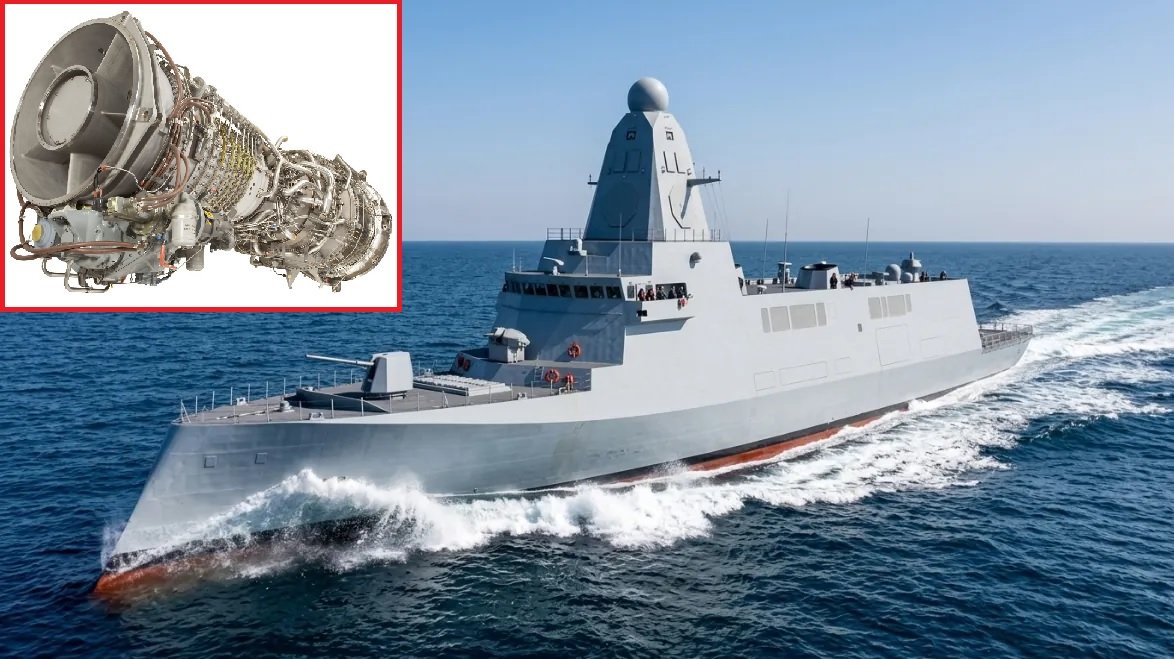
World
SEOUL, — The Republic of Korea Navy has selected GE Aerospace’s LM2500+G4 marine gas turbines to power six next-generation KDDX destroyers. GE Aerospace will supply 12 turbines, with two engines installed on each ship. Full-Electric Propulsion The LM2500+G4 turbines will be integrated into the KDDX’s full-electric propulsion system. The configuration is designed to improve fuel economy, operational flexibility, survivability and redundancy, while providing additional electrical power for future upgrades to sensors and weapons. The system is intended to meet the high electrical and operational requirements of the KDDX’s advanced combat systems. Advanced KDDX Systems The KDDX program covers six destroyers in the 6,000- to 7,000-ton class. Hanwha Ocean holds the contract for detailed design and construction of the lead ship, which is scheduled for delivery in 2032. The remaining five ships are planned for delivery by 2036, with the overall program valued at about 7.8 trillion won. The ships will feature an indigenous combat management system, a stealth-integrated dual-band AESA radar in an integrated mast, and Korean vertical launch systems capable of firing advanced anti-aircraft and land-attack missiles. South Korean Industrial Participation Hanwha Aerospace will manufacture various engine components and handle local assembly, testing and support of the turbines. NRTEC, a Busan-based manufacturing company, will produce lightweight composite enclosures for the engines. The arrangement expands local participation into propulsion-system integration and long-term support. Each composite enclosure reduces weight by more than 2,500 kilograms compared with the earlier steel design while maintaining the same footprint as the base LM2500 turbine. The enclosure is also designed to be 60 percent quieter and reduce exterior wall temperatures by 25 to 50 degrees Fahrenheit, improving conditions for crew working around the engines. LM2500+G4 Engine Introduced in 2012, the LM2500+G4 retains the two-spool architecture of the base LM2500. It incorporates a zero-stage high-pressure compressor blisk and other improvements that increase airflow by 33 percent and allow higher firing temperatures. The engine is already used on FREMM frigates operated by Italy, France, Egypt and Morocco. It has also been selected for the U.S. Navy’s Constellation-class frigates and the land-based test site supporting the future DDG(X) destroyer. Long-Standing ROK Navy Relationship The KDDX selection continues GE Aerospace’s long-standing relationship with the Republic of Korea Navy. The service has previously procured 163 GE Aerospace marine gas turbines for 95 ships, with Hanwha Aerospace playing a longstanding role in the local industrial supply chain. Asha Belarski, Vice President and General Manager of GE Aerospace’s Marine Engines & Systems, said the transition to full-electric propulsion represents a step toward the next generation of naval power and highlighted the company’s cooperation with South Korean industry and commitment to local manufacturing.
Read More → Posted on 2026-09-02 16:34:33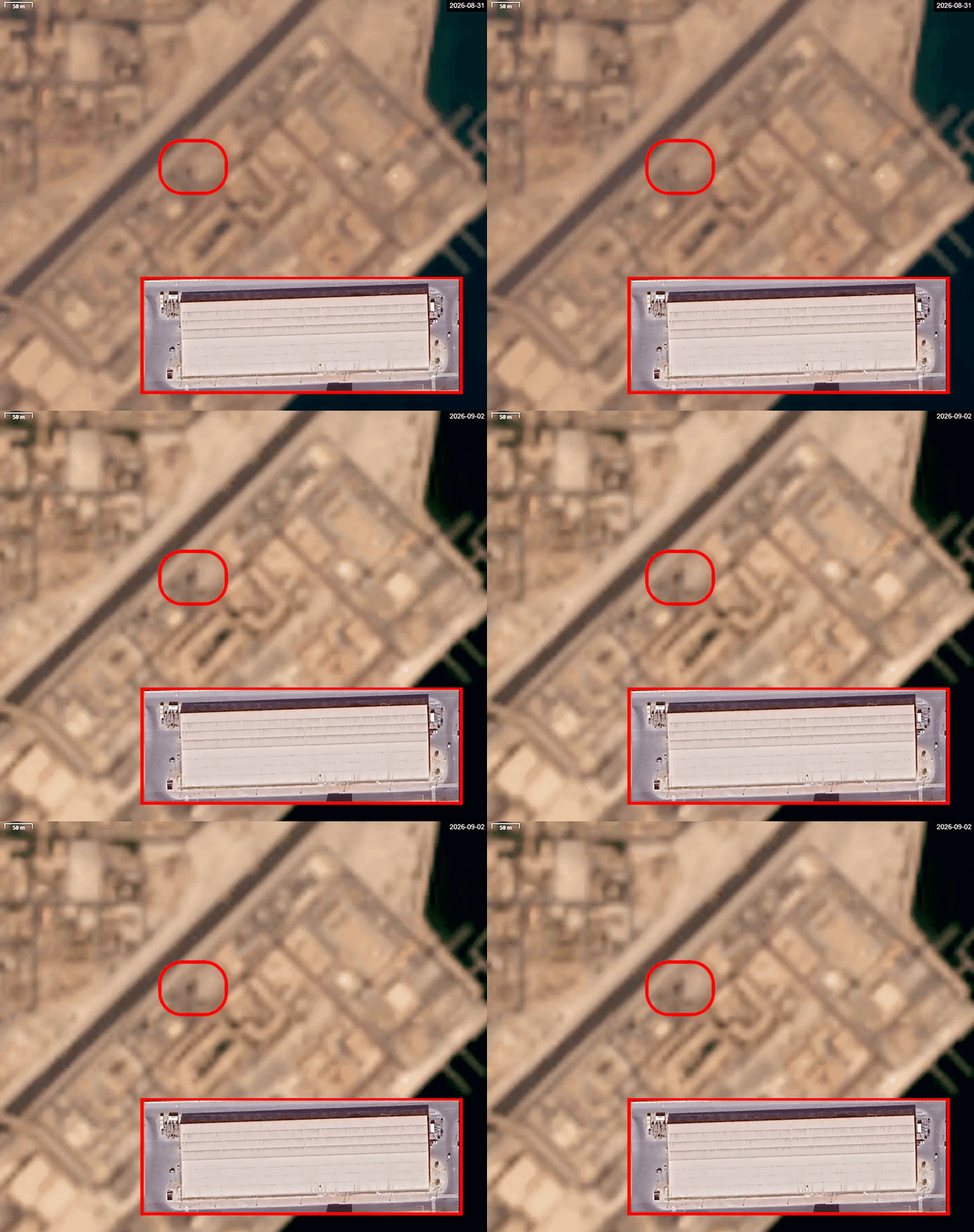
World
MANAMA, Bahrain — Satellite imagery and videos circulating online indicate possible new damage at the U.S. Navy’s Naval Support Activity Bahrain in Manama following Iranian claims of drone and missile attacks against U.S. military positions in the region. A satellite image dated September 2 shows what appears to be a fresh burn mark on a warehouse inside the U.S. naval installation at 26°12'34.38"N, 50°37'03.91"E. Open-source intelligence account @EGYOSINT highlighted the imagery and compared it with a satellite image from August 31, when the mark was reportedly not visible. 🛰🇧🇭🇺🇸 Iran's IRGC may have scored a new direct hit, possibly with OWA drones, on the U.S. Navy’s 5th Fleet base in Bahrain. A fresh burn scar is visible on a warehouse inside the base at 26°12'34.38"N, 50°37'03.91"E. https://t.co/mLoT1VFlPG pic.twitter.com/BpofdrrWON — Egypt's Intel Observer (@EGYOSINT) September 2, 2026 The imagery has not, however, independently established that the burn mark was caused by an Iranian drone strike. Additional high-resolution imagery or an official assessment would be required to determine the cause and extent of the damage. Naval Support Activity Bahrain is the home of the U.S. Naval Forces Central Command and U.S. Fifth Fleet. The U.S. Navy says the installation provides support to U.S. and coalition forces operating across the U.S. Central Command area. Video Claims to Show Shahed-136 Strike A separate video circulating online and reportedly recorded on the morning of September 2 has been described by Iranian state-linked sources and other accounts as showing a Shahed-136 one-way attack drone striking the U.S. Fifth Fleet facility in Manama. BREAKING: Video recorded this morning shows a Shahed-136 one-way attack drone of the IRGC Aerospace Force hitting the headquarters of the U.S. Navy’s Fifth Fleet in Manama, the capital of Bahrain, this morning. pic.twitter.com/aycSmAxEYY — Babak Taghvaee - The Crisis Watch (@BabakTaghvaee1) September 2, 2026 The footage has not been independently verified, and its precise location, timing and circumstances remain unconfirmed. Therefore, the video alone does not establish that a Shahed-136 struck the Fifth Fleet headquarters. The reported incident comes as Iran and the United States exchanged attacks across the region. Reuters reported on September 2 that Iran launched missile and drone attacks against U.S. assets in Bahrain, Jordan, Kuwait and Iraq following recent U.S. strikes against Iranian targets. Iran Claims Attacks on U.S. Positions in Bahrain Iranian military statements said Iranian forces carried out retaliatory attacks against U.S. military positions in the region. Iranian reports specifically said radar installations and locations used by U.S. forces at Sheikh Isa Air Base in Bahrain were targeted with explosive drones. These claims are separate from the satellite imagery showing the suspected burn mark at the Fifth Fleet installation in Manama. There is currently no official confirmation establishing that the two events are connected. Bahrain Says Air Defenses Intercepted Iranian Attacks The Bahrain Defence Force said on September 2 that its air-defense systems intercepted and destroyed a number of Iranian aerial attacks. Bahrain also said its military units remained at a high level of readiness. The Bahrain National Communication Centre similarly confirmed that the country's air defenses had intercepted and destroyed Iranian drones. Authorities urged the public to remain cautious and avoid approaching debris from intercepted attacks. Satellite Evidence Remains Under Review The September 2 satellite image provides a visual indication of a change at the identified warehouse compared with the August 31 imagery. However, satellite imagery showing a new burn scar does not by itself identify the weapon responsible or confirm when the damage occurred. Earlier satellite analysis cited in the supplied information had also identified damage to facilities at the Fifth Fleet installation following previous Iranian attacks in 2026. The latest claims therefore remain a combination of confirmed Iranian statements, confirmed Bahraini reports of intercepted attacks, and unverified open-source visual evidence. Further commercial satellite imagery or official statements from U.S. or Bahraini authorities would be needed to establish whether the Fifth Fleet facility was directly struck and to determine the extent of any damage or casualties. The U.S. Navy's official information confirms that Naval Support Activity Bahrain hosts the U.S. Fifth Fleet and U.S. Naval Forces Central Command, making the installation an important U.S. military facility in the region.
Read More → Posted on 2026-09-02 16:27:57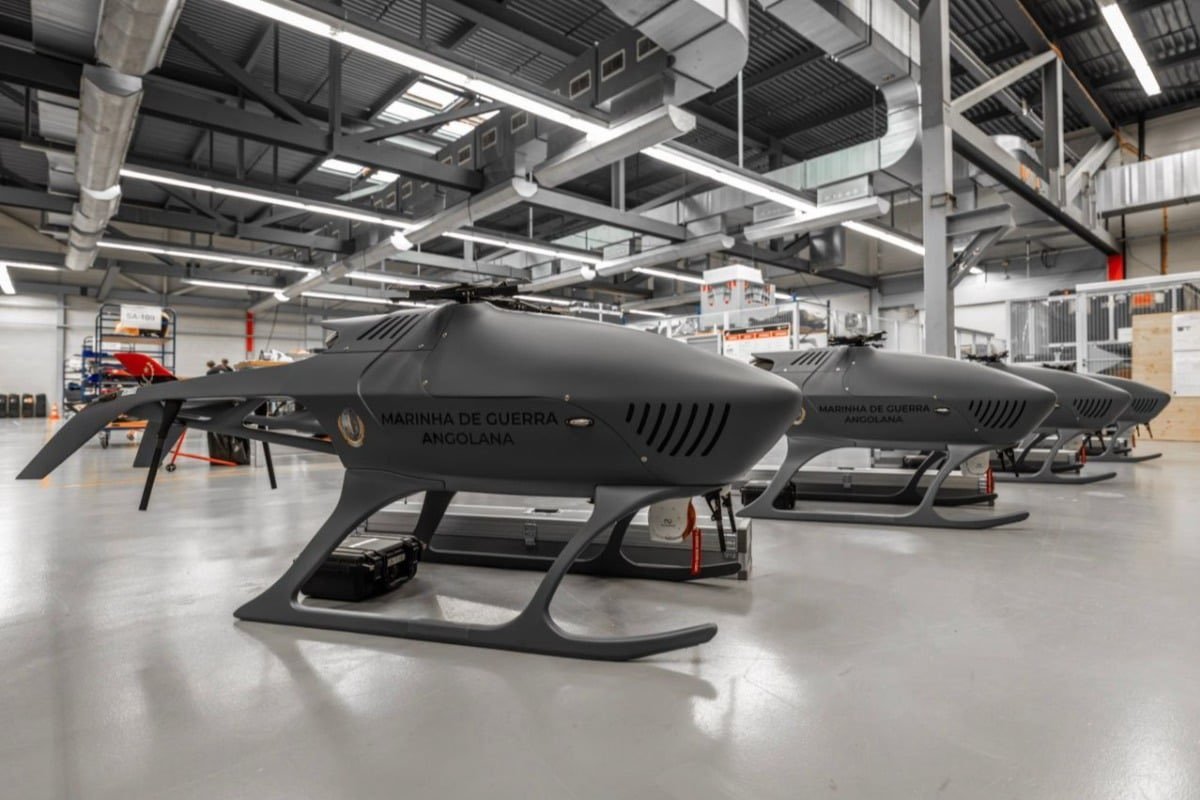
World
LUANDA, Angola — Swiss manufacturer ANAVIA has completed the on-site customer acceptance of six HT-100 Naval unmanned helicopters ordered by the Angolan Navy. The acceptance was conducted jointly with Abu Dhabi Ship Building (ADSB), a partner in the delivery process. Each aircraft underwent individual flight testing and system verification. Angolan Navy representatives checked every aircraft and its systems rather than accepting the six helicopters as a single batch. “This milestone shows our ability to deliver a complete system, closely aligned with our customer’s operational requirements,” said Ishan Sahgal, founder and co-CEO of ANAVIA. The delivered package includes the six unmanned helicopters, electro-optical and infrared (EO/IR) sensors, and maritime control stations. All components were tested together on site as an integrated system. Two Helicopters for Each Corvette The six HT-100 Naval helicopters will be assigned to three new BR71 MK II-class corvettes, with two aircraft per ship. They are intended to extend each vessel’s reconnaissance range and support maritime surveillance, anti-piracy operations and exclusive economic zone (EEZ) protection. The helicopters will also be fully integrated with each corvette’s combat management system. HT-100 Naval Specifications The HT-100 Naval is ANAVIA’s maritime version of the HT-100 unmanned helicopter. It uses a Flettner intermeshing rotor system with two counter-rotating main rotors and no tail rotor. ANAVIA says the design directs roughly 30 percent more power into useful lift, supporting greater endurance and payload compared with conventional single-rotor layouts. The aircraft has a 120-kg (265-lb) maximum takeoff weight and can carry up to 60 kg (132 lb) of payload. It is powered by a 15-kilowatt turbine engine consuming about 9 liters (2.4 gallons) of Jet A-1 fuel per hour. The HT-100 Naval has a flight endurance of up to six hours, a maximum mission range of 600 km (373 miles) and a maximum airspeed of 120 km/h. For shipboard operations, the aircraft uses a fully autonomous, radar-guided deck landing system that measures its position, velocity and attitude relative to the moving ship without relying on GPS. The system supports autonomous landings in conditions up to Sea State 3. A harpoon deck-securing system locks the aircraft to the deck after landing. The airframe uses corrosion-resistant carbon composite, while its electronics and connectors are sealed for continuous saltwater exposure. Emergency equipment includes flotation gear and an emergency locator transmitter. Part of Angola’s €1 Billion Naval Program The three BR71 MK II-class corvettes are part of Angola’s roughly €1 billion ($1.16 billion) naval modernization program. The first vessel, NRA Ekuikui II, was launched in Cherbourg, France, on March 4, 2026. The corvettes are about 70 meters long, have a top speed of 30 knots, a range of 2,500 nautical miles at 12 knots, and a crew of around 50. Construction involves French shipbuilder CMN Naval and ADSB under a technology-transfer arrangement. ANAVIA is headquartered in Bilten, Switzerland, with additional operations in Näfels. In late 2023, UAE-based EDGE Group acquired a 52 percent majority stake in ANAVIA. ADSB is part of the EDGE Group. Main Source : defence-blog
Read More → Posted on 2026-09-02 14:32:20
U.S
WASHINGTON, — The U.S. Department of War has expanded its GenAI.mil enterprise artificial intelligence platform by adding OpenAI’s ChatGPT Mil and Starshield AI’s Grok for Government. The two systems join Google’s Gemini, which has served as the platform’s foundational AI model since GenAI.mil launched in December 2025. Secure AI Platform for Department Personnel GenAI.mil was created to provide military and civilian personnel with access to commercial frontier AI models in a government-secured environment. ChatGPT Mil, Grok for Government and Gemini are all accredited for Impact Level 5 (IL5), allowing the systems to process Controlled Unclassified Information (CUI). The department is providing live and on-demand training at no cost for all three AI platforms. Having multiple models also allows personnel to compare their responses and obtain additional opinions when working on complex tasks, while reducing dependence on a single AI vendor. ChatGPT Mil for Document-Based Work ChatGPT Mil provides features including chat, file handling, projects and custom GPTs. The department said it is intended for document-heavy unclassified tasks such as planning, policy work, logistics and administration. The system is designed to support the department’s workforce of more than three million military and civilian personnel. Grok for Government Adds Reasoning Tools Grok for Government focuses on deep-thinking inference and adaptive reasoning. It provides Auto, Fast and Expert modes, along with customizable workspaces and persistent projects. The system also includes reusable playbooks, which are designed to capture, standardize and scale institutional knowledge. The department identified potential uses including acquisition market research and supply-chain management. More Than 1.7 Million Users GenAI.mil has already recorded significant adoption. Since its launch in December 2025, more than 1.7 million unique users have accessed the platform from a department workforce of more than three million military personnel, civilian employees and contractors. Secretary of War Pete Hegseth has directed the workforce to incorporate AI into daily workflows, describing it as an important tool for improving efficiency and supporting missions. The addition of ChatGPT Mil and Grok for Government expands GenAI.mil to three major AI systems. The move is part of the department’s broader AI Acceleration Strategy, which aims to expand the use of frontier AI for administrative and operational support while maintaining security controls for sensitive unclassified information.
Read More → Posted on 2026-09-02 14:15:36Search
Top Trending in 24 Hours
-
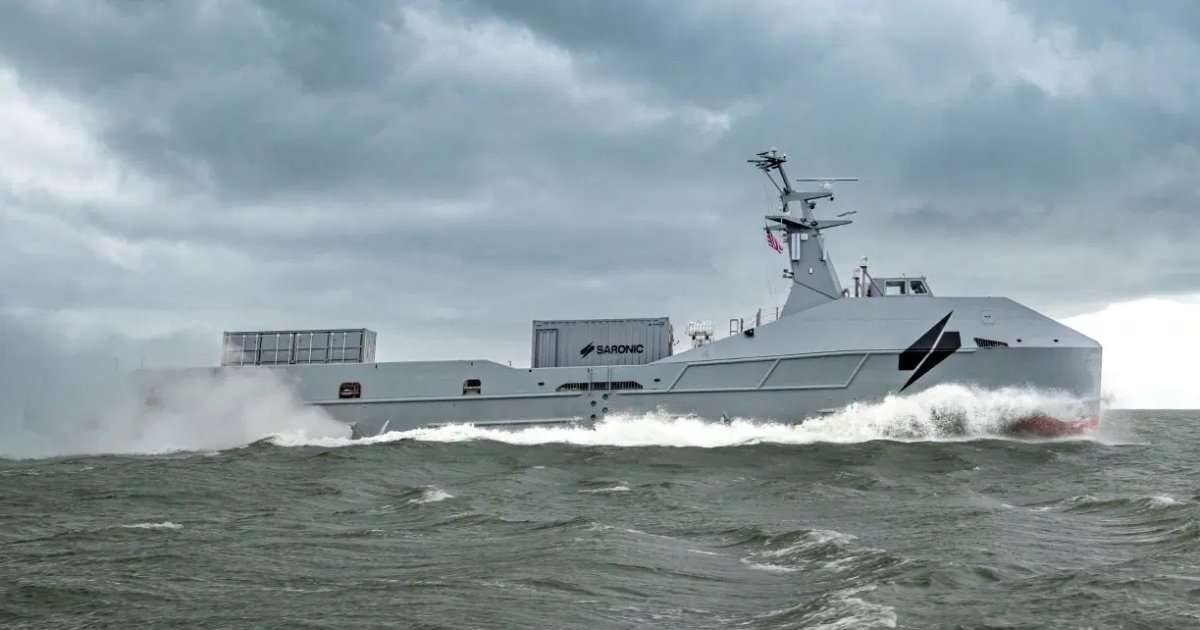 U.S. Navy Awards Production Agreements for 30 Medium Unmanned Surface Vessels, Including 10 Saronic Marauders
-
 Boeing Wins $20 Billion U.S. Navy Contract for F/A-XX Sixth-Generation Fighter
-
 Flydubai Flight to Israel Diverted to Saudi Arabia After Possible Attempted Terror Attack in Cockpit
-
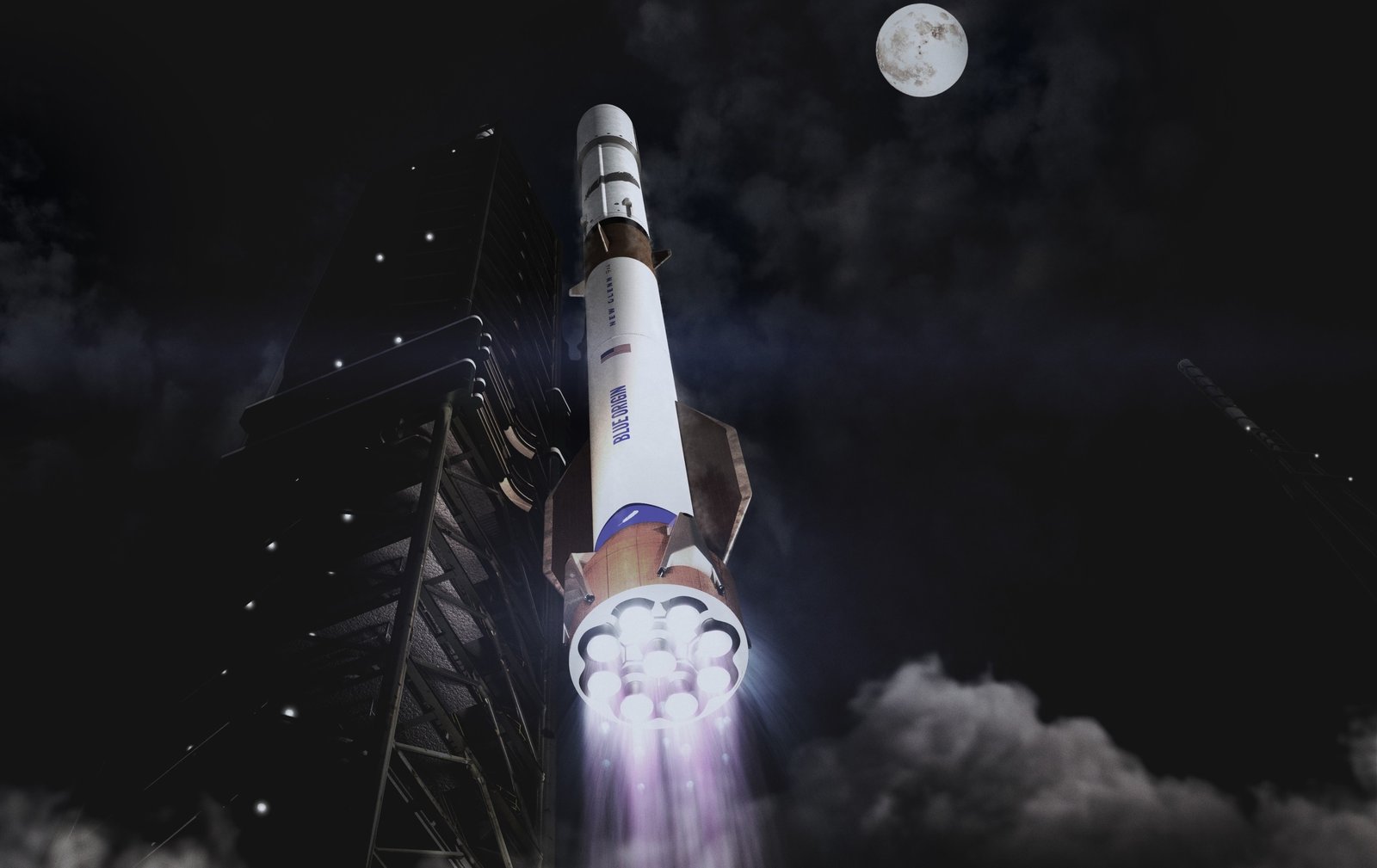 NASA Adds Blue Origin’s Upgraded New Glenn 9×4 to Launch Services Contract
-
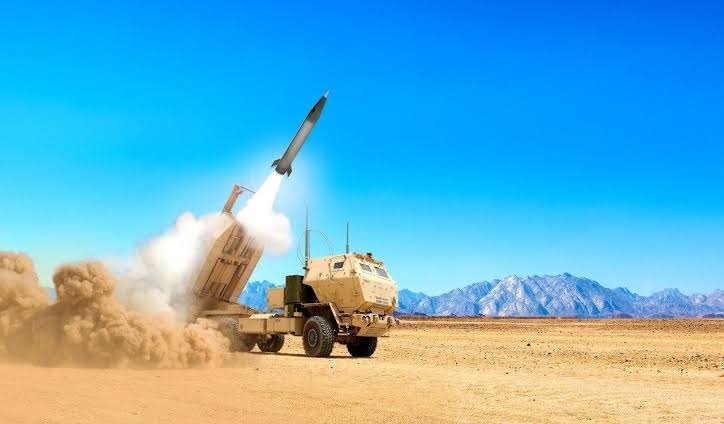 U.S. Army Selects Five Companies to Develop 1,000-Km Precision Strike Missile Prototypes
-
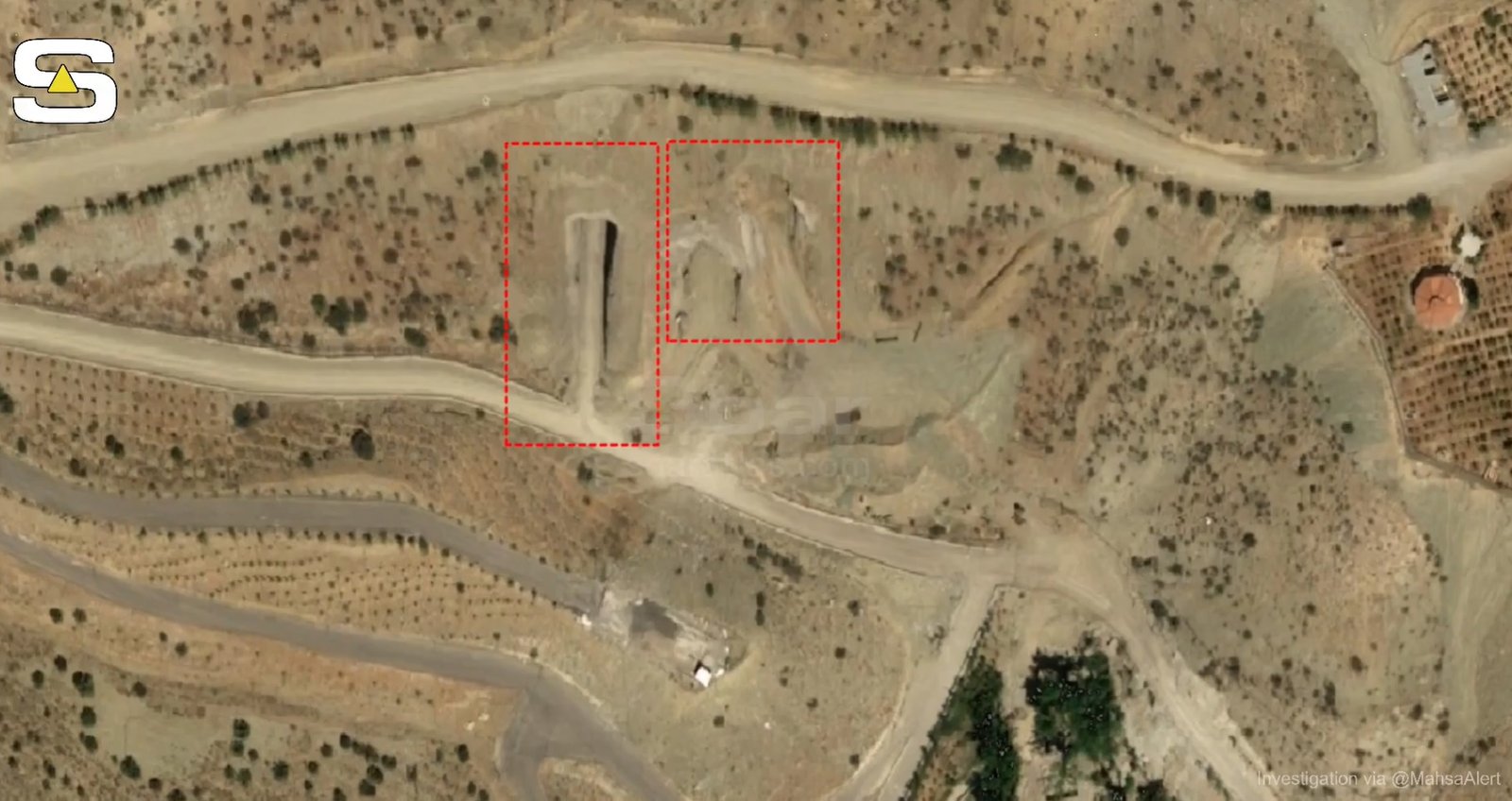 Satellite Imagery Shows Construction Changes at Hillside Site Linked to Iran’s Supreme National Security Council
-
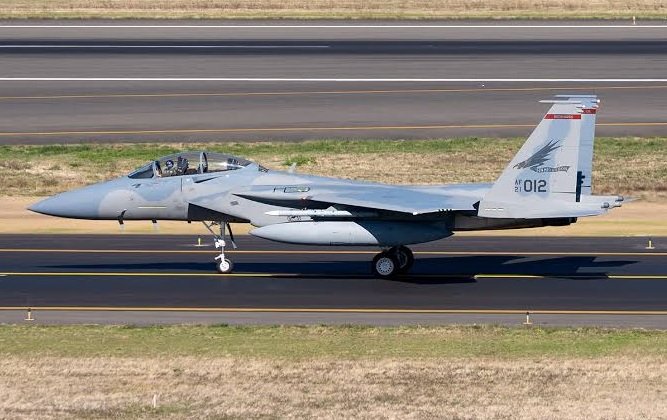 U.S. Air Force Awards Boeing $2.38 Billion Contract for 22 F-15EX Fighter Jets
-
 U.S. Army Awards Heaviside Industries $99 Million Contract for MOTH RF Spectrum Analyzers
Top Trending in 4 Days
-
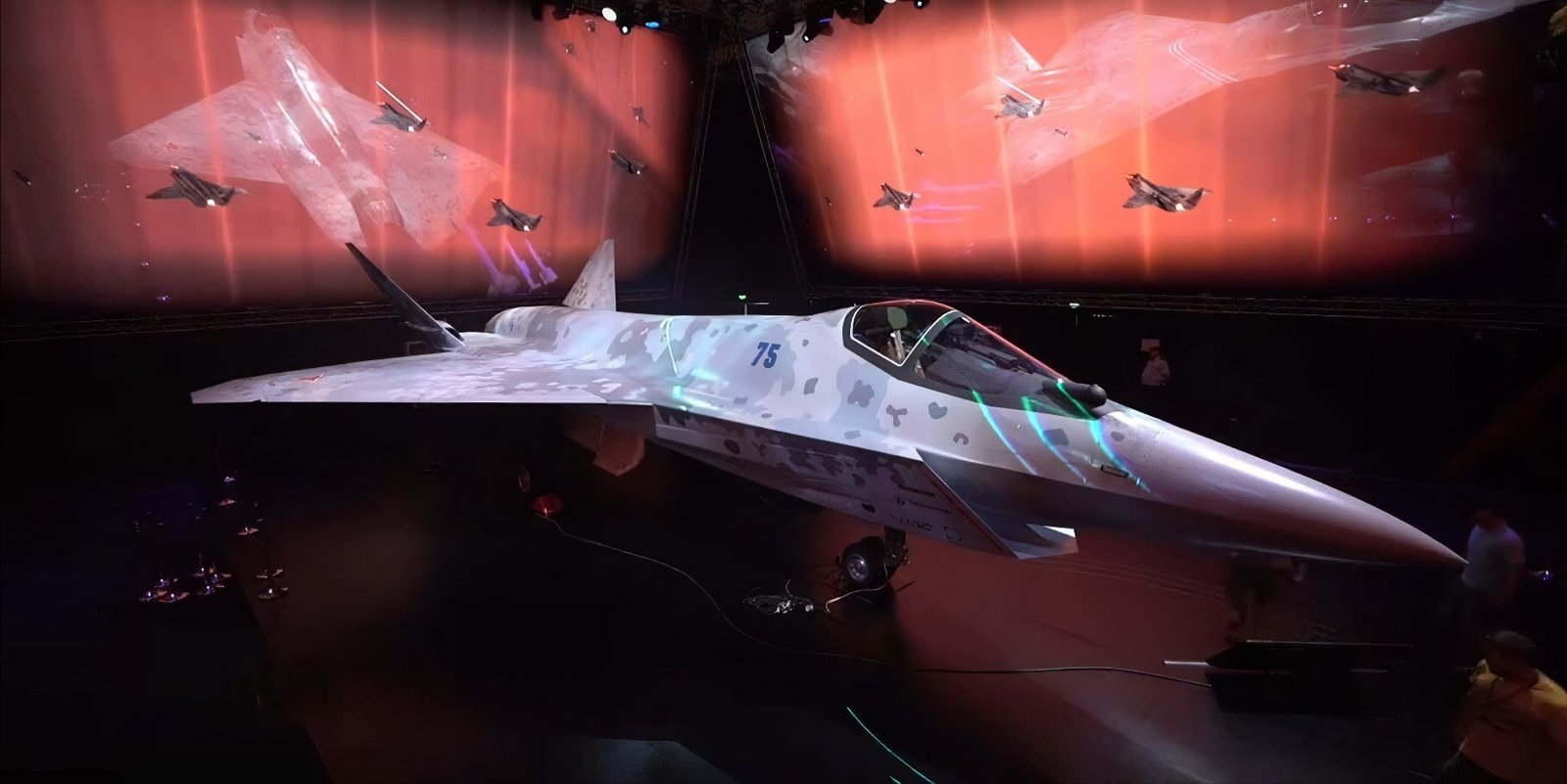 Russia Says Su-75 Checkmate Could Cost Just $25–30 Million, Flight-Hour Costs 6 Times Lower Than F-35
-
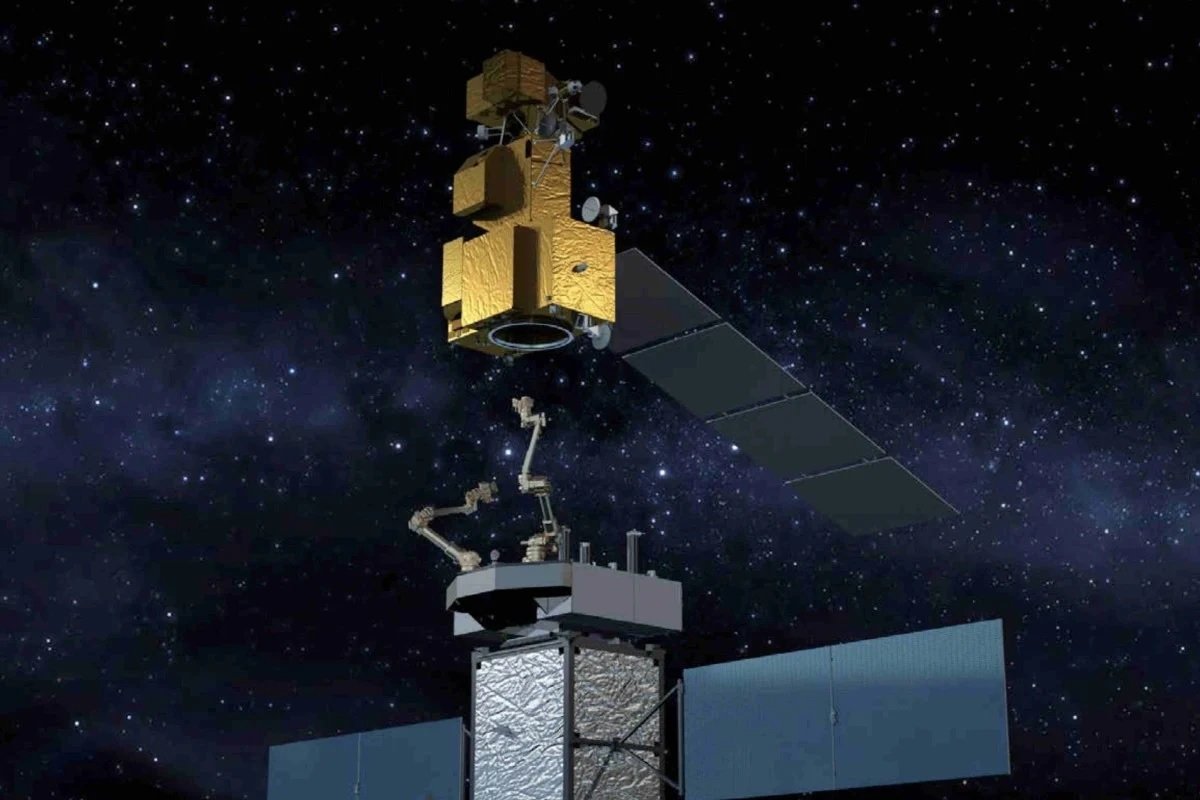 China Reports First High-Orbit Refueling of BeiDou Satellite, but Tracking Data Raise Questions
-
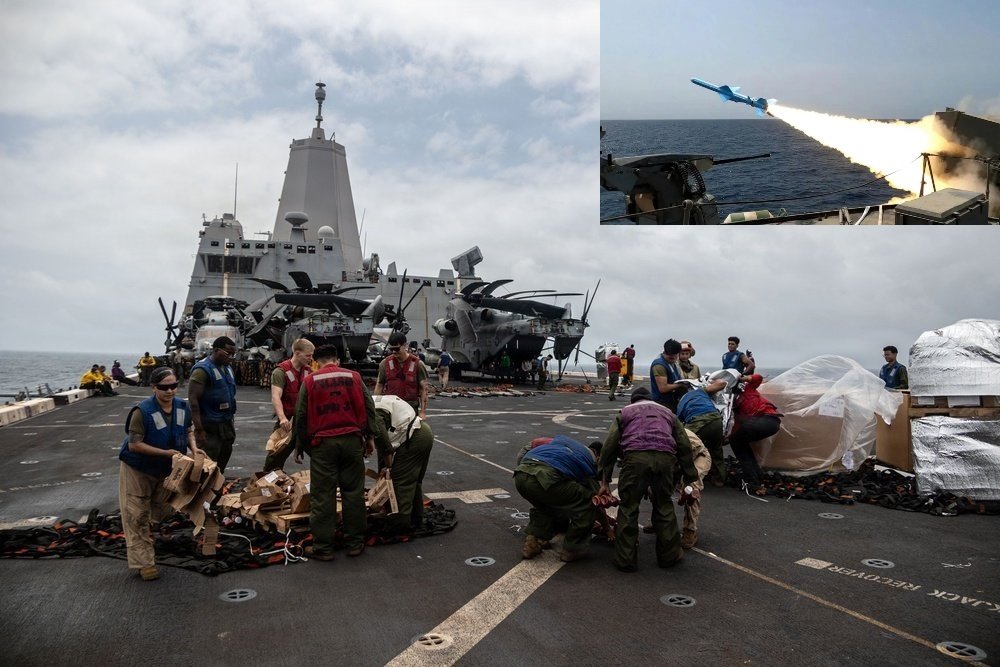 Eight U.S. Marines Injured in Iranian Missile Strike on U.S Vessel in Strait of Hormuz
-
 U.S. and Russia Remove Human-Review Rules From Draft UN AI Weapons Framework
-
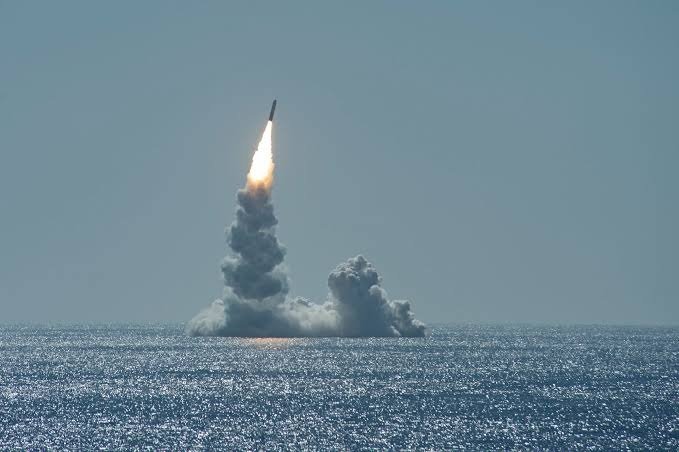 UK Offers Nuclear Deterrence for Its Northern European Defence Partners
-
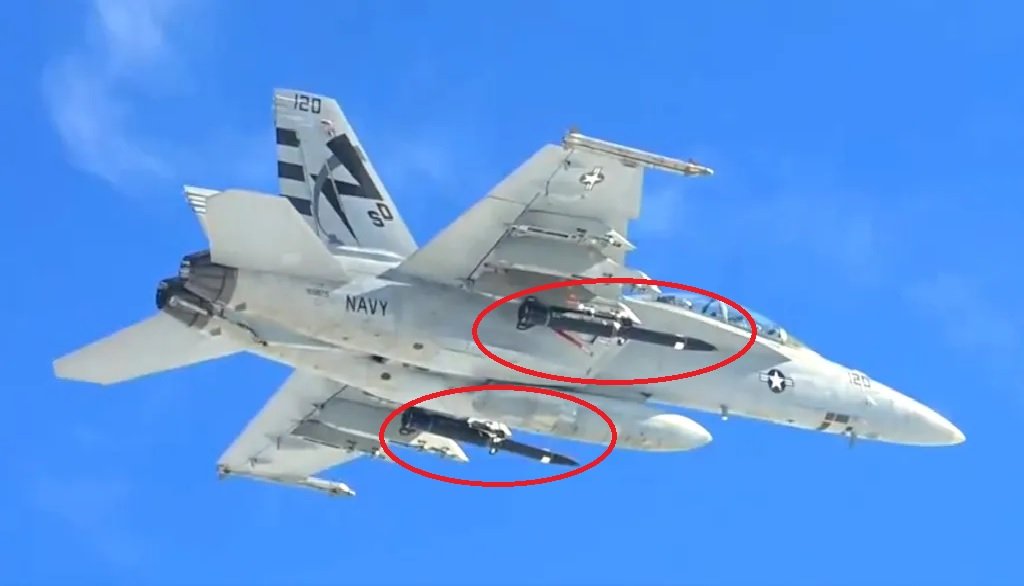 U.S. Navy Begins Flight Testing Blackbeard Hypersonic Missile on F/A-18 Super Hornet
-
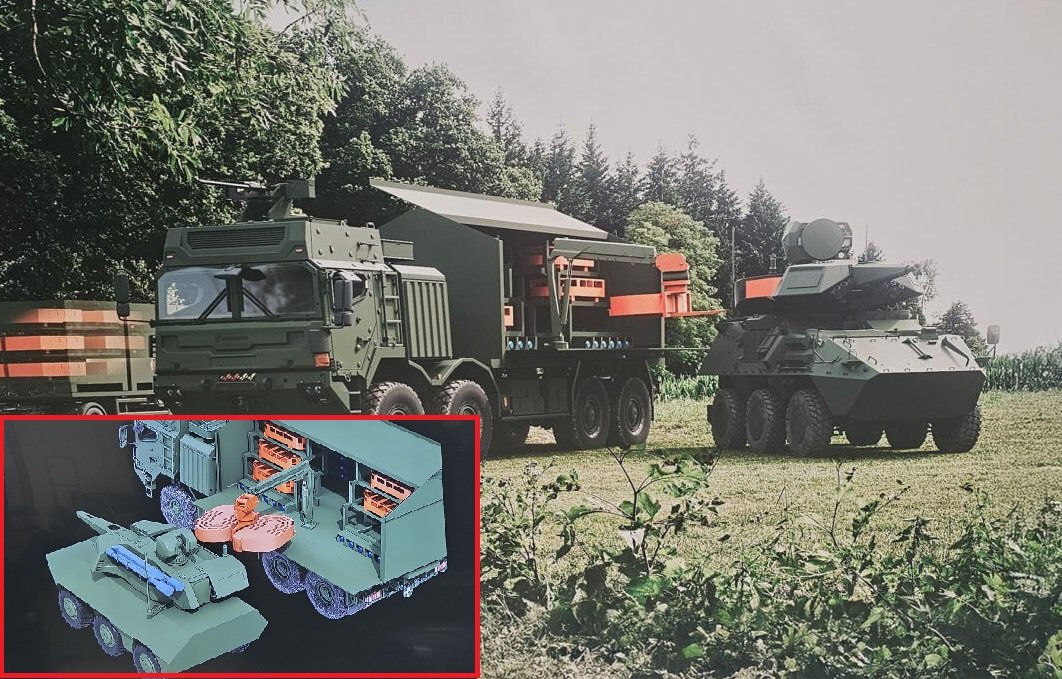 Rheinmetall Develops Automated Reloader for Austrian Skyranger Air Defense System
-
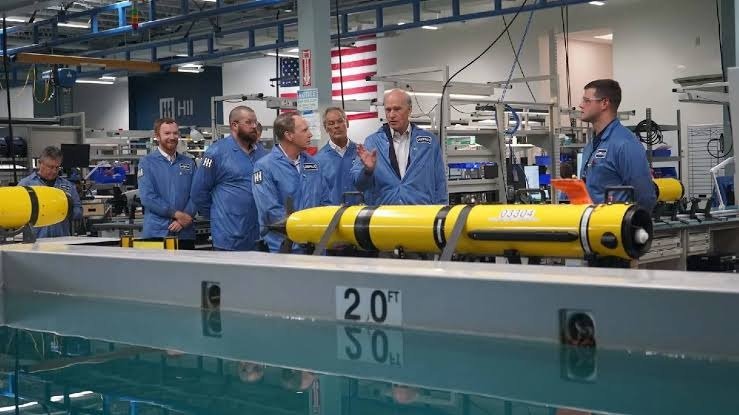 HII Expands Massachusetts Unmanned Systems Facility by 25 Percent to Support U.S. Navy Lionfish Production
