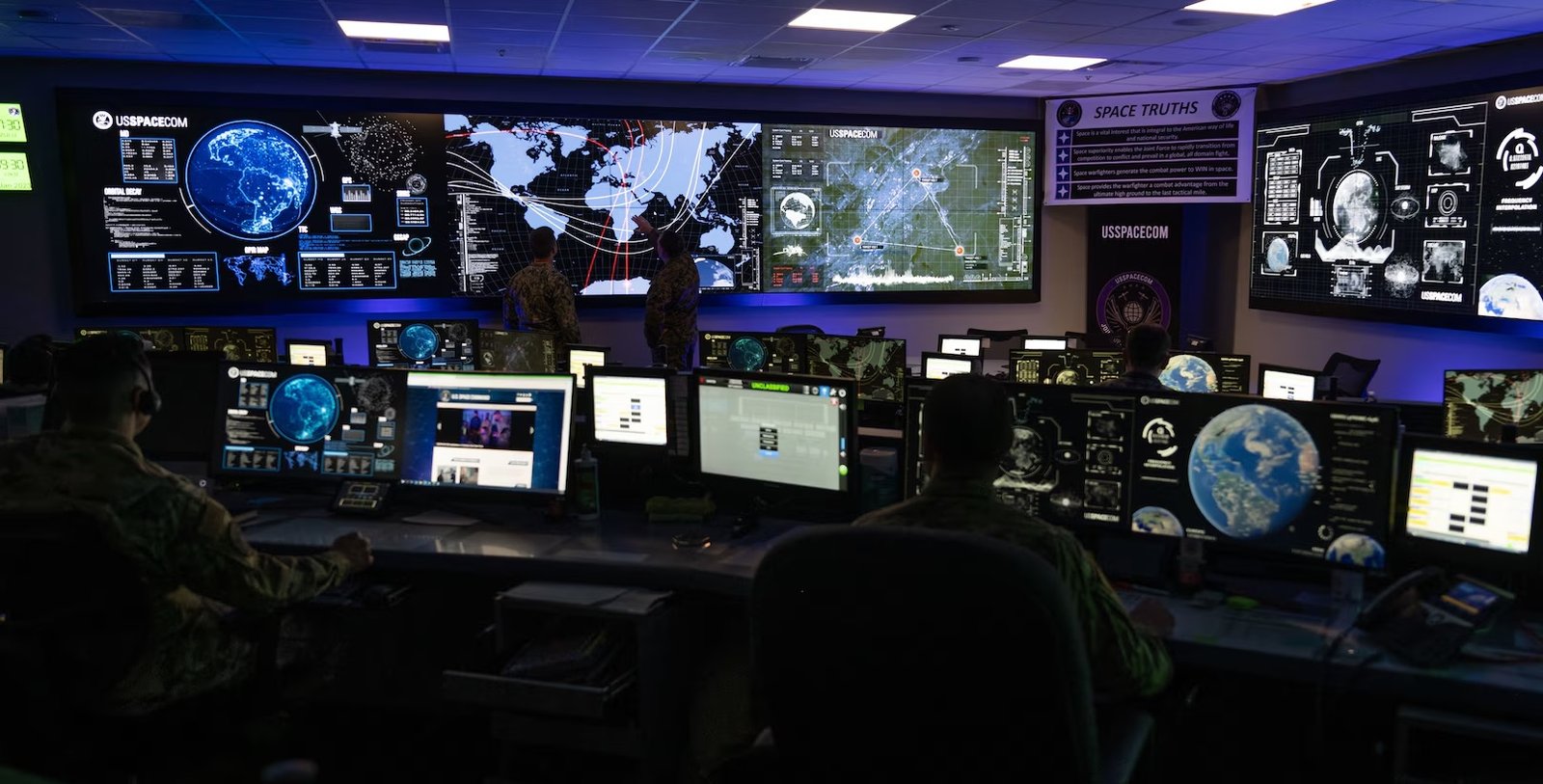
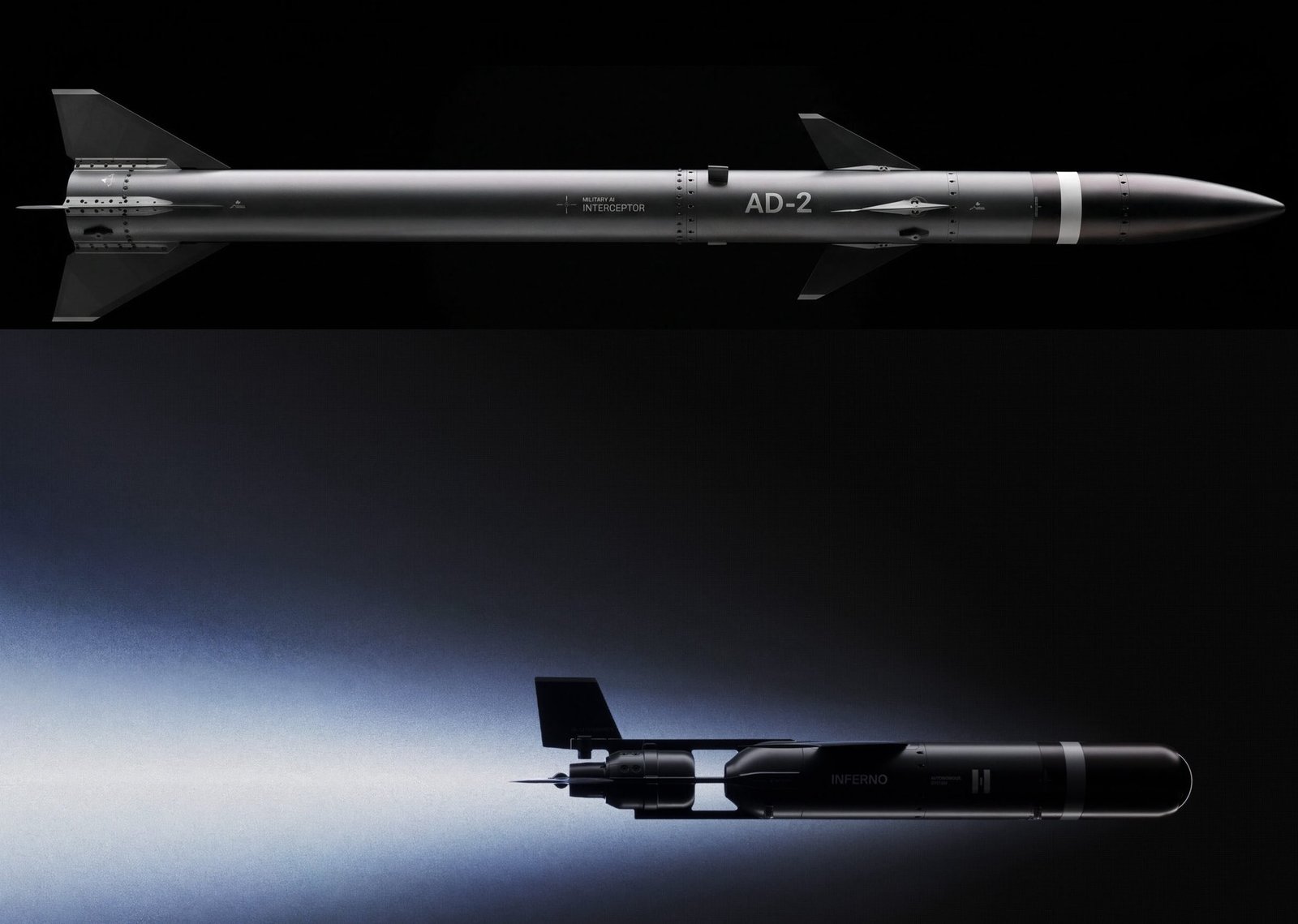
Washington / Tehran : A planned military strike by the United States against Iran was reportedly called off at the last minute on wednesday night, according to defense analysts and emerging diplomatic signals — a move that underscores soaring tensions and deep uncertainty over U.S. policy toward Tehran amid wider regional volatility.
Sources close to military planning indicated that President Donald Trump personally intervened late Wednesday to halt the operation just minutes before execution, citing concerns that the mission would not deliver “a decisive blow” against Iran’s leadership and might trigger a wider conflict. Reports — including commentary from military analyst Amir Bohbot — suggest the strike was shelved as U.S. officials assessed that they could not guarantee regime collapse or sufficient capability to counter an Iranian retaliation.
Rapid Escalation and De-Escalation in the Skies
The dramatic shift followed an extraordinary 24 hours of geopolitical maneuvering. Iran briefly closed its airspace for nearly five hours amid heightening fears of U.S. military action before reopening it early Thursday. The closure disrupted numerous international flights, forcing airlines such as India’s IndiGo and Air India to reroute or delay services.
The airspace move coincided with a broader signal from Washington that a military option was under serious consideration amid brutal domestic unrest inside Iran. However, the reopening of Iran’s skies and subsequent statements from the White House suggested a temporary de-escalation on the military front.
Unrest in Iran Drives Global Alarm
The latest tensions are rooted in nationwide protests in Iran that erupted in late 2025. Security forces’ crackdown has been unusually harsh: rights groups report thousands dead and over 18,000 arrests amid widespread demonstrations against economic hardship and political repression.
President Trump — while under pressure from international allies and domestic critics — has publicly stated that he received information from “important sources” indicating the killing of protesters may have eased and that large-scale executions were not imminent. While that assessment appears to have influenced the decision to abort military action, Trump stopped short of ruling out future intervention.
U.S. Military Precautions and Regional Jitters
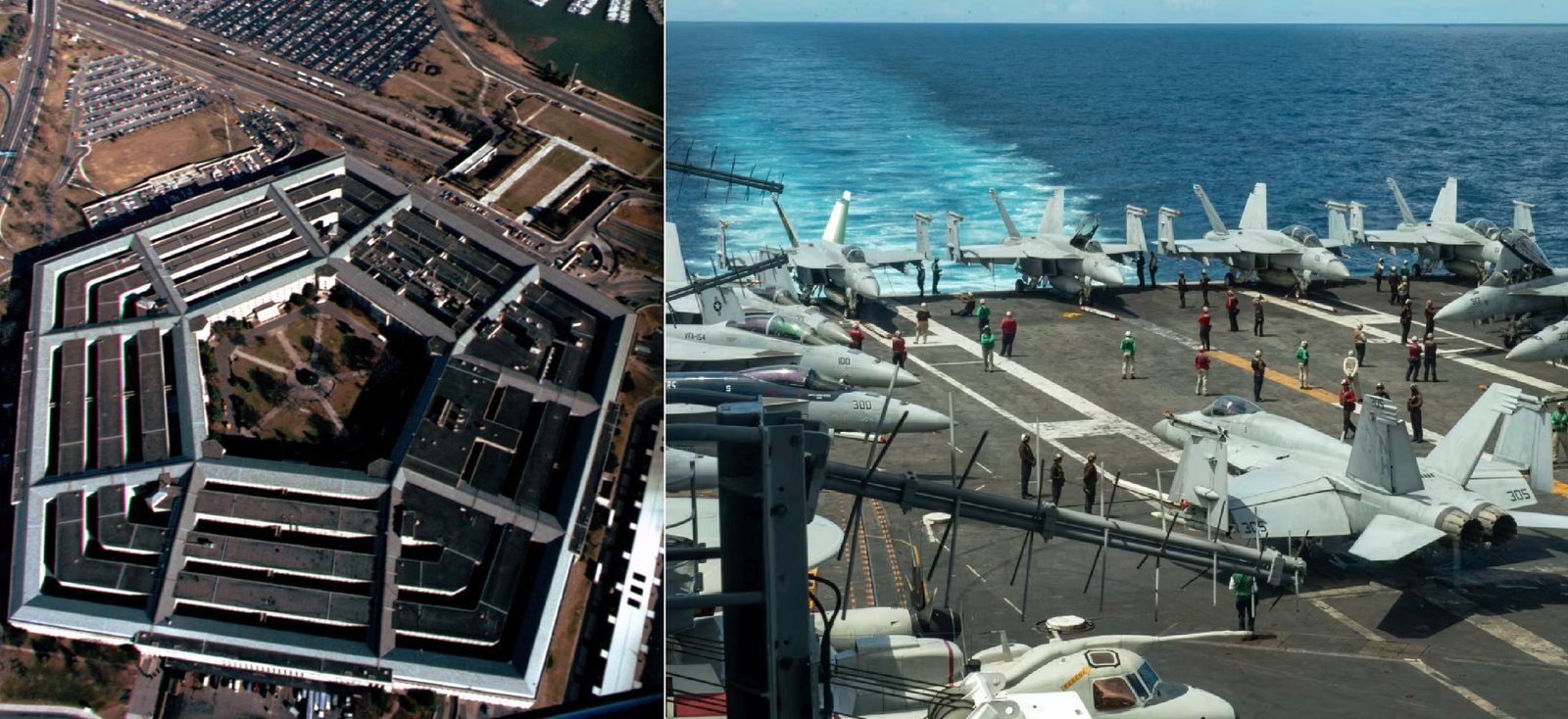
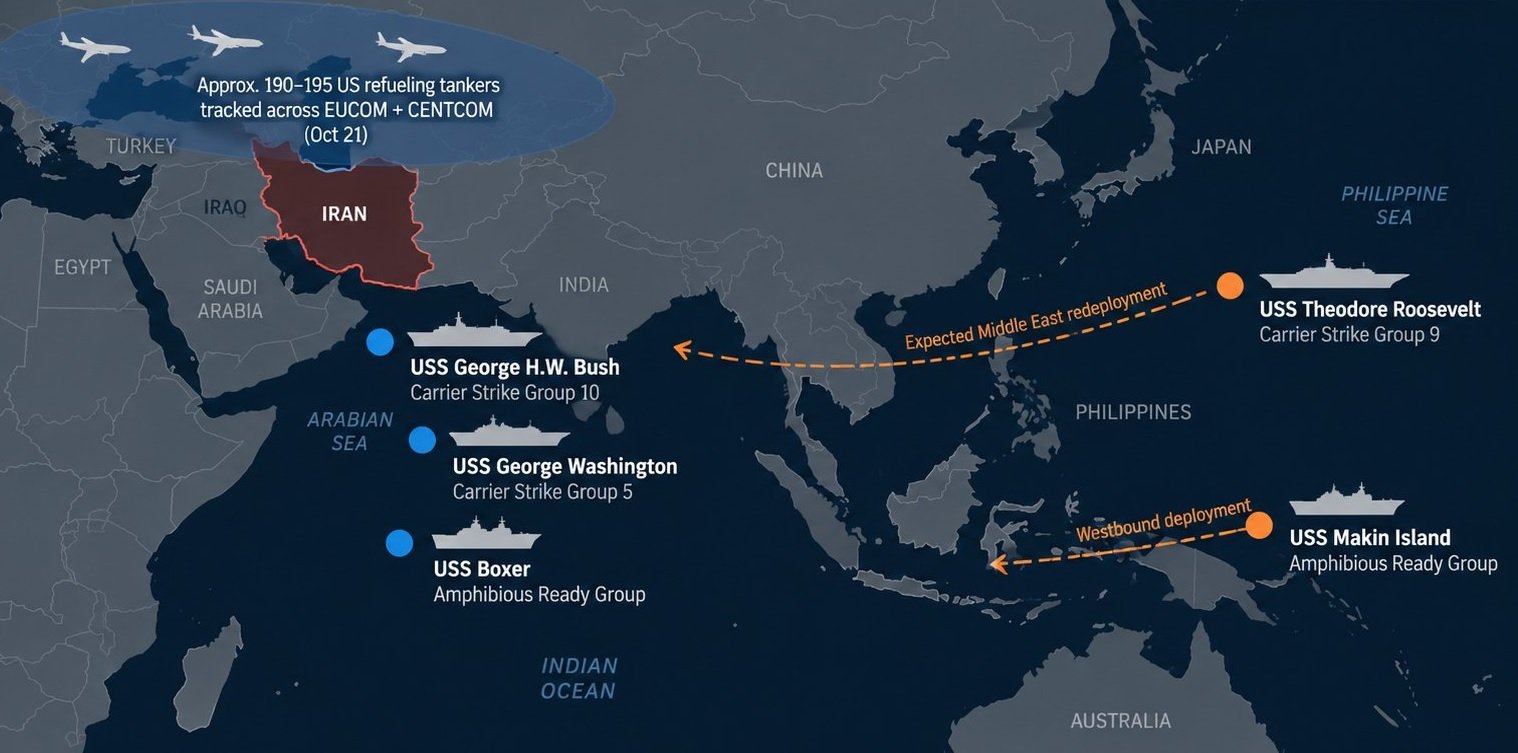
In parallel with the military deliberations, the Pentagon moved assets in the region as a precautionary step. Some U.S. and allied personnel were evacuated or repositioned at key bases, including the massive Al Udeid Air Base in Qatar — a critical hub for U.S. Central Command operations.
Iran, for its part, issued stark warnings that any unilateral strike would prompt retaliation against American forces, a message conveyed to neighboring states hosting U.S. facilities. European and Gulf security diplomats privately expressed concern that military action could destabilize a fragile Middle East and unsettle global energy markets.
Diplomacy, Sanctions and Global Reaction
While military options simmered, world powers pushed for a diplomatic response. The United Nations Security Council scheduled an emergency meeting to address both the domestic situation in Iran and mounting international tensions. G7 foreign ministers also threatened additional restrictive measures in response to Iran’s crackdown on protesters.
Regional governments, including major Gulf states, are privately urging restraint to avoid a broader conflict that could ripple through the oil-dependent economies of the Middle East. Saudi Arabia and other partners have cautioned Washington against a strike that might imperil global markets and regional stability.
What Happens Next?
Although the immediate strike was aborted, officials acknowledge that the underlying issues remain unresolved. Trump’s advisers reportedly emphasize that any future military action would need to be swift, decisive, and calibrated to achieve a strategic impact without triggering escalation. U.S. intelligence continues to monitor developments in Iran’s internal dynamics and Tehran’s response to mounting external pressure.
As the world watches, the situation continues to be shaped by a volatile mix of domestic strife within Iran, international diplomacy, and the persistent specter of military confrontation — leaving open the question of whether this latest crisis will resolve peacefully or escalate further.
——— End of Article ———