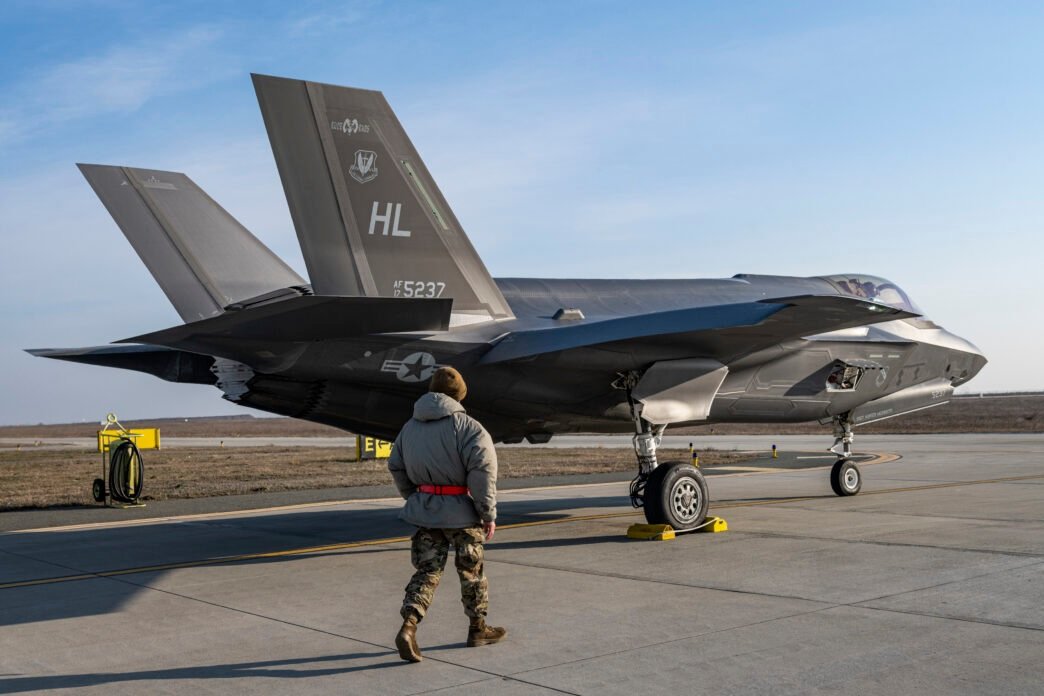
WASHINGTON — U.S. intelligence agencies have warned that a proposed sale of F-35 fighter jets to Saudi Arabia could create risks of Chinese access to sensitive American military technology through espionage or Saudi Arabia’s existing military and security ties with Beijing, The New York Times reported on September 16, 2026, citing U.S. officials familiar with the assessments.
DIA Identifies Security Risks
A detailed assessment by the Pentagon’s Defense Intelligence Agency (DIA) examined Chinese military access to Saudi facilities and Riyadh’s use of Chinese telecommunications technology.
The assessment questioned whether locations housing F-35-related technology could be adequately secured. U.S. officials are particularly concerned about protecting the fighter’s advanced radar and surveillance systems.
The DIA recommends restricting access to facilities containing F-35 technology to Saudi and U.S. officers and contractors. It also questions whether Saudi Arabia would accept broader restrictions on contact with Chinese military and intelligence personnel and related organizations.
Another issue is Chinese telecommunications equipment. The assessment asks whether Saudi Arabia would remove equipment made by Huawei and ZTE from telecommunications networks, router infrastructure and defense installations connected to the F-35 program.
$24 Billion F-35 Package
The concerns come as the Trump administration advances a proposed $24 billion package involving 48 F-35 aircraft and a spare engine.
President Trump announced support for the sale in November 2025, one day before hosting Saudi Crown Prince Mohammed bin Salman at the White House. The State Department sent the proposed package to two congressional committees for informal review in June 2026.
A broader DIA assessment issued in fall 2025 had already identified similar risks. That assessment, the later detailed report and assessments from other intelligence offices have circulated among administration agencies and congressional offices. Some lawmakers and aides have questioned the administration about the findings.
Saudi Arabia’s Ties With China
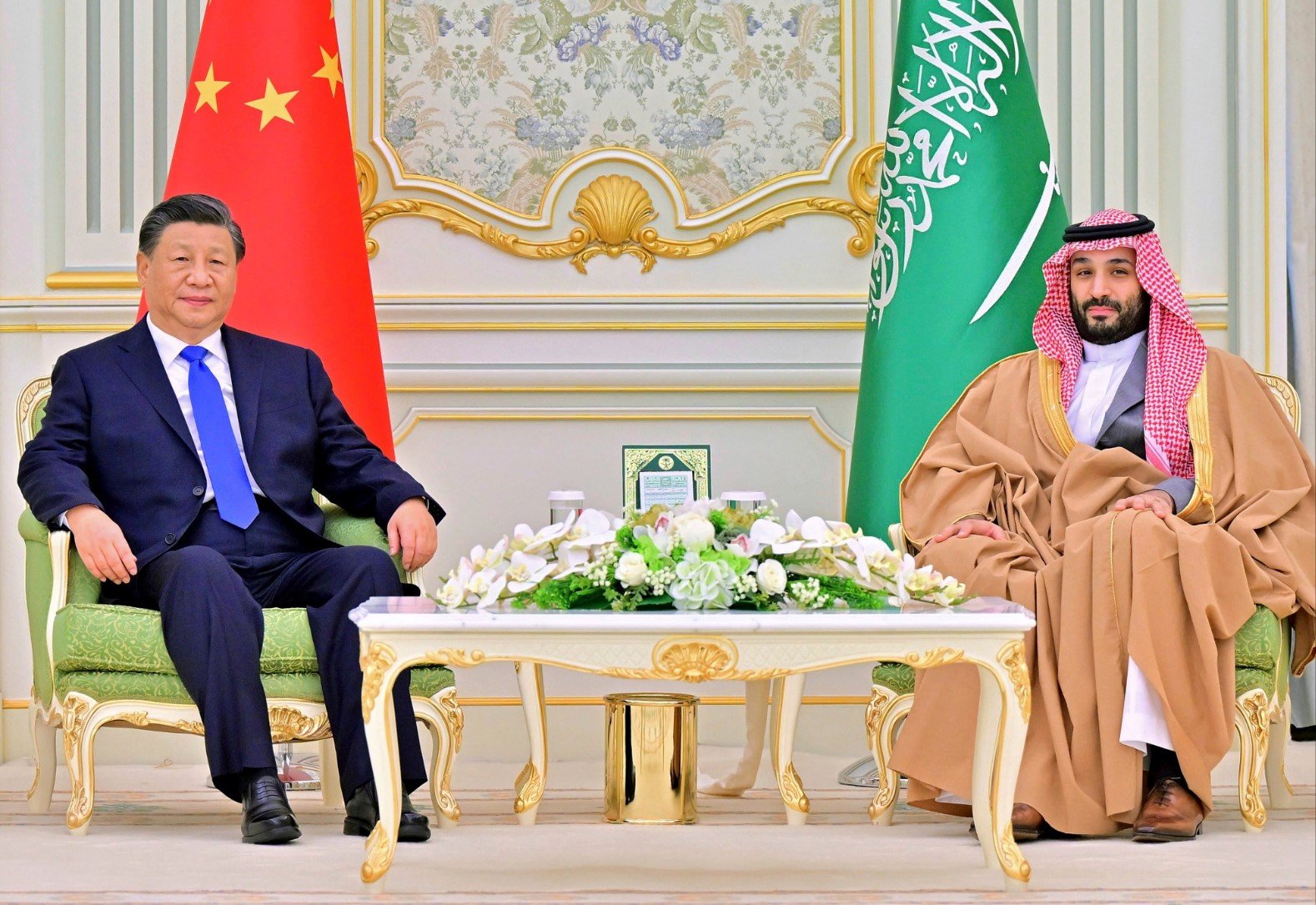
Saudi Arabia has longstanding military cooperation with the United States and is a major buyer of American defense equipment. At the same time, Riyadh maintains military ties with China, including cooperation involving ballistic missiles.
These ties are a central concern in the intelligence assessments because of the possibility that Chinese personnel, technology or organizations could gain access to facilities associated with the F-35 program.
Israel and Regional Concerns
Israel is currently the only country in the Middle East operating F-35 aircraft. Both Saudi Arabia and Turkey have sought the fighter for years.
The proposed Saudi acquisition has also raised questions about Israel’s qualitative military edge in the region. Israel has used its F-35s in operations, including airstrikes related to Iran.
Previous UAE F-35 Case
Similar concerns previously affected a proposed F-35 sale to the United Arab Emirates.
During the first Trump administration, Washington proposed a package including up to 50 F-35s and other systems linked to the UAE’s normalization of relations with Israel. U.S. intelligence agencies later raised concerns about the UAE’s growing military, intelligence and technology ties with China, and the sales process was ultimately halted during the Biden administration.
Turkey was also removed from the F-35 program after purchasing Russia’s S-400 air-defense system, which U.S. officials said could compromise the aircraft’s stealth technology.
Final Conditions Remain Unclear
The F-35 is manufactured by Lockheed Martin, and production and delivery of the aircraft typically take years.
U.S. officials continue to discuss possible safeguards for protecting F-35 technology, but it remains unclear what conditions would be included in a final Saudi sales agreement.
The White House, Chinese Embassy, State Department, Pentagon and Saudi Embassy in Washington had not publicly commented on the latest intelligence assessments, according to the reports.
——— End of Article ———