LONDON — The United Kingdom has proposed extending its nuclear deterrence to the other members of the Joint Expeditionary Force (JEF), providing an additional layer of security for the UK-led defence partnership.
The proposal was discussed by General Sir Gwyn Jenkins, First Sea Lord and Chief of the Naval Staff, during his recent visit to Finland. The proposal was reported by Finnish newspaper Iltalehti and public broadcaster Yle.
JEF and UK Nuclear Deterrence
Established in 2014, the JEF consists of 10 countries: the UK, Finland, Sweden, Norway, Denmark, Iceland, Estonia, Latvia, Lithuania and the Netherlands.
The partnership is designed to provide rapid military responses in Northern Europe, the Baltic Sea region, the North Atlantic and the High North. It works alongside NATO rather than replacing the alliance.
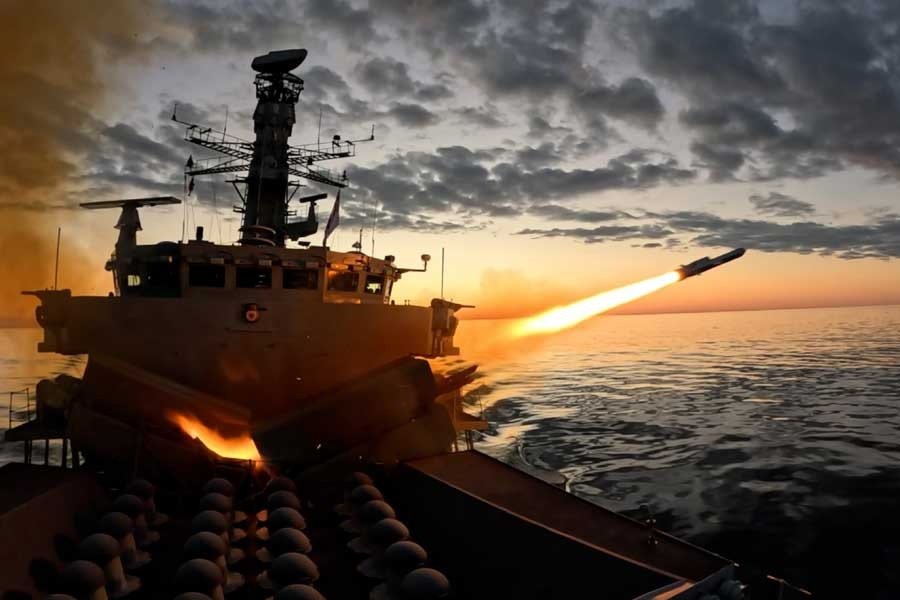
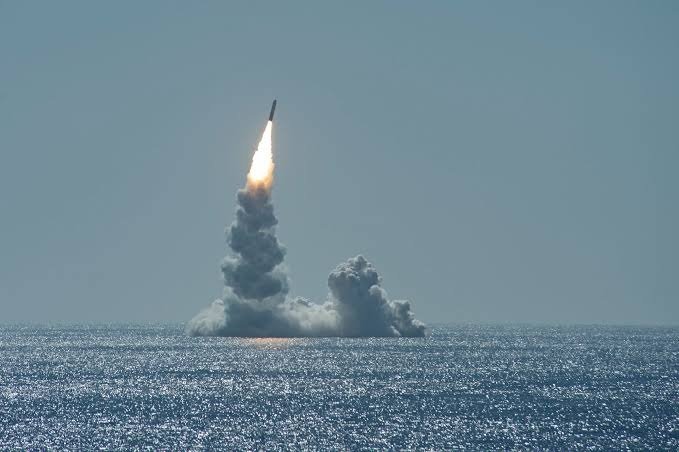
Jenkins said Finland is already covered by Britain's nuclear deterrent, provided by British nuclear-powered ballistic-missile submarines patrolling the Atlantic. The UK's continuous at-sea deterrent uses Trident II (D5) ballistic missiles.
He said Britain's nuclear capability would form the ultimate backbone of deterrence for JEF forces.
Additional Layer to NATO
Finnish Parliament Defence Committee chairman Heikki Autto confirmed Britain's commitment to the security of JEF countries, including through its nuclear capabilities. He also described the JEF as a third pillar of Finland's defence alongside national capabilities and NATO membership.
The proposed arrangement would be linked to the JEF but would not replace NATO's existing nuclear deterrence framework.
The UK embassy in Helsinki later clarified to Yle that Jenkins' comments reflected the fact that all JEF members are NATO countries and therefore already operate within NATO's wider deterrence framework. NATO's nuclear forces include those of the United States, the United Kingdom and France.
The JEF can also operate without requiring the activation of NATO Article 5, which is the alliance's collective-defence provision.
New JEF Forces Planned
JEF members are expected to sign an agreement during a summit in Oslo, Norway, in November 2026 to establish new combat formations or units.
The planned forces are expected to have wartime defence plans and the ability to respond immediately to a threat. Details of how the UK's nuclear deterrence would be incorporated into JEF planning are expected to become clearer when the agreement is finalised.
Finland's French Nuclear Initiative
The British proposal comes as Finland also expands its involvement in European nuclear-deterrence discussions.
Finland joined a French-led “forward deterrence” initiative earlier in September 2026. However, the French framework does not create a separate French nuclear umbrella and is intended to complement NATO.
Finnish Defence Minister Antti Häkkänen is due to brief the parliamentary Defence Committee ahead of a JEF defence ministers' meeting in Reykjavík on October 1–2.
The November JEF agreement is expected to provide further details on the UK's proposed nuclear role within the partnership.
——— End of Article ———