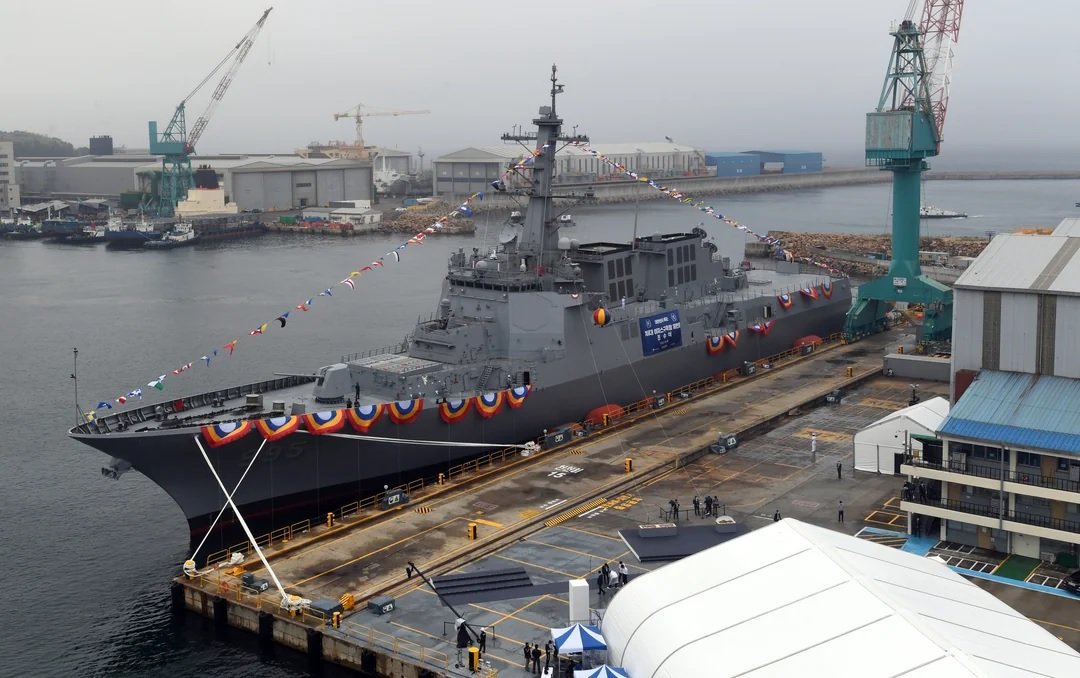
ULSAN, South Korea — South Korea has launched the ROKS Daeho Kim Jong-seo, the third and final destroyer under the KDX-III Batch-II next-generation Aegis program. The launch completes construction of the Republic of Korea Navy’s planned six-ship Aegis destroyer fleet.
The launching ceremony was held on September 30 at HD Hyundai Heavy Industries’ Ulsan shipyard and was attended by about 350 government, military and company officials. South Korean President Lee Jae-myung and First Lady Kim Hye-kyung attended the ceremony, along with senior defense officials and HD Hyundai leadership.
Final Ship of the KDX-III Batch-II Program
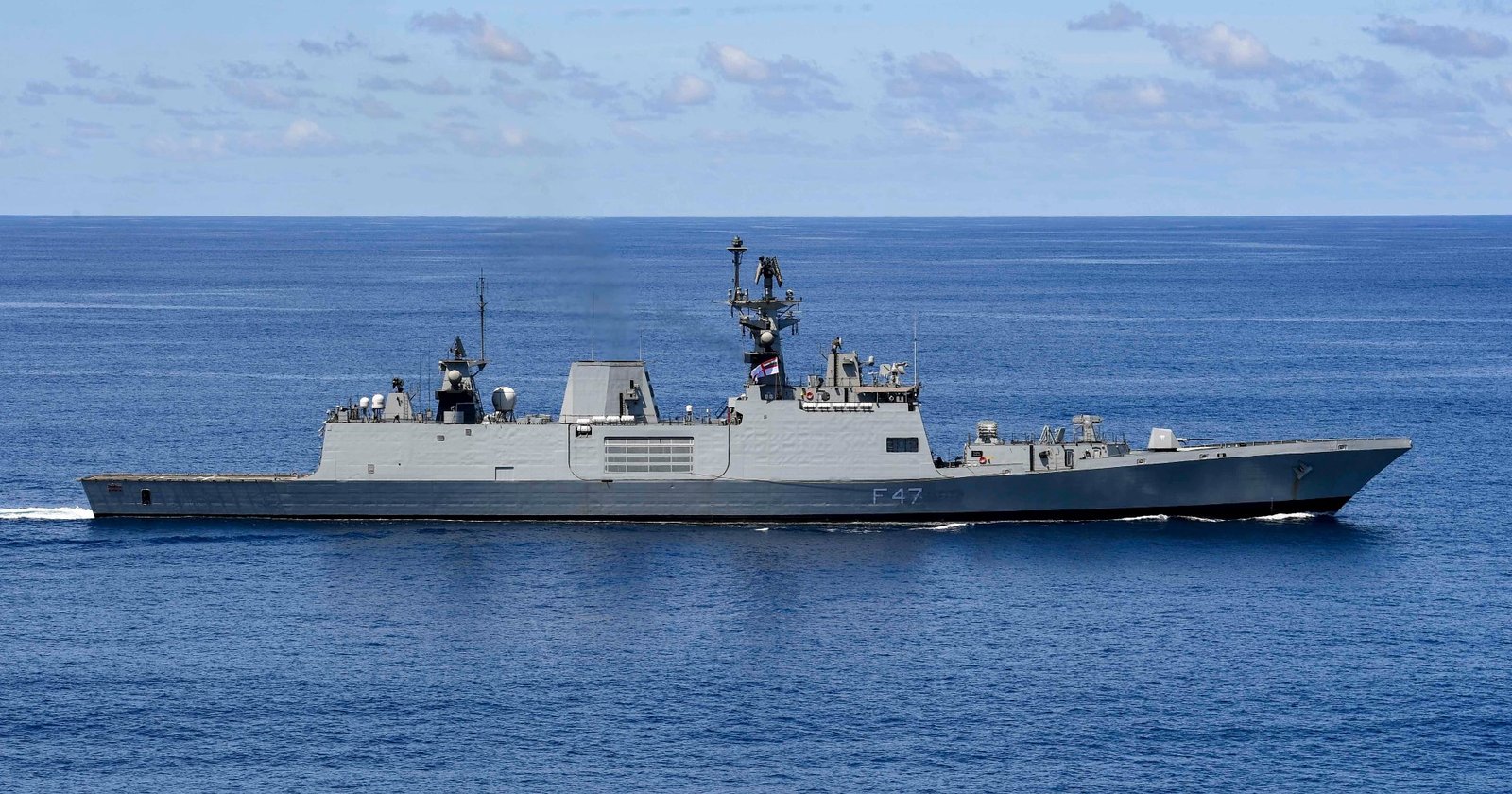
The Daeho Kim Jong-seo is an approximately 8,200-ton destroyer measuring 170 meters in length and 21 meters in beam. It has a maximum speed of 30 knots, or about 55 kilometers per hour.
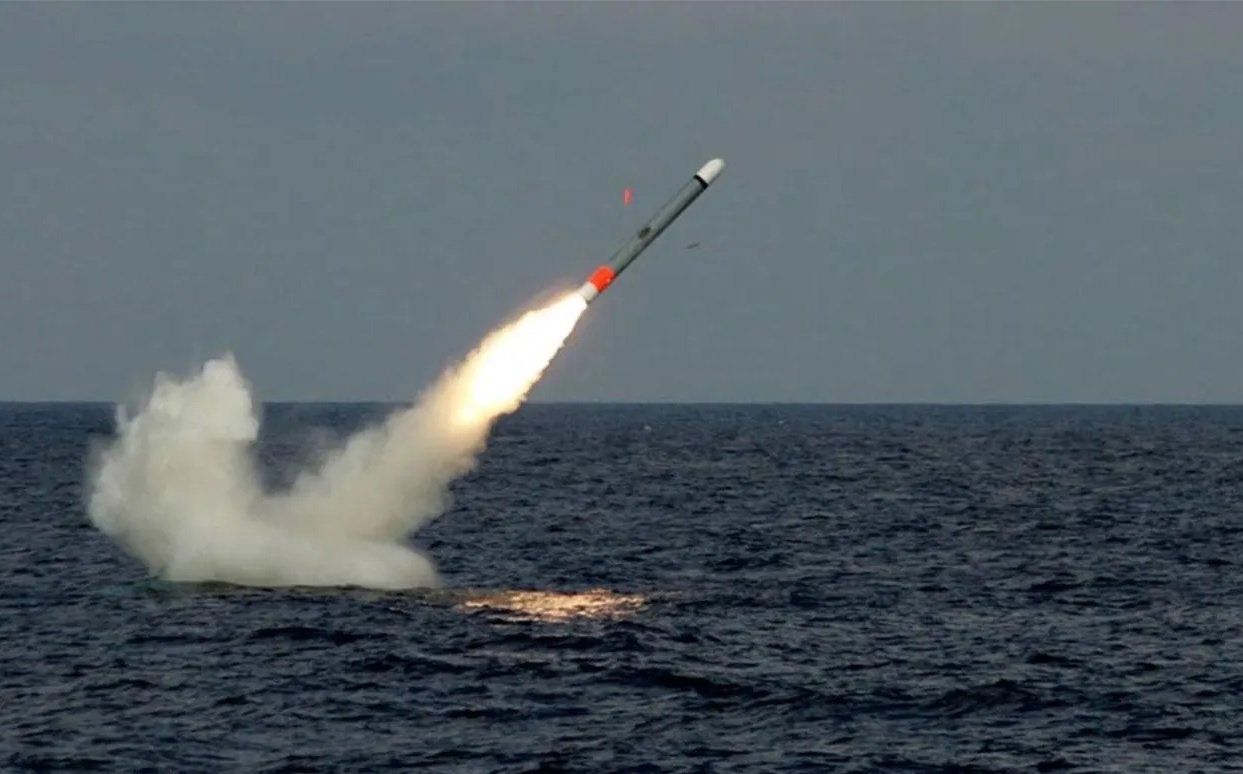
The ship is equipped with an advanced integrated sonar suite developed using domestic technology and a ballistic missile system that gives it an interception capability that was not available on the existing Sejong the Great-class Aegis destroyers. The ship is therefore regarded as an important part of South Korea’s sea-based mobile three-axis defense system.
The KDX-III Batch-II ships are also known as the Jeongjo the Great class. Daeho Kim Jong-seo is the third ship of this class, following ROKS Jeongjo the Great and ROKS Dasan Jeong Yak-yong.
Six Aegis Destroyers
Once Daeho Kim Jong-seo enters service, the ROK Navy will have six Aegis destroyers. The fleet will consist of three Sejong the Great-class ships from the KDX-III Batch-I program and three Jeongjo the Great-class ships from the KDX-III Batch-II program.
South Korean President Lee Jae-myung described the launch as the completion of a 19-year effort to build the country's Aegis destroyer fleet. The presidential office said that the first South Korean Aegis destroyer, Sejong the Great, was launched in Ulsan in 2007, making Daeho Kim Jong-seo the sixth and final ship in the series.
Named After General Kim Jong-seo
The destroyer is named after General Kim Jong-seo, a military leader from the early Joseon period who led the expansion of Korea’s northern frontier. The ship uses his given name and his pen name, Daeho.
During the ceremony, President Lee also highlighted South Korea’s ability to design and build advanced warships domestically. He said the country had moved from relying on externally supplied ships to designing, building and operating advanced warships itself.
HD Hyundai Builds Five of Six Aegis Destroyers
HD Hyundai Heavy Industries has played a major role in South Korea’s Aegis destroyer program. The company designed and built ROKS Sejong the Great and ROKS Seoae Ryu Seong-ryong, the first and third ships of the KDX-III Batch-I class.
The company subsequently built all three KDX-III Batch-II ships: Jeongjo the Great, Dasan Jeong Yak-yong and Daeho Kim Jong-seo. This means HD Hyundai Heavy Industries will have built five of the six Aegis destroyers operated by the ROK Navy.
HD Hyundai Chairman Chung Ki-sun also noted that 2026 marks 50 years since HD Hyundai Heavy Industries began developing Ulsan, described as South Korea’s first domestically built combatant.
Delivery Planned for December 2027
The Daeho Kim Jong-seo will undergo sea trials following its launch. According to HD Hyundai Heavy Industries' information reported by Naval News, the destroyer is scheduled to be delivered to the ROK Navy in December 2027.
With the launch of the final KDX-III Batch-II destroyer, South Korea has completed the planned construction of its six-ship Aegis destroyer fleet, combining the three earlier Sejong the Great-class vessels with the three newer Jeongjo the Great-class ships.
——— End of Article ———