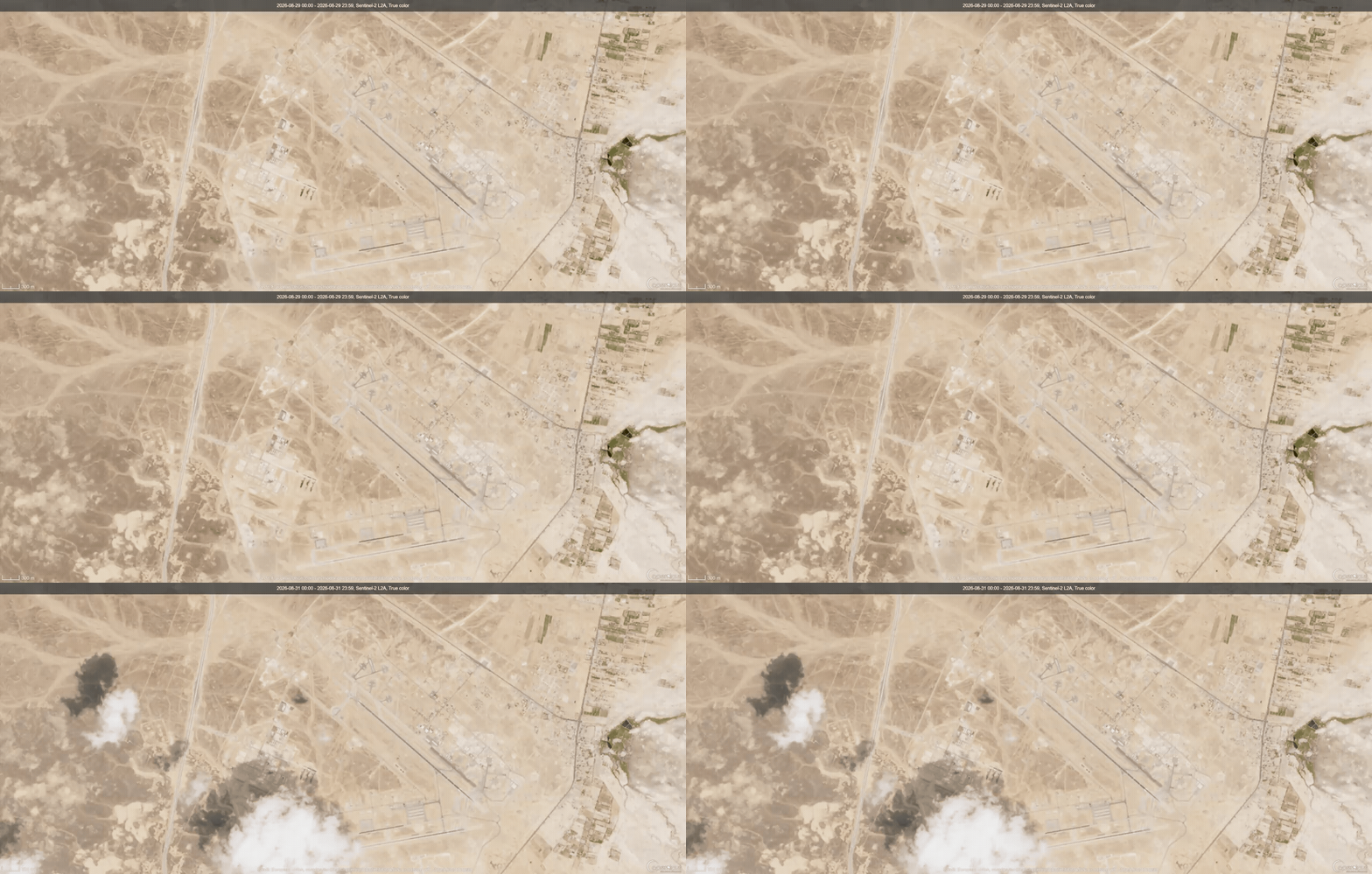
AMMAN, Jordan — Newly surfaced satellite imagery from August 31 shows a darkened area near aircraft hangars at Muwaffaq Salti Air Base in Jordan following Iran's ballistic missile attack on U.S.-linked military facilities in the country.
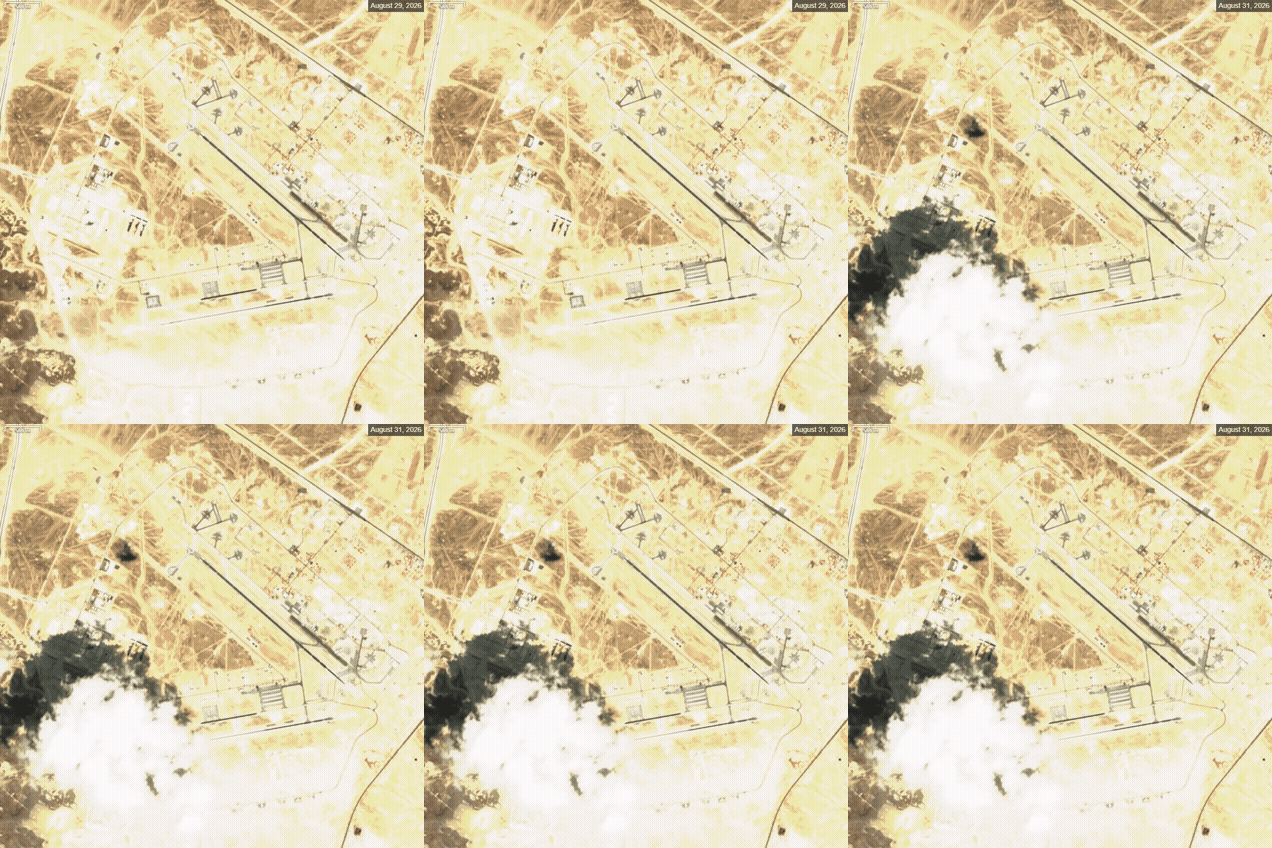
The imagery, at coordinates 31.829263, 36.799926, shows an area that appears different from earlier imagery and is consistent with possible blast or impact damage. However, the available imagery alone does not establish the exact cause or extent of the damage.
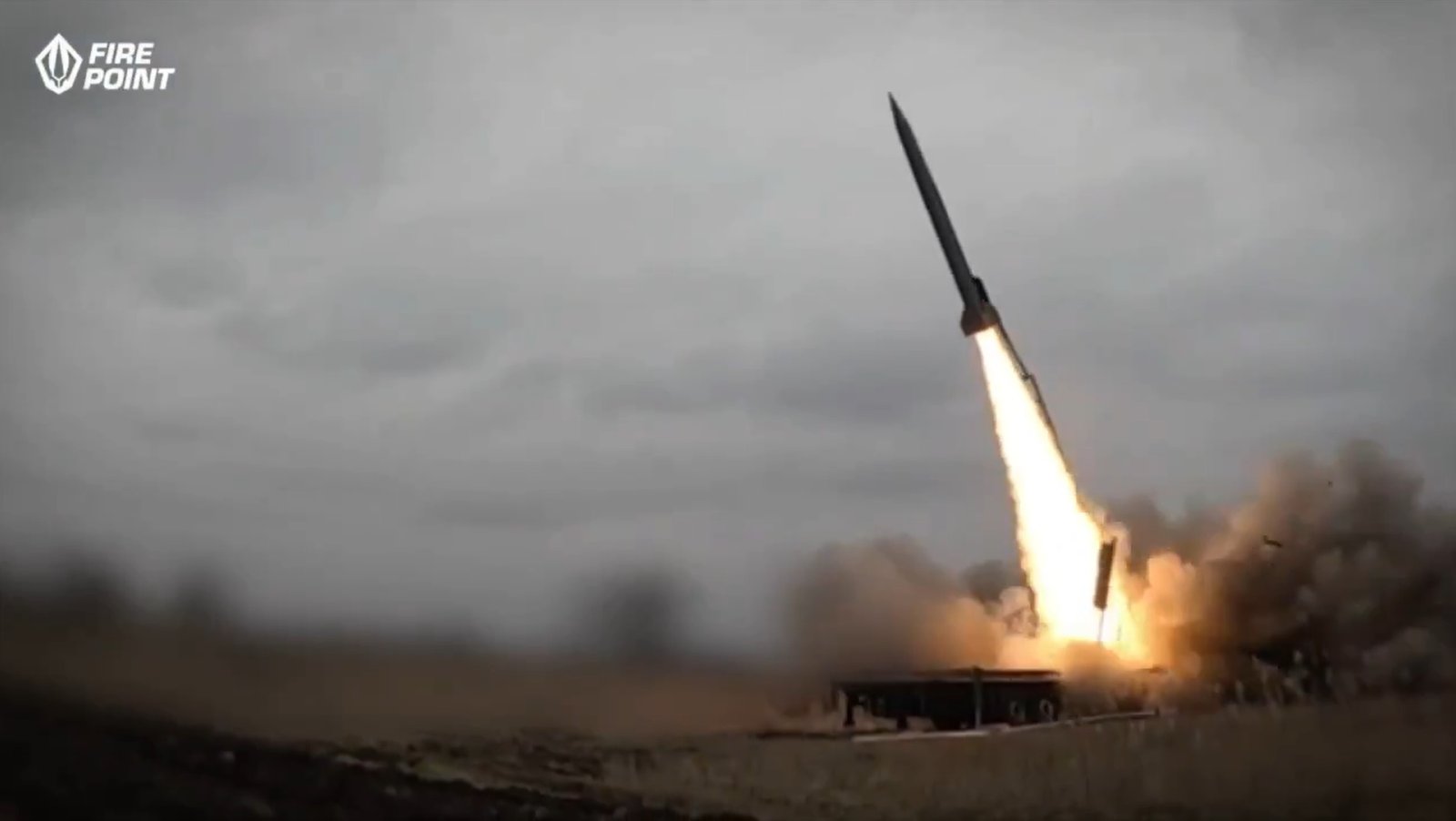
Iran launched ballistic missiles toward U.S.-linked facilities in Jordan on August 30-31 following U.S. strikes on Iranian positions on Larak Island in the Strait of Hormuz. Jordan's military said its air-defense systems intercepted eight missiles, while U.S. officials said nearly all incoming weapons were intercepted and reported no significant operational impact on the bases.
Iran's Islamic Revolutionary Guard Corps, however, claimed that its missile and drone attacks struck technical, maintenance and aircraft-related facilities at Muwaffaq Salti and other locations in Jordan. Those claims have not been independently established.
Possible damage near aircraft hangar
The newly observed dark patch is located close to aircraft hangars inside Muwaffaq Salti Air Base. Open-source imagery analysts have described the feature as potentially consistent with blast damage following the August 30-31 attack.
The imagery provides a visual indication of a possible impact area, but it does not by itself confirm whether a ballistic missile directly struck a hangar, what aircraft or equipment may have been affected, or whether the facility remains operational.
Muwaffaq Salti has previously been targeted during the conflict. Earlier attacks reportedly caused damage to aircraft shelters and other infrastructure at the base, while U.S. officials previously reported American casualties in attacks on U.S. positions in Jordan.
Black Hawk helicopters seen on road transport
Separately, footage published by several media outlets and open-source accounts reportedly shows two U.S. UH-60 Black Hawk helicopters being transported on flatbed trailers through Jordan.
The helicopters have been described as possibly coming from Muwaffaq Salti Air Base or Prince Hassan Air Base. Their exact origin and destination have not been independently confirmed.
Pro-Iranian Arab media outlets published footage allegedly showing two U.S. UH-60 Black Hawk helicopters being transported on trailers in Jordan, likely from Muwaffaq al-Salti AB or Prince Hassan AB, possibly being moved out ahead of potential Iranian attacks.
— Egypt's Intel Observer (@EGYOSINT) August 31, 2026
The way they're… https://t.co/n8JbCqNOMd pic.twitter.com/7mCNqSl911
Transporting helicopters by road could indicate that the aircraft were not being flown at the time, but the available footage does not establish the reason for their transport. It therefore cannot confirm whether the helicopters were damaged in Iranian attacks or were being moved for another operational or logistical reason.
U.S. aircraft movements from King Abdullah II Air Base
The developments also come as U.S. aircraft have reportedly been moved from King Abdullah II Air Base in Jordan.
The reported movements include C-130 transport aircraft, UH-60 Black Hawks and AH-64 Apache attack helicopters. King Abdullah II Air Base itself has not been reported as a target of Iranian missile strikes in the recent attack.
The movement of aircraft from the facility may reflect wider force-protection and aircraft-distribution measures, although the U.S. military has not publicly provided details establishing the reason for each reported relocation.
Satellite imagery adds to conflicting assessments
The latest imagery has emerged amid differing accounts of the August 30-31 attack. Jordan and U.S. officials have emphasized the large number of missile interceptions and limited reported impact, while Iran has claimed that its missiles caused substantial damage to U.S.-linked facilities.
The August 31 satellite image provides evidence of a possible new blast-related area near hangars at Muwaffaq Salti, but higher-resolution imagery or official assessments would be required to determine the precise extent of any damage and whether aircraft or other military equipment were affected.
For now, the available evidence confirms that the area changed between satellite observations, but the exact damage assessment remains unconfirmed.
——— End of Article ———