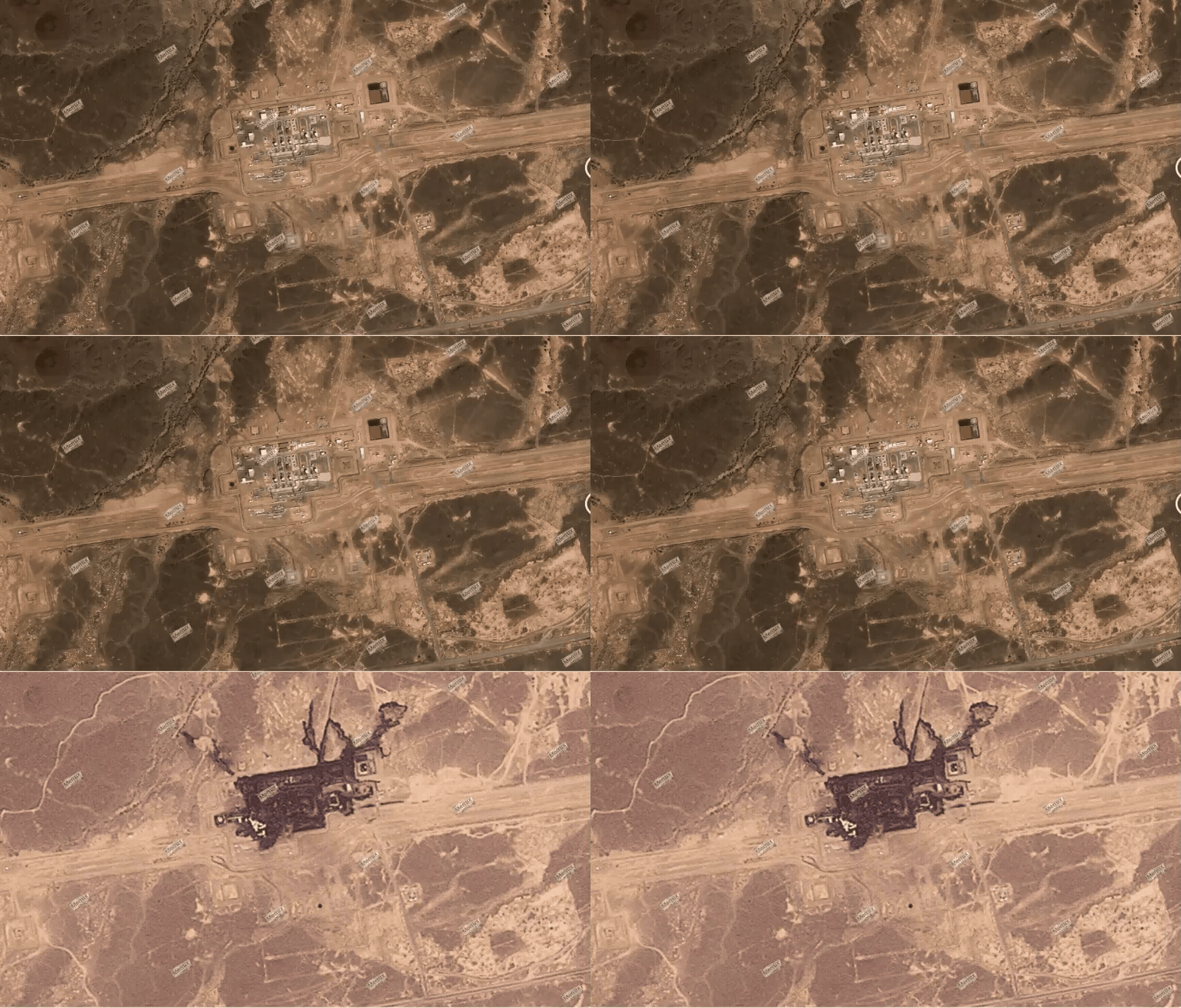
RIYADH — Satellite imagery from MizarVision shows extensive fire and structural damage at two pumping stations along Saudi Arabia’s strategic East–West oil pipeline following drone strikes on Thursday, September 10, 2026.
The pipeline, also known as Petroline, runs about 1,200 kilometres from the Abqaiq oil-processing facilities in Saudi Arabia’s Eastern Province to the Red Sea port of Yanbu. It has a pumping capacity of around 7 million barrels per day and is an important route for transporting Saudi crude to the Red Sea, particularly while shipping through the Strait of Hormuz remains restricted.
🇸🇦 SAUDI ARABIA | East–West Pipeline attacked
— MizarVision (@MizarVision) September 11, 2026
Saudi Arabia’s critical East–West oil pipeline system was struck by projectiles on Thursday.
Satellite imagery shows fires and damage around pumping stations. One US official says drones originated from Iraq.
⚠️ A full shutdown of… pic.twitter.com/tSPortXdHQ
Saudi Arabia’s Ministry of Energy confirmed that the pipeline was shut down as a precaution after several drones struck targets in the Riyadh and Medina regions. Emergency and technical teams were deployed to secure the facilities, assess the damage and determine the condition of the pipeline. The attacks caused injuries and material damage.
Satellite imagery reviewed after the attacks showed major fire damage at pumping stations near Al-Masbah and Al-Dhahrah, with thick smoke visible at the affected facilities. Sentinel-3 and NASA FIRMS data also detected several heat sources and smoke along the pipeline corridor. Some of the detected fires appeared to be emergency flare activity rather than direct pipeline damage.
Saudi Arabia said preliminary investigations found that the drones were launched from Iraq. Iraq condemned the attacks and said the drones were launched from Maysan province, which borders Iran. Iraqi authorities dismissed the operations commander in the province and established an investigation. Saudi Arabia said it would support Iraq’s efforts to prevent further attacks while reserving its right to protect its sovereignty and facilities.
No group has publicly claimed responsibility for the attacks.
The pipeline had reportedly been carrying around 4–5 million barrels of crude per day in recent weeks. With the system shut down, crude supplies to Yanbu are likely to be significantly limited or halted until technical assessments and repairs are completed. However, Saudi authorities have not yet released a detailed assessment of the total damage or a timetable for restarting the pipeline.
The full extent of the disruption therefore remains unclear. Further updates from Saudi Arabia’s Ministry of Energy and Saudi Aramco are expected to determine how much pipeline capacity has been affected and when operations can resume.
——— End of Article ———