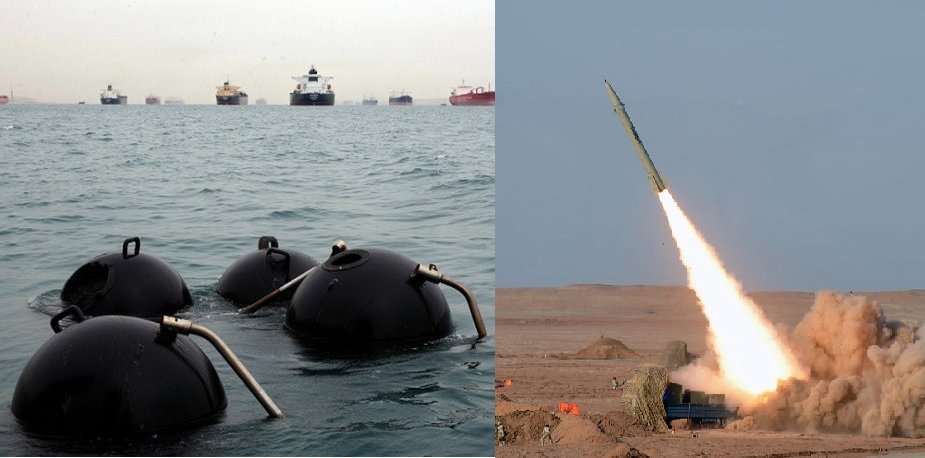
LARAK ISLAND, Iran — Iran appears to be adapting its sea-mine warfare strategy in the Strait of Hormuz by turning to land-based rocket launchers after U.S. operations significantly reduced its ability to deploy mines using naval vessels.
The shift was highlighted on August 30, when U.S. forces struck two Iranian launchers on Larak Island after Islamic Revolutionary Guard Corps (IRGC) forces were observed preparing to fire rockets carrying sea mines into the Strait of Hormuz. U.S. Central Command described the action as a limited strike against an imminent threat to shipping.
From Mine-Laying Boats to Rockets
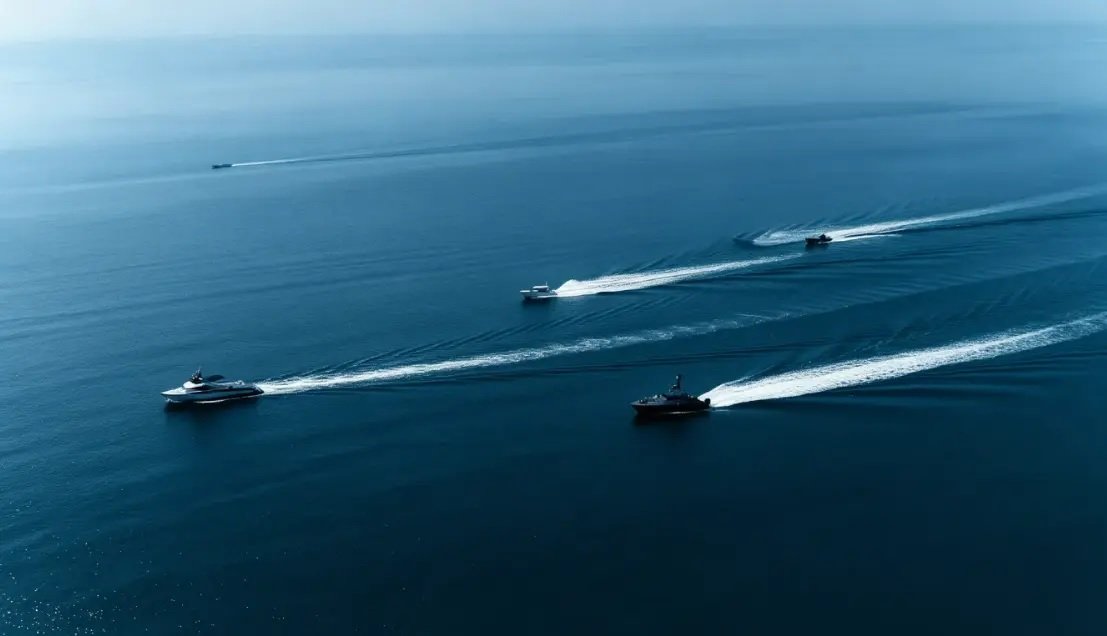
Iran has used small vessels for mine-laying operations in the Strait, but U.S. forces have targeted Iranian mine-laying vessels during the conflict. The United States has also conducted operations to clear Iranian mines from international shipping routes in the Strait.
With many of Iran's mine-laying vessels lost or under increased surveillance, rocket deployment provides another way to place mines without sending a boat directly into the target area.
The method allows a launcher positioned on land to fire a mine-carrying rocket toward the intended maritime area. This shifts the U.S. challenge from tracking only boats operating in the Strait to also locating and targeting mobile launchers on Iran's coastline and nearby islands.
Iran Has Already Demonstrated the Method
The rocket-based approach is not new. Iran demonstrated a similar capability during the IRGC's Great Prophet-19 exercise in January 2025.
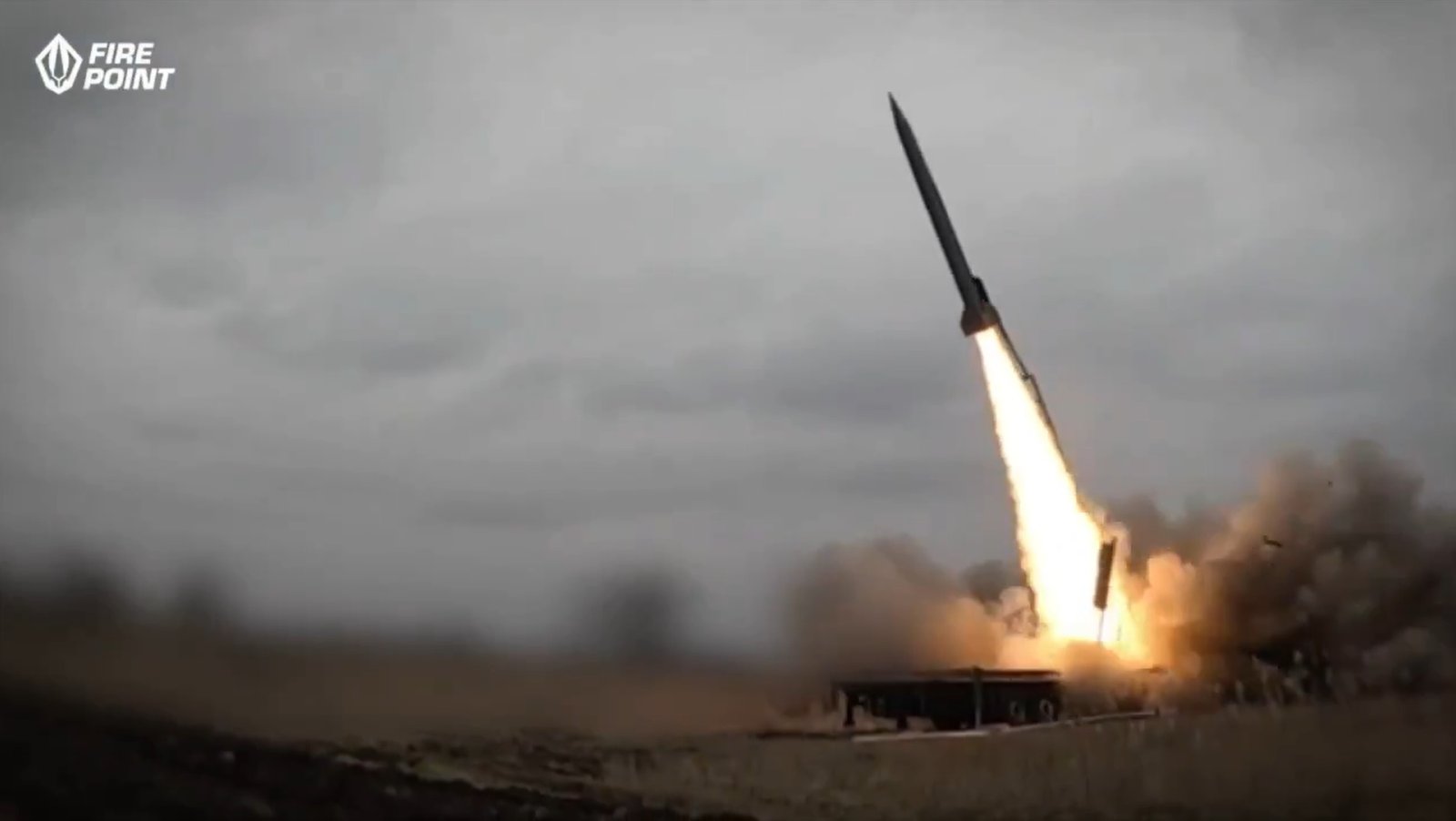
During the exercise, Iranian forces used 333mm Fajr-5 rockets to carry sea mines instead of their normal warheads. The rockets were launched from positions along the Strait of Hormuz coast, demonstrating how a conventional multiple-launch rocket system could be adapted for mine deployment.
The Fajr-5 is normally a ground-attack rocket system with a reported range of about 75 km, while newer Fajr-5C variants have been reported with ranges of up to 130 km. This gives the system sufficient reach to cover significant areas around the Strait when used from suitable coastal positions.
Why Rocket-Based Mine Deployment Matters
The main difference is the distance between the launching platform and the mine-laying area.
A boat-based operation requires Iranian personnel and vessels to enter the waterway. A rocket-based system allows the launch to take place from land, reducing the need to expose a mine-laying vessel in the Strait.
The approach also has limitations. Analysts have questioned the practical reliability of delivering mines by rocket because the mines must survive the stresses of launch and their subsequent entry into the water. Iran has demonstrated the concept, but it has not publicly confirmed that Fajr-5 rockets are currently being used operationally to deploy mines.
A New Challenge After the US Mine Clearance
The development comes shortly after the United States said it had cleared mines from the Strait's main international shipping routes.
U.S. Central Command said Navy divers, special operations forces and aircraft were involved in the mine-clearance operation. The U.S. has warned Iran that any vessel attempting to lay new mines would be destroyed.
That warning increases the importance of Iran's land-based option. Instead of relying entirely on vessels that can be intercepted in the Strait, Iran can potentially use mobile launchers from positions on land.
The August 30 strike on Larak Island shows that the United States is already monitoring for this alternative method.
Iran's mine-laying capability has therefore not disappeared despite the losses suffered by its naval forces. Instead, the recent activity suggests that Tehran is adapting its method of delivering mines, with rocket launchers providing a land-based alternative to vulnerable mine-laying boats.
Main Source : maritime-executive
——— End of Article ———