World
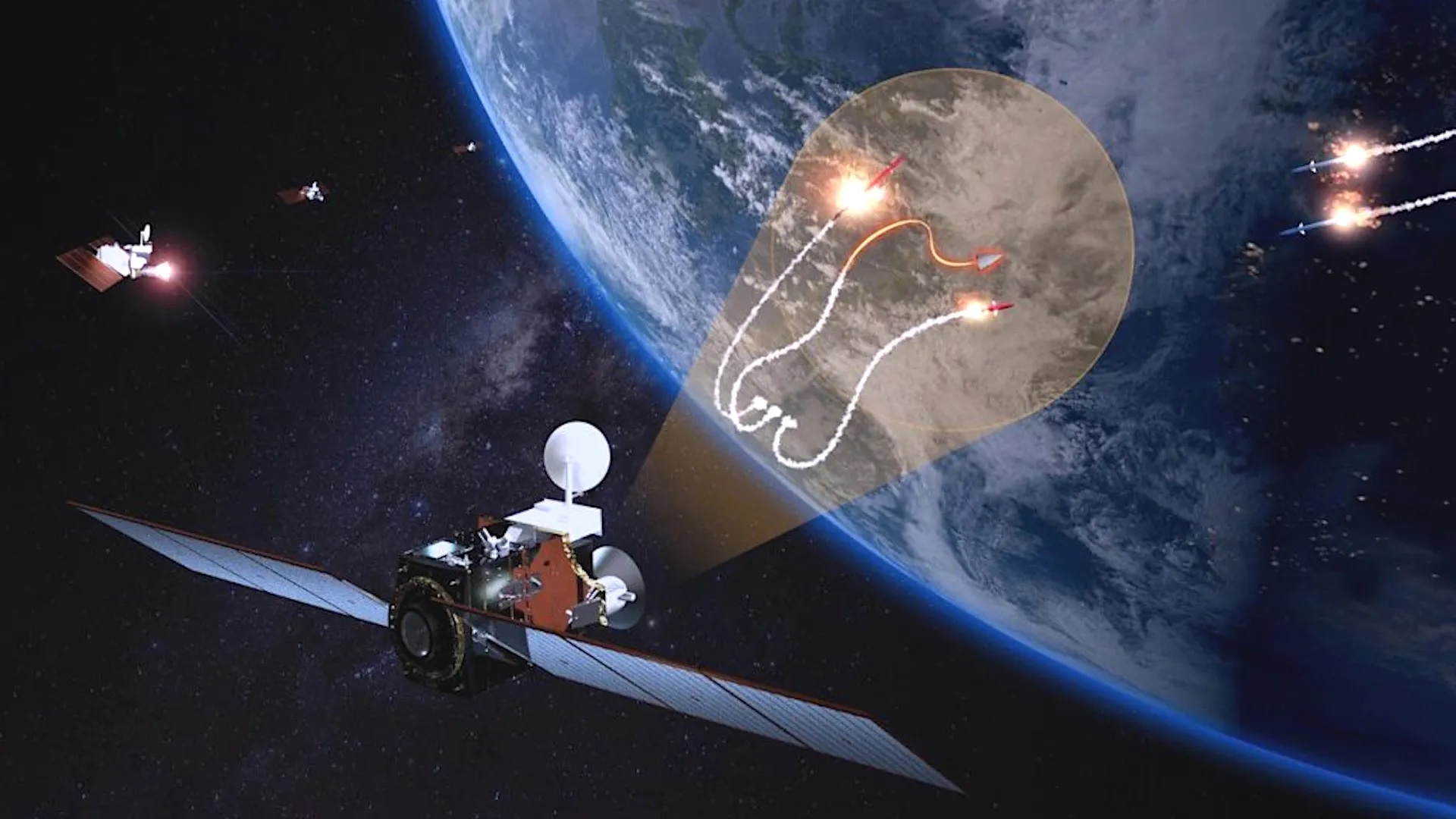
France and Germany have officially launched the JEWEL initiative (Joint Early Warning for a European Lookout)—a joint effort to establish an independent European early warning system for detecting and tracking missile threats. On October 15, 2025, French Minister for the Armed Forces and Veterans Catherine Vautrin and German Federal Minister of Defence Boris Pistorius signed a Letter of Intent (LoI) formalizing the bilateral cooperation, marking the formal beginning of a program long discussed within European defense circles. The JEWEL project is envisioned as a cornerstone of Europe’s emerging missile early warning capability, bridging the gap between reliance on American systems and Europe’s aspiration for sovereign strategic intelligence. While the United States’ space-based missile warning network, including the SBIRS (Space-Based Infrared System) and Next-Gen OPIR satellites, currently provides NATO with critical early warning data, JEWEL seeks to create a complementary European pillar within NATO’s Integrated Air and Missile Defence (IAMD) architecture. A Sovereign European Watchtower At its core, the JEWEL system will combine space-based infrared sensors, ground-based radar networks, and command-and-control (C2) infrastructure to create a multi-layered detection grid. This network will be capable of identifying ballistic and hypersonic missile launches in their early stages, tracking their trajectories, and relaying precise data to command centers within seconds. Unlike existing European systems, which depend heavily on U.S. satellite feeds, JEWEL’s architecture aims to establish independent detection and warning chains under European control. Data collected by the satellites will flow into a real-time analytical network, enabling rapid threat classification, early interception planning, and the attribution of missile launches—a crucial factor in crisis response and deterrence. The space component will be the centerpiece of JEWEL’s architecture. Both nations will develop and deploy one or two interoperable satellites each, equipped with advanced third-generation digital infrared sensors capable of detecting even low-signature launches, including hypersonic glide vehicles and next-generation cruise missiles. The satellites will likely operate in geostationary orbit, ensuring continuous coverage of Europe’s extended neighborhood, including the North Atlantic, Mediterranean, and Eastern frontiers. Foundations for a European Constellation France and Germany’s bilateral agreement includes the creation of a “preliminary interoperability backbone”, a secure data exchange network allowing seamless sharing of detection information between the two countries. This digital backbone is designed to serve as the foundation for future participation by other European nations, particularly those already involved in the ODIN’S EYE program, an EU-funded project aimed at developing a Europe-wide missile early warning capability. JEWEL’s first phase will focus on space-based assets, followed by integration with terrestrial radar stations, data fusion centers, and national air defense networks. The goal is to achieve Initial Operational Capability (IOC) by the early 2030s, with Full Operational Capability (FOC) expected later in the decade as additional European partners join. Strategic Context and Industrial Involvement The announcement follows through on commitments made during the Franco-German Defence and Security Council meeting in Toulon on August 29, 2025, where both nations reaffirmed their intent to jointly strengthen Europe’s strategic autonomy. The move comes amid growing concerns about emerging missile threats from adversarial states and the rapid proliferation of hypersonic technologies, which can outpace conventional radar and air defense systems. Industrial participation will be key to JEWEL’s success. On the French side, institutions such as DGA (Direction Générale de l’Armement), AID (Agence de l’Innovation de Défense), and ONERA (Office National d'Études et de Recherches Aérospatiales) are expected to lead satellite and sensor development. Germany will involve the Bundeswehr’s Space Command, DLR (German Aerospace Center), and leading defense companies such as Airbus Defence and Space and OHB Systems. The collaboration could also extend to European industrial partners, including Thales Alenia Space, Hensoldt, and Indra, aligning with the broader framework of the European Defence Fund (EDF) to promote cross-border defense innovation. Building the European Pillar of NATO While JEWEL emphasizes European sovereignty, it is designed not as a rival but as a reinforcing layer to NATO’s missile defense. The system’s data architecture will be compatible with NATO’s Allied Ground Surveillance (AGS) and Ballistic Missile Defence (BMD) command structures, ensuring interoperability with the U.S. and other allies. “By launching JEWEL, the two nations are fully assuming their leading role in building a European early warning capability,” the French Ministry of the Armed Forces declared in its official statement. The ministry emphasized that the project represents a decisive leap forward for Europe’s defense autonomy, providing the continent with the ability to detect and respond to missile threats independently for the first time. A Symbol of Strategic Maturity The JEWEL initiative embodies more than just a technical undertaking—it is a strategic symbol of Europe’s growing determination to defend itself with homegrown technology. It underscores the Franco-German axis as the driving force of European defense integration, setting a precedent for future collaborations in space, intelligence, and missile defense. By the early 2030s, once JEWEL’s first satellites are operational, Europe could finally take its place among the handful of global powers capable of independent missile early warning—joining the United States, Russia, and China in this elite domain. In a geopolitical landscape increasingly defined by speed and precision, JEWEL represents Europe’s bid to ensure it will never again be caught unprepared.
Read More → Posted on 2025-10-28 14:56:47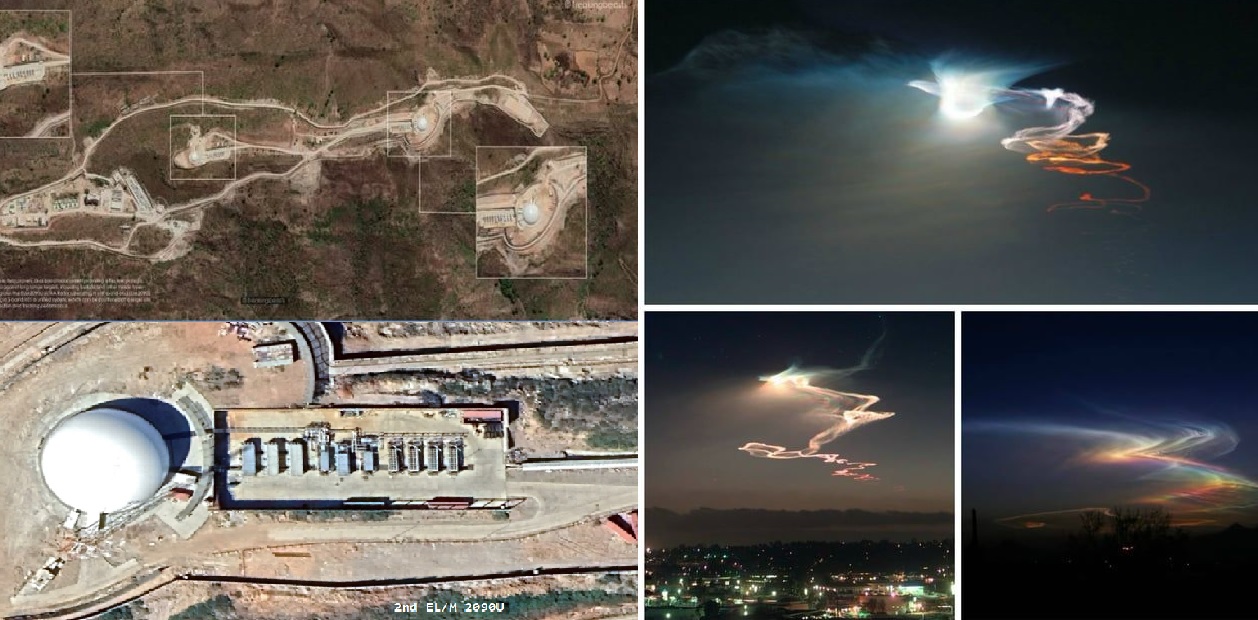
India
In a major display of surveillance and missile-tracking capability, the Indian Air Force (IAF) and the National Technical Research Organisation (NTRO) successfully detected and tracked a Pakistani Strategic Plans Division (SPD) missile test conducted at dawn on Tuesday. The missile, launched from a site near Harnai in Balochistan, was observed throughout its entire flight path by India’s ELM-2090 Strategic Early Warning dual-band radar system, based near Udaipur, Rajasthan. According to initial assessments, while the radar maintained continuous lock on the missile from launch to termination, the test did not achieve its intended result. Sources indicate that Pakistan’s technical teams are currently investigating the cause of the failure, which reportedly involved a guidance or propulsion anomaly during mid-course flight. The launch, executed during the Fajr (dawn) window, was believed to be part of Pakistan’s ongoing missile validation exercises under the SPD’s supervision. India’s Strategic Sentinel: The ELM-2090 TERRA Radar The radar that tracked the test is none other than the ELM-2090 TERRA, one of the most advanced dual-band strategic early-warning radar systems in operation globally. Developed by Israel Aerospace Industries’ ELTA Systems, the TERRA system combines UHF- and S-band arrays — designated respectively as ULTRA and SPECTRA — to provide highly accurate, long-range detection of ballistic and aerodynamic threats. India operates this radar jointly through the IAF and NTRO, with the Udaipur-based installation serving as a vital node in India’s western early-warning network. The system boasts an effective detection range of around 2,500 kilometers and reportedly employs 10,000 Transmit/Receive Modules (TRMs), giving it extraordinary tracking precision and target discrimination capability even against low-RCS objects. The dual-band configuration enables the radar to track high-altitude ballistic targets while simultaneously monitoring smaller or stealthier threats. This makes it particularly effective against ballistic missile launches, hypersonic glide vehicles, and advanced air-breathing systems. Udaipur Radar Site: India’s Western Watchtower Situated in the Aravalli hills near Udaipur, this radar installation is one of India’s most critical early-warning assets. Construction of the site began in the early 2020s as part of India’s classified Phase-II Ballistic Missile Defence (BMD) expansion plan, aimed at creating a seamless national missile warning and tracking grid. The massive radar domes of the Udaipur site are visible from several kilometers away and are paired with another similar installation near Bhopal, ensuring overlapping coverage across the western and central sectors. Together, these sites feed real-time data into India’s Integrated Air Command and Control System (IACCS) and the Ballistic Missile Defence (BMD) command chain, forming the backbone of India’s early-warning architecture. How the Harnai Missile Test Unfolded According to defense monitoring sources, the Pakistani SPD conducted a surface-to-surface missile test from a range near Harnai, Balochistan, just before sunrise. The test involved a ballistic vehicle believed to be of medium-range classification. Within seconds of launch ignition, the Udaipur-based ELM-2090 radar detected the heat plume and trajectory signature, initiating continuous tracking. The system followed the missile through its boost phase, mid-course climb, and terminal descent, maintaining radar contact throughout. The radar reportedly provided launch-point coordinates, trajectory plotting, and predicted impact location data to India’s western-sector command centers in near real time. Indian analysts confirmed that the radar maintained a stable lock even as the missile deviated from its intended course, highlighting the robustness of the system’s beam agility and tracking algorithms. Unsuccessful Pakistani Test Raises Technical Questions Despite the successful detection from India’s side, reports emerging from across the border suggest that Pakistan’s test was unsuccessful. The missile reportedly failed to complete its intended flight profile due to a mid-course instability, possibly linked to propulsion cutoff or guidance system malfunction. Defense analysts believe this test may have involved an upgraded variant of a Shaheen or Ghauri-class ballistic missile, though official confirmation remains absent. The failure comes at a time when Pakistan’s SPD has been pushing for modernization of its missile inventory, particularly with new guidance packages and mobile launch systems. The failure, however, inadvertently allowed India’s radar systems to collect valuable telemetry, trajectory, and signature data — offering insights into Pakistan’s missile behavior and testing protocols. India’s Expanding Early-Warning Network For India, this event underscores the growing maturity of its missile detection ecosystem. The ELM-2090 radars form the first tier of India’s multi-layered surveillance grid, soon to be complemented by indigenous long-range AESA radars and space-based infrared sensors under development with ISRO. Data from these systems are integrated within IACCS nodes, providing instantaneous threat evaluation and coordination with interceptor batteries like the AD-1/AD-2 and Prithvi Air Defence (PAD) systems. The Udaipur radar’s demonstrated ability to track a cross-border ballistic launch from Balochistan in real time validates the strength of India’s early-warning posture — effectively granting the country several minutes of decision advantage in any potential hostile scenario. Strategic Implications The Udaipur radar’s tracking success serves as a message of both deterrence and capability. It reinforces India’s technological edge in long-range situational awareness and highlights its preparedness to counter regional missile threats. For Pakistan, the test’s failure near Harnai may spark internal reviews of its missile development and testing practices, especially as its systems face scrutiny from increasingly capable Indian detection networks. This episode also comes at a time of heightened regional competition, with both India and Pakistan advancing strategic delivery platforms and missile defenses. India’s ability to monitor and record such launches in real time provides a powerful intelligence advantage, shaping future policy and deterrence dynamics. The dawn missile launch from Harnai, Balochistan, may have ended in technical failure for Pakistan, but it marked a quiet triumph for India’s strategic surveillance apparatus. The IAF–NTRO-operated ELM-2090 TERRA radar near Udaipur successfully tracked the missile’s entire flight — from ignition to termination — demonstrating the radar’s exceptional reach and reliability. As India continues to expand its radar and space-based early-warning infrastructure, the Udaipur site stands as a symbol of a maturing strategic defense ecosystem — one that not only watches the skies but safeguards the nation’s future against any airborne threat.
Read More → Posted on 2025-10-28 14:19:30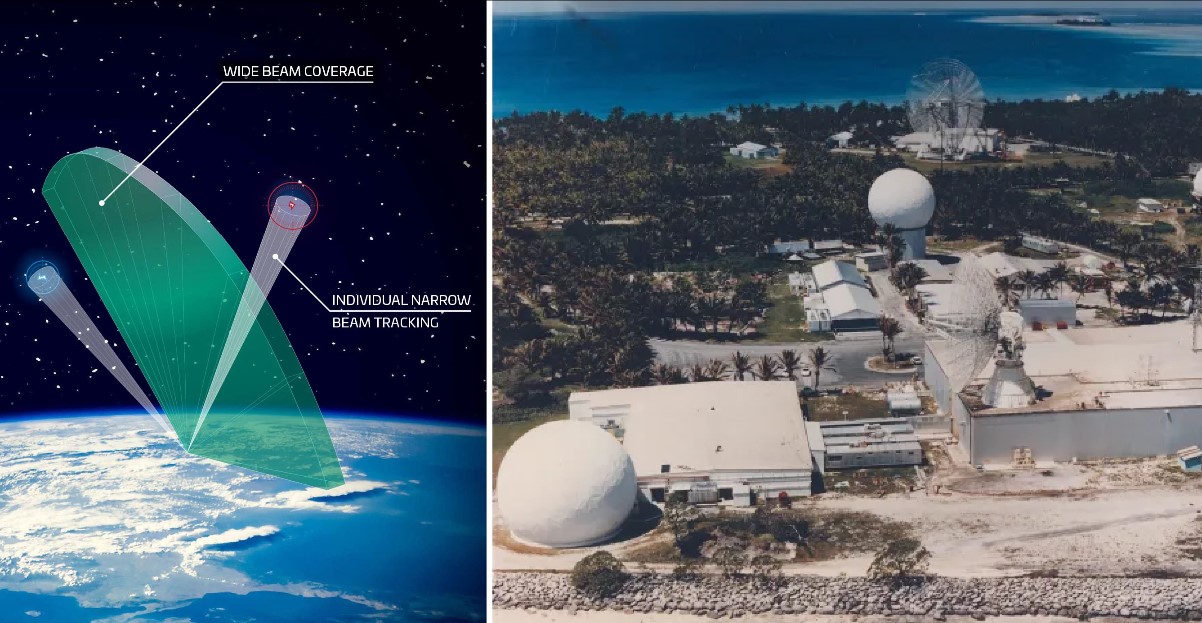
World
France has taken a significant step in strengthening its space capabilities with Thales being awarded a contract by the French Defence Procurement Agency (DGA) to develop and deploy AURORE, a new ground-based radar system designed to detect, track, and catalogue satellites and debris in low Earth orbit (LEO). The project is part of the ARES (Action et Résilience Spatiale) programme, which aims to enhance France’s space situational awareness and resilience against orbital challenges. The AURORE radar system will be one of the largest space surveillance radars in Europe, capable of real-time detection and tracking of multiple space objects simultaneously. Unlike optical systems, which depend on daylight and clear skies, AURORE will operate continuously and in all weather conditions, providing reliable coverage from Earth. Europe’s First Dedicated Radar for Low Earth Orbit AURORE is the first European system designed specifically to monitor low Earth orbit, the region up to about 2,000 kilometers above the planet’s surface. This zone hosts most modern satellites, including those used for communications, Earth observation, and defense. It is also the most crowded region, filled with active satellites and large amounts of debris. Monitoring LEO is essential for collision avoidance, satellite management, and identifying unusual orbital activity. Until now, Europe’s ability to independently track small, fast-moving objects in LEO has been limited. AURORE will close this gap by allowing France and Europe to monitor and catalogue satellites and debris with greater accuracy, reducing dependence on non-European data sources. Understanding “Space” in AURORE The “space” in AURORE refers to space situational awareness (SSA) — the capability to observe, track, and understand activities in Earth’s orbital environment. This includes identifying satellites, detecting debris, and monitoring orbital events such as breakups or maneuvers. Information collected by AURORE will support France’s military space command (Commandement de l’Espace) and contribute to European space safety efforts. Technology and Capability Thales will apply its expertise in radar design and signal processing to build a high-performance system with advanced detection and tracking features. AURORE is expected to use active electronically scanned array (AESA) radar technology, enabling it to follow numerous objects across wide sections of the sky with precision. The system will also assist in space traffic management, helping operators predict potential collisions and plan avoidance maneuvers. Supporting European Space Autonomy For France, AURORE is part of a broader effort to improve European space sovereignty. Under the ARES programme, the radar will enhance national and regional capacity for independent space surveillance and contribute data to the European Union Space Surveillance and Tracking (EU SST) framework. This will improve coordination and information sharing across European countries. Once operational, AURORE will become Europe’s first dedicated ground-based radar for low Earth orbit surveillance. It will allow France and Europe to track satellites and debris more accurately, supporting both defense and civil space activities. With AURORE, France aims to ensure that European assets in orbit are better protected and that future operations in space remain safe and sustainable.
Read More → Posted on 2025-10-28 13:55:40
India
The Indian Navy’s long-awaited Landing Platform Dock (LPD) project — a ₹33,000-crore program for four massive amphibious assault ships — remains one of the most intriguing yet least understood defense initiatives in India’s naval modernization drive. With bids expected from L&T and Cochin Shipyard Limited (CSL) under the “Make in India” framework, speculation is mounting over whether these future vessels will emerge as true Landing Helicopter Docks (LHDs) — capable of operating advanced aircraft — or remain limited to conventional LPD roles focused on troop and vehicle transport. LPD or LHD: Where Does the Line Blur? At its core, an LPD (Landing Platform Dock) serves as a transport and amphibious operations ship — designed to carry troops, armored vehicles, and landing craft to hostile shores. An LHD (Landing Helicopter Dock), however, goes a step further — featuring a full-length flight deck and hangars to launch helicopters and vertical takeoff/landing (VTOL) aircraft. For India, this distinction is crucial. The Indian Navy’s vision of expeditionary capability, especially in the Indo-Pacific, will hinge on whether these vessels can serve as sea-control platforms or remain limited to amphibious logistics. If New Delhi opts for an LHD-style configuration, it would give India its first mini aircraft carrier-class amphibious ships, capable of supporting helicopters, UAVs, and potentially even future STOVL (Short Take-Off and Vertical Landing) jets. Landing Platform Dock vs Landing Helicopter Dock: Understanding the Difference A Landing Platform Dock (LPD) and a Landing Helicopter Dock (LHD) share a common role in enabling amphibious operations but differ sharply in capability and design philosophy. An LPD is primarily built for transporting troops, armored vehicles, and landing craft to shore, featuring a well deck for amphibious operations and a small flight deck that supports a few helicopters for logistics and assault missions. An LHD, on the other hand, takes the concept further — designed with a full-length flight deck and larger hangars, it can launch and recover multiple helicopters and even STOVL (Short Take-Off and Vertical Landing) aircraft, such as the F-35B. This makes the LHD functionally closer to a light aircraft carrier, capable of sustained air operations, command-and-control, and power projection. In essence, while an LPD focuses on amphibious transport and support, an LHD serves as a multirole aviation-capable flagship, blending amphibious warfare with air superiority. Budget vs Capability: What Does ₹33,000 Crore Buy? The sanctioned amount — roughly ₹33,000 crore for four ships — sets a clear cost ceiling. That figure is ambitious, especially if the Navy expects displacement above 25,000 tons, a through-deck design, and advanced aviation facilities. For comparison, a single Spanish Juan Carlos I-class LHD costs over $1 billion, while the South Korean Dokdo-class hovers around $700 million per unit. India’s budget averages around $990 million per ship, leaving limited space for exotic systems — but still sufficient for a hybrid design, one that balances amphibious transport with aviation capability. In essence, India might end up with an LPD+, a vessel that sits between a true LHD and a heavy transport dock — large enough for helicopter operations and UAV launches but without a full carrier-style air wing. The EMLS Factor: A Game Changer for UAV Launches One of the most promising technologies that could shift the balance is DRDO’s Electromagnetic Launch System (EMLS). Currently under advanced testing, the EMLS can launch payloads up to 400 kilograms over a span of 16–18 meters, making it ideal for tactical UAVs, loitering munitions, and light strike drones. Integrating EMLS into the upcoming LPD/LHD design would dramatically enhance the ship’s strike and surveillance envelope. UAVs could be launched without depending solely on helicopters, giving the Navy persistent aerial reconnaissance and precision strike capability far beyond visual range. Even at this stage, DRDO’s EMLS serves as a proof-of-concept for India’s eventual EMALS, a larger system intended for future aircraft carriers like INS Vishal. By first deploying it aboard LPDs, India could test, refine, and scale the technology in operational environments — a smart, incremental approach to achieving carrier-class capability. Strategic Context: Beyond Amphibious Operations India’s growing focus on the Andaman & Nicobar Command, Maritime Domain Awareness, and island-chain defense strategy aligns perfectly with the LPD/LHD concept. These ships would not only deploy Marines, vehicles, and supplies during contingencies but also function as floating command centers, UAV hubs, and disaster-response platforms in the Indian Ocean. If designed with a through-deck and modular launch zones, the ships could support unmanned systems, rotary-wing AEW (Airborne Early Warning) assets, and even short-range UCAVs — bringing the Indian Navy closer to a networked, multi-domain amphibious fleet. Balancing Ambition with Realism Ultimately, whether India’s four LPDs turn into genuine LHDs depends on political will, industrial maturity, and naval doctrine. A conservative design would yield highly capable transport docks — valuable but limited. A more ambitious design, however, could mark India’s entry into the class of blue-water powers that deploy multi-role amphibious carriers. With DRDO’s EMLS maturing, domestic shipyards ready, and strategic necessity pressing from two maritime fronts, the question isn’t just about size or tonnage anymore — it’s about vision. Will the Indian Navy settle for an LPD, or will it quietly build the foundation of a next-generation LHD fleet?
Read More → Posted on 2025-10-28 11:14:54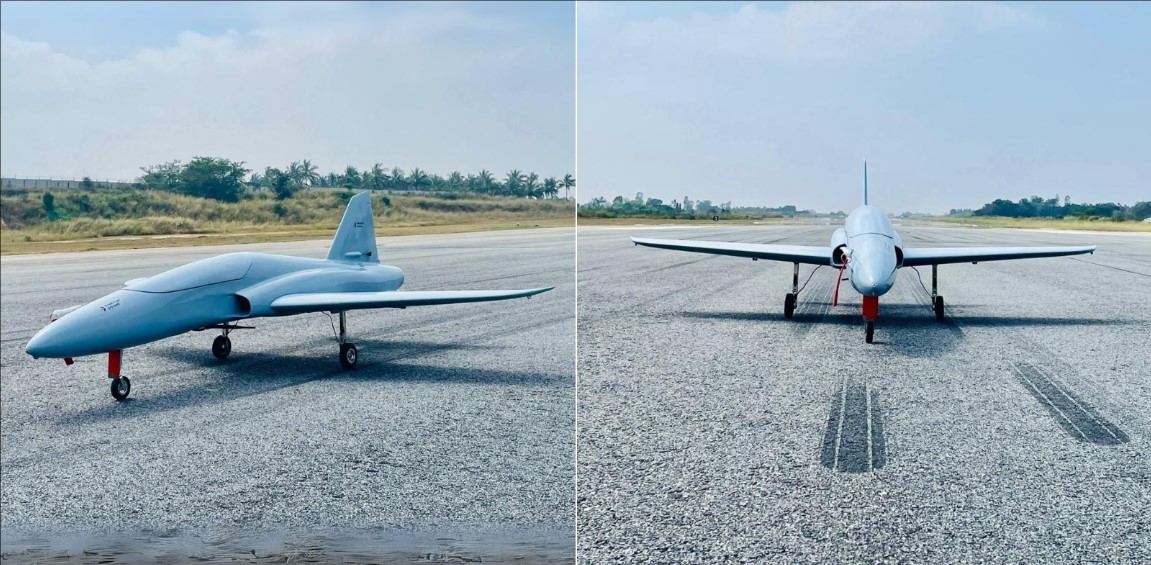
India
Dynauton Systems, a Bengaluru division of Dynamatic Technologies, has introduced KAATIL, a compact jet-powered loitering munition intended for fast, precision engagements in environments where navigation signals may be contested. Company materials and trade reporting describe KAATIL as a small, single-use unmanned aerial vehicle with a jet engine, GNSS-resilient guidance and a modular warhead. Public figures place KAATIL’s maximum take-off weight (MTOW) at about 12 kilograms and its wingspan near 2 metres, with a removable payload of roughly 1 kilogram. The vehicle uses a small jet engine and is reported to reach speeds up to about 600 km/h. These characteristics indicate the system is designed for relatively short-duration, high-speed transit rather than long-endurance surveillance. The system’s guidance suite is described as combining GNSS navigation with optical guidance and onboard processing, intended to allow mission completion when GNSS is jammed or unavailable. The manufacturer indicates the vehicle can follow low-altitude, terrain-matching flight paths and execute different attack profiles—such as steep dives or top-attack angles—appropriate for engaging exposed components or lightly armoured targets. Tactically, KAATIL is likely to be used against radars, command nodes, logistics vehicles, exposed personnel and sensor suites—targets where a small warhead can be effective. Its speed and short response time make it suitable for attacking time-sensitive targets or for use in coordinated groups intended to engage local point-defence systems. The system is described as launchable by catapult or from a short runway, which supports forward deployment with limited logistics. Dynauton first publicised KAATIL in early 2025, ahead of industry events such as Aero India 2025, where the concept and prototype were shown to trade media. Since that initial appearance, trade outlets and the company’s public materials have been the main sources of technical detail. There are no widely available independent test reports or confirmed procurement contracts in the public domain; most technical information currently comes from the manufacturer and trade coverage. The system has limitations that follow from its size and payload. A roughly 1-kilogram warhead is not intended to defeat heavily armoured main battle tanks, though certain attack profiles can affect lighter armoured vehicles or exposed systems. Reported speed and low-altitude flight reduce the time available for interception but do not by themselves ensure penetration of modern, integrated air-defence layers. Endurance and range are not fully specified in public materials, so operational planners must infer mission parameters from disclosed weight, propulsion type and expected fuel capacity. In doctrinal terms, KAATIL fits into a graduated set of strike options where operators have a range of effects available: small, low-cost loiterers for local suppression, mid-tier precision loiterers for sensor and node denial, and larger missiles for hardened or deep targets. For the domestic defence sector, KAATIL also reflects private-sector involvement in complete system development rather than only subcontracting roles—which may affect future procurement and export discussions subject to government policy. Overall, KAATIL is a compact, jet-powered loitering munition with GNSS-resilient guidance and a modular warhead. Public information highlights its speed, modularity and design for contested navigation environments, while independent performance data and confirmed service adoptions are not yet available in the public record.
Read More → Posted on 2025-10-28 10:57:48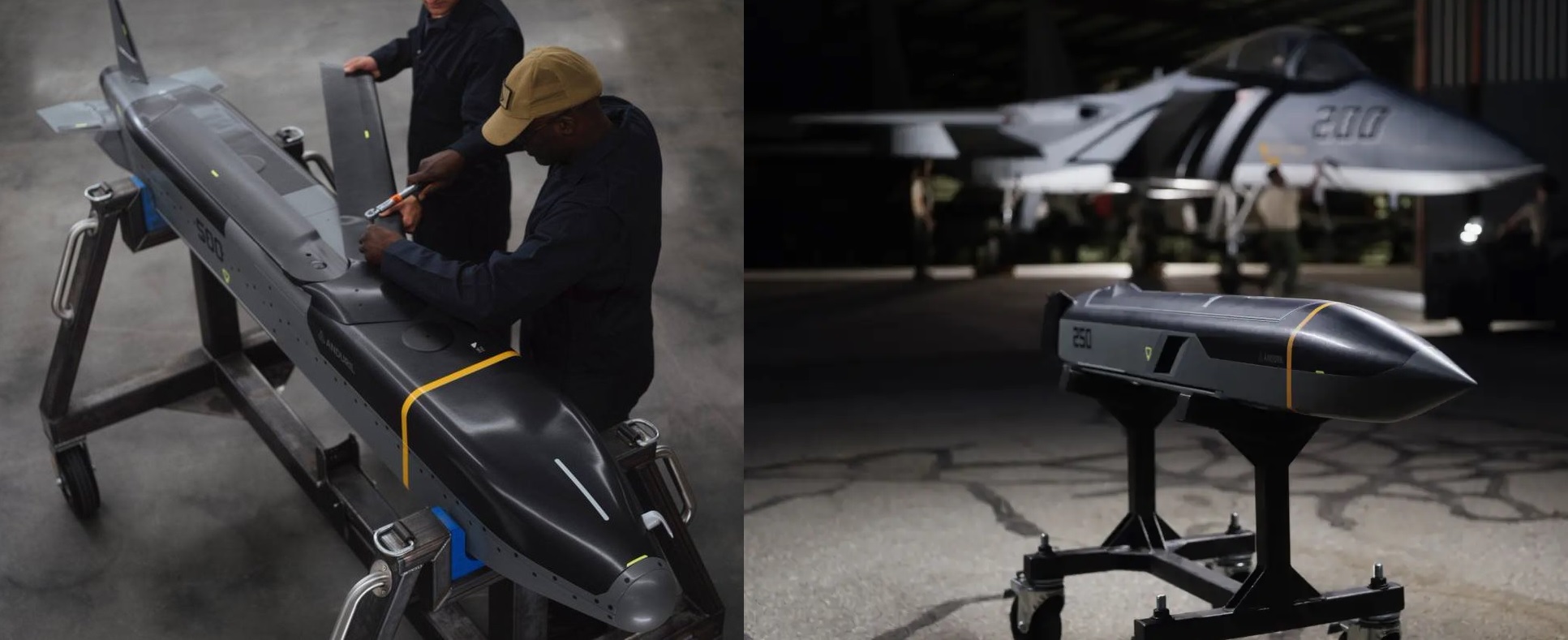
World
Poland is preparing to enter a new era of indigenous long-range strike capability as it gears up for mass production of the Barracuda-500M cruise missile. The move comes under a new cooperation agreement between state-owned Polska Grupa Zbrojeniowa (PGZ) and U.S. defense innovator Anduril Industries, marking a major step in Warsaw’s ambition to build a self-sufficient missile industry and bolster deterrence on NATO’s eastern flank. U.S.–Poland Partnership The agreement, signed in late October 2025, establishes a framework for technology transfer, local manufacturing, and co-development of the Barracuda system in Poland. The Barracuda program, designed by Anduril Industries (USA), emphasizes low-cost, high-rate production — a feature that directly aligns with Poland’s vision for scalable munitions manufacturing amid the ongoing European security crisis. Barracuda-500M Specifications The Barracuda-500M is the warhead-equipped variant of Anduril’s modular Barracuda family of autonomous air-breathing vehicles. It has been optimized as a long-range, low-cost cruise missile capable of precision strikes against high-value targets. Origin / Manufacturer: United States – Anduril Industries (Co-produced with PGZ in Poland) Variant: Barracuda-500M (armed version) Range: Over 926 km (≈500 nautical miles) Warhead: ≈45 kg (100 lb class) high-explosive or unitary payload Speed: Subsonic, turbojet-powered Propulsion: Air-breathing engine with modular two-stage configuration (booster + sustainer) Launch Platforms: Air, sea, or ground (including palletized Rapid Dragon-type deployment) Weight: Around 600–700 kg Length: Approximately 3.5–4 meters Unit Cost: Estimated $300,000–$500,000 per missile Production Model: Designed for mass production and modular servicing The Barracuda’s key innovation lies in its affordability — at less than one-tenth the cost of legacy cruise missiles such as the Tomahawk, it enables nations like Poland to stockpile large inventories for sustained deterrence operations. Production Capacity and Industrial Impact Anduril Industries has stated that its Barracuda line is engineered for “hyperscale” manufacturing, targeting thousands of missiles per year once full-scale production begins. The company has already demonstrated automated assembly techniques and modular manufacturing cells designed to drastically cut costs. In Poland, initial Barracuda-500M production is expected to begin within the next 24 months, starting with dozens of units per year as test runs and gradually expanding to hundreds — or even several thousand — annually depending on funding and export demand. This cooperation will not only give Poland sovereign control over missile manufacturing but also create a supply chain of local defense companies, integrating Polish electronics, guidance systems, and composite materials into the production process. Why the Barracuda-500M Matters for Poland Sovereign Defense Capability: Localized production ensures independent supply and replenishment without reliance on foreign stockpiles during crises. Cost-Effective Deterrence: At a fraction of the cost of traditional systems, Poland can afford large-scale deployment of standoff strike weapons. Industrial Expansion: PGZ’s participation deepens defense-industrial cooperation with the U.S. while elevating Poland’s status as a regional arms producer. Export Opportunities: Once licensed, the Barracuda could become a European export success, appealing to allies seeking low-cost long-range munitions. Strategic and Regional Implications A domestically built Barracuda-500M would give Poland a powerful standoff strike option, enabling engagement of targets well beyond the front lines — a key requirement in modern NATO operations. Its modularity also allows integration with multiple platforms, from aircraft to mobile ground launchers, increasing operational flexibility. Moreover, the ability to produce and sustain large stockpiles at home strengthens logistical resilience, something European militaries have struggled with since the start of the Ukraine conflict. However, the proliferation of such affordable long-range cruise missiles could raise new arms control questions in Europe, prompting discussions about escalation management and transparency among NATO members. What’s Next The next steps include the formal production contract, the qualification of Polish suppliers, and the construction of missile assembly facilities under PGZ supervision. Once operational, these factories could turn Poland into one of Europe’s largest missile producers, capable of sustaining both national and allied requirements. The Barracuda-500M represents a bold convergence of U.S. innovation and Polish industrial ambition. With its 926 km range, 45 kg warhead, and low unit cost, it offers a scalable strike solution unmatched in affordability and production speed. As Poland prepares for mass production, the country stands poised to redefine the balance of missile power in Europe — making advanced long-range weapons not only powerful but also widely accessible.
Read More → Posted on 2025-10-28 10:49:30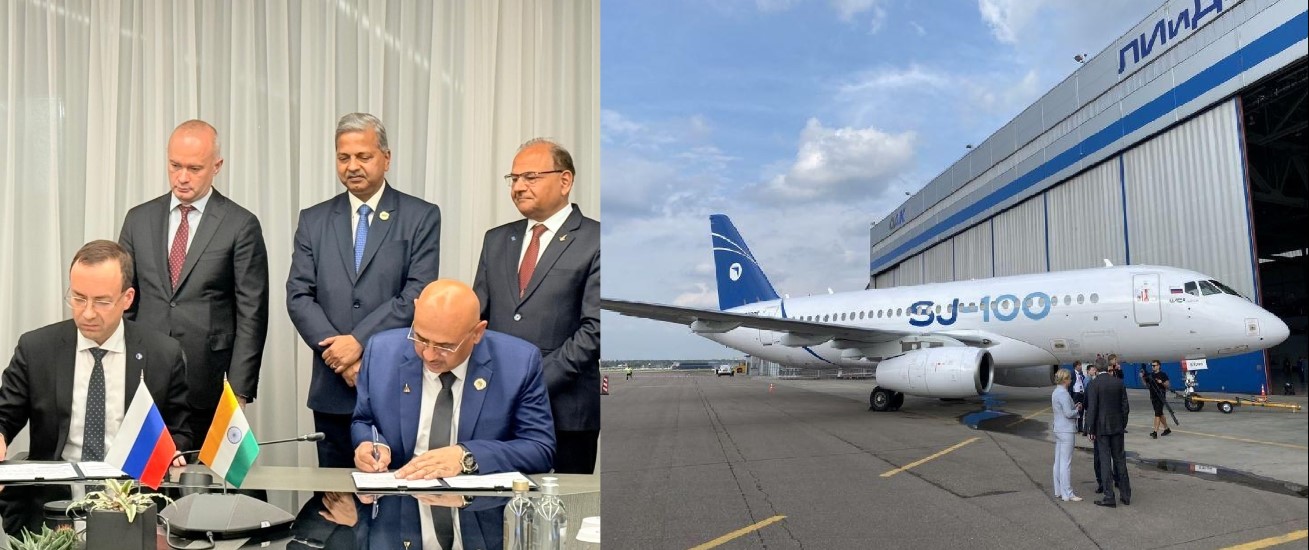
India
In a significant development for India’s civil aviation and aerospace manufacturing sectors, Hindustan Aeronautics Limited (HAL) and Russia’s United Aircraft Corporation (UAC) have signed a Memorandum of Understanding (MoU) in Moscow to jointly produce the SJ-100 commuter aircraft in India. The agreement grants India the rights to manufacture the SJ-100 for domestic civil use, marking a major step in India’s efforts to expand its indigenous passenger aircraft production capabilities while deepening its aerospace partnership with Russia. Strategic Partnership for Civil Aviation The MoU between HAL and UAC, signed during a bilateral industry meeting in Moscow, establishes a cooperative framework for local assembly and licensed production of the SJ-100, an upgraded and fully Russian-made version of the earlier Sukhoi Superjet 100 (SSJ100) regional jet. Unlike previous versions that relied heavily on Western components, the new SJ-100 (sometimes referred to as “Superjet-New”) has been completely “Russified”, using 100% Russian-made systems, avionics, and engines. This transformation allows Russia to offer the aircraft free from Western supply chain dependencies—a key factor in enabling export partnerships like this one with India. Under the agreement, HAL will produce the SJ-100 under license in India. However, the deal does not include rights for indigenous design modification, meaning that while the aircraft will be built locally, its engineering and intellectual property will remain under Russian control. The Aircraft: SJ-100 — Russia’s 100% Indigenous Short-Haul Jet The SJ-100 is designed as a short-to-medium range regional jet intended for domestic and regional routes. It is an updated, re-engineered evolution of the Sukhoi Superjet 100, tailored to meet the post-2022 reality of Russian aviation, where Western engines and electronics are no longer available. The new variant replaces the previous PowerJet SaM146 engine (a Franco-Russian design) with the Aviadvigatel PD-8, a fully Russian turbofan engine that successfully completed flight testing in 2023. The aircraft’s avionics, landing gear, and hydraulics have all been re-sourced from Russian suppliers to achieve complete independence from Western vendors. SJ-100 Specifications Feature Specification Seating Capacity 98–108 passengers Engines 2 × Aviadvigatel PD-8 turbofans Maximum Range 3,000–4,500 km (depending on configuration) Cruise Speed Mach 0.78 (approx. 830 km/h) Service Ceiling 12,200 meters (40,000 ft) Takeoff Distance ~1,750 meters Maximum Takeoff Weight 49,000 kg Cabin Width 3.24 meters Crew 2 Airframe Materials Advanced aluminum alloys with composite sections These specifications place the SJ-100 in the regional jet category, directly competing with aircraft such as Embraer’s E190-E2 and Mitsubishi’s SpaceJet M90—not with the larger Airbus or Boeing narrowbodies. The SJ-100 is optimized for short-haul operations, ideal for connecting tier-2 and tier-3 cities in India’s expanding regional aviation network. India’s Role: Licensed Production, Not Indigenous Design The HAL–UAC partnership provides India with production rights, enabling HAL to assemble the aircraft domestically using Russian kits, components, and sub-systems. However, India’s role will be limited to manufacturing and maintenance, as the MoU excludes indigenous design authority. This arrangement mirrors earlier models of defense-industrial collaboration, where India gained production experience without full technological ownership. Nonetheless, the deal is strategically valuable for HAL, marking its entry into civil passenger jet production—a new frontier beyond its traditional military aircraft portfolio. According to initial assessments, the SJ-100 could be produced in India for regional airlines and government-supported connectivity schemes like UDAN, serving routes too small for Airbus A320s or Boeing 737s but too large for turboprops such as the ATR-72. Why the SJ-100 Fits India’s Regional Needs India’s domestic civil aviation market is one of the fastest-growing globally, with demand surging in short and medium-haul segments. However, India currently lacks an indigenous regional jet program, relying entirely on imports for this category. The SJ-100 offers several advantages: Ideal Capacity: 100-seat configuration aligns perfectly with regional airline requirements. Operational Range: Suitable for routes under 1,500–2,000 km connecting smaller cities. Lower Acquisition Cost: Russian aircraft traditionally cost less than Western equivalents. Maintenance Simplicity: Modular engine and airframe design aimed at lower lifecycle costs. By producing the SJ-100 locally, India could reduce its dependence on Western OEMs and introduce a locally assembled, mid-range commuter jet at competitive pricing, potentially benefiting both public and private operators. Russia’s Gain: A Partner in a Sanctions World For Russia, the deal represents both a commercial opportunity and a geopolitical statement. Facing Western sanctions that restrict exports and technology transfer, Moscow has aggressively promoted its domestically re-engineered aircraft like the SJ-100 and MC-21 as proof of its industrial resilience. By licensing the SJ-100 to India, Russia gains a manufacturing partner outside its immediate geopolitical orbit and strengthens bilateral industrial cooperation with a key strategic ally. The deal also helps Russia secure new export markets for its re-domesticated aviation products in Asia and beyond. Future Prospects While initial production will likely focus on meeting India’s internal civil aviation needs, there is potential for regional exports to friendly nations in South Asia, Africa, and the Middle East in later phases—especially if cost competitiveness and service reliability match projections. HAL’s involvement also raises the possibility of joint MRO (Maintenance, Repair, and Overhaul) facilities, further supporting India’s ambition to become a global aviation hub. However, success will depend on several factors — from certification under Indian and international aviation standards to ensuring steady supply chains for Russian components and engines. The HAL–UAC MoU to produce the SJ-100 commuter aircraft in India represents a major step toward diversifying India’s civil aviation industry. While India will not own the design, local production of this 100-seat regional jet could fill a critical gap in the domestic market and position HAL as a credible player in the civil aerospace sector. For Russia, the agreement validates its effort to achieve full technological independence in aerospace manufacturing. For India, it offers a pathway to industrial experience, aviation infrastructure growth, and reduced import dependence in a sector dominated by Western manufacturers. The SJ-100, symbolizing Russia’s post-sanctions aviation resilience, may soon take flight under Indian assembly lines — marking a new chapter in the India–Russia aerospace partnership.
Read More → Posted on 2025-10-28 10:28:24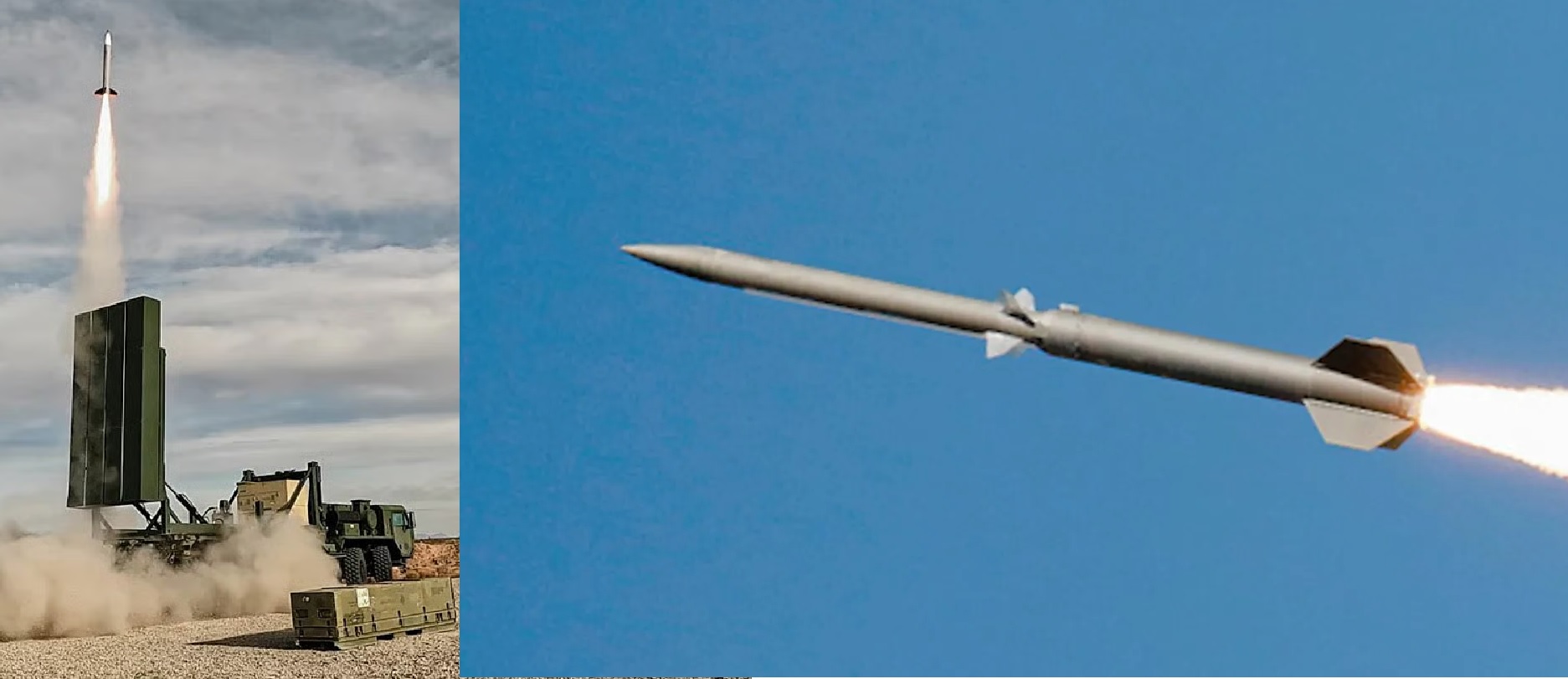
World
The U.S. Navy’s next leap in strike capability may not come from an established defense giant, but from an agile startup rewriting the economics of hypersonic warfare. Castelion Corporation, a Silicon Valley–style defense innovator, is now under contract to integrate its Blackbeard hypersonic missile onto operational Army and Navy platforms — a move that strongly hints at the development of an air-launched variant for naval aviation. This development could signal a significant shift in U.S. hypersonic strategy, centered not on monumental cost and complexity, but on affordability, adaptability, and mass production. Castelion’s Disruptive Approach to Hypersonic Weapons For decades, hypersonic missiles have been synonymous with enormous cost and limited numbers. Castelion’s Blackbeard, however, is challenging that paradigm. The company’s design philosophy emphasizes rapid manufacturing, cost control, and cross-platform integration — making hypersonic strike weapons more accessible to frontline units. The Blackbeard program aims to deliver Mach 6–7+ performance at a unit cost of just $300,000–$500,000, a fraction of the price of traditional systems like the U.S. Army’s Long-Range Hypersonic Weapon (LRHW) or the Navy’s Conventional Prompt Strike (CPS) missile, each of which can exceed $10–15 million per round. By leveraging commercial-style production lines and modular design, Castelion seeks to transform hypersonics from rare, strategic assets into mass-deployable tactical weapons that can saturate enemy defenses and deliver precision strikes at extreme speeds. New Integration Contracts Signal Broader Military Interest In October 2025, Castelion announced that it had secured integration contracts to adapt the Blackbeard for operational Army and Navy platforms. Although details remain limited, the announcement strongly implies that the company is working toward compatibility with existing launcher systems rather than developing entirely new infrastructure. For the U.S. Army, this likely means integration with launchers such as HIMARS or MLRS, offering a ground-based hypersonic option with rapid deployment capability. For the U.S. Navy, however, the integration points to something far more significant: a potential air-launched version capable of being carried by strike aircraft, naval bombers, or possibly carrier-based fighters. Such an adaptation would give the Navy an unparalleled strike capability — a tactical hypersonic missile deployable from aircraft such as the F/A-18E/F Super Hornet, F-35C, or P-8 Poseidon. This would allow naval forces to engage time-sensitive, high-value targets at speeds above Mach 6 without relying on fixed launch sites or heavy ship-launched systems. Technical Specifications (Estimated) While the Blackbeard missile remains under development, emerging information from defense sources and industry analysis outlines a credible technical profile: Rocket Motor Diameter: ~305 mm Overall Range: ~800 km (500 miles) Missile Weight: 600–700 kg Warhead: ~100+ lbs (high-explosive or modular payload) Speed: Mach 6–7+ Propulsion: Two-stage solid rocket motor Unit Cost: $300,000–$500,000 (projected) The missile’s compact dimensions and moderate weight make it ideal for airborne launch or containerized naval deployment, while its two-stage booster allows sustained hypersonic flight over long distances. With speeds above Mach 6, the missile could penetrate layered air defenses and reach targets within minutes. Why It’s So Affordable Castelion’s cost-cutting innovation comes from a combination of design pragmatism and industrial efficiency: Existing Launcher Compatibility: The missile is engineered to fit into current launch platforms, minimizing the need for new support infrastructure. Mass-Production Manufacturing: Borrowing techniques from the commercial aerospace industry, Castelion uses automated assembly and 3D-printed components to scale production. Simplified Architecture: Instead of highly complex scramjet propulsion, Blackbeard uses a boost-glide profile with solid propellant — reducing both development time and material cost. Private Investment Funding: Castelion’s venture-backed approach allows faster iteration cycles without the bureaucracy typical of large defense programs. This combination could enable the U.S. military to procure dozens of hypersonic missiles for the price of one traditional system, marking a seismic shift in affordability and availability. Program Timeline and Testing According to budget documents and industry briefings, the Blackbeard program is advancing on an accelerated schedule: Late 2025: Integration contracts awarded to adapt the missile for Army and Navy platforms. 2026: Planned live-fire tests, including ground and maritime launches, followed by air-launch trials. 2027 (Projected): Entry into low-rate initial production (LRIP) if flight tests validate performance claims. The U.S. Army has already allocated approximately $25 million in its FY2026 budget to support testing and evaluation, a clear signal of growing institutional confidence. Strategic Implications If successful, the Blackbeard could redefine the operational role of hypersonic weapons in U.S. doctrine. Instead of a small, strategic stockpile, the Department of Defense could field large numbers of affordable hypersonic missiles, enabling saturation attacks, flexible deterrence, and sustained operations across multiple theaters. For the Navy, an air-launched Blackbeard would provide a potent counterbalance to Chinese and Russian advancements in long-range anti-ship and hypersonic systems. It could give carrier air wings and maritime patrol squadrons a hypersonic strike option that is both mobile and scalable — a game-changer in contested regions like the Indo-Pacific. Moreover, its affordability could allow allied nations to participate in future cooperative production, strengthening collective deterrence without the cost barriers of traditional hypersonics. Challenges remain, especially in validating guidance precision, thermal protection, and multi-environment integration. Hypersonic flight introduces intense heat and structural stress, and even small deviations in trajectory can compromise accuracy. Still, Castelion’s rapid progress and innovative approach suggest that the Blackbeard program is poised to become a cornerstone of America’s next-generation hypersonic arsenal. If flight tests in 2026 prove successful, the U.S. could soon possess not just a faster missile — but a smarter, cheaper, and more deployable one.
Read More → Posted on 2025-10-28 10:11:38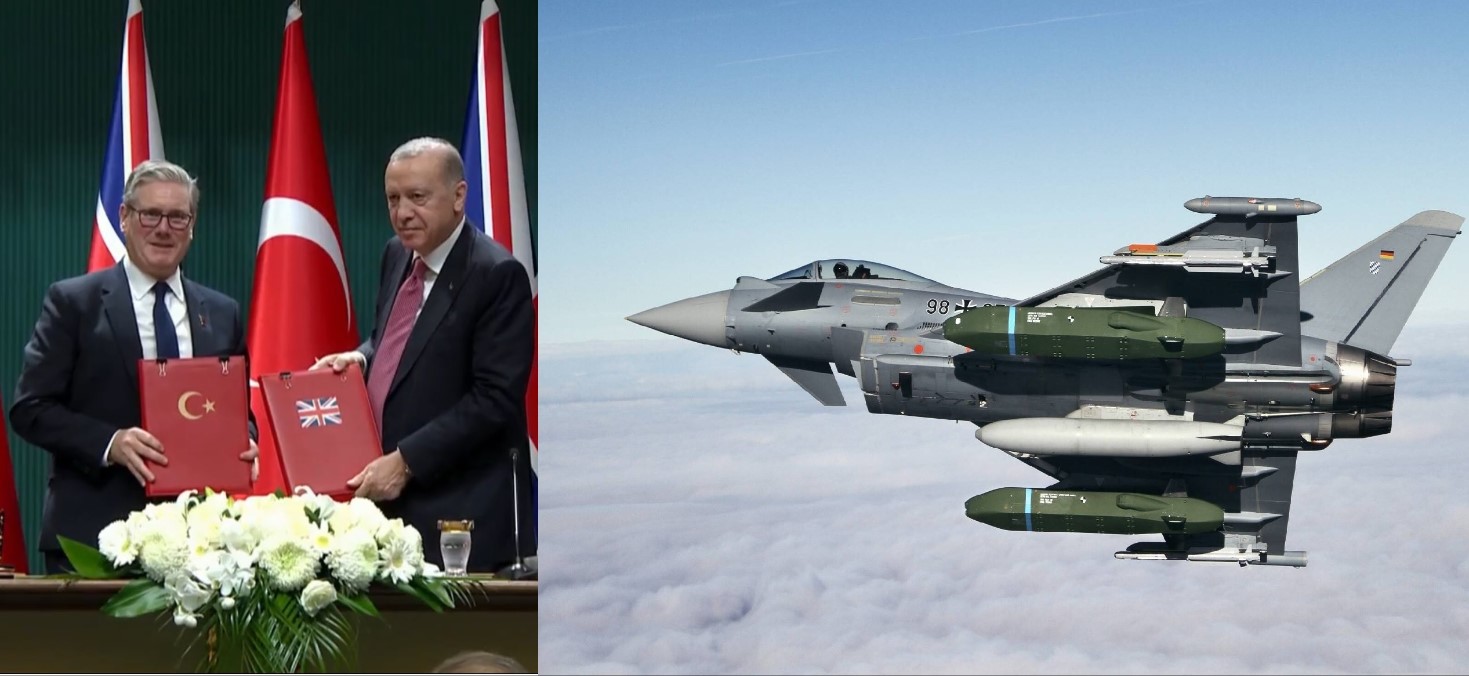
World
In a landmark defense agreement, Türkiye and the United Kingdom have signed an £8 billion ($10.7 billion) deal for the purchase of 20 Eurofighter Typhoon jets, marking the largest British fighter export in two decades. The first batch of aircraft is expected to be delivered by 2030, as Ankara moves decisively to strengthen its air combat capabilities and diversify its strategic defense partnerships beyond the United States. The Deal and Its Strategic Scope The Turkish order covers 20 brand-new Tranche 4 Eurofighter Typhoons, the most advanced variant of the aircraft, featuring upgraded avionics, AESA radar, and enhanced combat systems. The deal, valued at roughly $10 billion, includes a comprehensive MBDA weapons package, equipping the jets with Meteor beyond-visual-range air-to-air missiles, Brimstone, and Storm Shadow cruise missiles. Ankara is also negotiating for an additional 20 Typhoons as an optional second batch, depending on operational needs. If these follow-on orders proceed, Türkiye’s Eurofighter fleet could rise to 40 aircraft, alongside 12 second-hand jets expected from Qatar and Oman, bringing the total to approximately 52 Eurofighters. This would make Türkiye the fifth-largest Eurofighter operator in NATO, behind the UK, Italy, Germany, and Spain. A high-level UK defense delegation is expected to visit Ankara in the coming months to finalize the second phase of the agreement and coordinate technology transfer frameworks. Why Türkiye Chose the Eurofighter Türkiye’s decision to procure the Eurofighter Typhoon is rooted in both strategic necessity and technological continuity. Following its expulsion from the U.S. F-35 program in 2019 due to the acquisition of Russian S-400 air defense systems, Ankara faced a significant gap in its modern fighter inventory. Moreover, the U.S. halted export approval for the F110 engines intended for Türkiye’s indigenous KAAN fifth-generation fighter program, leaving the development timeline uncertain. The Eurofighter acquisition thus serves a dual purpose: To maintain air superiority as the aging F-16 fleet nears retirement. To secure technological leverage and potential collaboration opportunities with European industry—particularly Rolls-Royce, a key player in the Eurofighter consortium and a potential partner for the KAAN’s engine development. The Engine Factor: Rolls-Royce and KAAN Ankara’s growing defense cooperation with London is closely tied to the engine issue. Türkiye’s state defense agency, TUSAŞ Engine Industries (TEI), is developing the KAAN’s indigenous powerplant, but the process has been slowed by U.S. restrictions. By aligning with Rolls-Royce, Türkiye aims to co-develop a new turbofan engine that could power both the KAAN and future Turkish fighter platforms. The UK’s willingness to collaborate on such sensitive technologies makes the Typhoon deal more than just a fighter jet purchase—it represents a gateway to advanced aerospace cooperation between the two nations. Regional and Political Implications Equipping the Turkish Air Force with Meteor-armed Typhoons will significantly enhance Ankara’s beyond-visual-range engagement capabilities, surpassing the reach of standard AIM-120 AMRAAM-equipped jets in neighboring air forces. This development has raised concerns in Israel and Greece, both wary of the expanding reach of Türkiye’s aerial arsenal. Israeli defense officials reportedly view the deal as a potential threat to regional security, especially given the Meteor missile’s over 150 km range and advanced no-escape zone, which would provide Türkiye with a substantial tactical advantage in any confrontation. Greek analysts have also expressed alarm that the Typhoon’s arrival could tilt the regional air balance, especially as Türkiye simultaneously advances its KAAN fighter and Anka-3 UCAV programs. A Calculated Move Toward Independence The Eurofighter purchase is a clear signal that Türkiye is reshaping its defense relationships to reduce reliance on Washington. By aligning with the UK and leveraging European defense partnerships, Ankara aims to bypass American restrictions while accelerating its indigenous aerospace capabilities. If all current and planned acquisitions are executed, Türkiye’s air fleet will consist of: 40–52 Eurofighter Typhoons, Upgraded F-16 Block 70/Özgür aircraft, and The forthcoming KAAN fifth-generation stealth fighter, expected to enter service in the early 2030s. Türkiye’s decision to buy Eurofighter Typhoons from the UK is more than a stopgap—it’s a strategic realignment. The move consolidates Türkiye’s position as an emerging aerospace power and reflects President Erdoğan’s long-term goal of defense self-sufficiency. With British collaboration on both aircraft and engine development, Ankara is not only reinforcing its current air defense capability but also laying the foundation for an independent fighter ecosystem that could redefine its role in NATO and reshape the military balance in the Eastern Mediterranean.
Read More → Posted on 2025-10-28 09:55:22
India
In a major diplomatic and economic breakthrough, India and the United States are on the verge of finalizing a landmark trade agreement, with both sides reporting that talks have progressed smoothly and no major differences remain. The deal, which has been under discussion for months, marks a turning point in bilateral economic relations and could redefine the balance of trade between the two democracies. According to senior officials, Washington has agreed to several of India’s key terms, including the firm stance on banning genetically modified (GM) agricultural products and seeds from entering Indian markets. This clause ensures that India’s agricultural sovereignty and biodiversity remain protected, while upholding domestic food safety standards that have long been a cornerstone of New Delhi’s policy. In another significant win for India, the country’s dairy market will remain completely closed to foreign companies and vendors, preserving it exclusively for Indian farmers, cooperatives, and consumers. This decision was non-negotiable for New Delhi, given the deep social and economic importance of the dairy sector, which supports over 80 million rural households. With consensus reached on sensitive sectors like agriculture and dairy, both sides have signaled that the final agreement could be signed before the fall deadline, potentially during a high-level visit later this year. On the economic front, the United States has agreed to dramatically slash import duties on Indian goods, bringing tariffs down from the current average of 50% to roughly 15–16%. This move is expected to boost exports from India’s manufacturing, textiles, and pharmaceutical sectors, providing a major fillip to Prime Minister Narendra Modi’s “Make in India” initiative. In return, India has offered measured concessions, including a gradual reduction in imports of Russian crude oil — a key point of contention in recent U.S.-India diplomatic exchanges. While India will maintain its right to diversify energy sources, the phased adjustment is seen as a gesture of goodwill and strategic balance. The United States, in turn, will gain greater market access for American agricultural commodities, including corn and ethanol, aligning with New Delhi’s efforts to diversify its biofuel sources and enhance energy security. This also dovetails with India’s ambitious ethanol blending program, aimed at reducing dependence on imported petroleum. Experts believe that this trade deal could unlock a new era of strategic and economic convergence between the two nations. It reflects not only economic pragmatism but also a shared recognition that the Indo-Pacific partnership is central to global stability and growth. Analysts note that India’s firm stance on protecting its domestic agriculture and dairy markets — combined with Washington’s willingness to accommodate those red lines — shows a maturing relationship built on mutual respect and strategic trust, rather than one-sided concessions. If signed, the agreement would be the most comprehensive India–U.S. trade pact in decades, setting a framework for cooperation in technology, clean energy, pharmaceuticals, and supply chain resilience. With the framework nearly finalized and both capitals expressing optimism, the stage is now set for a historic signing ceremony later this year — one that could redefine the future of India–U.S. economic relations and further cement their position as strategic partners in a rapidly shifting global order.
Read More → Posted on 2025-10-27 17:11:25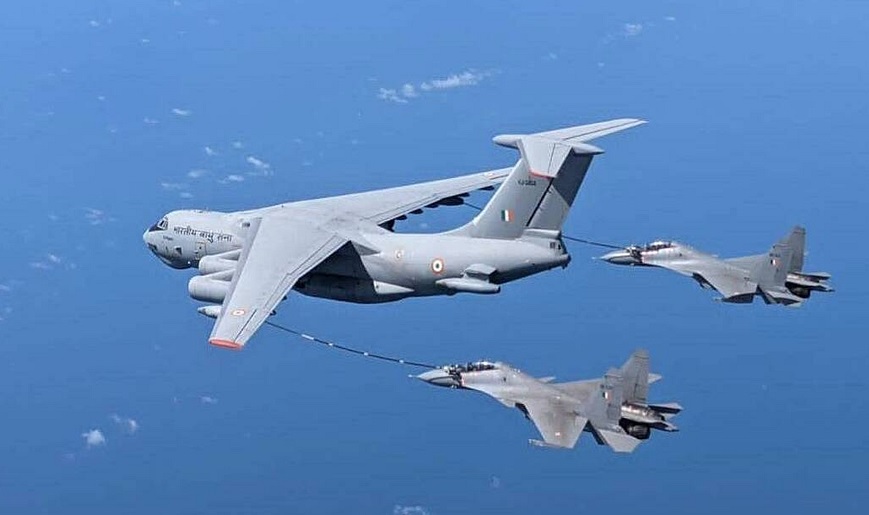
India
In a major boost to Indo-Israeli defense cooperation, Israel Aerospace Industries (IAI) is reportedly set to win the ₹8,000 crore (approximately $900 million) contract to convert six second-hand Boeing 767 aircraft into Multi-Role Tanker Transport (MRTT) aerial refuelers for the Indian Air Force (IAF). The deal, which is in its final stages of approval, will significantly strengthen India’s mid-air refueling capability — a critical asset for extending the operational range of fighters such as the Rafale, Su-30MKI, and Tejas Mk1A. Why IAI Was Chosen According to defense officials, IAI emerged as the frontrunner due to its proven expertise in aircraft conversion programs and cost efficiency compared to Western competitors. The Israeli aerospace firm has decades of experience converting Boeing 767s into MRTT platforms through its Bedek Aviation Group, which has delivered similar refueling systems to the air forces of Brazil, Colombia, and Azerbaijan. Under the upcoming agreement, IAI will acquire six pre-owned Boeing 767 passenger jets—likely sourced from the civilian market—and convert them into full-fledged refueling aircraft equipped with advanced hose-and-drogue and boom refueling systems, mission avionics, and cargo transport configurations. The aircraft will be tailored to the IAF’s operational needs, allowing them to refuel multiple fighter types in a single sortie. India’s Long Quest for New Tankers This deal follows more than a decade of attempts by the IAF to modernize its refueling fleet. Currently, the service operates six Russian-origin Ilyushin Il-78MKI tankers, inducted in the early 2000s. These aircraft, based at Agra, have suffered from maintenance challenges and low availability rates, prompting repeated efforts to acquire a new generation of refuelers. India previously evaluated and shortlisted Airbus A330 MRTT twice — once in 2009 and again in 2016 — but both tenders were cancelled due to high costs and bureaucratic hurdles. The decision to go with converted Boeing 767s from IAI reflects a shift toward a more affordable and flexible solution without compromising operational capability. Technical Details and Advantages The IAI 767 MRTT is capable of carrying over 90 tonnes of fuel, enabling simultaneous refueling of two fighters via wing pods and one large aircraft through the central boom. It can also carry cargo, personnel, or medical evacuation modules, making it a multi-role platform ideal for both peacetime logistics and combat support. Key features include: Dual refueling systems (hose-and-drogue + boom) for compatibility with multiple aircraft types. Range: Over 11,000 km (with maximum fuel load). Cargo capacity: Around 45 tonnes. Crew: Two pilots plus mission operators. Advanced mission management suite for fuel control and coordination. The aircraft will likely be maintained in India with IAI providing technology transfer and maintenance support to HAL or a private Indian partner, ensuring local capability development. Strategic Implications Once inducted, the six Boeing 767 MRTTs will dramatically enhance the IAF’s power projection across the Indian Ocean and along the northern borders. They will allow fighter aircraft to undertake long-range patrols, maritime strike missions, and rapid response operations without relying on ground-based refueling stops. The deal also underscores the deepening defense-industrial partnership between India and Israel, which has grown steadily over the past decade. IAI has already delivered major systems to India, including Heron UAVs, Barak-8 air defense systems, and radar technologies. Next Steps Sources indicate that the formal contract announcement could come within the next few months, pending final cost negotiations and Cabinet Committee on Security (CCS) approval. Once signed, IAI is expected to complete the first aircraft conversion within 24–30 months, with the remaining five delivered over the following two years. If finalized, this would mark India’s first operational use of converted commercial airliners as refueling platforms, setting a precedent for cost-effective modernization in the IAF’s support fleet. With IAI’s proven record and India’s urgent need for reliable aerial refueling assets, the upcoming agreement could finally bring an end to the IAF’s two-decade-long search for new tankers, firmly anchoring Israel as a key partner in India’s aerospace modernization.
Read More → Posted on 2025-10-27 16:56:03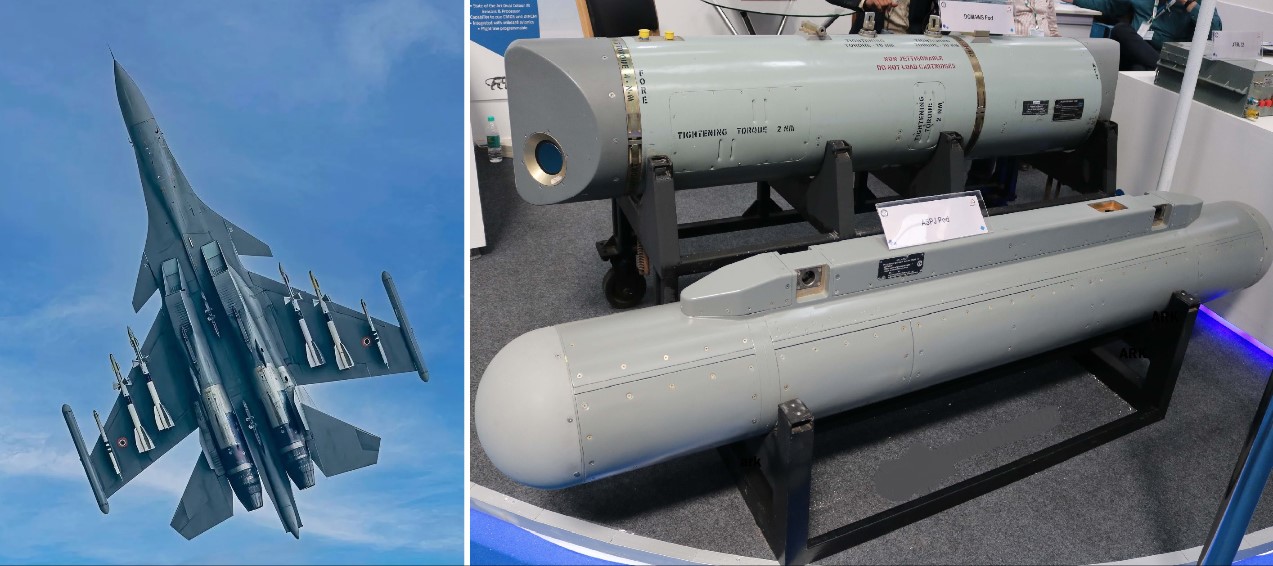
India
The Indian Air Force (IAF) has issued a Request for Information (RFI) seeking the procurement of 100 Advanced Self-Protection Jammer (ASPJ) pods for its fleet of Su-30MKI multirole fighters. The move is aimed at strengthening the aircraft’s survivability and electronic warfare (EW) resilience against modern radar-guided threats, marking a critical step in India’s ongoing effort to modernize its combat fleet under the ‘Make in India’ framework. According to the RFI, the IAF plans to acquire 100 complete ASPJ systems, including pods, associated electronics, ground support equipment, integration kits, and documentation. The procurement aims to enhance the Su-30MKI’s ability to operate effectively in high-threat environments saturated with enemy radars and surface-to-air missile systems. The document also highlights an emphasis on indigenous content, seeking responses from firms capable of delivering locally produced or co-developed systems with robust after-sales and maintenance support within India. The ASPJ is designed to detect, analyze, and jam hostile radar signals using real-time electronic countermeasures. It can confuse or degrade enemy tracking and missile guidance systems, ensuring that the aircraft remains undetected or protected during critical missions. These pods will work in tandem with the DRDO’s ‘Dhruti’ Radar Warning Receiver (RWR), creating a comprehensive self-protection suite for the Su-30MKI. Several domestic players are expected to respond to the RFI. The Defence Avionics Research Establishment (DARE) and Defence Electronics Research Laboratory (DLRL), both under the Defence Research and Development Organisation (DRDO), have been actively developing indigenous jamming pods based on Gallium Nitride (GaN) technology and Active Electronically Scanned Array (AESA) architecture. These pods use Digital Radio Frequency Memory (DRFM) techniques to effectively spoof and deceive enemy radars by replicating or altering radar returns. Private defense companies such as Bharat Electronics Limited (BEL) and Data Patterns are also likely participants, given their expertise in airborne electronic warfare systems. Data Patterns has previously unveiled its ‘Talon Shield’ ASPJ system, which can be configured for large fighter platforms such as the Su-30MKI. The ASPJ procurement is also expected to align with the ‘Super Sukhoi’ modernization program, which aims to upgrade over 200 Su-30MKI aircraft with advanced avionics, the new ‘Virupaksha’ AESA radar, digital mission computers, and upgraded EW systems. Once operational, the ASPJ pods will dramatically improve the fighter’s ability to survive in contested airspace, particularly against emerging long-range radar systems and networked air-defense networks deployed by potential adversaries. Technically, the new jammer pods are expected to operate across a wide 4 to 40 GHz frequency band and will likely include features such as automatic threat recognition, 360-degree coverage, and high-power jamming output for both defensive and offensive EW operations. Integration will be carried out under IAF and Hindustan Aeronautics Limited (HAL) supervision to ensure compatibility with existing mission computers and weapon systems. The RFI seeks detailed inputs from qualified vendors regarding system specifications, integration timelines, indigenous content, and lifecycle support capabilities. The submissions will form the basis for a forthcoming Request for Proposal (RFP) phase, where shortlisted vendors will submit detailed bids. Industry observers suggest that flight integration and testing could commence by 2026, with production deliveries possibly starting around 2027–2028. Once fully inducted, these jammer pods will significantly enhance the Su-30MKI’s survivability, ensuring that India’s air dominance platform remains combat-relevant against future threats in the Indo-Pacific region. By investing in advanced jamming technology, the IAF is reinforcing its strategy of building a self-reliant electronic warfare ecosystem, ensuring that its frontline aircraft remain shielded from the increasingly sophisticated radar and missile systems of potential adversaries.
Read More → Posted on 2025-10-27 16:20:18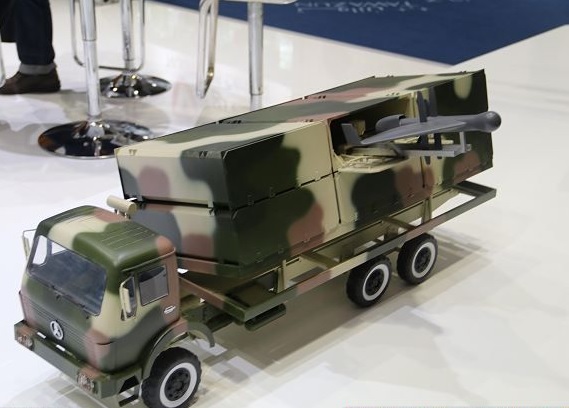
World
China’s People’s Liberation Army has released training footage showing batch launches of the ASN-301, an anti-radiation loitering munition designed to locate and destroy active radar emitters. The footage simulates strikes on radar sites, indicating that the system has moved from prototype testing to operational training as a SEAD (Suppression of Enemy Air Defenses) weapon intended to disable enemy air-defense networks. The ASN-301 uses a simple delta-wing airframe with a rear-mounted pusher propeller driven by a small piston engine. It has a body length of about 2.5 metres, a wingspan of 2.2 metres, and a weight of approximately 135 kilograms. The drone’s top speed is around 220 km/h, with an operational range of about 288 kilometres and an endurance of roughly four hours. These features allow it to stay airborne long enough to detect and attack radar signals across wide areas. The drone’s main component is its passive radar-homing seeker, which detects emissions in the 2–16 GHz frequency range — commonly used by early-warning and fire-control radars. Once an emission is detected, the ASN-301 switches to terminal homing, locking on to the source within a 25-kilometre radius. It carries a high-explosive fragmentation warhead with a laser proximity fuse, releasing about 7,000 pre-formed fragments to disable radar antennas and associated electronics. The ASN-301 is designed as a low-cost SEAD platform that can be launched in numbers from mobile, truck-mounted rail systems. These launchers enable quick deployment and repositioning. When used in groups, the drones can force enemy radar operators to turn off their systems to avoid detection, reducing overall air-defense coverage. The long loiter time and broad frequency detection range give the ASN-301 an advantage in identifying radar sites that operate intermittently. The system shows similarities to earlier anti-radiation drones such as the Israeli IAI Harpy, Germany’s DAR series, and Iran’s Shahed models. However, the ASN-301 is built entirely by China’s domestic defense industry and is now being used in training as a ready-to-deploy weapon. It demonstrates China’s progress in producing indigenous SEAD/DEAD systems and its focus on developing cost-effective unmanned solutions for air-defense suppression. The platform does have limitations. Since it relies on active radar signals to guide its attack, radar shutdowns, mobility, decoys, and electronic countermeasures can reduce its effectiveness. Defensive measures such as short-range interceptors, jamming systems, and directed-energy weapons can also be used against it. Despite these limits, the ASN-301 adds an affordable and flexible option for air-defense suppression operations. Overall, the ASN-301 represents a practical step in the PLA’s development of modern loitering munitions. Its appearance in training films suggests the system is now part of China’s regular operational exercises. As loitering anti-radiation weapons continue to develop, they are expected to play a growing role in reducing the effectiveness of radar-dependent air-defense networks across modern battlefields.
Read More → Posted on 2025-10-27 16:01:33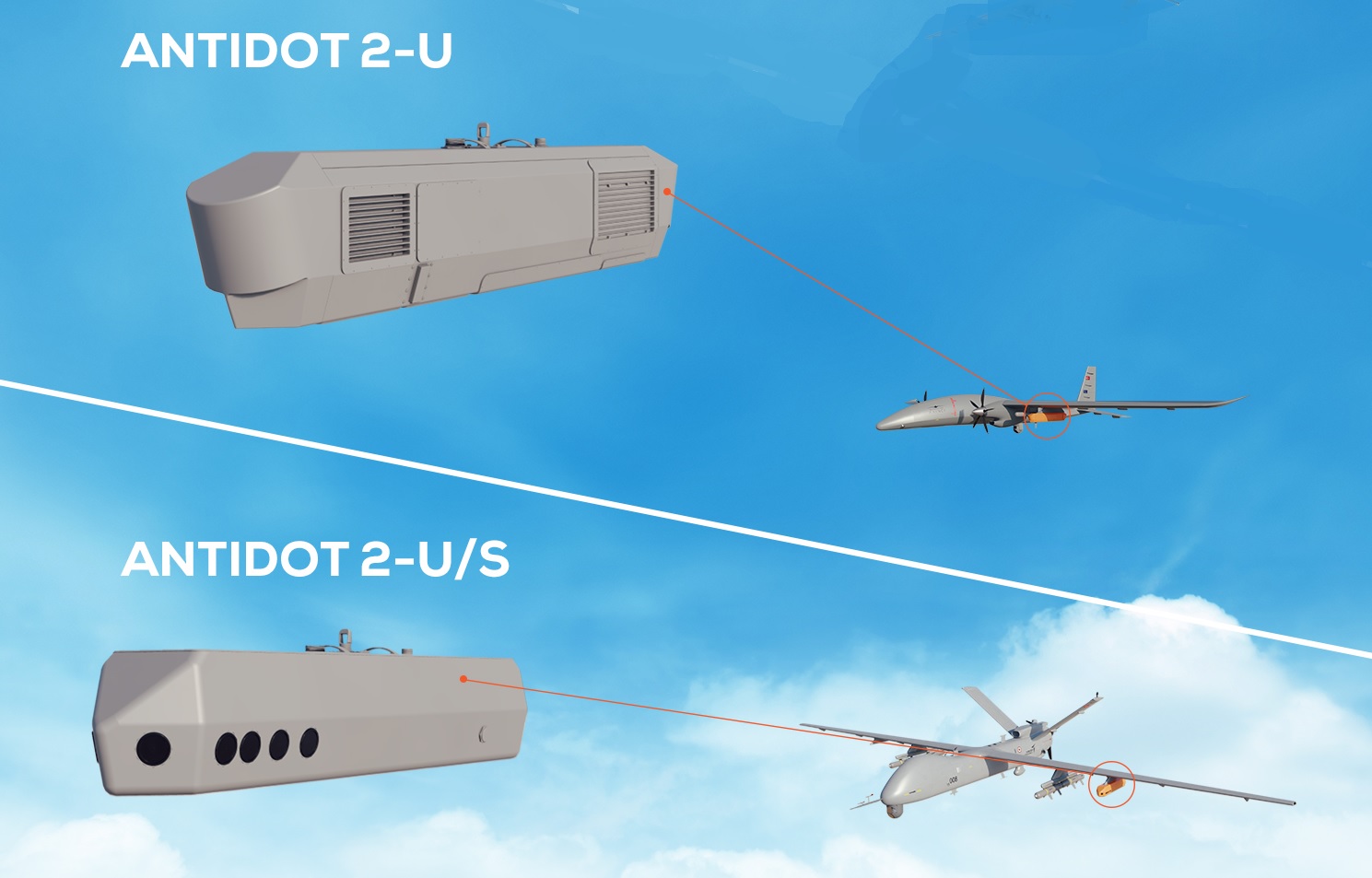
World
Türkiye has taken another major leap in unmanned combat aviation with the Bayraktar Akıncı UCAV now flying equipped with Aselsan’s new Electronic Support (ES) and Electronic Attack (EA) pods. The development — confirmed by both Baykar and Aselsan on 24 October 2025 — marks the first time a high-altitude, long-endurance (HALE) drone has transitioned from reconnaissance and strike missions into full-spectrum electronic warfare (EW) operations. This advancement fundamentally reshapes Türkiye’s approach to airpower, reducing its reliance on scarce, crewed electronic-warfare aircraft and allowing unmanned systems to assume roles once reserved for specialized platforms such as the Boeing 737 Peace Eagle AEW&C or modified F-16s with jamming pods. From ISR and Strike to Emitter Discovery and Jamming The Bayraktar Akıncı’s new configuration integrates two key systems developed by Aselsan: the ANTIDOT 2-U/ES (Electronic Support) and ANTIDOT 2-U/EA (Electronic Attack) pods. These units were spotted mounted on the seventh and tenth Akıncı prototypes during a live exercise, confirming that flight testing is already underway. The ANTIDOT 2-U/ES pod focuses on emitter detection, classification, and geolocation — allowing the Akıncı to identify and analyze radar, communication, and weapon-control signals from enemy systems. Meanwhile, the ANTIDOT 2-U/EA pod performs active jamming and deception, suppressing enemy radars and disrupting their situational awareness. Aselsan noted that these pods have significantly higher output power than the smaller ANTIDOT 2-U LB/MB/HB systems used on the lighter Bayraktar TB2 drones. This difference stems from Akıncı’s larger airframe, greater electrical power generation, and heavier payload capacity, enabling it to carry full-scale EW modules rather than lightweight escort jammers. Expanding the Role of Drones in Modern Air Campaigns By integrating these new pods, the Akıncı moves beyond the realm of intelligence, surveillance, reconnaissance (ISR), and precision strike into strategic-level electronic warfare. The system can now conduct wide-area emitter hunting, deception operations, and route sanitization for manned and unmanned strike packages — essentially clearing the airspace of hostile sensors before other assets enter. This transformation aligns with Türkiye’s broader defense vision: to achieve autonomous air dominance using networked, AI-driven unmanned systems that can operate in contested electromagnetic environments. In an era when modern air defenses — from Russia’s S-400s to Western-made Patriot and NASAMS systems — rely heavily on radar and electronic links, electronic warfare is now the entry ticket for any air operation. Incremental Growth Toward a Multi-Domain Platform The Akıncı’s journey to this point has been methodical. First entering service on August 29, 2021, the drone was initially fielded as a precision-strike UCAV, carrying Turkish-made MAM-L, MAM-T, and SOM-A cruise missiles. Over the following years, Baykar gradually expanded its avionics suite, adding SATCOM connectivity, synthetic aperture radar (SAR), and AESA radar options. These upgrades were designed with foresight — leaving growth space for SIGINT and EW payloads. As these systems matured, industry roadmaps emphasized longer endurance, higher power generation, and mission profiles tailored to electronic warfare, all of which set the stage for today’s ES/EA pairing. Strategic Impact and Future Outlook This integration has implications well beyond Turkish borders. In regional terms, it positions Türkiye among the few nations capable of fielding indigenous EW-capable drones, joining a club that includes the U.S., China, and Israel. Operationally, it gives the Turkish Armed Forces (TSK) a self-sufficient capability to suppress and deceive adversary air defenses without risking pilots or relying on imported EW systems. The Akıncı, already known for its endurance exceeding 24 hours, payload capacity of 1,500 kg, and ceiling above 40,000 feet, now emerges as a multi-domain warfare platform — equally capable of striking, surveilling, and electronically neutralizing the battlefield. In the long term, the introduction of Aselsan’s ANTIDOT pods could also pave the way for networked EW operations, where multiple Akıncıs coordinate to create distributed jamming and sensing networks, supporting both kinetic and cyber operations. The flight of the Bayraktar Akıncı with Aselsan’s ANTIDOT 2-U/ES and 2-U/EA pods marks a turning point in Türkiye’s defense evolution. It transforms an already formidable drone into an electronic-warfare spearhead, capable of protecting strike assets, blinding enemy sensors, and reshaping the architecture of future air campaigns. For a nation that has already redefined the global drone landscape, this latest step confirms that Türkiye’s unmanned future is no longer just about striking targets — it’s about mastering the entire spectrum of modern warfare.
Read More → Posted on 2025-10-27 15:37:30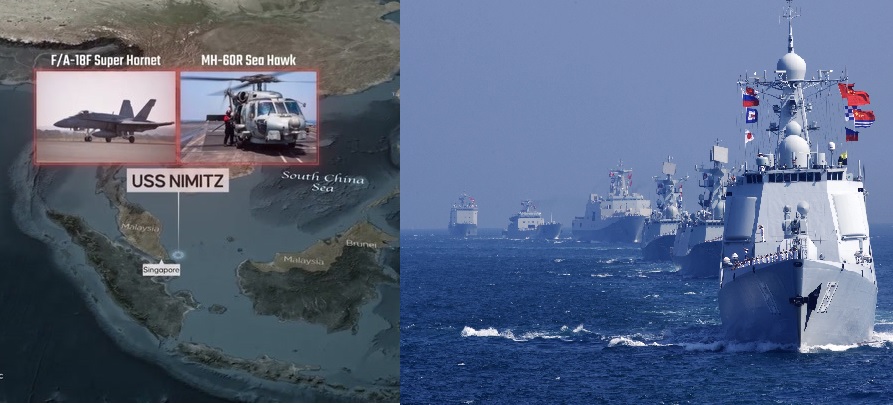
World
Tension is once again rising over the South China Sea after two U.S. Navy aircraft reportedly crashed under mysterious circumstances during operations in the region. The incidents, which occurred within hours of each other, coincided with large-scale naval and air exercises conducted by the People’s Liberation Army (PLA) Navy, sparking intense speculation about the possible use of Chinese electronic warfare (EW) systems that could have disrupted U.S. operations. A Sudden Double Crash Raises Questions According to early reports from defense monitoring networks, the two U.S. aircraft — both part of a carrier-based group operating near disputed waters — went down during what was described as a “routine training mission.” Initial U.S. Navy statements confirmed the loss of aircraft but declined to comment on the cause, saying only that “investigations are ongoing.” What has drawn particular attention is the timing and proximity of the crashes. They occurred just as the PLA Navy and PLA Air Force were carrying out a massive joint exercise involving dozens of warships, long-range bombers, and advanced electronic warfare aircraft near the same region. This has led to widespread suspicion that the U.S. aircraft may have been affected by intentional or collateral electronic interference emanating from Chinese assets. Electronic Warfare: A Growing Battlefield Military analysts note that China has been rapidly expanding its electronic warfare capabilities, integrating them into every layer of its maritime operations. Platforms such as the Type 055 destroyer, the J-16D electronic attack aircraft, and ground-based EW systems deployed across the Paracel and Spratly Islands are believed to be capable of jamming radar, communication, and GPS signals across vast distances. Some defense observers speculate that during the recent PLA drills, China might have been testing broad-area signal denial or spoofing systems designed to confuse enemy sensors and disrupt satellite navigation — technology that, if active during U.S. sorties, could theoretically have interfered with aircraft avionics or flight stability. A senior defense analyst told regional media that, “If the crashes were not mechanical, the most likely explanation would involve electronic interference — deliberate or accidental — as both aircraft went down in a high-intensity electromagnetic environment.” U.S. and Chinese Silence Fuels Speculation Neither Washington nor Beijing has directly addressed the speculation. The U.S. Indo-Pacific Command (INDOPACOM) has stated that recovery and investigation efforts are underway, but officials have refused to confirm whether electronic disruption is being considered as a possible cause. Meanwhile, Chinese state media outlets have emphasized the “success” of the PLA’s drills, highlighting the integration of advanced jamming systems and countermeasures without directly mentioning the U.S. incidents. The timing, however, is difficult to ignore. Strategic Implications If electronic warfare interference did play a role, it would mark one of the most serious confrontations between U.S. and Chinese forces in recent years — short of direct combat. It could also signal that China is testing the limits of U.S. electronic resilience in contested waters, probing how U.S. aircraft respond to non-kinetic threats in real time. Such incidents could further strain already fragile U.S.-China military communication channels, especially as both nations intensify their presence in the South China Sea — a region claimed by multiple countries but increasingly dominated by Beijing’s military build-up. The Unanswered Question As the investigation continues, experts caution that drawing conclusions too soon would be premature. Yet, the possibility that advanced electronic warfare systems might have downed two U.S. aircraft without a single shot fired underscores a new, silent danger in modern military confrontations. The South China Sea has long been a flashpoint of naval brinkmanship — but if these crashes indeed resulted from electronic disruption, it could mark the dawn of a more invisible form of conflict, where wars are not fought with missiles or bullets, but with signals, frequencies, and algorithms. For now, both nations are staying quiet — but the skies over the South China Sea have never felt more unpredictable.
Read More → Posted on 2025-10-27 14:55:26
World
For decades, the U.S. dollar has stood as the uncontested backbone of global trade and finance. Its dominance allowed Washington to shape international policies, impose sanctions, and control the movement of capital across borders. But in recent years, a quiet transformation has been underway — one largely fueled by the very tool that made the dollar so powerful: economic sanctions. By using the dollar as a political weapon, the United States has inadvertently pushed countries toward China’s yuan, turning it into an increasingly viable alternative currency for international trade. The Weaponization of the Dollar Washington’s use of the dollar as a geopolitical instrument accelerated after 2014, when sanctions against Russia were expanded following the annexation of Crimea. Since then, the U.S. has used its control over the dollar-based global payment system — particularly the SWIFT network — to isolate adversaries and pressure governments. These moves, while effective in the short term, have sparked long-term resentment among affected nations who see the policy as an attack on their sovereignty. The message was clear: countries that opposed U.S. foreign policy could be cut off from global trade, their assets frozen, and their economies crippled. But for many of these nations, survival required adaptation — and that adaptation increasingly involved bypassing the dollar altogether. The Rise of the Yuan in Global Trade China saw the opportunity early. By promoting its currency, the yuan (or renminbi), as a politically neutral trade medium, Beijing began to position itself as an alternative hub for nations seeking economic independence from the dollar. With the People’s Bank of China opening currency swap lines across Asia, Africa, and the Middle East, and with the Cross-Border Interbank Payment System (CIPS) serving as a yuan-based alternative to SWIFT, the foundation for a new trade ecosystem quietly took shape. In just the past few years, several key economies — under U.S. or Western sanctions — have turned to the yuan for critical energy and commodity transactions: Russia: Following Western sanctions after the 2022 Ukraine invasion, Russia began settling a majority of its oil and gas trade with China in yuan. Over 80% of Russia-China trade is now conducted in yuan or rubles. Iran: Cut off from the dollar system since 2018, Iran now uses yuan for oil exports and imports with China, accounting for billions in annual trade. Venezuela: Facing crippling U.S. sanctions, Venezuela shifted much of its crude exports to yuan-based contracts with Chinese buyers. Ethiopia: As Western sanctions tightened over human rights concerns, Ethiopia began settling part of its Chinese infrastructure debts and trade invoices in yuan. Kenya: In 2024, Kenya started using the yuan for bilateral trade and debt payments with China, its largest trading partner. Pakistan, Bangladesh, and the UAE have also increased yuan-denominated transactions to hedge against U.S. financial restrictions and currency volatility. Collectively, these countries represent over $1.2 trillion in annual trade volume that now partially or fully bypasses the dollar. The Unintended Consequence of Sanctions Every new round of U.S. sanctions — whether against Russia, Iran, Venezuela, or China itself — sends a clear signal to the rest of the world: reliance on the dollar carries political risk. Even neutral or non-aligned countries are quietly exploring ways to de-dollarize their trade portfolios. The BRICS alliance, for example, is promoting local currency settlements, with the yuan taking the lead as the most liquid and stable non-dollar option. In this sense, Washington’s sanction-heavy foreign policy has created a paradox. The more the U.S. weaponizes the dollar, the more it encourages other nations to seek refuge in competing systems — effectively undermining the very dominance it seeks to preserve. Sanctions and Tariffs Are Backfiring on the Dollar Beyond sanctions, America’s growing use of tariffs and trade restrictions has also eroded global trust in the U.S. financial system. Countries that were once close partners — including Brazil, India, and Canada — have increasingly diversified their reserves and trade settlements away from the dollar to reduce exposure to American policy shifts. Brazil now trades energy with China in yuan, India has settled oil purchases from Russia in rupees and dirhams, and Canada has expanded its use of alternative currencies in Asia-Pacific trade. These shifts reflect a broader recognition that the U.S., by combining sanctions with tariff wars, has made the dollar appear less of a global public good and more of a political instrument, pushing both allies and adversaries to gradually move away from it. The Yuan’s Slow but Steady March China’s approach is subtle but strategic. Unlike the U.S., Beijing does not demand political alignment from trading partners in exchange for access to its financial systems. Through projects like the Belt and Road Initiative (BRI), China is offering yuan loans, building infrastructure, and expanding its currency’s acceptance in regions once dominated by the dollar. According to data from the International Monetary Fund (IMF), the yuan now accounts for nearly 5% of global foreign exchange reserves — a small share compared to the dollar’s 58%, but the fastest-growing among major currencies. In energy markets, yuan-denominated oil and gas trade through the Shanghai Petroleum and Natural Gas Exchange is also expanding, further embedding the currency in global commodity pricing. U.S. Sanctions Begin to Backfire, Weakening the Dollar’s Global Dominance Ironically, Washington’s growing reliance on sanctions and financial pressure has started to backfire on the U.S. dollar itself. Each time the U.S. blocks nations from the global banking system, seizes assets, or imposes trade restrictions, it reinforces the idea that the dollar is not merely a global currency but a political instrument. This perception has eroded international trust and pushed countries to diversify their reserves and trade in alternative currencies such as the yuan, ruble, euro, rupees, and local units. As a result, global demand for the dollar is gradually declining, and its role as the default medium for international trade is weakening. In attempting to project power through financial dominance, the United States has inadvertently undermined the neutrality and reliability of its own currency, paving the way for a more multipolar global financial system where the dollar’s supremacy is no longer absolute. A Shift in the Global Order While the yuan is still far from dethroning the dollar, the shift is undeniable. The United States, in its attempt to maintain global control through financial pressure, has effectively paved the way for a multipolar currency system. What began as isolated responses to sanctions has evolved into a structural trend reshaping global finance. As more countries diversify their reserves, strengthen regional payment systems, and sign currency swap agreements with China, the yuan’s legitimacy as an international currency grows stronger — not through confrontation, but through necessity. In short, America’s overreliance on sanctions and tariffs has done what decades of Chinese diplomacy could not: make the yuan a symbol of economic resistance and independence.
Read More → Posted on 2025-10-27 13:30:43
World
Tensions flared over the South China Sea after two U.S. Navy aircraft — an F/A-18F Super Hornet and an MH-60R Sea Hawk helicopter — from the USS Nimitz (CVN-68) carrier strike group crashed within 30 minutes of each other during operations. The incidents occurred over international waters in the western Pacific, an area that has become increasingly contested amid ongoing U.S.-China military posturing. According to official U.S. Navy reports, all five crew members — two from the Super Hornet and three from the Sea Hawk — were successfully rescued by nearby recovery teams and are now in stable condition aboard the Nimitz. The Navy described the incidents as unrelated but “under active investigation.” The near-simultaneous crashes, however, have sparked widespread speculation. Chinese state media outlets quickly noted that the People’s Liberation Army (PLA) Navy was conducting large-scale naval and air drills in the South China Sea at the same time as the U.S. operations. Beijing claimed the exercises were part of “routine defense readiness training,” but the timing has raised eyebrows among defense analysts. A Coincidence — or Cause for Concern? The U.S. Navy has not suggested foul play, but the coincidence of two separate crashes within such a short span — amid heightened Chinese military activity — has led some observers to question whether electronic interference or jamming could have been a factor. The South China Sea has long been a hotspot for electronic warfare (EW) activity, with both U.S. and Chinese forces reportedly testing signal disruption, radar spoofing, and GPS denial systems in the region. A retired U.S. Navy aviator, commenting anonymously, said the incidents “demand a deeper look” into potential electromagnetic anomalies or mid-air coordination failures. He added, “Losing two aircraft from the same carrier in under an hour is highly unusual — especially during routine operations.” The USS Nimitz’s Strategic Role The USS Nimitz, one of the U.S. Navy’s most powerful nuclear-powered aircraft carriers, has been conducting freedom of navigation patrols and joint exercises with allied forces, including Japan and the Philippines. These operations are part of Washington’s broader effort to counter China’s territorial claims across the disputed waters. The F/A-18F Super Hornet, a twin-seat strike fighter, is the backbone of U.S. naval aviation, while the MH-60R Sea Hawk is a multi-mission helicopter used for anti-submarine warfare, search and rescue, and maritime surveillance. Both aircraft were reportedly operating under “standard flight conditions” before losing contact. Chinese Media Reaction Chinese outlets, including Global Times, quickly highlighted the crashes, suggesting that “foreign military presence in regional waters increases the risk of accidents.” However, they denied any involvement or interference from Chinese forces, emphasizing that their concurrent drills were conducted “in accordance with international law.” Still, analysts note that the PLA Navy’s drills were taking place less than 300 nautical miles from where the U.S. carrier group was operating — a proximity that raises the possibility of unintentional electromagnetic overlap or radar confusion. Ongoing Investigation The U.S. Navy has launched a formal safety and technical investigation into the crashes. Preliminary reports indicate there was no mid-air collision between the aircraft, suggesting two separate mechanical or environmental failures. Naval officials have not yet commented on whether the crashes could have been influenced by external interference. A Fragile Balance at Sea The dual accidents come at a time of heightened U.S.-China friction in the Indo-Pacific. With both navies increasingly active in the same airspace and waters, even minor incidents risk escalating into broader confrontations. As the investigations continue, the Pentagon has reaffirmed that the USS Nimitz strike group remains fully operational and continues its mission in the region. But the mysterious timing of the two crashes — unfolding within half an hour amid parallel Chinese military drills — ensures that the incident will remain under close scrutiny from Washington, Beijing, and the international community alike.
Read More → Posted on 2025-10-27 12:27:57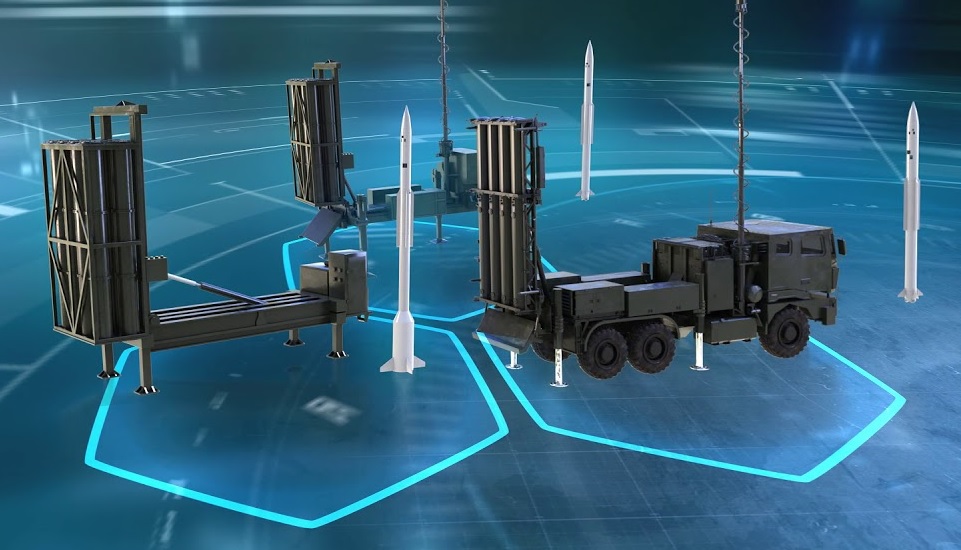
World
In a notable shift in defense strategy, Denmark has officially decided not to proceed with the procurement of Israel Aerospace Industries’ (IAI) Barak MX ground-based air defense system, despite earlier interest in the platform’s advanced multi-layered protection and anti-drone features. The announcement was made by Defence Minister Troels Lund Poulsen, who confirmed that the move follows a firm recommendation from the Danish Defence Command to invest in alternatives that offer greater immediate combat readiness and can be fielded more quickly. “We have decided, in accordance with the recommendations of the military command, to procure the most appropriate capabilities that will ensure rapid development of the capabilities,” Poulsen stated. He further explained that the senior military leadership advised against allocating resources to the Barak MX, recommending instead that funds be redirected “to other initiatives with greater immediate combat capability, including the rapid preparation of air defense capabilities on land.” The decision was endorsed by all parties to Denmark’s Defence Agreement, underscoring a unified approach toward strengthening the country’s air defense posture in a rapidly changing European security environment. The move signals Denmark’s growing urgency to field systems that can be deployed and integrated swiftly, rather than committing to complex platforms that require longer development and training timelines. A Reassessment of Priorities Amid Evolving Threats Earlier this month, Danish broadcaster DR reported that the Barak MX had attracted serious consideration within the Defence Ministry due to its advanced “soft kill” electronic warfare capability—a feature particularly effective against drones and loitering munitions. Denmark, like many European nations, has been reassessing its vulnerability to low-cost UAV threats observed in the Russia–Ukraine conflict. However, according to Danish defense officials, the evolving threat landscape has prompted a reevaluation of where to best allocate resources. Instead of investing in a single long-term, high-cost system, Denmark now aims to build a layered and flexible air defense network that can combine short-range, mobile, and electronic counter-drone assets within a shorter timeframe. Barak MX: A Capable System, But Not a Fit for Denmark’s Immediate Needs Developed by Israel Aerospace Industries (IAI), the Barak MX is a modular, combat-proven surface-to-air missile (SAM) system capable of defending against a wide array of aerial threats, including fighter aircraft, helicopters, UAVs, cruise missiles, and ballistic projectiles. Its architecture allows operators to customize the system with different interceptor types depending on operational requirements. The BARAK MX's family of interceptors are: Barak MRAD – short-range interceptor with a range of up to 35 km Barak LRAD – medium-range interceptor capable of reaching 70 km Barak ER – extended-range interceptor with coverage up to 150 km, featuring a booster stage for longer reach The system’s flexibility and modular design have made it one of the most sought-after air defense solutions among mid-sized militaries seeking integrated protection for land and naval assets. Despite these strengths, Danish defense planners reportedly found that the Barak MX’s procurement, integration, and training cycle would not deliver the rapid defensive readiness the country currently requires. Denmark is prioritizing systems that can plug directly into NATO’s Integrated Air and Missile Defence (IAMD) network, with minimal adaptation and shorter deployment times. Global Momentum for the Barak MX Continues While Denmark has opted out, the Barak MX continues to gain traction worldwide. The system has already been adopted by several nations seeking advanced multi-tier air defense capabilities: Slovakia signed a €560 million deal in December 2024. Azerbaijan purchased the system in November 2023 for approximately $1.2 billion. Morocco acquired the system in February 2022 in a deal valued at over $500 million. These procurements reflect the Barak MX’s rising reputation as a versatile, battle-tested solution adaptable to diverse operational environments — from NATO member states to Middle Eastern and North African militaries. Denmark’s Next Steps Denmark’s withdrawal from the Barak MX procurement does not signal a reduction in its air defense ambitions. On the contrary, the government and Defence Command are now expected to accelerate investments in short- and medium-range air defense systems, possibly in cooperation with European partners such as Germany’s IRIS-T SLM program or Norway’s NASAMS system, both of which have demonstrated interoperability with NATO forces. The decision aligns with Denmark’s broader defense modernization strategy, outlined in its 2024–2033 Defence Agreement, which emphasizes speed, resilience, and readiness in light of Russia’s continuing aggression in Eastern Europe and the increasing prevalence of drone warfare. As Minister Poulsen put it, Denmark’s priority is to “develop capabilities that can be rapidly deployed and that deliver immediate combat effect.” In essence, while Israel’s Barak MX remains a world-class system, Denmark’s defense planners are opting for speed over sophistication, ensuring the country’s air defenses evolve in step with the fast-changing realities of modern European warfare.
Read More → Posted on 2025-10-27 12:14:11
World
Israel’s intelligence agency Mossad has accused the Iranian regime of orchestrating a covert global campaign to attack Jewish and Israeli targets in multiple countries, including Germany, Greece, and Australia. According to Mossad officials, the operation was directed by Sardar Ammar, a senior IRGC Quds Force commander reportedly operating under the direct supervision of General Esmail Qaani, the head of Iran’s elite expeditionary wing. The claims mark a serious escalation in the shadow war between Iran and Israel — one that has increasingly spilled over from the Middle East into Western nations. Mossad’s statement alleges that the IRGC used hired criminals and foreign operatives to execute attacks, carefully designed to obscure Tehran’s direct involvement. “The strategy was clear,” one Israeli source said. “Hire outsiders, hide the trail, and maintain plausible deniability. But the pattern was unmistakable.” Covert Network Exposed According to the intelligence gathered, the Iranian network sought to ignite synagogues, Jewish community centers, and Israeli-linked facilities across Europe. In Germany, a man suspected of spying on Jewish institutions in Berlin was recently detained, prompting Berlin to summon Iran’s ambassador for an explanation. Meanwhile, in Greece, authorities foiled a plot last year that targeted an Israeli restaurant in Athens — an incident now linked to the same IRGC-run network. In Australia, the plot went even further. Intelligence agencies reportedly uncovered plans to attack Israeli diplomatic and business interests. In response, Canberra expelled Iran’s ambassador and began the process of blacklisting the Islamic Revolutionary Guard Corps (IRGC) as a terrorist organization — a move that would align Australia more closely with U.S., U.K., and Canadian policy. “Plausible Deniability” Ends Mossad’s statement, issued through Israeli government channels, declared that Iran’s “plausible deniability” is over. The agency claimed that dozens of terror attempts were disrupted through close coordination among Western and allied intelligence services. “Iran thought it could operate in the shadows through proxies and criminals,” a Mossad officer reportedly said, “but we have exposed the network, its command chain, and its financiers.” The Israeli intelligence community has long accused Iran of using covert terror operations to target Israeli citizens and Jewish communities worldwide. The new revelations suggest a more organized, transnational campaign — one that has now triggered diplomatic backlash across several continents. Diplomatic Fallout and Strategic Implications Iran has yet to issue an official response, but the allegations come at a time when Tehran faces increasing isolation over its nuclear ambitions, support for proxy groups like Hezbollah and the Houthis, and suspected cyberattacks on Western infrastructure. Analysts believe Mossad’s public disclosure serves a dual purpose: to warn Iran and to rally international support for designating the IRGC as a global terrorist entity. Western intelligence officials privately confirmed that Israeli intelligence had shared critical data leading to the arrest or surveillance of suspects in at least three countries. “Without Mossad’s coordination,” one European counterterror officer said, “several attacks would likely have succeeded.” A Warning of Severe Retaliation In closing its statement, Mossad issued a stark warning: any attack on Jewish or Israeli citizens anywhere in the world will draw a severe and direct response. The message underscores Israel’s growing willingness to strike Iranian assets abroad in retaliation for covert aggression — a policy shift visible in recent years across Syria, Iraq, and even inside Iran. As European capitals tighten security around Jewish institutions and reassess their diplomatic posture toward Tehran, one thing is clear: the battle between Israel and Iran’s shadow networks has gone global — and the world’s intelligence agencies are now on high alert.
Read More → Posted on 2025-10-27 12:02:00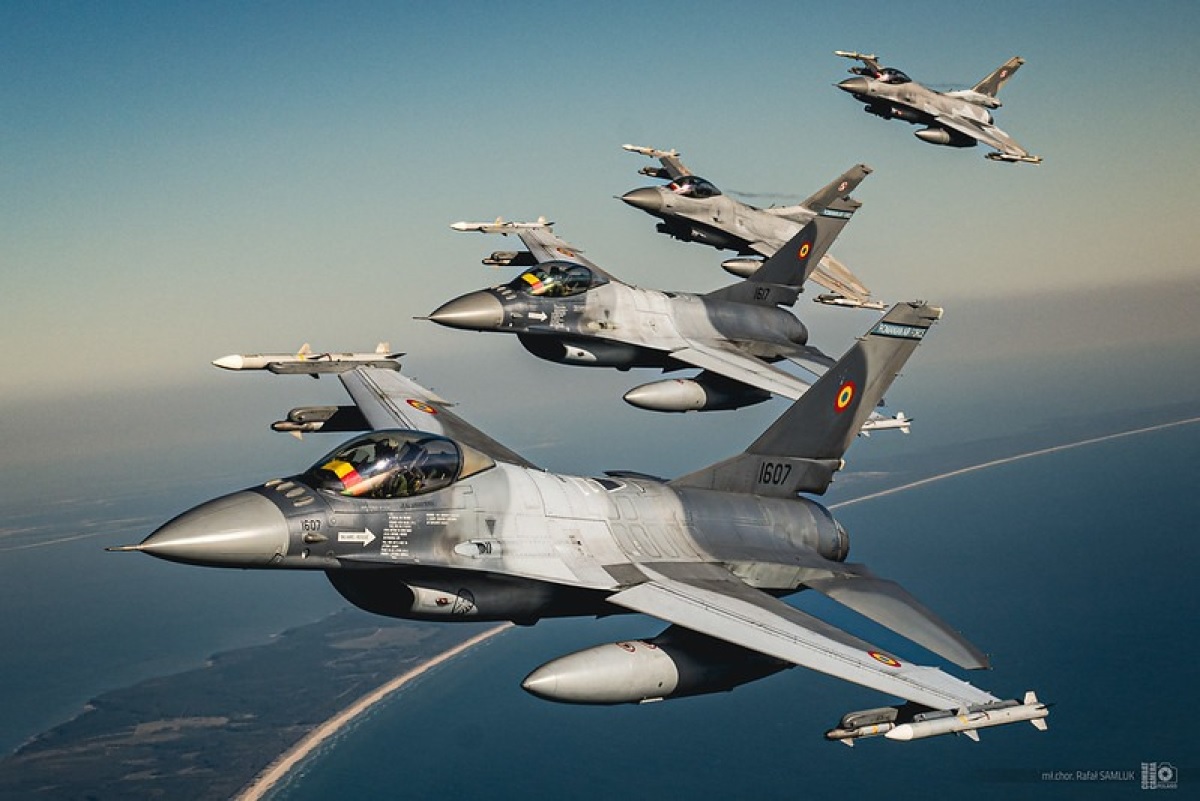
World
Romania has officially activated a new F-16 Fighting Falcon squadron at the 71st Air Base “General Emanoil Ionescu” in Câmpia Turzii, marking a major expansion of NATO’s air policing network along its eastern flank. Announced on 27 October 2025 by Romania’s Ministry of National Defence, the formation of the 48th Fighter Squadron—effective from 20 October—significantly strengthens NATO’s rapid-response posture over the Black Sea region and reinforces deterrence against growing Russian aerial incursions. \ The new unit joins Romania’s existing F-16 formations at Fetești Air Base, expanding the nation’s operational fleet to ensure a round-the-clock air policing presence across the country’s southeastern airspace. Equipped with upgraded F-16AM/BM aircraft procured from Portugal and later supplemented by aircraft from Norway, the 48th Squadron is tasked with quick reaction alert (QRA) duties, interception missions, and integrated joint operations with NATO allies. The timing of this activation is no coincidence. In recent months, Russian reconnaissance flights, drone incursions, and missile debris incidents have intensified near Romania’s eastern border—particularly around the Danube Delta and the Black Sea coast. The establishment of another operational squadron at Câmpia Turzii effectively extends NATO’s radar coverage and shrinks the air defense response time in case of violations or cross-border threats. Câmpia Turzii, long regarded as one of Romania’s most strategically positioned air bases, has seen continuous modernization since 2019. It hosts advanced radar installations, hardened shelters, and NATO-integrated command systems. The base also supports joint training exercises such as Dacian Eagle and Resilient Sky, which have improved interoperability between Romanian pilots and allied air forces, including the United States and Italy. Romanian Defence Minister Angel Tîlvăr highlighted the move as a vital step toward “a credible and resilient defense framework over the Black Sea and the eastern frontier of the Alliance.” He emphasized that the expanded F-16 presence enhances both deterrence and defense, ensuring that Romania remains a central contributor to NATO’s collective air security mission. The 48th Squadron’s activation also aligns with NATO’s broader strategic shift following Russia’s invasion of Ukraine, which prompted the Alliance to reinforce its eastern air policing corridor spanning from the Baltics to the Balkans. Under this framework, allied fighter detachments rotate through Romania and Bulgaria to maintain constant readiness against potential airspace violations. Operationally, the addition of the 48th Squadron allows Romania to conduct simultaneous air patrols in multiple sectors, covering the Black Sea, Moldova border, and Carpathian approaches. It also ensures greater flexibility for maintenance and training cycles across its expanding F-16 fleet—soon to be augmented by F-35 Lightning II jets under Romania’s future modernization plan approved in 2023. In strategic terms, this expansion represents more than an airpower upgrade. It sends a clear message of commitment and cohesion within NATO’s southeastern flank—where the Black Sea is increasingly seen as the Alliance’s most contested frontier. By standing up the 48th Fighter Squadron, Romania not only deepens its role in Europe’s collective defense but also reinforces the credibility of Article 5, the core principle that an attack on one ally is an attack on all. As aerial tensions continue to rise, Câmpia Turzii now stands as one of the Alliance’s most critical hubs—ready to respond within minutes to any threat over the Black Sea or beyond.
Read More → Posted on 2025-10-27 11:36:46Search
Top Trending in 24 Hours
-
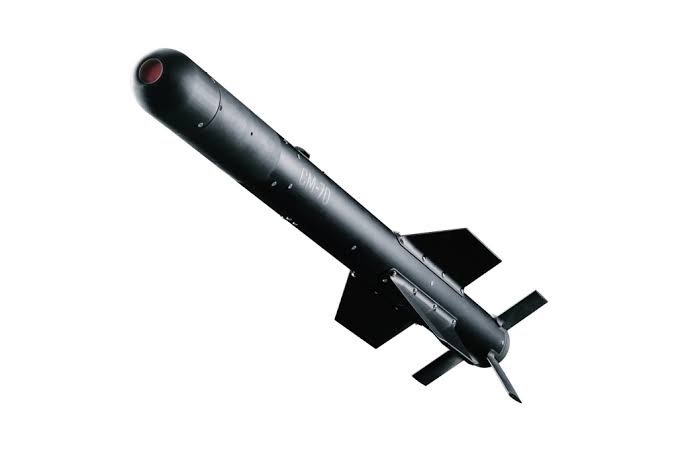 CSG and North Vector Dynamics Sign MoU to Explore European Production of CM-70 Counter-Drone Interceptor
-
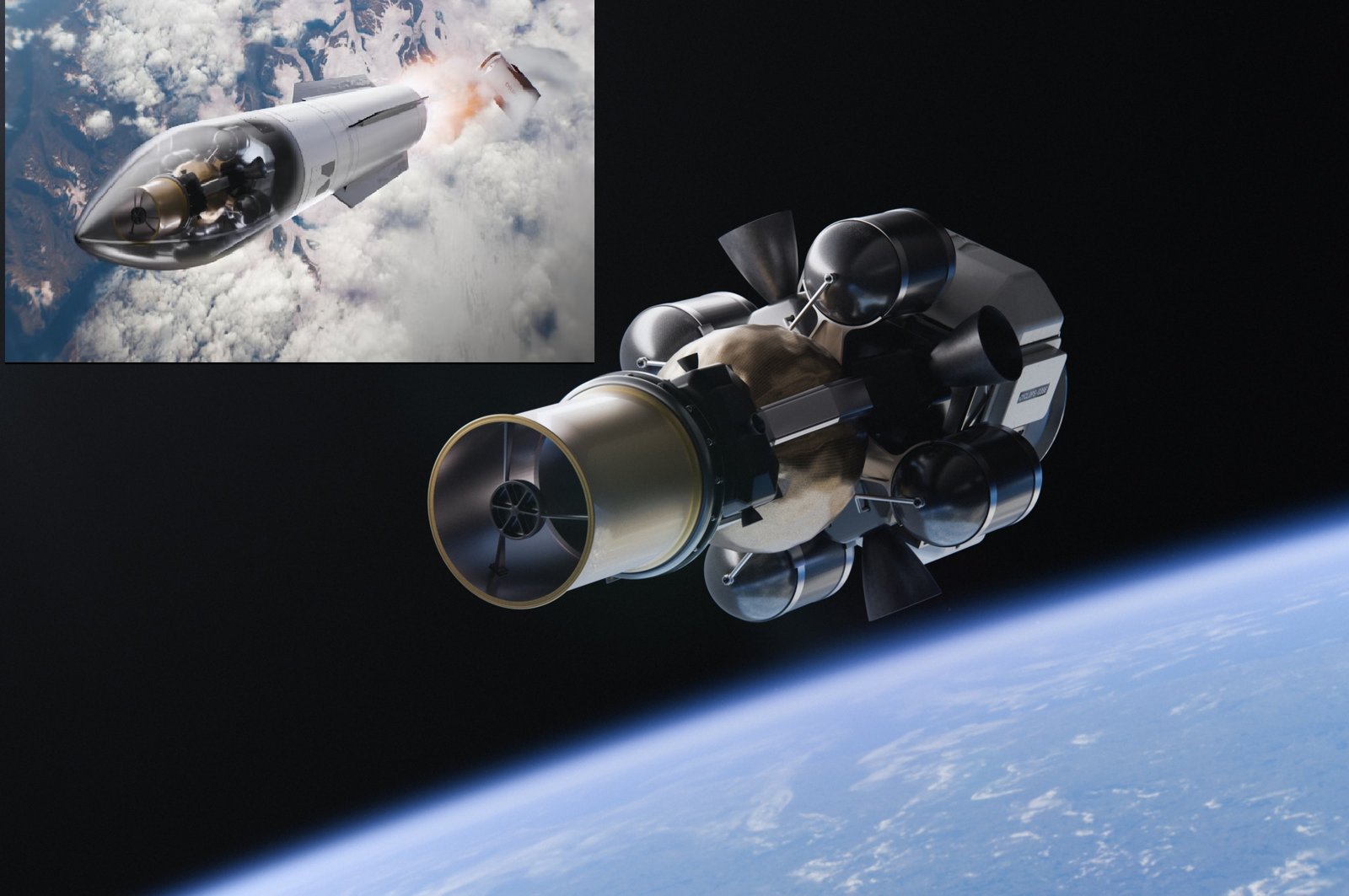 Long Wall Receives $75 Million MDA Award to Complete Cyclops Interceptor Flight Testing
-
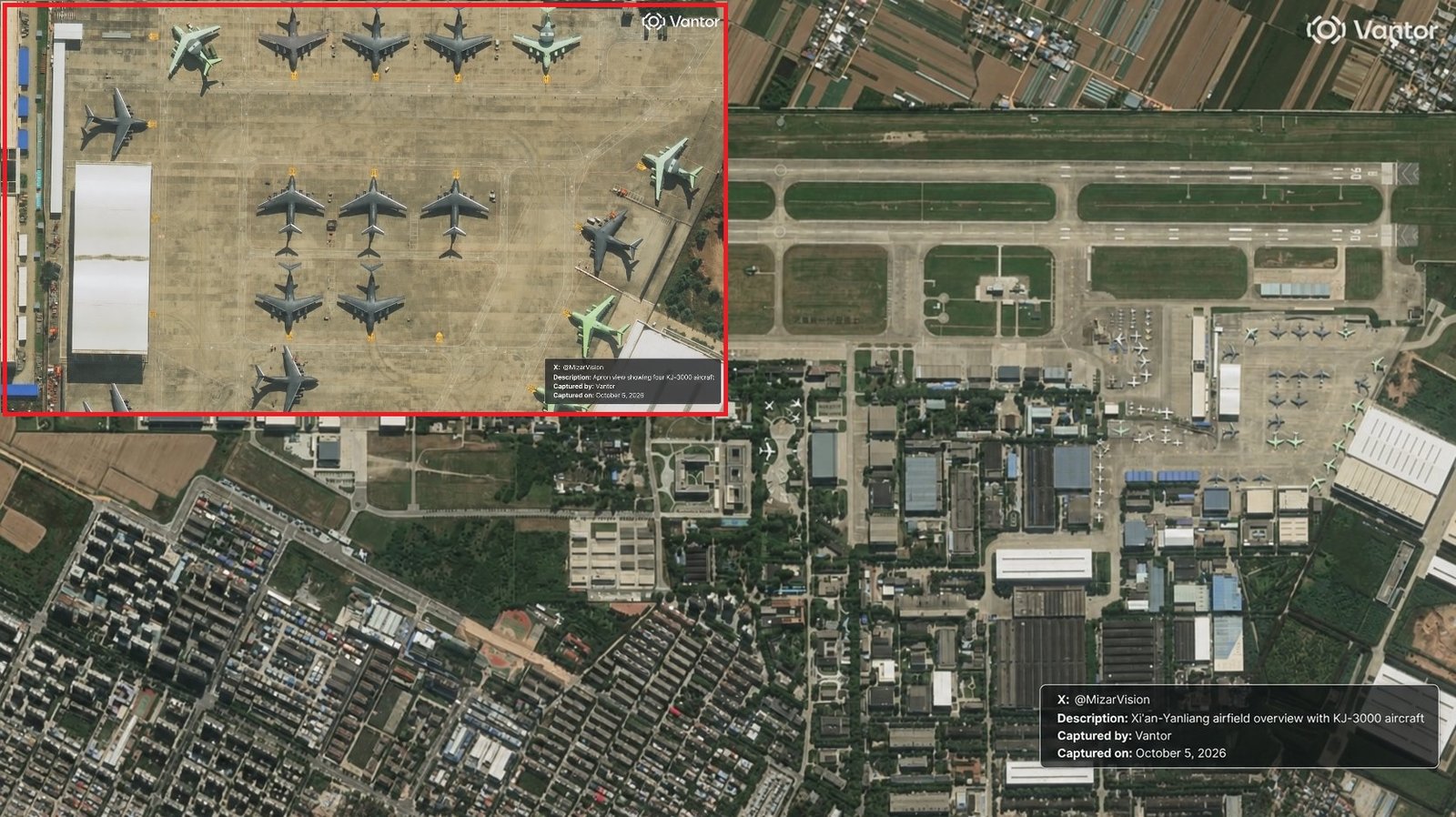 Satellite Images Reveal Four KJ-3000 AEW&C Aircraft at Chinese Aircraft Facility, Hinting at Possible Serial Production
-
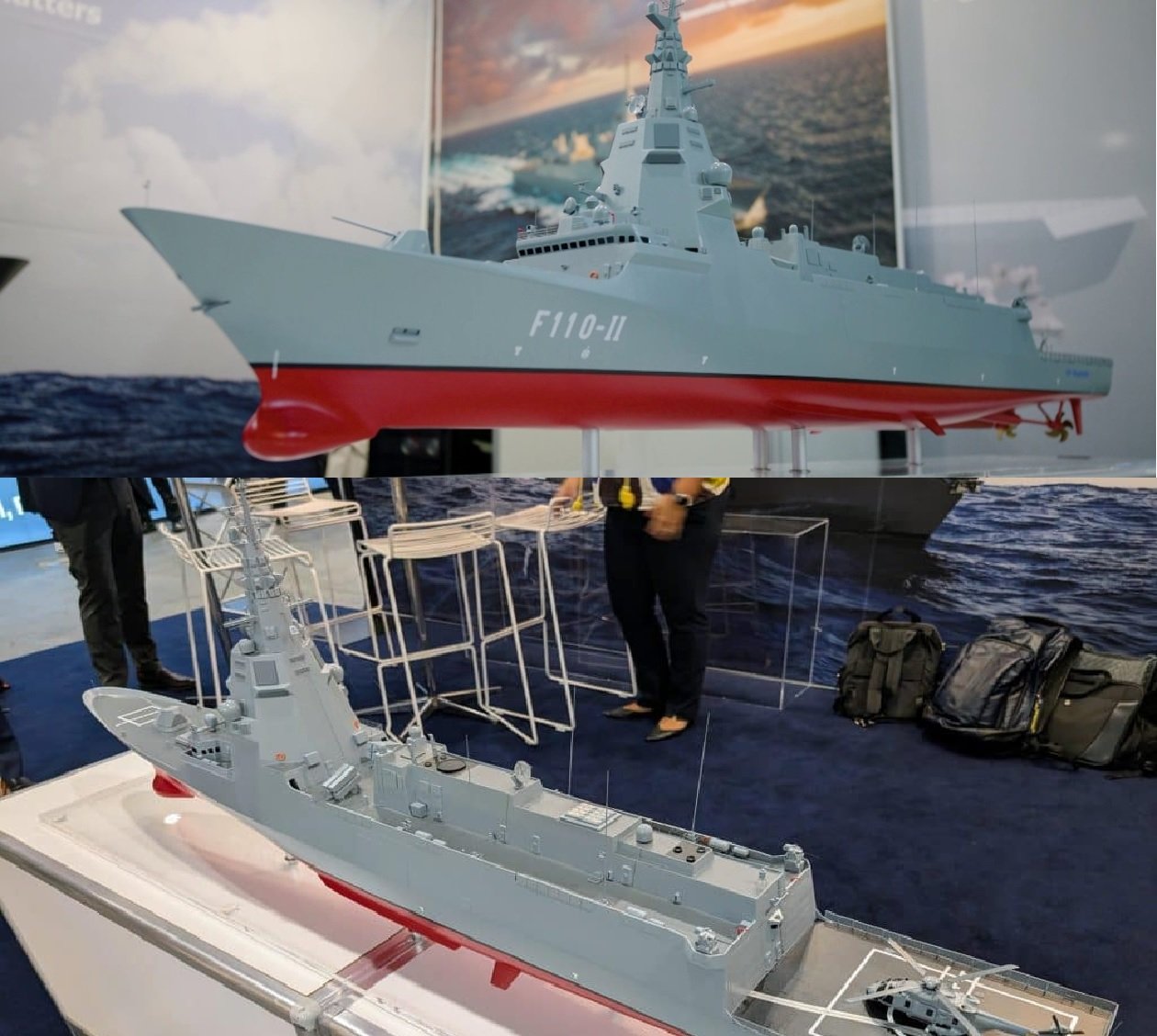 Spanish Navy and Navantia Advance F110 Frigate Design with Enhanced Air and Missile Defence
-
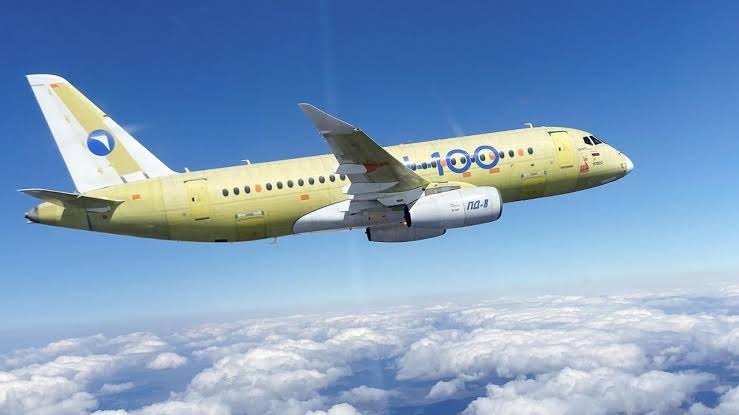 Russia’s SJ-100 Superjet Flight Control System Enters Final Certification Stage After 1,500 Tests
-
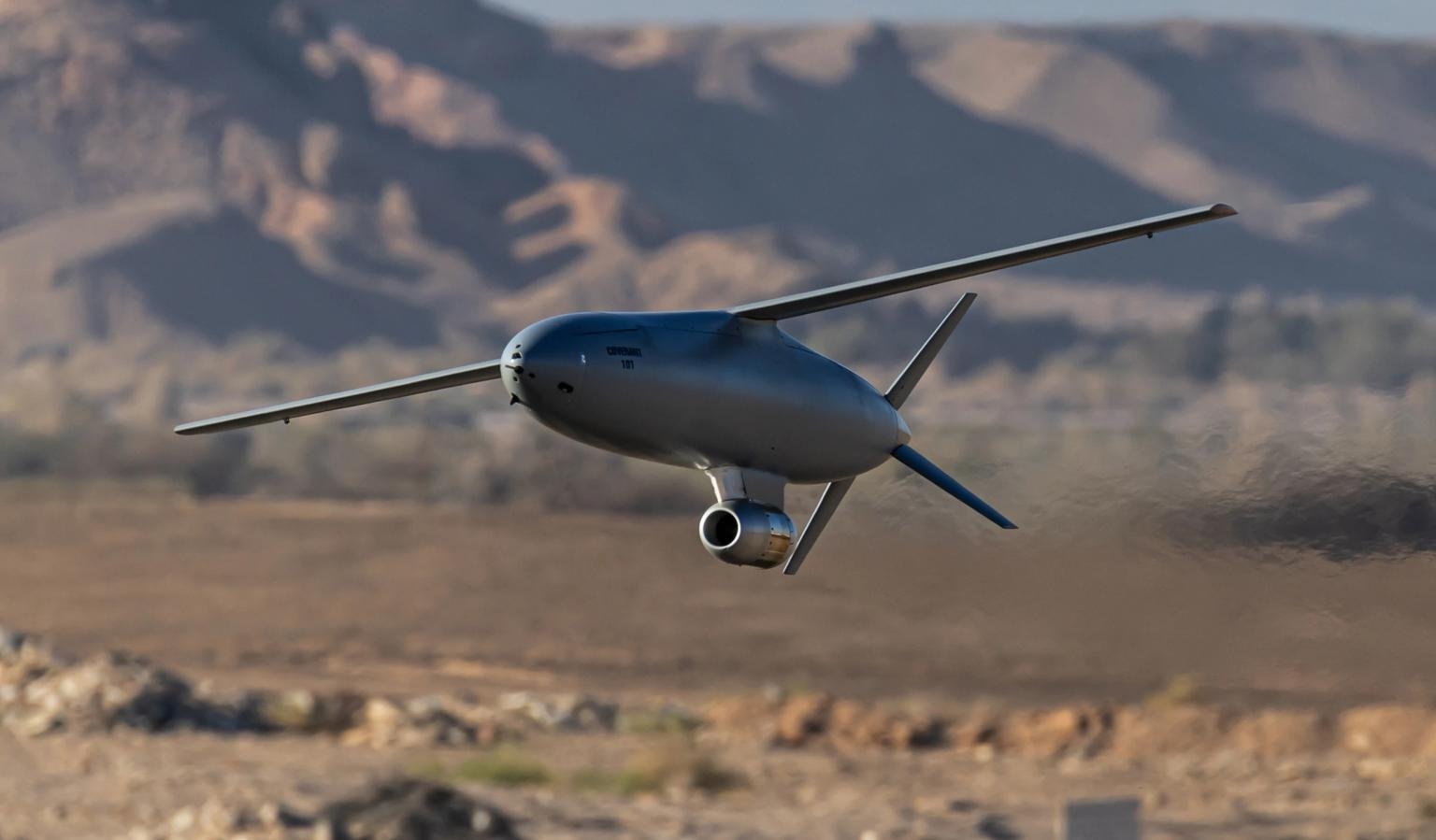 Denmark Acquires Anthem and Joint Strike Missiles in Major Long-Range Defense Overhaul
-
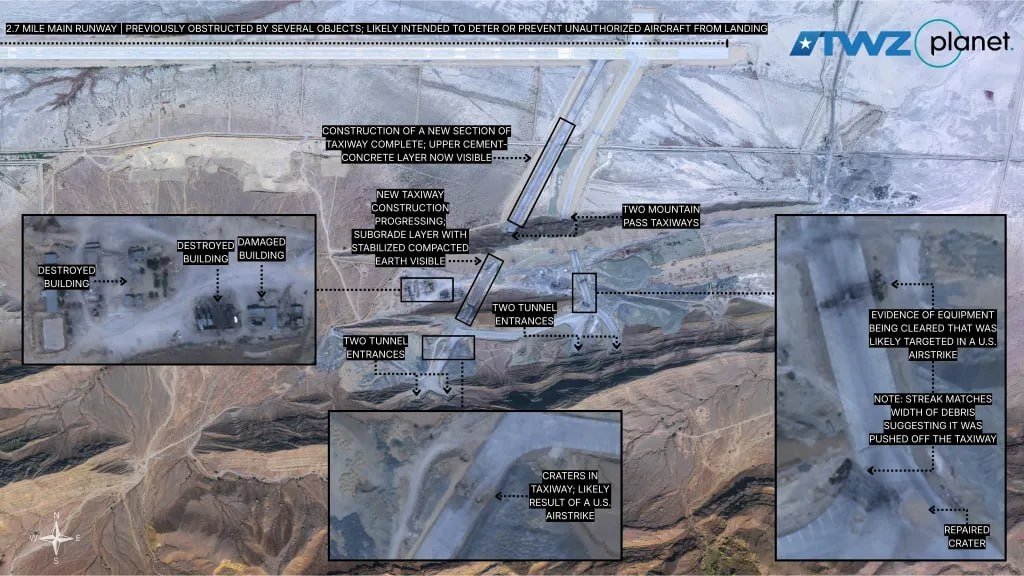 Satellite Images Reveal Iran Continues Restoration of Eagle 44 Underground Airbase After 2026 Strikes
-
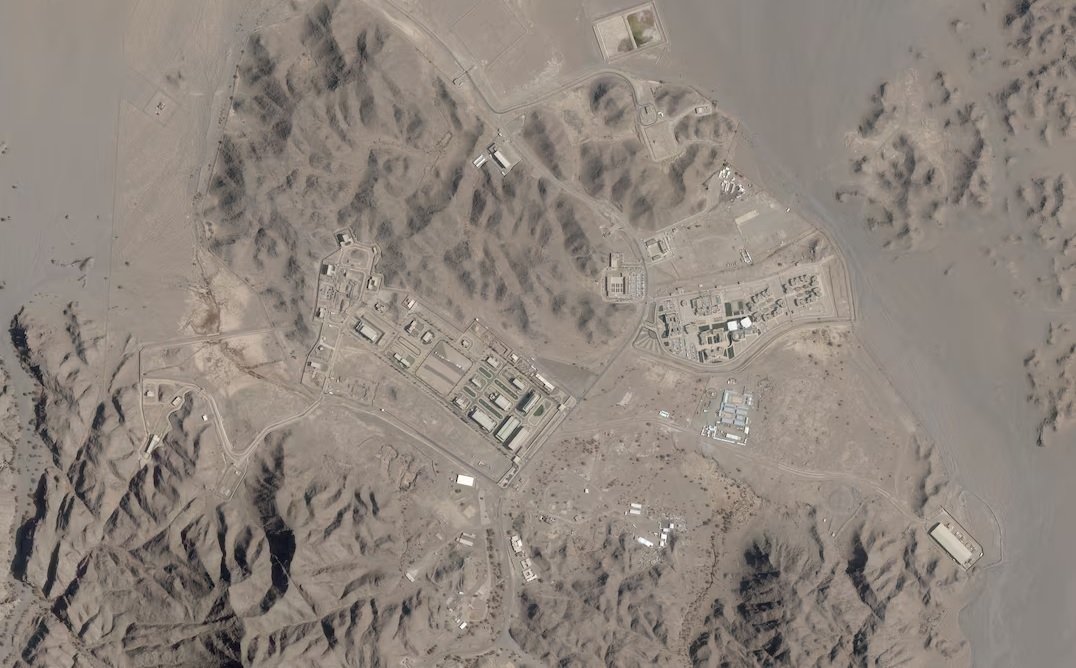 Saudi Arabia Expanding Ballistic Missile Facility for Larger Solid-Fuel Missiles, Satellite Analysis Shows
Top Trending in 4 Days
-
 NASA Sets New Artemis Milestones as SpaceX and Blue Origin Target Moon Landings in 2027–2028
-
 U.S. Air Force Awards HII Subsidiary Enlighten IT $332.8 Million Cyber Defense Contract
-
 Four NASA Volunteers Mark One Year in Simulated Mars Habitat
-
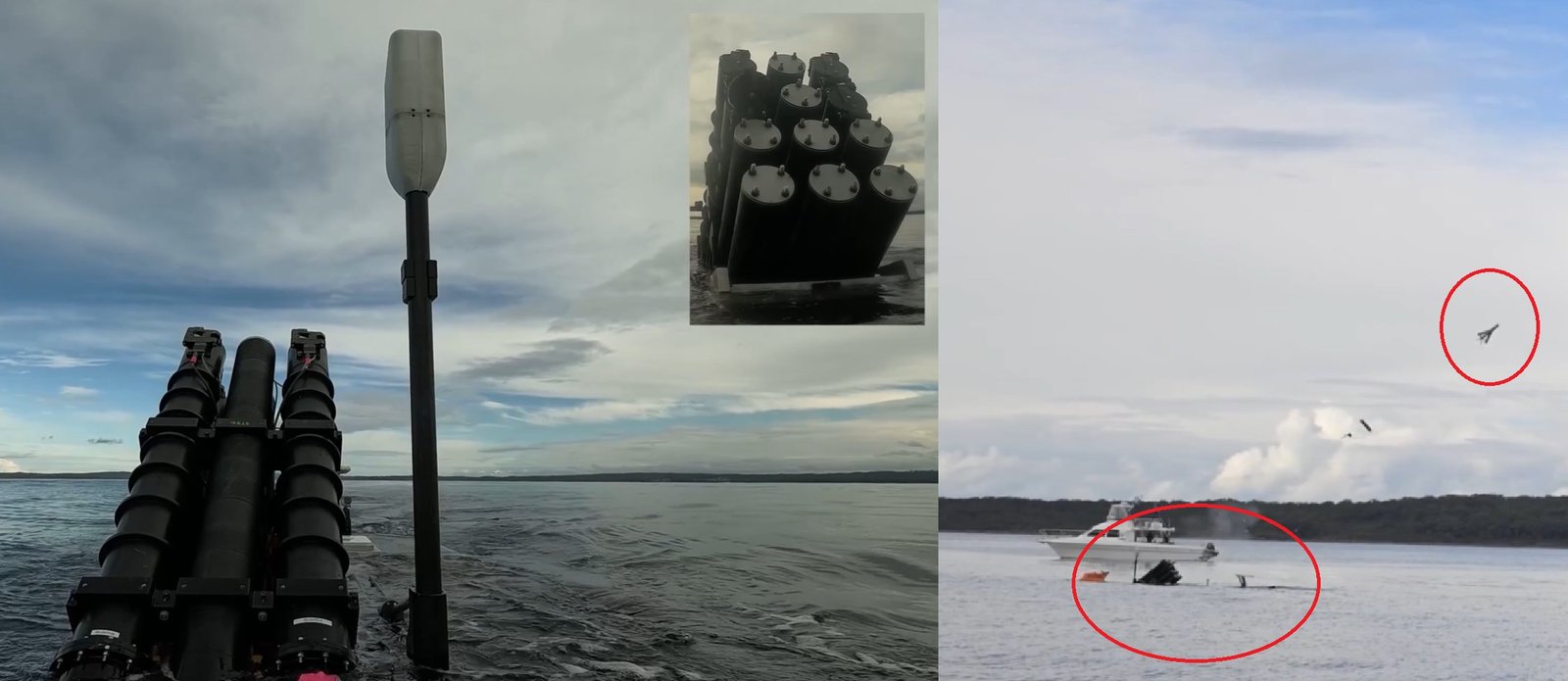 Australia Unveils Ghost Shark Autonomous Submarine’s Mine, Drone and Logistics Capabilities
-
 L3Harris Opens ‘Arsenal of Freedom’ Rocket Motor Plant in Arkansas to Double Production Capacity
-
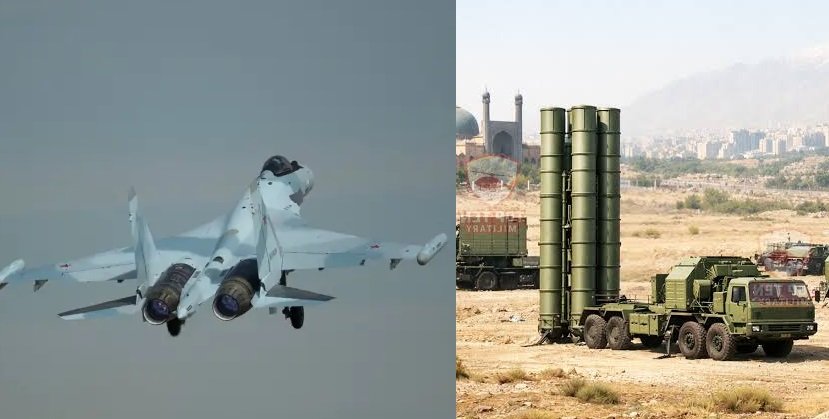 Russia Reportedly Offers Su-35 Fighters and S-400 Air Defence System to Protect Tehran
-
 Unitree Unveils H2-X ‘Kung Fu Legend: Guardian’ Humanoid Robot for Security and Rescue
-
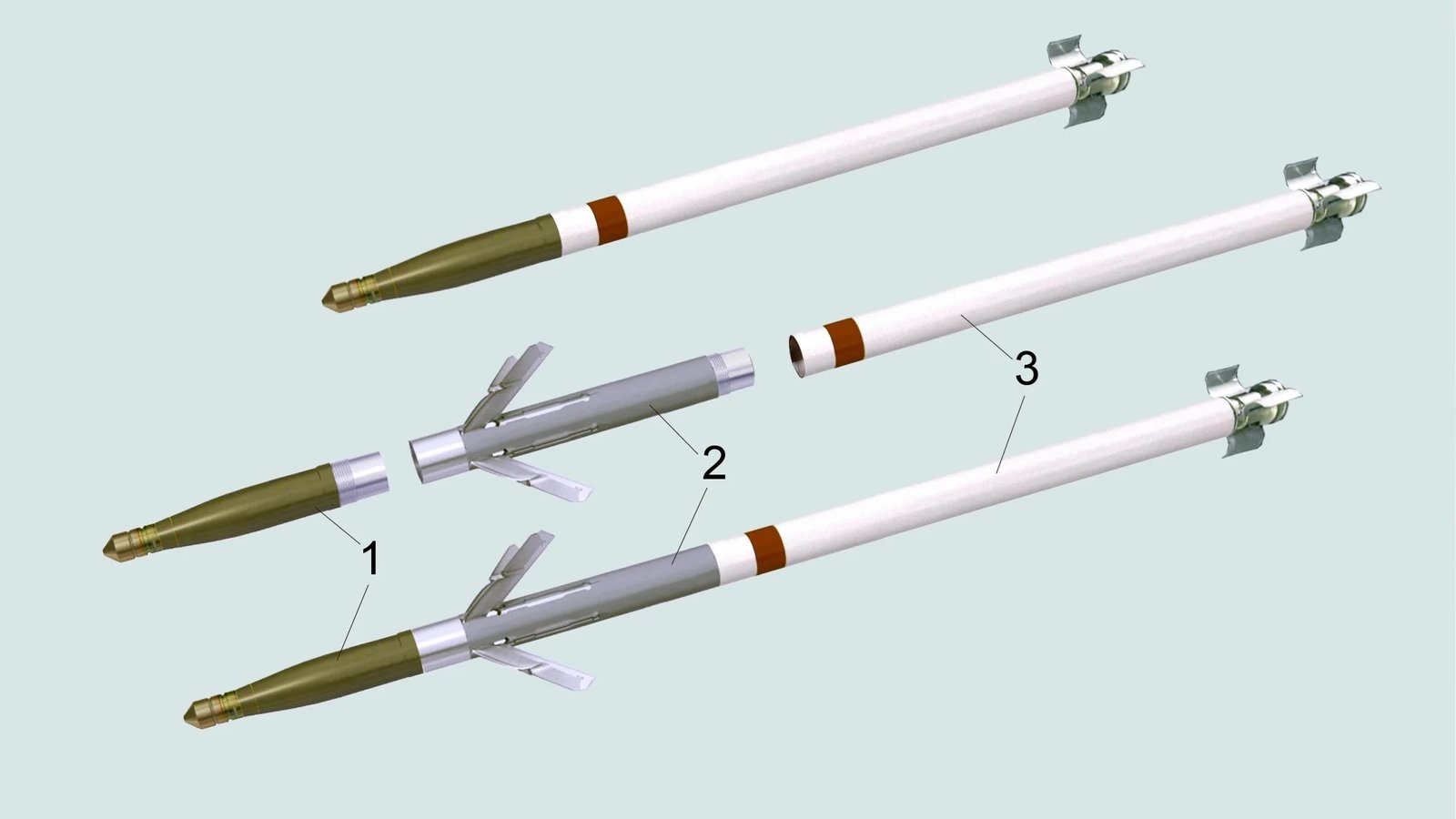 US to Buy Up to 25,000 APKWS Kits Annually, With Option to Increase to 35,000
