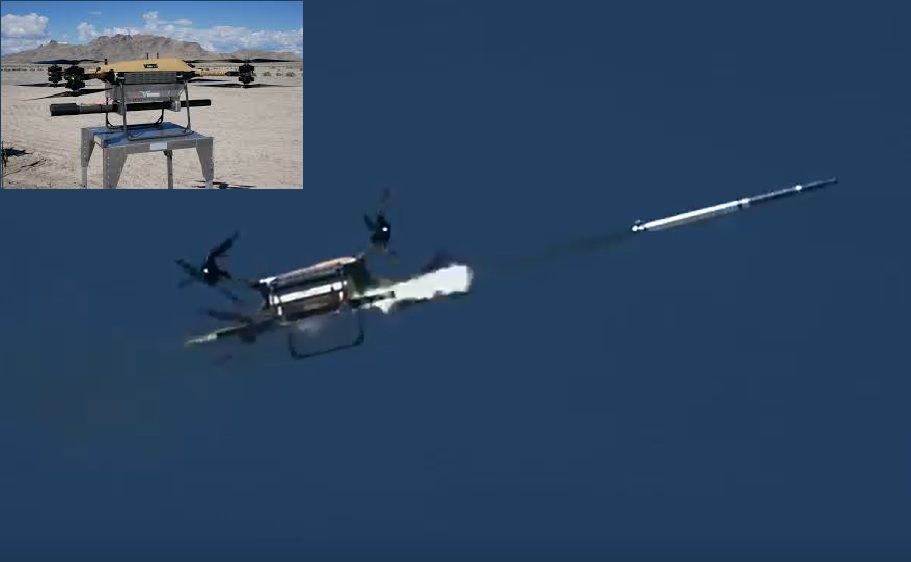
FORT RUCKER, Alabama — May 31, 2026 : Defense industry partners, alongside multiple U.S. Army aviation and development organizations, successfully tested a three-shot rocket launcher integrated onto a TRV 150 logistics drone during a live-fire event at Fort Rucker on May 20, aiming to extend precision-strike capabilities to lower-echelon formations, including the battalion level.
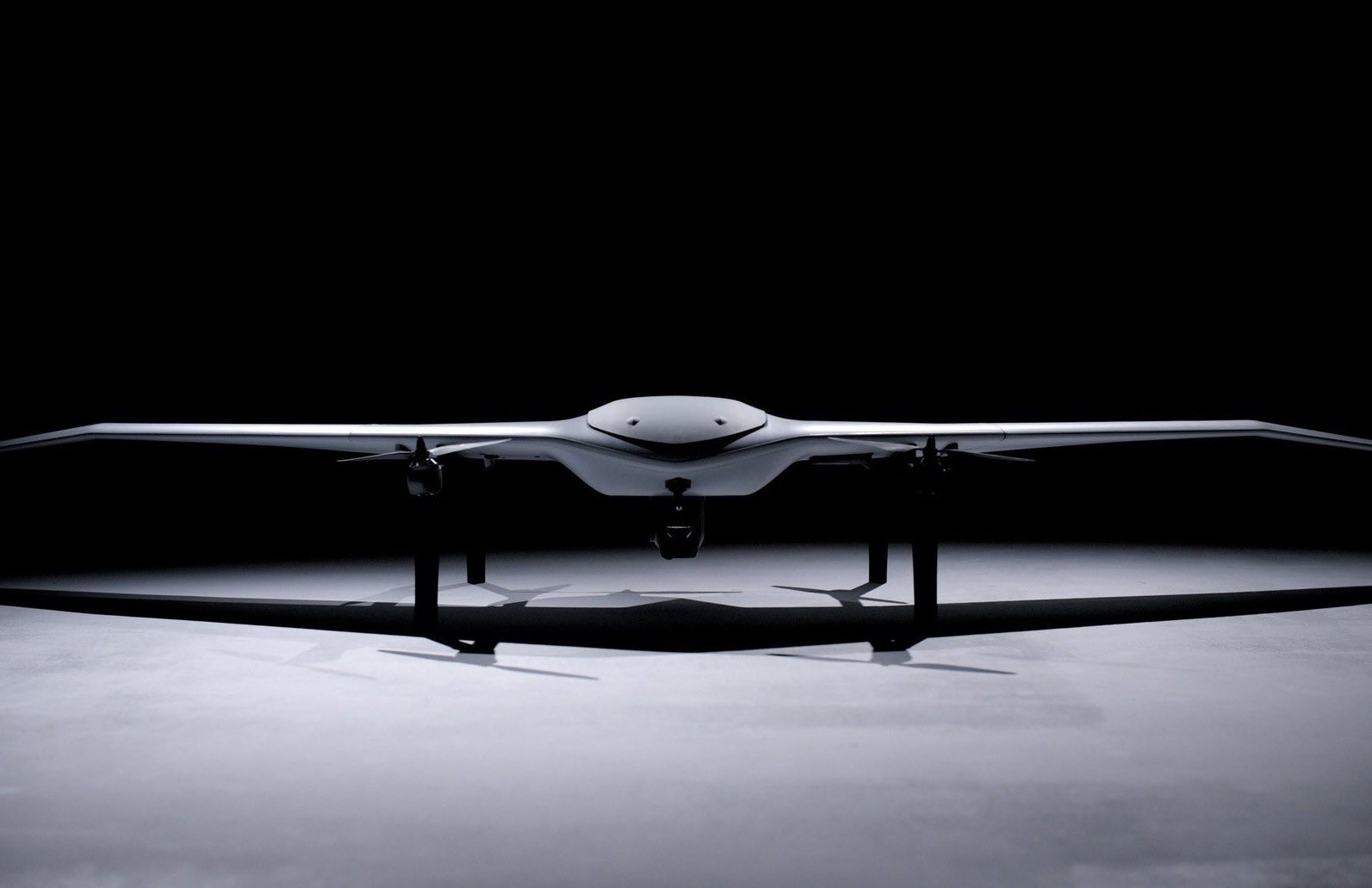
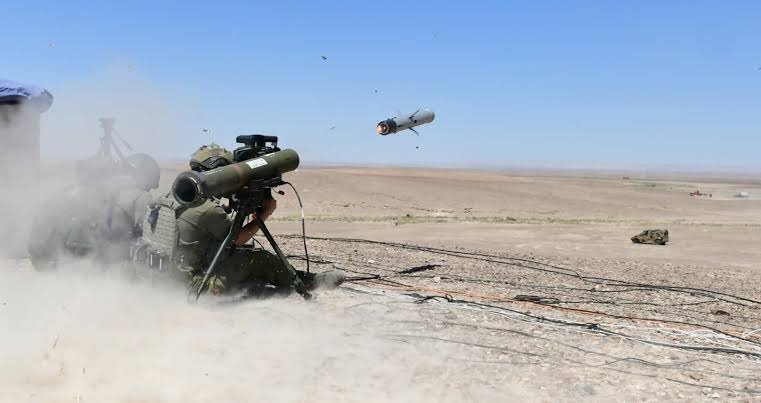
The test combined the TRV 150 tactical resupply drone, manufactured by Survice Engineering Company, with a three-pack Advanced Precision Kill Weapon System (APKWS) launcher developed by BAE Systems FalconWorks. The system fires 70 mm laser-guided rockets derived from standard Hydra rockets fitted with APKWS guidance kits, adding a precision engagement capability to a platform primarily designed for logistics and resupply missions.
The demonstration was supported by the Program Executive Office–Maneuver Air, Aviation Future Concepts Directorate, U.S. Army Combat Capabilities Development Command (DEVCOM) Armaments Center, Capability Program Executive Aviation, and the U.S. Army Aviation Center of Excellence.
According to Survice Engineering, the project was an industry-led and self-funded initiative, rather than a government requirement. Clark Dutterer, vice president of business development for Survice Engineering, said the company identified a potential operational capability and moved forward without waiting for formal Army requirements.
“Normally, industry waits for requirements to come out of the government, and they meet that requirement,” Dutterer said. “In this case, we saw that there was something that we could prove out, a new capability, and we didn’t want to wait for a requirement. We self-funded this to go ahead and do that.”
The project has been supported through internal research and development funding since January 2025, focusing on integrating existing fielded technologies rather than developing a new weapons system.
Platform and Weapon Integration
The TRV 150 is currently fielded as a logistics and resupply platform and serves as a program of record with both the U.S. Army and Marine Corps. Developed in collaboration with Malloy Aeronautics and derived from the Malloy T-150 copter, the aircraft is an electric vertical take-off and landing (eVTOL) drone designed for logistics resupply operations.
The platform has a payload capacity of up to 150 pounds (68 kilograms), allowing it to carry the three-shot APKWS launcher and munitions. Each APKWS-guided 70 mm rocket weighs approximately 15.8 kilograms, remaining within the drone’s carrying limits when integrated with launcher hardware.
Rob Baltrusch, chief engineer at Survice Engineering, described the drone as the “pickup truck” of the sky, noting that it provides power, data connections, and expansion interfaces for different payloads.
The TRV 150 operates through an interface based on the Android Tactical Assault Kit (ATAK) and uses simplified encrypted communications to reduce operator workload.
“It calculates all of the range estimation and takes a lot of the pilot duties away from the Soldier, to where they can literally give it a grid coordinate, wait, and it tells you if it can make it there, delivers the payload, and calculates the route,” Baltrusch said.
Flight Testing and Safety Evaluation
Testing at Fort Rucker focused on evaluating the drone’s flight-control software and physical response during rocket launches. Engineers assessed yaw and impulse compensation, particularly when firing from the outboard tubes of the horizontally mounted launcher.
Because multirotor drones can experience instability during weapon release, maintaining airborne stability and safe weapons deployment was a primary objective.
Tristan Decker, a system safety engineer with the DEVCOM Armaments Center, said Fort Rucker’s safety protocols for unmanned aerial systems helped streamline testing and operational procedures.
Expanding Precision Strike to Lower Echelons
The integration of APKWS onto the TRV 150 aims to move precision-guided strike capability closer to frontline formations.
APKWS rockets are currently deployed from platforms such as the AH-64 Apache and other higher-tier aviation systems. Integrating the same munition onto the TRV 150 could make precision engagement capabilities available at the battalion level and below, increasing expeditionary flexibility.
“APKWS is currently deployed from Apache and other more exquisite assets, so core and above deployment,” Dutterer said. “With that same effect on a TRV 150, you’re bringing it down to potentially battalion and below, and making it more expeditionary. You can wrap different [concepts of operations] around it for different units, depending on what their needs may be.”
The effort also aligns with senior military guidance requiring unmanned aerial vehicles to include a lethal payload option using existing inventory wherever possible.
Previous Demonstrations and Future Testing
The Fort Rucker demonstration followed an earlier single-shot test at Dugway Proving Ground in May 2025, which included an air-to-air engagement against a Group 2 fixed-wing drone and two air-to-ground engagements.
The May 20 test marked the first successful flight and firing using a three-shot launcher, expanding payload and testing capability beyond the earlier demonstration.
Both the TRV 150 and APKWS rockets are currently in service with Ukraine’s defense forces, highlighting the operational relevance of the capability in modern conflict environments.
The system is scheduled for further evaluation during Joint Readiness Exercises (J-REX), including tier-two experimentation at White Sands Missile Range in June 2026 and Eglin Air Force Base in September 2026.
Future tests will evaluate the system in base defense, air defense, and counter-unmanned aerial system (counter-UAS) roles, including its ability to defeat one-way attack drones.
Officials said the effort is intended to provide expeditionary units with a more adaptable precision-strike capability using mature technologies already in service, though no formal program of record for the armed configuration has been announced.
——— End of Article ———