THE HAGUE — The Netherlands Ministry of Defence is working with Australian defence company Electro Optic Systems (EOS) to develop the Apollo High Energy Laser Weapon System into an operational counter-drone capability.
Dutch State Secretary for Defence Derk Boswijk signed a Letter of Intent with EOS this week. The Dutch Ministry of Defence announced the agreement on September 24, with EOS confirming it on September 25.
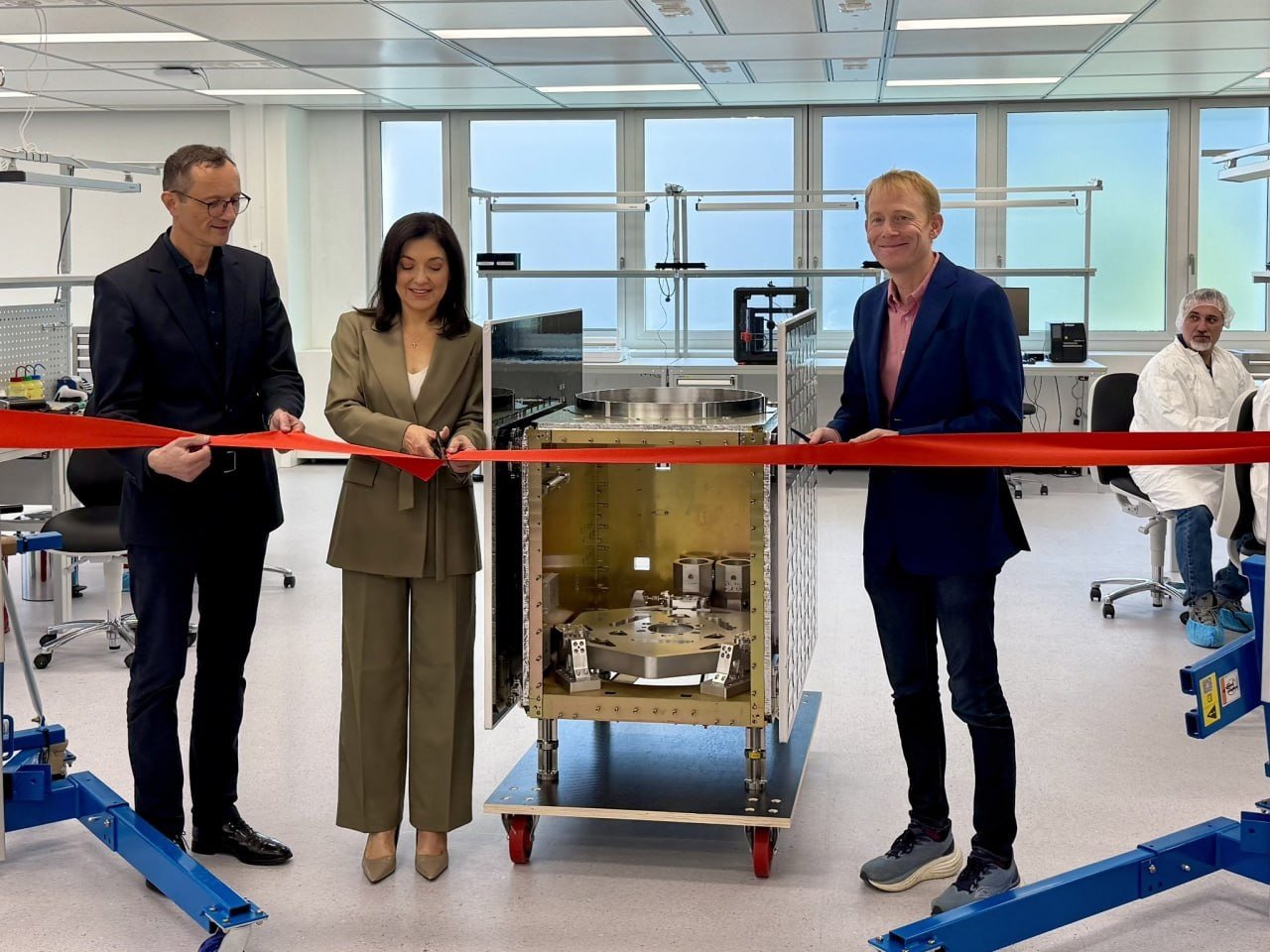
Under the agreement, the Netherlands and EOS will explore the development of Apollo into a fully operational weapon system and examine the establishment of a production facility in the Netherlands, supported by a Dutch-led European supply chain. EOS intends to conduct development and production in the country, potentially making the Netherlands its European base. If development is successful, Dutch Defence intends to purchase a number of systems.
Apollo laser capabilities
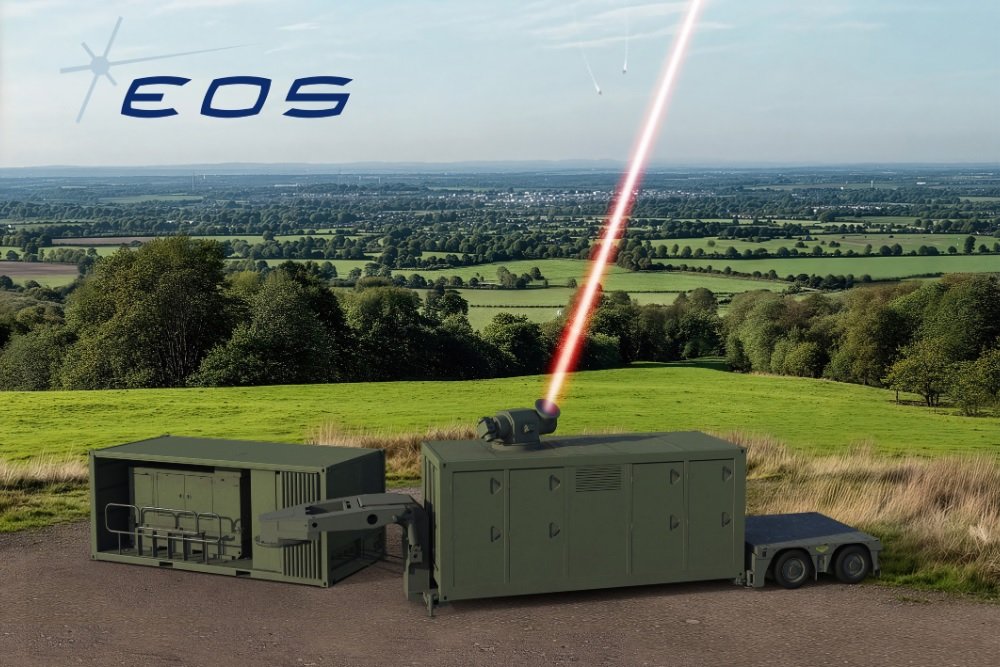
The Apollo is a scalable high-energy laser system with power levels from 50 kW to 150 kW. EOS says it can engage more than 20 Group 1 unmanned aircraft per minute.
The system has a stated hard-kill range of approximately 50 metres to 3 kilometres and an optical sensor-denial range of about 15 kilometres. When connected to external electrical power, it can conduct effectively unlimited engagements, while its internal power system supports more than 200 engagements.
Apollo is designed for mobile deployment and can be packaged in a 20-foot ISO container. It can also integrate with NATO command-and-control and integrated air-defence systems.
Follows €71.4 million Dutch order
The new cooperation builds on a €71.4 million export contract secured by EOS in 2025 for a 100 kW-class high-energy laser system from a European NATO member, later identified as the Netherlands.
The contract covers production, spare parts, training and documentation, with delivery activities planned between 2025 and 2028. Initial production was linked to EOS's facility in Singapore. EOS has indicated that the Dutch system could receive its first components as early as mid-2027, with full delivery around 2028.
Growing global laser development
Several countries are developing high-energy lasers for counter-drone and air-defence missions. The United States is advancing systems including RTX's HELWS and Lockheed Martin's ATHENA/IFPC-HEL. Israel is deploying Rafael's Iron Beam, while the United Kingdom is developing DragonFire.
Germany has demonstrated 100 kW-class laser systems on Boxer armoured vehicles and naval platforms. Turkey has tested ASELSAN's ALKA and GÖKBERK, while China has developed systems including Silent Hunter and LY-1. In India, DRDO's 30 kW Mark-II(A) laser has completed military trials and is moving toward industrial production.
Laser weapons can reduce the need for conventional ammunition, but their effectiveness remains dependent on factors including electrical power, cooling, atmospheric conditions and line of sight.
The Netherlands-EOS agreement is the next step toward developing the Apollo into an operational Dutch counter-drone capability while establishing potential local production and a European supply chain.
——— End of Article ———