BEIJING/TEHRAN — Chinese suppliers sent about 1,300 shipments of dual-use components to Iran’s Defense Ministry during the first six months of 2026, according to Iranian customs records reviewed by The Wall Street Journal.
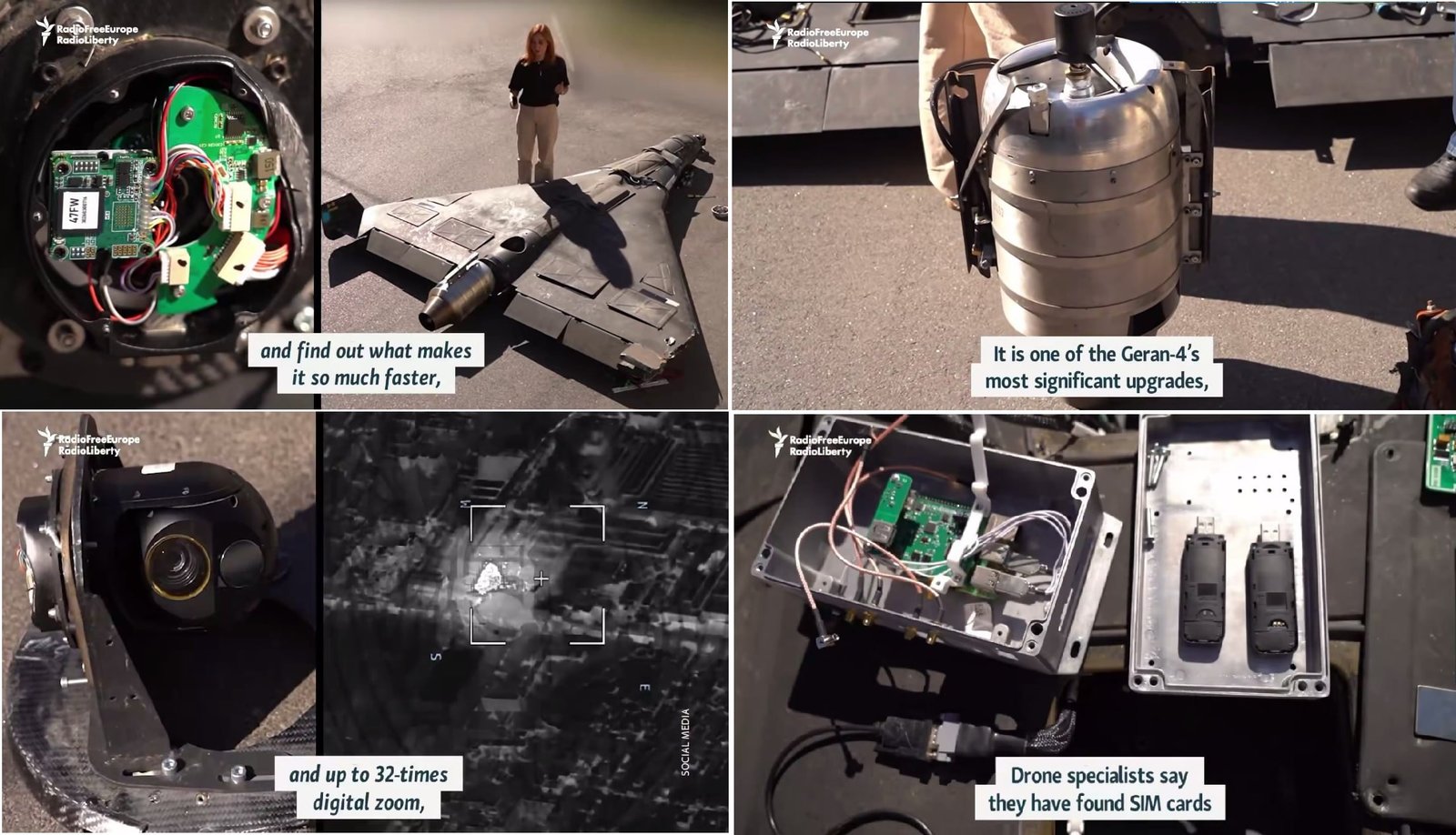
The shipments included electronics, GPS devices, electric motors, aircraft-engine parts and other components that have civilian applications but can also be used in drones and missile guidance systems. Customs records covering January 2025 through June 2026 showed thousands of similar shipments to Iran’s Defense Ministry and Iranian companies.
Several shipments were classified as defense imports under Article 119 of Iran’s customs regulations, making them exempt from standard Iranian tariffs.
Air Cargo Increased
The shipments continued during the conflict between Iran and the United States. After an April U.S. naval blockade restricted maritime trade, Iran increased air-cargo links with China.
Mahan Air, an Iranian airline under U.S. sanctions, increased flights from Beijing, Shanghai and Guangzhou to Tehran. Flight-tracking data showed about four flights per week at the beginning of March, rising to around 27 per week by late April. In the first week of September, Mahan Air operated 39 flights from China to Iran, with many focused on cargo. The airline did not respond to the Journal’s request for comment.
One Chinese shipment arrived in Tehran on June 17, the day the United States and Iran agreed to a 60-day truce. Two days later, more than a dozen additional shipments arrived carrying more than $6 million worth of components that could be used in drones.
Chinese suppliers also delivered about 300 tonnes of chemical compounds to Iran’s Defense Ministry shortly before the war began in late February. The reported materials included chemical precursors associated with weapons production and ballistic-missile propellant.
Reported Satellite Imagery
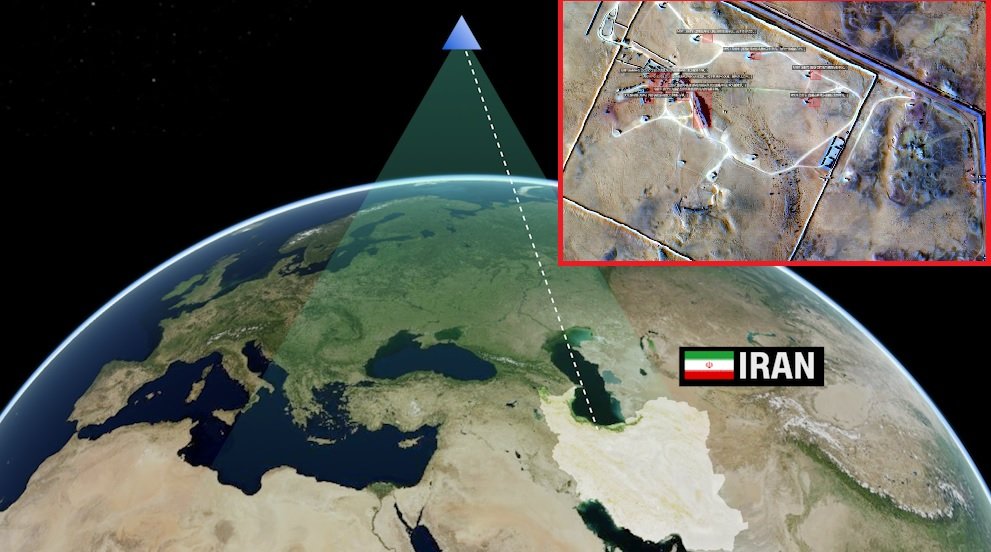
The Journal also reported that Chinese entities supplied Iran with high-resolution satellite imagery of the Muwaffaq Salti Air Base in Jordan before and after an Iranian ballistic-missile strike on July 17. The attack killed three U.S. soldiers, according to the report.
Chinese officials have rejected claims that Chinese companies provided satellite imagery for targeting U.S. forces.
China-Iran Trade
China remains the main buyer of Iranian oil despite U.S. sanctions. The Journal reported that Iran uses trading arrangements involving Chinese companies, banks and other channels to receive value from oil exports and purchase Chinese goods, including military-related equipment.
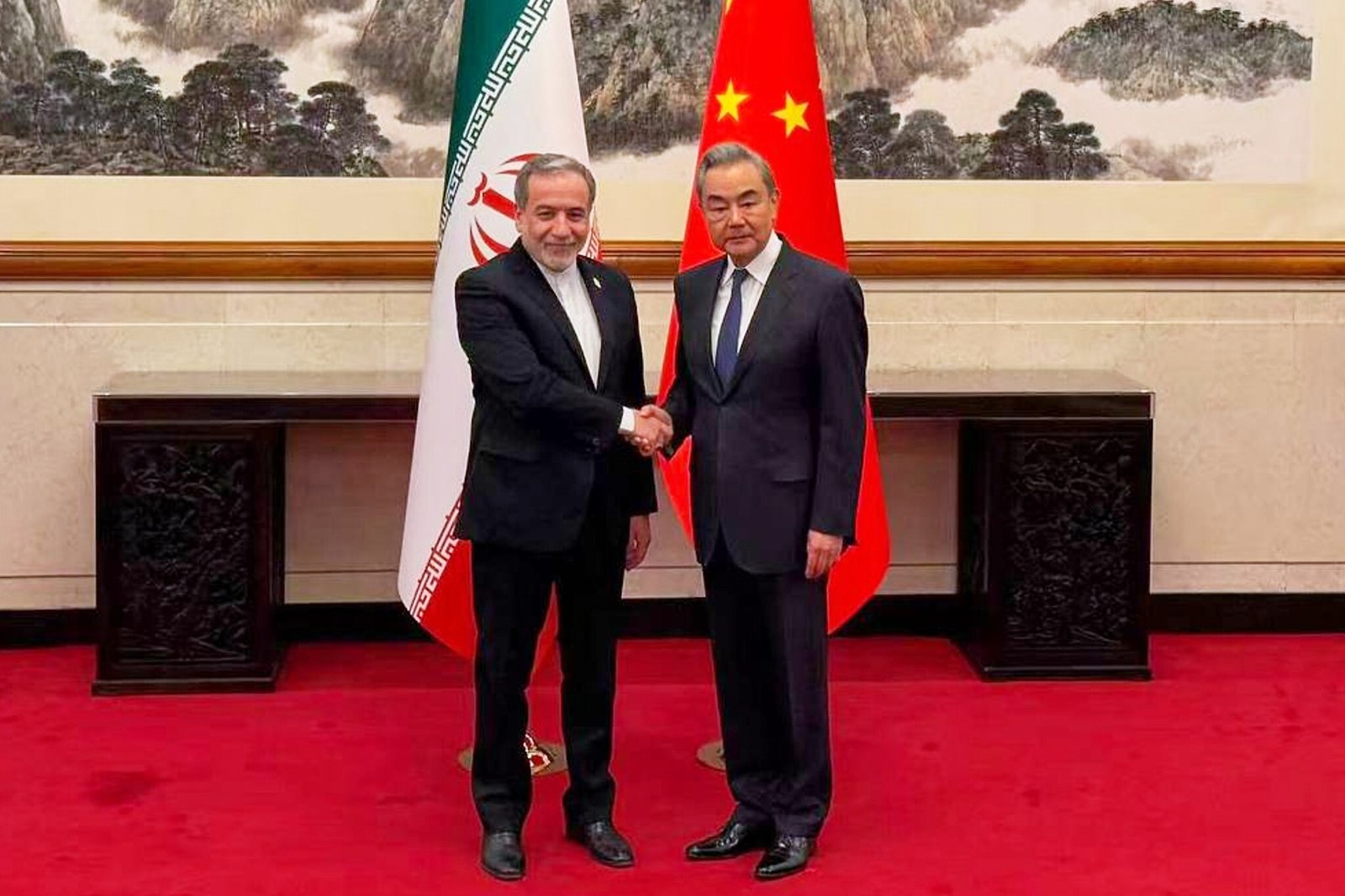
The findings were reported ahead of a meeting between Chinese President Xi Jinping and U.S. President Donald Trump in Washington.
Beijing has rejected allegations that it is fueling the conflict, saying China controls exports of dual-use goods, follows international trade rules and does not recognize unilateral U.S. sanctions against Iran. Iranian officials did not respond to the Journal’s requests for comment.
The U.S. has previously sanctioned Chinese and Hong Kong entities accused of helping Iran obtain military-related components. Because many of the reported items are dual-use products, they can move through commercial supply chains rather than conventional arms-transfer channels.
——— End of Article ———