World
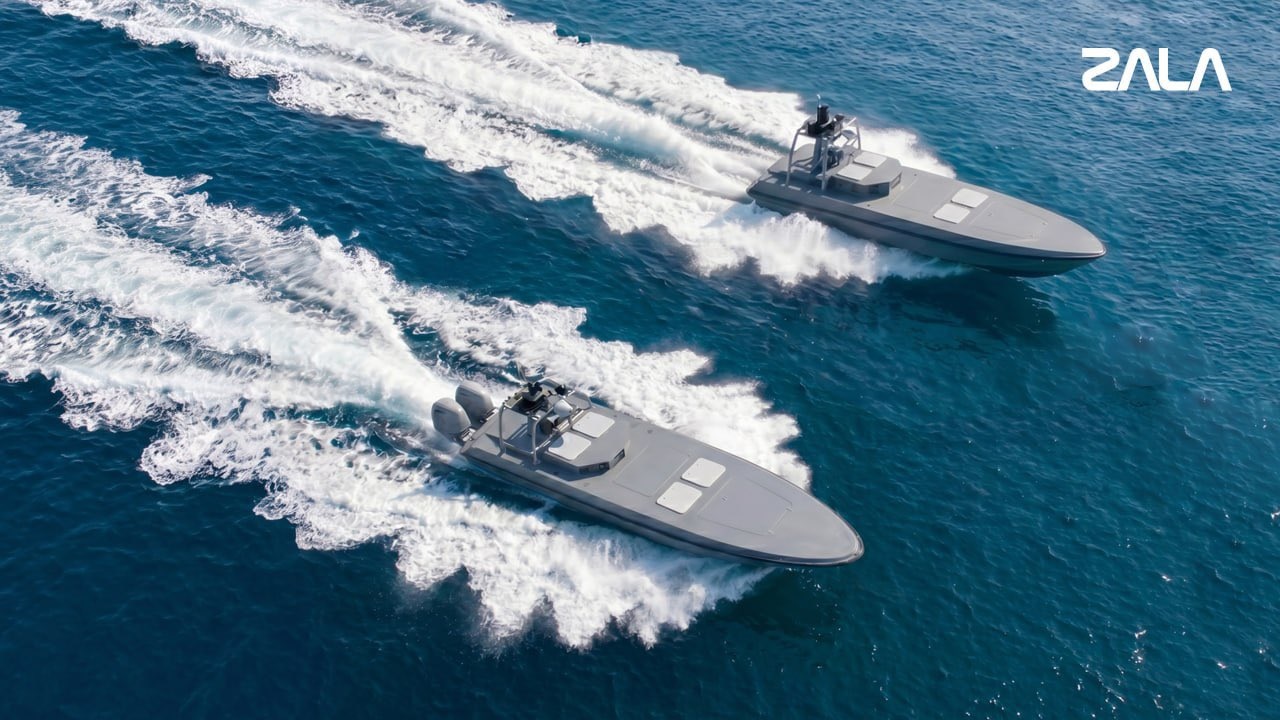
MOSCOW, — June 11, 2026 : Russian unmanned systems developer ZALA Aero Group has officially entered the maritime sector with the unveiling of its new KAMA family of Unmanned Surface Vehicles (USVs) at the International Naval Salon FLOT-2026 in Kronstadt. The debut marks a significant expansion for the company, which is widely recognized for developing unmanned aerial systems, including the Lancet and KUB-BLA loitering munitions. A subsidiary of Kalashnikov Concern, ZALA presented two variants of the KAMA platform during the exhibition, which opened on June 10 and runs through June 14 at the Museum of Naval Glory and the Congress and Exhibition Center in Kronstadt. The company stated that the vessels are designed primarily for civilian and special-purpose maritime operations. Multi-Purpose Maritime Platform According to information released at FLOT-2026, the KAMA family has been developed as a versatile and modular unmanned surface platform capable of supporting a broad range of missions. Unlike ZALA’s well-known aerial strike systems, the new maritime platform is intended for both civilian and security-related applications. The KAMA USVs can be employed for hydrographic surveys, enabling the mapping of underwater terrain and collection of navigational data. Other intended roles include environmental monitoring, detection of illegal discharges and pollution sources, maritime patrol operations, protection of water areas, search-and-rescue missions, emergency response activities, and autonomous cargo transport. Company representatives noted that the platform can be configured with different sensor packages, monitoring equipment, or transport modules depending on operational requirements. Technical Specifications ZALA disclosed several key performance characteristics of the KAMA platform during the exhibition. The vessels are capable of operating continuously for up to 12 hours and can reach a maximum speed of 12 knots (approximately 22.2 kilometers per hour). The platform has an operational range of up to 700 kilometers from shore, while its payload capacity of up to 600 kilograms allows the integration of a wide range of mission-specific equipment and sensors. The vessel is also designed to maintain position in sea conditions of up to Sea State 3, enabling operations in moderate maritime environments. For operations in poor visibility and nighttime conditions, the KAMA USVs are equipped with thermal imaging cameras. The vessels also feature an automatic return-to-base function, which activates if communication with the operator is lost. Leveraging Experience in Autonomous Systems The development of the KAMA family reflects ZALA’s effort to apply its experience in autonomous navigation, artificial intelligence, remote-control communications, and unmanned systems management to maritime operations. These technologies have previously been employed across the company’s aerial drone programs and are now being adapted for use in surface vessels. ZALA stated that unmanned surface vessels offer several advantages compared with unmanned aerial vehicles, including greater endurance, longer operational range, and increased payload capacity. These characteristics make such platforms particularly suitable for extended monitoring tasks, environmental research, cargo delivery, and maritime rescue operations. Growing Focus on Unmanned Maritime Technologies The unveiling of the KAMA platform comes amid increasing international interest in autonomous maritime systems. Unmanned surface vessels are being adopted globally for surveillance, logistics, hydrographic research, environmental monitoring, and maritime security missions due to their ability to operate without onboard crews. By introducing the KAMA family at FLOT-2026, ZALA has expanded beyond its traditional focus on aerial drones and continued its diversification into robotic systems. The move follows the company's earlier development of a universal ground robotic platform and represents another step in its broader unmanned systems portfolio. The company has not yet disclosed details regarding operational deployment plans, potential customers, production timelines, or additional variants of the KAMA family. However, the platform is being positioned to serve both civilian requirements and specialized maritime security tasks, highlighting Russia’s ongoing efforts to advance unmanned maritime technologies.
Read More → Posted on 2026-06-11 18:08:43
World
WASHINGTON, D.C./TEHRAN, — June 11, 2026 : The United States has canceled planned military strikes against Iran after progress was made on a draft peace agreement that has reportedly received approval from Iran’s highest leadership, marking a significant step toward de-escalation after months of tensions. U.S. President Donald Trump announced on Thursday that the scheduled military action would not proceed following diplomatic developments achieved through indirect negotiations mediated primarily by Qatar and Pakistan. In a statement on Truth Social, Trump said the planned strikes and bombings had been canceled because discussions with Iran had been elevated to the highest level of Iranian leadership and approved. Despite the suspension of military action, U.S. officials confirmed that the naval blockade on Iranian ports will remain in place until a final agreement is formally signed. Draft Agreement Under Review According to diplomatic sources and recent media reports, American negotiators believe Iran’s Supreme Leader, Mojtaba Khamenei, has approved a broad framework for a peace agreement. A finalized draft Memorandum of Understanding (MoU) has reportedly been sent to Washington for final review. The proposed framework includes commitments by both sides on Iran’s nuclear program, maritime access, sanctions relief, and frozen Iranian assets. Under the draft agreement, Iran would agree in principle to dispose of its stockpile of highly enriched uranium (HEU). The United States has insisted that the material be destroyed or removed under the supervision of the International Atomic Energy Agency (IAEA). The agreement also calls for Iran to cease control over the Strait of Hormuz, allowing unrestricted commercial shipping through the strategic waterway. In return, the United States would lift its naval blockade on Iranian ports. Iranian negotiators have also sought access to frozen assets held abroad, including approximately $12 billion currently held in Qatar. Key Negotiating Positions The United States is seeking the complete disposal of highly enriched uranium, the immediate reopening of the Strait of Hormuz, and a mechanism linking financial relief to verified Iranian compliance. Iran's demands include the immediate release of frozen assets, removal of the U.S. naval blockade, and a structured implementation timeline aimed at preventing future U.S. military action. Role of Regional Mediators The negotiations have been conducted through indirect channels, with Qatar playing a central role in facilitating communication between Washington and Tehran. A Qatari delegation traveled to Tehran earlier this week to help break a negotiating deadlock. Although reports indicated that Iran initially rejected a proposal for direct trilateral talks involving U.S., Iranian, and Qatari officials, subsequent back-channel discussions appear to have secured approval from Iran’s senior leadership. Pakistan has also been involved in mediation efforts during the negotiations. Background of Recent Escalation The diplomatic breakthrough follows a week of heightened tensions. On Tuesday, the United States conducted limited strikes against Iranian radar systems and drone control centers. U.S. officials said the operation was intended to increase pressure during negotiations while avoiding casualties. Earlier on Thursday, Washington had warned of additional military action, including possible strikes on Kharg Island, Iran’s main oil export hub. The planned operation was later canceled following progress in the diplomatic talks. Market Response Energy markets reacted sharply to developments throughout the day. Oil prices rose after reports of possible strikes on Iranian energy infrastructure but later stabilized as prospects for a negotiated agreement improved. With both sides reviewing the draft text, officials are expected to continue discussions in the coming days. Details regarding the timing and location of a formal signing ceremony have not yet been announced. Iran has submitted the finalized draft agreement to the United States through Qatari mediators as negotiations continue toward a potential ceasefire and broader settlement.
Read More → Posted on 2026-06-11 18:02:37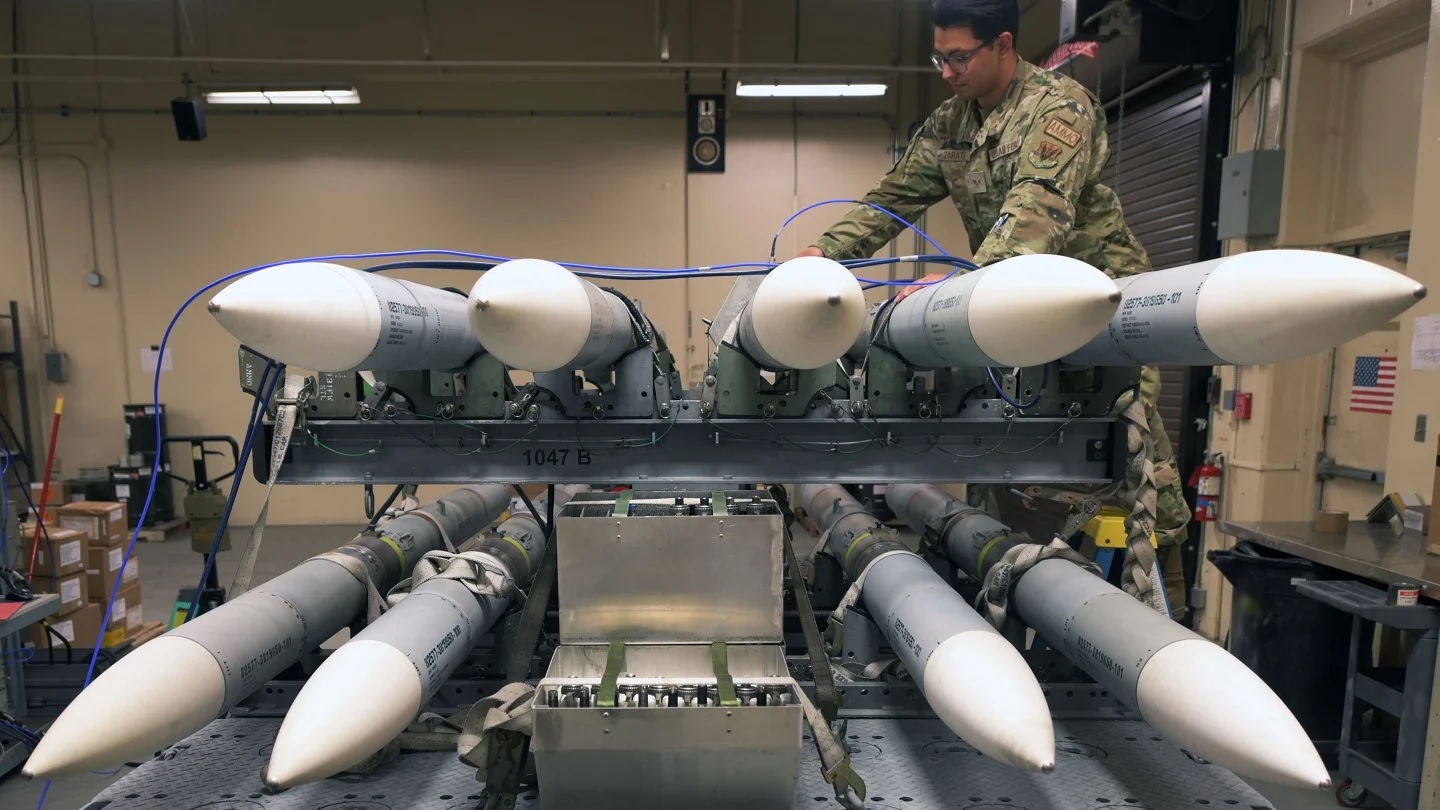
World
WASHINGTON, — June 11, 2026 : The United States Department of State has approved a potential Foreign Military Sale (FMS) to the Republic of Korea for 70 AIM-120C-8 Advanced Medium Range Air-to-Air Missiles (AMRAAMs) and related equipment, with an estimated value of $292 million. The Defense Security Cooperation Agency (DSCA) has notified Congress of the proposed sale for review. According to the State Department notification, South Korea has requested 70 AIM-120C-8 AMRAAMs and two AIM-120C-8 guidance sections. The package also includes missile containers, control sections, support equipment, spare and repair parts, consumables, software, technical publications, and engineering, logistics, and technical support services provided by the US government and contractors. The AIM-120C-8 is one of the latest variants of the AMRAAM family and is designed for beyond-visual-range (BVR) air combat. The missile features active radar guidance, all-weather operational capability, fire-and-forget functionality, resistance to electronic countermeasures, and the ability to engage high- and low-flying maneuvering targets. It is powered by a solid-fuel rocket motor and incorporates improvements in range and guidance compared with earlier variants. The missile is compatible with several aircraft operated by the Republic of Korea Air Force (ROKAF), including the F-35A Lightning II, F-15K Slam Eagle, and KF-16 Fighting Falcon. South Korea has operated AMRAAM missiles since the 1990s and has acquired approximately 1,000 missiles from various versions of the system through previous contracts. US officials stated that the sale supports American foreign policy and national security objectives by strengthening the defense capabilities of a key ally in the Indo-Pacific region. The additional missiles are intended to help South Korea maintain sufficient stocks of medium-range air-to-air weapons to address current and future security requirements. The State Department said South Korea will be able to integrate the missiles into its existing military inventory without difficulty. Officials also noted that the proposed sale will not alter the basic military balance in the region and will have no adverse impact on US defense readiness. The principal contractor for the sale will be RTX Corporation (formerly Raytheon), based in Arlington, Virginia. The final value of the procurement will be determined during negotiations for a formal Letter of Offer and Acceptance (LOA) between the two governments. Under US arms export regulations, Congress has a 15-day review period to examine the proposed transaction. If no objections are raised, the sale can proceed to final approval and contract negotiations. The proposed acquisition continues ongoing defense cooperation between Washington and Seoul and is intended to support interoperability between US and South Korean forces while sustaining the operational capabilities of the Republic of Korea Air Force.
Read More → Posted on 2026-06-11 17:54:53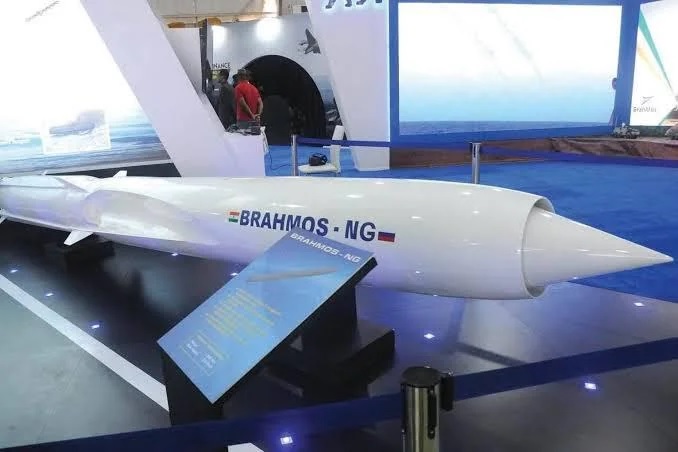
India
New Delhi, — June 11, 2026 : Development trials of the BrahMos-NG (Next Generation) supersonic cruise missile have been delayed by approximately one year after the customer introduced revised and more demanding requirements, according to BrahMos Aerospace Joint Venture Co-Managing Director Alexander Maksichev. Speaking to Russian news agency TASS on June 10 during the International Maritime Defense Show Fleet 2026, Maksichev said flight testing of the missile has not yet begun because changes were made to the customer's requirements. "Flight tests of the new-generation BrahMos-NG missile have not yet begun due to the fact that the customer has slightly changed its requirements. Therefore, we still have to make some improvements," Maksichev said. He added that the requirements have become stricter, requiring additional work to ensure the missile meets the updated specifications. According to Maksichev, the redesign effort is expected to take about one year. The latest timeline represents a shift from earlier plans. In September 2025, he had stated that the working design stage would be completed in 2026, followed by autonomous testing. However, reports in April 2026 indicated that the project was still awaiting final government clearance. BrahMos-NG Program First announced in 2011, the BrahMos-NG is a new missile design developed by BrahMos Aerospace, the joint venture between India's DRDO and Russia's NPO Mashinostroyenia. Unlike the existing BrahMos missile, the NG variant is being developed as a lighter, smaller, and lower-observable platform while retaining supersonic performance. The missile is expected to weigh around 1.29 tonnes, compared to approximately 2.9 tonnes for the current BrahMos. It will measure about 5 meters in length with a 0.5-meter diameter. Despite its reduced size, the missile is expected to achieve speeds between Mach 2.8 and Mach 3.5, carry a 200–300 kg warhead, and offer a range of approximately 290 to 350 kilometers. Its reduced weight is intended to expand compatibility across multiple platforms, including the HAL Tejas Mk.1A, MiG-29UPG, Su-30MKI, surface warships, and submarines. The missile's length was reduced from an earlier six-meter design to five meters to enable launch from standard submarine torpedo tubes. Focus on Indigenous Ramjet Engine Defence analysts believe the revised requirements are linked to the missile's propulsion system. Because the BrahMos-NG is significantly smaller than the original missile, it requires a newly designed compact ramjet engine. Earlier plans called for development of the engine by Russia's NPO Mashinostroyenia. However, India has increasingly focused on indigenous defence technologies, and the Ministry of Defence is believed to be seeking integration of an Indian-developed Liquid-Fuelled Ramjet (LFRJ) engine. India has gradually increased indigenous content within the BrahMos program. Domestic industry now manufactures major ramjet-related components, including fuel tanks and pneumatic supply systems, through technology-transfer agreements. DRDO's Ramjet Development Efforts The Defence Research and Development Laboratory (DRDL), a laboratory under DRDO, has been developing indigenous liquid-fuelled ramjet technology for future missile programs. DRDL has developed a 350 mm diameter LFRJ technology demonstrator, which currently powers the Supersonic TARget (STAR) project. The STAR system uses a booster-ramjet configuration and can operate at speeds of up to Mach 2.5 and altitudes of up to 10 kilometers. In November 2025, DRDO issued a Request for Information (RFI) seeking a development-cum-production partner for an LFRJ engine, indicating progress toward production of an indigenous propulsion system. Impact on Development Timeline Differences between the originally planned Russian-designed engine and the indigenous Indian ramjet are believed to require modifications to the missile's internal layout and airframe design. These changes are likely responsible for the additional development period before flight testing can begin. While the delay is expected to push the start of flight trials toward late 2027 or beyond, the move reflects India's continued effort to increase self-reliance in advanced missile technologies and critical propulsion systems.
Read More → Posted on 2026-06-11 17:49:27
World
WASHINGTON/DUBAI, — June 11, 2026 : The United States military carried out a series of precision strikes against Iranian military infrastructure late on June 10 and into the early hours of June 11, launching 49 Tomahawk Land Attack Missiles (TLAMs) and conducting fighter jet operations targeting facilities linked to Iran’s Islamic Revolutionary Guard Corps (IRGC). According to U.S. Central Command (CENTCOM), the operation began shortly after midnight and lasted approximately four hours. The strikes were launched in response to what U.S. officials described as continued Iranian aggression following the downing of a U.S. Apache helicopter near the Strait of Hormuz earlier this week. CENTCOM said the operation targeted command-and-control centers, air defense systems, radar installations, military communications networks, surveillance capabilities, and missile storage facilities. The strikes hit locations in southern Iran near the Persian Gulf, as well as sites reported to be within 40 miles of Tehran. The Arleigh Burke-class guided-missile destroyer USS Michael Murphy (DDG-112) was among the assets involved in the operation, launching several Tomahawk missiles from an undisclosed location. U.S. Air Force and Marine Corps assets also participated in the coordinated attack. President Donald Trump confirmed during a televised interview that exactly 49 Tomahawk missiles were used in the strikes. He warned that further military action could follow if Tehran does not agree to a peace proposal put forward by U.S. negotiators. U.S. Defense Secretary Pete Hegseth said the strikes were intended to protect U.S. interests and increase pressure on Iran to return to negotiations. CENTCOM described the operation as a precision strike aimed at degrading military capabilities that pose threats to U.S. forces and regional stability. The strikes marked the second consecutive day of U.S. military action against Iran and came amid a fragile ceasefire established in April following the broader conflict that began on February 28 with major U.S. and Israeli operations against Iranian military targets under Operation Epic Fury. Iran responded quickly to the operation. The IRGC announced that its aerospace force and navy had launched a two-wave retaliatory strike against 18 U.S. military targets, including bases hosting American troops in Kuwait, Bahrain, and Jordan. The IRGC also claimed that the Strait of Hormuz had been closed to all vessels due to regional insecurity. However, CENTCOM disputed the claim, stating that commercial shipping continues to transit the waterway under U.S. protection. The renewed hostilities have also affected maritime traffic in the region. In a separate incident, three Indian crew members were reported killed after a U.S. strike on the tanker MT Settebello in the Gulf of Oman. U.S. authorities stated that the vessel was attempting to transport Iranian oil in violation of an ongoing blockade. Iranian officials further accused the United States of striking water reservoirs in Hormozgan Province, disrupting drinking water supplies for approximately 20,000 people. Tehran described the attacks as a violation of international law and said civilian infrastructure had been damaged. The latest escalation has raised concerns over regional stability and global energy markets due to the strategic importance of the Strait of Hormuz, a key route for international oil shipments. Diplomatic efforts involving Iran, the United States, and regional partners continue as tensions remain high following the exchange of military strikes.
Read More → Posted on 2026-06-11 17:41:00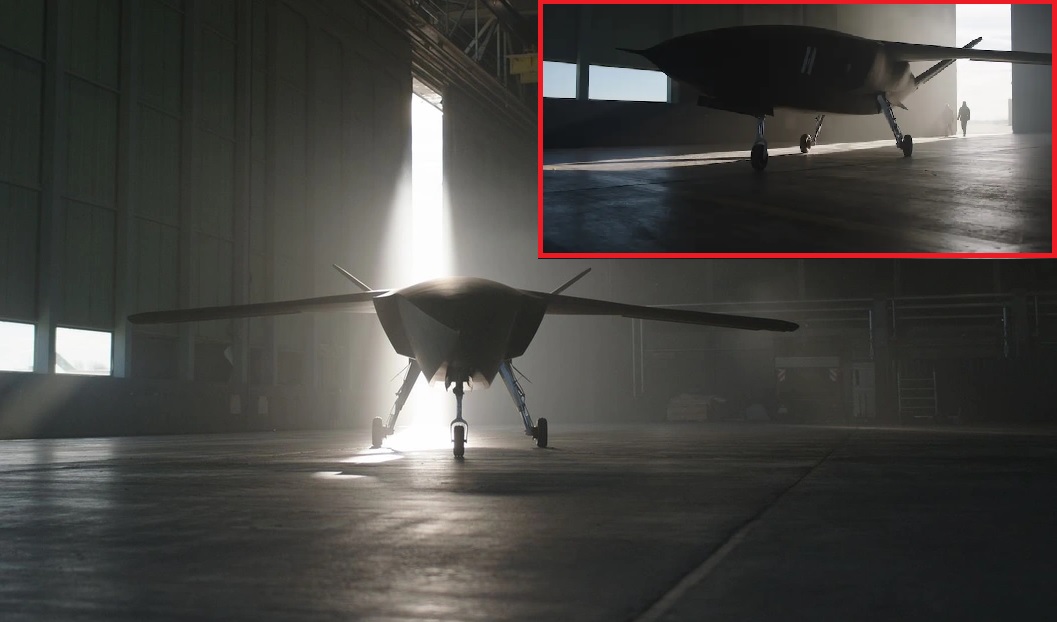
World
BERLIN, — June 11, 2026 : European defence technology company Helsing has officially unveiled the CA-1 Electronic Attack (CA-1EA), a new AI-powered autonomous aircraft developed specifically for electronic warfare missions. The aircraft was presented at the International Aerospace Exhibition (ILA Berlin 2026), marking a significant expansion of the company's CA-1 Europa autonomous combat aircraft program. The introduction of the CA-1EA also formalizes a new designation for Helsing’s original combat-focused aircraft, which will now be known as the CA-1KA (Kinetic Attack). Both variants are designed to operate together as part of a modern loyal wingman concept, providing European air forces with a combination of kinetic strike and electronic warfare capabilities for operations against advanced air defence networks. Electronic Warfare Role Modern air defence systems rely heavily on ground-based radar networks to detect, track, and engage aircraft. The CA-1EA has been developed to counter these threats by conducting airborne electronic attack missions and disrupting hostile radar systems through advanced jamming capabilities. According to Helsing, the aircraft can create safer operating corridors for friendly aircraft by suppressing or degrading enemy reconnaissance and air-defence sensors. The platform is designed to support a wide range of assets, including uncrewed systems such as the CA-1KA and crewed fighter aircraft including the Eurofighter Typhoon. The aircraft can operate independently or alongside other platforms, allowing air forces to combine electronic attack and strike capabilities during complex missions. AI and Mission Systems The CA-1EA incorporates Helsing’s proprietary Centaur AI system, which serves as the core autonomy architecture for the aircraft. The artificial intelligence platform enables autonomous navigation, mission execution, coordination with other aircraft, and operation in contested environments. The drone also integrates Cirra, Helsing’s deep-learning-based electronic warfare system. Cirra is designed to rapidly identify previously unknown electromagnetic emitters and assess the intent of adversary air-defence systems in real time, providing faster threat analysis during missions. As part of a recently announced strategic partnership with Hensoldt, the aircraft is equipped with a Kaeletron broadband jammer integrated through Hensoldt’s Multi-Domain Operations Core (MDOcore) software architecture. In comparison, the CA-1KA kinetic attack variant carries mission systems including electro-optical/infrared sensors, self-protection equipment, visual navigation systems, and a synthetic aperture radar/ground moving target indication (SAR/GMTI) payload supplied by Hensoldt. The aircraft also features an internal weapons bay and a payload capacity of approximately 500 kilograms for air-launched weapons. Standardized Design and Specifications Despite their different mission roles, the CA-1EA and CA-1KA share the same core architecture. Both variants utilize an identical airframe, propulsion system, autonomy software suite, and ground control infrastructure, with differences largely limited to their internal mission payloads. Helsing stated that this modular design approach is intended to reduce production and maintenance costs while simplifying manufacturing processes and operator training requirements. The common architecture also allows the platform to be adapted for future mission requirements and additional variants. The CA-1 Europa falls within the three-to-five-ton combat aircraft class and features the following specifications: Length: 11 meters Wingspan: 10 meters Maximum Takeoff Weight: Approximately 4 tons Speed: High-subsonic Configuration: Internal weapons bay and modular payload architecture European Development and Production Development and manufacturing of the CA-1 platform are being carried out by Grob Aircraft, Helsing’s subsidiary located in southern Germany. Helsing has positioned the platform as a fully sovereign European solution for German and allied air forces, aimed at reducing dependence on non-European supply chains while addressing growing requirements for collaborative combat aircraft and autonomous air systems. The company noted that the platform forms part of broader European efforts to strengthen indigenous defence capabilities through AI-enabled and scalable uncrewed aircraft systems. Development Timeline The CA-1 platform remains under active development, with several milestones planned over the coming years. According to Helsing's roadmap, maiden flights for the CA-1KA kinetic attack variant are scheduled for early 2027. The company expects the aircraft to achieve Initial Operating Capability (IOC) in 2029. For the electronic warfare variant, a pre-series CA-1EA configuration is planned for 2028, followed by an operationally representative system in 2029. The CA-1EA is expected to reach Initial Operating Capability (IOC) in 2031.
Read More → Posted on 2026-06-11 16:44:45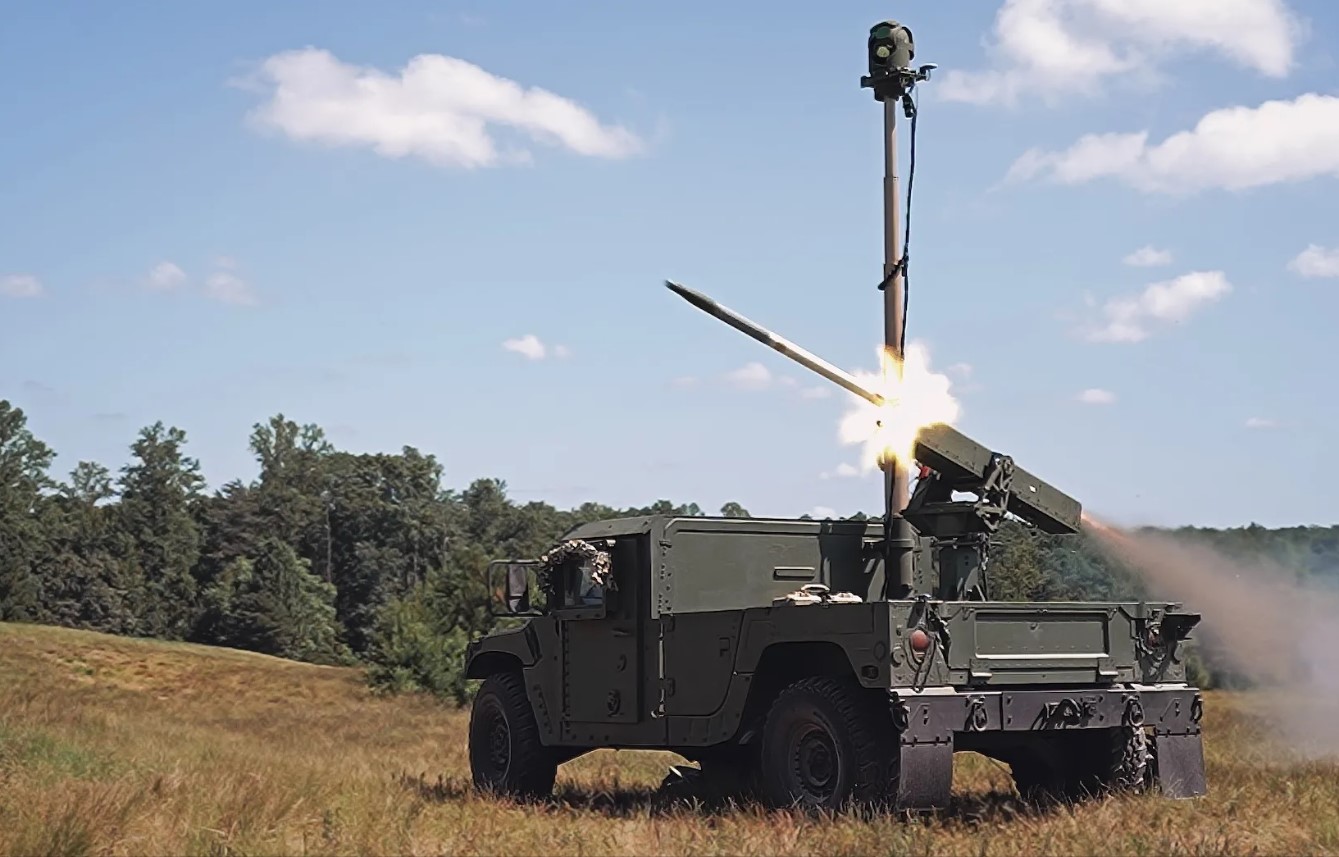
World
MELBOURNE, Fla., — June 11, 2026 : L3Harris Technologies has been awarded a U.S. Army contract worth up to $106 million to supply its VAMPIRE™ counter-unmanned aerial systems (c-UxS), supporting the U.S. military’s efforts to strengthen defenses against hostile drones. The contract is part of the U.S. Department of Defense’s layered counter-unmanned systems strategy, aimed at protecting military personnel, infrastructure, and critical assets from evolving drone threats. The VAMPIRE (Vehicle-Agnostic Modular Palletized ISR Rocket Equipment) is a self-contained weapons system that combines intelligence, surveillance, and reconnaissance (ISR) capabilities with precision strike functions. It is designed to detect, track, and engage drones, remotely piloted aircraft, and certain ground-based threats. A key feature of the system is its rapid deployment capability. VAMPIRE can be installed on the cargo bed of nearly any tactical or civilian vehicle with a flat surface in about two hours. The system operates using an independent power supply and does not require integration with a vehicle’s electrical system. It can be operated by a single person and is typically equipped with the Advanced Precision Kill Weapon System (APKWS) or other laser-guided munitions. Recent upgrades include the integration of artificial intelligence and machine learning technologies to improve target detection and tracking. The system also incorporates L3Harris WESCAM MX-Series electro-optical/infrared (EO/IR) sensors and electronic jamming capabilities to enhance counter-drone performance. “We’ve worked with the Army to understand their needs for new counter-UxS systems that can be quickly assembled, delivered, set-up and fired,” said Tom Kirkland, President of Targeting & Sensor Systems, Communications & Spectrum Dominance at L3Harris. “VAMPIRE is effective at hunting and engaging drone threats affordably, which enables U.S. armed forces to sustain reliable defense of its personnel and infrastructure.” L3Harris developed the VAMPIRE prototype in 2021 and accelerated investment in the system following the outbreak of the war in Ukraine. The platform was selected as part of a U.S. security assistance package for Ukraine in 2022 and has been used extensively in European combat operations since 2023, accumulating more than 350,000 operational hours. To meet growing demand, L3Harris launched a high-volume VAMPIRE production line in Huntsville, Alabama, in March 2026. The facility is designed to increase production capacity for U.S. and allied military customers. The latest Army order highlights the increasing focus on cost-effective and scalable counter-drone capabilities as militaries worldwide seek to address the growing use of unmanned aerial systems on the battlefield.
Read More → Posted on 2026-06-11 16:35:44
India
NEW DELHI, — June 11, 2026 : The Indian Navy has successfully recovered an unexploded missile warhead from the Marshall Islands-flagged crude oil tanker MT Olympic Life after a complex explosive ordnance disposal (EOD) operation conducted off the coast of Kerala. The incident began on May 26, 2026, when the tanker experienced an external explosion on its aft port side near the waterline while sailing approximately 60 nautical miles east of Muscat, Oman, as it exited the Gulf of Oman. The vessel was en route from Fujairah, United Arab Emirates, to Kochi, India. The explosion damaged one of the ship’s bunker fuel tanks, causing a minor bunker fuel discharge into the sea, which was quickly contained. No injuries were reported among the crew, and the vessel continued its voyage toward Kochi. During the transit, the crew reported the suspected presence of unexploded ordnance embedded in the vessel’s structure. The alert was received through the Information Fusion Centre – Indian Ocean Region (IFC-IOR), prompting an immediate response from the Indian Navy. The Southern Naval Command in Kochi deployed a specialist Explosive Ordnance Disposal (EOD) team to assess the vessel. Following an inspection, the team determined that an unidentified projectile had penetrated the ship’s hull, passed through multiple structural compartments, and become lodged inside a fuel storage tank. Given the risks associated with handling unexploded ordnance inside a fuel compartment, the EOD team carried out a carefully planned extraction operation. Using advanced diagnostic methods, naval specialists identified and isolated the warhead’s detonation mechanism before safely removing the ordnance along with associated structural debris. The recovered missile warhead was subsequently transported to a secure naval facility for safe stowage and detailed forensic examination. MT Olympic Life is a Very Large Crude Carrier (VLCC) operated by Olympic Shipping & Management of Athens, with technical management provided by Springfield Shipping. The vessel had no Indian nationals onboard at the time of the incident. According to the Ministry of Defence, the successful operation demonstrated the Indian Navy’s expertise in explosive ordnance disposal and maritime emergency response. Authorities confirmed that no threat remains to the vessel, its crew, or surrounding maritime traffic, and no injuries were reported during the operation. The Indian Navy said it remains committed to ensuring the safety of international commercial shipping in the Indian Ocean Region, regardless of a vessel’s flag or crew nationality.
Read More → Posted on 2026-06-11 16:30:20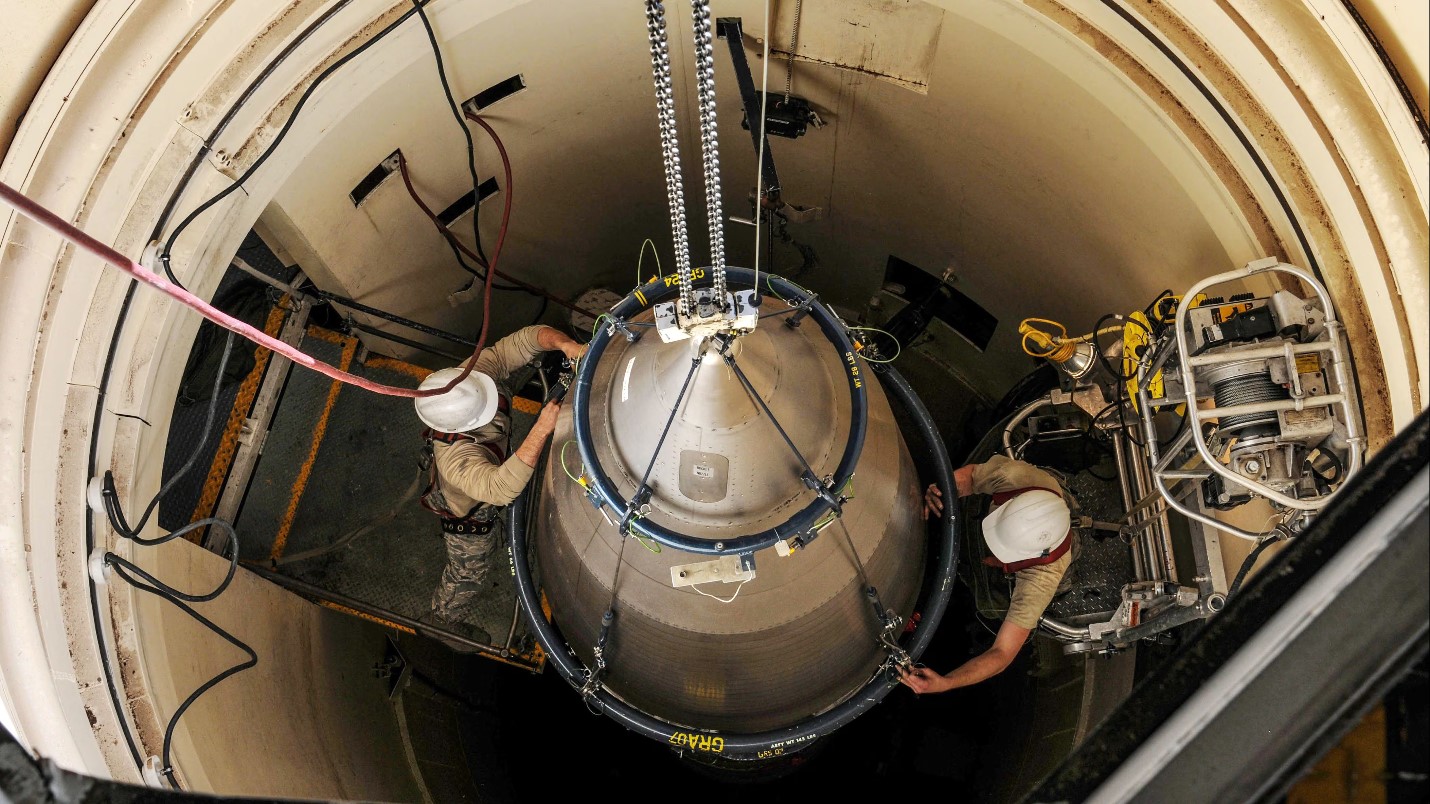
World
WASHINGTON, — June 11, 2026 : The U.S. Department of Defense has awarded a nearly $114 million contract for the construction of a dedicated training facility supporting the LGM-35A Sentinel intercontinental ballistic missile (ICBM) program at Vandenberg Space Force Base, marking another key step in the modernization of the nation’s land-based nuclear deterrent. According to a contract announcement issued on June 10, the U.S. Army Corps of Engineers Los Angeles District awarded a firm-fixed-price contract valued at $113,852,388 to Korte Construction Co. of St. Louis, Missouri. The contract covers the construction of the Sentinel Air Education and Training Command (AETC) Formal Training Unit, which is scheduled for completion by March 6, 2029. The project will establish a modern training complex covering approximately 177,490 square feet and will serve as the primary educational and qualification center for Air Force personnel responsible for operating and maintaining the LGM-35A Sentinel missile system. Dedicated Training Center for Sentinel Personnel The new facility is designed to consolidate classroom instruction, simulator-based learning, and practical maintenance training into a single location. Air Force officials expect the integrated design to improve training efficiency, reduce travel time between instructional venues, and enhance coordination between students and instructors. The complex will include maintenance training bays equipped with overhead cranes capable of handling large missile-related training hardware. It will also feature operations training laboratories, academic classrooms, advanced simulation areas, and administrative offices for instructors and training leadership. Additional infrastructure will support the movement and maintenance of specialized equipment used by the Sentinel program, including designated areas for Payload Transporters, maintenance vehicles, and government-operated support equipment. Once completed, the facility will become the primary schoolhouse for airmen and maintenance personnel transitioning to the Sentinel weapon system. Supporting the Transition from Minuteman III The LGM-35A Sentinel, developed by Northrop Grumman, is intended to replace the LGM-30G Minuteman III, which has served as the land-based component of the U.S. nuclear triad since the late 1960s. Although the Minuteman III has undergone multiple modernization efforts over more than five decades of service, the Air Force has concluded that its aging infrastructure and Cold War-era design require a comprehensive replacement to maintain long-term strategic deterrence capabilities. The Sentinel introduces significant changes in propulsion systems, electronics, guidance technology, command-and-control architecture, and operational procedures. As a result, existing Minuteman III training facilities cannot adequately support the new system, making a purpose-built training center necessary. Air Force personnel will require new technical training devices, updated documentation, revised maintenance procedures, and specialized operational instruction before the Sentinel enters service. Strategic Role of Vandenberg Space Force Base Located near Lompoc, California, Vandenberg Space Force Base was selected as the site for the training facility due to its longstanding role in U.S. missile testing operations. The base hosts critical missile testing infrastructure, including Space Launch Delta 30, and serves as the primary range for U.S. ICBM test launches. Establishing the training center alongside the nation’s principal missile test range is expected to create operational and educational efficiencies by linking training activities closely with testing and evaluation programs. The Air Education and Training Command (AETC) will operate the facility and oversee qualification programs for personnel assigned to the Sentinel force. Part of a Broader Nuclear Modernization Effort The Sentinel program represents one of the largest modernization initiatives within the U.S. nuclear enterprise. The Air Force plans to deploy approximately 400 operational Sentinel missiles while replacing or upgrading supporting infrastructure across missile fields in Wyoming, Montana, and North Dakota. The effort includes construction of new launch facilities, launch control centers, communications networks, command posts, and support structures required to sustain the next-generation ICBM force. The broader Sentinel program has faced congressional scrutiny following significant cost growth beyond its original development and production estimate of approximately $95 billion. The program underwent a Nunn-McCurdy review, a statutory process triggered when major defense acquisition programs experience substantial cost increases. Despite those challenges, Air Force leaders and successive U.S. administrations have continued to support the program, arguing that replacing the aging Minuteman III force remains essential for maintaining strategic stability and ensuring a credible nuclear deterrent throughout the 21st century. Funding and Contract Details The construction contract was awarded following a full and open competition, with two bids received. The Department of Defense stated that the entire contract value was obligated at the time of award using fiscal year 2025 military construction and defense-wide funds. While construction of launch facilities and operational infrastructure continues across multiple states, the new training center at Vandenberg will focus on preparing the personnel required to operate and maintain the future Sentinel force. The facility represents a significant investment in the human element of the modernization effort, ensuring that airmen assigned to the nation’s next-generation land-based nuclear deterrent receive the specialized training needed before the Sentinel enters operational service in the coming decade.
Read More → Posted on 2026-06-11 16:13:32
World
WASHINGTON / TEHRAN, — June 11, 2026 : U.S. military forces carried out a series of precision airstrikes across Iran late on June 10, targeting key Islamic Revolutionary Guard Corps (IRGC) infrastructure, including a command-and-control center, air defense systems, military communications networks, and missile storage facilities, according to the U.S. Central Command (CENTCOM). CENTCOM said the operation was conducted at the direction of the Commander in Chief and involved assets from the U.S. Marine Corps, U.S. Air Force, and U.S. Navy. The strikes were described as self-defense actions aimed at neutralizing threats posed by Iranian military capabilities to U.S. personnel and international commercial shipping operating in the region. According to CENTCOM, the operation targeted military infrastructure that was assessed to pose an immediate risk to maritime security and ongoing efforts to safeguard commercial traffic through the strategically important Strait of Hormuz. Multiple Locations Reported Hit Across Iran Iranian media outlets and local witnesses reported explosions in several provinces following the strikes. One of the reported targets was an alleged IRGC command-and-control center in Robat Karim, southwest of Tehran. Witness accounts and videos circulating on social media also indicated explosions and air defense activity in Karaj, Varamin, Hashtgerd, and Abyek, suggesting multiple military-related sites may have been targeted. In southern Iran, strikes were reported in areas associated with the protection of the Strait of Hormuz. Explosions were recorded in Bandar Abbas, one of Iran’s most important port cities, as well as in Sirik, Minab, and Kargan in Hormozgan Province. Iranian sources reported activation of air defense systems in several locations during the operation. However, independent confirmation of the extent of damage and possible casualties was not immediately available. Missile Storage Facility Near Strait of Hormuz Targeted Among the targets struck during the operation was a missile storage facility near the Strait of Hormuz that reportedly housed more than 100 Khorramshahr ballistic missiles. CENTCOM stated that precision munitions were used to degrade Iranian military capabilities, including: Military surveillance systems Command and communication networks Regional air defense batteries Missile storage infrastructure U.S. officials said the operation was focused on military targets and intended to reduce threats to regional security and maritime navigation. Second Consecutive Day of U.S. Military Action The June 10 strikes marked the second consecutive day of direct U.S. military action inside Iranian territory, reflecting a significant escalation in tensions between Washington and Tehran. The operation followed recent confrontations in and around the Strait of Hormuz, including the reported downing of a U.S. Army AH-64 Apache helicopter by Iranian forces earlier in the week. CENTCOM said the strikes were conducted in response to what it described as Iran's continued aggressive actions and threats to international maritime traffic. The command emphasized that U.S. forces remain prepared to protect commercial shipping routes and regional partners. Trump Signals Further Pressure on Iran Hours after the strikes, President Donald Trump posted a message on Truth Social indicating that additional military and economic pressure on Iran could follow. In the post, Trump stated that the United States would be hitting Iran “very hard” and claimed that much of Iran's naval, air, radar, anti-aircraft, and other defensive capabilities had been eliminated. He also suggested that the United States could seek control of Kharg Island and other Iranian oil infrastructure sites in the future, arguing that such actions would affect Iran’s oil and gas sector. The statement represented one of the strongest public comments from the president since the latest escalation began and is likely to draw international attention given the strategic importance of Iran's energy infrastructure and the Strait of Hormuz. Regional Security Concerns The latest strikes come amid heightened tensions throughout the Middle East and growing concerns over the security of maritime trade routes. The Strait of Hormuz remains one of the world's most important energy transit corridors, handling a significant portion of global oil shipments. U.S. officials have maintained that current military operations are defensive in nature and are intended to ensure freedom of navigation and the protection of U.S. personnel and commercial vessels operating in the region. As of June 11, Iranian authorities had not released a comprehensive assessment of damage from the strikes, while international observers continued monitoring developments for potential impacts on regional security, global energy markets, and diplomatic efforts aimed at preventing further escalation.
Read More → Posted on 2026-06-11 16:02:32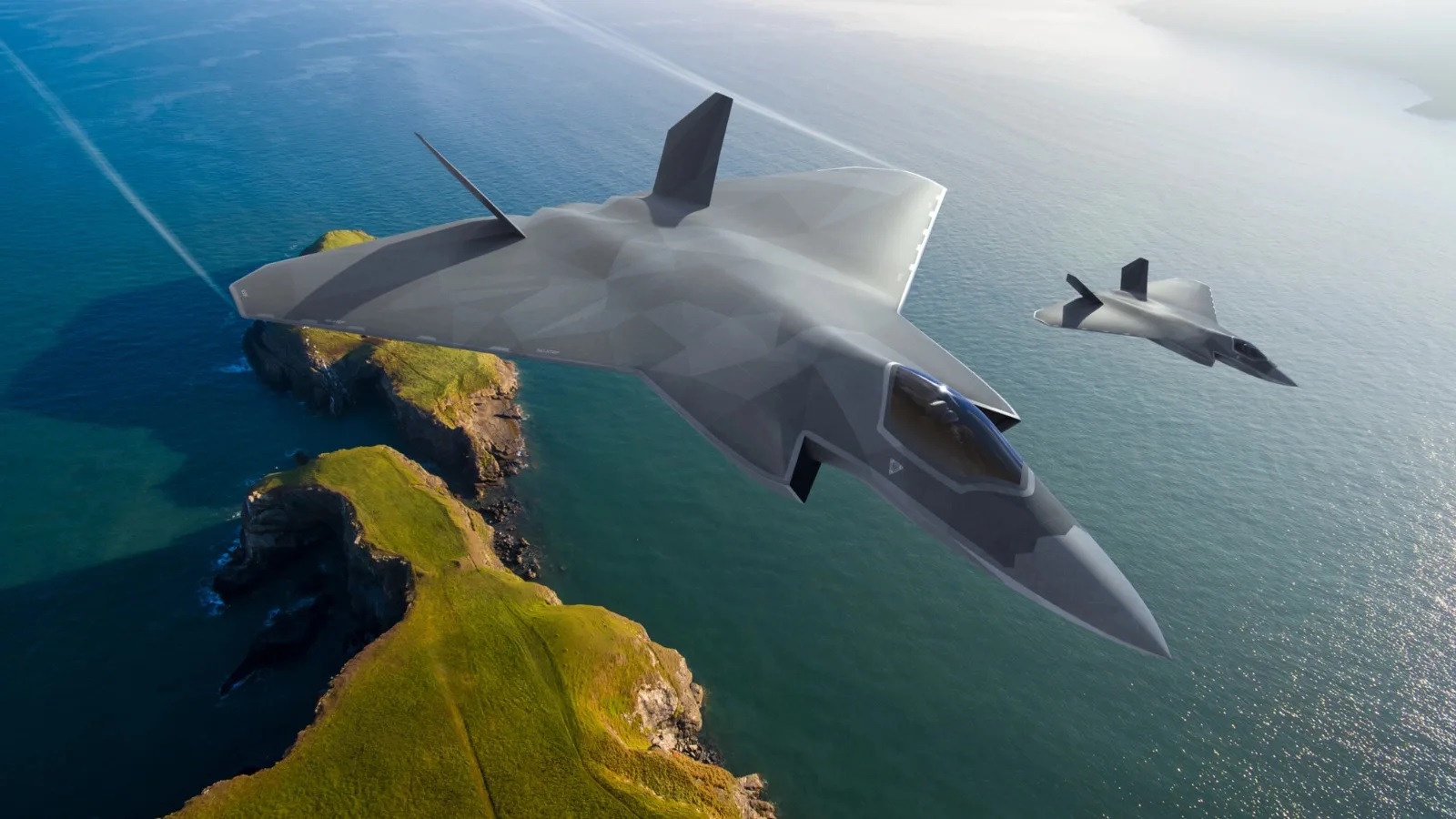
Germany Launches Team Gen 6 Alliance to Develop Sixth-Generation Fighter After FCAS Program Collapse
World
BERLIN, — June 11, 2026 : Germany’s aerospace and defense industry has launched a new industrial alliance called “Team Gen 6” following the formal termination of the fighter aircraft component of the Future Combat Air System (FCAS) program. The consortium was unveiled during the ILA Berlin Air Show and is led by Airbus Defence and Space. The new initiative aims to preserve Germany’s expertise in advanced military aviation and maintain national capabilities for the development of a future sixth-generation combat aircraft. The move comes just days after German Chancellor Friedrich Merz confirmed the end of the joint Franco-German fighter project on June 8. FCAS Fighter Project Officially Ends The FCAS program, launched in 2017 with participation from France, Germany, and later Spain, was designed to develop a next-generation combat aviation system centered around the New Generation Fighter (NGF). The aircraft was intended to replace France’s Rafale and the Eurofighter Typhoon operated by Germany and Spain by around 2040. In addition to the fighter aircraft, FCAS included plans for remote carrier drones, advanced sensors, and a digital Combat Cloud network that would connect aircraft, drones, and battlefield systems in real time. However, the fighter component of the program ultimately collapsed after years of disagreements between Dassault Aviation and Airbus over industrial leadership, workshare arrangements, intellectual property rights, and aircraft design requirements. France’s requirement for a fighter capable of carrying nuclear weapons and operating from aircraft carriers also differed from German operational priorities. Following failed mediation efforts, France and Germany agreed to discontinue the joint fighter aircraft project. Despite the decision, officials from both countries confirmed that cooperation on the Combat Cloud network and certain unmanned systems technologies will continue under a revised framework. Eight Major Companies Join Team Gen 6 To prevent the loss of engineering expertise and safeguard Germany’s defense-industrial capabilities, eight leading German defense companies have joined the new alliance. The members of Team Gen 6 include: Airbus Defence and Space (lead contractor and systems integrator) MBDA Deutschland Hensoldt MTU Aero Engines Diehl Defence Liebherr Autoflug Rohde & Schwarz Together, the companies provide expertise across all major areas required for a future combat aircraft, including airframes, propulsion systems, sensors, communications, avionics, and missile technologies. The alliance has submitted a formal position paper to the German government outlining its vision for future combat aviation development. According to reports, the consortium is seeking new development contracts from the government during the second half of 2026 to maintain momentum and preserve critical industrial capabilities. European Cooperation Remains a Priority Although Team Gen 6 demonstrates Germany’s ability to pursue advanced fighter aircraft development through its domestic industry, alliance leaders have emphasized that the project is not intended to become an exclusively national program. Speaking at the ILA Berlin Air Show, Airbus Defence and Space CEO Michael Schoellhorn said the industry is prepared to assume responsibility for future combat aviation programs while continuing to work within a broader European framework. Schoellhorn stated that Germany possesses the expertise and industrial capacity required for such a project, but stressed that the objective is to ensure German industry plays a leading role in a future European effort rather than pursuing complete independence. The alliance has left the door open for international cooperation. Potential partners could include Spain, which remains interested in sixth-generation fighter technologies, as well as other European countries such as Sweden. Berlin Evaluating Future Options The German government has not yet selected a definitive path for its next-generation combat aircraft strategy. Defense Minister Boris Pistorius described an Airbus-led European project as a “conceivable” option but confirmed that Berlin is also examining alternative solutions. These include potential participation in the Global Combat Air Programme (GCAP) being developed jointly by the United Kingdom, Italy, and Japan, as well as the possibility of acquiring additional Lockheed Martin F-35 fighter aircraft. With any sixth-generation aircraft unlikely to enter operational service before 2040, the Eurofighter Typhoon is expected to remain the backbone of the German Air Force (Luftwaffe) well into the 2050s. Germany is also scheduled to receive F-35A aircraft in the coming years to support NATO nuclear-sharing commitments and strengthen its future combat capabilities. Future of European Combat Aviation The creation of Team Gen 6 marks a significant restructuring of Germany’s approach to future combat aviation following the collapse of FCAS. While no formal government contracts or aircraft specifications have yet been announced, the alliance seeks to ensure that Germany retains the technological expertise, manufacturing capacity, and industrial workforce required for future military aviation programs. As European nations continue to increase defense investments and modernize their armed forces, decisions taken by Berlin in the coming months regarding funding, industrial partnerships, and international cooperation are expected to play an important role in shaping the future of European combat aircraft development and defense integration.
Read More → Posted on 2026-06-11 14:37:13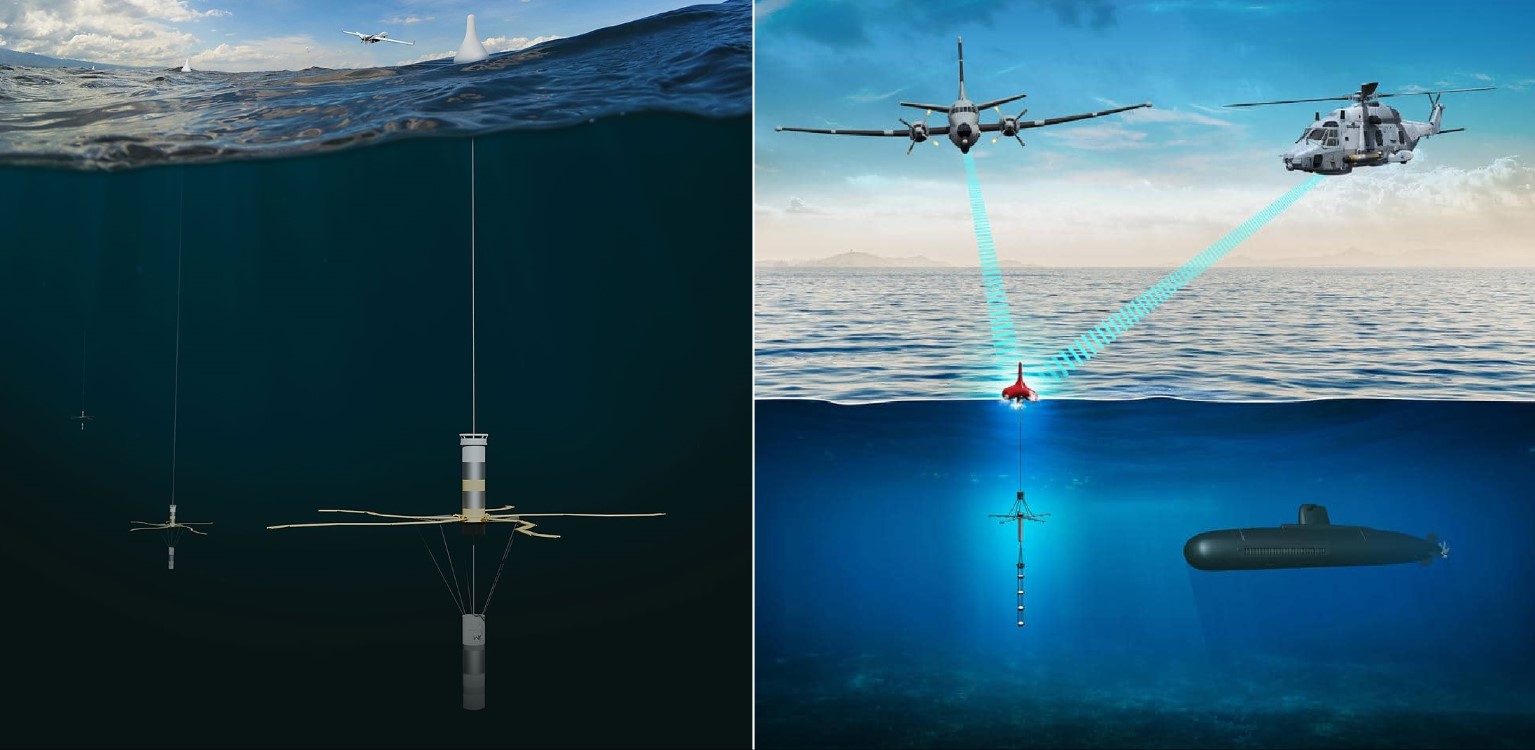
World
SCOTLAND, — June 11, 2026 : Ultra Maritime has successfully completed the first in-water deployment trial of its next-generation Multistatic Active Receive Sonobuoy (MSARS) in Scottish waters, marking a significant milestone in the development of advanced anti-submarine warfare (ASW) capabilities for the United Kingdom. The trial, announced on June 10, demonstrated the operational performance of the new MSARS system, which has been designed to provide improved detection and localization of underwater threats compared to the sonobuoys currently used by the Royal Navy. The successful deployment comes as the UK and its allies continue to strengthen maritime surveillance capabilities amid increased submarine and uncrewed underwater vehicle activity in the North Atlantic. The MSARS is a compact G-size sonobuoy that incorporates advanced signal-processing technology to improve target detection and tracking in complex underwater environments. Its smaller size enables greater deployment flexibility and makes it suitable for use from both crewed and uncrewed airborne platforms. Integration with MQ-9B SeaGuardian To accelerate operational deployment, Ultra Maritime is working with General Atomics Aeronautical Systems, Inc. (GA-ASI) to integrate the MSARS and other G-size sonobuoys onto the MQ-9B SeaGuardian uncrewed aerial system. As the exclusive manufacturer of G-size sonobuoys, Ultra Maritime's technology allows unmanned aircraft to carry a larger number of sensors while maintaining extended operational endurance. The integration is expected to support distributed multistatic ASW operations by expanding detection coverage and enhancing the ability to locate and track advanced underwater threats over larger maritime areas. The MQ-9B SeaGuardian, equipped with sonobuoy deployment and monitoring systems, is designed to provide persistent maritime surveillance. Combined with the new sonobuoy technology, the platform could significantly improve long-duration monitoring missions without exposing crewed aircraft to operational risks. Developed Under Atlantic Bastion Programme The MSARS programme has been developed with sponsorship from the Defence Science and Technology Laboratory (Dstl), which operates under the UK Ministry of Defence’s National Armaments Director Group. The project directly supports the goals of the Atlantic Bastion programme, launched by the UK government in December 2025. The initiative aims to strengthen the Royal Navy’s underwater surveillance and anti-submarine warfare capabilities through the integration of autonomous systems, artificial intelligence, and conventional naval assets. Under the programme, crewed platforms such as the Merlin Mk2 helicopter and Royal Navy warships are being combined with uncrewed air, surface, and underwater systems to create a more connected and responsive maritime force. A key objective of Atlantic Bastion is the protection of critical undersea infrastructure, including communication cables, energy pipelines, and other strategic assets that support national security and economic activity. The programme seeks to establish a distributed digital surveillance network capable of monitoring and tracking potential threats across large sections of the Atlantic Ocean. Previous Development Milestones The successful in-water deployment follows earlier development achievements, including the completion of the programme’s Preliminary Design Review in March 2025. The latest trial represents an important transition from system development and testing toward future operational deployment. Ultra Maritime has continued to expand its role in the UK’s ASW sector. In February 2026, the company received a £40 million contract from the UK Ministry of Defence to supply sonobuoys for the Royal Navy’s Merlin maritime patrol helicopters. The company also operates a new integrated design and manufacturing facility in Greenford, west London, which was opened in 2025 to support increased production and development activities. Advancing Future Maritime Surveillance According to defence officials, the successful Scottish waters trial demonstrates progress in bringing next-generation ASW technologies closer to frontline service. By combining advanced sonobuoys with autonomous aerial platforms such as the MQ-9B SeaGuardian, the UK aims to improve underwater domain awareness and expand its ability to detect and monitor submarine activity across strategically important maritime regions. Further testing, evaluation, and integration activities involving the MSARS and MQ-9B SeaGuardian are expected to continue in the coming months as the technology moves toward operational deployment within future Royal Navy and allied maritime surveillance missions.
Read More → Posted on 2026-06-11 14:21:31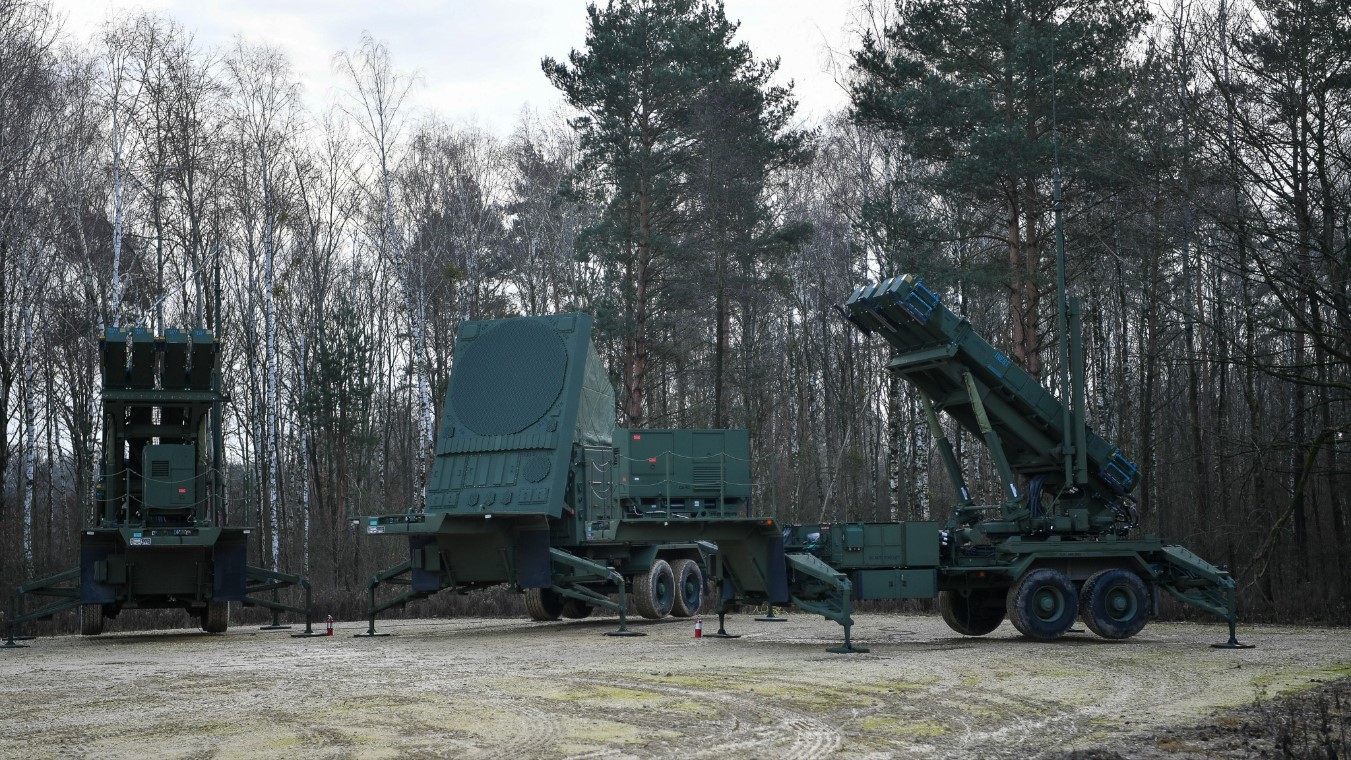
World
HUNTSVILLE, Alabama, — June 11, 2026 : The U.S. Department of Defense has awarded Northrop Grumman Systems Corp. a $30.76 million contract modification to provide sustainment and logistics support for Poland’s WISLA Integrated Air and Missile Defense Battle Command System (IBCS). The contract modification was awarded by the U.S. Army Contracting Command at Redstone Arsenal, Alabama, and increases the total value of the sustainment agreement to approximately $78.4 million. The work will be performed primarily in Huntsville, Alabama, and is scheduled for completion by December 31, 2029. Funding is being provided through Fiscal Year 2026 Foreign Military Sales (FMS) funds from Poland. The WISLA program is Poland’s national effort to establish a layered air and missile defense capability capable of countering ballistic missiles, cruise missiles, aircraft, and other aerial threats. The system combines the Patriot air defense system with Northrop Grumman’s Integrated Battle Command System (IBCS), creating a networked command-and-control architecture that links sensors and interceptors across multiple platforms. Unlike traditional air defense systems that rely on individual radars, IBCS enables operators to use data from multiple sensors, including ground-based radars and airborne surveillance assets, to create a unified air defense picture. The system allows any connected interceptor to engage a detected threat, improving coverage, flexibility, and resilience if individual sensors are disrupted or destroyed. Poland became the first U.S. ally to acquire and deploy IBCS. Following the achievement of Initial Operational Capability (IOC) in 2024, the Polish Ministry of National Defense declared Full Operational Capability (FOC) for the IBCS-enabled WISLA system in December 2025. The system is considered one of the most advanced integrated air defense networks within NATO. Under the modified contract, Northrop Grumman will provide ongoing support for the WISLA network, including materials maintenance, threat library updates, engagement algorithm improvements, communications support, hardware sustainment, and Air Defense Artillery Reconfigurable (ART) training. The company received the contract on a sole-source basis as the original developer of the IBCS architecture. Poland’s investment in the WISLA program is part of a broader military modernization effort driven by regional security concerns. The country shares borders with Russia’s Kaliningrad exclave and Belarus and has accelerated defense spending since 2022. Poland plans to allocate approximately 4.8 percent of GDP to defense in 2026, the highest level among NATO member states. The WISLA program currently includes Patriot-based air defense batteries, with plans for further expansion through additional launchers, interceptors, and advanced radar systems. Parts of the program are also being produced in Poland under industrial cooperation agreements. The U.S. Army declared IBCS Initial Operational Capability in 2023 and began fielding the system domestically in 2024. Northrop Grumman continues to support both U.S. and international IBCS programs, including Poland’s WISLA and NAREW air defense initiatives. The latest contract modification ensures continued operational readiness and modernization of Poland’s WISLA air and missile defense network through the end of 2029.
Read More → Posted on 2026-06-11 14:12:28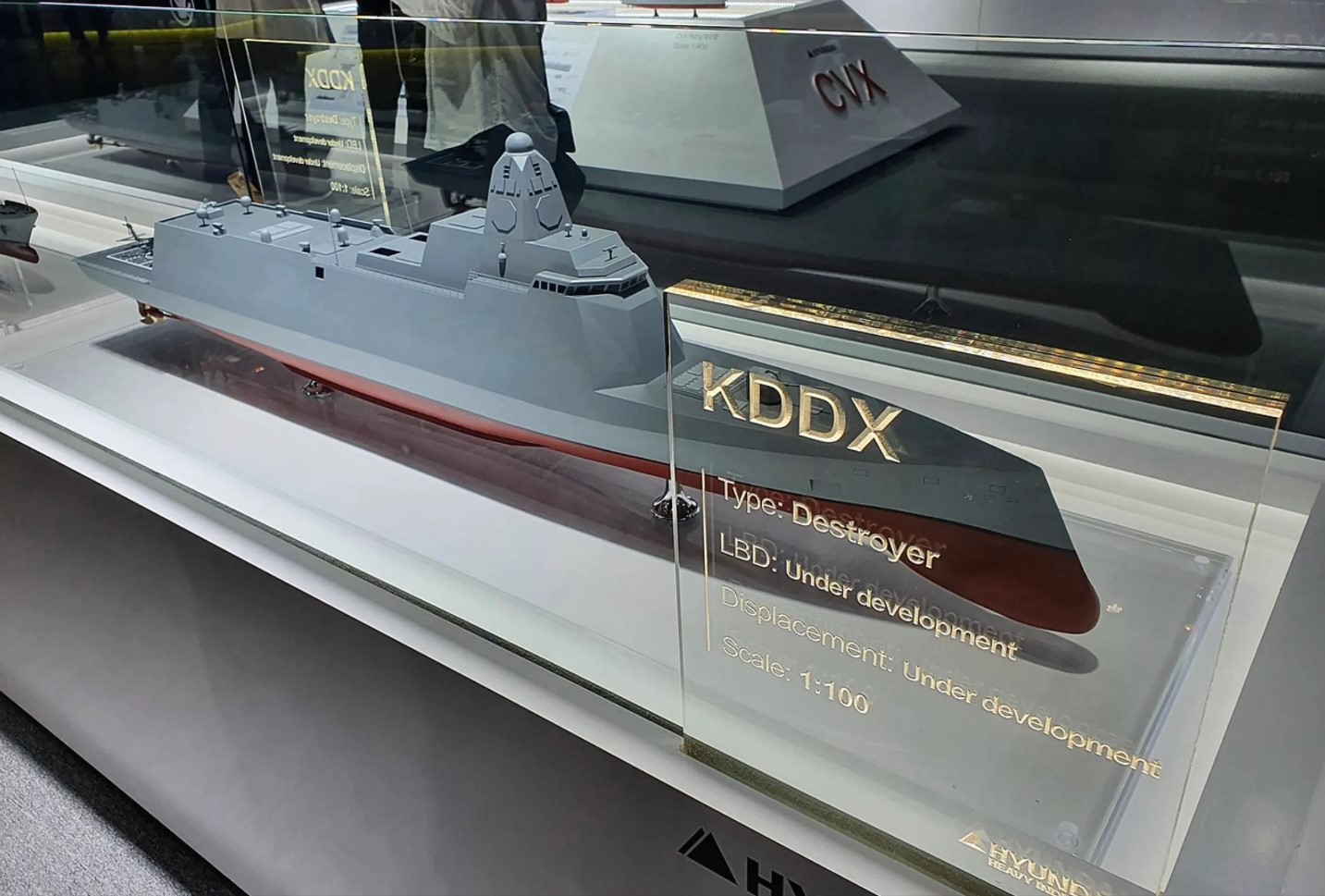
World
SEOUL, — June 11, 2026 : South Korea’s Defense Acquisition Program Administration (DAPA) has selected Hanwha Ocean as the preferred bidder for the Korean Next-Generation Destroyer (KDDX) program, marking a major step forward in one of the country’s most significant naval modernization initiatives. The program, valued at approximately 7.8 trillion KRW (US$5.7 billion), aims to build six advanced destroyers for the Republic of Korea Navy (ROKN) by 2030. The decision was announced following a competitive evaluation process in which Hanwha Ocean narrowly surpassed its main rival, HD Hyundai Heavy Industries, by 0.5867 points, according to government and industry sources on June 11, 2026. Evaluation Results and Contractor Selection The evaluation process concluded after more than two years of competition between South Korea’s two leading naval shipbuilders. Although HD Hyundai Heavy Industries reportedly achieved a higher score in the technical capability assessment by 0.64 points, the company received a 1.2-point security-related deduction that ultimately affected the final outcome. The penalty was linked to previous legal convictions involving the unauthorized acquisition of KDDX conceptual design materials. HD Hyundai Heavy Industries sought a court injunction to prevent the extension of the deduction period, but the court dismissed the request on June 5, 2026, allowing the penalty to remain in effect until December 2026. Industry analysts noted that the deduction played a significant role in determining the final ranking between the two bidders. The result remains subject to standard review and objection procedures before DAPA formally confirms the contract award. Major Naval Modernization Program The KDDX (Korean Destroyer Next Generation) program is considered a cornerstone of South Korea’s future naval strategy. The project is designed to deliver six advanced destroyers that will become the first fully indigenous destroyer class developed for the Republic of Korea Navy. Unlike previous destroyer programs that relied heavily on foreign technologies, the KDDX class will incorporate a domestically developed hull design, combat management system, and key sensors, reflecting South Korea’s broader effort to strengthen defense self-reliance. The destroyers are planned as 6,000-ton-class warships, with reported light-load displacement of approximately 7,100 tons and full-load displacement estimates of around 8,000 tons. Advanced Design and Combat Systems The KDDX class will introduce several advanced technologies into the ROK Navy fleet. Among the key features is an Integrated Electric Propulsion System (IEPS), which is expected to improve fuel efficiency, reduce acoustic signatures, and provide greater electrical power for future combat systems. The ships will also feature a stealth-optimized hull design intended to reduce radar detection. Another notable component is the Integrated Mast (I-MAST), which will house a domestically developed dual-band S/X phased-array Multi-Function Radar. The radar is designed to enhance target detection, tracking, and engagement capabilities against multiple airborne and surface threats. The vessels will also incorporate advanced automation systems aimed at reducing crew requirements while improving operational efficiency and maintenance management. Weapons and Mission Capabilities The KDDX destroyers are expected to be equipped with both Korean Vertical Launch System-I (KVLS-I) and KVLS-II launchers, enabling the deployment of a wide range of indigenous missile systems. Planned armament includes the K-SAAM short-range air defense missile and the Ship-to-Air Missile-II, a long-range naval air defense missile developed by LIG Nex1. Additional weapons are expected to include the Mk 45 5-inch naval gun, CIWS-II close-in weapon systems, anti-ship missiles, and land-attack missiles, including variants of the Hyunmoo-3C and Haeseong (SSM-700K) missile families. The destroyers are designed to perform a wide range of missions, including anti-air warfare, anti-surface warfare, and anti-submarine warfare, providing the ROK Navy with enhanced multi-mission capabilities. Replacing Aging Destroyers Once commissioned, the KDDX ships will serve as core assets within the ROK Navy’s Task Fleet Command. They are intended to gradually replace the aging KDX-I Gwanggaeto the Great-class destroyers, which have been in service for more than two decades. The program is expected to significantly improve South Korea’s maritime defense capabilities while strengthening indigenous naval shipbuilding and combat-system development. Program Delays and Future Timeline The KDDX project was originally expected to move into the next phase in 2024, but contractor selection disputes and legal issues contributed to delays in the program schedule. The competition for the detailed design and lead ship construction contract represented a departure from traditional sole-source follow-on contracts commonly used in previous naval programs. HD Hyundai Heavy Industries completed the program’s basic design phase in December 2023 after securing that contract in 2020. Hanwha Ocean, formerly known as Daewoo Shipbuilding & Marine Engineering, has extensive experience in detailed design and first-of-class construction for South Korean submarine programs. If the selection is finalized after the review process, Hanwha Ocean will proceed with detailed engineering work and construction of the lead ship. The first KDDX destroyer is currently targeted for delivery to the Republic of Korea Navy by the end of 2032, with additional vessels expected to enter service in sequence afterward. Impact on South Korea’s Shipbuilding Industry The contract is widely regarded as one of the most important naval shipbuilding awards in South Korea in recent years. Industry observers believe the company selected to build the lead ship will gain a significant advantage in securing follow-on vessel orders and future naval export opportunities. With the KDDX program moving toward its next phase, South Korea continues its efforts to develop advanced indigenous naval capabilities, reduce dependence on foreign defense technologies, and strengthen its position in the global naval shipbuilding market.
Read More → Posted on 2026-06-11 14:01:52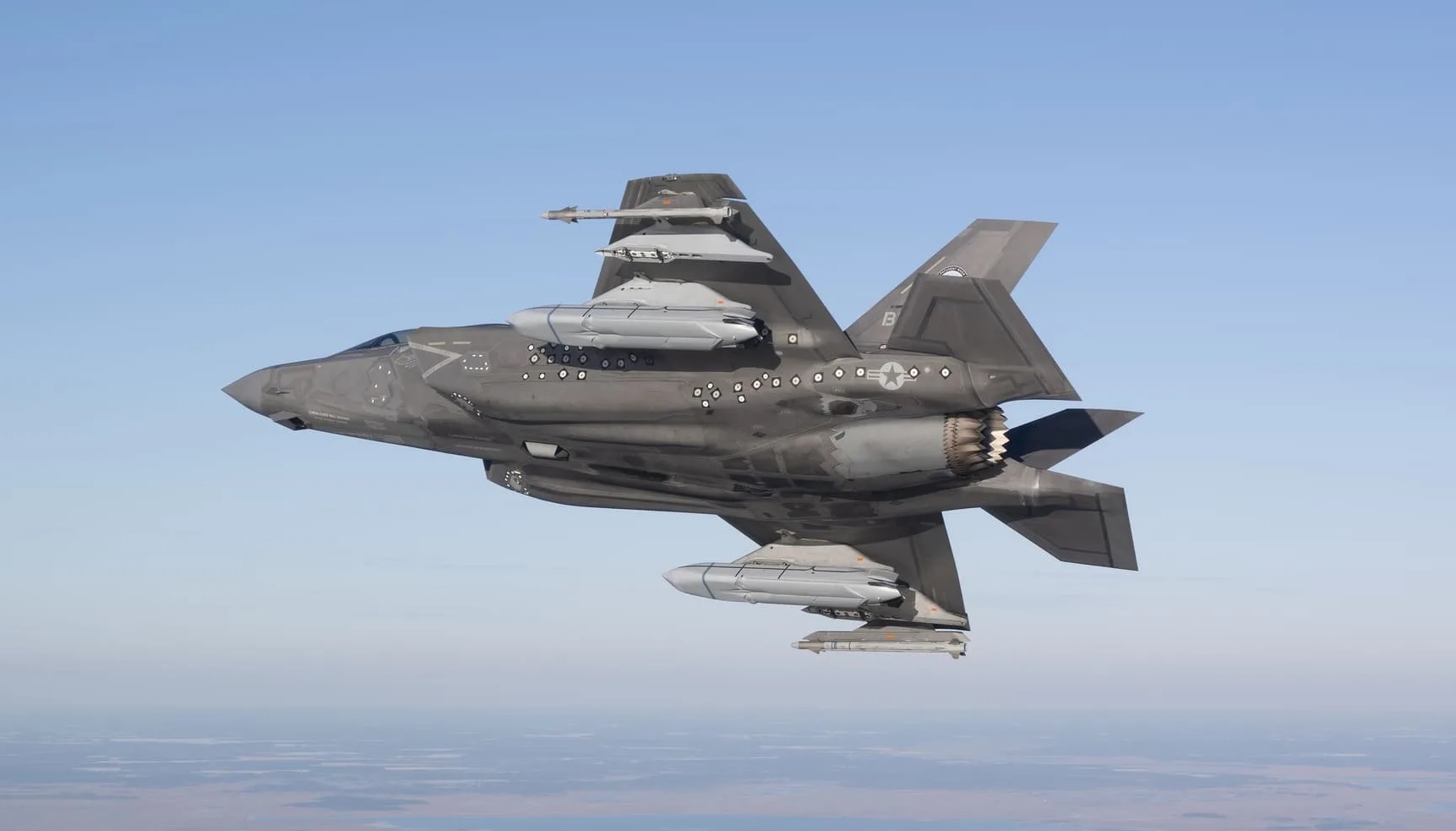
World
PATUXENT RIVER, Maryland — June 11, 2026 : The U.S. Navy, in partnership with Lockheed Martin, has successfully completed the first phase of the F-35C LRASM Flight Sciences Test Program, marking a significant step toward integrating the AGM-158C Long-Range Anti-Ship Missile (LRASM) with the carrier-based F-35C Lightning II fighter aircraft. Lockheed Martin announced on June 10, 2026, that the initial phase of testing concluded following a series of integration flight trials conducted between September 2024 and April 2026 at Naval Air Station Patuxent River, Maryland. The milestone allows the program to move forward with the next stages of the missile integration effort. The AGM-158C LRASM, due to its size, is carried externally on the F-35C’s wing stations rather than inside the aircraft’s internal weapons bays. The U.S. Navy released the first images of the external carriage configuration in September 2024 shortly after testing began. Captive Carriage Testing Validates Aircraft and Missile Integration The first phase of the program focused on captive carriage flight testing, a critical step in evaluating how the aircraft performs while carrying a large external weapon. During these flights, engineers assessed aerodynamic characteristics, structural loads, flutter behavior, handling qualities, and overall flight performance across various operating conditions. According to Lockheed Martin, the tests successfully validated the structural integrity of both the aircraft and missile integration system throughout the planned flight envelope. The data collected confirmed that the F-35C can safely operate with the LRASM attached under a range of flight profiles. A notable event during the campaign occurred on November 6, 2025, when a U.S. Marine Corps pilot participated in a rate-capture test as part of the broader flight sciences evaluation. Testing was conducted by the Pax River F-35 Integrated Test Force (ITF), which coordinated efforts among Navy, Marine Corps, and industry teams. To streamline the program and maximize efficiency, the test team utilized assets from both the LRASM and AGM-158 Joint Air-to-Surface Standoff Missile (JASSM) programs. Because the two weapons share a common external airframe design, data gathered from both missile families contributed to the integration effort. Next Phase to Include Separation and Weapon Testing With captive carriage trials completed, the program will proceed to the next stages of testing. Upcoming evaluations will include separation tests, which will examine the missile's behavior immediately after release from the aircraft, followed by comprehensive weapon testing to assess the missile’s full engagement profile. Neither the U.S. Navy nor Lockheed Martin has announced a timeline for future live-fire demonstrations or operational testing activities. Expanding Long-Range Strike Capability for Carrier Air Wings The integration of LRASM is expected to significantly enhance the F-35C’s ability to engage enemy surface vessels from long distances while operating in contested environments. Once fully integrated, the aircraft will gain a dedicated long-range anti-ship strike capability similar to that already fielded on the B-1B Lancer strategic bomber and the F/A-18E/F Super Hornet. “By integrating LRASM onto the F-35, we’re giving our warfighters a powerful capability that enhances mission flexibility and expands their operational options,” said Jon Hill, Vice President and General Manager of Lockheed Martin Air Dominance and Strike Weapons. Sean Jackson, Vice President of F-35 Development, stated that integrating LRASM onto the fifth-generation fighter reflects continued investment by the United States and allied partners in expanding the aircraft’s mission capabilities, particularly for long-range maritime and land-attack operations. The U.S. Marine Corps has also conducted similar AGM-158 integration activities on the F-35B short takeoff and vertical landing variant, supporting broader efforts to field the missile family across multiple F-35 versions. About the AGM-158C LRASM The AGM-158C LRASM is a low-observable, long-range anti-ship cruise missile derived from the AGM-158B JASSM-ER (Extended Range). Originally developed through a program led by the Defense Advanced Research Projects Agency (DARPA) for the U.S. Air Force and Navy, the missile was designed to address the military’s Offensive Anti-Surface Warfare (OASuW) capability requirements. The weapon is specifically engineered to operate in heavily contested environments where electronic warfare, jamming, and degraded communications may limit traditional targeting methods. After navigating toward a designated area using GPS guidance, the missile employs onboard sensors and advanced processing systems to locate, identify, and track targets before executing terminal guidance. Its semi-autonomous targeting capability reduces dependence on external Intelligence, Surveillance, and Reconnaissance (ISR) assets and network connections. Current LRASM Variants and Future Development The Navy’s OASuW Increment 1 program currently includes three LRASM variants. LRASM 1.0, which achieved early operational capability in 2019, is operational on the B-1B Lancer and F/A-18E/F Super Hornet fleets. LRASM 1.1, fielded in 2023, is undergoing Initial Operational Test and Evaluation (IOT&E) and is also being integrated onto the P-8A Poseidon maritime patrol aircraft. The next version, LRASM C-3, focuses on extending the missile’s anti-surface warfare range and updating its target threat library. The U.S. Navy plans to achieve early operational capability in the fourth quarter of Fiscal Year 2026. The LRASM C-3 program is intended to serve as a bridge capability until the Department of Defense launches the OASuW Increment 2 program. The future competition-based Increment 2 effort is expected to reach early operational capability in Fiscal Year 2029 and initial operational capability in Fiscal Year 2031. Production Expansion to Meet Growing Demand As integration activities continue across multiple platforms, Lockheed Martin has expanded manufacturing capacity for both the LRASM and JASSM missile families. The company has invested in production facilities, including its operations in Pike County, Alabama, to support increasing demand from U.S. military services and international customers. The completion of the first phase of the F-35C LRASM Flight Sciences Test Program represents an important milestone in bringing long-range maritime strike capability to the Navy’s carrier-based fifth-generation fighter fleet. Future testing will determine the timeline for full operational integration and fleet deployment of the missile system.
Read More → Posted on 2026-06-11 13:46:22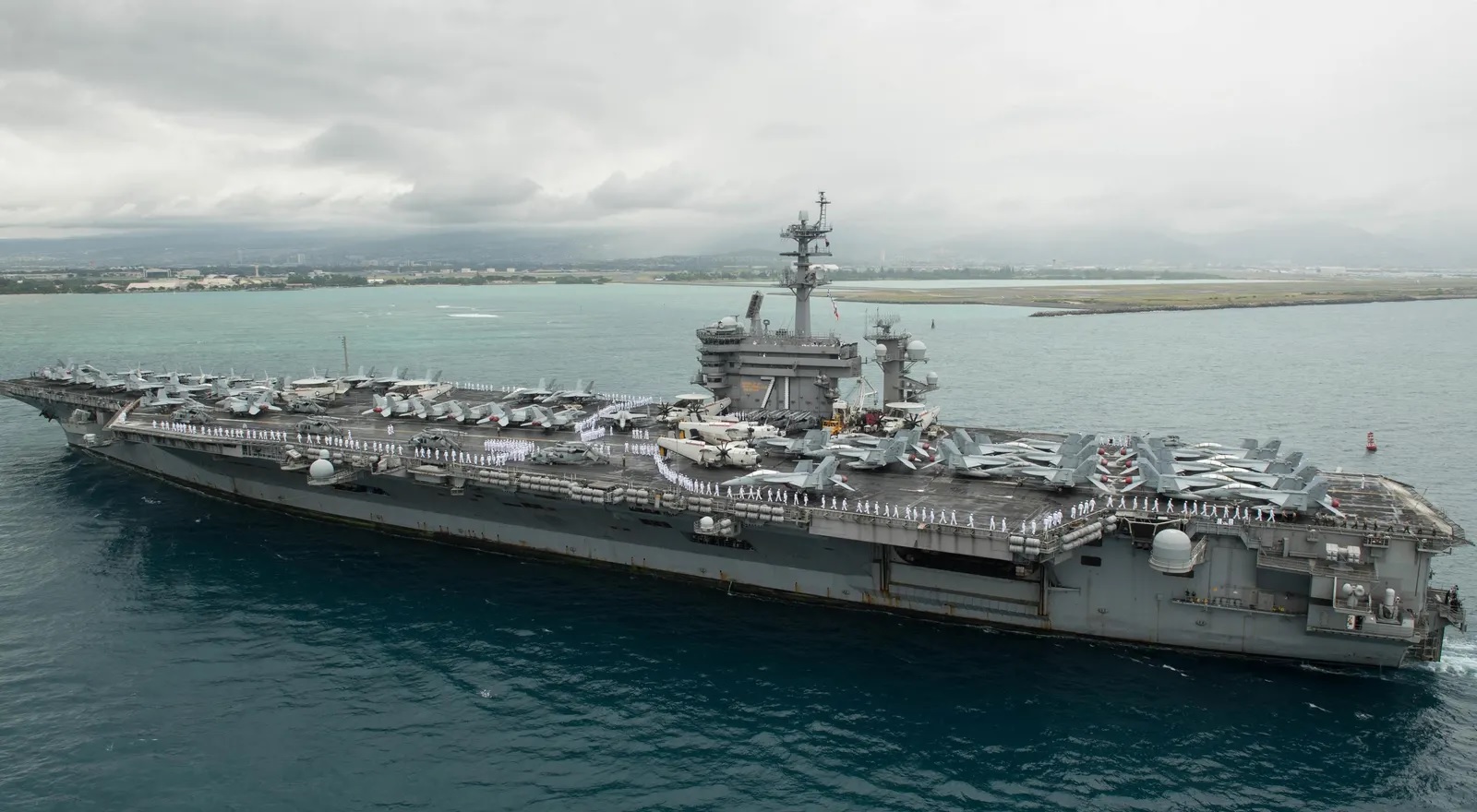
World
SAN DIEGO, — June 10, 2026 : The U.S. Navy’s Nimitz-class aircraft carrier, USS Theodore Roosevelt (CVN-71), departed its homeport of San Diego on June 10 to begin transit and preparations for participation in the Rim of the Pacific (RIMPAC) 2026 multinational naval exercise, scheduled to take place from June 24 to July 31 in and around Hawaii and Southern California. Hosted by the U.S. Pacific Fleet, RIMPAC 2026 marks the 30th edition of the biennial exercise and is expected to be the largest in its history. The exercise will bring together forces from 31 nations, including approximately 40 surface ships, five submarines, more than 140 aircraft, and over 25,000 military personnel. This year’s theme, “Partners: Integrated and Prepared,” emphasizes multinational cooperation, interoperability, and maritime security. The exercise will be led by Vice Admiral John Wade as Combined Task Force commander. Chile will serve as deputy commander, Japan as vice commander, the Republic of Korea will lead the maritime component, and Canada will command the multinational air component. During the five-week exercise, participating forces will conduct a wide range of operations, including anti-submarine warfare, air defense missions, amphibious landings, gunnery and missile drills, mine countermeasure operations, explosive ordnance disposal, humanitarian assistance, disaster response, and military medical training. The USS Theodore Roosevelt serves as the flagship of Carrier Strike Group 9 and carries Carrier Air Wing 11. The nuclear-powered aircraft carrier, commissioned in 1986, is approximately 1,092 feet long and can accommodate nearly 5,700 sailors and air wing personnel. Its embarked aircraft include F/A-18E/F Super Hornets, E/A-18G Growlers, and various support and rotary-wing platforms that will participate in multinational air operations during RIMPAC. Before arriving in Hawaii, the carrier strike group will conduct additional training activities in the Pacific Ocean alongside allied naval forces transiting to the exercise area. Several participating nations, including Canada, the Philippines, Singapore, Italy, and Australia, have already begun deploying ships and conducting interoperability training en route to Pearl Harbor. The Theodore Roosevelt recently completed readiness training following its previous extended Indo-Pacific deployment and will play a central role in the U.S. contribution to RIMPAC 2026. The exercise remains one of the most important multinational maritime training events, providing partner nations with opportunities to strengthen operational coordination and enhance collective readiness across the Indo-Pacific region.
Read More → Posted on 2026-06-10 18:24:26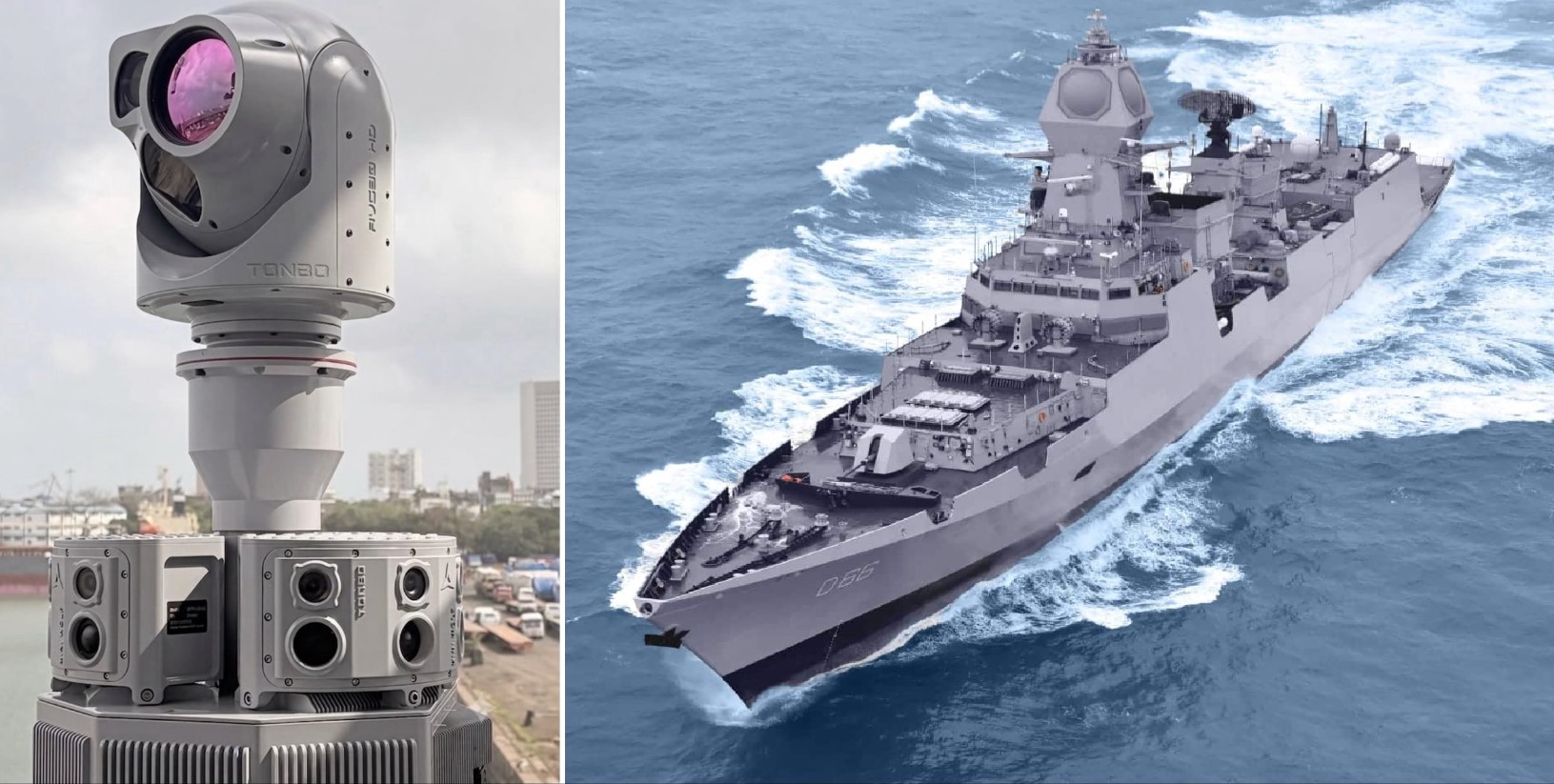
India
BENGALURU, — June 10, 2026 : Indian defence technology company Tonbo Imaging has expanded its role in naval modernization with the introduction of the Avenger AVG-30HD, an indigenous stabilized electro-optical/infrared (EO/IR) gimbal, and the award of an Indian Navy High Power Microwave (HPM) system contract under the ADITI 3.0 innovation framework. The developments highlight the company's growing focus on advanced maritime surveillance, sensor integration, and directed-energy technologies. Avenger AVG-30HD Developed for Naval Platforms The Avenger AVG-30HD has been designed for deployment on Indian naval vessels to enhance maritime surveillance, target tracking, and situational awareness in demanding sea conditions. The system features a Fiber Optic Gyroscope (FOG)-based gyro-mechanical stabilization system, enabling stable imagery despite ship movement caused by waves and rough weather. It is equipped with a high-definition thermal imaging sensor for long-range detection, recognition, and identification of surface and aerial targets during day and night operations. Weighing less than 10 kilograms, the gimbal can be integrated on a variety of platforms, including patrol vessels, fast attack craft, unmanned systems, and larger warships. A key capability of the system is its integrated staring-array panoramic imager, which provides continuous 360-degree situational awareness. The gimbal also incorporates Artificial Intelligence-enabled processing and Electro-Optical/Infrared Search and Track (EO/IRST) functionality, allowing passive detection and tracking of potential threats without emitting radar signals. Indian Navy Awards HPM System Contract In addition to the new EO/IR system, Tonbo Imaging has been selected by the Indian Navy to integrate and commission a High Power Microwave (HPM) system under the Ministry of Defence's iDEX initiative and the Defence Innovation Organisation (DIO) through the ADITI (Advanced Defence Technology Incubation) 3.0 framework. HPM systems are classified as directed-energy weapons that use concentrated electromagnetic pulses to disrupt, degrade, or disable electronic systems, sensors, and unmanned platforms. The technology is increasingly viewed as an effective countermeasure against drone swarm threats in modern naval warfare. Under the contract, Tonbo Imaging will be responsible for full system integration and commissioning, with multiple production units planned following successful validation and operational acceptance by the Indian Navy. Vacuum Tube-Based Technology According to Arvind Lakshmikumar, Managing Director and CEO of Tonbo Imaging, the company is leveraging its expertise in vacuum tube technologies to achieve the high peak power levels required for HPM applications. The company stated that vacuum tube-based sources are capable of generating the power and pulse energy needed to effectively disable electronic targets, while current solid-state radio frequency systems cannot achieve similar performance within operational military size, weight, and efficiency requirements. Expanding Defence Technology Capabilities The launch of the Avenger AVG-30HD and the HPM contract reflect Tonbo Imaging's broader expansion beyond electro-optical systems into advanced defence technologies, including system integration, embedded software, artificial intelligence, and directed-energy solutions. The developments also support India's ongoing efforts to strengthen indigenous defence manufacturing and enhance maritime security through domestically developed technologies.
Read More → Posted on 2026-06-10 18:21:18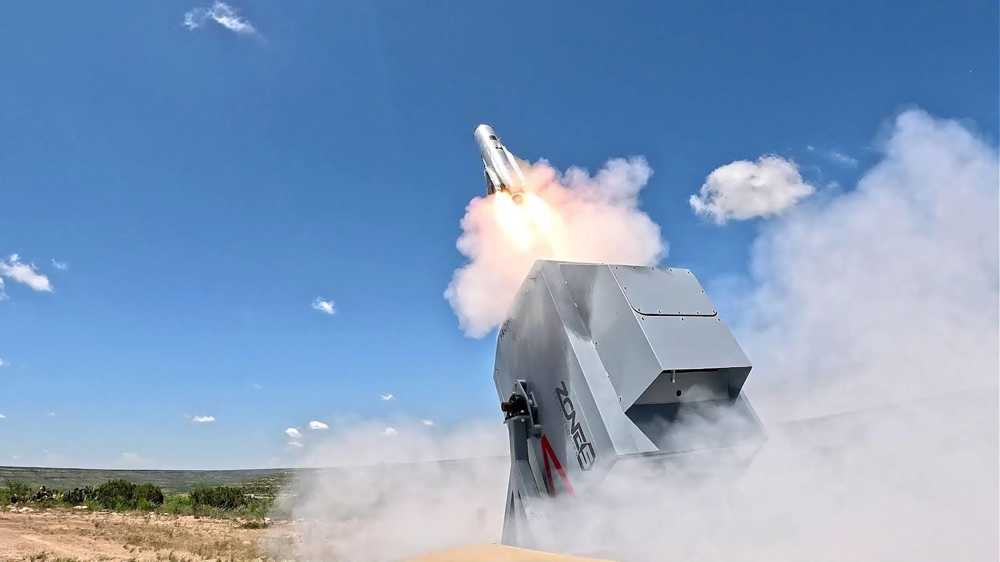
World
California — June 10, 2026 : Norwegian defence and technology company Kongsberg Gruppen has completed its acquisition of California-based missile developer Zone 5 Technologies after receiving all required regulatory approvals from U.S. authorities. The transaction gives Kongsberg a 90 percent ownership stake in the company, strengthening its position in the rapidly expanding market for affordable, mass-producible missile and air defence systems. Financial terms of the deal were not disclosed. However, Kongsberg confirmed that Zone 5 Technologies will continue to operate as an independent subsidiary. Founder, Chief Executive Officer and Chief Technology Officer Thomas Akers, along with the existing management team, will retain a 10 percent minority ownership stake and continue overseeing the company's daily operations. Founded in 2011 and headquartered in San Luis Obispo, California, Zone 5 Technologies employs more than 250 personnel and reported revenues exceeding $100 million in 2025. The company has maintained consistent profitability while developing a portfolio of low-cost, digitally engineered missile systems designed for large-scale production. The acquisition adds several important defence programs and products to Kongsberg’s portfolio. Among the most notable is the AGM-188A Rusty Dagger, a low-cost air-launched precision strike missile developed under the U.S. Air Force’s Extended Range Attack Munition (ERAM) and Family of Affordable Mass Missiles (FAMM) programs. The missile weighs approximately 500 pounds (225 kilograms), carries a 100-pound warhead, and has a reported range exceeding 450 kilometres while operating at high subsonic speeds. Recent reports indicate that the AGM-188A Rusty Dagger was successfully integrated onto the F-16 fighter aircraft earlier this year. Initial production batches are expected to support Ukraine’s defence requirements as part of ongoing efforts to strengthen long-range strike capabilities. Zone 5’s portfolio also includes the White Spike interceptor, a low-cost Group 3+ air defence missile designed for counter-unmanned aerial system (C-UAS) missions. The interceptor is available in both ground-launched and air-launched configurations and is expected to complement Kongsberg’s existing air defence offerings, including the widely deployed NASAMS air defence system. Another key asset is the Paladin UAS, a multi-mission unmanned aircraft system included on the U.S. Defense Innovation Unit’s Blue UAS list. The platform is capable of autonomous operations such as drone interception, reconnaissance missions and munitions delivery, providing additional capabilities for military and security operators. The acquisition comes at a time when Western defence planners are increasingly prioritising affordable, high-volume weapons production. Recent conflicts have highlighted the challenges associated with relying solely on expensive, low-volume precision weapons, while also underscoring the importance of rapidly replenishing missile stockpiles and countering large-scale drone threats. Eirik Lie, President of Kongsberg Defence & Aerospace, said recent conflicts have demonstrated the critical importance of high-volume defence capabilities. “Recent conflicts have demonstrated the critical role of high-volume defense capabilities. This is exactly what Europe needs,” Lie said. “Zone 5 adds a distinct capability to the KONGSBERG portfolio, bringing a proven track record of rapid production, highly scalable, and affordable missiles.” Kongsberg Gruppen Chief Executive Officer Geir Håøy said the acquisition combines complementary strengths from both companies. “KONGSBERG has a world-leading portfolio of advanced air defense and long-range strike missile technologies,” Håøy stated. “By combining the high-performing KONGSBERG portfolio and Zone 5's high-volume assets, KONGSBERG can provide comprehensive and flexible systems that allow nations to manage complex defense scenarios.” The acquisition was originally announced in December 2025 and formally closed following completion of the regulatory review process. Industry observers view the transaction as part of a broader trend among Western defence manufacturers to expand production capacity and develop more affordable weapons systems capable of supporting sustained military operations. With the deal now finalized, Kongsberg plans to use its global industrial network and international customer base to accelerate production growth at Zone 5 and expand the availability of its affordable missile systems across Europe and other allied markets. The acquisition also strengthens Kongsberg’s presence in the United States defence sector while adding proven mass-production missile technologies to its existing portfolio, which includes the Naval Strike Missile (NSM), Joint Strike Missile (JSM), and NASAMS air defence system.
Read More → Posted on 2026-06-10 18:04:39
India
HYDERABAD, — June 10, 2026 : An airframe associated with India’s Advanced Medium Combat Aircraft (AMCA) program has been spotted at the Outdoor Radar Cross Section Test Measurement (ORANGE) facility in Dundigal, Hyderabad, indicating continued progress in the development of India’s indigenous fifth-generation stealth fighter aircraft. The ORANGE facility, operated by the Defence Research and Development Organisation (DRDO) through its Research Centre Imarat (RCI), is a specialized test site used to evaluate the radar cross-section (RCS) characteristics of military platforms. Located near the Air Force Academy in Dundigal, the facility plays a key role in validating stealth features and electromagnetic signatures before aircraft designs move into advanced development stages. Defence analysts indicate that the airframe currently at the facility is a full-scale engineering test model rather than a flyable prototype. Such models are used for radar signature assessments, allowing engineers to study how radar waves interact with the aircraft’s shape, structural features, and radar-absorbent materials. The testing helps verify whether the platform meets low-observability requirements. Developed by the Aeronautical Development Agency (ADA) in partnership with DRDO, the AMCA is a twin-engine, multirole stealth fighter being designed primarily for the Indian Air Force. The aircraft is expected to incorporate advanced stealth technologies, internal weapons bays, sensor fusion, electronic warfare systems, and next-generation avionics. The AMCA’s low-observable design includes extensive use of composite materials, accounting for approximately 38–40 percent of the airframe. The aircraft also features diverterless supersonic intakes with S-shaped ducts to conceal engine fan blades from radar, while internal weapons bays help maintain both stealth characteristics and aerodynamic performance. Its twin-tail configuration and carefully aligned structural edges are designed to reduce radar reflections. The radar cross-section testing in Hyderabad is taking place alongside broader infrastructure development for the AMCA program. On May 15, 2026, the Ministry of Defence laid the foundation stone for a ₹16,000-crore Aircraft Integration and Flight Testing Complex at Puttaparthi in Andhra Pradesh. The facility is expected to become the primary center for assembly, integration, validation, and flight testing of future AMCA prototypes. The AMCA program received approval from the Cabinet Committee on Security in March 2024, while the government approved the programme execution model in 2025, enabling participation from both public and private sector companies. According to current timelines, the first AMCA prototype is expected to roll out in 2028, followed by flight testing and certification activities. Induction into the Indian Air Force is currently targeted for 2034–35. The sighting of the AMCA airframe at the ORANGE facility marks another development milestone as India continues to validate critical stealth technologies for its first indigenous fifth-generation fighter aircraft.
Read More → Posted on 2026-06-10 17:47:15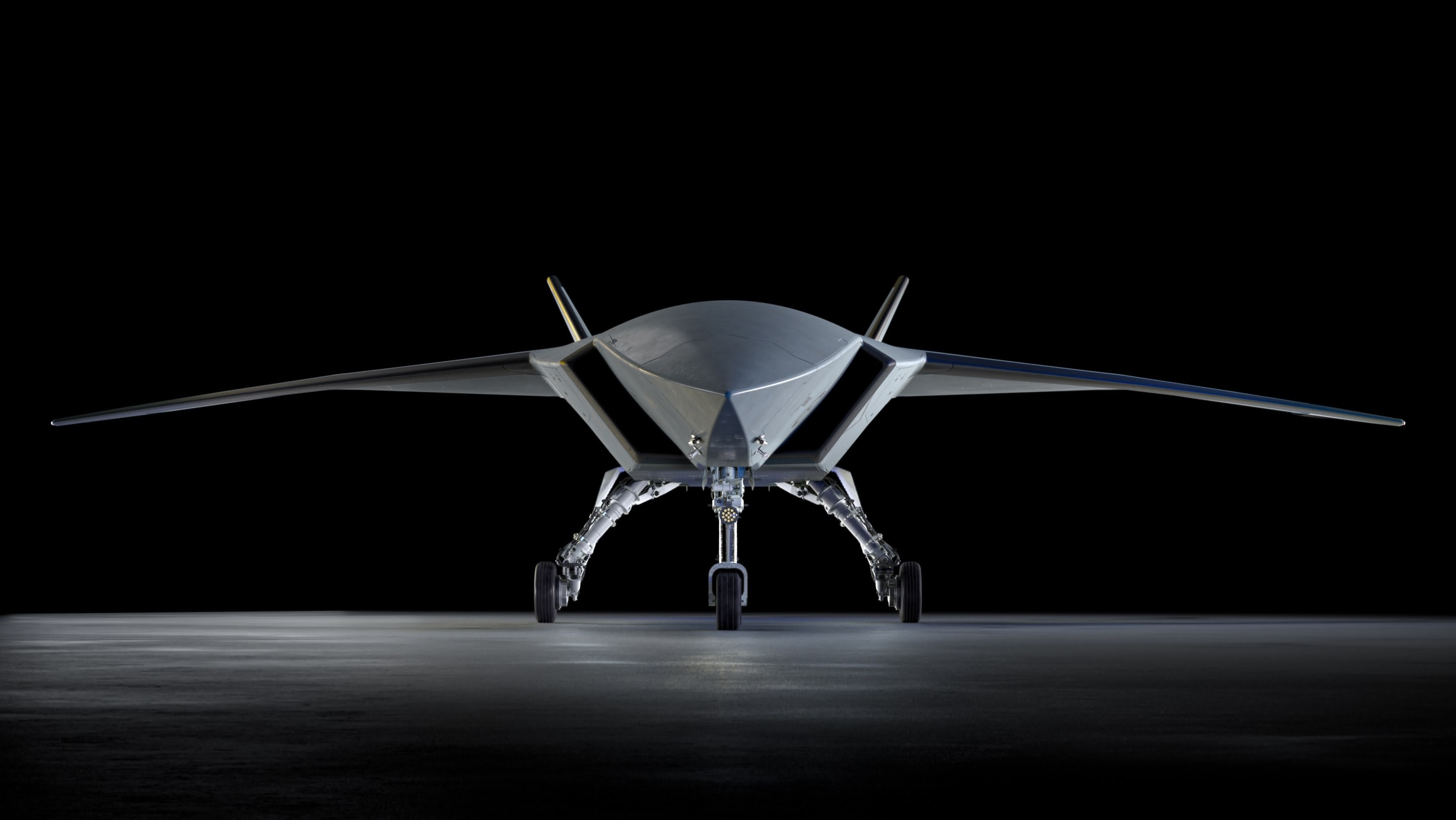
World
BERLIN, — June 10, 2026 : Boeing has announced a significant capability upgrade package for its MQ-28 Ghost Bat uncrewed combat aircraft at the ILA Berlin Air Show 2026, introducing enhancements that increase the platform’s range, payload capacity, weapons carriage options, and interoperability. The company also expanded its European industrial partnership network as it positions the aircraft for Germany’s planned Collaborative Combat Aircraft (CCA) procurement program scheduled for 2029. Developed in partnership with the Royal Australian Air Force (RAAF), the MQ-28 Ghost Bat is designed to operate alongside crewed fighter aircraft as a collaborative combat aircraft, supporting missions ranging from air combat and intelligence gathering to electronic warfare and strike operations. The latest upgrades represent the most extensive evolution of the program since the aircraft entered flight testing and are intended to enhance operational flexibility for Australia and future allied operators. Larger Wing Design Increases Payload and Range A central element of Boeing’s Block 3 technology roadmap is a redesigned wing structure that expands the MQ-28’s wingspan from 20 feet (6 meters) to 24 feet (7.3 meters), an increase of more than 25 percent over the original design. The larger wing enables a substantial increase in the aircraft’s maximum take-off weight (MTOW), which rises from 10,000 pounds (4,500 kilograms) to 12,000 pounds (5,400 kilograms). The modification also increases the platform’s useful payload capacity to more than 4,500 pounds (2,000 kilograms). According to Boeing, the additional capacity allows operators to carry up to 2,000 pounds (900 kilograms) of extra fuel, weapons, sensors, or mission equipment. This provides greater flexibility to configure the aircraft for longer-range operations, heavier weapons loads, or a balance between endurance and combat capability depending on mission requirements. Glen Ferguson, Boeing’s MQ-28 Global Program Director, said the expanded capacity enables operators to tailor the aircraft to specific operational needs. “The additional capacity gives operators freedom to balance payload and endurance to configure for the mission at hand, whether that means carrying extra fuel for longer-range operations, increasing weapons carriage or any combination of both,” Ferguson said. Expanded Weapons-Carrying Capability The upgraded MQ-28 will feature enhanced weapons integration options while maintaining its low-observable characteristics. Internal modifications allow the aircraft to carry weapons inside newly configured internal weapons bays, preserving stealth performance by reducing radar exposure. The internal bays can be configured to carry either two AIM-120 Advanced Medium-Range Air-to-Air Missiles (AMRAAMs) or four Small Diameter Bombs (SDBs). For missions where additional firepower is prioritized over stealth, the aircraft will also be capable of carrying weapons on three external hardpoints. The expanded payload architecture broadens the MQ-28’s mission set, supporting air-to-air combat, strike operations, suppression of enemy air defenses, force protection, and intelligence, surveillance and reconnaissance missions. Beyond-Line-of-Sight Communications Introduced One of the most significant additions announced at Berlin is the integration of Beyond-Line-of-Sight (BLOS) communications capability. The new communication architecture allows the MQ-28 to be controlled and monitored from crewed aircraft, ground stations, or naval platforms across extended distances through satellite-enabled and networked communications links. Boeing said the capability was developed in response to feedback from allied air forces seeking greater operational reach for collaborative combat aircraft operating across large geographic regions. The BLOS system is expected to improve the aircraft’s effectiveness in joint and multi-domain operations, enabling integration with distributed force structures and long-range mission planning. Open-System Software Architecture Enhances Flexibility Alongside the physical upgrades, Boeing unveiled major software enhancements based on the Government Reference Architecture (GRA), an open-systems framework designed to simplify the integration of new technologies. The upgraded architecture will allow operators to customize weapons integration, payload configurations, command-and-control systems, mission autonomy functions, and data-sharing capabilities according to national and operational requirements. Boeing stated that the open architecture reduces dependence on proprietary systems and makes it easier for customers to integrate domestically developed technologies and future upgrades throughout the aircraft’s service life. The MQ-28 is also receiving an upgraded modular mission nose section, enabling rapid integration of third-party payloads. The modular design supports a range of mission systems, including electronic warfare equipment, infrared search and track (IRST) sensors, communications relay packages, surveillance systems, and targeting support capabilities. German Industry Team Expanded for Luftwaffe Bid To strengthen its bid for the German Air Force’s future Collaborative Combat Aircraft requirement, Boeing announced the expansion of its German industry team. German defense companies Diehl Defence and Rohde & Schwarz have joined the MQ-28 program alongside existing strategic partner Rheinmetall, which will continue serving as the lead systems integrator for German technologies. Under the new partnership framework, Diehl Defence will focus on weapons integration, adapting German air-to-ground munitions and guided missile systems for the MQ-28 while contributing software components for future air combat networks. Rohde & Schwarz will provide mission and communications systems integration through its Networked Multipoint Array Communications System (NEMACS), helping connect the MQ-28 with Bundeswehr command-and-control networks and enabling secure data exchange across military platforms. Amy List, Vice President and Managing Director of Boeing Defence Australia, said the expanded partnership combines Australian and German expertise to support the aircraft’s future entry into German service. “We’re bringing together the best of Australian and German innovation to be able to deliver the MQ-28 to the Luftwaffe by 2029. Welcoming Diehl Defence and Rohde & Schwarz to our team is a significant step forward,” List said. Program Maturity and Future Development The MQ-28 Ghost Bat continues to mature as one of the most advanced collaborative combat aircraft programs currently under development. Originally launched under Australia’s Airpower Teaming System initiative, the aircraft represents the country’s first domestically designed and developed military combat aircraft in more than 50 years. Since its first flight in 2021, the MQ-28 has completed more than 150 test flights, including autonomous teaming demonstrations, sensor evaluations, and a successful autonomous live-fire AMRAAM engagement conducted in late 2025. The aircraft is designed to operate alongside platforms such as the F-35A Lightning II, F/A-18F Super Hornet, EA-18G Growler, E-7A Wedgetail, and future combat aircraft, extending sensor coverage, carrying additional weapons, and performing higher-risk missions that would otherwise be assigned to crewed aircraft. According to Boeing, the newly announced enhancements will be introduced through a spiral upgrade approach, allowing new capabilities to be progressively integrated into the fleet. The improvements are also intended to enhance interoperability with both Boeing and non-Boeing platforms, providing allied air forces with a highly configurable and adaptable uncrewed combat system. With increased payload capacity, expanded weapons options, advanced networking capabilities, and greater mission flexibility, the MQ-28 Ghost Bat is moving closer to operational deployment as a key component of future crewed-uncrewed air combat operations for Australia and potential international customers.
Read More → Posted on 2026-06-10 16:59:54Search
Top Trending in 24 Hours
-
 Rheinmetall and Italy’s Argotec Launch First Joint Military Surveillance Satellite ,Second Launch Planned for 2028
-
 Poland Deploys AI-Powered Intelligent Border System Along Belarusian Frontier
-
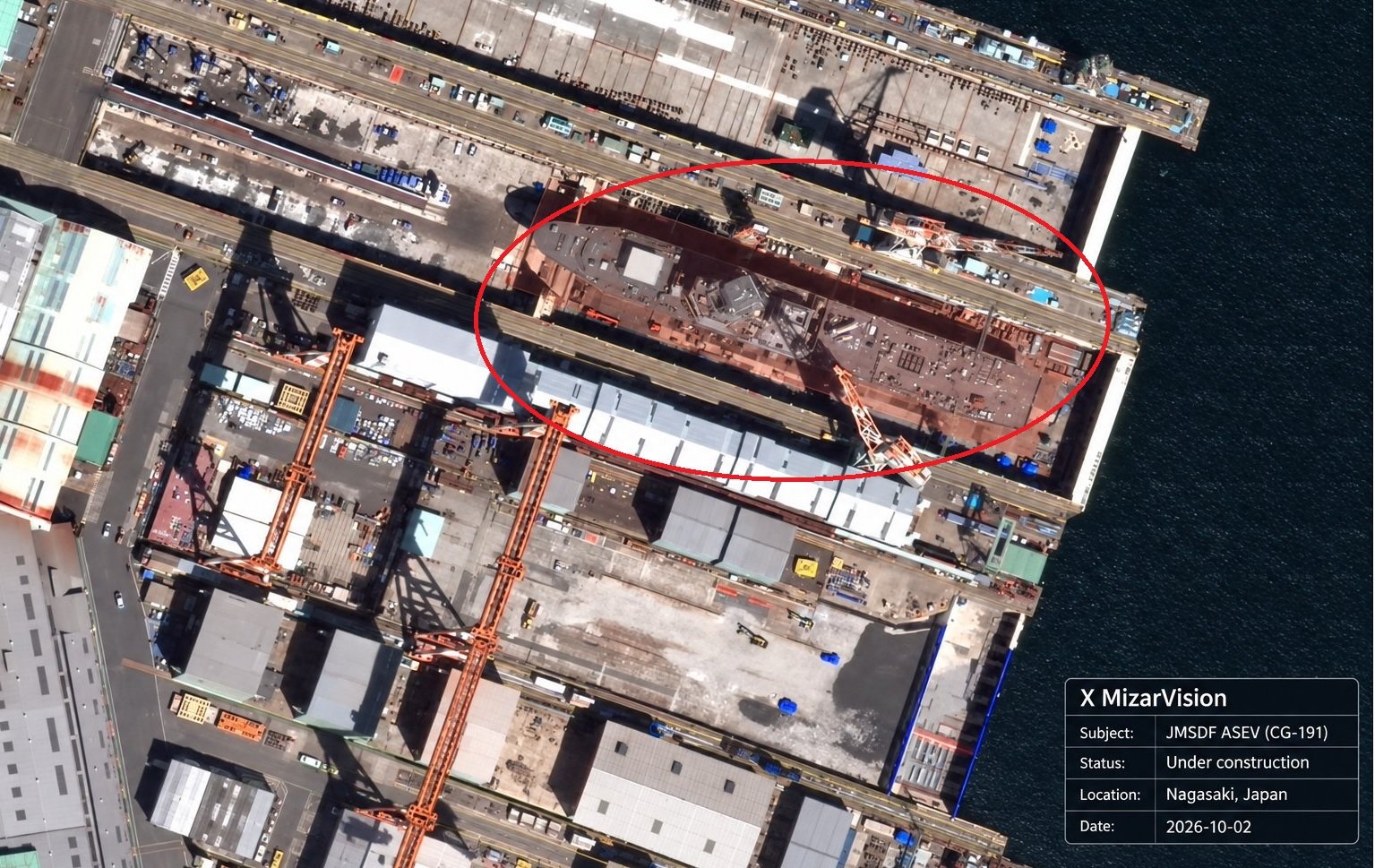 Satellite Images Show Japan’s First Aegis-Equipped Vessel Taking Shape at Nagasaki Shipyard
-
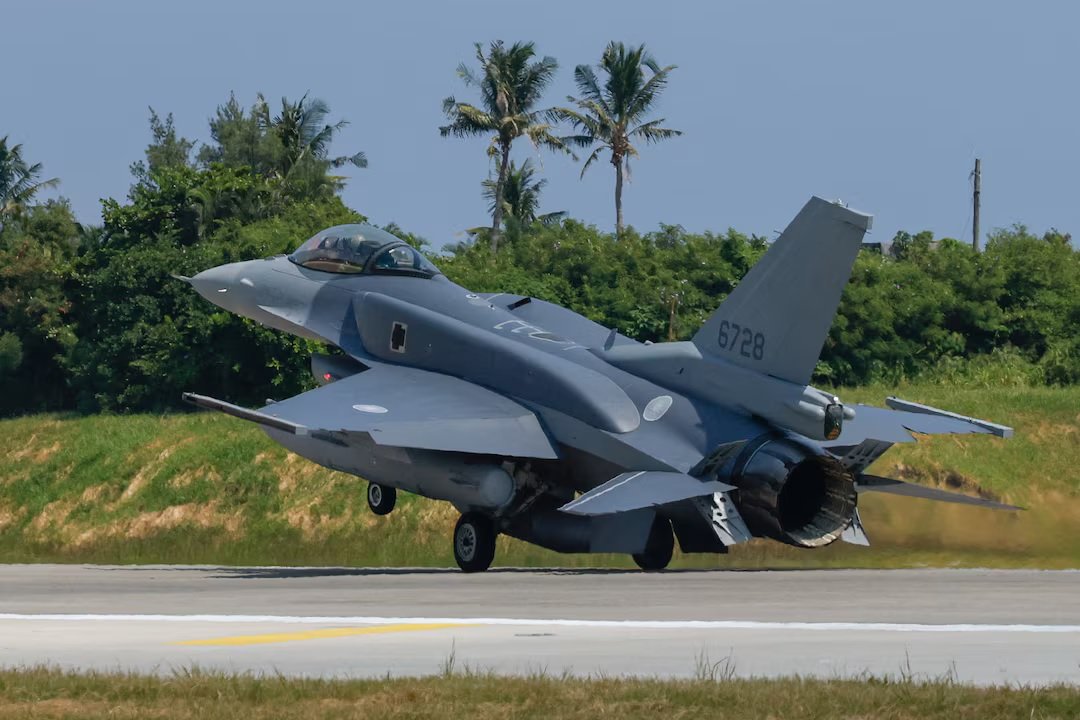 Taiwan’s first two Lockheed Martin F-16C Fighting Falcon Block 70 fighters landed at Chihhang Air Base near Taitung
-
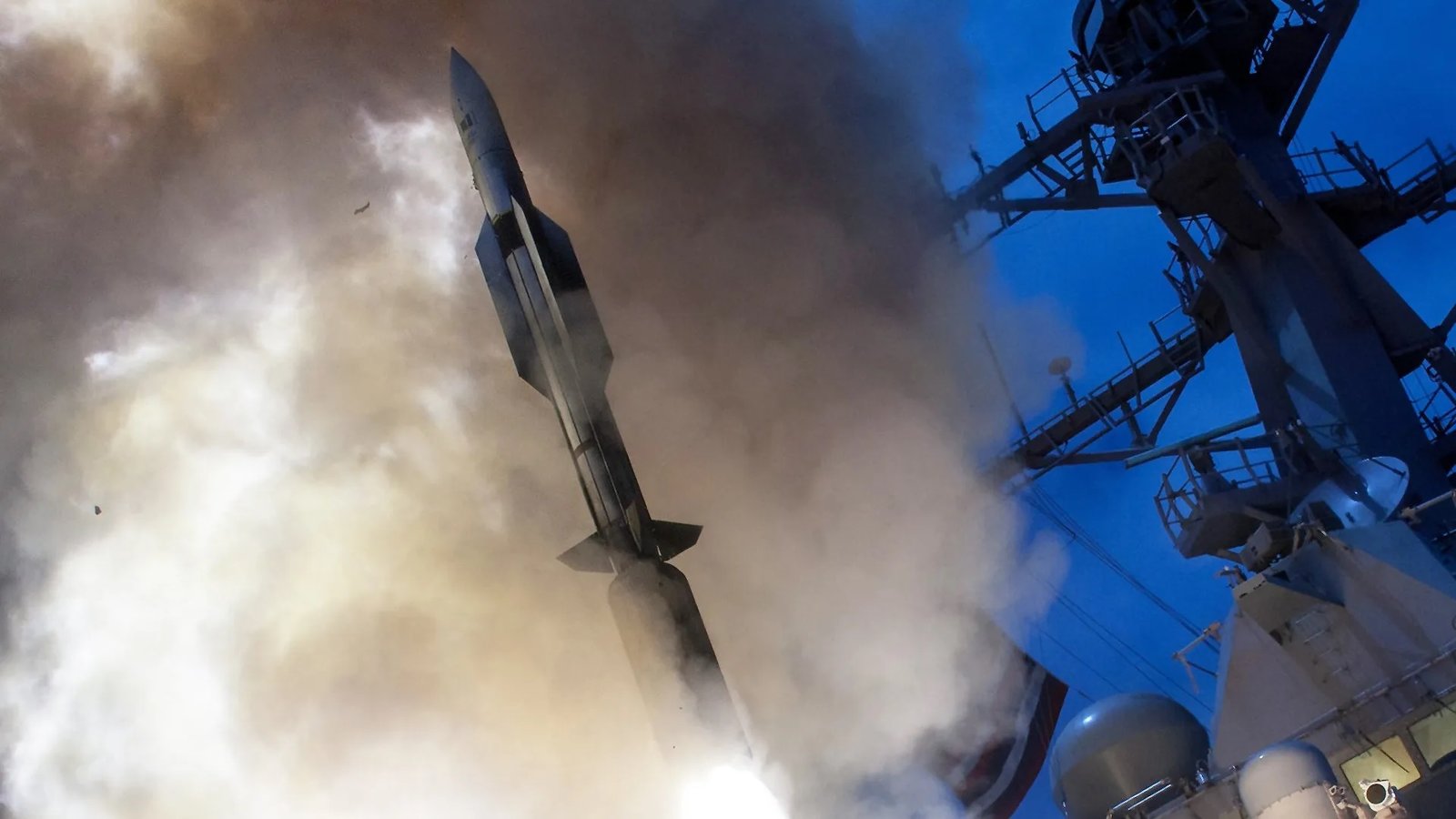 U.S. Navy Awards Raytheon Up to $24.4 Billion Contract to Boost SM-6 Missile Production
-
 China Connects 100-MW CO2 Energy Storage Facility to Grid, Advances Fusion and Pumped Storage
-
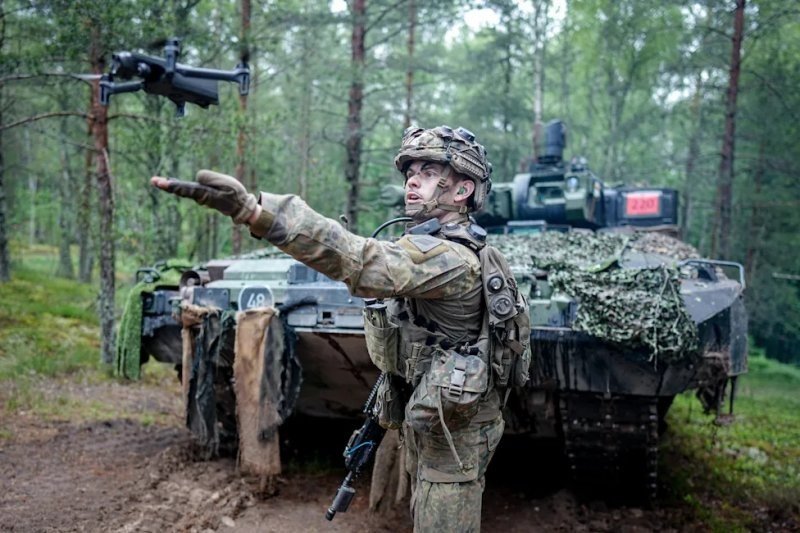 Germany to Establish First Dedicated Drone Regiment by 2027
-
 U.S Funds Space-Based Solar Power to Supply Electricity to Remote Military Bases
Top Trending in 4 Days
-
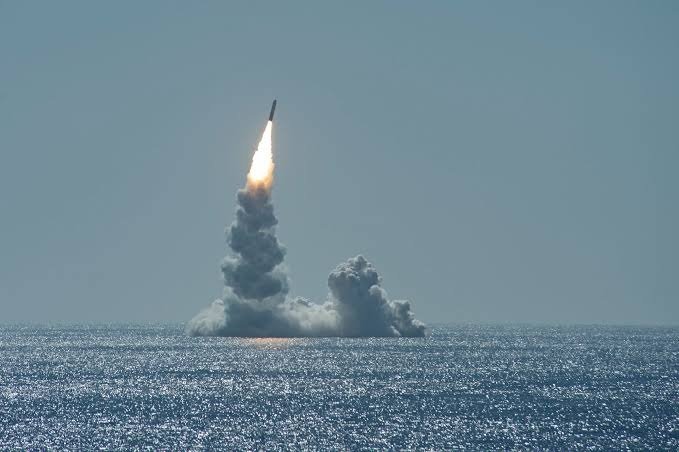 UK Offers Nuclear Deterrence for Its Northern European Defence Partners
-
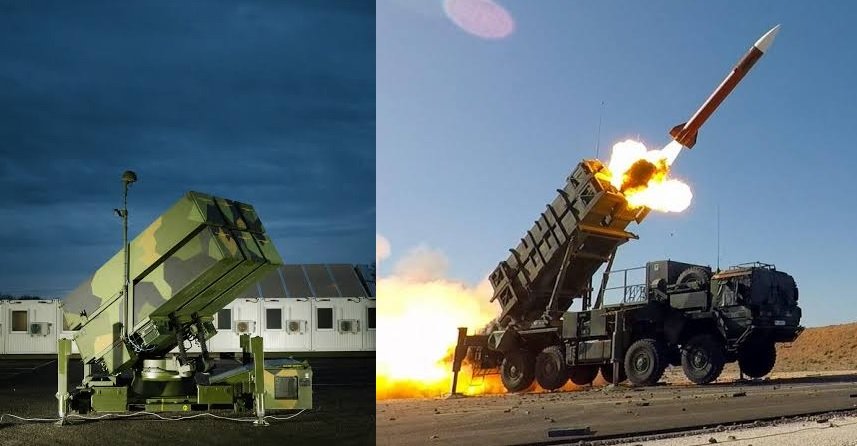 Ukraine Receives New NASAMS Air Defense System and Interceptor Missiles From U.S. and Norway
-
 U.S. Department of War Awards Raytheon Up to $20.7 Billion Multi-Year Contract for AMRAAM Missiles
-
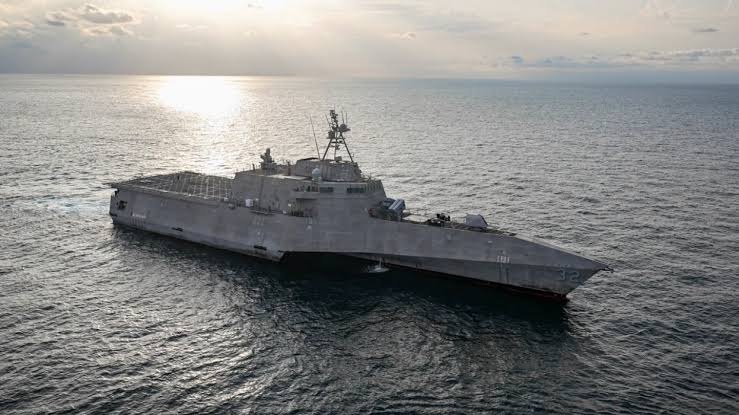 USS Santa Barbara Undergoes Urgent Maintenance in Singapore After Engine and System Failures
-
 Russian Tu-95MS Strategic Bomber Crashes in Amur Region, Six Crew Members Killed
-
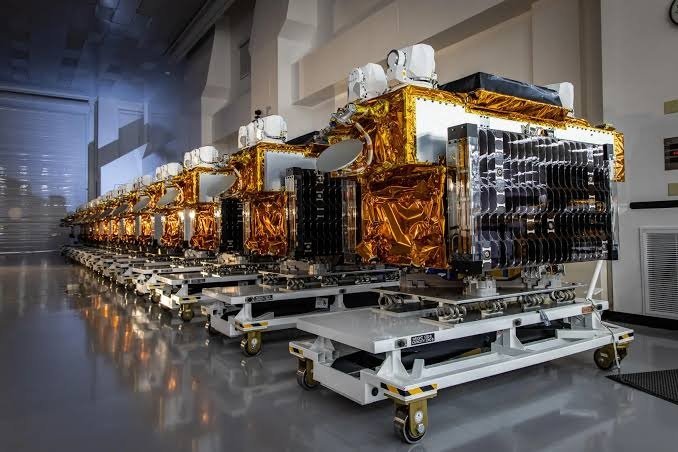 Northrop Grumman Delivers First 21 Satellites for Pentagon’s Next-Generation Military Network
-
 DRDO’s Kaveri Dry Engine Achieves 48.5 kN Thrust in Russian Flight Trials
-
 NASA Adds Blue Origin’s Upgraded New Glenn 9×4 to Launch Services Contract
