
Lockheed Martin and GE Aerospace Successfully Test Rotating Detonation Ramjet for Hypersonic Weapons
World
WASHINGTON : In a significant leap for American hypersonic capabilities, Lockheed Martin and GE Aerospace announced today the successful completion of engine tests for a new liquid-fueled rotating detonation ramjet (RDR). The milestone marks the first major success under a joint technology development agreement between the two aerospace giants, aiming to produce a propulsion system that is not only faster and more powerful but significantly cheaper to manufacture than existing hypersonic engines. The Breakthrough: "Controlled Explosions" The test demonstrated the viability of a rotating detonation ramjet, a technology that differs fundamentally from traditional ramjets. Old Tech (Scramjets/Ramjets): Conventional engines burn fuel via "deflagration" (rapid burning), which requires massive amounts of air compression and speed to function. New Tech (RDR): The new engine uses detonation waves—essentially a continuous, spinning series of controlled explosions—to combust fuel and air. This process releases energy much more rapidly and efficiently. According to the companies, this method generates higher thrust for both supersonic and hypersonic speeds while allowing the engine to remain smaller and lighter than conventional counterparts. Strategic Advantages: Faster, Farther, Cheaper The implications for future U.S. missile programs are substantial. The compact nature of the RDR design solves several critical engineering headaches: Extended Range: The improved fuel efficiency allows missiles to fly farther or carry heavier payloads. Smaller Boosters: Because the RDR can ignite at lower speeds than traditional scramjets, the massive (and expensive) rocket boosters usually needed to get the missile up to speed can be downsized. Cost Reduction: Executives highlighted that the system will "cost a lot less to build," addressing a primary criticism of current hypersonic weapons like the AGM-183A, which can cost tens of millions per unit. Leadership Commentary "The testing on the rotating detonation ramjet and inlet exceeded expectations," said Mark Rettig, vice president and general manager of Edison Works Advanced Programs at GE Aerospace. "We are excited about this collaboration to continue maturing our advanced air-breathing hypersonic propulsion technologies." Randy Crites, vice president and general manager at Lockheed Martin Advanced Programs, noted that the success follows two years of internal investment. "This compact ramjet applies Lockheed Martin's expertise in ramjet inlets and offers extended range at extreme speeds," Crites stated. What’s Next? The companies plan to integrate this propulsion system into next-generation missile airframes targeting "high-value, time-sensitive targets." With China and Russia already fielding operational hypersonic glide vehicles, the U.S. Department of Defense is under pressure to field "air-breathing" cruise missiles that can maneuver unpredictably at Mach 5+ speeds. This successful test suggests the U.S. is moving closer to a mass-producible solution, shifting from experimental prototypes to fieldable tactical weapons.
Read More → Posted on 2026-01-14 16:59:47
World
WASHINGTON / BRUSSELS / TEHRAN : U.S. military action against Iran is now viewed as almost inevitable and could begin within the next 24 hours, according to two European officials cited by Reuters. The assessment signals a sharp escalation in U.S.–Iran tensions, with diplomatic efforts giving way to military preparations. While the White House and Pentagon have issued no formal announcement, officials familiar with the situation say planning has reached an advanced stage. The crisis is being driven by Iran’s violent crackdown on nationwide protests, which have spread across major cities. Western officials and human rights groups say security forces have used lethal force, mass arrests, and communications shutdowns to suppress unrest, intensifying pressure on Washington after months of sanctions and diplomatic warnings failed to change Tehran’s course. Senior officials in the United States administration have adopted harsher rhetoric, voicing support for protesters and condemning Iran’s leadership. Officials briefed on internal discussions say military options under review include limited air and missile strikes focused on security and command infrastructure linked to the crackdown. At the same time, U.S. forces in the Middle East have moved to a higher state of readiness, with reports of personnel repositioning and tightened embassy security amid concerns of retaliatory attacks. Iranian officials have warned that any U.S. strike would be met with a direct response. Diplomatic sources say Tehran has cautioned neighboring countries hosting U.S. troops that they could be targeted if their territory is used in an attack. State media in Iran has portrayed the unrest as foreign-backed and vowed to defend the country against external aggression. European governments are urging restraint, warning that even limited military action could trigger a wider regional conflict. Emergency consultations are under way as allies prepare for the possibility that hostilities could begin with little warning. As of late Wednesday, no public decision had been announced. However, the convergence of intelligence assessments, military movements, and diplomatic warnings has created a critical moment, with officials cautioning that events could move rapidly toward open confrontation.
Read More → Posted on 2026-01-14 16:47:24
World
RIYADH / WASHINGTON : Saudi Arabia has confirmed that a fourth Terminal High Altitude Area Defense (THAAD) battery of the Royal Saudi Air Defense Forces has successfully completed its full training cycle in the United States, marking another milestone in the Kingdom’s expanding ballistic missile defense capability. The announcement, issued on January 8, 2026, stated that Saudi personnel concluded individual and specialized training at Fort Bliss, the U.S. Army’s primary THAAD qualification center. According to Saudi officials, the training program covered system operation, radar and launcher employment, battery-level coordination, and readiness standards required prior to activation. Authorities did not disclose deployment locations or operational timelines, emphasizing that training completion is one phase in a broader, phased force-generation process. Part of a Long-Term Procurement Program The graduation of the fourth battery aligns with Saudi Arabia’s 2017 defense agreement with the United States, a deal valued at approximately $15 billion. The agreement includes seven THAAD fire units, AN/TPY-2 X-band radars, tactical fire control stations, launch vehicles, and an estimated 360 interceptor missiles, along with training, logistics, and sustainment support. The first Saudi THAAD battery was officially activated in July 2025, with additional units scheduled to follow as trained personnel become available. Defense officials have consistently stated that unit activation depends on crew readiness and system integration, not merely equipment delivery. Strengthening Saudi Arabia’s Layered Air Defense Saudi defense planners see THAAD as a critical high-altitude layer within the Kingdom’s integrated air and missile defense architecture. The system is designed to extend engagement range and altitude, providing an additional opportunity to intercept ballistic missile threats before they descend toward critical infrastructure and population centers. Successful operationalization will depend on integration with national command-and-control networks, early-warning sensors, and engagement authorities. Officials have indicated that network integration and joint exercises will proceed in parallel with the training of additional batteries. THAAD System Capabilities and Configuration The Terminal High Altitude Area Defense (THAAD) system is a U.S.-developed anti-ballistic missile system designed to intercept short-range, medium-range, and limited intermediate-range ballistic missiles during their terminal phase of flight, both inside and outside the atmosphere. Unlike traditional air defense systems, THAAD uses hit-to-kill technology, destroying targets through kinetic impact rather than an explosive warhead. Open-source data indicate that a THAAD interceptor weighs about 900 kilograms, measures approximately 6.17 meters in length, and can reach speeds of up to 2,800 meters per second. Engagement altitudes can reach 150 kilometers, with engagement ranges commonly cited between 150 and 200 kilometers. A standard THAAD battery consists of six truck-mounted launchers, each carrying eight interceptors, supported by an AN/TPY-2 radar and a tactical fire control and communications element. A full battery typically requires about 90 personnel, including launcher crews, radar operators, fire control officers, and command staff. Training Pipeline and Crew Qualification The THAAD training pipeline mirrors that used by U.S. Army units and other international operators. Saudi personnel first undergo individual instruction, followed by specialized role training in radar operations, launcher control, fire direction, and command-and-communications functions. Battery-level training then integrates these roles into coordinated engagement scenarios conducted under realistic ballistic missile defense timelines. Completion of this phase certifies that Saudi crews are qualified to operate THAAD within a layered missile defense environment, both independently and during joint operations with U.S. forces. Program Background and Industrial Base The THAAD program originated in the late 1980s, as the United States sought defenses against emerging ballistic missile threats. The U.S. Army selected Lockheed Martin as prime contractor in 1992. Early flight tests in the mid-1990s encountered repeated failures, but successful intercepts were achieved in 1999 following extensive redesign and testing. Engineering and manufacturing development began in 2000, leading to initial operational deployment in 2008. Since then, THAAD has been fielded as a mobile, rapidly deployable system, designed to integrate with other U.S. and allied missile defense assets. Strategic Implications With the graduation of a fourth THAAD battery, Saudi Arabia continues a measured, incremental approach to strengthening its long-range missile defense posture. While deployment details remain undisclosed, the growing pool of trained Saudi personnel enhances the Kingdom’s ability to activate additional fire units, sustain operations, and rotate crews over time. As further batteries complete training and integration, THAAD is expected to play an increasingly central role in Saudi Arabia’s national and regional defense strategy amid persistent ballistic missile threats.
Read More → Posted on 2026-01-14 16:35:51
Northrop Grumman Demonstrates Breakthrough Radiation Testing Technology Under DARPA ASSERT Programme
World
WASHINGTON : U.S. defence contractor Northrop Grumman has unveiled a major technological advance that could dramatically accelerate the development of radiation-hardened microelectronics critical to national security, space exploration, and nuclear infrastructure. The company announced it has successfully demonstrated a secure, laboratory-scale testing environment under the Defense Advanced Research Projects Agency’s ASSERT programme, reducing testing timelines that once stretched for years to just months. The demonstration marks a significant step toward transforming how microelectronics are certified for operation in extreme radiation environments, where even minor component failures can cripple complex systems. Severe Bottlenecks in Radiation-Hardened Electronics Testing Microelectronics deployed in space systems and nuclear facilities are routinely exposed to high levels of ionising radiation, which can disrupt circuitry, corrupt data, and cause permanent hardware damage. To mitigate these risks, extensive radiation effects testing is mandatory before deployment. Until now, this testing has relied heavily on large heavy-ion accelerator facilities capable of simulating such environments. However, only four facilities are currently operational in the United States, creating long backlogs and multi-year wait times. Defence programmes, satellite launches, and next-generation weapons systems have all been affected by the limited availability of these national assets. Portable Laboratory Alternative to Heavy-Ion Facilities Northrop Grumman’s new solution is designed to bypass these constraints. The technology enables radiation effects testing in a compact and transportable laboratory environment while reproducing the same randomised radiation conditions encountered in space and nuclear settings. By decentralising testing and bringing high-fidelity radiation simulation closer to designers and manufacturers, the company says it can significantly shorten the design-to-deployment cycle for radiation-hardened microelectronics. This capability is expected to improve responsiveness to urgent military requirements while reducing costs linked to prolonged development schedules. ‘Industry-Changing’ Capability “Northrop Grumman’s decades of engineering excellence applied to DARPA’s ASSERT program resulted in this industry-changing solution,” said Jonathan Green, vice president and chief technology officer for Northrop Grumman Mission Systems. “Improving these testing capabilities will significantly reduce the lead time on these critical microelectronics, ensuring our customers are receiving the systems they need faster than ever.” According to the company, the breakthrough arrives at a time when modern defence and space platforms increasingly rely on densely integrated, high-performance electronics that are more susceptible to radiation-induced failures. Advanced Partnerships and New Testing Methods As part of the ASSERT programme, Northrop Grumman is working alongside Vanderbilt University and Lawrence Berkeley National Laboratory to apply laser plasma accelerator technology for high-energy electron beam testing. This approach enables testing of packaged, stacked, and 3D heterogeneous microelectronics—advanced architectures that traditional surrogate testing methods cannot adequately support. These designs are becoming increasingly common in next-generation military and commercial platforms, heightening the need for reliable validation methods. Engineers from Northrop Grumman’s Adaptive Optics Associates-Xinetics programmes also contributed by rigorously validating the prototype to ensure it can withstand harsh operational environments. Strategic Impact on Defence and Supply Chains Northrop Grumman designs, manufactures, and tests millions of microelectronic components each year in support of U.S. defence and commercial systems. The company says its mission-tailored microelectronics help protect the domestic supply chain while underpinning the performance of future satellites, missile-warning systems, sensors, and critical infrastructure. With the successful ASSERT demonstration, defence analysts say laboratory-scale radiation testing could soon become a viable alternative to scarce national facilities. If adopted widely, the technology may reshape how radiation-hardened electronics are developed—ensuring faster fielding of resilient systems as space, nuclear, and strategic domains grow increasingly contested.
Read More → Posted on 2026-01-14 16:22:57
Space & Technology
New Delhi / Washington : The United States is preparing to invite India as a full member of Pax Silica, a US-led strategic alliance focused on securing semiconductor, silicon and critical technology supply chains, according to official indications and diplomatic sources. The prospective move would mark a major geopolitical upgrade for India, positioning it at the centre of a rapidly evolving global contest over chips, artificial intelligence hardware and next-generation manufacturing, while reinforcing Washington’s effort to build a trusted technology bloc among allied and partner nations. What Is Pax Silica And Why It Matters Pax Silica is not a military alliance but a strategic technology coordination framework designed to protect and diversify supply chains that underpin the modern digital economy. The grouping focuses on the entire semiconductor ecosystem — from critical minerals and silicon wafers to chip fabrication, advanced packaging and downstream applications in AI, defence and telecommunications. Current members include the United States, Japan, South Korea, Singapore, Netherlands, United Kingdom, Israel, United Arab Emirates and Australia — nations that collectively dominate key nodes of the global high-tech and semiconductor value chain. Why The US Wants India Inside The Alliance Washington sees India as a critical missing link in its technology-security strategy. With a large domestic market, a rapidly expanding electronics manufacturing base, and ambitious plans to build domestic semiconductor fabrication capacity, India offers scale that few other partners can match. US officials believe India’s inclusion would help de-risk global supply chains, reduce over-concentration in sensitive regions, and strengthen the strategic resilience of allied technology ecosystems. The move also aligns with broader US-India cooperation in critical minerals, advanced manufacturing and defence technologies. What India Stands To Gain For New Delhi, joining Pax Silica would bring tangible industrial and diplomatic benefits. Membership could unlock greater foreign investment, accelerate technology partnerships, and integrate India more deeply into global chip production networks. Equally significant, India would gain a seat at the table where decisions on export controls, technology standards and supply-chain governance are increasingly being shaped — areas that directly affect India’s long-term economic and strategic interests. The invitation would also complement India’s domestic push to become a global hub for electronics and semiconductor manufacturing, reducing dependence on imports for strategic technologies. Strategic Benefits And Delicate Balancing Despite the advantages, the decision carries strategic sensitivities. India has long emphasised strategic autonomy and maintains diverse global partnerships. Deeper alignment with a US-led technology bloc could require careful navigation of trade rules, export-control regimes and investment screening mechanisms. Officials familiar with the discussions indicate that India is seeking assurances that Pax Silica membership will support domestic industry and preserve policy flexibility, rather than impose constraints. A Signal In The Global Tech Power Struggle India’s expected entry into Pax Silica highlights how semiconductors and critical technologies have become central to global power politics. Alliances are increasingly being built not around troops or treaties, but around chips, data and supply chains. If finalised, India’s membership would signal its emergence as a core player in the global high-tech order, while giving the United States a powerful new partner in its effort to shape the future of the semiconductor-driven world economy.
Read More → Posted on 2026-01-14 16:12:54
World
Riyadh / Washington : Saudi Arabia’s de facto ruler, Mohammed bin Salman, has issued one of his strongest and most consequential warnings yet over Iran’s nuclear ambitions, cautioning that the Middle East could face profound instability if Tehran acquires nuclear weapons — and making clear that Riyadh would respond in kind. “The Ayatollah wants a project like Hitler,” the crown prince said, arguing that the world historically ignored growing threats until it was too late. “Saudi Arabia does not want nuclear weapons,” he added, “but if Iran gets one, we will follow.” The remarks, originally delivered in a major U.S. television interview and frequently referenced since, underscore the depth of Saudi concern over Iran’s strategic trajectory and highlight the risk of a regional nuclear arms race. A Warning Rooted in History and Rivalry By invoking Adolf Hitler, Mohammed bin Salman framed Iran’s leadership as pursuing ideological expansion beyond its borders — a comparison intended to resonate with Western policymakers and emphasize a sense of urgency. Saudi officials argue that Iran’s regional influence, exercised through aligned militias and proxy forces in Iraq, Syria, Lebanon and Yemen, already reflects a destabilizing project that would become far more dangerous under a nuclear shield. Iran, led by Supreme Leader Ali Khamenei, has repeatedly denied seeking nuclear weapons, insisting its program is strictly civilian. However, Tehran’s advances in uranium enrichment, ballistic missile capabilities, and its strained cooperation with international inspectors have deepened skepticism across the Gulf, Israel and the West. Saudi Arabia’s Position: Deterrence, Not Desire Saudi Arabia maintains that it has no intention of becoming a nuclear-armed state under normal circumstances. Officials in Riyadh consistently describe the kingdom’s nuclear plans as civilian, focused on energy diversification, technological development, and reducing reliance on oil under Vision 2030. Yet Mohammed bin Salman’s warning makes clear that this restraint is conditional. Saudi strategists argue that a nuclear-armed Iran would fundamentally alter the regional balance of power, leaving Riyadh with little strategic choice but to pursue nuclear parity to ensure deterrence and survival. Analysts describe this stance as “follow-on deterrence” — a posture that has become central to discussions of Middle Eastern security risks. International Implications and U.S Concerns The crown prince’s remarks have complicated diplomacy between Saudi Arabia and the United States, particularly as both sides explore deeper cooperation, including civilian nuclear agreements. Washington has stressed that any such cooperation must include strict safeguards, full transparency, and limits on sensitive technologies such as uranium enrichment. Past Saudi statements about matching Iran’s nuclear capability are frequently cited in U.S. congressional debates as justification for tough non-proliferation conditions. Some analysts, however, argue that binding Saudi Arabia into internationally supervised frameworks may be the most effective way to prevent nuclear proliferation, rather than pushing Riyadh toward alternative partners with fewer restrictions. A Region on the Brink Mohammed bin Salman’s warning comes as regional tensions escalate, with conflicts involving Iran-aligned groups, recurring crises over Iran’s nuclear advances, and increasing military signaling across the Gulf. Diplomats fear that if Iran were to cross the nuclear threshold, other regional powers — including Saudi Arabia, and potentially Turkey or Egypt — could reassess their long-standing non-nuclear policies, weakening global non-proliferation norms. Such a development, experts warn, would increase the risk of miscalculation in one of the world’s most volatile regions. The Message Behind the Rhetoric Despite the blunt and provocative language, analysts say the Saudi crown prince’s core objective is strategic signaling, not immediate escalation. By drawing historical parallels and defining clear red lines, Riyadh aims to pressure the international community to prevent Iran from acquiring nuclear weapons — and to ensure that Saudi security concerns remain central to any future diplomatic settlement. For now, Saudi Arabia continues to publicly reject the pursuit of nuclear arms. But Mohammed bin Salman’s warning leaves little ambiguity about what the kingdom believes is at stake — and how far it may be prepared to go if Iran’s nuclear program moves from capability to weaponization.
Read More → Posted on 2026-01-14 15:58:01
Space & Technology
BEIJING : In a disclosure that is intensifying global debate over the future of warfare, Chinese state media has formally confirmed that the long-speculated Nantianmen Project—also known as South Heaven Gate—has moved beyond conceptual imagery and into China’s active military research and defense planning. The announcement marks one of the clearest indications yet that Beijing intends to secure a decisive power edge in near-space and low-Earth orbit, redefining how military power may be projected in the coming decades. The confirmation was aired by China Central Television, citing internal research and planning discussions associated with the PLA Air Force Command College. Together, the reports frame Nantianmen as a strategic technology architecture, guiding the development of space-air integrated combat systems through the 2030s and toward an anticipated deployment horizon around 2040. The Luan Niao: A Fortress in the Sky At the core of the Nantianmen vision is the Luan Niao, a proposed orbital strike carrier whose scale and ambition have few historical parallels. Chinese sources describe the platform as displacing approximately 120,000 tons, making it heavier than even the largest U.S. naval supercarriers. According to official data and design illustrations released through state-linked channels, the Luan Niao would measure roughly 242 meters in length, with a wingspan of about 684 meters. Military analysts appearing on CCTV described it as a persistent command-and-control hub, capable of remaining aloft in the stratosphere and potentially transitioning into lower orbit for extended periods. The carrier is envisioned as the central node of an “integrated space–air strategic defense system”, linking satellites, airborne platforms, drones and ground-based forces into a single network. From this position, Chinese planners argue, the platform could coordinate operations across air, space, cyber and electronic warfare domains. Propulsion, Endurance and Power Generation Propulsion details remain among the most controversial aspects of the project. State presentations reference multi-cycle aerospace engines combined with nuclear-derived power systems, a configuration intended to provide both sustained lift and long-duration energy supply. Some Chinese materials have alluded to cold nuclear fusion concepts, a claim widely met with skepticism by international scientists. Chinese officials, however, have stressed that Nantianmen represents a technology roadmap and research target, not a finalized or operational design. The emphasis, they say, is on identifying future breakthroughs in energy density, propulsion efficiency and thermal management. Weapons, Sensors and Global Strike Potential Chinese media portray the Luan Niao as far more than a carrier. Conceptual armament includes directed-energy weapons, high-energy particle systems, and layered laser defenses designed to counter missiles, satellites, hypersonic glide vehicles and hostile spacecraft. Analysts on CCTV suggested that a platform operating from near-space could enable rapid global strike capability, allowing targets anywhere on Earth to be engaged within hours. Such reach would dramatically reduce dependence on overseas bases and maritime logistics, which Chinese planners increasingly view as vulnerable in a high-intensity conflict. If realized, this approach would represent a doctrinal shift—from sea-based power projection to persistent dominance from above the atmosphere. The Air Wing: White Emperor and Xuan Nu The Nantianmen framework also details a sophisticated air wing combining unmanned saturation with elite manned platforms. According to state media, the Luan Niao is designed to deploy up to 88 Xuan Nu unmanned combat aerial vehicles. These UCAVs are described as highly maneuverable, capable of operating at extreme altitudes and, in some depictions, transitioning briefly into the vacuum of space. Operating alongside them is the White Emperor, also known as Baidi, a proposed sixth-generation integrated space–air fighter. A full-scale mock-up of the Baidi Type-B displayed at the Zhuhai Airshow in 2024 attracted global attention. Chinese engineers describe the White Emperor as capable of hypersonic flight, orbital insertion, and atmospheric re-entry, serving as the primary combat platform while the Xuan Nu provides numerical mass and reconnaissance. From Science Fiction to Strategic Tool The Nantianmen Project first appeared publicly in 2017 as a promotional intellectual property initiative by the Aviation Industry Corporation of China, complete with stylized artwork and fictional narratives involving extraterrestrial threats. For years, it was dismissed outside China as science-fiction branding rather than a credible military plan. That perception has shifted sharply. Wang Mingzhi, a military analyst at the PLA Air Force Command College, stated on CCTV that Nantianmen’s concepts now function as “technology targets” for China’s defense industry. He emphasized that the project guides research into advanced propulsion, materials science, artificial intelligence, energy generation and space–air integration, reflecting how China expects future wars to be fought. How Nantianmen Could Give China a Power Edge Strategically, Nantianmen signals Beijing’s ambition to secure dominance in space-adjacent domains. Platforms like the Luan Niao could provide persistent surveillance, early-warning superiority, and the ability to disrupt enemy satellites, communications and navigation systems at the outset of a conflict. Military analysts note that such capabilities would allow China to blind and disorient adversaries, degrading command networks before traditional forces engage. Near-space platforms could also function as anti-satellite hubs, threatening the orbital infrastructure on which modern militaries—and civilian economies—depend. A Catalyst for a New Space Arms Race International reaction has been cautious and, in some quarters, alarmed. While many experts question the technical feasibility of a 120,000-ton orbital carrier by 2040, others argue that feasibility is not the primary message. An analysis by The National Interest noted that China is clearly signaling its intent to treat the mesosphere and low-Earth orbit as decisive battlefields. Critics warn that initiatives like Nantianmen could accelerate the weaponization of space, prompting rival powers to pursue similar systems. Such a trend, they argue, risks igniting a new global arms race, extending strategic competition far beyond Earth’s atmosphere. Whether the Nantianmen Project ultimately produces an operational orbital carrier remains uncertain. What is increasingly clear, however, is that China is openly repositioning space and near-space at the center of its long-term military strategy—challenging traditional assumptions about where wars are fought, how power is projected, and who controls the ultimate high ground in the decades ahead.
Read More → Posted on 2026-01-14 15:25:40
World
WASHINGTON : The U.S. Army will introduce its first Bell MV-75 tiltrotor aircraft by late 2026, accelerating a cornerstone of the service’s Future Vertical Lift (FVL) modernization effort by several years compared with earlier plans that targeted the early 2030s. The shift reflects a broader reassessment of how quickly the Army must adapt to technological change and emerging battlefield demands. The revised timeline was disclosed on January 13, 2026, in reporting by Defense News, following remarks by Army Chief of Staff Gen. Randy George during an Army Senior Leader Sitrep town hall. According to George, advances in engineering maturity, digital design, and acquisition practices have allowed the Army to compress development schedules that once assumed a first operational capability in 2031–2032. A New Generation of Tiltrotor Design The MV-75 represents a new approach to tiltrotor aviation, combining vertical takeoff and landing (VTOL) with high-speed forward flight. Like earlier tiltrotors, it can operate as a helicopter near the ground and transition to fixed-wing flight at altitude. Unlike the V-22 Osprey, however, the MV-75 keeps its engines fixed, tilting only the rotors and drive shafts. Army officials say this configuration simplifies the nacelle design, reduces mechanical complexity, and improves maintainability. Power is distributed through a central driveshaft running through the wing, allowing a single engine to drive both rotors in the event of an engine failure. The airframe features a straight composite wing, a V-tail configuration, retractable landing gear, and a triple-redundant fly-by-wire flight control system designed to enhance survivability and handling across the aircraft’s flight envelope. The fuselage layout intentionally mirrors that of the UH-60 Black Hawk, with large side doors positioned for rapid troop ingress and egress. This commonality is intended to reduce retraining demands for aircrews and maintainers as the Army transitions from legacy helicopters to the Future Vertical Lift family. Performance and Payload The MV-75 is powered by two Rolls-Royce AE 1107F turboshaft engines, each producing roughly 7,000 shaft horsepower. The aircraft is expected to cruise at approximately 520 kilometers per hour, with a maximum speed near 560 kilometers per hour—nearly double the cruise speed of the UH-60. Its projected ferry range is about 3,900 kilometers, with an estimated combat radius between roughly 930 and 1,480 kilometers, comparable to the V-22 but achieved with lower disk loading for improved hover efficiency. Maximum takeoff weight is around 14,000 kilograms, slightly exceeding that of the Black Hawk while enabling greater payload and extended reach. The standard crew consists of four personnel, with capacity for up to 14 fully equipped troops, as well as external cargo carried via hooks. Army planners note that the aircraft’s improved vertical performance is intended to support sustained operations in hot-and-high environments, a key requirement for future expeditionary and contested-logistics missions. Accelerated Timeline, Broader Context George framed the accelerated MV-75 schedule within a wider transformation of Army doctrine and force structure. He cited lessons observed during a recent visit to Ukraine, emphasizing how rapidly battlefield technology, particularly unmanned systems, has altered tactics and operational tempo. According to the Chief of Staff, the Army is moving to ensure its aviation modernization keeps pace with these realities rather than following decades-long acquisition cycles. As part of this shift, the Army has begun restructuring its combat aviation brigades to integrate larger unmanned aerial systems (UAS) alongside manned platforms. George said this includes Group 3, Group 4, and Group 5 systems, with Group 5 aircraft comparable in size and role to the MQ-9 Reaper. These changes are intended to expand reconnaissance, strike, and command-and-control options rather than limiting aviation units to small, short-range drones. Manned and Unmanned Integration The move toward deeper unmanned integration is already visible in operational units. George pointed to the establishment of a drone combat unit within the 10th Mountain Division as an example of how formations are being adapted for offensive drone operations. Similar adjustments, he said, are being implemented across the force, with aviation brigades evolving to field a mix of crewed aircraft like the MV-75 and larger unmanned systems. Army officials stressed that the MV-75 is not being developed in isolation but as part of a broader aviation ecosystem designed for contested environments, long-range maneuver, and rapid deployment. Fielding the first aircraft by late 2026 is intended to provide early operational experience while setting the stage for wider production and follow-on variants later in the decade. A Signal of Changing Acquisition Philosophy The decision to pull the MV-75 timeline forward underscores a shift in Army acquisition philosophy toward faster fielding, incremental capability growth, and closer alignment with operational feedback. If successful, the accelerated rollout marks one of the most significant changes to Army aviation since the introduction of the Black Hawk in the late Cold War era, signaling how future conflicts are reshaping both technology and timelines.
Read More → Posted on 2026-01-14 14:51:53
World
WASHINGTON : The administration of Donald Trump has reportedly been presented with a detailed list of Iranian military and internal security targets, signaling a sharp escalation in U.S. contingency planning as the president seriously considers a possible strike on Iran amid rising regional and domestic tensions. According to reporting by the Daily Mail, a comprehensive dossier identifying 50 high-value Iranian targets was delivered to the White House early Monday morning, just ahead of a series of high-level National Security Council (NSC) meetings. The document was prepared by United Against Nuclear Iran, a Washington-based organization known for advocating a hard-line approach toward Tehran and stricter measures to counter Iran’s military and nuclear ambitions. Focus on Iran’s Internal Repression Apparatus The dossier reportedly places particular emphasis on facilities linked to the Islamic Revolutionary Guard Corps (IRGC), especially units associated with internal security and protest suppression, rather than conventional battlefield forces. At the center of the list is the IRGC’s “Tharallah” (also spelled “Tarallah”) headquarters in Tehran, described as the primary command hub for quelling mass demonstrations in the capital. According to the assessment cited in the report, the headquarters plays a decisive role in coordinating riot control units, directing arrests of activists, and managing rapid-response operations during periods of unrest. The dossier also identifies regional IRGC sub-headquarters across Tehran and at least 23 IRGC-Basij bases embedded within densely populated urban districts. These installations are described as critical nodes for surveillance, mobilization of paramilitary forces, and neighborhood-level enforcement, giving the regime the ability to respond swiftly to emerging protests. Strategic Timing Before Key White House Meetings The delivery of the target list comes amid intensifying U.S.–Iran tensions, including concerns over Iran’s missile development, regional proxy activity, and the future of its nuclear program, as well as recurring waves of anti-government protests inside Iran driven by economic hardship and political repression. Sources cited in the report say the dossier was handed over just hours before crucial NSC deliberations, suggesting it was intended to shape policy discussions as the administration evaluates a spectrum of options — ranging from expanded sanctions and covert actions to limited, targeted military strikes. While no official decision has been announced, analysts note that the inclusion of exact coordinates and operational descriptions indicates that planning has advanced beyond theoretical scenarios into actionable military intelligence. High-risk Implications of Striking Tehran Targets Experts warn that targeting IRGC and Basij infrastructure inside Tehran would mark a significant escalation compared with previous U.S. actions, which have largely avoided direct strikes on regime security centers within the capital. Such targets are deeply intertwined with Iran’s internal stability, raising the risk of civilian casualties, rapid retaliation, and regional escalation. The White House has declined to publicly confirm receipt of the dossier, and U.S. officials have not commented on specific military planning. Iranian leaders, meanwhile, have repeatedly stated that any U.S. attack on Iranian soil would trigger a swift and comprehensive response. An Uncertain Path Forward For now, the dossier represents one of several inputs informing an increasingly tense policy debate in Washington. Whether it becomes a blueprint for military action or a tool for political and diplomatic pressure remains unclear. What is evident is that the presentation of a detailed, coordinates-based target list marks a new and more concrete phase in U.S.–Iran confrontation, bringing the prospect of direct conflict closer to the center of decision-making at the White House.
Read More → Posted on 2026-01-14 14:15:20
World
WASHINGTON : Lockheed Martin has successfully completed the first flight test of its Next-Generation Short-Range Interceptor (NGSRI), marking a major milestone in the U.S. Army’s air defense modernization efforts and signaling progress toward countering 21st-century aerial threats. The test, conducted at the White Sands Missile Range, validated the interceptor’s core performance parameters and demonstrated the maturity of critical subsystems, according to company officials. The achievement formally launches a broader flight-test campaign, which will further evaluate the missile’s range, maneuverability, guidance accuracy, and target engagement effectiveness under realistic operational conditions. Next-Generation Air Defense Capability The NGSRI, developed by Lockheed Martin, is positioned as a potential replacement for the Stinger missile, the long-serving backbone of short-range air defense (SHORAD) for U.S. and allied forces. The new interceptor is designed to deliver significantly enhanced lethality and survivability compared with legacy systems. According to the company, the missile is intended to defeat a wide range of modern aerial threats, including unmanned aerial systems (UAS), rotary-wing aircraft, and fixed-wing aircraft. Improved seeker technology, enhanced kinematics, and greater resistance to electronic countermeasures are expected to provide a decisive edge on future battlefields. Open Systems and Modular Design A central feature of the NGSRI program is its open systems architecture combined with a modular design philosophy. This approach enables rapid upgrades, technology insertion, and software-driven improvements, ensuring the system can adapt quickly to evolving threats without costly redesigns. Lockheed Martin emphasized that this architecture supports continuous modernization, allowing new sensors, propulsion enhancements, and counter-UAS capabilities to be integrated over time. The design also prioritizes manufacturability and affordability, aligning with Army requirements for scalable and sustainable defense solutions. Aligned With U.S. Army Priorities The successful test comes as the United States Army accelerates efforts to strengthen short-range air and missile defense amid the global proliferation of drones, loitering munitions, and low-altitude precision threats. Recent conflicts have underscored the vulnerability of ground forces to such systems, driving urgent modernization initiatives. Lockheed Martin stated that the NGSRI is being developed to integrate with current and future Army launch platforms, enhancing mobility, flexibility, and battlefield responsiveness for maneuver forces. Industry and Leadership Reactions “Our team’s shared mission, innovative approach, and agility were essential to achieving this milestone,” said Randy Crites, vice president of Lockheed Martin Advanced Programs. “We are driving the future of integrated air and missile defense, advancing technologies that protect U.S. warfighters and allied forces from rapidly evolving threats.” Chris Murphy, business development lead for Advanced Programs, highlighted the accelerated pace of development. “The successful completion of this first flight test reflects our team’s ability to deliver critical capabilities on an aggressive timeline,” he said. “We remain committed to providing the Army with highly capable, manufacturable, and affordable systems that meet today’s operational needs.” Following the initial flight success, Lockheed Martin is expected to proceed with additional flight and performance tests, gradually expanding the missile’s operational envelope. The data collected will support future U.S. Army evaluations, potential procurement decisions, and eventual fielding as part of next-generation short-range air defense architecture. If adopted, the Next-Generation Short-Range Interceptor could become a cornerstone of U.S. and allied efforts to maintain air superiority and force protection in an increasingly contested and drone-dominated battlespace.
Read More → Posted on 2026-01-14 13:49:42
World
Washington / Riyadh / Doha / Muscat : Saudi Arabia, Qatar and Oman have issued a stark warning to the White House that any attempt to forcibly overthrow Iran’s Islamic regime would risk destabilizing global oil markets, disrupting critical shipping routes and inflicting direct damage on the U.S. economy, according to reporting by The Wall Street Journal. The three Gulf states, all of which play pivotal roles in global energy supply chains, are urging Washington to refrain from military strikes against Iran, arguing that the economic consequences would be immediate and severe. Their message, delivered through diplomatic channels, reflects mounting anxiety across the region that an escalation with Tehran would spiral beyond a limited confrontation. Why Oil Markets Are at the Center of the Crisis At the heart of the warning lies the vulnerability of the Strait of Hormuz, the narrow maritime corridor through which roughly one-fifth of the world’s traded oil passes each day. Iranian military planners have long signaled that, in the event of a direct attack on the Islamic Republic, Tehran would move swiftly to disrupt traffic through the strait using naval mines, fast-attack boats, drones and anti-ship missiles. Energy analysts note that even a temporary closure or sustained harassment of shipping lanes would send oil prices sharply higher, ripple through global supply chains and intensify inflationary pressures in major economies, including the United States. Gulf officials have privately warned Washington that markets would react not to the duration of a conflict, but to the perception that Hormuz could become unsafe. Proxy Warfare and Long-Running Threats to Shipping Regional governments also point to Iran’s long-established reliance on proxy warfare as a key factor behind their concern. Over decades, Iran’s Islamic regime has cultivated allied militias and armed groups across the Middle East, using them to exert pressure while maintaining plausible deniability. These proxy forces have repeatedly targeted energy infrastructure, oil tankers and ports in the Persian Gulf, the Red Sea and nearby waterways. Officials fear that any direct U.S. strike would trigger a prolonged, multi-front campaign rather than a short, contained clash. Pro-Iranian militias could intensify attacks on oil routes and export terminals, compounding energy disruptions and drawing neighboring states deeper into the conflict. Risks Extend Beyond Regime Change Scenarios The warnings from Saudi Arabia, Qatar and Oman extend beyond the immediate aftermath of a strike. Diplomats caution that even a collapse of Iran’s current Islamic regime would not guarantee regional stability. In a power vacuum, rival factions, armed groups or remnants of the security apparatus could continue to target Gulf oil production sites and shipping lanes, prolonging insecurity across the region. Major energy facilities in Saudi Arabia and the United Arab Emirates remain within range of Iranian missiles and drones, and Gulf leaders fear that these sites would become prime targets in any wider confrontation. Iran Issues Direct Threats Over U.S. Bases Adding to the sense of urgency, Iran has reportedly warned countries hosting U.S. forces that it would attack American military bases on their territory if Donald Trump orders strikes against Iran. Regional officials say the warning has been taken seriously, particularly by states that host key U.S. air and naval facilities. Such a move would dramatically broaden the conflict, potentially drawing multiple countries into open hostilities and undermining years of carefully balanced security arrangements. Turkey Steps In as Diplomatic Channels Multiply Amid the rising tensions, Turkey has emerged as an active diplomatic interlocutor. Turkish Foreign Minister Hakan Fidan has spoken twice with his Iranian counterpart in the past 24 hours, according to regional diplomatic sources. Ankara has also contacted other countries in the region in an effort to contain the crisis. Officials familiar with the talks say Turkey is pressing all sides to avoid actions that could trigger an uncontrollable escalation. Push for De-Escalation as Stakes Rise Efforts to de-escalate the situation are now underway across multiple capitals, even as military signaling continues. Gulf states, while aligned with Washington on many security issues, are making clear that a war with Iran would carry costs they believe outweigh any potential gains. For the White House, the warnings underscore a central dilemma: confronting Iran risks igniting a regional conflict that could choke off oil supplies and destabilize global markets, while restraint carries its own political and strategic challenges. As diplomatic activity intensifies, the coming days may prove critical in determining whether the crisis moves toward de-escalation or a far more dangerous path.
Read More → Posted on 2026-01-14 13:45:09
World
ISLAMABAD / WASHINGTON / TEHRAN : Pakistan has reportedly begun deploying up to 30,000 additional troops along stretches of its border with Iran following what sources describe as a high-level call between Pakistan’s Army Chief Asim Munir and senior officials in Washington. The move, according to regional security and intelligence sources, is being framed internally as a contingency posture tied to a rapidly deteriorating security environment around Iran, rather than a public shift in Pakistan’s declared policy. Officials familiar with the discussions say the troop movement is precautionary on paper, but in practice is designed to give Pakistan’s military greater flexibility should the United States and Israel escalate pressure on Tehran beyond air and cyber operations. Several sources emphasized that Islamabad has not made any public commitments, yet quiet coordination mechanisms already in place between U.S. and Pakistani militaries could be activated quickly if the conflict widens. Western Iran’s Military Geography Iran’s eastern and southeastern regions—particularly Sistan-Baluchestan and parts of Kerman province—have long been of strategic interest to outside powers due to their proximity to Pakistan and the Arabian Sea. Security analysts point to a network of Islamic Revolutionary Guard Corps facilities, radar installations, and missile-related infrastructure dispersed across these provinces. While Tehran does not publicly disclose precise coordinates, Western and regional intelligence assessments have for years identified suspected missile storage and launch areas west of the Pakistan border, some within a few hundred kilometers of Pakistani territory. Cities such as Zahedan, the capital of Sistan-Baluchestan, lie roughly 70–80 kilometers from the border, while the port of Chabahar, a critical logistics hub, is approximately 180–200 kilometers away. Larger urban centers, including Kerman (around 300 kilometers) and Bandar Abbas (about 250–300 kilometers by air), are also considered part of Iran’s southeastern strategic depth. Sources say these distances matter because they place parts of Iran’s missile and logistics network within range of surveillance, electronic warfare, and potential interdiction operations staged from neighboring territory—should political authorization be given. Allegations of Contingency Planning According to officials who have reviewed internal briefings, Washington’s planning assumes that airpower alone would be insufficient to decisively dismantle Iran’s Islamic Republic if a full-scale confrontation were to occur. These assessments argue that any attempt to collapse the governing system in Tehran would ultimately require ground pressure, whether through localized incursions, support to internal opposition, or coordinated operations that deny Iran control over key regions. In that context, Pakistan’s western border is viewed by U.S. planners as a critical factor—not necessarily as a launchpad, but as a stabilizing rear area that could be used to monitor, interdict, or respond if Iran retaliates against U.S. assets in the Gulf, Iraq, or beyond. Sources stress that this is discussed as a contingency, not an agreed plan. Missile Retaliation and Counter-moves Another scenario outlined in briefings shared with regional partners involves Iranian missile strikes on U.S. bases or allied targets. In such a case, sources say Washington would seek rapid options to neutralize launch sites and supporting infrastructure. Pakistan’s military, with its long-standing intelligence channels and familiarity with the border terrain, is viewed by U.S. officials as a potential partner for situational awareness and defensive coordination, though Islamabad would face enormous political and domestic pressure before taking any overt role. Pakistani officials privately insist that their posture is defensive, aimed at preventing spillover violence, refugee flows, or militant exploitation of chaos in eastern Iran. Publicly, Islamabad continues to state that it supports regional stability and dialogue. Internal Unrest and External Calculations The troop deployment comes amid renewed unrest inside Iran, where protests against the Islamic system have flared intermittently. Sources familiar with Western policy debates say the United States sees internal pressure as a significant variable but does not believe protests alone can overturn the regime without sustained external leverage. Any notion of protecting or enabling opposition forces, these officials caution, would be indirect and highly deniable, given the risks of regional escalation. A Fragile Balance For Pakistan, the situation is acutely sensitive. Iran is a neighbor, trading partner, and occasional security partner, while the United States remains Pakistan’s most consequential military interlocutor. Analysts note that even the perception of Pakistani facilitation of U.S. or Israeli action against Iran could trigger retaliation or destabilize Pakistan’s own border regions. As one regional security source put it, “This is about options and leverage, not decisions already taken.” For now, the troop movements signal preparation rather than commitment—but in a region already on edge, even preparation is enough to raise alarms across capitals from Tehran to Washington.
Read More → Posted on 2026-01-14 13:21:19
World
Doha, Qatar : In an unprecedented shift of U.S. military posture in the Middle East, several American service members were advised to depart Al Udeid Air Base in Qatar by the end of the day on Wednesday, diplomatic sources told Reuters, as tensions between Washington and Tehran escalate dramatically. Al Udeid, the largest U.S. military installation in the region and a strategic hub for air operations across the Middle East, hosts roughly 10,000 American troops and serves as the forward headquarters for the U.S. Central Command (CENTCOM). The advisory — described by sources as a “posture change” rather than a full withdrawal — follows warnings from Iranian officials that Tehran would target U.S. military assets in the region if Washington launches a strike against Iran. Escalating Regional Threats According to senior Iranian sources who spoke to international media, Tehran has communicated to Gulf states including Saudi Arabia, the United Arab Emirates, and Turkey that U.S. bases on their soil would be attacked if the United States initiates military action against Iran. The move appears tied to broader unrest within Iran, where nationwide protests have drawn global attention and condemnation. Iranian authorities have faced intense internal pressure, and Iranian leadership claims that threats or actions from the United States would provoke direct retaliation against American military infrastructure across the Middle East. Historical Context and Base Importance Al Udeid Air Base has been central to U.S. military operations in the Middle East for decades. Originally established in the mid-1990s, the facility expanded after 2003 to support operations in Iraq, Afghanistan, and beyond. It functions as a logistical, intelligence, and command hub, hosting aircraft and personnel from U.S. Air Force units as well as allied forces. The base also played a prominent role in last year’s confrontation between Iran and U.S./Israeli forces: on June 23, 2025, Iran launched a missile attack on Al Udeid in retaliation for U.S. strikes on Iranian nuclear sites. Although there were no reported U.S. casualties, the attack underscored the vulnerability of U.S. positions in the region and heightened awareness of potential escalation. U.S. and Regional Responses The U.S. Embassy in Doha and the Qatari Ministry of Foreign Affairs have issued no public statements regarding the advisory departure. However, local and international media outlets report that American forces have previously undertaken precautionary measures such as relocating families and non-essential personnel from other bases across the region amid rising tensions. Meanwhile, the United States has also bolstered defensive coordination at Al Udeid, opening an air and missile defense operations cell to enhance regional readiness in response to emerging threats — signaling a strategic shift toward heightened defensive preparedness. Diplomatic and Strategic Implications Analysts say the posture change reflects Washington’s attempt to balance deterrence with force protection in a period marked by both internal unrest in Iran and external pressure from allied capitals wary of broader conflict. While the United States has warned of possible intervention to support Iranian protesters, Tehran’s leadership appears determined to link any foreign intervention to direct consequences for U.S. military infrastructure in the Gulf. Qatar, whose territory hosts the base, has historically maintained strategic cooperation with the U.S. but also navigates complex relations with Iran and other regional powers. How Doha and other Gulf states will respond diplomatically to these developments remains to be seen, as leaders attempt to avoid being drawn into a wider confrontation. As the situation evolves, the status of Al Udeid Air Base — both as a symbol of U.S. military reach and a potential flashpoint — will continue to be a key barometer of regional stability.
Read More → Posted on 2026-01-14 12:30:44
World
Washington / Caracas : Internal policy discussions and industry briefings reviewed by U.S. officials point to an extraordinary ambition now shaping Washington’s Venezuela strategy: leveraging the country’s vast oil reserves to help offset America’s ballooning $38.5 trillion national debt while securing long-term energy dominance for U.S. companies. According to officials familiar with the matter, the United States is exploring mechanisms that could allow it to recover the equivalent of nearly half of its total debt value through preferential access to Venezuelan oil resources, estimated to be worth more than $17 trillion at current long-term price projections. The plan, still evolving, places Venezuela’s 303-billion-barrel reserves — the largest proven oil reserves in the world — at the center of a sweeping geopolitical and economic recalibration. White House Talks With Oil Giants Signal Strategic Shift The emerging strategy was underscored by a high-level White House meeting involving President Donald Trump, Vice President J.D. Vance, and Secretary of State Marco Rubio, alongside chief executives from ExxonMobil, Chevron, and Shell. Officials briefed on the discussions said the talks focused on security guarantees, investment frameworks, and phased control of Venezuelan oil production. Industry executives made clear that any large-scale commitment would require ironclad assurances for personnel safety, asset protection, and long-term legal stability — conditions currently absent in Venezuela’s fractured political environment. $100 Billion Plan to Rebuild Venezuela’s Oil Industry At the core of the proposal is a $100 billion reconstruction effort aimed at restoring Venezuela’s decimated oil infrastructure, much of which has collapsed due to sanctions, mismanagement, corruption, and years of underinvestment. U.S. officials believe that with modern technology and foreign capital, Venezuelan output could be rapidly increased from its current levels to several million barrels per day within a few years. As part of the initial phase, the United States would receive an immediate allocation of 50 million barrels of crude oil, followed by open-ended shipments continuing indefinitely. These deliveries would be structured through long-term offtake agreements, debt-offset mechanisms, and production-sharing arrangements favorable to U.S. firms. One senior U.S. official, speaking candidly, summarized the thinking bluntly: “The goal in Venezuela is the oil. American companies will have a field day — this is a trillion-dollar opportunity.” Debt, Energy Security, and the Politics of Pressure Publicly, U.S. officials have framed renewed pressure on Caracas as part of a broader campaign against drug trafficking, authoritarian governance, and regional instability. President Trump has repeatedly stated that U.S. actions toward Venezuela are driven by security concerns and the fight against narcotics. However, analysts and internal documents suggest that oil remains the central strategic objective. Venezuela’s reserves — concentrated largely in the Orinoco Belt — represent not only immense wealth but also a tool for stabilizing global oil markets, countering OPEC influence, and ensuring long-term energy supplies for the United States and its allies. By securing preferential access to Venezuelan crude, Washington could insulate itself from Middle Eastern volatility while strengthening the balance sheets of major U.S. oil companies for decades. Human Cost and Political Fallout in Venezuela For many Venezuelans, the stakes could not be higher. Years of economic collapse have already driven millions into poverty and forced more than seven million people to flee the country. Critics argue that turning Venezuela’s crisis into a commercial opportunity risks further sidelining the humanitarian catastrophe unfolding on the ground. Opposition figures and civil society groups warn that any arrangement granting foreign control over national resources without democratic legitimacy would deepen social unrest and undermine sovereignty. “Lives of millions are at stake,” said one Venezuelan analyst. “Yet for Washington and corporate boardrooms, this is being discussed primarily as an opportunity.” International Law and the Question of Sovereignty Under international law, particularly the principles enshrined in the United Nations Charter, permanent sovereignty over natural resources belongs to the state and its people. Any transfer of control over oil reserves typically requires the consent of a legitimate government and must comply with domestic law. Legal experts caution that attempts to extract oil through coercive economic pressure or without clear authorization could face challenges under international investment law and human rights frameworks. Sanctions regimes, while legal under certain national laws, remain controversial when they result in de facto control over another country’s resources. A High-Risk Gamble With Global Consequences For U.S. oil majors, Venezuela represents both immense promise and extraordinary risk. Executives have privately described the country as a once-in-a-generation prize — and a potential quagmire. Without political stability, billions in upfront investment could be wiped out by regime change, civil unrest, or international legal disputes. Yet momentum appears to be building in Washington. With debt pressures mounting, energy competition intensifying, and geopolitical rivals expanding their global footprint, Venezuela’s oil is increasingly viewed not as a diplomatic problem to manage, but as a strategic asset to secure. Whether this vision materializes — and at what cost to Venezuelans themselves — may shape not only the future of Venezuela, but the contours of U.S. power in the global energy order for decades to come.
Read More → Posted on 2026-01-13 17:57:30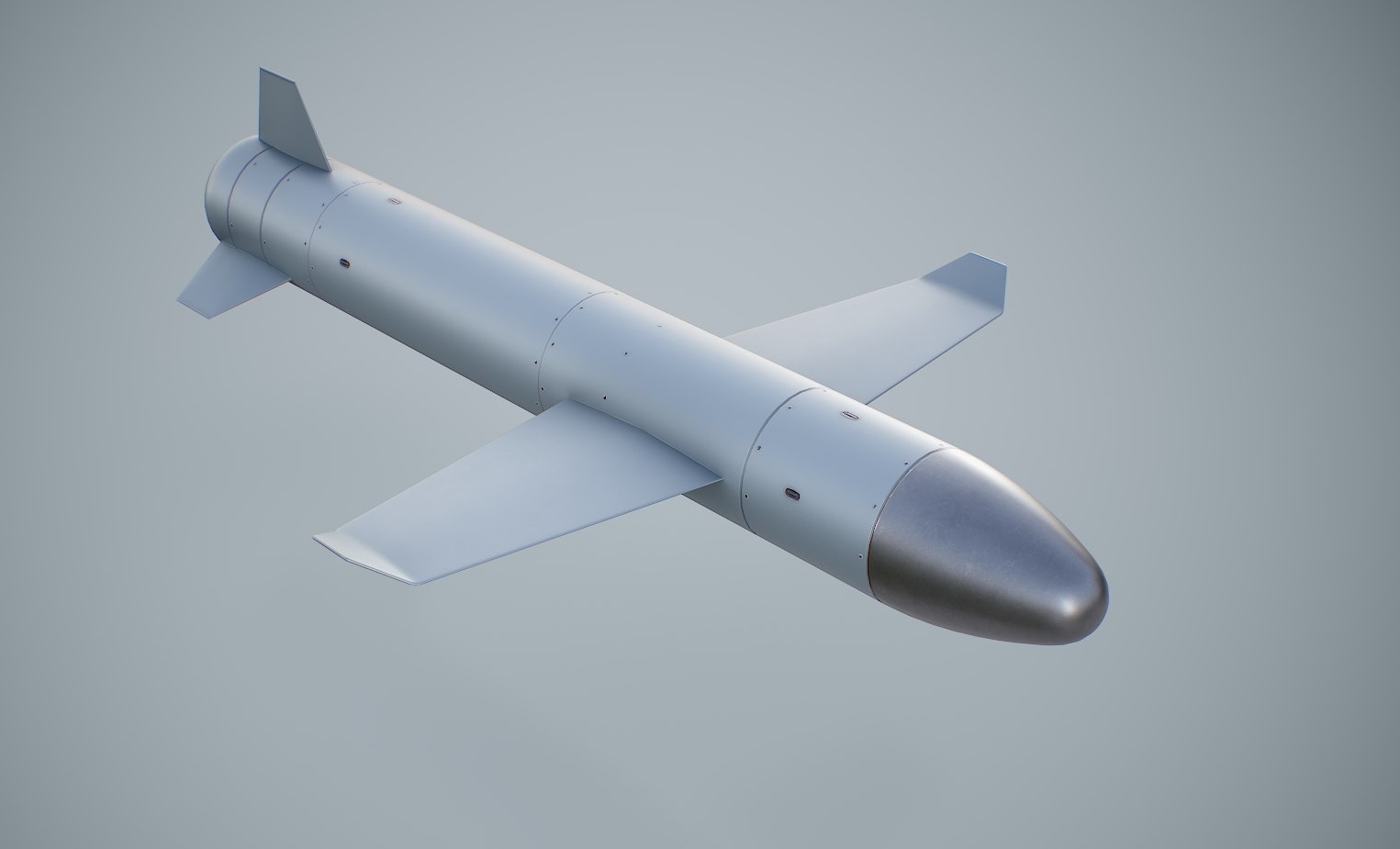
World
Kyiv : Ukrainian officials have formally disclosed the developer and manufacturer behind the country’s newly revealed Palianytsia missile drone, confirming that the system was designed by the Luch Design Bureau, one of Ukraine’s most prominent state-run defense enterprises. The announcement provides the clearest picture yet of the origins and technical characteristics of a weapon seen as part of Ukraine’s expanding long-range strike capability. Official Confirmation by Foreign Minister The disclosure was made public by Andrii Sybiha, Ukraine’s Minister of Foreign Affairs, who posted photographs of the Palianytsia on his official social media account. Sybiha stated that the images were taken during a meeting with Oleh Korosteliov, director of the Luch Design Bureau, who presented him with a scale model of the missile drone. According to the minister, the meeting highlighted the growing role of Ukraine’s domestic defense industry in developing advanced weapons systems under wartime conditions. The model shown to Sybiha is visually consistent with the Palianytsia mock-up previously unveiled to the public in Poland. Appearance at MSPO 2025 Exhibition The Palianytsia missile drone first drew international attention when it was displayed at the MSPO 2025 international defense exhibition in Poland. At the time, Ukrainian defense outlet Militarnyi reported key technical parameters of the system, offering insight into its intended operational role. The missile drone measures approximately 3.5 meters in length, with a wingspan of about 1.7 meters. Its total launch weight is reported to be around 320 kilograms, of which roughly 100 kilograms are allocated to the warhead, indicating a significant payload for a drone-based strike platform. Performance and Flight Characteristics Palianytsia is designed for long-range missions, with an estimated operational range of up to 650 kilometers. It is capable of flying at transonic speeds of around 900 kilometers per hour, allowing it to reach targets quickly while reducing interception opportunities. Its flight altitude can vary widely, from extremely low levels of about 15 meters to higher profiles reaching up to 500 meters. This flexibility allows the missile drone to adapt its flight path to terrain and threat environments, potentially complicating detection by enemy air defense systems. Propulsion, Launch, and Guidance Systems The missile drone is powered by a single-circuit turbojet engine, providing sustained thrust during cruise flight. Launch is conducted with the assistance of a solid-fuel rocket booster, which accelerates the system to the required speed before separating once the turbojet takes over. Navigation and terminal guidance rely on a combined system. An autonomous inertial navigation unit, designed to be resistant to electronic warfare, forms the backbone of guidance, while satellite navigation is used to correct deviations and improve overall accuracy during flight. Role of Luch Design Bureau Founded in 1965, the Luch State Kyiv Design Bureau is one of Ukraine’s leading defense industry enterprises. The company is internationally known as the manufacturer of the R-360 Neptune, as well as the widely deployed Stuhna-P system. Over the decades, Luch has developed and fielded more than 40 types of complex military and industrial products. Its portfolio includes missile systems, control and diagnostic equipment for aviation weapons, electric steering drives, high-precision weapon assemblies, and industrial process control technologies. Strategic Significance Defense analysts view the Palianytsia missile drone as another step in Ukraine’s effort to build indigenous long-range precision strike capabilities. By combining features of cruise missiles and unmanned aerial systems, the weapon reflects a broader trend toward flexible, cost-effective platforms designed to penetrate modern air defenses. The official confirmation of its developer underscores Kyiv’s intention to publicly demonstrate the maturity and resilience of its domestic arms industry. As the conflict continues, systems such as Palianytsia highlight Ukraine’s increasing ability to design, manufacture, and deploy sophisticated weapons using national resources.
Read More → Posted on 2026-01-13 17:09:16
World
Portchester, United Kingdom : American defense and shipbuilding major HII has doubled the size of its unmanned underwater vehicle (UUV) facility in Portchester, significantly expanding its capacity to support operators of the widely deployed REMUS family of underwater drones. The move reflects growing European and transatlantic demand for autonomous maritime systems, as navies modernize fleets and invest in undersea warfare, intelligence, and environmental monitoring capabilities. The enlarged Portchester site is intended to function as a regional center of excellence for unmanned maritime systems. According to the company, it will provide end-to-end operational, technical, and logistics support for users across the United Kingdom and continental Europe, while also supporting U.S. forces operating in the region. Key customers include the Royal Navy, U.S. combatant commands, and allied European defense partners. Regional Hub for Training, Integration, and Sustainment Beyond maintenance and logistics, the upgraded facility is designed to play a central role in training and systems integration. HII said the site will deliver live and virtual instruction for operators and maintainers, covering mission planning, deployment, data exploitation, and sustainment across the full lifecycle of unmanned platforms. A particular focus of the Portchester hub will be the integration of emerging technologies, including electronic warfare payloads, artificial intelligence–enabled autonomy, and digital systems supporting broader fleet modernization initiatives. By consolidating these capabilities in one location, HII aims to shorten deployment timelines, improve system availability, and enable faster upgrades as mission requirements evolve. REMUS Underwater Drones: From Coastal Waters to the Deep Ocean The REMUS family of underwater drones has become one of the most widely used UUV lines globally, with variants optimized for a broad range of missions and operating environments. REMUS 130, compact and rapidly deployable, is designed for shallow-water and littoral operations, capable of operating at depths of up to 130 meters. It is commonly used for mine countermeasures, harbor security, and quick-reaction surveys. For longer missions and heavier payloads, REMUS 300 offers greater range and endurance, operating at depths of up to 300 meters. It is suited to extended reconnaissance, hydrographic mapping, and intelligence-gathering tasks. The more advanced REMUS 620 introduces modular upgrades and modernized electronics, allowing operators to tailor payloads to specific missions. With a battery life of up to 110 hours, a range of approximately 275 nautical miles, and an operating depth of 620 meters, it supports complex, long-duration missions such as wide-area mine hunting and detailed seabed mapping. At the high end of the spectrum, REMUS 6000 is engineered for deep-ocean operations, capable of diving to depths of up to 6,000 meters. This variant is used for deep-sea recovery, advanced scientific research, and technically demanding missions in some of the world’s most challenging maritime environments. Across the range, REMUS systems are employed not only by defense customers but also by commercial and research organizations, supporting offshore infrastructure inspection, environmental monitoring, and oceanographic studies. Preparing for the Arrival of ROMULUS Unmanned Surface Vessels The expanded Portchester facility will also support the upcoming rollout of HII’s ROMULUS family of unmanned surface vessels (USVs), scheduled to become available later this year. These surface platforms are designed to complement undersea systems by extending autonomous operations above the waterline. ROMULUS vessels employ AI-driven autonomy through HII’s Odyssey Autonomous Control System, enabling them to operate independently in open-ocean conditions, conduct coordinated swarm operations, and adapt to a variety of modular payloads. This architecture allows a single platform design to be reconfigured for multiple missions, including surveillance, reconnaissance, electronic warfare, and maritime security. The lead variant, ROMULUS 190, is currently under construction, with sea trials planned this year. Built on a commercial-standard hull for repeatable and scalable production, the vessel is expected to reach speeds exceeding 25 knots and operate over ranges of up to 2,500 nautical miles, providing the endurance required for long-distance patrols and sustained autonomous missions. Strategic Significance for the UK and Europe HII’s expansion in the United Kingdom underscores the strategic importance of the region in future maritime operations. As European navies confront increasingly complex undersea threats and rising demand for persistent maritime awareness, autonomous systems are becoming central to force structure and operational planning. By positioning Portchester as a regional support and innovation hub, HII aims to strengthen interoperability among allied forces, accelerate the adoption of autonomous technologies, and ensure operators can rapidly deploy, sustain, and upgrade unmanned systems in response to evolving security and operational challenges.
Read More → Posted on 2026-01-13 16:25:30
World
Nuuk / Copenhagen : Greenland’s political leadership has delivered its clearest and most forceful rejection yet of any suggestion that the vast Arctic island could fall under American control, declaring unequivocally that Greenland’s future lies with Denmark, NATO, and Europe, not the United States. Speaking amid renewed international attention on the Arctic’s strategic value, Greenland’s Prime Minister Jens-Frederik Nielsen said that if Greenland were compelled to make a choice between Washington and Copenhagen, the decision would be unambiguous. “If we have to choose between the United States and Denmark here and now, we choose Denmark. We choose NATO. We choose the Kingdom of Denmark. We choose the EU,” Nielsen said, underscoring Greenland’s political alignment and security priorities. He went further, directly addressing long-running speculation in U.S. political circles about Greenland’s status. “Greenland will not be owned by the United States. Greenland will not be governed by the United States. Greenland will not be part of the United States,” the prime minister stated, framing the issue as one of sovereignty and self-determination rather than diplomacy alone. A Firm Line on Sovereignty Greenland, an autonomous territory within the Kingdom of Denmark, controls its domestic affairs while Copenhagen retains responsibility for defense and foreign policy. Although sparsely populated, the island occupies a pivotal position between North America and Europe and is increasingly central to global security calculations as melting Arctic ice opens new shipping routes and access to natural resources. Past remarks by U.S. leaders about acquiring Greenland — once dismissed as rhetorical or symbolic — have left a lasting imprint on political discourse in Nuuk and Copenhagen. Greenlandic leaders have consistently stressed that any discussion about their future must begin with respect for the will of the Greenlandic people. Nielsen’s comments reflect growing confidence within Greenland’s political class, which has sought to balance aspirations for greater autonomy with the realities of security dependence in a more contested Arctic environment. Denmark: Arctic Security Is a Collective Responsibility Backing Greenland’s stance, Danish Prime Minister Mette Frederiksen framed the issue within a broader defense of international norms and NATO solidarity. “We want to strengthen security cooperation in the Arctic — with the United States, NATO, Europe, and our Arctic NATO allies,” Frederiksen said, emphasizing that Denmark does not seek confrontation but deeper cooperation within existing alliances. Drawing parallels with Eastern Europe, she argued that Arctic security cannot be shouldered by one country alone. “Just as the Baltic states do not defend NATO’s eastern flank alone, security in the Arctic is a shared responsibility,” she said. Frederiksen stressed that NATO must treat Greenland as it would any other part of allied territory. “NATO must protect Greenland as it does every part of its territory, and that collective guarantee is the strongest defense against Russian or Chinese threats in the Arctic,” she said, pointing to rising geopolitical competition in the High North. A Warning Against Power Politics Beyond immediate security concerns, the Danish prime minister cast the debate as a test of the post–World War II international order. “This is not just about Greenland or the Kingdom,” Frederiksen said. “It is about the principle that borders cannot be changed by force, that a people cannot be bought, and that small countries should not have to fear larger ones.” Her remarks echoed long-standing European anxieties about great-power coercion, particularly as tensions with Russia persist and China expands its economic and scientific footprint in the Arctic. Frederiksen said Denmark and its partners would continue to speak out “together with allies in the North, in Europe, and around the world” to defend the democratic world order built over generations. ‘Greenland Is Not for Sale’ Copenhagen’s message to Washington, Frederiksen insisted, has been consistent. “Greenland is not for sale,” she said, adding that Denmark has told the United States from the outset that if concerns are truly about security, there is ample scope for cooperation within NATO and existing defense frameworks. She indicated that Denmark remains open to expanding joint military activities, surveillance, and infrastructure investments in the Arctic — but only on the basis of partnership, not ownership. Strategic Arctic, Shared Future As climate change accelerates transformations in the Arctic, Greenland’s importance is set to grow further, intensifying interest from major powers. For Nuuk and Copenhagen, the challenge lies in navigating that attention without compromising sovereignty or stability. The latest statements from Greenlandic and Danish leaders leave little room for ambiguity. Greenland’s future, they insist, will be decided by Greenlanders themselves, anchored within the Kingdom of Denmark, protected by NATO, and aligned with Europe — not bought, transferred, or imposed from abroad.
Read More → Posted on 2026-01-13 16:17:15
World
TAMPA, Fla. / Doha : The United States and its Middle Eastern partners have taken a significant step toward strengthening regional security with the opening of a new integrated air and missile defense coordination cell at Al Udeid Air Base in Qatar. The initiative, announced on January 12, reflects growing efforts to improve collective defense amid persistent aerial and missile threats across the region. The new facility, formally known as the Middle Eastern Air Defense – Combined Defense Operations Cell (MEAD-CDOC), has been established inside the Combined Air Operations Center (CAOC) at Al Udeid. It brings together personnel from the United States and multiple regional partner nations under a single operational framework focused on air and missile defense. Expanding the Role of Al Udeid’s Air Operations Center Al Udeid Air Base, home to one of the most important U.S. military hubs outside the continental United States, has long served as the nerve center for air operations across the Middle East. The Combined Air Operations Center (CAOC), established more than two decades ago, currently hosts military representatives from 17 nations. These officers coordinate the planning and execution of air missions spanning the Arabian Gulf, the Red Sea, and parts of Central and South Asia. The addition of the MEAD-CDOC marks a new phase in the CAOC’s evolution. While the center has traditionally focused on air tasking and flight coordination, the new cell is designed specifically to integrate air and missile defense efforts. This includes synchronizing radar coverage, sharing real-time threat data, and coordinating defensive responses to missiles, rockets, drones, and hostile aircraft. Strengthening Integrated Air and Missile Defense According to U.S. Central Command, the MEAD-CDOC will enhance how regional militaries collectively detect, track, and respond to airborne threats. The cell will serve as a permanent venue for coordination, rather than relying on ad-hoc arrangements during crises. “This is a significant step forward in strengthening regional defense cooperation,” said Adm. Brad Cooper, the commander of CENTCOM. He emphasized that the new cell will improve the way regional forces share responsibilities and coordinate air and missile defense across the Middle East, an area that has seen increasing use of drones and ballistic and cruise missiles in recent years. U.S. Air Forces Central (AFCENT) service members will staff the MEAD-CDOC alongside officers from partner nations. Their work will include planning multinational exercises, conducting routine readiness drills, and coordinating responses to real-world contingencies. A key function of the cell will also be the rapid sharing of intelligence, early warning data, and threat assessments among participating countries. Building on Recent Regional Defense Initiatives Lt. Gen. Derek France, commander of U.S. Air Forces Central, described the new cell as a practical mechanism for turning long-standing partnerships into operational capability. He noted that the MEAD-CDOC provides a consistent environment where military professionals can exchange expertise, identify gaps, and develop new solutions together. The opening of the MEAD-CDOC builds on earlier efforts to strengthen regional air and missile defense architecture. In the past year, U.S. Army Central established two bilateral Combined Command Posts focused on air and missile defense in partnership with Qatar and Bahrain. Those command posts were designed to enhance bilateral planning and coordination, while the new cell at Al Udeid expands the concept into a broader, multinational framework. Together, these facilities form a network of defense hubs aimed at improving interoperability, reducing response times, and ensuring that regional partners can act collectively rather than independently in the face of shared threats. A Strategic Signal in a Volatile Region The establishment of the MEAD-CDOC comes at a time of heightened regional tensions, where missile launches, drone attacks, and airspace violations have become more frequent. By embedding multinational coordination directly into the CAOC, U.S. officials say the new cell sends a clear signal of commitment to collective defense and burden-sharing. Military planners view the initiative as a practical step toward a more integrated regional air and missile defense posture—one that relies not only on advanced technology, but also on constant communication, shared situational awareness, and trust among partner nations. As threats continue to evolve, CENTCOM and its allies believe the MEAD-CDOC will play a central role in safeguarding regional airspace and deterring aggression across the Middle East.
Read More → Posted on 2026-01-13 16:08:04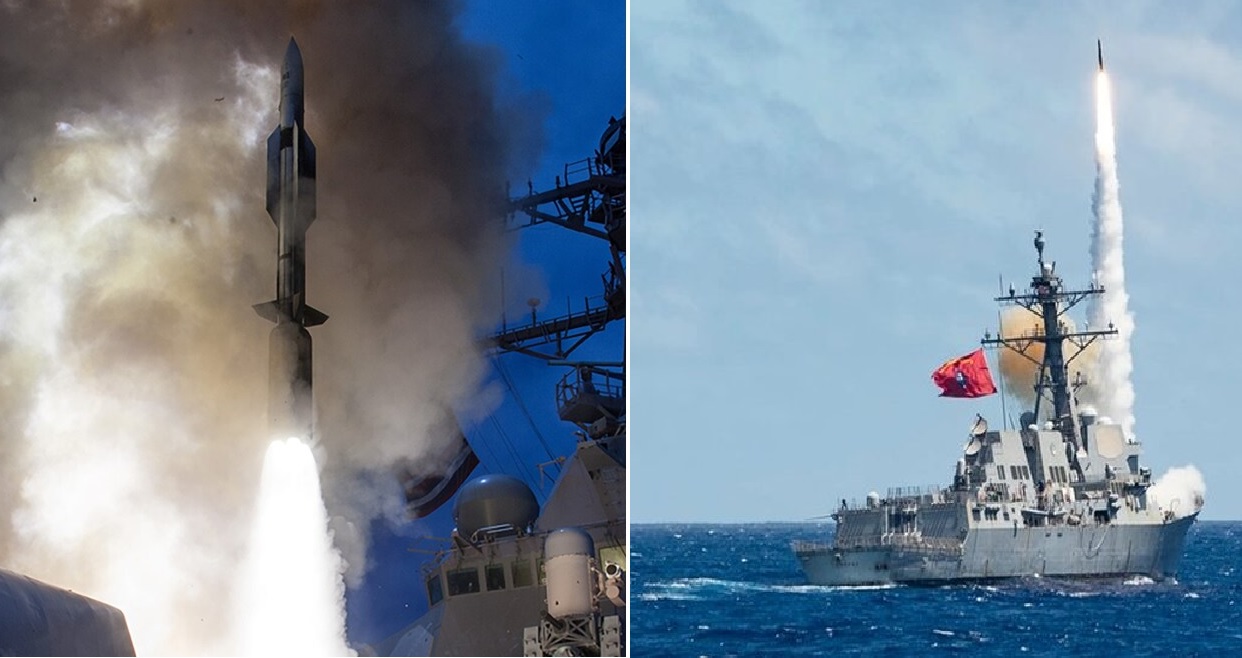
World
Washington / Huntsville : X-Bow Systems has achieved a major milestone in the United States Navy’s Standard Missile programme after successfully completing the Preliminary Design Review (PDR) for its Mk 72 booster and Mk 104 dual-thrust solid rocket motor contracts. The company said the review confirms strong design maturity and significantly reduces technical and manufacturing risk as the programme advances toward detailed development. The PDR is a formal acquisition checkpoint used by the U.S. Department of Defense to ensure that a system’s design meets operational requirements, is technically feasible, and is ready to proceed into more advanced engineering and qualification phases. Clearing this stage is considered essential for maintaining programme schedule discipline and long-term production stability. Solid Rocket Motors and the Industrial Base Challenge The Mk 72 and Mk 104 motors serve as the first-stage and second-stage propulsion systems for several variants within the Standard Missile family, which forms the backbone of naval air and missile defense. In recent years, the Pentagon has repeatedly highlighted solid rocket motors as one of the most stressed segments of the U.S. defense industrial base, driven by rising demand for interceptors and precision-guided weapons. X-Bow said the successful design review directly supports national efforts to expand domestic propulsion manufacturing capacity, improve supply-chain resilience, and ensure the Navy can meet future operational requirements without delays caused by production bottlenecks. Company Leadership Emphasizes Speed and Scalability X-Bow Chief Executive Officer Jason Hundley said the milestone demonstrates how new approaches can help address the country’s growing propulsion needs. He noted that the company has assembled a nationwide, experienced team focused on transforming traditional solid rocket motor manufacturing by enabling greater speed, performance, flexibility, scalability, affordability, and reliability. According to Hundley, X-Bow’s approach is designed to complement existing industry players while introducing innovative manufacturing methods that allow faster response to Navy demand. Advanced Design Tools and Patented Manufacturing Under the two Navy contracts, X-Bow Systems is developing new Mk 72 and Mk 104 configurations using advanced digital design tools and patented manufacturing processes. These technologies are intended to reduce complexity, shorten development cycles, and support higher-rate production while maintaining stringent safety and performance standards. The Mk 72 booster provides the high initial thrust needed to rapidly launch a missile from its platform, while the Mk 104 dual-thrust motor delivers two distinct thrust phases optimized for acceleration and sustained flight. Improvements to these motors are seen as critical for enhancing range, responsiveness, and interceptor effectiveness. Multi-Agency Collaboration with Navy and Research Partners The propulsion development effort is being conducted in close coordination with key Navy and defense research organizations, including the Program Executive Office Integrated Warfare Systems 3.0, the Naval Air Warfare Center Weapons Division at China Lake, the Naval Surface Warfare Center at Indian Head, and the Johns Hopkins University Applied Physics Laboratory. These partners provide expertise in system integration, testing, materials science, and propulsion performance analysis. This collaborative structure is intended to ensure the motors are fully compatible with existing missile architectures and future operational concepts. Implications for Fleet Air and Missile Defense The Standard Missile family is a cornerstone of layered defense for the United States Navy, protecting surface combatants and carrier strike groups from aircraft, cruise missiles, and ballistic missile threats. Ensuring a reliable supply of propulsion systems is therefore a strategic priority for sustaining fleet readiness. X-Bow said the successful Preliminary Design Review keeps the programme on track for upcoming development milestones and reinforces its commitment to strengthening U.S. naval capabilities. As missile demand continues to rise, the company framed the achievement as a meaningful step toward ensuring long-term propulsion capacity for one of the Navy’s most critical weapon systems.
Read More → Posted on 2026-01-13 15:54:06
World
Washington / Tehran : The United States is preparing a sweeping and unusually tough set of preconditions for any renewed negotiations with Iran, according to Israeli media reports, a move that comes as Iran faces widening domestic unrest and mounting international concern over the fate of its most sensitive nuclear material. The report, first carried by Israel Hayom and cited by Israel Live News, claims Washington’s position has hardened after Tehran signaled interest in reopening diplomatic channels. U.S. officials, the report says, are no longer limiting talks to nuclear constraints alone but are instead linking diplomacy to Iran’s internal security conduct and its broader regional military posture. A Far-Reaching List of U.S Demands According to the report, Washington’s conditions include an immediate halt to the use of live ammunition against protesters, the release of detained demonstrators, and a complete stop to the ongoing crackdown that has followed weeks of anti-government unrest across Iranian cities. These demands, if confirmed, would mark a rare attempt to make internal human rights practices a formal prerequisite for nuclear diplomacy. The proposed conditions also target Iran’s strategic capabilities. They reportedly include the immediate handover of Iran’s enriched uranium stockpile, a cessation of long-range ballistic missile development, and a complete end to Iranian support for armed proxy groups operating across the Middle East. Diplomats familiar with past negotiations say the inclusion of an “immediate handover” of enriched uranium is especially striking. Previous frameworks, including the now-defunct nuclear deal, focused on caps, dilution, supervised exports, and phased verification. Requiring Iran to surrender its enriched material at the outset would invert that logic, demanding Tehran give up its principal source of leverage before any sanctions relief or political guarantees are offered. The Missing Uranium Question At the center of the escalating dispute is Iran’s stockpile of highly enriched uranium. Before last year’s regional conflict and subsequent strikes on Iranian nuclear facilities, inspectors estimated Iran possessed roughly 440 kilograms of uranium enriched to 60 percent purity. While this level is below weapons-grade, it is close enough that further enrichment could significantly shorten the time needed to produce material suitable for a nuclear weapon. Since the strikes, the International Atomic Energy Agency has repeatedly warned that it has lost the ability to verify the location and condition of that stockpile. Damage to facilities, combined with restricted access for inspectors, has created what officials describe as a serious “continuity of knowledge” gap. Online claims attributed to commentary linked with Mossad have intensified the controversy. These claims assert that the 440 kilograms of enriched uranium were not destroyed in U.S. strikes carried out by B-2 bombers, that the material still exists, and that—if further enriched—it could theoretically be sufficient for up to ten nuclear weapons. While the numerical estimate aligns with long-standing theoretical calculations, no independent public evidence has confirmed the current whereabouts or condition of the uranium, underscoring the verification crisis confronting international monitors. The White House has maintained that U.S. strikes inflicted decisive damage on Iran’s nuclear infrastructure. Remembering how quickly nuclear materials can be moved, however, experts caution that without on-the-ground inspections, neither destruction claims nor survival claims can be conclusively proven. Iran’s “24-hour” Nuclear Missile Claim Explained Iranian officials’ assertion that the country could build a “nuclear missile” within 24 hours has heightened international anxiety, but nuclear experts say the statement collapses several very different technical stages into a single political message. In technical terms, the claim is best read as a warning about Iran’s breakout capability, not a literal promise of an overnight, ready-to-launch nuclear weapon. Where the claim has some plausibility is at the front end of the nuclear cycle, an area in which Iran is comparatively strong. Iran already possesses a substantial stockpile of uranium enriched to about 60 percent purity, which is widely considered the most difficult and time-consuming part of the enrichment process. Moving from 60 percent to roughly 90 percent weapons-grade uranium is technically far easier and much faster. With advanced IR-6 centrifuges already installed and operational, Iran could, in theory, decide to push that material to weapons grade in a very short window—days, or possibly around a week for enough material for a single bomb. Analysts often describe this as a “turnkey” capability: the infrastructure is in place, and only a political decision is required to begin. This is the sense in which the “24-hour” narrative is used. Iran has the equivalent of the ingredients and the oven already prepared; producing the fissile material itself could begin almost immediately. But that is only the beginning of the process, not the end. Where the claim breaks down is in weaponization, the series of steps required to turn nuclear material into an actual warhead that can be mounted on a missile. Possessing weapons-grade uranium in gaseous form is not sufficient. The uranium must first be converted from gas into solid metal and shaped into a precise core, or “pit.” This metallurgical process is hazardous, technically demanding, and difficult to conceal at scale. While Iran has carried out limited experiments in the past, producing a full weapons-grade metal core would likely take weeks to months, not hours. Beyond metallurgy lies the challenge of building the explosive package that triggers a nuclear detonation. A nuclear weapon does not function by simple ignition; it requires an implosion system in which carefully shaped conventional explosives compress the uranium core with extraordinary precision. The timing must be accurate to microseconds. Any misalignment or delay can cause the device to fail, producing only a small, non-nuclear explosion. Designing and manufacturing such a system, including sophisticated firing circuits, is a complex engineering task that experts estimate would take months, even for a technologically advanced state. The final obstacle is missile integration, often described as the hardest step of all. A nuclear warhead must be miniaturized to fit inside a missile’s nose cone and hardened to survive the extreme stresses of launch, spaceflight, and atmospheric re-entry. The warhead must endure intense vibration, extreme heat, and high acceleration without damaging sensitive electronics or the detonation mechanism. Fitting a reliable nuclear warhead onto a missile platform such as Iran’s longer-range systems would likely require extensive testing and redesign, a process measured not in days or weeks but in many months to several years. Taken together, these realities explain why analysts dismiss the “24-hour nuclear missile” claim as literal fact. Instead, it is understood as strategic messaging: a signal that Iran believes it has dramatically shortened the time needed to move toward a nuclear option if it chose to do so. It underscores the shrinking margin for diplomacy and inspection, but it does not mean that a fully operational, nuclear-armed missile could realistically be built and deployed in a single day. Diplomacy at an Impasse The convergence of domestic unrest, unverifiable nuclear stockpiles, and maximalist negotiating positions has left diplomacy in a fragile state. For Washington and its allies, the absence of reliable inspection data fuels worst-case assumptions. For Tehran, demands that touch sovereignty, internal security, and core deterrent capabilities appear designed less to negotiate and more to compel. Until inspectors regain access and establish what nuclear material Iran actually holds and where it is stored, uncertainty will continue to dominate the debate. In that vacuum, hardline demands and provocative claims on all sides risk pushing the standoff further from diplomacy and closer to miscalculation.
Read More → Posted on 2026-01-13 15:33:19Search
Top Trending in 24 Hours
-
 NASA Demonstrates Space-to-Space Wi-Fi Between Two Orbiting Spacecraft
-
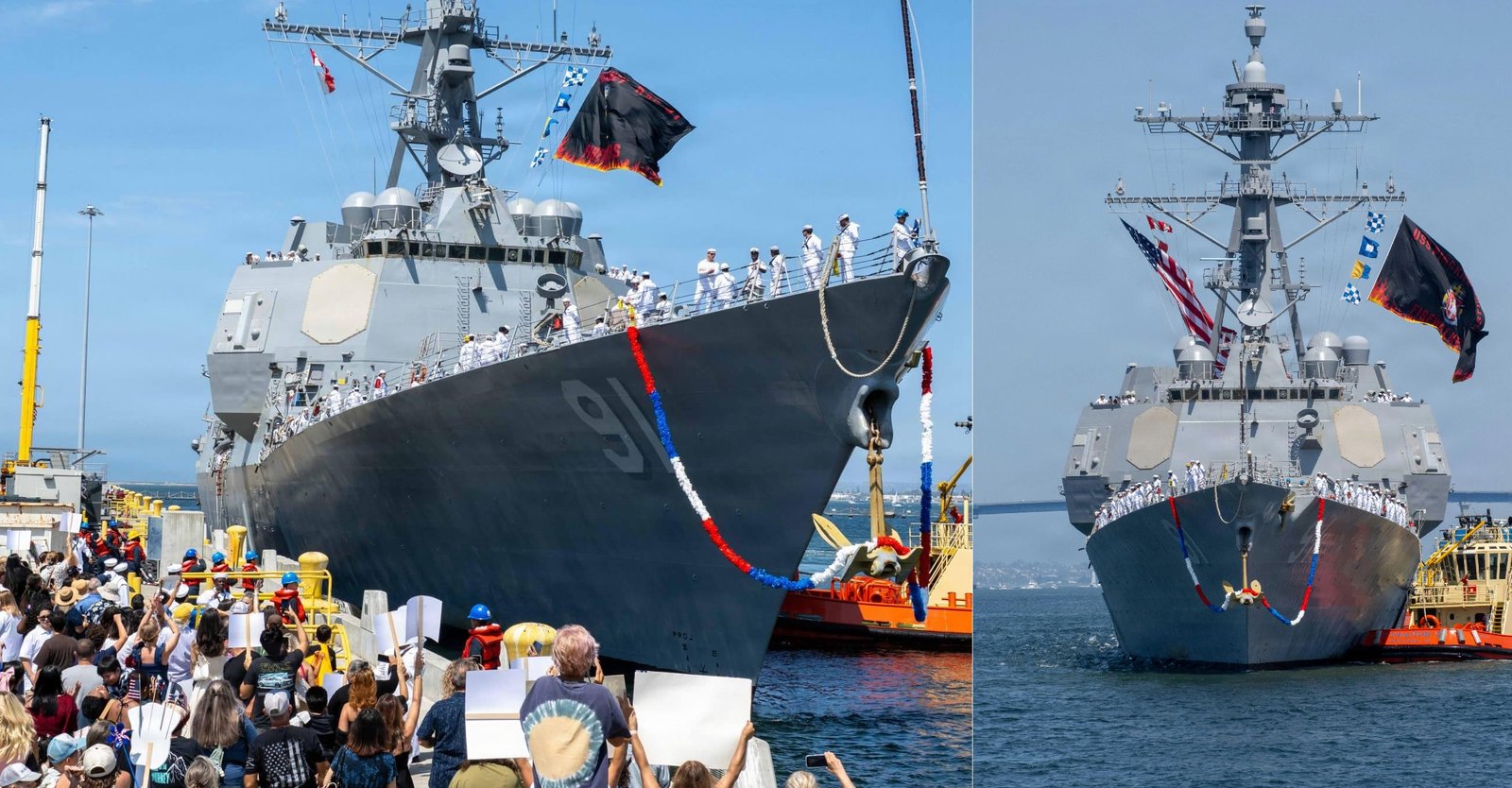 USS Pinckney Becomes First U.S. Navy Destroyer to Begin Phase Two Modernization with Advanced SPY-6 Radar
-
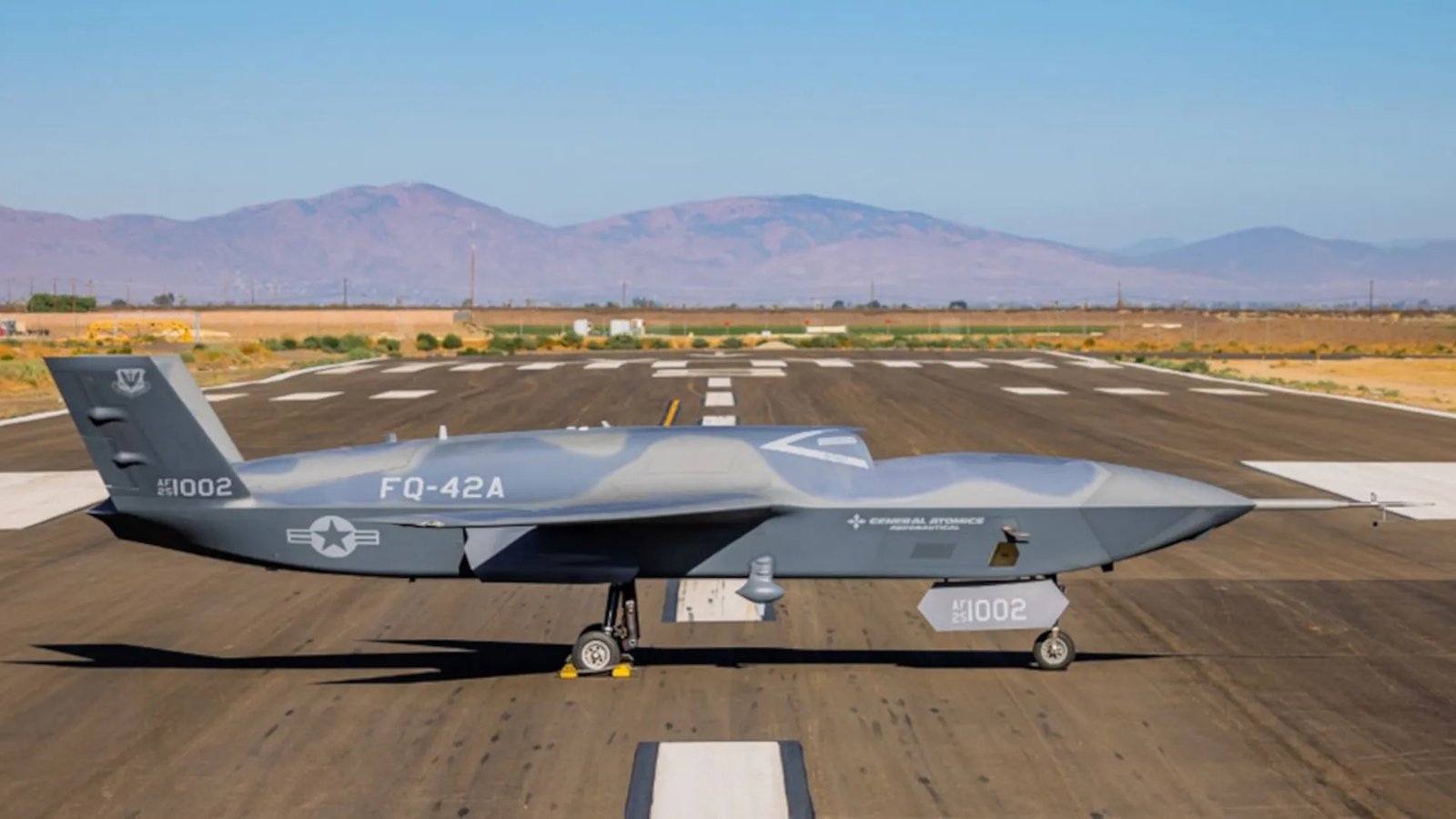 General Atomics Partners With Spirit Defense to Expand FQ-42 Vengeance Production
-
 U.S. Military to Ban Chinese Automaker BYD Vehicles from Kadena Air Base in Japan Over Security Concerns
-
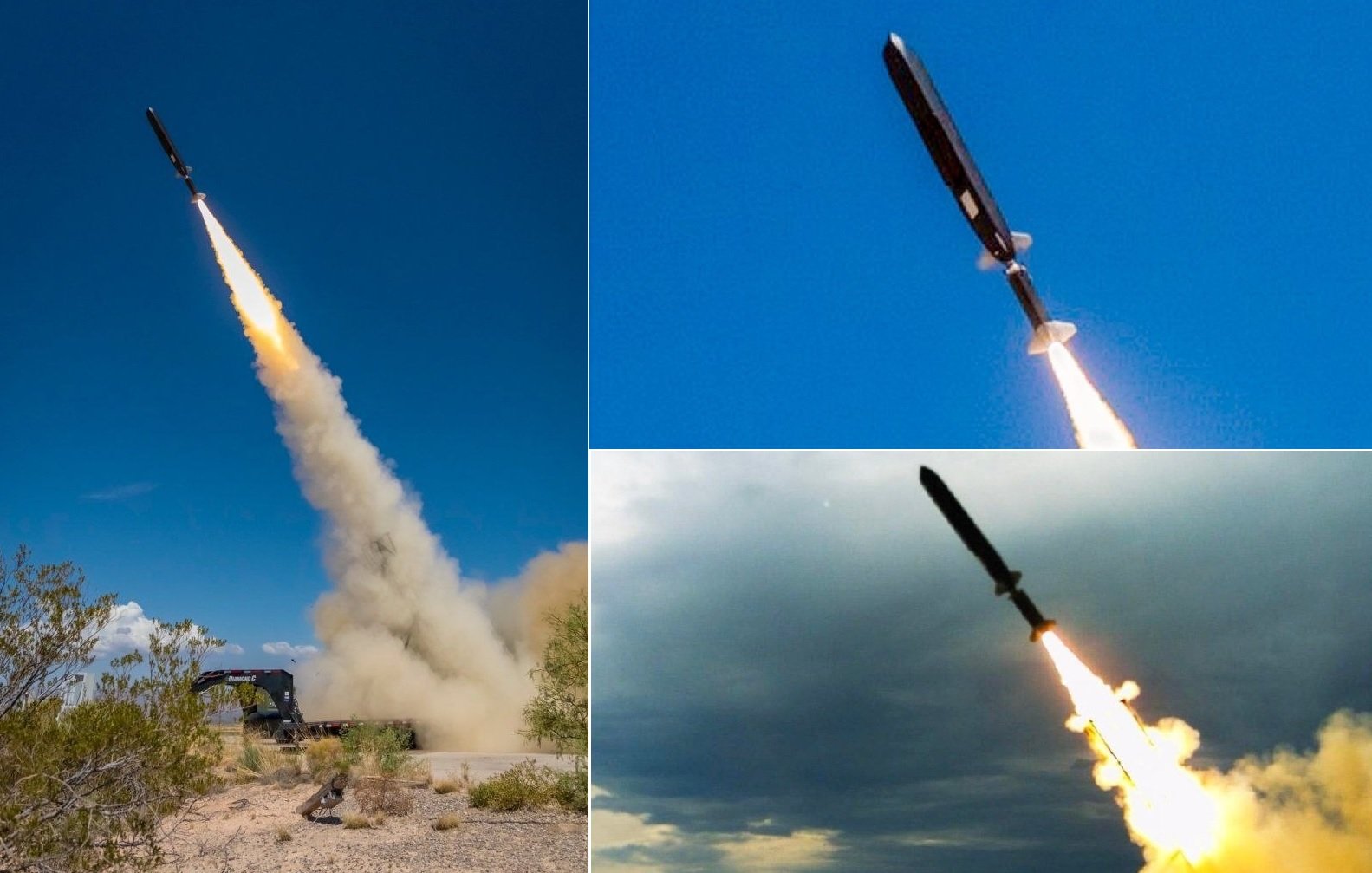 Zone 5 Technologies Demonstrates Ground Launch of Upgraded AGM-188A Rusty Dagger Missile
-
 Bengaluru Startup FWDA Unveils FWD Supreme AI-Piloted Loyal Wingman Prototype
-
 Russia Launches Project 20380 Corvette Grozny for Pacific Fleet at Amur Shipyard
-
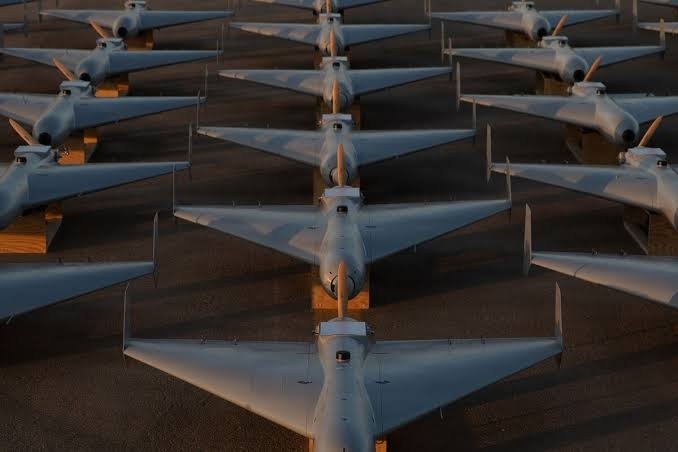 Pentagon Orders 60,000 Kamikaze Drones Under Second Phase of Drone Dominance Program
Top Trending in 4 Days
-
 NASA Sets New Artemis Milestones as SpaceX and Blue Origin Target Moon Landings in 2027–2028
-
NASA Demonstrates Space-to-Space Wi-Fi Between Two Orbiting Spacecraft
-
USS Pinckney Becomes First U.S. Navy Destroyer to Begin Phase Two Modernization with Advanced SPY-6 Radar
-
General Atomics Partners With Spirit Defense to Expand FQ-42 Vengeance Production
-
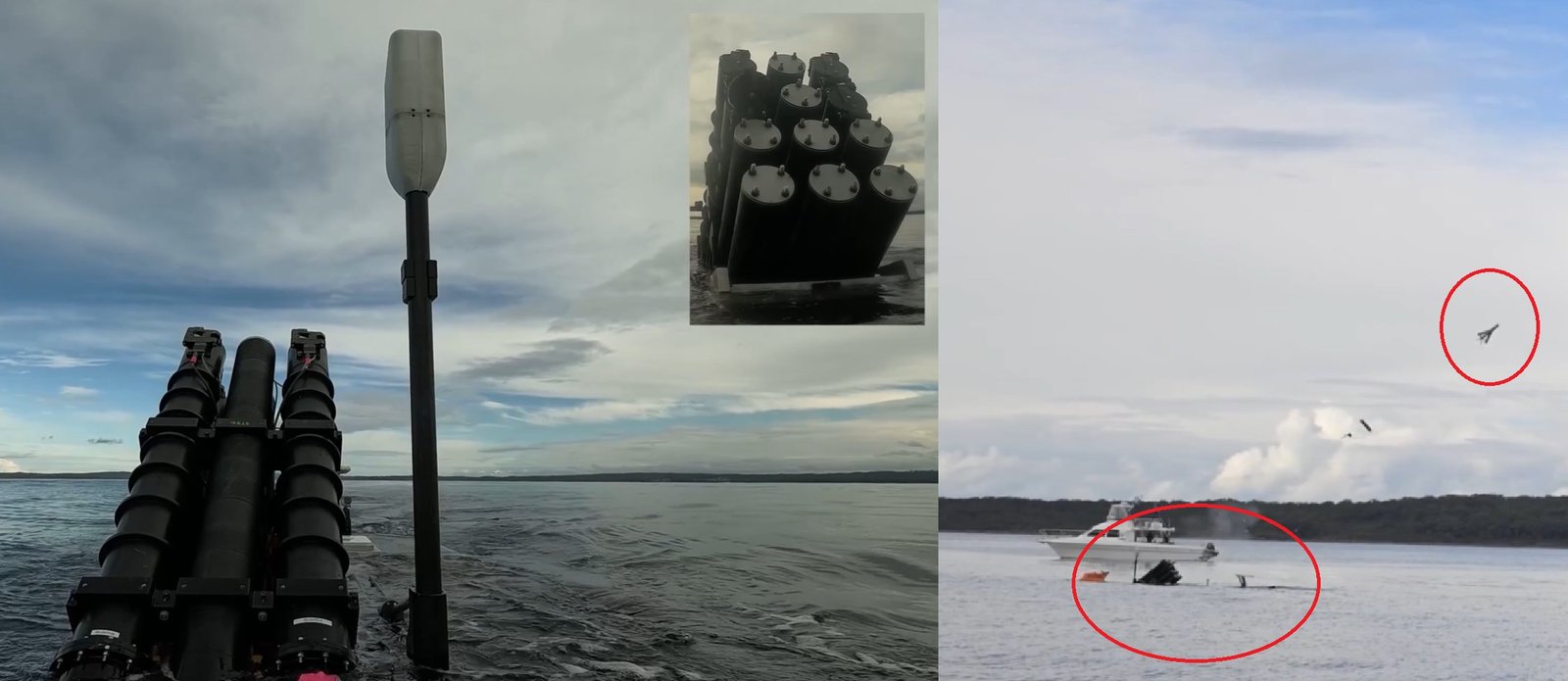 Australia Unveils Ghost Shark Autonomous Submarine’s Mine, Drone and Logistics Capabilities
-
 L3Harris Opens ‘Arsenal of Freedom’ Rocket Motor Plant in Arkansas to Double Production Capacity
-
U.S. Military to Ban Chinese Automaker BYD Vehicles from Kadena Air Base in Japan Over Security Concerns
-
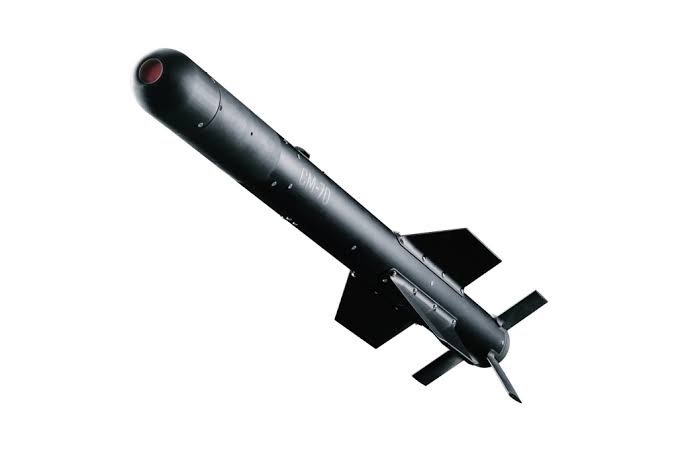 CSG and North Vector Dynamics Sign MoU to Explore European Production of CM-70 Counter-Drone Interceptor
