
World
MOSCOW : A newly compiled technical assessment of Russia’s Oreshnik ballistic missile, conducted in the aftermath of the January 8 strike on Lviv, is reshaping Western and regional understanding of the weapon’s true purpose. Far from being a precision, independently targeted missile system, analysts now describe Oreshnik as a high-speed, area-effect strike weapon optimized for durability, rapid deployment, and kinetic impact rather than accuracy. The assessment, drawing on debris analysis, flight telemetry, and observed impact patterns from strikes on Dnipro and Lviv, concludes that the missile dispenses with complex post-boost targeting architecture typical of modern intercontinental ballistic missiles (ICBMs). Instead, it employs a simplified separation system designed to release multiple unguided warheads almost simultaneously over a compact target zone. A Design That Breaks with MIRV Orthodoxy For weeks after Oreshnik’s combat debut, Western analysts speculated that the system was equipped with a classic MIRV “bus,” or Individual Disengagement Pod, known in Russian terminology as the Blok Individualnogo Razvedeniya (BIR). Such systems, common on strategic ICBMs, use liquid-fueled engines and precision guidance to maneuver in space and deploy warheads toward widely separated targets. The new analysis challenges that assumption outright. According to findings attributed to Dmitry Kornev of MilitaryRussia.Ru, Oreshnik lacks any conventional BIR. Instead of a maneuverable post-boost vehicle, the missile’s upper section is built around a sealed instrument compartment and a gas-dynamic release mechanism, signaling a fundamentally different design philosophy. The Role of the GRSO System Central to this revised understanding is the missile’s reported use of a Gas-Reactive Stabilization and Orientation (GRSO) system. Rather than plotting individual trajectories for each warhead, the GRSO uses short-duration gas thrusters to orient the payload section after burnout and then rapidly disperse its contents. Once released, the warheads are unguided. They follow purely ballistic paths, striking the target area within seconds of one another. This behavior closely matches video evidence and seismic data from recent strikes, which showed dense clusters of impacts rather than the staggered, widely spaced strikes characteristic of MIRV-equipped systems. Analysts describe the effect as a “kinetic shotgun,” a configuration designed to overwhelm defenses and saturate a specific zone with extreme velocity rather than to destroy discrete, hardened targets with precision. MIT’s Engineering Fingerprint The presence of a sealed instrument compartment is widely viewed as a hallmark of the Moscow Institute of Thermal Technology (MIT), the organization behind Russia’s most prominent solid-fuel missiles, including Topol-M, Yars, and Bulava. In MIT designs, guidance electronics are integrated directly into the missile’s upper stage within a sealed housing, increasing resistance to environmental stress and simplifying long-term storage and field maintenance. This feature strongly supports the conclusion that Oreshnik is a derivative of the RS-26 Rubezh, adapted not for strategic nuclear deterrence but for high-readiness theater warfare. By stripping away the mass and complexity of a liquid-fueled post-boost vehicle, designers appear to have prioritized robustness, speed, and rapid launch capability. Payload and Performance The assessment estimates that Oreshnik carries a single cassette containing six warheads. Total payload mass is believed to range from roughly 1,250 kilograms, consistent with Topol-M class systems, to as much as 3,000 kilograms in heavier configurations. In a six-warhead arrangement, each individual projectile, including its mounting hardware, may weigh up to 400 kilograms. When paired with the first and second stages typical of MIT-designed solid-fuel missiles, this payload allows for an operational range of approximately 4,100 kilometers. From Russian launch sites, that range places all of Europe within reach, underscoring the system’s role as a regional, rather than intercontinental, strike asset. Strategic Implications Defense experts argue that Oreshnik represents a deliberate shift away from costly, intricate MIRV technology toward a simpler and potentially cheaper alternative suited to conventional warfare. By eliminating the vulnerable post-boost “bus,” the missile may retain higher terminal velocity, increasing the kinetic energy of impact. The rapid dispersal enabled by the GRSO system also reduces the time window in which missile defenses can engage the payload during its exo-atmospheric phase. In practical terms, the system appears tailored for area targets such as energy infrastructure, logistics hubs, and air-defense clusters, rather than for surgical strikes against individual bunkers or silos. Oreshnik was first used operationally against Dnipro in November 2024 and again on January 8 in western Ukraine. The emerging technical picture suggests that Russia has fielded a specialized theater missile, derived from its strategic arsenal but reengineered as a rugged, high-speed delivery system for clustered, unguided warheads. As analysts continue to study debris and flight data, the missile is increasingly seen not as a precision instrument, but as a blunt-force tool designed to exploit speed, mass, and saturation in modern warfare.
Read More → Posted on 2026-01-18 15:49:52
World
TEHRAN / BEIJING / WASHINGTON : Iran has reportedly taken delivery of advanced Chinese-made HQ-9B long-range air defense missile systems in what regional intelligence sources describe as an emergency effort to harden the country’s airspace against a potential American or Israeli strike. The alleged transfer, if confirmed, would mark one of the most consequential shifts in Iran’s military posture in more than a decade and signal a deepening strategic alignment between Iran and China. Multiple security and aviation-monitoring sources say the systems arrived via an unusually intense airlift that began in mid-January, with at least 14 large cargo aircraft landing in Iran within a span of roughly 72 hours. The sudden surge of flights from southern China has fueled speculation that Beijing used a compressed delivery timeline to rush complete air defense units into position before any Western military operation could be launched. A Sudden and Unprecedented Airlift According to flight-tracking data reviewed by regional analysts, the air bridge began around January 15, when a mix of Chinese heavy transport aircraft and Iranian-operated Boeing 747 freighters started arriving at Iranian airfields. Several of the Iranian planes are linked to Mahan Air, an airline long accused by Western governments of supporting Iran’s Islamic Revolutionary Guard Corps (IRGC) logistics network. The aircraft reportedly departed from logistics hubs in the Guangzhou and Shenzhen regions, flying westward through Central Asia. Analysts say many of the flights either disabled their transponders or deviated from standard civil aviation procedures, a tactic often used to obscure sensitive military cargo movements. By avoiding more closely monitored southern routes, the planes reduced the risk of surveillance or interception. By the end of the third day, at least 14 landings had been recorded. Defense specialists estimate that such a volume of traffic would be sufficient to deliver two to three complete HQ-9B battalions, along with reload missiles, command vehicles, and associated radar units. Why the HQ-9B Matters The HQ-9B is China’s most capable operational long-range surface-to-air missile system, often compared to Russia’s S-400. With a reported engagement range of up to 250 kilometers and the ability to intercept targets at altitudes approaching 50 kilometers, the system is designed to counter aircraft, cruise missiles, and some ballistic threats. Unlike earlier generations of Iranian air defenses, the HQ-9B employs active radar homing in the missile’s terminal phase. This allows launch radars to disengage or shift targets after firing, complicating suppression efforts by attacking aircraft. Sources familiar with the reported delivery say the package also includes advanced phased-array surveillance radars, most notably the JY-26 “Skywatch”, which Chinese engineers advertise as optimized for detecting low-observable (stealth) aircraft. If deployed and integrated successfully, the system would directly address one of Iran’s most serious vulnerabilities: its difficulty tracking and engaging modern Western fighters such as the U.S. F-35 and F-22. A Break with Moscow For years, Iran’s high-end air defense rested on Russian-supplied S-300PMU2 batteries. Those systems, however, were widely judged to have performed poorly during the intense air clashes with Israel in mid-2025, when Israeli aircraft reportedly penetrated Iranian-protected airspace with limited losses. The same period also saw delays and uncertainty surrounding Moscow’s promised delivery of Su-35 fighter jets to Tehran. Regional diplomats say frustration with Russia’s reliability, combined with China’s willingness to deliver quickly and quietly, pushed Iran toward Beijing. One official familiar with the matter described the move as “diversifying away from a single, unreliable supplier” at a moment of acute strategic pressure. “Oil for Iron” People briefed on the alleged deal say the transfer was facilitated through a barter arrangement rather than a conventional cash purchase. Under the reported terms, Iran would compensate China with heavily discounted crude oil shipments, bypassing dollar-denominated transactions and reducing exposure to U.S. financial sanctions. Such arrangements are not unprecedented. China has remained one of the largest buyers of Iranian oil despite international restrictions, often using opaque trading structures. Analysts say the urgency of the January airlift suggests the agreement was finalized late last year but executed only after intelligence assessments warned Tehran of a narrowing window before possible Western military action. Strategic Consequences The timing of the reported deliveries has drawn particular attention in Washington and Tel Aviv. U.S. forces have been reinforcing their regional posture in recent weeks, and defense planners are believed to be examining strike options against Iranian targets linked to missile development and proxy operations. Military analysts caution that the HQ-9B’s arrival does not make Iran immune to attack. Integrating a new air defense system, training crews, and linking it into existing command networks typically takes weeks or months. However, even a partially operational deployment could force U.S. or Israeli planners to allocate additional resources to suppress Iranian air defenses, raising the cost and complexity of any operation. “This is about buying time and raising the threshold,” said one defense analyst who follows Chinese missile exports. “If these batteries come online quickly, Iran shifts from being penetrable to being dangerous to penetrate.” A Test Yet to Come Despite its impressive specifications, the HQ-9B has never been tested in combat against Western air power. Any future confrontation would therefore serve as a proving ground not only for Iran’s defenses but also for China’s claims about the system’s effectiveness. For now, the reported airlift underscores how rapidly the strategic landscape around Iran is changing. Whether the HQ-9B ultimately reshapes the balance of power or merely delays an inevitable clash may depend on how quickly the systems are deployed—and how soon the skies over Iran are tested.
Read More → Posted on 2026-01-18 15:35:31
World
Brussels / Paris : French President Emmanuel Macron has called on the European Union to prepare the activation of its most powerful trade defence tool after U.S. President Donald Trump threatened new tariffs against Europe in a dispute linked to Greenland. The warning has pushed transatlantic relations into a new and potentially volatile phase, raising the prospect of the EU taking unprecedented economic action against its closest ally. Speaking to European officials and diplomats, Macron argued that the EU must be ready to respond decisively if Washington follows through on its tariff threat. He specifically pointed to the bloc’s Anti-Coercion Instrument (ACI), a legal mechanism designed to counter economic pressure from third countries, describing it as a necessary deterrent in the face of what he called “unacceptable coercion.” A Rare Escalation with Washington The confrontation was triggered after President Trump warned that the United States could impose tariffs on European goods if its demands related to Greenland were not met. While details of the potential tariffs have not been officially published, European officials say the threat was broad enough to alarm several EU capitals and prompted urgent discussions in Brussels. For decades, trade disputes between the EU and the U.S. have been managed through negotiations or the World Trade Organization. Macron’s call marks a significant escalation, signalling that Europe may now be willing to use far more forceful instruments if it believes its sovereignty or economic interests are being leveraged through pressure. What the Anti-Coercion Instrument is The Anti-Coercion Instrument, adopted by the EU in 2023, was created to give Brussels a legal framework to respond when a foreign power uses trade or investment measures to force political concessions. Until now, it has never been used. Under the instrument, the European Commission can investigate whether coercion is taking place and, if dialogue fails, propose counter-measures. These could include restricting access to the EU market, limiting participation in public procurement, suspending regulatory approvals, or targeting specific companies and sectors. If applied to the United States, officials and analysts say the measures could, in theory, affect U.S. banks’ access to EU procurement contracts or impose targeted restrictions on major American technology companies operating in Europe. Such steps would be legally complex and politically explosive, underlining why the instrument has remained dormant since its creation. The Economic Stakes The scale of transatlantic trade explains why the dispute is being treated with such urgency. The United States is the European Union’s largest single export destination. In 2024, the EU exported goods worth approximately €530 billion to the U.S., while importing around €330 billion in American goods. This left Europe with a goods trade surplus of nearly €200 billion. When services such as finance, digital services, and transport are included, total EU-U.S. trade flows exceed €1.6 trillion annually, making the relationship one of the most economically integrated in the world. Any disruption, even limited tariffs or targeted counter-measures, would therefore ripple across global supply chains, affecting industries ranging from aerospace and automobiles to pharmaceuticals, finance, and technology. Divisions and Caution Inside Europe While Macron has taken a hard line, not all EU member states are eager to move immediately toward confrontation. Several governments have urged caution, arguing that the Anti-Coercion Instrument should be used only as a last resort and that dialogue with Washington must continue. European Commission officials have stressed that activating the instrument is a multi-stage process that begins with investigation and negotiation. They emphasise that its primary purpose is deterrence, not retaliation, and that any response must be proportionate and legally defensible. A Test for Transatlantic Relations Using the Anti-Coercion Instrument against the United States would be without precedent and could redefine how the EU conducts economic statecraft. Originally designed with pressure from authoritarian states in mind, its possible use against Washington highlights how trade and geopolitics have become increasingly intertwined — even among long-standing allies. For now, Brussels is weighing its options, balancing the desire to avoid a trade war with the need to demonstrate resolve. As Macron made clear, Europe wants to prevent escalation. But, he warned, it must also be ready to act decisively if threats turn into reality.
Read More → Posted on 2026-01-18 15:10:31
World
MANILA : Scientists from the University of the Philippines Marine Science Institute (UP MSI) have detected unusually elevated levels of iodine-129, a radioactive isotope associated with nuclear activity, in seawater samples collected from the West Philippine Sea (WPS)—a finding that has drawn regional and international attention despite assurances that the levels pose no immediate risk to public health or the marine environment. Elevated Readings in Strategic Waters According to UP MSI, iodine-129 concentrations in the West Philippine Sea were measured at approximately 1.5 to 1.7 times higher than levels found in other Philippine marine regions. These include the Philippine Rise, the Sulu Sea, and multiple offshore sites across the archipelago. The Philippines does not operate an active nuclear power plant and has no nuclear weapons program, making the presence of elevated nuclear tracers in its surrounding waters scientifically notable. The findings are based on the analysis of 119 seawater samples, collected and examined as part of a collaborative research effort involving UP MSI’s Geological Oceanography Laboratory, the Department of Science and Technology - Philippine Nuclear Research Institute (DOST-PNRI), and researchers from the University of Tokyo. What Is Iodine-129? Iodine-129 is a long-lived radioactive isotope with a half-life of about 15.7 million years. Because it is released in measurable quantities during nuclear weapons testing and nuclear fuel reprocessing, scientists worldwide use it as a tracer to track the movement of nuclear contaminants through the atmosphere, rivers, and oceans. Unlike more hazardous radioactive isotopes, iodine-129 is typically found at extremely low concentrations in seawater and, at present levels, is not considered biologically dangerous. Tracing the Possible Source After comparing isotopic signatures and regional circulation patterns, researchers concluded that the iodine-129 detected in the West Philippine Sea most likely originated far beyond Philippine waters, with the Yellow Sea identified as the probable source region. UP MSI said its results align with earlier Chinese and international studies showing elevated iodine-129 in the Yellow Sea. Those studies traced the isotope back to European nuclear weapons testing and nuclear fuel reprocessing activities conducted decades ago, particularly during the Cold War. The isotope entered soils and river systems in northeastern China through atmospheric fallout and river discharge, eventually reaching coastal seas. How Did It Reach Philippine Waters? Scientists believe the isotope may have traveled southward through large-scale ocean circulation systems, notably the Yellow Sea Coastal Current and the Chinese Coastal Current. These currents feed into broader western Pacific circulation patterns that can transport dissolved substances over thousands of kilometers. UP MSI emphasized, however, that advanced oceanographic modeling is still required to conclusively map the transport routes and determine how long the isotope took to reach the West Philippine Sea. No Immediate Health or Environmental Risk Despite the elevated readings, researchers stressed that the detected iodine-129 concentrations remain well below thresholds that could harm marine ecosystems or human health, including seafood consumers. “The isotope is present at trace levels only,” UP MSI noted, adding that its significance lies more in what it reveals about long-distance transport of radioactive materials rather than any direct danger. Call for Stronger Regional Monitoring The study underscores the need for enhanced regional and international monitoring of radioactive substances, particularly those capable of crossing national boundaries via ocean and atmospheric systems. Researchers warned that while iodine-129 itself is not currently hazardous, its presence demonstrates how pollutants released decades ago—and continents away—can still be detected in sensitive and geopolitically important waters today. Funding and Next Steps The research was funded by the DOST-National Research Council of the Philippines and the DOST-Philippine Council for Agriculture and Resources Research and Development. UP MSI said follow-up studies will focus on expanded sampling, higher-resolution current modeling, and long-term monitoring, aimed at better understanding how nuclear-related isotopes move through the western Pacific and what they may signal for future environmental surveillance. While the findings raise important scientific and policy questions, researchers were clear on one point: the iodine-129 detected in the West Philippine Sea is a legacy of global nuclear activity, not a sign of any local nuclear incident.
Read More → Posted on 2026-01-18 14:28:51
World
WASHINGTON : After years of uncertainty, redesign, and deep refit, the U.S. Navy’s most controversial surface combatant has returned to open water. USS Zumwalt (DDG-1000), the lead ship of the Zumwalt-class destroyers, has departed Pascagoula, Mississippi, to begin sea trials—marking its emergence as the world’s first destroyer configured to carry long-range hypersonic missiles. The trials represent a pivotal moment not only for Zumwalt herself, but for the future of U.S. naval strike doctrine. Once envisioned as a next-generation gunship for littoral warfare, the 15,000-ton stealth destroyer has now been repurposed into a platform for intercontinental-range conventional strike, placing it at the center of America’s effort to field operational hypersonic weapons at sea. From Troubled Gunship to Hypersonic Platform The Zumwalt-class was originally designed around the 155mm Advanced Gun System (AGS), intended to deliver long-range naval gunfire support for forces ashore. That concept collapsed when the ammunition program became prohibitively expensive, leaving the Navy with three uniquely large destroyers and no viable mission for their signature weapons. Beginning in 2023, the Navy committed to a radical solution: remove both gun systems entirely and convert the ships to carry the Conventional Prompt Strike (CPS) hypersonic missile. The decision transformed Zumwalt from an orphaned experimental vessel into a testbed for one of the Pentagon’s most strategically significant weapon systems. Both Advanced Gun Systems have now been fully removed. The forward gun housing on Zumwalt was completely scrapped to make room for hypersonic missile cells, while the second gun emplacement was gutted internally, freeing up substantial volume below deck for additional systems and future growth. Hypersonic Firepower at Sea At the heart of the modernization is the integration of the Conventional Prompt Strike system, a non-nuclear hypersonic weapon designed to strike time-sensitive, high-value targets at extreme range. The system uses a two-stage solid rocket booster to accelerate a Common Hypersonic Glide Body (C-HGB) to speeds well above Mach 5 before it separates and maneuvers toward its target. Unlike ballistic missiles, the glide vehicle travels on a lower, unpredictable trajectory, complicating detection and interception. While conventionally armed, its range is comparable to some intercontinental systems, enabling rapid global strike without crossing the nuclear threshold. USS Zumwalt will carry 12 CPS missiles housed in newly installed Advanced Payload Modules in the forward section of the ship. These modules are nearly identical to those planned for future Block V fast-attack submarines, allowing the surface ship installation to serve as a near one-to-one risk-reduction effort for submarine deployment. When fully operational, Zumwalt will become the first ship in the United States Navy inventory armed with hypersonic missiles. A Three-Year Overhaul Nears Completion According to briefings presented at the Surface Navy Association symposium, the ship’s modernization period lasted roughly three years in dry dock. Construction work was completed in late 2025, with installation of the hypersonic payload modules finalized in November. The ship has since begun the complex reactivation of onboard systems, a prerequisite for dockside testing and the current phase of sea trials. These trials will focus on propulsion, ship handling, power distribution, combat-system integration, and validation of the CPS launch infrastructure. Oversight of the program has been led by Naval Sea Systems Command, working in coordination with the U.S. Navy and industry partners. A Class-Wide Transformation The Zumwalt is only the first of three ships to undergo the hypersonic conversion. USS Michael Monsoor (DDG-1001) and USS Lyndon B. Johnson (DDG-1002) are scheduled to receive the same 12-missile CPS configuration. Work on Lyndon B. Johnson has already begun, with the forward gun mount removed and major “rip-out” activities completed to strip obsolete equipment. The ship is expected to return to service before Michael Monsoor enters dry dock in 2027 for her own modernization period. Once complete, all three Zumwalt-class destroyers will form a small but uniquely capable strike force, able to deliver hypersonic weapons from the surface fleet for the first time. Sensors, Radars, and the Road Ahead Beyond weapons integration, the Navy is also evaluating further upgrades to the class’s electronics and sensor suite. Particular attention is being paid to radar modernization, with officials signaling interest in a more common approach across major surface combatants and aircraft carriers. One option under consideration is greater alignment between Zumwalt-class systems and those used aboard the carrier USS Gerald R. Ford, especially in relation to the AN/SPY-3 and AN/SPY-4 radar families. Such commonality could reduce long-term sustainment costs while improving fleet-wide interoperability. Strategic Implications The return of USS Zumwalt to sea as a hypersonic-armed destroyer marks a quiet but profound shift in naval warfare. For the first time, the United States is fielding a surface combatant capable of delivering prompt, global-reach conventional strikes—compressing decision timelines for adversaries and expanding the Navy’s role in strategic deterrence. Once criticized as an expensive misstep, the Zumwalt may now emerge as a prototype for a new era of surface strike warfare, where stealth, power generation, and hypersonic weapons converge on a single hull.
Read More → Posted on 2026-01-18 14:17:44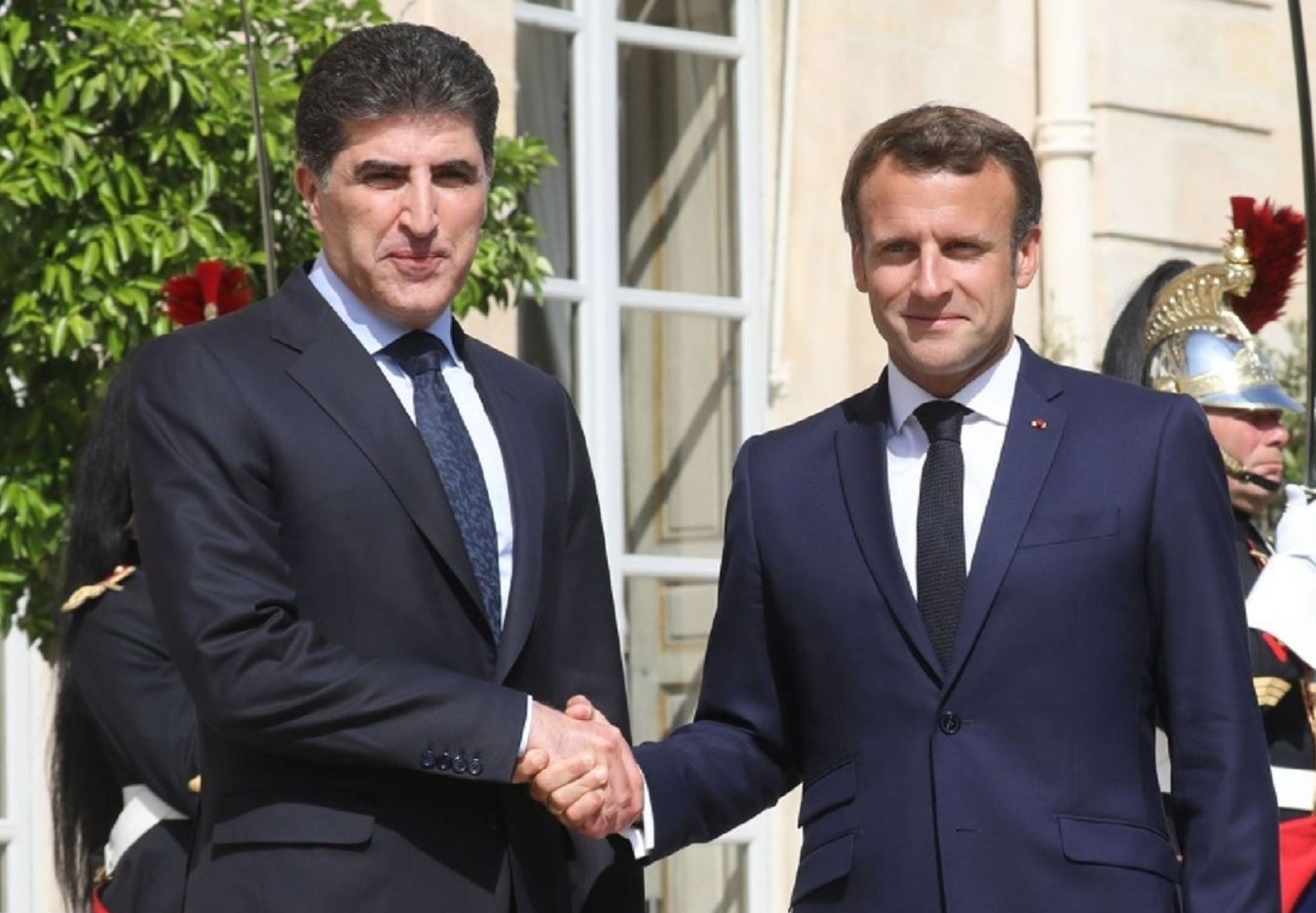
World
PARIS / ERBIL : France’s President Emmanuel Macron and the president of Iraq’s Kurdistan Region, Nechirvan Barzani, held urgent telephone talks on Saturday, jointly calling for an immediate de-escalation and a lasting ceasefire in Syria following renewed fighting in the country’s north. According to a statement from the Élysée Palace, the two leaders appealed to “all parties” to halt hostilities after days of clashes between the Kurdish-led Syrian Democratic Forces (SDF) and units loyal to the government in Damascus. The violence has underscored how unresolved power arrangements continue to destabilise Syria more than a year after the fall of longtime ruler Bashar al-Assad. Fighting Rekindles Old Fault Lines The latest confrontations have centred on parts of northern Syria where the SDF has maintained control since the height of the civil war and the campaign against the Islamic State. Backed for years by Western support in the anti-IS fight, the SDF governs broad swathes of the oil-rich north and northeast through a semi-autonomous administration. Since Assad’s overthrow a little over a year ago, Syria’s new Islamist-led authorities in Damascus have sought to reassert state control across the country. That ambition has increasingly brought them into tension with Kurdish forces, who fear losing political autonomy, security guarantees, and a share of economic resources in areas under their control. A Stalled Integration Deal In March last year, Damascus and the SDF signed a landmark agreement intended to merge the Kurdish-run administration and its military forces into the structures of the Syrian state. The deal was widely seen as a critical step toward stabilising post-war Syria and preventing renewed fragmentation. However, implementation has largely stalled amid disputes over command authority, revenue sharing from oil fields, and the future status of Kurdish self-rule. The failure to translate the agreement into concrete steps has left armed formations facing each other along tense front lines, creating conditions ripe for the kind of clashes seen in recent days. France and Kurdistan Push for Talks During their call, Macron and Barzani reaffirmed their support for “the immediate resumption of talks on integrating the SDF into the Syrian state,” the French presidency said. Both leaders stressed that only a negotiated political process could prevent further bloodshed and ensure that Syria’s transition does not unravel into renewed conflict. France has long positioned itself as a diplomatic stakeholder in Syria, particularly through its ties with Kurdish forces that played a central role in defeating Islamic State strongholds. Iraqi Kurdistan, meanwhile, has deep political, ethnic and security links with Syrian Kurds and has repeatedly warned that instability across the border risks spilling into Iraq. Regional Stakes and Uncertain Outlook The renewed fighting comes at a sensitive moment for the wider region. Neighbouring countries fear that a breakdown in northern Syria could revive extremist networks, disrupt fragile energy infrastructure, and trigger new displacement toward already strained borders. While the call by Macron and Barzani adds international pressure for restraint, diplomats caution that translating appeals into a durable ceasefire will depend on whether Damascus and the SDF can overcome deep mistrust and revive the stalled integration process. Until then, Syria’s north remains a flashpoint — and a reminder that the country’s post-Assad future is far from settled.
Read More → Posted on 2026-01-18 13:56:39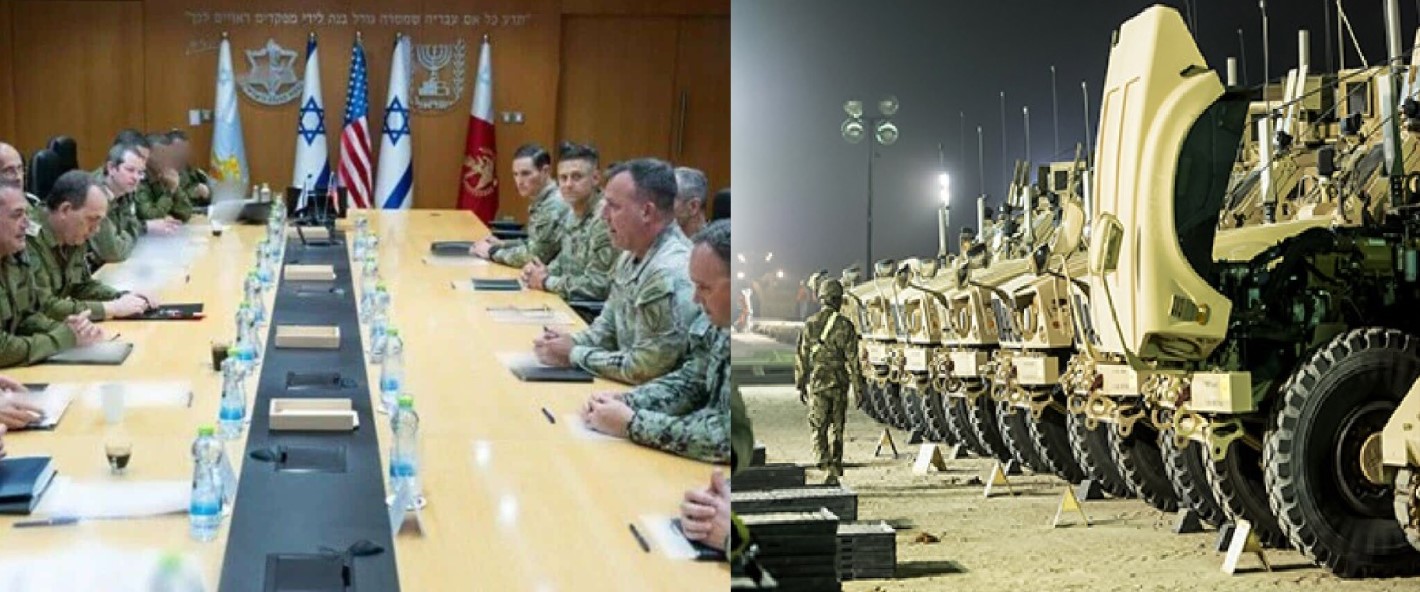
World
WASHINGTON / DUBAI : The United States has quietly moved a step closer to a possible military confrontation with Iran after ordering United States Central Command (CENTCOM) to shift into a continuous, round-the-clock operational posture, underscoring growing concern in Washington that the coming weeks could prove decisive. According to officials cited by The Washington Post, senior planners at CENTCOM have been instructed to maintain high-level staffing 24 hours a day “for the next month,” a directive that effectively places the command on a sustained war-planning footing. The order, officials say, is not symbolic. It reflects active preparations for scenarios ranging from limited strikes to a broader regional campaign should diplomatic efforts collapse. A Narrow Window for Action U.S. defense officials stress that the current lull in public rhetoric should not be mistaken for de-escalation. A senior Pentagon official told the Post that the U.S. president will face another clear decision point within “the next two to three weeks,” when additional American military assets now en route to the Middle East are expected to be fully in position. Central to that timeline is the arrival of the USS Abraham Lincoln carrier strike group, currently redeploying from the Indo-Pacific. Once on station, the carrier and its escorts will significantly expand U.S. strike capacity, air superiority, and missile-defense coverage—capabilities viewed by military planners as essential for sustaining operations against a well-armed state like Iran. Defense analysts note that previous pauses in U.S. decision-making have often coincided with the need to assemble a “complete force package,” including intelligence, aerial refueling, electronic warfare, and layered missile defenses. “You don’t initiate a major operation without the full toolkit in place,” one analyst said, describing the current buildup as methodical rather than hesitant. Reassuring Israel, Deterring Iran Beyond preparing offensive options, the U.S. posture shift is also aimed at calming Israeli security fears. Officials told the Post that the deployment of additional naval and air assets is intended to reassure Israel, which has privately expressed concern that a premature U.S. strike could trigger a large-scale Iranian retaliation before adequate American defenses are established. Israeli officials worry that Iran and its regional allies could respond with missile and drone salvos targeting Israeli cities and infrastructure. The presence of U.S. carrier-based aircraft and advanced missile-defense systems is seen as a critical buffer against such a scenario, serving both as a protective shield and as a deterrent signal to Iran. Signs on the Ground Concrete indications of heightened alert are already visible across the Gulf. At Al Udeid Air Base in Qatar, the forward headquarters of CENTCOM, U.S. personnel have been advised to evacuate family members and restrict non-essential movement. Officials have described the measures as a “posture change” driven by deteriorating regional security conditions rather than an imminent strike order. Such steps mirror precautionary actions taken ahead of past U.S. operations in the Middle East, when commanders sought to reduce exposure at key facilities while preserving operational continuity. Diplomatic Warnings and Strategic Calculus Diplomatic channels between Washington and Tehran remain tense. Iranian officials have repeatedly warned that any attack on Iranian territory would be met with retaliatory strikes against U.S. bases and assets throughout the Gulf, raising the stakes for regional partners hosting American forces. Despite those warnings, the White House has reiterated that “all options remain on the table,” language that now carries added weight given CENTCOM’s 24/7 planning directive. Officials familiar with the process say the current phase is being used to refine targeting plans, assess escalation risks, and synchronize military readiness with political decision-making. Whether the coming weeks culminate in a strike or another pause, the order to place America’s most important regional command on continuous alert highlights how narrow the margin for error has become. For now, Washington appears determined to ensure that if a decision is made, the machinery of war will already be fully prepared.
Read More → Posted on 2026-01-18 13:46:57
World
WASHINGTON : Former US president Donald Trump has announced plans to impose sweeping tariffs on imports from several European countries, linking the proposed trade measures directly to negotiations over Greenland in a move that has stunned diplomats and economists on both sides of the Atlantic. In a statement posted on his Truth Social platform, Trump said the United States would begin levying a 10 per cent tariff from February 1, 2026, on goods originating from Denmark, Norway, Sweden, France, Germany, the United Kingdom, the Netherlands and Finland. He added that the tariff would rise sharply to 25 per cent from June 1, 2026, and would remain in force “until such time as a Deal is reached for the Complete and Total purchase of Greenland.” “We have subsidized Denmark, and all of the Countries of the European Union, and others, for many years,” Trump wrote, framing the tariff threat as both an economic correction and a negotiating tool. Greenland Once Again at the Center of US Strategy Greenland, an autonomous territory within the Kingdom of Denmark, has long held strategic importance for the United States because of its Arctic location, mineral potential, and proximity to emerging polar shipping routes. Trump first floated the idea of purchasing Greenland during his presidency, a proposal that was swiftly rejected by Copenhagen and Greenlandic leaders at the time. By explicitly tying tariffs to Greenland, Trump has revived a highly unconventional approach to diplomacy, using broad-based trade pressure to pursue a geopolitical acquisition. European officials have not formally responded to the latest statement, but past reactions suggest fierce resistance to any attempt to monetize sovereignty through economic coercion. A Tariff Strategy With Domestic Consequences While the announcement focuses on European countries, economists note that the immediate financial burden of tariffs falls largely on US importers and consumers, not on foreign governments. Tariffs are collected at the US border, meaning American companies pay the higher costs upfront. These costs are often passed on to households through higher prices on everyday goods ranging from automobiles and machinery to pharmaceuticals, food products and consumer electronics. Historical data from previous US tariff rounds show that price increases tend to be gradual but persistent. In sectors heavily dependent on European imports, analysts expect inflationary pressure, particularly affecting middle-income households that spend a larger share of their income on traded goods. In this sense, the policy generates revenue for the US government, but that revenue is drawn primarily from American consumers’ spending power, not directly from European treasuries. Studies of earlier tariff regimes indicate that while federal customs revenue rises, household purchasing power declines, effectively operating as a regressive tax. Broader Trade Impact and Risk of Retaliation The countries named in Trump’s statement collectively represent a substantial share of US–Europe trade, with Germany, France and the United Kingdom among America’s largest trading partners. A 25 per cent tariff would almost certainly trigger retaliatory measures, potentially targeting US agricultural exports, aerospace products, and digital services. Such escalation could disrupt supply chains that remain fragile after years of pandemic shocks and geopolitical tensions. US manufacturers that rely on European components would face higher input costs, potentially reducing competitiveness and slowing hiring or investment. Political Signaling and Economic Reality Supporters of aggressive tariff policies argue they strengthen US bargaining power and protect domestic industry. Critics counter that tariffs function less as a penalty on foreign nations and more as a hidden tax on American citizens, with long-term consequences for inflation, consumer choice, and global economic stability. By linking trade policy to the purchase of Greenland, Trump has added a geopolitical dimension that complicates traditional trade negotiations. Whether the proposal becomes formal policy or remains a negotiating signal, it underscores a broader trend toward weaponizing tariffs as tools of statecraft — a strategy whose economic costs are likely to be felt first and most sharply at home.
Read More → Posted on 2026-01-18 13:14:30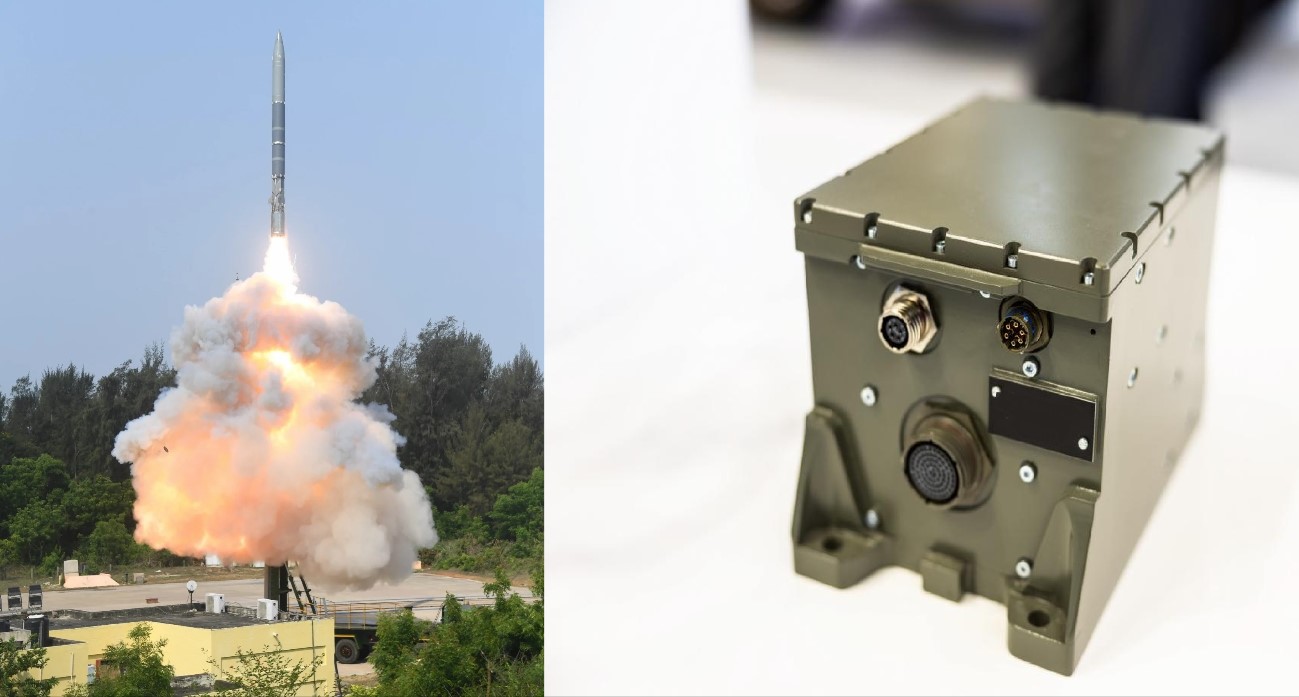
India
NEW DELHI : India’s missile programmes are set to receive a major survivability upgrade as the Defence Research and Development Organisation (DRDO) moves to integrate a new generation of miniaturised Inertial Navigation System (INS) modules into missiles that are under development as well as those already in production. The initiative is aimed at ensuring that Indian missiles remain accurate and fully operational in environments dominated by electronic warfare, where satellite navigation signals are increasingly at risk of jamming, spoofing or complete denial. Officials familiar with the development say the decision reflects a growing recognition that future conflicts will be fought in highly contested electromagnetic conditions. By reinforcing missile guidance with a robust, self-contained navigation backbone, DRDO is seeking to preserve mission effectiveness even when external navigation aids are degraded or unavailable. A Shift Away From Satellite Dependence Modern precision-guided weapons often rely on satellite navigation for mid-course updates and terminal accuracy. However, recent conflicts have demonstrated how vulnerable these signals can be to hostile electronic attack. Adversaries equipped with advanced jamming and spoofing capabilities can distort navigation data, forcing missiles off course or significantly reducing their accuracy. The miniaturised INS module being rolled out by DRDO is designed to mitigate this vulnerability. Unlike satellite-based systems, an inertial navigation system operates independently, using only onboard sensors to determine a missile’s position and orientation throughout its flight. This makes it inherently resistant to external interference, as it neither receives nor transmits navigation signals once the missile is launched. How the Technology Works At its core, the INS relies on a tightly integrated set of accelerometers and gyroscopes. Accelerometers measure changes in linear motion along multiple axes, while gyroscopes track rotational movement and orientation. Starting from a precisely known launch position, onboard processors continuously integrate this data to calculate the missile’s velocity, direction and location in real time. Advances in micro-electromechanical systems (MEMS), sensor fabrication and digital signal processing have allowed DRDO scientists to dramatically reduce the size of these components without sacrificing precision. Improved calibration techniques and error-compensation algorithms have also reduced long-standing issues such as navigation drift, enabling high levels of accuracy over the missile’s entire flight duration. Broad Integration Across Missile Programmes One of the most significant aspects of the initiative is its scope. The integration of the new INS modules is not limited to next-generation missile designs. Instead, DRDO is applying the upgrade across a wide spectrum of programmes, including missiles already entering serial production. This approach allows existing systems to receive incremental improvements rather than waiting for entirely new variants, ensuring that frontline inventories benefit quickly from enhanced resistance to electronic countermeasures. The compact form factor of the new INS module makes it compatible with multiple missile classes, from short-range tactical weapons to long-range precision strike systems, without affecting payload capacity or aerodynamic performance. Lessons From Modern Warfare The renewed emphasis on inertial navigation is closely tied to lessons drawn from modern warfare, where electronic warfare has emerged as a decisive factor. In several theatres, precision-guided munitions have reportedly lost effectiveness after satellite navigation signals were disrupted. These experiences have reinforced the need for guidance systems that can operate reliably in denied environments. By prioritising an INS-centric architecture, Indian missile designers aim to ensure that guidance remains stable and predictable even against technologically sophisticated adversaries. In practice, the INS can also be integrated with complementary navigation aids, such as terrain-referenced navigation or intermittent satellite updates when available, creating a layered guidance approach with the inertial system as the trusted core. Boost to Indigenous Defence Capability The programme also aligns with India’s broader push for self-reliance in critical defence technologies. Developing and deploying indigenous INS modules reduces dependence on foreign navigation solutions, many of which are subject to export controls or security constraints. Domestic control over hardware, software and encryption allows for tighter security oversight and faster upgrade cycles tailored to operational needs. Officials indicate that further refinements are already under way, including enhanced resistance to extreme vibration and acceleration, as well as more powerful onboard processing to support complex flight profiles. Over time, the miniaturised INS is expected to become a standard feature across India’s missile arsenal. As electronic warfare becomes an increasingly central element of modern combat, DRDO’s move to harden missile navigation underscores a strategic shift toward resilience and autonomy. By ensuring that missiles can navigate accurately even in the absence of satellite signals, India is reinforcing the credibility and reliability of its precision strike capabilities in future conflicts.
Read More → Posted on 2026-01-17 18:08:31
World
LONDON / TEHRAN : Fresh allegations that Iran’s authorities may have deployed a toxic chemical agent against civilian protesters have injected new urgency into an already volatile confrontation between the Islamic Republic and the West, raising the prospect of intensified international pressure and, if substantiated, far-reaching legal and strategic consequences. The claims surfaced after a member of the UK Labour Foreign Policy Group said he received what he described as a credible briefing shortly before appearing on a British television broadcast. According to the account, security forces responding to anti-government demonstrations allegedly used a “toxic chemical substance” against crowds. Several victims were reported to have fallen ill immediately, while others are said to have died days later, suggesting delayed physiological effects consistent with exposure to certain chemical agents. No independent verification has yet been produced, and Iranian authorities have not acknowledged the use of any such substances. Tehran has historically rejected similar accusations, framing reports of human-rights abuses as politically motivated fabrications. Nonetheless, the seriousness of the allegation has prompted renewed scrutiny among diplomats, human-rights investigators, and defense analysts monitoring Iran’s internal unrest. If confirmed, the use of chemical agents against civilians would represent a grave breach of international norms. Chemical weapons are prohibited under the Chemical Weapons Convention, which bans their development, stockpiling, and use under any circumstances. Deployment against unarmed protesters would also constitute a major human-rights violation, potentially triggering international investigations and opening the door to sanctions or other punitive measures. Iran has faced repeated waves of protest in recent years, driven by economic hardship, political repression, and demands for greater personal freedoms. Security crackdowns have often involved mass arrests, internet shutdowns, and the use of crowd-control weapons. The new allegation, however, goes far beyond previous claims of excessive force, placing the regime under suspicion of crossing a red line long regarded as taboo in domestic law enforcement. Western officials caution that assessing events inside Iran remains extremely difficult. Independent media access is tightly restricted, foreign journalists are rarely permitted to operate freely, and information from inside the country often emerges through fragmented eyewitness accounts, social-media footage, or activist networks operating under intense pressure. Despite these uncertainties, the geopolitical implications are already being debated openly. Some analysts argue that credible proof of chemical-weapons use could harden the stance of the United States and its allies, particularly Israel, both of which have long accused Tehran of destabilizing behavior at home and abroad. In such a scenario, diplomatic isolation could deepen rapidly, and the risk of military escalation—whether direct or indirect—would rise sharply. Others urge caution, warning that premature conclusions based on unverified intelligence could inflame tensions without resolving the underlying crisis. They stress the need for independent forensic investigations, medical documentation from affected victims, and corroboration by international watchdogs before any definitive judgments are made. For now, the allegation stands as one of the most serious charges leveled against the Iranian state in recent years. Whether it becomes a turning point will depend on what evidence emerges in the coming weeks—and on how the international community chooses to respond if the claims are ultimately substantiated.
Read More → Posted on 2026-01-17 17:50:44
World
TEHRAN / MOSCOW : Iran has carried out what is being described as one of its most complex and strategically significant missile tests to date, signaling a potential shift in the regional and global deterrence balance. According to multiple reports, the test involved a new high-speed missile possibly an intercontinental ballistic missile (ICBM) launched by the missile force of the Islamic Revolutionary Guard Corps (IRGC), featuring an unprecedented flight profile and rare international coordination. The reported launch, conducted in recent days, is said to have involved a missile traveling along a non-traditional trajectory, briefly passing through Russian airspace before continuing toward distant maritime zones. If confirmed, such coordination would mark an extraordinary level of operational alignment between Tehran and Russia, extending beyond diplomacy into the realm of strategic military deconfliction. Unusual Trajectory, Calculated Signal What distinguishes this test from earlier Iranian launches is not merely speed, but geometry. Analysts familiar with Iran’s missile doctrine note that Tehran has historically favored direct or lofted trajectories to demonstrate range and accuracy. In this case, however, the reported flight path appears deliberately complex, involving long-range navigation, precise timing, and cross-border coordination. Such a trajectory would require advanced guidance systems, real-time command and control, and confidence in the missile’s maneuverability at high speeds. While Iranian officials have not released technical specifications, the missile is widely believed to belong to a class of high-speed, maneuverable systems designed to complicate interception by modern air-defense networks. Coordination With Moscow Raises Stakes The most geopolitically sensitive element of the test is the reported coordination with Moscow allowing the missile to transit Russian airspace. Military experts say this would require prior clearance at senior levels, precise timing to avoid civilian air traffic, and shared situational awareness between defense authorities. Neither Moscow nor Tehran has publicly acknowledged the arrangement, but even the perception of such coordination sends a powerful strategic message. It suggests a level of trust and signaling aimed as much at Western capitals as at regional rivals, reinforcing the idea that Iran’s missile program now operates within a broader geopolitical framework. Beyond Technology: Deterrence Messaging Defense analysts stress that the test should not be viewed solely as a technological milestone. Instead, it represents a layered deterrence signal. At a time of heightened Middle East tensions, ongoing conflicts involving Iranian allies, and sustained pressure on Iran’s defense sector, the launch underscores Tehran’s determination to maintain — and visibly demonstrate — credible deterrence. The missile’s reported destination over distant maritime zones further suggests a focus on long-range reach and operational flexibility, reinforcing Iran’s claim that its missile forces are defensive yet capable of responding across vast theaters if threatened. Regional and Global Implications The test is already prompting renewed debate among regional security planners and Western defense officials. A missile capable of high-speed maneuvering along unconventional routes would pose challenges to existing early-warning systems and interception strategies. Combined with international coordination, it raises questions about how future conflicts might involve overlapping spheres of military activity. For Iran, the message appears carefully calibrated: technological confidence, strategic depth, and growing geopolitical alignment. For its adversaries, the test serves as a reminder that Iran’s missile capabilities continue to evolve beyond traditional assumptions. As official details remain scarce, the full scope of the capabilities demonstrated may not be clear for some time. What is already evident, however, is that this was not a routine test, but a calculated display of power with implications far beyond the launch site.
Read More → Posted on 2026-01-17 17:40:01
World
Brussels / Copenhagen : European leaders are preparing a far-reaching contingency response that could include the severing of major economic ties with the United States if Washington attempts to forcibly take control of Greenland, according to officials familiar with high-level discussions in Brussels and several EU capitals. The warning follows remarks by Belgium’s defence minister, Theo Francken, who acknowledged that Europe would be unable to defeat the United States militarily in Greenland, but stressed that the continent holds powerful non-military weapons. Those tools, officials say, form the backbone of what is now being referred to inside European institutions as “Plan B.” A Strategic Dispute Turns Into A Transatlantic Test Greenland, an autonomous territory within the Kingdom of Denmark, occupies a critical strategic position between North America and Europe, anchoring key Arctic air, sea, and missile-warning routes. Renewed signals from Washington reviving the idea of U.S. control over the island have triggered alarm across Europe, where governments see any seizure as a direct breach of sovereignty and international law. Within Brussels, the issue is no longer viewed solely as a Danish or Greenlandic matter. Officials describe it as a defining test for the credibility of the European Union and for the future of the transatlantic alliance itself. What Europe’s “Plan B” Would Look Like According to diplomats and defence officials, Plan B is not a single document but a coordinated escalation framework designed to impose maximum political and economic costs while avoiding direct war. At its core lies economic retaliation. If the United States were to move militarily or coercively against Greenland, Europe would suspend major trade and investment cooperation, freeze or terminate ongoing negotiations, and consider retaliatory tariffs, financial restrictions, and regulatory barriers. Targeted sanctions against U.S. officials, defence contractors, and entities linked to any operation would also be considered. While some politicians have spoken of “breaking all economic ties,” officials caution that this would translate in practice into a broad but structured economic disengagement, aimed at inflicting pain while preserving minimal channels necessary for global financial stability. Diplomatic And Legal Escalation Alongside economic measures, Europe would move rapidly to diplomatic isolation. Emergency sessions would be sought at international forums to challenge the legality of any U.S. action, arguing that a forced takeover would violate the principles of territorial integrity and self-determination enshrined in international law. Legal teams in Brussels and Copenhagen are already assessing options to build a formal legal record, intended to frame any seizure of Greenland not as a geopolitical dispute, but as a systemic violation of the rules-based international order. Military Limits, Deterrence, And NATO’s Role European defence ministers have been unusually candid about the military imbalance. Officials openly concede that Europe cannot match U.S. power in Greenland through force. Instead, the focus is on deterrence and presence: reinforcing Denmark’s position, increasing Arctic surveillance and patrols, and pressing for stronger coordination within NATO. Such steps would be defensive rather than confrontational, designed to raise the political and reputational cost of unilateral action rather than to challenge U.S. forces directly. Intelligence And Security Cooperation At Risk One of the most sensitive elements of Plan B involves intelligence and security cooperation. European officials acknowledge that, in an extreme scenario, parts of intelligence sharing and defence-industrial collaboration with the United States could be curtailed. This option is widely described as a last resort, given the deep interdependence of transatlantic security. Its inclusion, however, underlines how seriously the Greenland scenario is being treated in European capitals. Denmark And Greenland Draw A Red Line Denmark has made clear that Greenland’s future cannot be decided without its people. Greenland’s government in Nuuk has reiterated its commitment to self-determination and rejected any notion of transfer or coercion. Copenhagen has intensified consultations with EU partners and NATO allies, seeking explicit assurances that Danish sovereignty would be upheld. High Stakes For Europe And The Alliance For European leaders, the Greenland crisis extends far beyond the Arctic. It strikes at the credibility of alliances, the limits of power politics among allies, and whether economic interdependence can deter coercion when military options are constrained. Privately, EU officials say Plan B exists to prevent conflict, by making clear that any attempt to seize Greenland would carry a severe economic, diplomatic, and strategic price. Publicly, they continue to emphasise dialogue and diplomacy, hoping that the threat of escalation will be enough to stop the crisis from crossing a historic threshold. As one senior European diplomat put it, “This is not about confrontation. It is about ensuring that, even among allies, force is never rewarded.”
Read More → Posted on 2026-01-17 17:30:47
World
CORNWALL / LONDON : Britain has crossed a major threshold in military aviation with the successful maiden flight of Proteus, the United Kingdom’s first full-size, fully autonomous helicopter — a three-tonne uncrewed aircraft designed to operate at the sharp end of naval warfare, including the detection and tracking of Russian submarines in the North Atlantic. The aircraft flew from Predannack Airfield on the Lizard Peninsula in Cornwall following an intensive period of ground and systems testing, marking the first time a helicopter of this size has taken off, flown and landed in the UK without any onboard human pilot. Defence officials say the achievement signals a decisive move toward a future Royal Navy air wing built around hybrid operations, where crewed and uncrewed aircraft work side by side. A Milestone for Autonomous Naval Aviation Developed by Leonardo for the Royal Navy, Proteus is a technology demonstrator rather than a frontline operational aircraft. Even so, its successful flight is being described by defence planners as a foundational moment for Britain’s next generation of maritime air power. During the sortie, Proteus operated entirely under its own control systems, relying on onboard sensors, software and flight management logic to assess its surroundings and execute the mission profile. Human test pilots and engineers monitored the flight from the ground, but did not intervene. Officials confirmed the aircraft performed as expected across all planned phases of the test. The flight followed weeks of engine, sensor and systems trials conducted at Leonardo’s Yeovil facility in Somerset, one of the UK’s most important centres for rotary-wing aviation. Representatives from the Royal Navy and the Ministry of Defence observed the Cornwall test closely, viewing it as a proof-of-concept for much more ambitious deployments in the years ahead. Built in Yeovil, Designed for the North Atlantic Proteus was designed and manufactured in Yeovil under a £60 million programme that has supported around 100 highly skilled engineering and manufacturing jobs. Defence officials have repeatedly emphasised the programme’s dual role: advancing cutting-edge military technology while sustaining sovereign industrial capability in the UK. At roughly three tonnes, Proteus is comparable in size to some crewed naval helicopters, but replaces pilots and onboard operators with advanced autonomy software. The aircraft can carry a payload exceeding one tonne, allowing it to host a wide range of mission systems, from sensors and communications relays to anti-submarine warfare equipment. Engineers involved in the programme say the helicopter has been built to operate in demanding maritime conditions, including poor weather and extended missions over open ocean — scenarios that traditionally place heavy strain on aircrews. By removing the human element from the cockpit, Proteus is intended to take on what officials describe as the “dull, dirty and dangerous” tasks, freeing crewed aircraft for missions where human judgment is indispensable. A Role in Hunting Submarines While Proteus remains a demonstrator, its design is closely aligned with Britain’s growing concern over undersea threats in the North Atlantic, particularly the activities of Russian submarines. Defence planners see uncrewed aircraft as a way to maintain persistent surveillance across vast ocean areas that are difficult and expensive to patrol with conventional platforms alone. The helicopter is expected to play a key role in future anti-submarine warfare concepts, operating alongside crewed helicopters, surface ships and underwater sensors. By extending the reach and endurance of naval aviation, officials believe systems like Proteus could significantly strengthen NATO’s ability to detect, track and deter hostile submarines. This vision sits at the heart of the Atlantic Bastion programme, announced last month by the Ministry of Defence. The initiative aims to create a hybrid naval force capable of securing critical sea lanes and protecting the undersea infrastructure that underpins Europe’s energy supplies and digital connectivity. Ministers and Navy hail “Proud Moment” Luke Pollard, Minister for Defence Readiness and Industry, described the maiden flight as both a technological and industrial milestone. “This is a proud moment for British innovation,” he said. “Designed and built in Yeovil, Proteus supports skilled UK jobs while helping deliver the hybrid navy outlined in our Strategic Defence Review. Autonomous systems like this will be vital in protecting our seas without putting personnel in harm’s way.” Senior naval leaders echoed that assessment, framing the flight as a statement of intent as much as a technical success. Commodore Steve Bolton, Royal Navy Deputy Director Aviation Future Programmes, said the achievement demonstrated the service’s commitment to autonomy as a core element of future combat power. “This milestone signals our intent to lead technological innovation, enhance the fighting effectiveness of the Royal Navy, and maintain operational advantage in an increasingly complex maritime environment,” he said. A Step-change in Maritime Air Power For Leonardo, Proteus represents what the company calls a step-change in how maritime aviation can deliver persistence and reach. Nigel Colman, managing director of Leonardo Helicopters UK, said the aircraft showcased the potential of autonomous systems to operate in environments that are traditionally high-risk for human crews. “As the UK’s only end-to-end rotary-wing manufacturer, it has been a privilege to work with the Royal Navy on Proteus,” he said. “Seeing it take off for the first time after being designed, developed and built at Yeovil is a fantastic milestone.” What Comes Next Following the maiden flight, Proteus will enter a phased test and evaluation programme designed to expand its flight envelope, refine its autonomy algorithms and integrate additional mission systems. Defence officials stress that operational deployment is still some distance away, but say the lessons learned will directly inform future uncrewed and optionally crewed aircraft. As maritime competition intensifies and undersea threats grow more sophisticated, the Royal Navy is betting that autonomy will become not just an enhancement, but a necessity. With Proteus now airborne, Britain has taken a decisive step toward that future — one in which helicopters may hunt submarines across the Atlantic without a single pilot on board.
Read More → Posted on 2026-01-17 17:09:03
World
OTTAWA : Sweden’s defence manufacturer Saab has submitted a comprehensive proposal to the Canadian government offering a combined fleet of 72 Gripen multirole fighter jets and six GlobalEye airborne early warning and control aircraft, a package the company says could support up to 12,600 Canadian jobs. The offer, reported by CBC News on January 14, 2026, comes as Ottawa reassesses the scale and structure of its future combat aircraft fleet amid rising defence spending and growing scrutiny of industrial benefits. The proposal enters a policy environment in which Canada is reviewing its 2022 commitment to purchase 88 F-35 Lightning II aircraft. While the first 16 F-35s are expected to begin arriving this year, the remainder of the order is under review, with no final decision yet on whether the full fleet will be maintained, reduced or complemented by another platform. A Combined Operational Concept Saab has framed its offer around the operational pairing of the Gripen fighter with the GlobalEye surveillance aircraft. The company argues that the two platforms are designed to work together, combining frontline interception and strike capability with long-range airborne surveillance and command-and-control. The Gripen E is a 4.5-generation multirole fighter capable of speeds approaching Mach 2. It is equipped with the Raven ES-05 active electronically scanned array radar, an infrared search and track system, and networked avionics that allow sensor and targeting data to be shared across units in near real time. Saab says this architecture enhances situational awareness and coordination, particularly when operating alongside airborne surveillance platforms and allied forces. Designed for dispersed operations, the Gripen can operate from shorter or austere runways and emphasizes rapid turnaround through a streamlined logistics concept. With up to ten external hardpoints, it can carry a wide range of NATO-standard weapons, enabling air-to-air, air-to-surface, and anti-ship missions across Canada’s vast geographic areas. Filling a Surveillance Gap Central to Saab’s proposal is the GlobalEye airborne early warning and control platform, which the company describes as a capability Canada currently lacks. Built on the Bombardier Global 6500, the GlobalEye integrates the Erieye ER radar mounted along the fuselage, providing long-range detection of airborne and surface targets at distances of roughly 450 kilometres or more when operating at altitude. With an endurance of around eleven hours, the aircraft is designed to provide persistent surveillance over large areas. In addition to its primary early warning radar, the GlobalEye carries a Seaspray 7500E maritime surveillance radar and a multi-sensor suite capable of simultaneously monitoring air, sea and land domains. Saab has highlighted the platform’s relevance for Canada’s northern and maritime approaches, where ground-based radar coverage is limited by terrain and the curvature of the Earth. Industrial Impact and Domestic Production Saab has placed strong emphasis on the industrial dimension of its offer, stating that the projected 12,600 jobs depend on the acquisition of both the Gripen and GlobalEye fleets. The company has clarified that earlier public references to approximately 10,000 jobs did not specify the number of aircraft required to reach that figure. Under the proposal, Gripen aircraft for Canada would be assembled, integrated, tested and sustained domestically, with production and support facilities planned in Ontario and Quebec. Saab has identified Canadian partners including IMP Aerospace, GE Aviation, CAE, and Peraton as part of a nationwide supplier network. GlobalEye aircraft would be produced in partnership with Bombardier, anchoring a significant portion of the program within Canada’s aerospace sector. Saab has argued that domestic production would give Canada greater control over sustainment, upgrades, and supply chains, potentially reducing long-term dependence on foreign suppliers. Competing Visions for Canada’s Air Force The Saab proposal is being weighed against Canada’s existing F-35 plan. Lockheed Martin has said that maintaining the full 88-aircraft F-35 order would generate about $15 billion in industrial work for Canada over the life of the program. Discussions between Lockheed Martin and the Canadian government are continuing as officials assess the credibility and durability of industrial commitments from both sides. Defence planners have also raised practical concerns about operating a mixed fighter fleet, including the costs and complexity of training, sustainment, and integration. Questions remain over how a Gripen fleet would integrate with NORAD systems if Canada were to operate fewer F-35s, given the latter’s role in allied stealth and sensor networks. Political and Public Context The reassessment is taking place as Canadian defence spending is projected to increase by roughly $82 billion over the next five years. In Ottawa, the appointment of Christiane Fox as deputy minister at the Department of National Defence has been interpreted as a sign of heightened scrutiny over procurement decisions and their economic impact. Public opinion has added another layer to the debate. An Ekos survey cited in recent discussions found 43 percent national support for acquiring a Gripen fleet, with 29 percent favouring a mixed Gripen–F-35 force and 13 percent backing an all-F-35 option. Support for Gripen-only peaked in British Columbia, while Quebec showed the strongest backing for a mixed fleet, underscoring regional and partisan divisions over the issue. Decision Still Open Although Canada formally selected the F-35 in 2023 after a competition that evaluated capability, cost, and economic benefits, Saab’s latest proposal highlights how shifting fiscal pressures, industrial priorities, and strategic considerations continue to influence the debate. As Ottawa weighs operational requirements against domestic economic returns, the decision over what aircraft Canada flies — and where they are built — remains unresolved.
Read More → Posted on 2026-01-17 16:36:23
World
WASHINGTON / CALIFORNIA : NASA has strengthened its high-speed flight research capabilities with the addition of two retired U.S. Air Force F-15 fighter jets to its flight research fleet, a move that underscores the agency’s renewed push toward practical supersonic aviation. According to a NASA press release, the aircraft have joined operations at Armstrong Flight Research Center in Edwards, California, where they will support a wide range of supersonic flight experiments under the agency’s Flight Demonstrations and Capabilities project. Central to that work is NASA’s ambitious effort to reduce the disruptive noise associated with breaking the sound barrier. A New Role for a Proven Aircraft Of the two aircraft transferred, one F-15 will be returned to active flight status as a dedicated NASA research platform. The second jet will serve as a source of parts to ensure long-term sustainment of the agency’s existing F-15 fleet, a practical decision aimed at reducing costs while maintaining mission readiness. The aircraft are expected to play a critical support role for NASA’s quiet supersonic research program, particularly the Quesst mission, which seeks to demonstrate technologies that dramatically soften the sonic boom produced during supersonic flight. “These two aircraft will enable successful data collection and chase plane capabilities for the X-59 through the life of the Low Boom Flight Demonstrator project,” said Troy Asher, director for flight operations at NASA Armstrong. He added that the aircraft will also allow NASA to resume and expand flight operations with external partners, including U.S. government agencies and commercial aviation companies. Supporting the X-59 Mission At the heart of the program is the X-59, an experimental aircraft designed to fly faster than sound while producing a gentle “thump” instead of a loud sonic boom. The F-15s will function as chase aircraft, collecting vital flight data, providing visual oversight, and ensuring flight safety during test missions. NASA has already carried out specialized modifications on its F-15 fleet, allowing pilots to operate comfortably at altitudes of up to 60,000 feet. This closely matches the operating envelope of the X-59, which is expected to cruise at around 55,000 feet during its test flights. “The priority is for them to successfully support the X-59 through completion of that mission,” Asher said, noting that the aircraft will later be available for future advanced aeronautics research and collaborative projects. From Military Service to Research Duty The two jets were transferred from the Oregon Air National Guard’s 173rd Fighter Wing, based at Kingsley Field. They arrived at NASA Armstrong on December 22, 2025, shortly after completing their final operational flights for the U.S. Air Force. Their arrival continues a long relationship between NASA and the F-15 platform. The agency has operated variants of the aircraft since the early 1970s, flying dozens of experiments that have contributed to advances in aerodynamics, propulsion, flight controls, and high-speed aviation safety. Why the F-15 Still Matters Despite its age, the F-15 remains uniquely suited for flight research. Its powerful engines and robust airframe allow it to fly at high speeds and altitudes while carrying experimental hardware mounted under the wings or fuselage. The aircraft can also be extensively modified to host specialized instruments and sensors that would not fit on many modern aircraft. For NASA, these qualities make the F-15 an ideal companion to cutting-edge experimental vehicles like the X-59, bridging the gap between proven aviation technology and the next generation of quieter, community-friendly supersonic travel. As NASA moves closer to flight demonstrations that could influence future commercial supersonic regulations, the arrival of the two F-15s signals a practical and strategic investment in the aircraft needed to gather the data that could one day return supersonic passenger flight to the skies without the boom.
Read More → Posted on 2026-01-17 16:18:01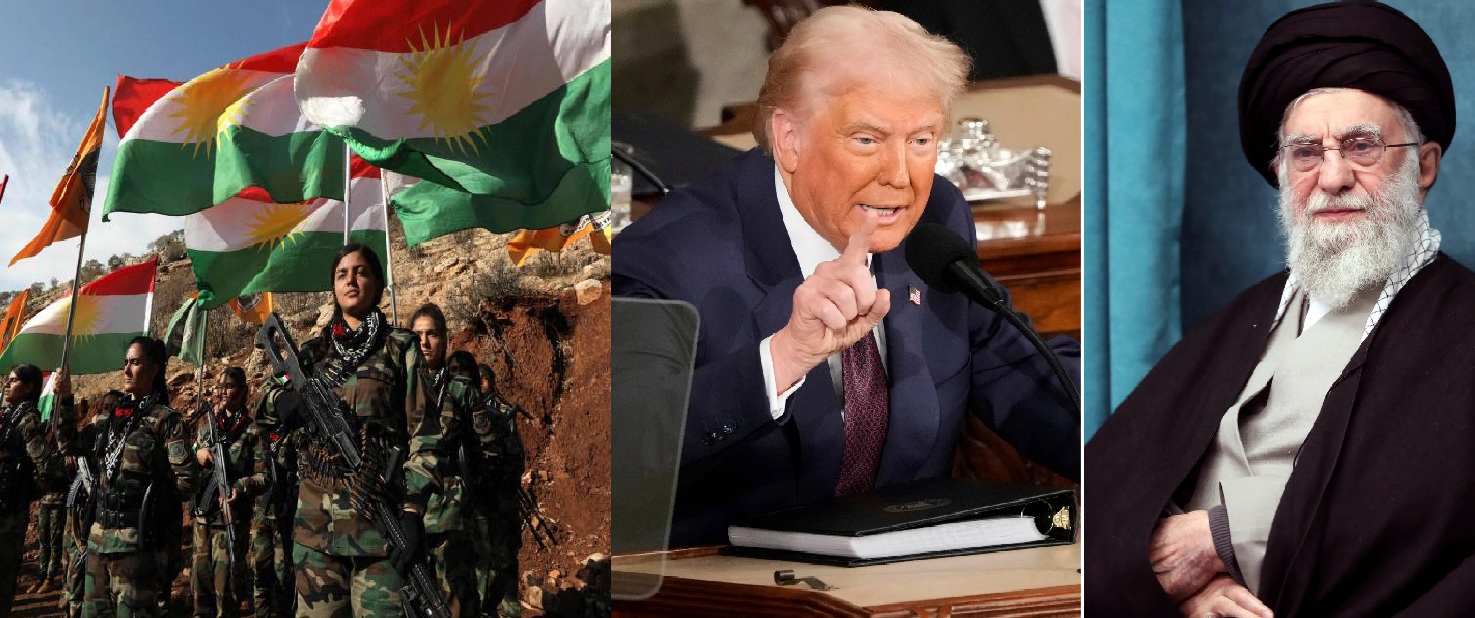
World
Washington / Erbil : Iran’s Kurdish opposition has postponed plans for an armed incursion into Iranian territory following statements by U.S. President Donald Trump indicating a preference for a “peaceful” overthrow of Iran’s ruling clerical establishment. The shift comes amid signs of a possible de-escalation after weeks of deadly unrest that shook the Islamic Republic and drew sharp warnings from Washington. The pause was confirmed in an interview with CBS News by leaders of the Democratic Party of Iranian Kurdistan (PDKI), an exiled Kurdish group that has long trained for the possibility of confronting Tehran by force. Fighters from the group are currently based in the mountains of northern Iraq, roughly 30 miles from the Iranian border, where many — including women — say they remain ready to act if circumstances change. Trump’s Remarks and a Shift in Tone President Trump said this week that, according to what he described as “reliable sources,” the killing of protesters in Iran was “stopping” and that there was allegedly “no plan for executions” following the brutal suppression of nearly two weeks of mass demonstrations. He added that the situation appeared to be showing early signs of de-escalation. The comments marked a notable change in tone from Washington. In the early days of the unrest, Trump repeatedly warned that the United States could intervene to protect protesters and, as recently as Tuesday, threatened “very harsh measures” if executions of demonstrators went ahead. Kurdish leaders said the latest remarks suggested the White House was stepping back from the prospect of immediate military involvement. Protests, Crackdown, and Conflicting Claims The protests, which erupted over political repression and economic grievances, quickly spread across major Iranian cities. Iranian authorities moved decisively to crush the demonstrations, deploying security forces linked to the Ayatollah regime — a system of governance created after the 1979 Islamic Revolution that places ultimate power in the hands of senior Shiite clerics. While Tehran has downplayed casualties, sources inside Iran cited by CBS News claim the crackdown may have killed more than 12,000 people, with the true figure potentially far higher. Independent verification has been difficult due to media restrictions and internet shutdowns. Kurdish Hopes and Caution Sairan Gharoli, a commander within the Iranian Kurdish movement, said the scale of the protests revived hopes that the deeply entrenched system established after 1979 could finally be challenged. But he cautioned that popular anger alone would not be enough. “Without real international support, including political and practical backing, the regime has shown time and again that it can survive mass protests,” Gharoli said. That caution was echoed by Mustafa Hijri, the veteran leader of the PDKI, who has lived in exile for more than four decades. Hijri noted that Iran’s authorities have repeatedly crushed previous waves of unrest and warned that the current uprising could follow the same trajectory. Calls for Targeted U.S. Action Despite the decision to delay armed action, Hijri openly expressed hope for U.S. involvement. He said that targeted strikes against the infrastructure of the forces firing on protesters, as well as against what he described as “judicial” institutions serving the regime, could fundamentally alter the balance of power. Such statements underscore the delicate position of the Kurdish opposition, which is banned inside Iran as a terrorist organization but has long presented itself internationally as a democratic alternative to clerical rule. Who Are the Kurds and Why the Tension? The Kurds are a distinct ethnic group numbering around 30 million across the Middle East, with significant populations in Turkey, Iraq, Syria, and Iran. In Iran, Kurds make up roughly 10% of the population and are concentrated in the northwest. Tensions between Iran’s Kurdish population and the Ayatollah regime date back decades. Kurdish parties opposed the centralization of power after the 1979 revolution and demanded autonomy, cultural rights, and political representation. Tehran responded with military campaigns and tight security control, leaving deep mistrust on both sides. Hijri said the strategic goal of the Kurdish opposition is not secession but the creation of a democratic Iran in which Kurds and other ethnic minorities can live under equal laws. Central to those demands are the right to educate children in their native languages and the formal recognition of minority rights by the state. Waiting for the Next Signal For now, Kurdish fighters in northern Iraq remain on standby, watching closely for signs of whether international pressure particularly from the United States will intensify or fade. Trump’s suggestion that violence inside Iran may be easing has bought Tehran time, but opposition figures say it has also delayed a decisive moment they have been preparing for over decades. Whether the protests ultimately lead to reform, repression, or a deeper crisis may depend less on the streets of Tehran than on decisions taken in Washington and on whether the world is willing to move beyond words in confronting the Ayatollah regime.
Read More → Posted on 2026-01-17 16:11:21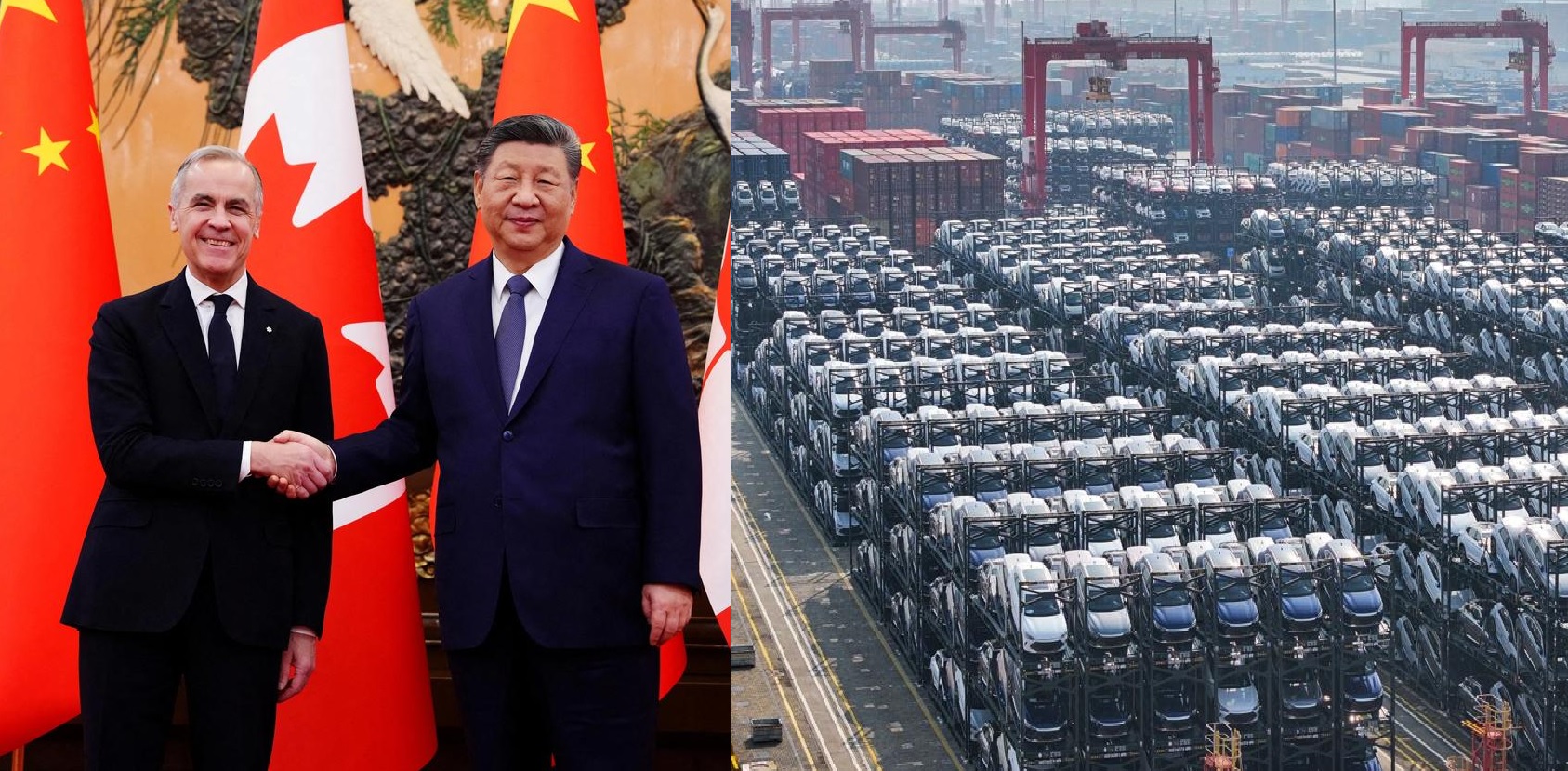
World
Ottawa / Beijing :Canada has formally dismantled one of its most aggressive trade barriers against China, agreeing to lift a 100 percent punitive tariff on Chinese electric vehicles (EVs) in exchange for sharply reduced duties on Canadian agricultural exports, in a move that signals a major recalibration of Ottawa’s economic strategy amid renewed uncertainty in its relationship with the United States. The decision, announced during Prime Minister Mark Carney’s high-profile visit to Beijing, replaces the blanket tariff with a controlled quota system. Under the new framework, the first 49,000 Chinese EVs entering Canada annually will be taxed at the standard 6.1 percent most-favored-nation rate, with gradual increases and volume caps phased in over the next five years. The agreement also includes the rollback of steep Chinese tariffs on Canadian farm goods, most notably canola, restoring access to one of Canada’s most lucrative export markets. The shift marks a dramatic reversal of policies imposed in 2024 under the previous Liberal government, which had levied the EV tariff—along with a 25 percent duty on Chinese steel and aluminum—to align closely with U.S. trade restrictions aimed at curbing China’s industrial expansion. A Strategic Pivot Toward Beijing Alongside the tariff rollback, Canada and China signed a China–Canada Economic and Trade Cooperation Roadmap, outlining plans to deepen bilateral commerce in agriculture, clean technology, critical minerals, and supply-chain coordination. Canadian officials described the agreement as a “stabilization mechanism” after years of diplomatic strain that followed Beijing’s detention of two Canadians in 2018 in retaliation for Canada’s arrest of a Huawei executive. Trade analysts say the deal reflects a growing perception in Canada that economic risks from Washington now outweigh those posed by Beijing. Edward Alden, a senior fellow at the Council on Foreign Relations, noted that Trump-era protectionism has fundamentally altered Ottawa’s calculus. “For many Canadians, the United States has become the less predictable partner,” Alden said, adding that China is increasingly viewed as a market Canada cannot afford to abandon. Trump’s Shadow Over Ottawa The agreement lands at a delicate moment in North American trade politics. Since returning to office in January, Donald Trump has revived his hardline tariff agenda, imposing sweeping import taxes across multiple sectors and threatening allies and rivals alike with retaliatory measures. Canada has repeatedly found itself in Trump’s crosshairs. Last autumn, the U.S. president threatened a 10 percent tariff on Canadian goods following a political advertisement aired by Ontario’s provincial government. While that threat was never carried out, existing U.S. tariffs on Canadian steel and aluminum remain in force. Analysts now warn that Ottawa’s overture to Beijing could provoke a fresh response from Washington, particularly with the United States–Mexico–Canada Agreement (USMCA) scheduled for review and renewal later this year. Automotive manufacturing, one of the most integrated sectors across the U.S.-Canada border, is widely seen as the most vulnerable target. Farmers Gain, Auto Sector Braces For Canadian farmers, the benefits of the China deal are immediate and tangible. Beijing has agreed to slash tariffs on canola from 84 percent to 15 percent, reopening a market worth billions of dollars annually. Agricultural exporters also secured improved access for pork, barley, and peas, sectors that have struggled to diversify beyond China and the U.S. The domestic reaction, however, has been sharply divided. Ontario Premier Doug Ford condemned the agreement, warning that an influx of low-cost Chinese EVs could undercut Canadian auto workers and jeopardize access to the U.S. market. “You don’t protect Canadian jobs by opening the floodgates,” Ford said, calling the policy a strategic gamble with long-term consequences. Carney has pushed back against those concerns, emphasizing that the quota system strictly limits imports and that safeguards are built in to protect domestic manufacturers. “This is not an open-door policy,” he said, describing the agreement as a controlled and reversible step rather than a wholesale shift. A Global Search for Alternatives to the U.S. Canada is not alone in reassessing its trade dependencies. The European Union is close to finalizing a long-delayed agreement with the Mercosur bloc, linking it more closely with Brazil and Argentina, while simultaneously pursuing a separate deal with India. China, meanwhile, has accelerated its export diversification strategy. Despite sustained U.S. tariffs, Beijing’s trade surplus reached a record $1.2 trillion last year, driven by stronger sales to Europe and Southeast Asia. The approach has allowed China to blunt the impact of American restrictions while deepening ties with middle powers such as Canada. Calculated Risk Ahead Carney’s move carries undeniable political and economic risks, particularly as Canada prepares for high-stakes USMCA negotiations. Yet the prime minister appears to be betting that U.S. manufacturers, deeply reliant on cross-border supply chains, will lobby against harsh retaliation. Trump, for his part, has offered mixed signals. While his administration has not ruled out countermeasures, the president has publicly praised Carney as a “smart negotiator,” suggesting that any response may be calibrated rather than immediate. For Canada, the agreement underscores a broader reality: in an era of unpredictable U.S. trade policy, Ottawa is increasingly willing to hedge its bets. Whether that strategy strengthens Canada’s hand—or exposes it to new vulnerabilities—may soon be tested on both sides of the Pacific.
Read More → Posted on 2026-01-17 15:44:04
World
MOSCOW / SEVERODVINSK : Russia’s most secretive new nuclear submarine, Project 09851 Khabarovsk, is expected to begin sea trials in 2026 as construction and fitting-out activities near completion at the Sevmash shipyard in Severodvinsk, according to reports in Russian media. Designed as a dedicated carrier for the Poseidon nuclear-powered unmanned underwater vehicle, the submarine represents a critical element of Moscow’s evolving strategic deterrence posture beneath the world’s oceans. According to the newspaper Izvestia, Khabarovsk has completed its main construction phase and has entered preparations for mooring and harbor tests following its launch in November 2025. Built at Sevmash, Russia’s premier facility for nuclear submarine production, the vessel is now moving toward the final stages before full sea trials, a process that typically lasts many months and includes extensive testing of propulsion, navigation, weapons integration, and acoustic characteristics. A Purpose-Built Platform for Poseidon Unlike conventional attack submarines or ballistic-missile submarines, Project 09851 was conceived from the outset as a specialized carrier for Status-6, better known as Poseidon, a nuclear-powered unmanned underwater vehicle. The system is designed to operate independently after launch, traveling extreme distances at high speed and great depth, before detonating a nuclear warhead near coastal or maritime targets. Khabarovsk is widely believed to be the first standard, purpose-built carrier of Poseidon, distinguishing it from the modified Project 09852 submarine Belgorod, which has been used as a test and experimental platform. Defense analysts in Russia describe Khabarovsk as the future backbone of Poseidon deployment, once the system is declared operational. Six large-diameter launchers for Poseidon are expected to be installed in the forward section of the submarine. Given the exceptional size of the vehicle—far larger than any conventional torpedo—this required a unique internal arrangement, including a specially designed torpedo compartment and handling systems capable of supporting weapons estimated to weigh up to 100 tonnes each. Borei-Derived Design With Strategic Roots Technically, Khabarovsk draws heavily on solutions developed for Russia’s Borei-A class ballistic-missile submarines. This design lineage is intended to reduce development risk while ensuring high survivability and stealth. The hull form, internal layout, and several systems are understood to be adapted from proven Borei technologies, while being reconfigured to support unmanned underwater vehicles rather than intercontinental ballistic missiles. Propulsion is provided by a nuclear power plant believed to be a pressurized-water reactor designated KTP-6-185SP, with an estimated thermal output of around 200 megawatts. Power is transmitted through a steam turbine rated at approximately 50,000 horsepower, driving a single shaft connected to a waterjet propulsor. Two auxiliary thrusters are reportedly installed to enhance maneuverability during low-speed operations and precise positioning. This configuration allows the submarine to operate without range limitations and contributes to reduced acoustic signatures compared with traditional propeller-driven designs. Underwater speed is estimated at 30 to 32 knots, while maximum diving depth is reported to reach up to 500 meters, placing Khabarovsk among the higher-performance nuclear submarines in the Russian Navy. Advanced Stern and Stealth Features The submarine’s stern is believed to feature a Borei-derived configuration with large vertical stabilizers and an X-shaped or modified cruciform control surface arrangement, rather than the classic cross-tail seen on older Soviet designs. This layout improves hydrodynamic stability at high submerged speeds and provides greater control authority at depth, particularly important for a large hull operating with a pump-jet propulsion system. Naval engineers note that such a stern design also helps reduce cavitation and alters noise characteristics, enhancing stealth during patrols. These features are critical for a submarine expected to conduct long-duration strategic missions while remaining concealed from advanced anti-submarine warfare forces. Life Aboard and Endurance Khabarovsk is designed for extended deployments, with mission endurance estimated between 90 and 120 days. Crew size is reported at approximately 100 personnel, reflecting the need to balance operational capability with habitability on long patrols. A draft of around 10 meters is cited, consistent with the submarine’s displacement and internal volume. Habitability systems are designed to support sustained operations, including the management of unmanned vehicle support tasks alongside traditional navigation, engineering, and combat duties. This dual mission profile marks a significant evolution in undersea warfare concepts. Poseidon: The Strategic Payload The Poseidon unmanned underwater vehicle remains one of Russia’s most controversial and least transparent strategic weapons. Nuclear-powered and capable of operating at depths reportedly up to 1,000 meters, Poseidon is believed to reach speeds of 60 to 70 knots. Estimates of its size commonly range from 16 to 24 meters in length, with a diameter of up to 2 meters, making it vastly larger than standard 533 mm torpedoes. Russian sources claim Poseidon can carry a nuclear warhead with a yield of up to 2 megatons, designed to produce powerful underwater shockwaves and radioactive contamination near coastal targets. Moscow has presented the system as a response to missile defense networks, arguing that it provides a survivable second-strike capability immune to interception. As of now, Poseidon has not been officially declared fully operational. Until that milestone is reached, Khabarovsk is expected to rely on conventional self-defense armaments, including multiple 533 mm torpedo tubes compatible with USET-80, Fizik-2, and Futlyar torpedoes, as well as the potential use of Kalibr cruise missiles and naval mines. Some reports also mention man-portable air-defense systems for limited surface defense scenarios. Future Role in the Fleet Once trials are completed and the submarine is accepted into service, Khabarovsk is expected to join the Pacific Fleet, potentially operating from bases on the Kamchatka Peninsula. Analysts suggest it could form the core of a new specialized submarine division dedicated to Poseidon missions, signaling a long-term commitment by Russia to integrating nuclear-powered unmanned systems into its strategic forces. If sea trials begin as planned in 2026, Khabarovsk will mark the transition of the Poseidon concept from experimental development toward an operational capability, underscoring a significant shift in undersea nuclear strategy that blends traditional nuclear submarines with autonomous weapons designed for extreme endurance, depth, and destructive power.
Read More → Posted on 2026-01-17 15:24:53
World
WARSAW : Poland has unveiled an ambitious long-term blueprint to reshape its military into one of Europe’s largest and most technologically advanced armed forces, with plans to expand total strength to 500,000 personnel by 2039, according to a newly adopted development program published by the official website of the Polish Armed Forces. The document, formally launched by the Ministry of National Defence, is described by officials as a strategy of fundamental importance, setting out the direction of Poland’s military transformation over the next 15 years. It defines the future size of the armed forces, outlines priorities for operational capabilities and technical modernization, and establishes new principles for building and sustaining reserves in an era of heightened security risks. A 500,000-Strong Force by 2039 Under the plan, Poland’s total military strength is to reach 500,000 personnel by 2039. Of these, 300,000 will be active-duty soldiers, while the remaining 200,000 will consist of reservists, including a newly created high-readiness reserve designed to be rapidly mobilized in a crisis. Defense officials stress that the expansion is not solely about numbers. The guiding philosophy of the program is described as “quality multiplied by quantity,” combining numerical growth with a deliberate effort to raise professional standards across the force. The ministry said this will be achieved through a renewed focus on the ethos of the “winning soldier,” improved talent management, and the systematic integration of innovation into combat operations. According to the ministry, this approach is intended to offset the potential numerical superiority of adversaries and to provide Poland with credible deterrence and defense capabilities in a high-intensity conflict. Shifting the Deterrence Paradigm A central pillar of the new strategy is a shift toward what officials call “deterrence through punishment.” Rather than relying solely on defensive postures, the plan emphasizes the development of long-range and precision strike capabilities capable of neutralizing an adversary’s critical centers of gravity. At the same time, the program calls for a major expansion of integrated missile, air, and anti-drone defenses to protect Polish forces, key infrastructure, and civilian populations. These layered defense systems are intended to counter modern threats, ranging from ballistic and cruise missiles to swarms of unmanned aerial vehicles. Reserves as a Strategic Asset The development program places particular emphasis on the role of reserves, identifying them as a decisive factor in deterrence and sustained national defense. Officials argue that the ability to rapidly reinforce active forces with trained reservists could prove critical in a prolonged or large-scale conflict. To that end, the plan provides for a comprehensive overhaul of reserve training and readiness. This includes more intensive training cycles, higher standards of preparedness, and a new system designed to ensure that reservists can be quickly integrated into operational units without lengthy mobilization delays. Drones, Robots, and the Digital Battlefield Another major component of the strategy is the widespread introduction of unmanned and autonomous systems across the armed forces. The ministry says “dronization and robotization” will affect all branches and domains, from land and air to logistics and command systems. Unmanned platforms are expected to play a growing role in reconnaissance, decision support, precision strikes, and logistical resupply. Officials say this reflects lessons learned from recent conflicts, where drones and autonomous systems have reshaped the conduct of warfare at every level. Near-Term Reality: The 2026 Snapshot While the long-term vision is expansive, official budget planning documents reveal a more modest and realistic picture in the near term. Under current projections, Poland’s armed forces are expected to number 227,641 active personnel in 2026. This figure includes approximately 163,641 professional soldiers, 24,000 personnel in the Voluntary Basic Military Service, 40,000 members of the Territorial Military Service, 3,000 active reservists, 5,000 passive reservists, and 57,686 civilian employees. The projected total represents a decrease of more than 14,000 personnel compared with planned levels for 2025. The defense-focused publication Dziennik Zbrojny has noted that the downward adjustment reflects an effort to align staffing plans with recruitment capacity, training pipelines, and budgetary realities. A Strategic Signal Taken together, the Armed Forces Development Program sends a clear strategic signal about Poland’s long-term security priorities. By combining force expansion, modernization, reserve reform, and advanced technologies, Warsaw is positioning its military not only to defend national territory but also to play a more significant role in regional and allied defense frameworks. Officials acknowledge that achieving the 2039 targets will require sustained political commitment, stable funding, and successful recruitment over more than a decade. Yet they argue that the scale of the plan reflects a new and enduring security environment—one that demands both mass and sophistication in equal measure.
Read More → Posted on 2026-01-17 15:00:08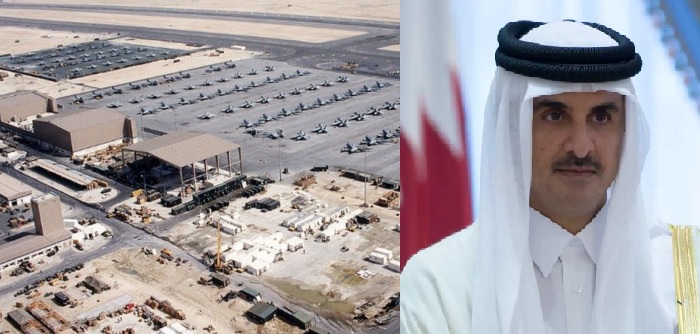
World
DOHA / WASHINGTON : A blunt warning from a member of Qatar’s ruling family has sent ripples through diplomatic and military circles, underscoring a shifting balance of power between Washington and its long-time Gulf partners. Speaking about the future of Al-Udeid Air Base, the royal figure dismissed the United States as “merely a tenant,” signaling that continued American access to the base can no longer be taken for granted. The remarks, delivered amid rising regional tensions, carried an unmistakable message: Qatar believes the strategic value of Al-Udeid flows far more to Washington than to Doha. “If Qatar decides to dismantle the American base on its territory, it would not harm us much,” the royal family member said. “For you, it would be like cutting off one of your hands in the Middle East.” The Strategic Heart of U.S. Power Projection Located southwest of Doha, Al-Udeid Air Base is widely regarded as the nerve center of American air operations across the Middle East and Central Asia. The installation hosts roughly 10,000 U.S. military personnel and serves as the forward headquarters of United States Central Command (CENTCOM). Within the base operates the Combined Air Operations Center (CAOC), which coordinates air missions spanning Iraq, Syria, Afghanistan, and beyond. For over two decades, the base has allowed the United States to project power rapidly across multiple theaters, making it indispensable to Washington’s regional military posture. Qatari officials, however, have increasingly emphasized that the facility exists at Doha’s discretion, not as an American entitlement. Iran Tensions and a Quiet Red Line The unusually sharp rhetoric comes against the backdrop of renewed friction between Washington and Iran. According to regional intelligence sources, Tehran has warned that any U.S. attack launched from Gulf territory would make host nations legitimate targets for retaliation. In response, Qatari officials are reported to have conveyed a firm message to the White House: Qatari soil cannot be used for offensive operations that could invite Iranian strikes on the country’s critical infrastructure. The stance reflects Doha’s determination to avoid direct confrontation while preserving its role as a regional mediator. “They convinced Donald Trump not to bomb Iran,” said one regional security analyst. “Now they’re reminding Washington who ultimately controls access. You cannot operate here without our consent.” Visible Shifts on the Ground Signs of strain have already emerged at Al-Udeid. Earlier this week, U.S. defense officials confirmed the withdrawal of non-essential personnel and sensitive equipment from the base, describing the move as a precautionary measure tied to regional tensions. While officially downplayed, the timing has fueled speculation that Washington is reassessing its exposure amid host-nation concerns. For Qatar, the episode is about asserting sovereignty as much as managing risk. Over the past decade, the country has expanded its diplomatic footprint, positioning itself as an intermediary in conflicts from Afghanistan to Gaza. That confidence, analysts say, has translated into a willingness to speak more openly—even sharply—to allies. From Security Client to Strategic Equal For decades, Gulf states were often portrayed as security dependents under an American protective umbrella. The royal family’s remarks suggest that era is fading. Wealth, energy leverage, and strategic geography have given countries like Qatar greater room to maneuver—even when dealing with a global superpower. “The language coming out of Doha would have been unthinkable twenty years ago,” said a former U.S. diplomat familiar with Gulf relations. “It reflects a belief that the United States needs these bases more than the hosts need the United States.” An Uncomfortable Reality for Washington As the United States weighs its next moves in a volatile region, Qatar’s warning serves as a stark reminder of the limits of American power. Al-Udeid may remain operational, but its future now appears tied to a more transactional, conditional relationship. The tenant, Qatar is signaling, is still welcome—for now. But the landlord is no longer afraid to make clear who holds the keys.
Read More → Posted on 2026-01-17 14:45:16Search
Top Trending in 24 Hours
-
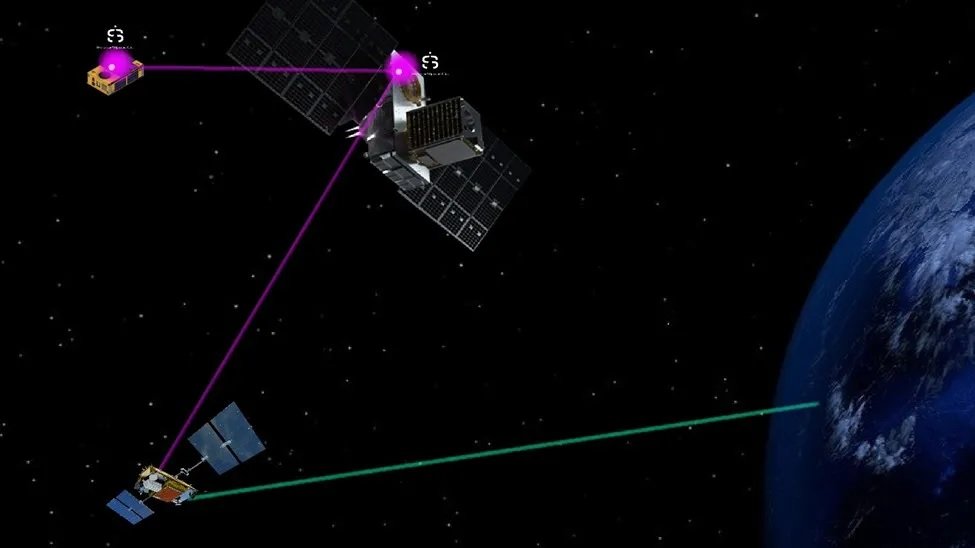 NASA Demonstrates Space-to-Space Wi-Fi Between Two Orbiting Spacecraft
-
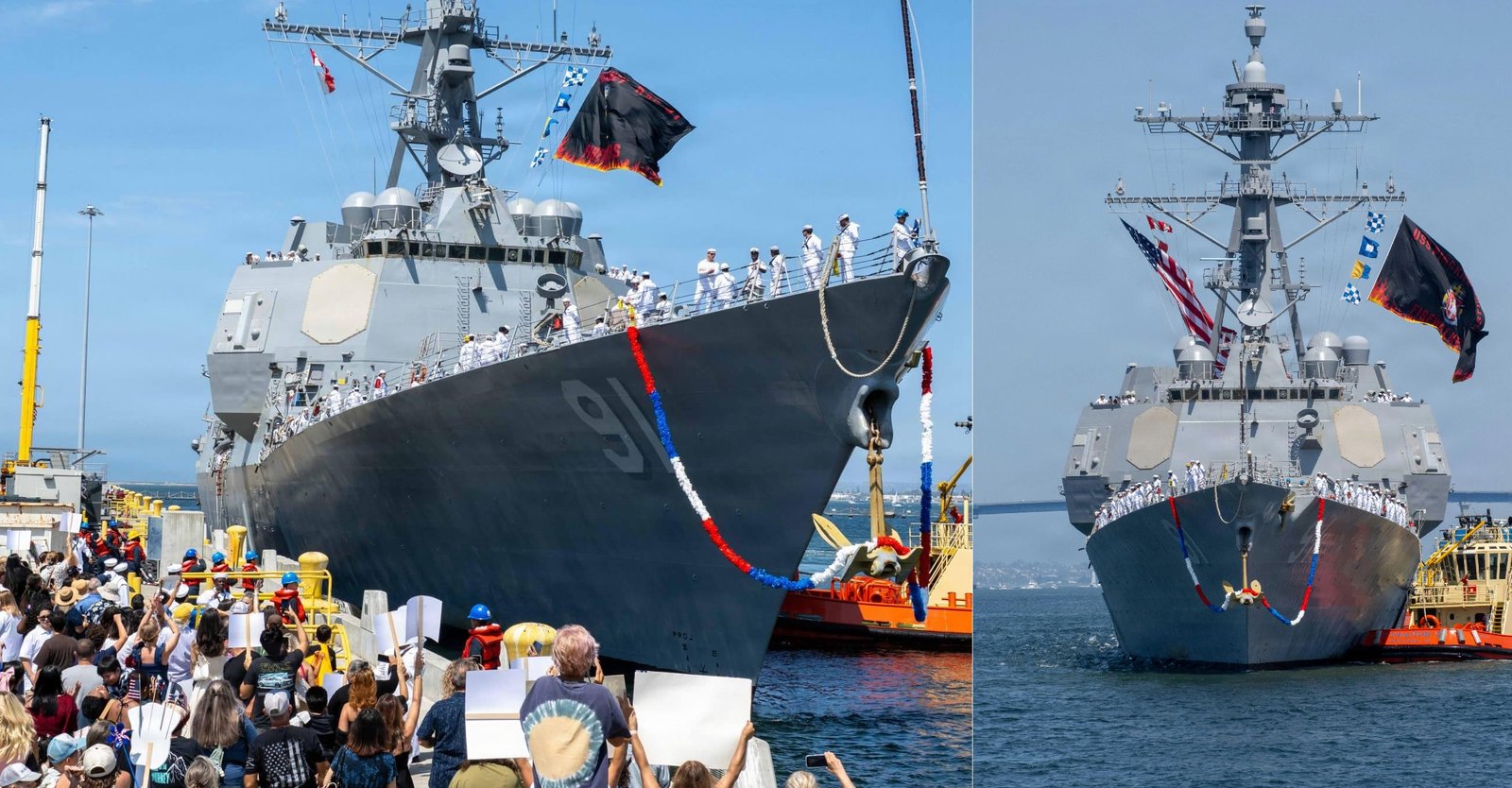 USS Pinckney Becomes First U.S. Navy Destroyer to Begin Phase Two Modernization with Advanced SPY-6 Radar
-
 General Atomics Partners With Spirit Defense to Expand FQ-42 Vengeance Production
-
 U.S. Military to Ban Chinese Automaker BYD Vehicles from Kadena Air Base in Japan Over Security Concerns
-
 Zone 5 Technologies Demonstrates Ground Launch of Upgraded AGM-188A Rusty Dagger Missile
-
 Bengaluru Startup FWDA Unveils FWD Supreme AI-Piloted Loyal Wingman Prototype
-
 Russia Launches Project 20380 Corvette Grozny for Pacific Fleet at Amur Shipyard
-
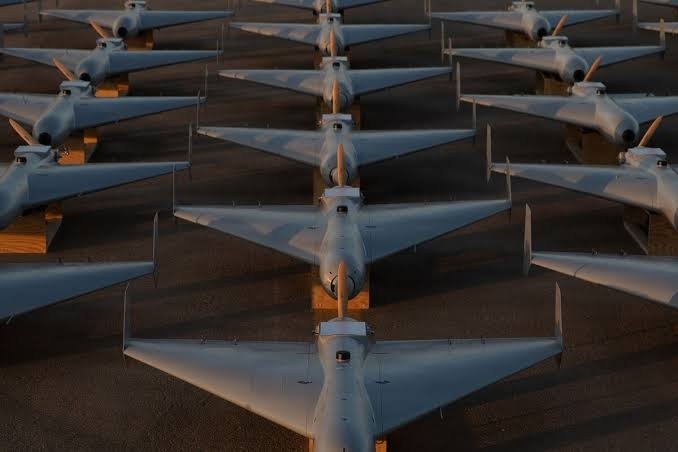 Pentagon Orders 60,000 Kamikaze Drones Under Second Phase of Drone Dominance Program
Top Trending in 4 Days
-
 NASA Sets New Artemis Milestones as SpaceX and Blue Origin Target Moon Landings in 2027–2028
-
NASA Demonstrates Space-to-Space Wi-Fi Between Two Orbiting Spacecraft
-
USS Pinckney Becomes First U.S. Navy Destroyer to Begin Phase Two Modernization with Advanced SPY-6 Radar
-
General Atomics Partners With Spirit Defense to Expand FQ-42 Vengeance Production
-
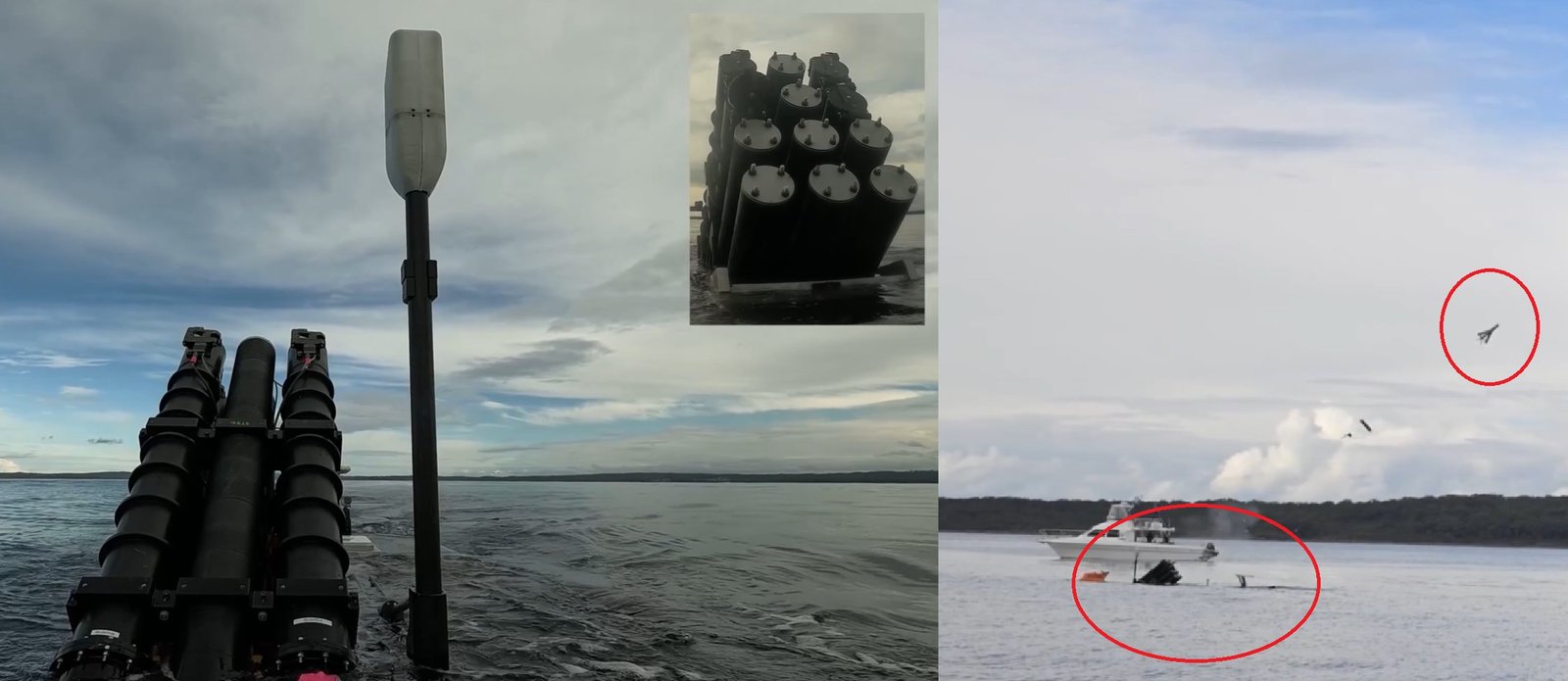 Australia Unveils Ghost Shark Autonomous Submarine’s Mine, Drone and Logistics Capabilities
-
U.S. Military to Ban Chinese Automaker BYD Vehicles from Kadena Air Base in Japan Over Security Concerns
-
 L3Harris Opens ‘Arsenal of Freedom’ Rocket Motor Plant in Arkansas to Double Production Capacity
-
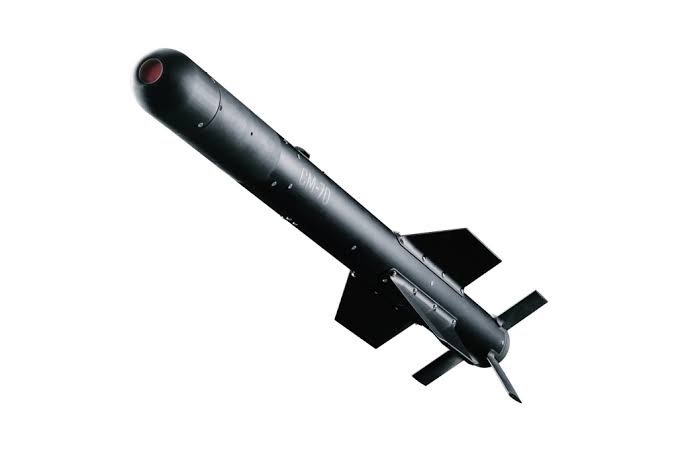 CSG and North Vector Dynamics Sign MoU to Explore European Production of CM-70 Counter-Drone Interceptor
