World
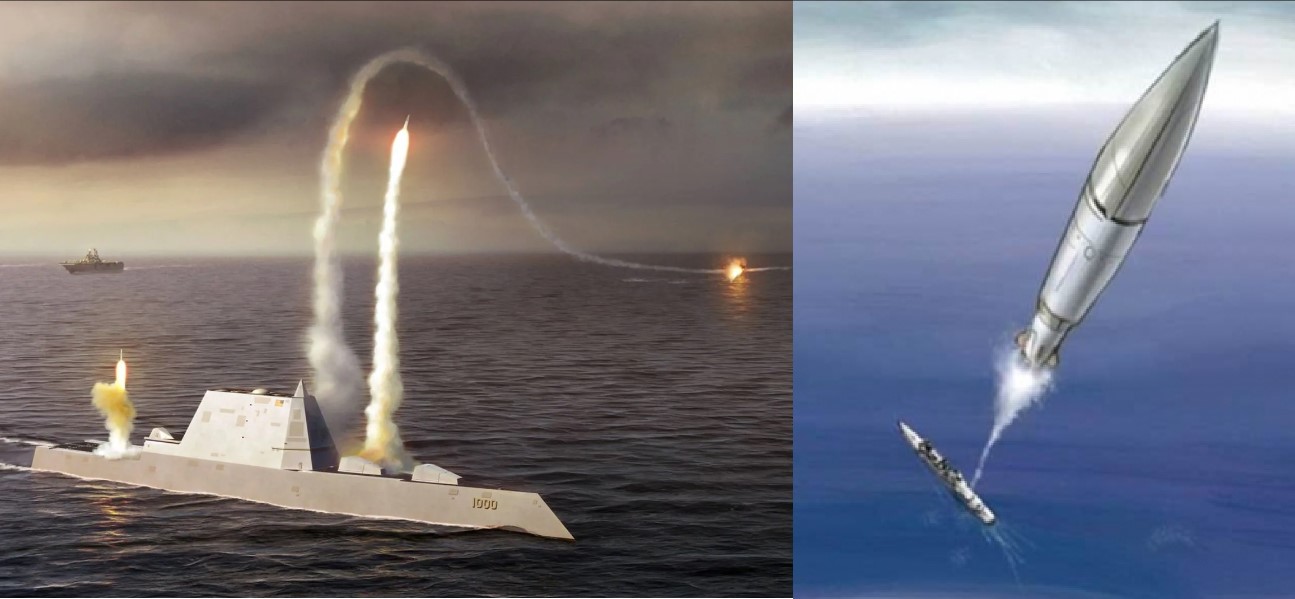
WASHINGTON : The U.S. Navy is preparing for its most significant shift in surface-fleet firepower in decades, moving to distribute hypersonic strike capability across its most powerful warships as part of a broader effort to restore long-range, stand-off lethality at sea. Senior Navy officials disclosed at the Surface Navy Symposium 2026 that the service intends to expand deployment of the hypersonic Conventional Prompt Strike (CPS) missile beyond submarines, embedding the weapon deeply into the future surface fleet. The strategy, outlined by Derek Trinque, the Navy’s Director of Surface Warfare (N96), reflects growing concern that existing surface combatants lack the space and power margins required for next-generation weapons. Re-arming the Surface Fleet For the first time since the Cold War, the Navy envisions surface ships carrying a true long-range hypersonic strike option capable of penetrating advanced air defenses at extreme speed. At present, the surface force fields no operational hypersonic stand-off weapon, a gap Navy planners increasingly see as a critical vulnerability in a conflict against a peer adversary. That gap is set to close with the arrival of a new class of large surface combatants, informally described as Trump-class Guided Missile Battleships, or BBG(X). Early design concepts call for each ship to carry 12 CPS missiles housed in dedicated bow cells, separate from the ship’s traditional vertical launch system. Navy officials argue the size of these vessels is not a luxury but a necessity, driven by the physical demands of hypersonic weapons and future high-energy systems. Lessons from DDG(X) The decision to pursue larger hulls follows hard lessons learned during the now-revised DDG(X) next-generation destroyer program. According to Trinque, internal design trade-offs forced planners into an untenable choice between preserving enough Mk-41 Vertical Launch System (VLS) cells and retaining a traditional naval gun. “I want very much to have CPS in our most capable surface ship,” Trinque said. “But we went and found ourselves in a weird situation where, in order to keep an adequate amount of Mk-41 VLS cells, we were going to have to make a choice between a gun weapon system and Conventional Prompt Strike.” Rather than sacrifice either capability, Navy leadership opted to rethink surface-combatant scale entirely, concluding that future ships must be significantly larger to avoid similar constraints. The Trump-Class Vision Initial models of the lead ship, USS Defiant, depict a heavily armed platform designed around power generation and internal volume. Beyond its 12 CPS cells, the ship is expected to field 128 Mk-41 VLS cells for air defense, land-attack, and anti-surface missions, alongside an advanced railgun, mounts for directed-energy weapons, and layered close-in defenses. While still conceptual, the design underscores a shift toward surface ships as missile arsenals and power hubs, rather than incremental evolutions of existing destroyers. Hypersonics in the Near Term Before any new battleship enters the fleet, the Navy’s first operational CPS deployment will arrive aboard an existing platform. The Zumwalt-class destroyer USS Zumwalt (DDG-1000) is set to become the first U.S. Navy surface vessel — and the first ship of any type in the fleet — to field a hypersonic weapon. The ship is currently completing a major refit that removes both of its Advanced Gun Systems (AGS), which never achieved operational viability due to the cancellation of their specialized ammunition. In their place, the forward gun position will house four CPS launch cells, each capable of carrying three missiles, for a total of 12 hypersonic rounds. Space vacated by the second gun mount is being repurposed for future systems. Navy officials say Zumwalt is expected to depart the shipyard later this year, marking a milestone in surface-fleet strike capability. Her sister ships, USS Lyndon B. Johnson (DDG-1002) and USS Michael Monsoor (DDG-1001), will follow the same modernization path, with Monsoor scheduled to enter dry dock in 2027 after the first two conversions are largely complete. Subsurface Expansion Beyond surface combatants, CPS remains central to the Navy’s undersea strategy. The next platforms to carry the weapon will be Block V Virginia-class submarines, enabled by the Virginia Payload Module (VPM). The VPM adds four large missile tubes to each boat, dramatically increasing payload capacity and allowing storage of CPS rounds alongside other strike weapons. The first Block V submarine under construction is the future USS Oklahoma, laid down in 2022 and projected for delivery in 2028. Once operational, these submarines will provide a stealthy, survivable complement to surface-launched hypersonic strikes. A Broader Strategic Shift Taken together, the Navy’s plans signal a decisive move toward distributed hypersonic firepower across multiple domains. By pairing submarines with large, heavily armed surface ships, the service aims to complicate adversary defenses while restoring the surface fleet’s relevance in high-end conflict. As Trinque and other leaders emphasized at SNA 2026, the challenge now lies less in whether the Navy can field hypersonic weapons, and more in ensuring future ships are built large and flexible enough to carry them without compromise.
Read More → Posted on 2026-01-17 13:39:03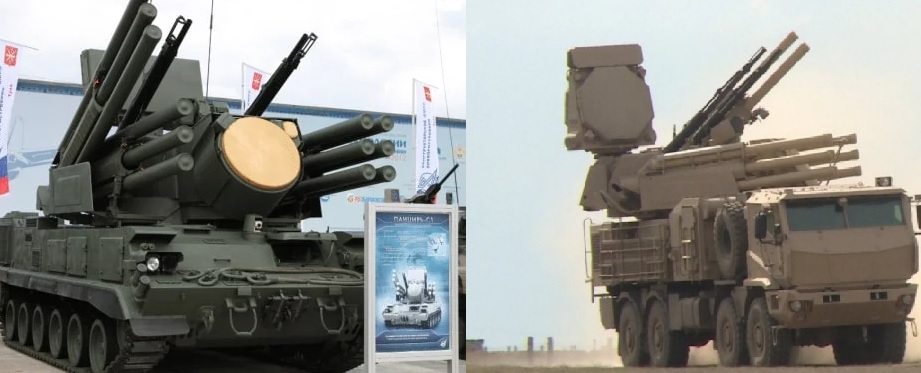
World
Kyiv / Moscow : A newly modernized Russian air-defense system sighted in the war zone is reshaping assumptions about the survivability of some of the West’s most advanced strike weapons. The Pantsir-S1M, an upgraded version of Russia’s long-serving short-range air-defense platform, has begun appearing near high-value military sites, signaling what analysts describe as a significant leap in Moscow’s layered air-defense strategy. Originally designed as a point-defense system to protect bases and strategic assets from aircraft, drones, and cruise missiles, the Pantsir has now evolved into something far more ambitious. The S1M variant effectively pushes the platform into the lower tier of medium-range air defense, narrowing the gap with much costlier systems such as the Patriot PAC-3 while remaining highly mobile and comparatively inexpensive. A New Missile Arsenal At the core of the upgrade is a radically expanded missile loadout. While the system still employs the standard 57E6 surface-to-air missiles, it now fields the new 57E6M interceptor, a hypervelocity missile capable of reaching speeds approaching Mach 5. With an engagement range exceeding 35 kilometers, the missile doubles the effective reach of earlier Pantsir variants. This extended engagement envelope allows the Pantsir-S1M to counter threats that previously lay outside its defensive bubble, including high-speed ballistic rockets and low-flying cruise missiles. Russian sources claim the interceptor uses a kinetic hit-to-kill warhead, relying on direct impact rather than proximity detonation, a design philosophy associated with high-end Western missile defenses. Radar and Sensor Leap Equally important is the overhaul of sensors and fire-control systems. The Pantsir-S1M is equipped with a significantly more powerful radar, reportedly delivering roughly double the output of earlier versions. This upgrade extends detection ranges and improves target discrimination in cluttered and contested environments. According to available data, the new radar can detect fighter-sized aircraft, including Western-supplied F-16 Fighting Falcons, from distances of up to 60 kilometers. Enhanced electro-optical tracking, combined with upgraded fire-control software, further improves performance against small, fast, and low-observable targets such as drones and cruise missiles. Improved Performance Against Western Weapons The modernization appears tailored to counter the weapons that have most strained Russian defenses during the conflict. Performance against guided rockets, including those fired by HIMARS launchers, is reported to have doubled. The effective intercept range against such targets has increased from around 8 kilometers to more than 13 kilometers, providing defenders with critical additional reaction time. Perhaps most striking is the system’s new maximum target speed rating of approximately 2,000 meters per second. This places it close to the capabilities of the Patriot PAC-3, rated at around 2,200 meters per second, despite the vast disparity in cost, complexity, and logistical footprint between the two systems. Networked and Hardened The Pantsir-S1M is also designed to operate as part of a networked air-defense architecture. When linked with higher-tier systems and external sensors, it can receive off-board targeting data, enabling earlier engagements and coordinated defense against saturation attacks. Upgrades to electronic-warfare resistance are another key feature. Enhanced anti-jamming systems are intended to protect both radar operations and missile guidance links against electronic countermeasures, an increasingly decisive factor as both sides escalate their use of EW tactics. Strategic Implications The appearance of the Pantsir-S1M in active combat zones underscores Russia’s effort to harden critical infrastructure against long-range Western munitions. In theory, a networked Pantsir-S1M could challenge a broad spectrum of threats, from Storm Shadow cruise missiles and ATACMS ballistic rockets to mass drone swarms designed to overwhelm defenses. While no air-defense system is invulnerable, the modernization significantly complicates strike planning for Ukraine and its partners. Each additional defensive layer increases the cost, coordination requirements, and risk of successful attacks, forcing adversaries to expend more resources or accept higher attrition. As the conflict continues to evolve, the Pantsir-S1M highlights a broader trend: the rapid adaptation of air-defense systems to counter precision-guided weapons that once enjoyed near-free access to the battlefield. Whether the upgraded system can consistently deliver on its promised performance under sustained combat pressure remains an open question, but its arrival marks a notable escalation in the technological contest for control of Ukraine’s skies.
Read More → Posted on 2026-01-17 13:23:06
World
WASHINGTON : The U.S. Army has taken another step toward transforming close-range precision strike capabilities for frontline troops with the selection of the Hero-90 loitering munition for participation in the service’s Low Altitude Stalking and Strike Ordnance (LASSO) programme, according to a statement by U.S.-based defence technology firm Mistral Inc. The LASSO initiative, overseen by the Army’s Program Executive Office Soldier, is designed to rapidly equip Brigade Combat Teams (BCTs) with a man-portable, low-altitude precision weapon capable of defeating armoured threats. Officials have described the programme as an urgent operational requirement, reflecting battlefield lessons that highlight the growing need for organic, dismounted anti-armour strike options. A Rapid-response Precision Weapon At the centre of the programme is the Hero-90, a loitering munition developed by Israel-based defence company UVision and supported in the U.S. market by Mistral. The system is designed for single-operator use and can reportedly be deployed in under two minutes, giving infantry units the ability to respond quickly to emerging armoured threats without relying on heavier platforms or external fire support. The Hero-90 combines extended operational range with a compact, highly portable design. Once launched, the munition can loiter over the battlefield, allowing operators to identify, track and engage targets with precision. Its top-attack profile is specifically intended to exploit the most vulnerable areas of armoured vehicles, increasing lethality against modern armour. Designed for Modern Combat Environments According to programme details, the Hero-90 supports multiple configurable warhead options, including high-explosive variants optimised for anti-armour missions. The system features man-in-the-loop control, enabling operators to retain decision authority throughout the engagement, as well as mission abort and re-engagement capabilities that reduce the risk of unintended damage. Advanced electro-optical (EO) and infrared (IR) sensors provide day-and-night targeting, while AI-assisted tracking is intended to improve target acquisition in cluttered or contested environments. Secure, beyond-line-of-sight communications allow the munition to operate at extended ranges while maintaining reliable operator control. A key focus of the LASSO programme is integration. The Hero-90 is designed to align with the Army’s Common Control architecture and Modular Open Systems Approach (MOSA), allowing it to plug into existing command-and-control networks and sensor-to-shooter kill chains at the Brigade Combat Team level. Industry and Army Alignment Yoav Banai, Senior Vice President at Mistral Inc., said the selection underscores the Army’s priorities as it modernises infantry strike capabilities. “Selection of Hero-90 reflects the Army’s focus on portability, lethality and MOSA-ready integration,” Banai said, adding that Mistral will support the Army’s precision targeting efforts with a solution that integrates seamlessly across brigade-level operations. UVision executives echoed that assessment, describing LASSO as a fast-moving programme aimed at delivering overmatch to dismounted soldiers. Jarmin Blanton, Vice President of Business Development, Sales and Marketing at UVision, said the Hero-90 was engineered specifically for the mission set the Army is now prioritising. “Fast to deploy, lethal at range and adaptable through open architectures,” he said, characterising the system as a transformational capability for infantry units facing armoured threats. Broader Implications The Hero-90’s inclusion in the LASSO programme highlights a broader shift in U.S. Army doctrine toward lighter, more flexible precision weapons at the tactical edge. As armoured vehicles, fortified positions and mobile targets continue to shape modern battlefields, the Army is increasingly looking to loitering munitions to bridge the gap between traditional anti-tank weapons and larger, more expensive strike systems. While participation in LASSO does not guarantee full-scale procurement, the selection positions the Hero-90 as a strong contender in the Army’s push to field rapidly deployable, soldier-centric precision strike capabilities. For dismounted units operating at low altitude and close contact, the programme represents a potential leap forward in organic firepower and battlefield autonomy.
Read More → Posted on 2026-01-17 12:57:09
World
PARIS : French President Emmanuel Macron has issued one of his starkest warnings yet about Europe’s military vulnerability, arguing that the continent must urgently develop its own intermediate-range ballistic missiles (IRBMs) and long-range strike weapons comparable to Russia’s Oreshnik system. His remarks underline a growing belief in Paris that Europe can no longer rely on American weapons or political guarantees as the strategic balance on the continent shifts. Speaking amid mounting tensions between Washington and its allies, Macron said Russia’s recent use of the Oreshnik missile against targets near Lviv was a “clear signal” that Europe now sits squarely within range of modern Russian strike systems. The message, he suggested, was not only aimed at Kyiv but at every European capital still dependent on U.S.-supplied deterrence. A Warning on Dependence Without naming Washington directly, Macron delivered an unmistakable message to fellow European Union members: Europe’s security cannot rest indefinitely on American missiles and American political will. Recent statements from U.S. leaders questioning the value of North Atlantic Treaty Organization without U.S. leadership, he argued, have exposed how deeply Europe depends on the United States for advanced weapons, missile defenses and long-range strike capabilities. Macron said that dependence weakens Europe’s credibility in crises and limits its freedom of action. “If others decide whether our deterrence functions, then it is not truly ours,” he noted. Oreshnik and the New Reach of Russian Power At the center of Macron’s argument is the Russian Oreshnik intermediate-range ballistic missile, a system he described as emblematic of Moscow’s willingness to reintroduce weapons once banned from Europe. With ranges believed to extend well beyond 1,000 kilometers, Oreshnik places much of Europe within reach from Russian territory or forward deployments, including Belarus. Macron said Russia’s expanding arsenal of conventional and nuclear-capable missiles has already altered the strategic map, forcing Europe to confront a reality long avoided since the end of the Cold War. Reviving Europe’s Long-Range Ambitions To answer that challenge, Macron called for a rapid acceleration of the European Long-Range Strike Approach (ELSA). The initiative was launched in 2024 by France, Germany and Poland, and later joined by the United Kingdom, Italy, Sweden and the Netherlands. Its goal is to pool resources, industrial capacity and research to create European-controlled long-range strike systems. According to Macron, collective development is the only realistic way for Europe to field missiles capable of rivaling systems like Oreshnik. Such capabilities, he said, would reinforce Europe’s conventional and nuclear deterrence while signaling strategic autonomy to both allies and adversaries. France’s Offer: Technology and Experience Macron stressed that France is uniquely positioned to anchor the effort. Paris fielded S2 and S3 intermediate-range ballistic missiles until 1996 and has maintained an unbroken tradition of strategic missile development through its submarine-launched ballistic missile (SLBM) program since the 1960s. Today, France’s M51 SLBM remains one of the most advanced in service. That legacy, Macron argued, gives France critical know-how in propulsion, guidance and warhead integration that could be shared within a European framework. He insisted, however, that the project must be genuinely European, not a rebranded national program. A Treaty Era Ends The renewed push comes in the shadow of the Intermediate-Range Nuclear Forces Treaty, which from 1987 to 2019 banned all ground-launched ballistic and cruise missiles with ranges between 500 and 5,500 kilometers in Europe. For more than three decades, European NATO members avoided developing or deploying such systems. That restraint collapsed when the United States withdrew in 2019, citing Russian violations, including the development of the 9M729 cruise missile with an estimated range of around 1,000 kilometers. Since then, Russia has openly expanded its intermediate-range capabilities, while Europe has largely stood still. What Europe Already Has — and What It Lacks European countries do possess advanced missile technologies, but mostly at shorter ranges. France and the United Kingdom operate nuclear deterrents at sea, with France’s M51 and Britain’s Trident-based force. Several European states field sophisticated air-launched cruise missiles, including France’s ASMP-A, the Franco-British Storm Shadow/SCALP, and Germany’s Taurus KEPD 350. Naval cruise missiles, such as France’s MdCN, further extend Europe’s conventional reach. What Europe lacks, however, are ground-launched intermediate-range ballistic missiles under European political control — the very category now highlighted by Oreshnik’s appearance on the battlefield. A Strategic Crossroads Macron’s intervention marks a decisive moment in Europe’s defense debate. By openly questioning reliance on U.S. weapons and urging the development of European IRBMs, he has pushed the conversation beyond incremental defense cooperation toward strategic autonomy. Whether Europe will heed that call remains uncertain. Political divisions, budget constraints and fears of escalation persist. Yet Macron’s warning is clear: in an era where Russia fields new missiles and U.S. commitments appear less predictable, Europe’s continued dependence on American arms may itself become a strategic liability.
Read More → Posted on 2026-01-17 12:49:24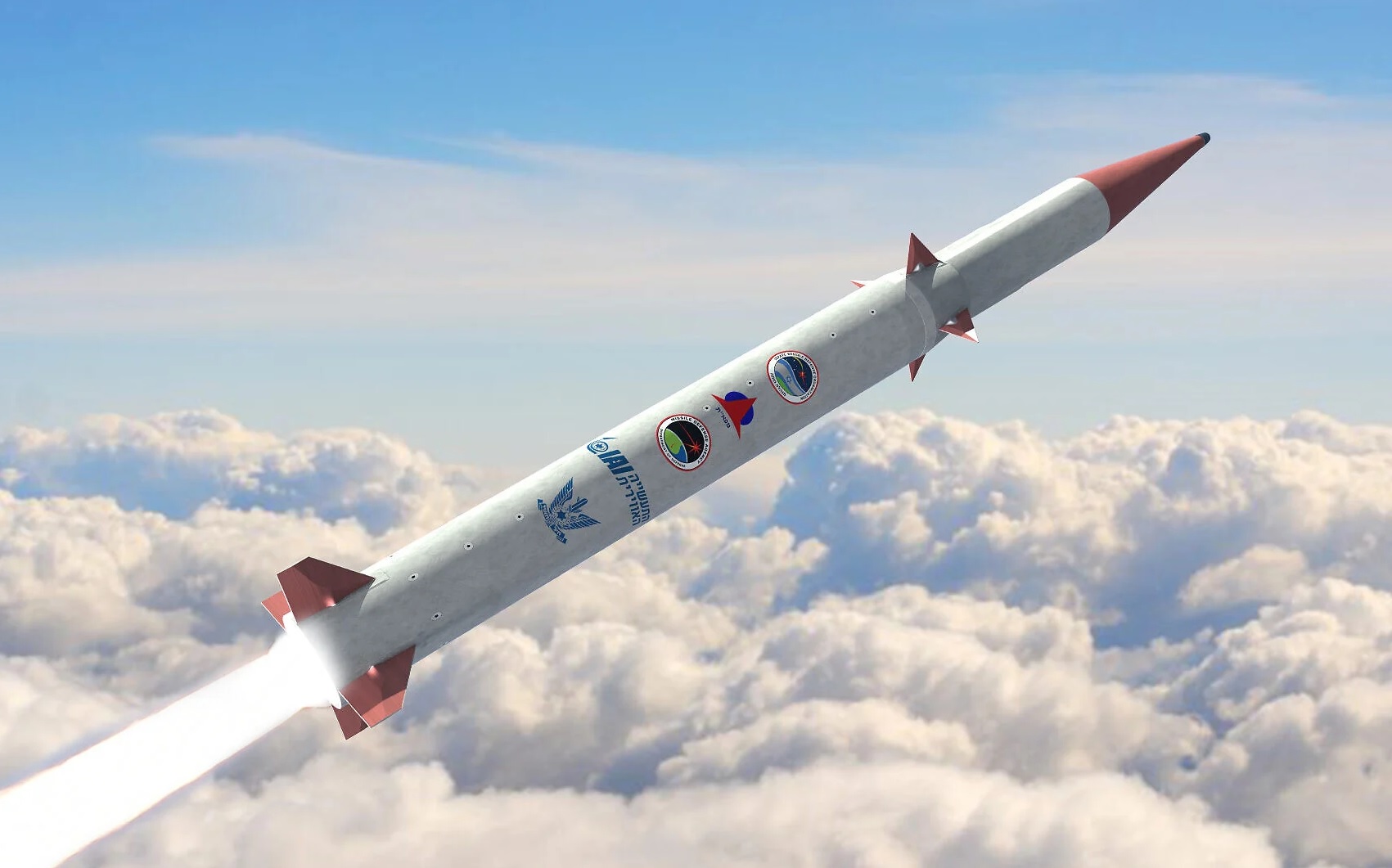
World
WASHINGTON / TEL AVIV : Israel, in close partnership with the United States, is accelerating work on a next-generation air and missile defense system known as Arrow-4, amid intensifying global competition over the ability to detect, track, and intercept nuclear-armed ballistic missiles. Recent reports and defense briefings describe Arrow-4 as the most ambitious evolution yet of Israel’s missile-defense architecture, intended to outperform existing U.S. systems such as upgraded THAAD and Patriot, and to counter increasingly sophisticated threats being developed by Russia and China. The program has drawn global attention because of claims circulating in defense circles that Arrow-4 could, once operational, be capable of engaging the largest and fastest intercontinental ballistic missiles (ICBMs), including Russia’s RS-28 Sarmat and China’s DF-41. While officials have not publicly confirmed such specific capabilities, the assertions underscore how missile defense has become a central arena in strategic rivalry among the world’s major military powers. A New Phase in Missile Defense Competition The Arrow program is jointly developed by Israel and the United States and represents the top tier of Israel’s multi-layered missile shield. Earlier generations—Arrow-2 and the exo-atmospheric Arrow-3—were designed primarily to counter long-range ballistic missiles from regional adversaries, particularly Iran. Arrow-3 has been operational since around 2017 and has demonstrated intercepts outside the Earth’s atmosphere, a critical capability against nuclear-capable missiles. Arrow-4 is envisioned as a next-generation interceptor that builds on these foundations with improved sensors, faster reaction times, and enhanced discrimination against decoys and countermeasures. Defense analysts describe it as a system optimized for the most demanding scenarios: high-speed, long-range ballistic missiles and potentially maneuvering or hypersonic threats. Supporters of the program argue that Arrow-4 will represent a qualitative leap beyond existing systems. They point to limitations in current defenses—both Western and Russian—when faced with large salvos, complex countermeasures, or advanced hypersonic vehicles. In this context, Arrow-4 is frequently compared not only with U.S. THAAD upgrades but also with Russia’s S-400 and S-500 systems, which Moscow promotes as capable of intercepting ballistic and hypersonic targets. Global Landscape of Nuclear Missile Defense The push behind Arrow-4 comes as several major powers expand or modernize anti-ballistic missile (ABM) defenses, despite longstanding debates over their effectiveness and strategic consequences. The United States operates the Ground-Based Midcourse Defense (GMD) system, with interceptors based in Alaska and California to counter limited ICBM threats, particularly from North Korea. The U.S. relies on non-nuclear “hit-to-kill” interceptors and continues to invest heavily in upgrades, including the planned Next-Generation Interceptor. Additional layers include sea-based Aegis Ballistic Missile Defense using SM-3 interceptors—tested against ICBM-class targets—and THAAD for terminal-phase defense. Even so, U.S. experts caution that no existing system has proven reliable against large-scale or highly sophisticated nuclear attacks. Russia maintains the A-135, now evolving into the A-235, missile defense system protecting Moscow—the only operational national-level ICBM defense fielded anywhere in the world. Russia also promotes the S-500 as a next-generation platform capable of intercepting ballistic missiles and hypersonic weapons. These systems form part of Moscow’s broader effort to modernize strategic defenses alongside its offensive nuclear forces. China has been steadily developing its own missile defense capabilities, conducting multiple tests of midcourse and terminal interceptors believed to be part of the HQ and KT families. While details remain opaque, Beijing’s efforts are widely seen as aimed at protecting key strategic sites against limited ICBM attacks and countering U.S. and regional missile defenses. India has also emerged as a significant player, testing the PDV Mk-I and enhanced PDV Mk-II interceptors—systems that underpin its anti-satellite (ASAT) capability—as part of its indigenous ballistic missile defense program to replace older Prithvi Air Defence components, while simultaneously developing Project Kusha to complement imported Russian S-400 batteries and strengthen India’s layered defenses against nuclear-capable missiles from neighboring rivals. Against this backdrop, Israel stands out as the only country with an operational, combat-tested, multi-layered missile defense network integrating short-, medium-, and long-range interceptors. Arrow-4 is designed to sit at the very top of this architecture. Strategic Motives and Regional Tensions Israeli officials frame Arrow-4 primarily as a defensive response to regional threats, particularly Iran’s expanding ballistic and potential nuclear capabilities. Tehran has invested heavily in long-range missiles and hypersonic glide vehicles, raising concerns in Jerusalem about the survivability of Israel’s defenses in future conflicts. However, some recent reports and commentary have gone further, speculating that Arrow-4 could eventually be relevant in a far broader strategic context, potentially capable of countering missiles from major powers such as Russia and China by the latter part of the decade. These claims remain unverified and are viewed skeptically by many experts, who note that intercepting advanced ICBMs like Sarmat or DF-41—designed with multiple warheads, decoys, and extreme speeds—is among the most difficult challenges in modern warfare. At the same time, rhetoric surrounding the system has fueled controversy. Assertions that Arrow-4 could enable offensive strategies, or be linked to hypothetical future strikes involving Iran, Russia, or China, have not been supported by official statements. Defense analysts emphasize that missile defense systems are fundamentally designed to intercept incoming threats, not to “bomb cities,” and warn that exaggerating capabilities risks misunderstanding and escalation. A Crowded and Uncertain Future What is clear is that missile defense is entering a new phase. The United States, Russia, Israel, India, and China are all investing heavily in systems meant to counter nuclear-armed ballistic missiles, even as critics argue that no defense can guarantee protection against a determined, technologically advanced adversary. Arrow-4, still under development, symbolizes both the ambition and the uncertainty of this race. If successful, it could further cement Israel’s role as a global leader in missile defense technology and deepen U.S.-Israeli strategic cooperation. If not, it will join a long list of costly systems that highlight the enduring difficulty of stopping nuclear missiles once they are launched. As testing continues and details remain classified, Arrow-4 has become a focal point of global debate—less as a finished weapon, and more as a sign of how rapidly the balance between offense and defense is evolving in an increasingly multipolar world.
Read More → Posted on 2026-01-17 12:19:42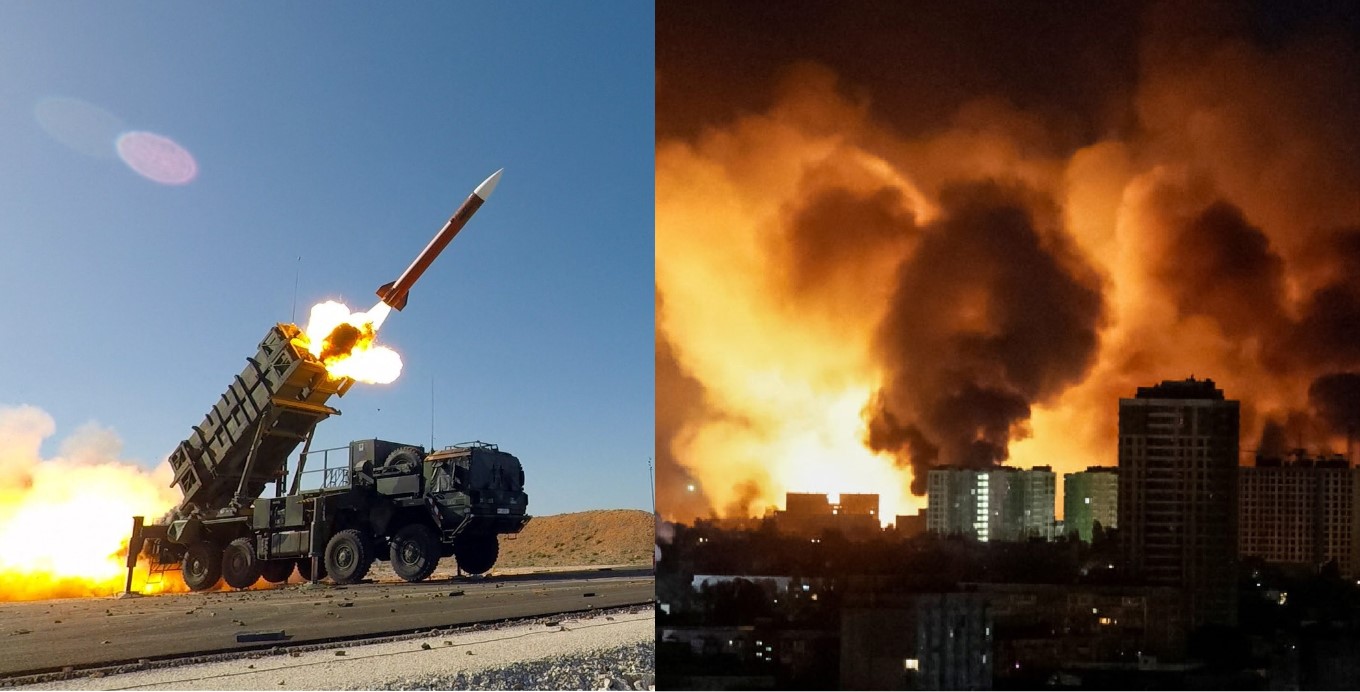
World
Kyiv : Ukraine is facing an acute shortage of air-defence missiles, leaving several systems temporarily without ammunition, President Volodymyr Zelensky said on Thursday, highlighting the growing strain on the country’s ability to repel Russia’s sustained aerial assaults. Speaking at a press conference following talks with Czech President Petr Pavel, Zelensky revealed that as of Thursday morning, a number of Ukrainian air-defence batteries had completely exhausted their missile stocks. He said a new shipment of ammunition has since arrived, easing immediate pressure, but warned that the delivery does not meet Ukraine’s full operational needs. “Each such package has to be literally fought for with our partners,” Zelensky said, underscoring the diplomatic and logistical battles Kyiv faces in securing military assistance as the war drags on. Aid Arrives, But Gaps Remain The newly delivered air-defence missiles are expected to restore partial combat readiness to affected systems. However, Ukrainian officials stress that consumption rates remain extremely high as Russia continues near-daily missile and drone strikes, targeting cities, energy infrastructure and military facilities. Ukraine depends on a layered air-defence network, combining Soviet-era systems with Western-supplied platforms, to intercept cruise missiles, ballistic missiles and long-range drones. These interceptor missiles are costly, complex to manufacture and cannot be replaced quickly, making steady resupply essential. Czech Support and Allied Coordination The Czech Republic has emerged as a key European partner, helping coordinate ammunition and weapons deliveries from multiple countries. Zelensky praised Prague’s role but emphasized that even coordinated initiatives cannot fully offset the scale of Russian attacks. President Pavel reaffirmed Prague’s commitment to continued support, while acknowledging the limits of production capacity, funding constraints and political approval processes across Europe. Strategic and Civilian Risks Military analysts warn that missile shortages force difficult prioritisation decisions, increasing risks to civilian populations, critical infrastructure and front-line operations. Any gap in air-defence coverage could expose major urban centres during periods of intensified Russian strikes. Zelensky cautioned that without faster and larger deliveries, Ukraine’s air-defence challenge will persist. “This is a constant race,” he said, “between Russian attacks and our ability to defend our skies.” As the conflict continues, Kyiv is expected to intensify appeals to Western allies for accelerated missile production, expanded funding and long-term commitments to sustain Ukraine’s air-defence shield.
Read More → Posted on 2026-01-16 18:01:25
World
PARIS / MOSCOW : In a series of unusually blunt remarks that signal a shifting strategic mood in Europe, French President Emmanuel Macron has openly challenged long-standing U.S. military dominance while simultaneously opening rhetorical space for a future reset in relations between Europe and Russia. The comments, paired with conciliatory statements from Russian President Vladimir Putin, underscore a growing sense that Europe is reassessing its security dependencies in an increasingly fragmented global order. Macron’s Call for Power and Speed “To remain free, we must be feared. To be feared, we must be powerful,” Macron declared, arguing that Europe can no longer rely on slow consensus-building or external guarantees in what he described as a “brutal world.” His remarks marked one of the clearest articulations yet of his long-standing belief in European strategic autonomy — the idea that Europe must be able to defend itself, decide for itself, and act independently of Washington when necessary. At the heart of Macron’s comments was a direct comparison between European and American military technology. He singled out the SAMP/T next-generation air defence system, calling it “the most effective air defence system in the world” and explicitly stating that it is “more effective than the American Patriot missile system.” Such language is rare from a sitting European leader, particularly one whose country remains a core member of NATO. But officials close to the Élysée Palace suggest the message was deliberate: Europe has the industrial base, scientific expertise and operational experience to stand on its own — if it chooses to invest and act decisively. Greenland, Air Defence and Strategic Signaling Macron’s remarks also carried geopolitical weight beyond rhetoric. He hinted that Europe could supply advanced air defence systems to strategically sensitive territories, including Greenland — a location of growing importance amid Arctic militarization, climate change and renewed great-power competition. By suggesting that the SAMP/T could be offered as an alternative to U.S. systems, Macron appeared to be signaling that European security solutions need not automatically default to American hardware. Analysts say this could resonate with countries seeking to diversify defence suppliers while avoiding overdependence on any single power bloc. Putin’s Overture to Europe As Macron pressed for a more assertive Europe, President Putin struck a notably conciliatory tone toward the continent. Speaking on broader security issues, Putin said Russia has “repeatedly put forward initiatives to build a new, reliable and just architecture for European and global security.” “I’d like to believe that our countries — Russia and Europe — will return to normal, constructive conversation over time,” Putin said, adding that Moscow remains open to “mutually beneficial cooperation with all countries without exception.” While Russian officials have made similar statements in the past, the timing is significant. With Europe reassessing its ties to Washington and searching for long-term stability, Moscow appears eager to position itself as a potential partner in resolving old security disputes — from arms control to regional stability. Europe’s Slow Drift from Washington Together, the statements from Paris and Moscow highlight a subtle but real shift in Europe’s strategic posture. While Europe remains firmly embedded in transatlantic institutions, frustration has been growing over U.S. policy unpredictability, defence export restrictions, and divergent priorities on trade, technology and global conflicts. Macron’s critique of U.S. military supremacy is not simply about hardware; it reflects a broader desire to reduce Europe’s structural dependence on the United States. This does not mean a rupture with Washington, but rather a recalibration — one in which Europe seeks the capacity to choose cooperation, rather than rely on it by default. Toward New Relationships, Solving Old Problems The prospect of Europe cautiously re-engaging Russia remains controversial, particularly given unresolved conflicts and deep political mistrust. However, diplomats note that enduring security on the continent has always required some form of dialogue between European capitals and Moscow. Macron’s emphasis on strength, speed and independence, combined with Putin’s call for renewed talks, suggests that Europe may be exploring a future in which it acts as a central power broker, rather than a junior partner in a U.S.-led system. Whether this evolving posture leads to meaningful change — or merely sharper rhetoric — will depend on concrete actions: defence investment, diplomatic initiatives, and the willingness of European states to align behind a shared vision. For now, the message from Paris is clear: Europe no longer wants to be protected by power alone — it wants to wield it.
Read More → Posted on 2026-01-16 17:55:56
India
New Delhi : The Indian Army has inducted dozens of Berkut-BM jet-powered kamikaze drones from Belarus, marking a significant expansion of its long-range precision strike capability and underlining India’s growing focus on unmanned warfare systems. The Berkut-BM differs from most existing loitering munitions due to its jet propulsion, enabling much higher speeds than propeller-driven drones. According to available technical data, the drone has an operational range of up to 150 kilometres and can reach speeds of around 410 kilometres per hour, allowing it to strike time-sensitive and well-defended targets with minimal warning. Designed as a one-way attack unmanned aerial vehicle, the Berkut-BM kamikaze drone is powered by a compact turbojet engine, prioritising speed over endurance. Its flight endurance is understood to be limited to several tens of minutes, consistent with other jet-powered loitering munitions. The system reportedly uses inertial and satellite navigation during the cruise phase, with electro-optical or infrared sensors guiding the drone during the terminal attack phase. An integrated explosive warhead enables precision strikes against armoured vehicles, air-defence systems, command posts and critical infrastructure. Jet-powered Berkut drones have previously been observed during the Russia–Ukraine war. Open-source intelligence imagery and battlefield recoveries indicated their use in strike roles, demonstrating how high-speed kamikaze drones can compress enemy reaction times and complicate air-defence interception. At the same time, the conflict exposed their vulnerabilities, particularly to electronic warfare, short-range air-defence systems and layered counter-drone measures. For the Indian Army, the Berkut-BM provides an additional option for deep precision strikes, counter-battery missions and suppression of enemy air defences without risking manned aircraft. While official details on quantities, deployment units and timelines remain undisclosed, the acquisition reflects a broader trend toward integrating fast, expendable unmanned strike systems alongside artillery, missiles and conventional UAVs in future high-intensity conflict scenarios.
Read More → Posted on 2026-01-16 17:41:37
India
New Delhi : In a major step toward reinforcing India’s air power amid growing regional security challenges, the Defence Procurement Board has cleared a proposal to acquire 114 additional Rafale fighter jets from French aerospace major Dassault Aviation, senior defence sources confirmed on Friday. The move marks one of the most consequential military procurement decisions in recent years and is expected to significantly bolster the Indian Air Force’s (IAF) combat capabilities over the next decade. The proposal was approved at a meeting of the Defence Procurement Board chaired by Defence Secretary Rajesh Kumar Singh. With this clearance, the file will now move to the Defence Acquisition Council (DAC), which is chaired by Defence Minister Rajnath Singh. The final decision is expected to rest with the Cabinet Committee on Security (CCS), led by Prime Minister Narendra Modi. Deal Likely to Be Sealed During India–France Summit According to officials familiar with the process, India and France are aiming to formally conclude the agreement in February, when Prime Minister Modi is scheduled to meet French President Emmanuel Macron. The timing underscores the strategic depth of the India–France defence partnership, which has expanded steadily over the past decade to include fighter aircraft, submarines and space cooperation. The proposed acquisition follows the earlier induction of 36 Rafale jets into the Indian Air Force and the Navy’s order for 26 carrier-capable Rafale Marine aircraft. Defence planners believe that expanding the Rafale fleet across services will generate long-term operational and financial efficiencies. IAF Push for Numbers and Readiness The Indian Air Force had formally submitted a proposal in September last year seeking 114 additional Rafale aircraft as part of a broader plan to arrest the steady decline in fighter squadron strength. Officials say the IAF’s preference for the Rafale was driven by operational familiarity, existing infrastructure, and the platform’s proven performance in Indian conditions. The IAF currently operates two Rafale squadrons and has already established a dedicated flight-training and Maintenance, Repair and Overhaul (MRO) facility at its Ambala air base. With trained personnel, tooling and spares in place, the service is assessed to be capable of inducting two more squadrons—roughly 36 to 38 aircraft—almost immediately once deliveries begin. ‘Make in India’ at the Core of the Programme Unlike earlier acquisitions, the bulk of the 114 Rafale jets will be manufactured in India under the government’s ‘Make in India’ initiative. Dassault Aviation will partner with an Indian firm to locally produce the aircraft, with a substantial transfer of technology (ToT). Last week, Dassault increased its stake in Dassault Reliance Aerospace Limited (DRAL) to 51 per cent, making the joint venture a majority-owned subsidiary of the French company. The venture includes Anil Ambani-led Reliance Infrastructure as its Indian partner and is expected to play a central role in domestic production. Officials say Dassault and its key suppliers, including engine-maker Safran and avionics specialist Thales, will provide transfer of technology for airframes, engines and avionics. Once the process is complete, indigenous content in the aircraft is projected to reach 55 to 60 per cent. Integration of Indian Weapons and Secure Networks As part of the agreement, Dassault will integrate Indian-made weapons, missiles and ammunition on all 114 aircraft. The jets will also be equipped with secure data links enabling real-time digital integration with Indian radars, airborne sensors and ground-based command systems, allowing seamless sharing of imagery and battlefield data. Defence officials view these enhancements as critical for network-centric warfare, particularly in high-threat environments along India’s northern and western frontiers. Indigenous Fighter Programmes to Continue Unaffected The government has stressed that the Rafale acquisition will not come at the cost of indigenous fighter aircraft programmes. Development of the Advanced Medium Combat Aircraft (AMCA)—a fifth-generation stealth fighter—and the Light Combat Aircraft (LCA) Tejas Mark-2 will continue on separate timelines and budgets. The Tejas Mark-2 is envisaged as a significantly upgraded platform over the Tejas Mark-1A, of which 180 aircraft have already been ordered from Hindustan Aeronautics Limited (HAL). Officials maintain that the Rafale deal is intended to bridge capability gaps until indigenous platforms mature. Strategic Signal Once approved by the Cabinet Committee on Security, the acquisition of 114 Rafale jets will stand as one of the largest fighter aircraft deals in the world. Beyond enhancing the IAF’s combat strength, the programme is expected to deepen India’s domestic aerospace manufacturing ecosystem and send a strong strategic signal about New Delhi’s defence preparedness and long-term partnerships.
Read More → Posted on 2026-01-16 17:30:25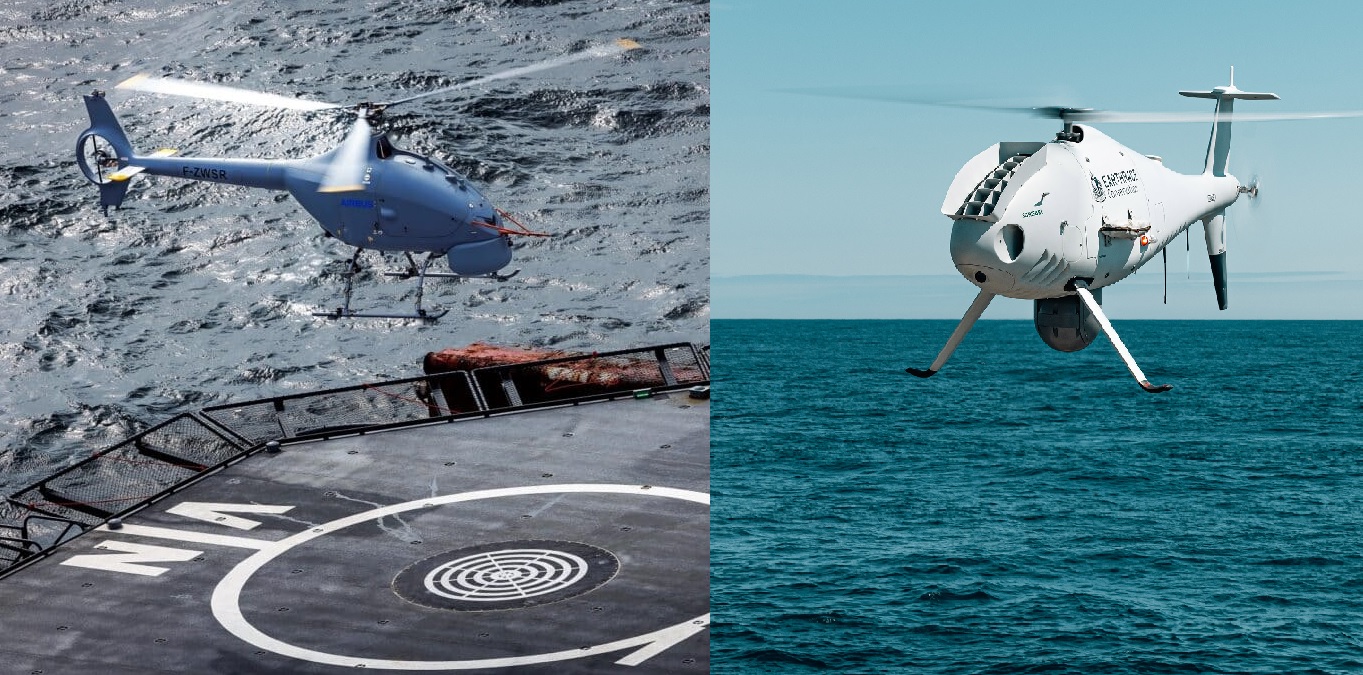
World
Paris / Toulon : In a decisive move to modernise naval surveillance and expand unmanned warfare capabilities, France has formally launched the next operational phase of its Shipborne Drone System for the Navy (SDAM) programme. The French defence procurement agency, Direction générale de l'armement, has signed two major contracts with Naval Group and Airbus Helicopters, paving the way for the deployment of new vertical take-off and landing (VTOL) unmanned aerial vehicles aboard frontline French Navy vessels. The agreements, finalised in late December 2025, cover the acquisition of CAMCOPTER S-100F light reconnaissance drones for FREMM frigates and VSR700 medium rotary-wing drones for France’s new-generation logistics ships. Together, the two platforms mark a significant expansion of France’s ability to conduct persistent intelligence, surveillance and reconnaissance (ISR) far beyond the horizon. CAMCOPTER S-100F: Extending FREMM Surveillance Reach The first contract, signed on 29 December 2025, was concluded between the DGA and Naval Group and focuses on the procurement of the CAMCOPTER S-100F, a lightweight VTOL UAV manufactured by Schiebel. The S-100 is already in operational service with the French Navy aboard Mistral-class amphibious assault ships, providing a proven baseline for rapid integration. Under the contract, Naval Group will deliver five complete S-100F drone systems, with each system comprising two aerial vehicles, ground control elements and shipboard integration solutions. These drones will be deployed aboard the French Navy’s FREMM (Frégate Européenne Multi-Mission) frigates, significantly enhancing their situational awareness. According to French armed forces data, the S-100F offers an endurance of up to six hours and can carry a payload of approximately 50 kilograms. Equipped with wide-area optical sensors and a gyrostabilised electro-optical/infrared (EO/IR) turret, the drone enables long-range maritime surveillance, target identification and real-time intelligence transmission to the host ship. Naval Group confirmed that the programme builds on extensive joint trials conducted with the DGA, including validated shipboard drone launch and recovery at sea using the STEERIS® Mission System, as well as land-based operations via containerised STEERIS COMMAND control centres. A first FREMM frigate is expected to receive the necessary upgrades to operate the S-100F by the end of summer 2026, with follow-on installations planned thereafter. VSR700: Heavy ISR Capability for Fleet Support Ships The second contract, signed on 30 December 2025, brings the VSR700 rotary-wing drone into full operational procurement. Developed by Airbus Helicopters in cooperation with the French Ministry of the Armed Forces, the VSR700 is derived from the Cabri G2 light helicopter, designed by the French SME Hélicoptères Guimbal. The VSR700 represents a step change in payload capacity and endurance. Capable of flying for up to eight hours and carrying payloads of up to 220 kilograms, the drone is optimised for long-duration maritime ISR missions. The initial configuration ordered by the French Navy includes a maritime surveillance radar, an EO/IR sensor suite, and an AIS (Automatic Identification System) receiver, allowing comprehensive monitoring of surface traffic and potential threats. A total of six VSR700 systems will be procured and progressively integrated aboard the Jacques Chevallier-class fleet replenishment ships, known as BRF (Bâtiments Ravitailleurs de Forces). These vessels play a critical role in sustaining French naval operations at sea and directly support the Charles de Gaulle Carrier Strike Group. Naval Group will oversee the full integration of the VSR700 into the ships’ combat and information systems, again relying on the STEERIS® Mission System for automated take-off and landing, mission planning and real-time data fusion. The drones are designed for fully automatic deck operations, a capability validated during recent deck-landing trials conducted off the coast of Brittany. Strategic Impact of the SDAM Programme From a data-driven perspective, the SDAM programme reflects a broader shift within European navies toward persistent, unmanned maritime surveillance as a force multiplier. By deploying VTOL drones from both combatants and logistics vessels, the French Navy significantly expands its ISR footprint without increasing crew size or risking manned aircraft. The combination of S-100F light drones for tactical frigate operations and VSR700 medium drones for strategic, long-endurance missions creates a layered unmanned capability. This architecture allows continuous monitoring of sea lanes, early threat detection and improved protection of high-value naval assets, including aircraft carriers and supply ships. Both contracts fall under the framework agreement signed at the Paris Air Show 2025 in Le Bourget, underscoring France’s long-term commitment to indigenous and European defence technologies. As deliveries and integrations progress through 2026 and beyond, the SDAM programme is set to become a cornerstone of France’s future naval air operations — quietly reshaping how maritime power is projected in contested waters.
Read More → Posted on 2026-01-16 17:09:23
World
Washington / Taipei : From a data-driven analyst’s perspective, the newly announced United States–Taiwan trade agreement represents far more than a $500 billion investment pact. It may mark a structural shift in global power, one that fundamentally alters why Taiwan has mattered to Washington for decades — and raises a provocative question now circulating in geopolitical circles: has Donald Trump effectively paved the way for Taiwan–China reunification by relocating the island’s most strategic asset to American soil? The deal, described by the US Department of Commerce as a “historic economic partnership,” slashes tariffs on key Taiwanese goods while unlocking an unprecedented flow of capital into the United States. At its core is a massive effort to transfer the heart of the global semiconductor ecosystem — long concentrated in Taiwan — into American industrial parks, research hubs and advanced manufacturing facilities. The $500 Billion Shift That Changes Everything Under the agreement, Taiwanese companies and state-backed institutions will channel roughly $250 billion in direct investments into US industries, with semiconductors, artificial intelligence applications and advanced energy systems at the center. A further $250 billion in credit guarantees will support overseas expansion, effectively de-risking Taiwanese capital flowing into the United States. Tariffs will be eliminated on selected Taiwanese imports, including generic pharmaceuticals and aircraft components. Semiconductor firms investing in the US will receive even broader exemptions, faster customs clearance for sensitive equipment and relaxed regulatory hurdles — incentives designed to accelerate factory construction and production timelines. From a data standpoint, this is the most aggressive reshoring initiative in modern American industrial history. For decades, US chip manufacturing migrated to East Asia. Now, Washington is attempting to reverse that trend in a single strategic leap. Why Semiconductors Have Defined Taiwan’s Strategic Value Taiwan’s importance to Washington has never been purely ideological. The island produces more than 60 percent of the world’s advanced semiconductors, powering smartphones, electric vehicles, cloud computing and modern weapons systems. The crown jewel of this ecosystem is TSMC, whose fabs manufacture chips several generations ahead of global competitors. This concentration created what analysts have long called the “silicon shield” — the idea that the United States would be compelled to defend Taiwan militarily to prevent China from controlling the world’s most critical technology supply chain. The new agreement directly challenges that logic. If the Chips Move, What Remains to Defend? If large portions of Taiwan’s semiconductor production — along with engineering talent, research capacity and supply chains — are relocated to the United States, Washington’s strategic calculus changes dramatically. From a purely data-driven perspective, the cost-benefit analysis of deploying US naval power in a Taiwan conflict shifts once the primary economic and technological incentive is removed. Today, the US Navy’s forward presence in the Western Pacific is partly justified by the need to deter a Chinese takeover that could disrupt global chip supplies. If those supplies increasingly originate from Arizona, Texas or Ohio, that justification weakens. This is why critics argue the deal amounts to a quiet acceptance of future reunification — not through diplomacy, but through economic hollowing. Beijing’s Reaction: “Economic Plunder” China responded with fury. One day before the agreement was formally announced, Chinese officials condemned it as “economic plunder,” accusing Washington of stripping Taiwan of its most valuable industries while leaving the island exposed. From Beijing’s viewpoint, the deal undermines Taiwan’s long-term leverage and accelerates conditions under which reunification becomes less risky, both economically and militarily. Taipei, however, sees it differently. Taipei’s Defense: The “Taiwan Model” Taiwan’s executive branch framed the agreement as an export of success, not a surrender of capability. Officials argue that overseas expansion will strengthen Taiwanese firms’ global competitiveness while deepening integration with the US economy, creating political and financial interdependence that still benefits the island. Yet data suggests a more complex picture. As capital, equipment and talent migrate, domestic capacity inevitably shrinks relative to its former dominance. Over time, Taiwan risks shifting from an indispensable producer to a high-value partner — a subtle but critical downgrade in strategic importance. Trump’s Legacy Question Although framed as an economic win-win, the agreement’s geopolitical implications may define Donald Trump’s long-term legacy. By prioritizing domestic manufacturing security, Washington may have chosen stability at home over permanent confrontation abroad. For some American strategists, this is preferable to a future war in the Taiwan Strait. As one blunt assessment circulating online puts it: “Better than World War III.” A Future Without the Silicon Shield Looking ahead, analysts see a phased transformation. As US-based fabs come online and supply chains mature, Taiwan’s role as the linchpin of global chip production diminishes. In that scenario, the United States may still voice diplomatic support, but its willingness to risk naval escalation against China becomes far less certain. The trade deal, then, is not just about tariffs or factories. It is about redefining interests. If America’s primary stake in Taiwan has always been semiconductors, and those semiconductors are moving west, the strategic equation of East Asia may already be entering a new era — one where reunification is no longer unthinkable, but economically inevitable.
Read More → Posted on 2026-01-16 16:58:21
India
New Delhi : India has drawn firm red lines in negotiations with French aerospace major Dassault Aviation for the proposed acquisition of 114 additional Rafale fighter jets, making the integration of Indian weapons and systems a non-negotiable condition of the deal. According to The Tribune, the government has formally conveyed that every aircraft must be capable of firing Indian-origin missiles, carrying indigenous ammunition, and operating seamlessly within India’s sensor and command network. The requirement marks a significant shift from earlier foreign fighter procurements and underscores New Delhi’s push to blend frontline imports with domestic defence capabilities under the broader “Make in India” framework. Full Integration With Indian Combat Systems Officials familiar with the talks say Dassault will be required to provide secure, encrypted data links that allow the Rafale fleet to digitally integrate with Indian radars, airborne sensors, and ground-based command centres. This connectivity would enable real-time transmission of imagery and targeting data, allowing ground controllers to cue pilots and coordinate operations across services. The insistence on Indian weapons integration reflects lessons from the Indian Air Force’s experience with its existing Rafale fleet, where significant effort went into adapting the aircraft to local operational requirements. This time, the government wants such compatibility built in from the outset, across all 114 jets. Transfer of Technology and Indigenous Content A central pillar of the negotiations is an extensive Transfer of Technology (ToT) package. Dassault has agreed in principle to provide ToT for manufacturing Rafale airframes in India, a step expected to anchor a long-term domestic production ecosystem. Crucially, Dassault’s key partners will also participate. Engine manufacturer Safran and avionics specialist Thales are set to be part of the technology transfer, covering propulsion systems, sensors, and mission electronics. Once airframes, engines and avionics are produced locally with transferred know-how, officials estimate that indigenous content in the Indian Rafale programme could reach 55 per cent to 60 per cent. Defence planners view this as critical not just for cost control and supply security, but also for future upgrades and long-term sustainment without excessive dependence on overseas suppliers. Moving Beyond the 2015 Rafale Configuration The Indian Air Force currently operates 36 Rafale jets ordered in 2015. These aircraft are of the F3R standard, identical to those flown by the French Air and Space Force. Since then, Dassault has rolled out major technological upgrades. The manufacturer has introduced the F-4 version of the Rafale, with India now seeking a mix of the F-4 standard and the upcoming F-5 variant for the larger 114-jet programme. The newer versions represent a substantial leap in capability over the earlier F3R configuration. Radar, Electronic Warfare and AI-Assisted Flying At the heart of the upgrade is a next-generation Active Electronically Scanned Array (AESA) radar, offering longer detection ranges and greater resilience to electronic warfare. The aircraft will also feature an improved self-protection suite designed to detect, classify and counter emerging threats in increasingly contested airspace. Officials say the enhanced Rafale will be optimised for long-range detection and identification of enemy aircraft, supported by missiles with extended reach. Improved satellite communication links are planned to ensure secure beyond-line-of-sight connectivity during high-tempo combat operations. A notable addition is the integration of artificial intelligence-based algorithms to assist pilots. These systems are intended to fuse data from multiple sensors, present a clearer operational picture, and support faster, more informed decision-making in complex combat scenarios. Strategic Significance The government’s firm stance on Indian weapons, deep technology transfer, and high indigenous content signals a more assertive defence procurement policy as the IAF looks to replenish its fighter strength amid evolving regional security challenges. For Dassault, meeting these conditions would secure one of the world’s largest fighter aircraft contracts. For India, the programme is seen as a strategic bridge between immediate operational readiness and long-term self-reliance in combat aviation. Negotiations are expected to continue, but officials indicate that the core conditions — Indian weapons integration, secure networking with domestic systems, and substantial local manufacturing — are no longer open to dilution.
Read More → Posted on 2026-01-16 15:54:14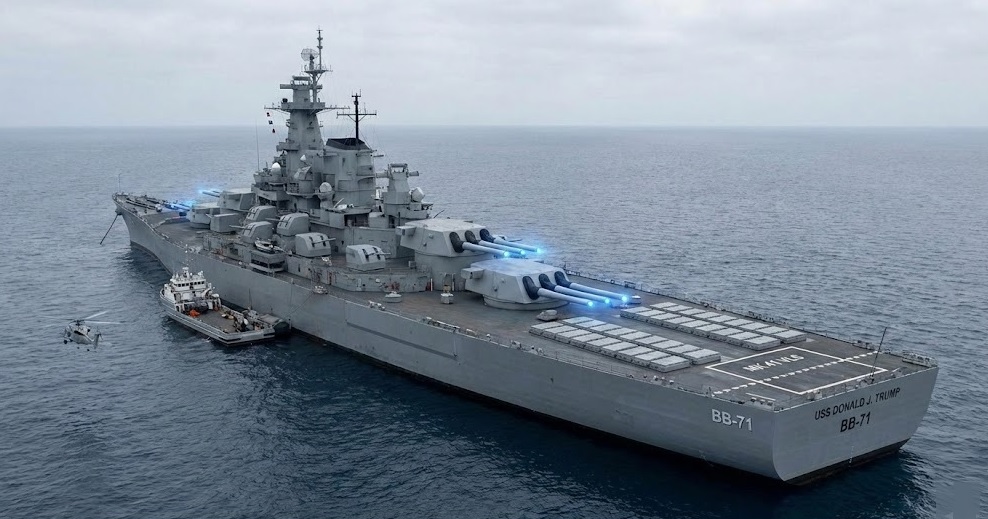
World
ARLINGTON, VIRGINIA : A weapon system once thought to be abandoned by the United States Navy is quietly re-entering strategic discussions, as General Atomics confirms it is engaged in talks with the U.S. government over the possible operational role of electromagnetic railguns aboard the newly unveiled Trump-class guided-missile battleships. The renewed focus follows the public debut of the Trump-class last month, which revealed a heavily armed surface combatant featuring an advanced weapons suite. Among its most striking elements was a forward-mounted electromagnetic railgun rated at 32 megajoules, signaling that the Navy may be reconsidering a technology it officially stepped away from more than four years ago. A Program That Never Truly Ended Speaking on the sidelines of the 38th National Symposium of the Surface Navy Association, Nick Bucci, vice president for defense systems and technologies at General Atomics, said the company’s railgun work continued even after U.S. military programs were halted in 2021. Bucci told Naval News that while visible testing and funding slowed, core technologies were preserved and refined through international collaboration and internal research. Some of that work, he noted, was temporarily redirected into other parts of the company’s defense portfolio, allowing railgun components and expertise to mature quietly rather than disappear. According to Bucci, the Trump-class revelation represents the first clear indication that those efforts could soon transition back into an operational naval weapons program. Overcoming Early Technical Barriers Railguns have long promised extreme range and velocity by using electromagnetic force instead of chemical propellants, but early U.S. testing exposed serious technical challenges. These included rapid barrel wear, enormous power demands, and difficulties protecting sensitive electronics from intense electromagnetic forces. Bucci argued that many of those issues have now been resolved. Advances made through other General Atomics programs — including electromagnetic launch and recovery systems for aircraft carriers and precision-guided projectile electronics — have directly addressed problems that once limited railgun feasibility. In his assessment, skepticism surrounding railguns today often reflects outdated assumptions based on early prototypes rather than the current state of the technology. Allied Momentum Abroad While American programs slowed earlier in the decade, allied nations continued to pursue electromagnetic weapons research. Bucci acknowledged that General Atomics has worked with international partners, though he declined to identify them. Several U.S. allies have openly advanced their own railgun efforts. Japan conducted its first at-sea firing of a ship-mounted railgun last summer, while Germany and France continue to explore electromagnetic weapons as part of broader naval modernization plans. These developments have helped keep global interest — and technical knowledge — alive. Unclear Missions, Open Questions Despite the Trump-class design suggesting a renewed embrace of railguns, key questions remain unresolved. Bucci said General Atomics is still waiting for clearer guidance from the Navy on how the railgun is expected to be used. Earlier company briefings indicated that railguns could contribute to air and missile defense missions, including terminal defense roles linked to broader homeland and regional protection concepts, as well as the defense of strategic locations such as Guam. Past work also supported U.S. Army concepts focused on smaller railgun launchers for air defense, rather than large naval guns. The Navy’s interest, however, appears centered on a much larger system — one that exploits the power generation, magazine depth, and endurance of a battleship-sized platform. The Trump-Class and Future Naval Warfare For the U.S. Navy, the Trump-class battleship is positioned as more than a symbolic return to heavy surface firepower. The class is expected to deliver extended loitering time, sustained presence, and long-range strike capability through a combination of missiles, advanced guns, and potentially hypersonic weapons. At the symposium, U.S. Marine Corps Brigadier General Lee Meyers, director of expeditionary warfare, highlighted Marine Corps interest in how such a platform could support future ship-to-shore operations as threats evolve and become more complex. A Technology Poised for Revival The reappearance of railguns aboard a frontline U.S. warship underscores a broader shift in naval thinking. Once viewed as an experimental gamble, electromagnetic weapons are again being evaluated as a practical tool for future conflict — this time supported by years of quiet development, allied experimentation, and a new generation of heavily armed surface combatants. Whether railguns ultimately become a defining feature of the Trump-class or remain a limited capability will depend on forthcoming Navy decisions. For now, their return to the discussion marks a notable turning point in the evolution of U.S. naval firepower.
Read More → Posted on 2026-01-16 15:41:05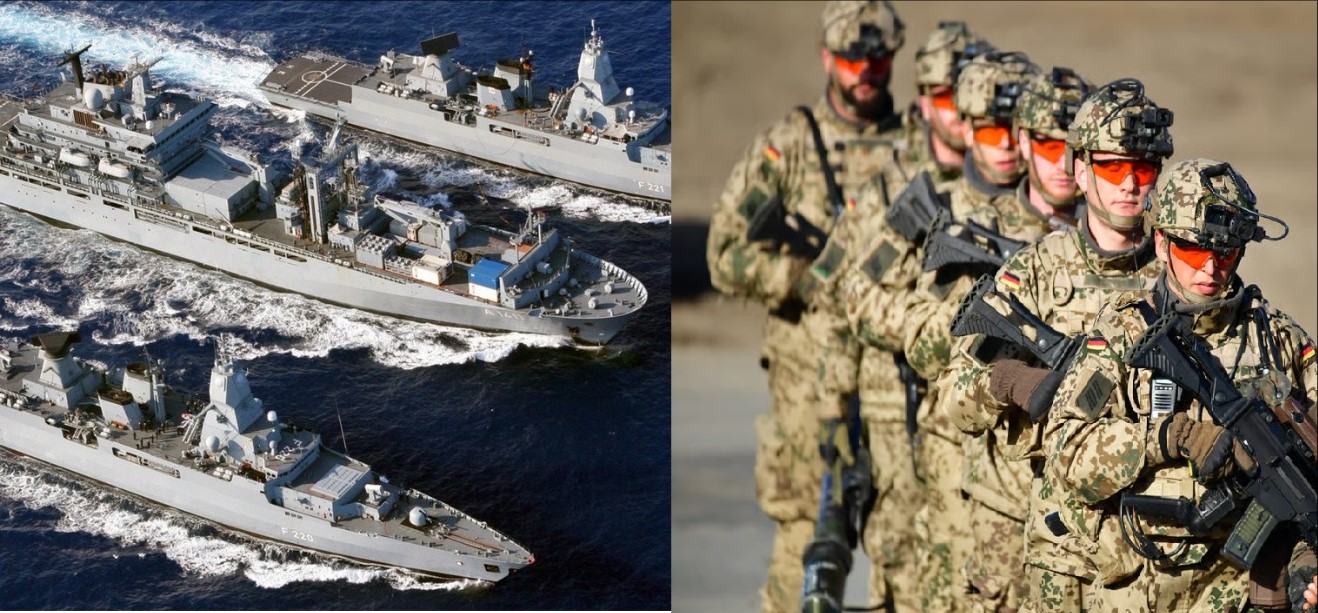
World
BERLIN / NUUK : In one of the most consequential shifts in its post–Cold War defense posture, Germany has confirmed that it is preparing for the possible deployment of air and naval forces to Greenland, marking Berlin’s clearest signal yet that it intends to play a permanent role in Arctic security alongside its NATO allies. The announcement, made by the German Ministry of Defense on Friday, January 16, 2026, follows the arrival earlier this week of a Bundeswehr reconnaissance and logistics assessment team in Nuuk. The team’s mandate is to evaluate infrastructure, basing options, and supply chains needed to support the sustained presence of heavy military assets in the High North — a move that would have been politically unthinkable in Germany little more than a decade ago. German officials stressed that the initiative is being coordinated closely with NATO and at the direct invitation of Copenhagen, underlining that the effort is designed to reinforce collective defense rather than establish a unilateral military footprint. Frigates, Fighters, and a Permanent Arctic Role Speaking in Berlin, a Defense Ministry spokesperson made clear that Germany’s plans go well beyond symbolic participation or short-term exercises. “This is about assessing the security environment in the Arctic and determining how Germany can contribute meaningfully to its protection alongside our partners,” the spokesperson said. “That includes planning regular exercises, deploying maritime patrol aircraft, naval surface combatants, and potentially fighter aircraft for airspace security.” Defense officials confirmed that the assets under consideration include Eurofighter Typhoon jets from the Luftwaffe, as well as advanced frigates such as the F125 class or the forthcoming F126, which are optimized for long-duration deployments and sustained maritime surveillance. If approved, the forward deployment of German fighter aircraft to Greenland would represent the Bundeswehr’s most significant northern stationing since the Cold War, placing German pilots and sailors at the center of an increasingly contested strategic theater. The GIUK Gap and Germany’s New Eyes Under the Sea Berlin’s Arctic recalibration is centered on its newly operational fleet of Boeing P-8A Poseidon aircraft. Designed for long-range anti-submarine warfare and maritime surveillance missions, the Poseidons give Germany a capability long dominated by the United States and the United Kingdom. These aircraft are central to monitoring the so-called GIUK Gap — the strategic stretch of ocean between Greenland, Iceland, and the UK that serves as the primary gateway for Russian submarines moving from the Arctic into the North Atlantic. With Russia steadily expanding submarine patrols and undersea infrastructure in the region, NATO planners have warned that control of the GIUK Gap is once again becoming decisive for the defense of Europe’s Atlantic sea lanes. German officials privately acknowledge that without greater European contributions, the burden of monitoring the area would fall almost entirely on American forces. The Arctic’s strategic value has also been complicated by China, which has declared itself a “near-Arctic state” and expanded its scientific, commercial, and dual-use presence across the polar region — a development increasingly viewed with suspicion in European defense circles. Diplomacy, Denmark, and a European Answer The timing of Germany’s announcement is notable. Just days earlier, a Luftwaffe Airbus A400M transport landed in Nuuk carrying a 13-member Arctic assessment team. The deployment was conducted in close coordination with Denmark, which retains responsibility for Greenland’s defense despite the island’s extensive autonomy. While Berlin has framed the initiative as a response to Russian and Chinese activity, officials acknowledge that it also reflects a broader desire among European allies to ensure that Greenland’s security remains firmly anchored in multilateral NATO structures. Recent debates in Washington over U.S. strategic interests in Greenland have reinforced European determination to demonstrate that the defense of the island is a shared transatlantic responsibility. A Growing European Arctic Coalition Germany’s move is part of a wider European push northward. Denmark has sharply increased funding for its Arctic Command, while Sweden and Norway have deployed personnel to Greenland this week in support of Danish-led operations aimed at improving surveillance and rapid response capabilities. France has also confirmed its participation in upcoming Arctic exercises, emphasizing EU and NATO solidarity in the polar region. In a written statement, the German Defense Ministry said the objective is to “examine the framework conditions for potential military contributions” and to “support Denmark in ensuring security and freedom of navigation in the region.” A Strategic Line in the Ice While no final decision has yet been taken, defense analysts agree that the direction of travel is clear. Germany, long cautious about deploying combat forces far from home, is now positioning itself as a central European pillar of Arctic defense. Should Berlin proceed with the deployment of frigates, maritime patrol aircraft, and fighter jets to Greenland, it would signal not only a transformation of German military policy, but also the arrival of a more assertive European role in what is rapidly becoming one of the defining strategic frontiers of the 21st century.
Read More → Posted on 2026-01-16 14:59:36
World
WASHINGTON / DOHA / RIYADH : A planned U.S. military strike on Iran was abruptly halted late Wednesday night after urgent diplomatic interventions from the leaders of Qatar and Saudi Arabia, according to multiple regional and defense sources familiar with the matter. The decision, now confirmed by analysts tracking U.S. military movements in the Gulf, underscores how close the region came to a potentially catastrophic escalation with global consequences. Defense officials and regional security monitors say U.S. air assets operating out of Al Udeid Air Base were scrambled and placed on operational standby, indicating that a strike package had entered the final phase of execution. However, aircraft were subsequently instructed to return to base, with crews informed that the mission had been called off pending further orders. At the center of the last-minute reversal was a direct appeal to Donald Trump from the Qatari Emir and the Saudi monarch. According to officials briefed on the calls, both leaders warned that a U.S. attack on Iran would almost certainly trigger immediate Iranian retaliation against Gulf states, rather than against the U.S. homeland. Threats Against the Gulf Security analysts say those warnings were rooted in explicit intelligence assessments that Iran had already issued direct threats to Gulf leaders. While Tehran lacks long-range missile capability to strike the continental United States in any meaningful way, it possesses a large and diverse missile arsenal capable of saturating targets across the Gulf region. Iranian planners, analysts argue, would view U.S. bases and allied infrastructure in the Gulf as the most viable and politically impactful targets. Major cities, energy hubs, oil storage facilities, ports, and desalination plants in Qatar and Saudi Arabia would all be within range, raising the prospect of widespread civilian and economic disruption within hours of any U.S. strike. Energy Shock Fears The potential economic fallout was a central concern behind the Gulf leaders’ intervention. Iran’s oil exports are already constrained, but a U.S. strike would almost certainly halt what remains of Iranian production. In retaliation, Iranian missile attacks on Gulf oil infrastructure could severely disrupt the world’s largest concentration of energy exports. Qatar and Saudi Arabia together anchor a significant share of global oil and liquefied natural gas supply. Any sustained damage to production or export facilities would ripple through international markets, triggering sharp energy price spikes and threatening economic stability far beyond the Middle East. Energy experts warn that a simultaneous disruption of Iranian output and Gulf exports would create a supply shock difficult to offset in the short term, with knock-on effects for inflation, shipping costs, and industrial production worldwide. Strategic Calculations in Washington Within Washington, the episode highlights the delicate balance between military deterrence and regional stability. While U.S. officials have long emphasized their readiness to strike Iranian targets if provoked, the Gulf allies’ warnings reinforced a long-standing reality: any conflict with Iran would almost certainly be fought, at least initially, on their territory. By standing down the strike, the U.S. administration signaled that allied security and global economic risk remain key constraints on the use of force. Analysts note that the return-to-base order does not indicate permanent de-escalation, but rather a pause shaped by diplomatic pressure and threat assessments. A Region on Edge The aborted operation leaves the Middle East in a state of heightened tension. Military assets remain forward-deployed, diplomatic channels are active, and regional governments are reinforcing air defenses amid fears that miscalculation could still spark confrontation. For now, the Gulf has avoided a direct missile exchange that could have reshaped the region and the global energy market overnight. But analysts caution that the underlying drivers of the crisis remain unresolved, and that the decision to halt the strike reflects how narrow the margin has become between deterrence and disaster.
Read More → Posted on 2026-01-16 14:37:22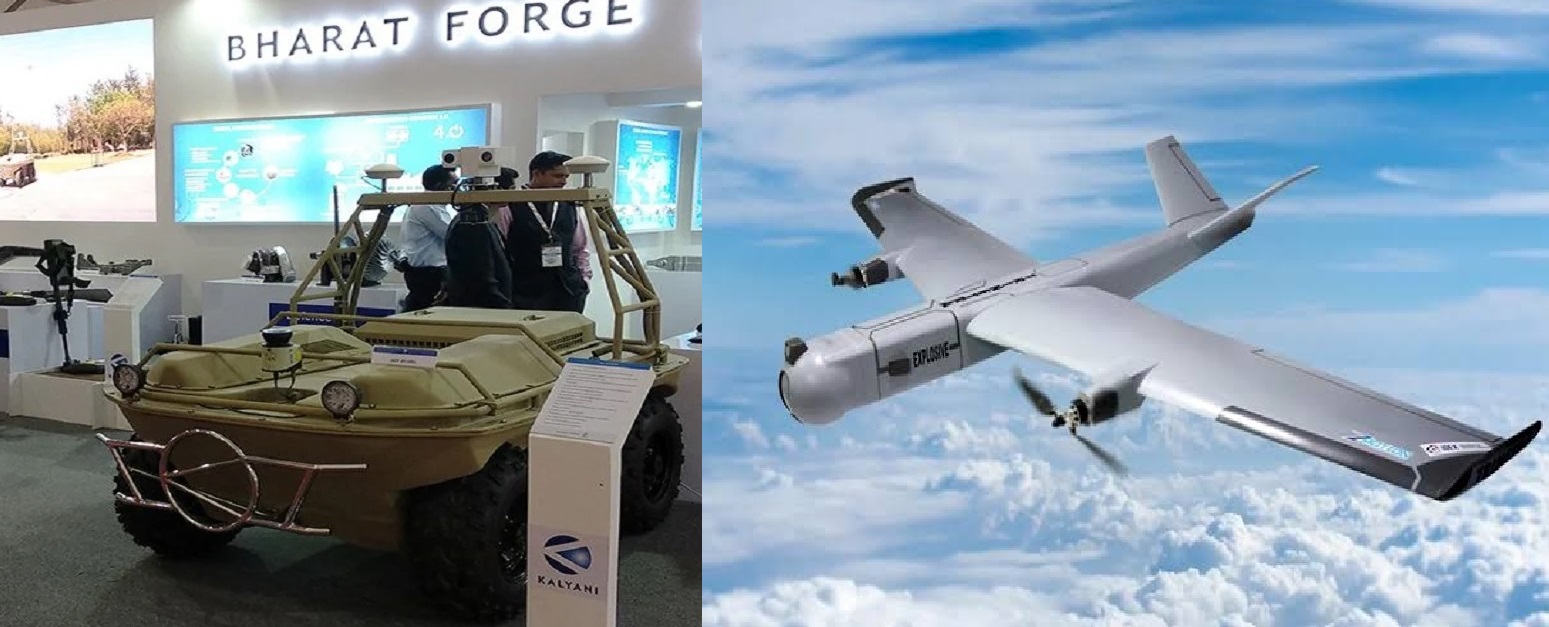
India
PUNE : Bharat Forge Limited has secured defence contracts worth approximately ₹300 crore under India’s Emergency Procurement – VI (EP-VI) framework, marking a significant boost to the country’s indigenous unmanned systems programme for both the Indian Army and the Indian Navy. The contracts, awarded to Bharat Forge’s aerospace and defence division, cover a range of homegrown unmanned platforms, including Intelligence, Surveillance and Reconnaissance (ISR) systems and loitering munitions, developed to meet urgent operational requirements across diverse terrains and mission profiles. Emergency Procurement Focuses on Unmanned Warfare According to details released by the company, the EP-VI orders reflect the Indian military’s growing emphasis on rapidly deployable, autonomous and EW-resistant unmanned solutions amid evolving battlefield conditions. Emergency procurement procedures are designed to fast-track acquisitions of critical systems, allowing the armed forces to induct proven technologies without lengthy tender cycles. The unmanned systems covered under the contracts are intended for frontline operational use, supporting real-time surveillance, target acquisition and precision strike missions. Both the Army and the Navy are expected to deploy these platforms for land and maritime roles, enhancing situational awareness and strike capability while reducing risk to personnel. Indigenous Platforms: ISR and Loitering Munitions Bharat Forge confirmed that the contracts include multiple indigenous unmanned platforms, notably: ISR systems designed for persistent battlefield surveillance, reconnaissance and intelligence gathering. Loitering munitions, capable of remaining airborne for extended periods before engaging high-value targets with precision. Key systems developed under the programme include Omega One, Omega Nine, Bayonet, and Cleaver, each tailored for specific mission sets ranging from tactical reconnaissance to precision strike at short and medium ranges. Omega One Showcased at Army Day Parade The growing prominence of Bharat Forge’s unmanned portfolio was highlighted during the Army Day Parade in Jaipur on 15 January, where the Omega One unmanned system was publicly showcased. The system was displayed mounted on an upgraded BMP-2 infantry fighting vehicle, underlining its integration potential with existing Indian Army platforms. Defence analysts say the public display served as a validation of the platform’s maturity and readiness for operational deployment, as well as a signal of the Army’s confidence in indigenous unmanned technologies. Technology, Autonomy and EW Resistance Bharat Forge stated that its unmanned systems are increasingly incorporating advanced autonomy, artificial intelligence and data-driven decision-making tools. These features are aimed at improving mission endurance, precision, survivability and adaptability in contested and dynamic operational environments. A key design focus has been resistance to electronic warfare, ensuring reliable performance in environments where jamming and signal interference are expected. The company has also emphasized modular architecture and scalability, allowing rapid upgrades as mission requirements evolve. Leadership Perspective and Strategic Significance Commenting on the contracts, Amit Kalyani, Vice Chairman and Joint Managing Director of Bharat Forge Limited, said the twin milestones of securing EP-VI contracts and showcasing Omega One at Army Day reaffirm the company’s commitment to Atmanirbhar Bharat. He noted that Bharat Forge is focused on delivering India-specific, domestically produced unmanned systems that combine speed of induction with long-term sustainability and quality. Strengthening India’s Unmanned Ecosystem With sustained investments in design, manufacturing and next-generation autonomy stacks, Bharat Forge is positioning itself as a key player in India’s unmanned and autonomous systems ecosystem. Defence experts view the ₹300-crore emergency procurement orders as a strong endorsement of private-sector participation in critical defence technologies. As unmanned systems become central to modern military operations, the latest contracts underline a broader shift in India’s defence strategy—towards indigenous, rapidly deployable and technologically advanced unmanned capabilities for both land and maritime domains.
Read More → Posted on 2026-01-16 14:15:05
World
KYIV : Ukrainian air defense forces have, for the first time, intercepted a Russian BM-35 strike drone that was being controlled via a satellite communications terminal linked to Starlink, marking a significant technological escalation in Moscow’s unmanned aerial warfare campaign. The breakthrough was disclosed by Serhii Flash, a Ukrainian serviceman and radio-engineering specialist, who said forensic analysis of the downed drone confirmed the use of satellite-based command and control. Until now, such systems had been observed only on smaller Russian kamikaze drones used primarily for tactical reconnaissance or point strikes. According to Flash, the BM-35 represents the first confirmed case in which Russia has deployed satellite control on a drone designed to operate at the operational level, striking deeper targets beyond the immediate frontline. Satellite Control Changes the Battlefield The integration of a Starlink terminal provides the drone with a stable, long-range communications channel, significantly reducing latency in both command transmission and live video feeds. This allows operators to guide the drone more precisely during the terminal phase of flight and to adapt in real time to changes in the battlefield. Equally important, Ukrainian experts say, is the drone’s increased resilience against electronic warfare. Satellite communication partially mitigates the effectiveness of traditional jamming and signal-suppression measures, enhancing survivability in contested electromagnetic environments. Flash warned that this development could soon extend beyond the BM-35 platform. He did not rule out that similar satellite control systems may appear on Russian one-way attack drones such as Shahed-type systems, which are already used extensively against Ukrainian infrastructure. From First Sightings to Confirmed Threat The BM-35 first entered Ukrainian reporting in early September 2025, when air defense units intercepted a video transmission from a drone attacking targets near Sumy. Initial assessments suggested the platform might be linked to Russia’s ZALA drone family or be a modification of the Italmaz system. Subsequent technical analysis, however, revealed that the BM-35 is a distinct design, incorporating a number of unique engineering solutions not seen on earlier Russian unmanned systems. The drone features a delta-shaped wing configuration, optimized for range and stability, and carries a warhead of as-yet unspecified weight and type. Its propulsion system is a two-stroke DLE gasoline engine, with a propeller mounted in the nose of the fuselage—a layout that differs from many rear-propeller Russian designs. For targeting, the BM-35 employs a forward-facing camera linked to an analog video transmission system operating in the 3.3 GHz band, enabling real-time guidance during the attack phase. Foreign Components and Sanctions Concerns Ukrainian investigators examining recovered wreckage report that the BM-35 contains at least 41 foreign-made components. These include parts manufactured in Switzerland, the United States, and Taiwan, with a substantial share originating in China. The findings are likely to intensify scrutiny of sanctions enforcement and export-control regimes, as Kyiv continues to document the use of Western and Asian components in Russian weapons systems despite existing restrictions. Strategic Implications Military analysts say the confirmed use of satellite-controlled strike drones signals a shift in Russia’s approach to unmanned operations. By combining longer range, real-time control, and resistance to electronic warfare, systems like the BM-35 could pose a growing challenge to Ukrainian air defenses if deployed at scale. Further technical analysis is ongoing, as Ukrainian specialists seek to identify vulnerabilities in the BM-35’s guidance and communications architecture. As Flash noted, understanding and countering satellite-linked drones will be critical to protecting Ukraine’s airspace in the next phase of the war. For a deeper examination of the issue, Ukrainian analyst Volodymyr Stepants has explored potential countermeasures in his recent work on protecting Ukraine’s satellite communications domain amid the growing use of Starlink-enabled enemy drones.
Read More → Posted on 2026-01-16 13:50:35
World
Moscow / Jerusalem : Russian President Vladimir Putin has offered to act as a mediator in restoring relations between Israel and Iran, signaling a potential diplomatic role for the Kremlin even as Russia’s military and strategic partnership with Tehran continues to expand. According to officials familiar with the conversation, the proposal was raised during a recent phone call between Putin and Israeli Prime Minister Benjamin Netanyahu, in which the two leaders discussed a range of regional security issues, including Iran’s growing influence in the Middle East and the broader fallout from ongoing regional conflicts. A Kremlin Mediation Offer During the call, Putin told Netanyahu that Russia is prepared to facilitate dialogue between Israel and the Islamic Republic of Iran, two long-standing adversaries whose relations have deteriorated sharply in recent years. The Kremlin framed the offer as part of Russia’s self-described role as a stabilizing force in the Middle East, where it maintains diplomatic channels with nearly all major regional actors. Moscow has positioned itself as one of the few global powers able to speak directly to both Jerusalem and Tehran. Russian officials argue that this unique access gives the Kremlin leverage to reduce tensions, particularly amid fears that miscalculation could trigger a wider regional conflict involving Hezbollah, Iranian-backed militias, and Israeli forces. Israeli officials have not publicly commented on whether Netanyahu welcomed or rejected the offer, but analysts note that Israel remains deeply skeptical of Iran’s intentions and wary of Russia’s close alignment with Tehran. Russia and Iran: A Strategic Partnership Putin’s mediation proposal comes against the backdrop of an increasingly deep military and economic relationship between Russia and Iran. Tehran has emerged as one of Moscow’s most important defense partners since Russia’s full-scale invasion of Ukraine in 2022. According to reporting by Bloomberg, Iran has supplied Russia with missiles and other advanced weapons systems valued at nearly $3 billion in recent years. These weapons, Western intelligence officials say, have been used by Russian forces in strikes against Ukrainian cities and infrastructure. Overall, Russia’s spending on Iranian military equipment since late 2021 is estimated to exceed $4 billion, underscoring how central Tehran has become to Moscow’s war effort as Western sanctions restrict Russia’s access to traditional arms suppliers. Israeli Concerns Over Dual Roles For Israel, Russia’s dual posture—as a potential mediator and a close ally of Iran—raises serious concerns. Iranian missiles and drones supplied to Russia are similar to systems Tehran has transferred to its regional proxies, including Hezbollah in Lebanon, which Israel considers one of its most significant security threats. Israeli officials have long accused Iran of pursuing a strategy of encirclement, arming hostile groups on Israel’s borders while advancing its own missile and nuclear capabilities. Against this backdrop, Moscow’s claim to neutrality is viewed with caution in Jerusalem. Broader Geopolitical Implications Putin’s outreach also reflects Russia’s effort to maintain relevance on the global diplomatic stage despite its growing isolation from the West. By offering mediation between Israel and Iran, the Kremlin signals that it still sees itself as an indispensable power broker in the Middle East. At the same time, the move highlights the complex and often contradictory nature of Russia’s foreign policy: seeking diplomatic credibility while relying heavily on Iran for military support in Ukraine. Whether Putin’s proposal leads to any tangible diplomatic progress remains uncertain. For now, it underscores the shifting alliances and strategic calculations shaping a region already marked by deep mistrust, competing interests, and the risk of escalation.
Read More → Posted on 2026-01-16 13:41:28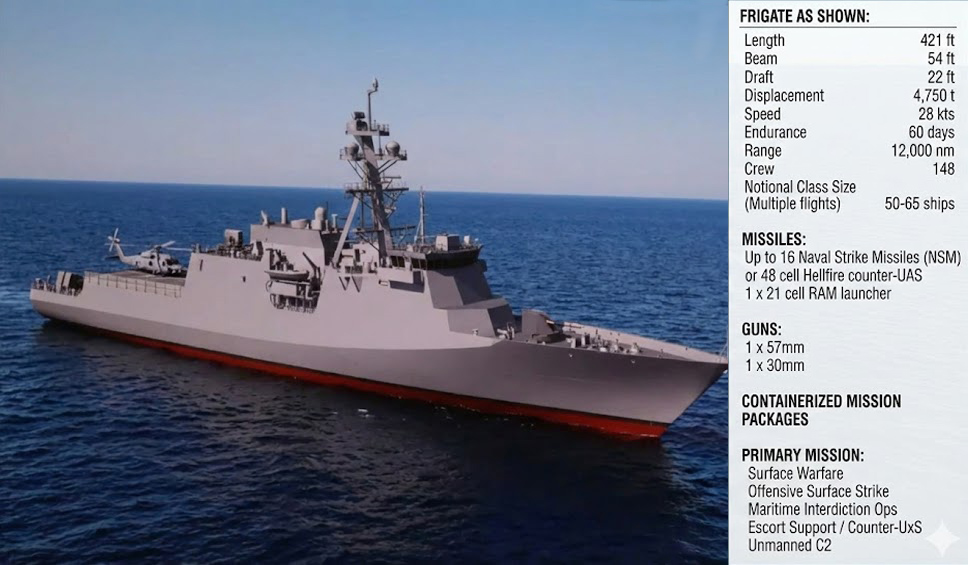
World
WASHINGTON : The United States Navy has unveiled the clearest picture yet of its Next-Generation Light Surface Combatant, confirming that the forthcoming FF(X) Frigate will mark a decisive shift away from the design and operational philosophy that defined the now-curtailed Constellation-Class Program. New details emerged during the “Future Fleet” Panel at Surface Navy 2026, hosted by Chris Miller, Executive Director of Naval Sea Systems Command (NAVSEA), alongside Rear Admiral Derek Trinque, the Navy’s Surface Warfare Director (N96). Senior surface warfare leaders used the forum to frame FF(X) not as a replacement for a High-End Frigate, but as a Purpose-Built, Fast, Modular Platform designed to fill the Low End of the Navy’s evolving force mix. A Deliberate Break From Constellation According to Navy officials, FF(X) represents a radical departure from the 7,000-Plus-Ton, Aegis-Equipped Constellation-Class Frigates. Instead of pursuing a heavily armed, multi-mission warship, the Navy is prioritizing Speed, Rapid Fielding, and Affordability. The First Hull is targeted to be in the water by 2028, a timeline senior leaders describe as Non-Negotiable. To meet that schedule, the Navy has selected a derivative of the Legend-Class Coast Guard Cutter as the basis for the new frigate’s hull. Both the Coast Guard cutters and FF(X) will be built by Huntington Ingalls Industries, leveraging an existing, in-service design to reduce Technical Risk and Construction Delays. Navy leaders acknowledged that the visual and structural similarity to Coast Guard cutters has prompted questions about Survivability and Combat Capability, but stressed that FF(X) must be judged in the context of its Intended Mission Set, rather than against larger surface combatants. Armament Focused On Modular Strike As outlined during the panel, FF(X) will carry a lighter but highly flexible Weapons Suite optimized for Lower-End Threats and Distributed Operations. The baseline configuration includes a 57-Millimeter Main Gun, a 30-Millimeter Auxiliary Cannon, and a Mk-49 Launcher loaded with 21 Rolling Airframe Missiles (RAM) for point air defense. Electronic Warfare will be provided by Two SLQ-32(V)6 Systems, complemented by Nulka Soft-Kill Decoy Launchers. The defining feature of the design, however, is its Modular Payload Space at the stern. This area is designed to accept Containerized Weapon and Mission Packages, including up to 16 Naval Strike Missiles, as many as 48 Hellfire Missiles, or alternative Strike, Surveillance, and Mission Modules. Navy officials repeatedly emphasized that this “Capability In A Box” approach allows the same hull to be rapidly reconfigured for different tasks and potentially shared with Unmanned Surface Vessels (USVs). Chris Miller described the concept as central to the program’s Risk-Reduction Strategy, allowing capabilities to be developed, upgraded, and integrated independently of the ship’s core design. Built For The Low End Of The Fight Senior officers were explicit about where FF(X) fits within the Navy’s future force structure. The ship is intended to serve as the “Low” Component of a Low-Medium-High Mix, operating alongside Flight III Arleigh Burke-Class Destroyers and future Large Surface Combatants. Missions envisioned for the class include Counter-Narcotics Patrols, Maritime Security, Escort Duties, and Presence Operations—roles that currently tie up High-Value Destroyers and Cruisers. Rear Admiral Derek Trinque drew on his own experience to illustrate the logic behind the requirements, noting that employing Guided-Missile Cruisers or Destroyers for counter-drug missions is an inefficient use of scarce assets. FF(X), he argued, is meant to remove that dilemma from Fleet Commanders. By focusing on Lower-End Threats, the Navy hopes to free its most capable surface combatants for Deterrence and High-Intensity Conflict Scenarios elsewhere. Speed, Numbers, And Future Growth The Navy plans to procure between 50 And 65 FF(X) Hulls across multiple Production Flights. While the initial configuration is deliberately modest, officials said the class is designed with Growth Margin for future upgrades over its production life. Potential enhancements discussed include Upgraded Sensors and the possible addition of Vertical Launch System (VLS) Cells, though no specific upgrades have been approved. This incremental approach stands in contrast to the Constellation-Class Program, which sought to field a highly capable frigate from the outset and suffered repeated Delays and Cost Growth as requirements evolved. ASW Questions Remain One area that drew particular attention during the panel was Anti-Submarine Warfare (ASW). Admirals stressed that the Navy intends to preserve ASW Capacity within the surface fleet despite the effective cancellation of the Constellation-Class. However, questions remain about how much ASW capability FF(X) will ultimately carry. Observers noted the apparent absence, at least in early design concepts, of a Hull-Mounted Sonar or Towed Array System—key components of traditional frigate ASW operations. Navy officials acknowledged the uncertainty, suggesting that ASW functions could be addressed through Modular Payloads, Aviation Assets, or Manned-Unmanned Teaming, but stopped short of offering definitive answers. A Pragmatic Recalibration Taken together, the FF(X) Program reflects a broader Recalibration underway within the U.S. Navy. Rather than pursuing fewer, more complex ships, the service is betting on Speed, Numbers, and Modularity to meet near-term operational demands. By adapting an existing hull, emphasizing Flexible Payloads, and narrowing the mission focus, Navy leaders believe FF(X) can be fielded quickly and at scale—accepting limits in Capability in exchange for Availability and Presence. Whether that trade-off proves sufficient in an increasingly Contested Maritime Environment remains an open question. For now, however, FF(X) stands as the Navy’s clearest signal yet that the era of the All-Purpose Frigate has given way to a more Specialized, Distributed Vision Of Surface Warfare.
Read More → Posted on 2026-01-16 13:33:26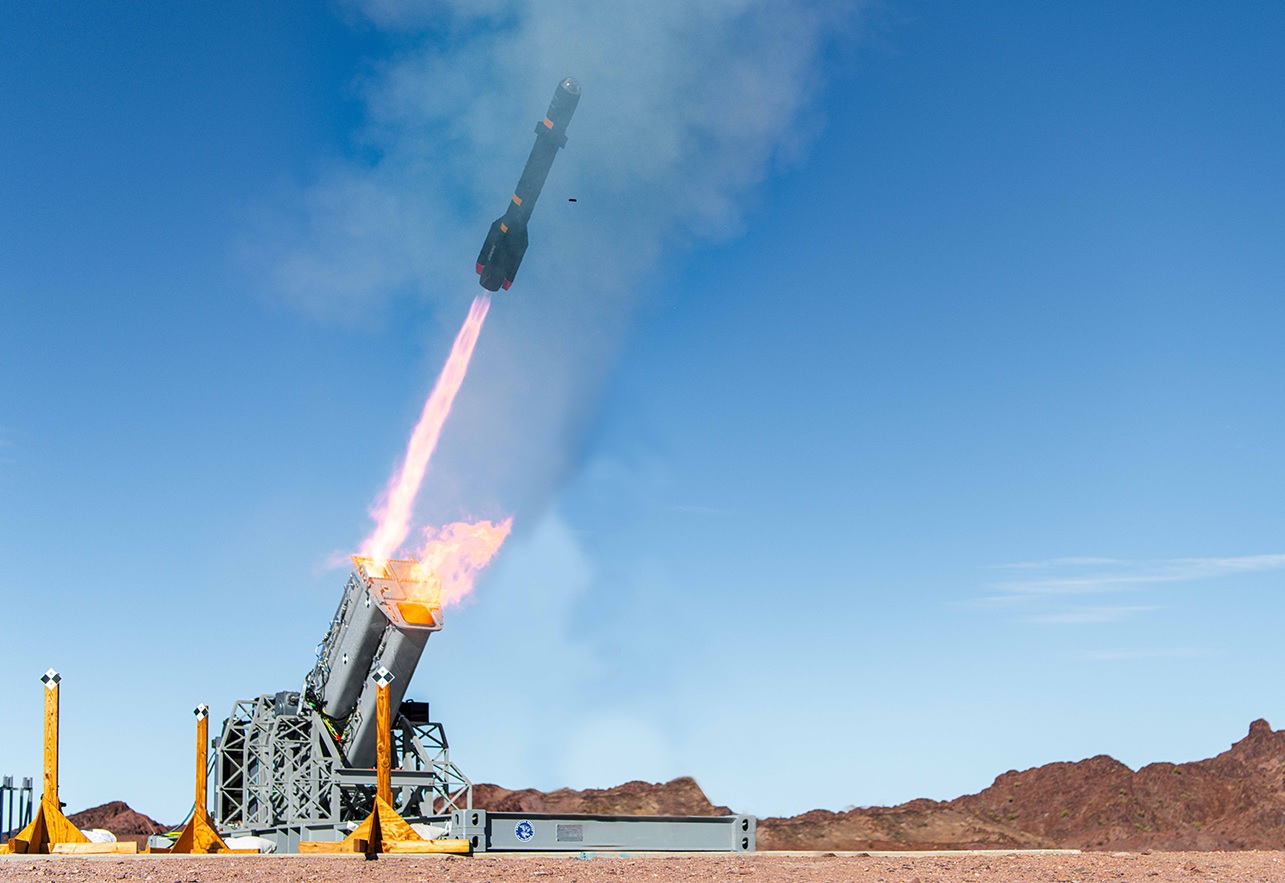
World
China Lake, California : Lockheed Martin has successfully conducted the first-ever 90-degree vertical launch of its Joint Air-to-Ground Missile (JAGM) from the newly developed JAGM Quad Launcher (JQL), marking a major advancement in multi-domain missile deployment and modern naval defense. The demonstration, carried out at the Naval Air Weapons Station China Lake, validated JAGM’s ability to launch vertically and engage threats across air, land, and sea environments. Defense officials say the test confirms the missile’s suitability for providing a full 360-degree defensive envelope, particularly for naval forces facing increasingly complex and fast-emerging threats. Vertical Launch Breakthrough for a Proven Missile Traditionally employed as an air-launched precision weapon, JAGM’s successful vertical launch represents a significant shift in deployment capability. Fired straight up from the JQL before maneuvering toward its target, the missile demonstrated controlled post-launch orientation and rapid target acquisition. This capability enables JAGM to be deployed from confined or space-limited platforms such as ship decks, mobile ground vehicles, and expeditionary installations, without requiring angled launchers. For naval forces, vertical launch means threats approaching from any direction can be engaged instantly, a critical advantage in high-tempo maritime operations. Counter-UAS Success Highlights Emerging Mission Role During the test event, JAGM successfully engaged an unmanned aerial system (UAS) simulating a hostile drone. The missile detected, tracked, and neutralized the target, underscoring its effectiveness against unmanned and asymmetric threats. Lockheed Martin officials emphasized that this capability extends beyond aerial drones. JAGM is designed to counter unmanned surface vehicles (USVs), small fast-attack craft, and other low-altitude air threats. As adversaries increasingly rely on drones and autonomous systems to overwhelm defenses, this capability is becoming essential for modern navies. Multi-Domain Mission Integration Across Air, Land and Sea The integration of JAGM with the JAGM Quad Launcher demonstrates Lockheed Martin’s focus on flexible, mission-tailored deployment. The system allows operators to select different engagement envelopes depending on mission requirements, platform constraints, and threat profiles. JAGM can now be employed from helicopters, fixed-wing aircraft, ground platforms, and vertical launch systems, providing a single missile solution across multiple operational domains. This commonality reduces logistical complexity, lowers training requirements, and improves interoperability among joint and allied forces. Guidance, Propulsion and Warhead Capabilities JAGM incorporates a multi-mode guidance system combining semi-active laser (SAL) guidance with millimeter-wave (MMW) radar. This dual-mode seeker allows the missile to operate effectively in poor weather, smoke, dust, and contested electronic environments, while also enabling fire-and-forget capability when required. The missile is powered by a solid rocket motor derived from the Hellfire family, ensuring reliability and a well-understood performance profile. Its multi-purpose warhead combines shaped-charge and fragmentation effects, enabling it to defeat a wide range of targets, from lightly armored vehicles to unmanned systems and small maritime threats. Full Baseline JAGM Specifications The baseline Joint Air-to-Ground Missile measures approximately 70 inches (178 centimeters) in length, with a diameter of about 7 inches (17.8 centimeters). The missile weighs roughly 115 pounds (51.5 kilograms). For helicopter operations, JAGM has an effective range of approximately 0.3 to more than 4.9 miles (0.5 to over 8 kilometers), with extended range achievable from fixed-wing aircraft. These characteristics allow the missile to support both close-in defense and stand-off engagement roles. Strategic Benefits for Naval and Joint Forces The vertical launch demonstration highlights several operational benefits. JAGM offers navies a compact, cost-effective interceptor capable of addressing drone and small surface threats without expending larger, more expensive air-defense missiles. It supports layered defense strategies and improves response times against sudden, low-signature threats. By combining precision, flexibility, and cross-domain compatibility, JAGM enhances force survivability and expands commanders’ operational options in contested environments. Analysts say such adaptable systems are increasingly vital as modern warfare shifts toward distributed operations and unmanned threats. A Step Toward Future Integrated Defense Lockheed Martin’s successful test at China Lake positions JAGM and the JAGM Quad Launcher as a key component of future multi-domain defense architectures. As unmanned and asymmetric threats continue to proliferate, systems capable of rapid deployment, precise engagement, and seamless integration across platforms are expected to play a decisive role in shaping next-generation military operations. The demonstration signals JAGM’s evolution from a traditional air-launched missile into a versatile, all-domain weapon system, reflecting broader changes in how modern forces approach integrated defense and precision strike in an increasingly complex battlespace.
Read More → Posted on 2026-01-16 12:39:12Search
Top Trending in 24 Hours
-
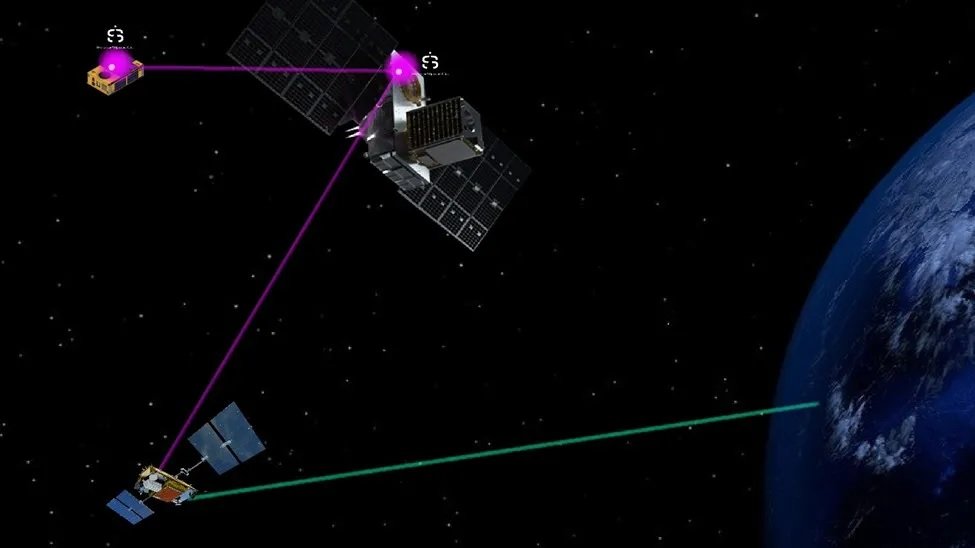 NASA Demonstrates Space-to-Space Wi-Fi Between Two Orbiting Spacecraft
-
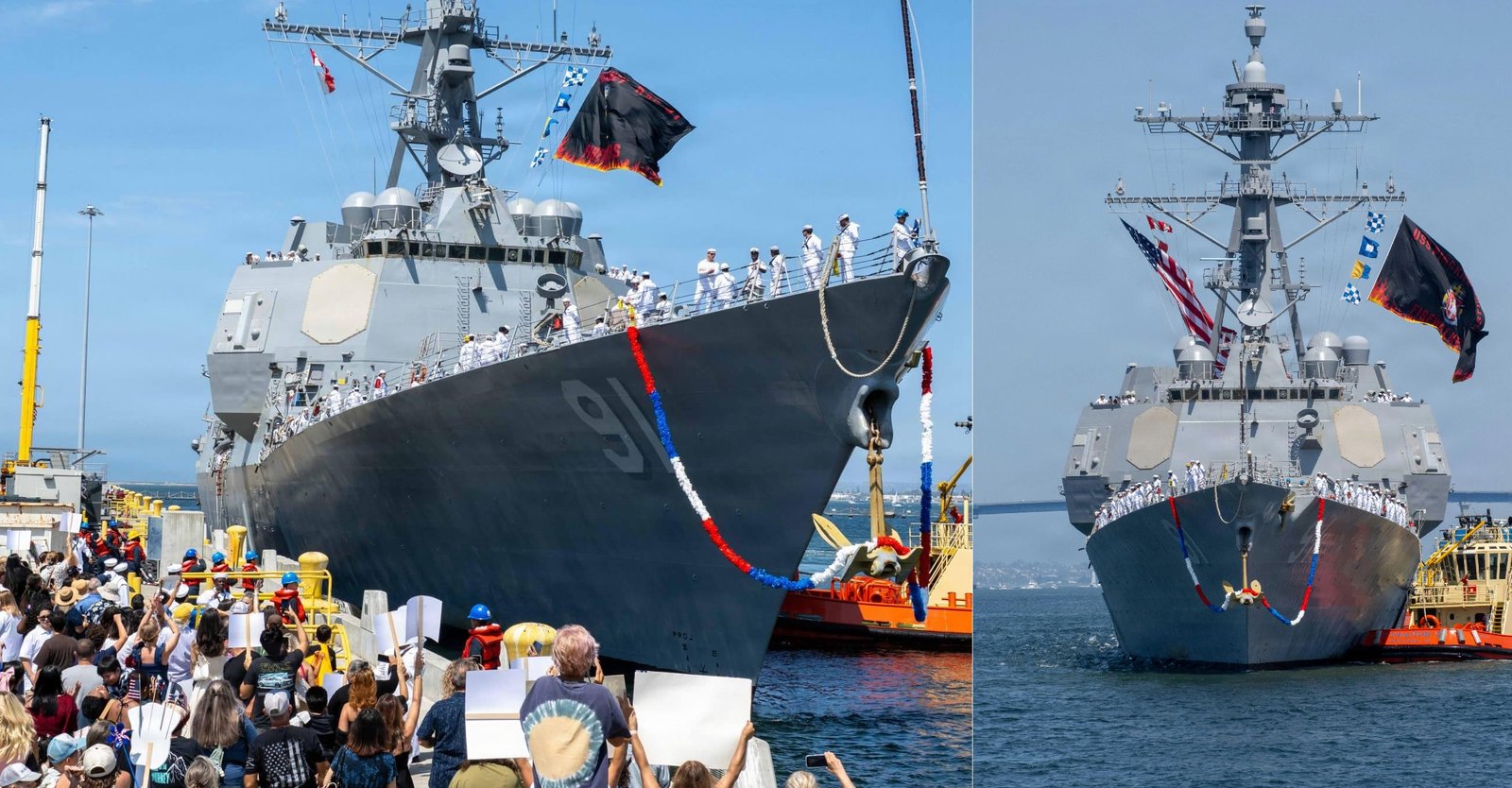 USS Pinckney Becomes First U.S. Navy Destroyer to Begin Phase Two Modernization with Advanced SPY-6 Radar
-
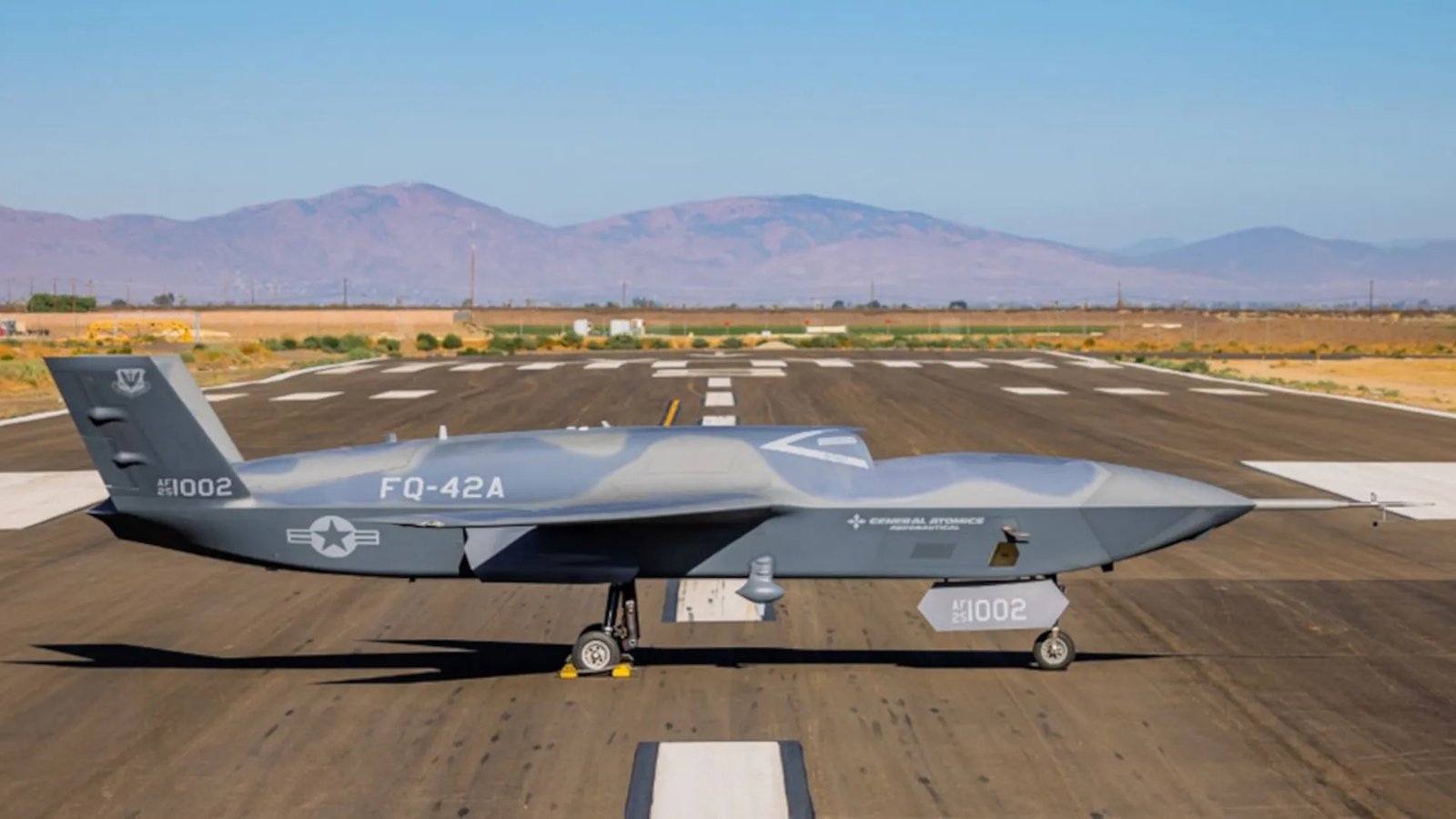 General Atomics Partners With Spirit Defense to Expand FQ-42 Vengeance Production
-
 U.S. Military to Ban Chinese Automaker BYD Vehicles from Kadena Air Base in Japan Over Security Concerns
-
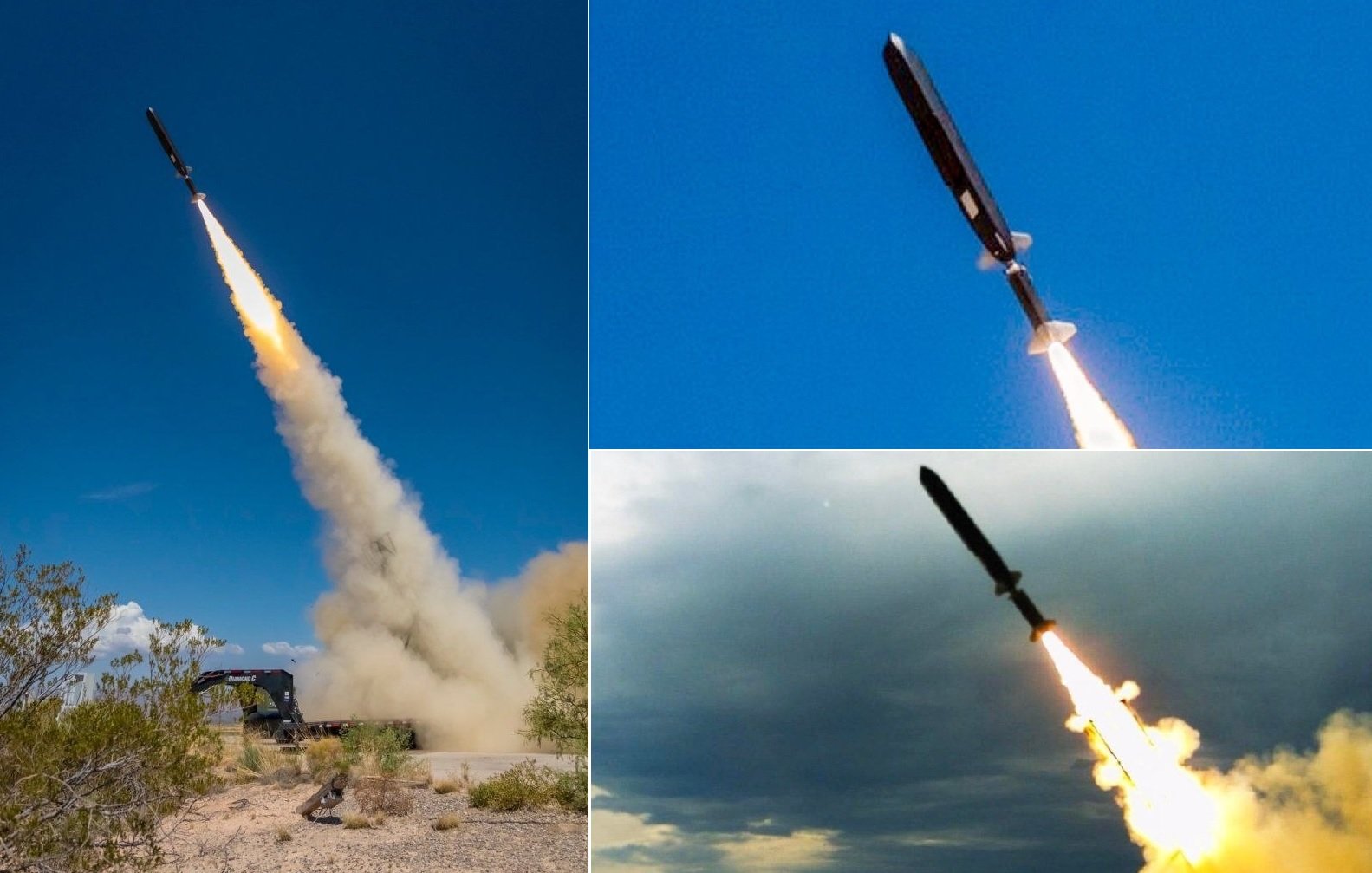 Zone 5 Technologies Demonstrates Ground Launch of Upgraded AGM-188A Rusty Dagger Missile
-
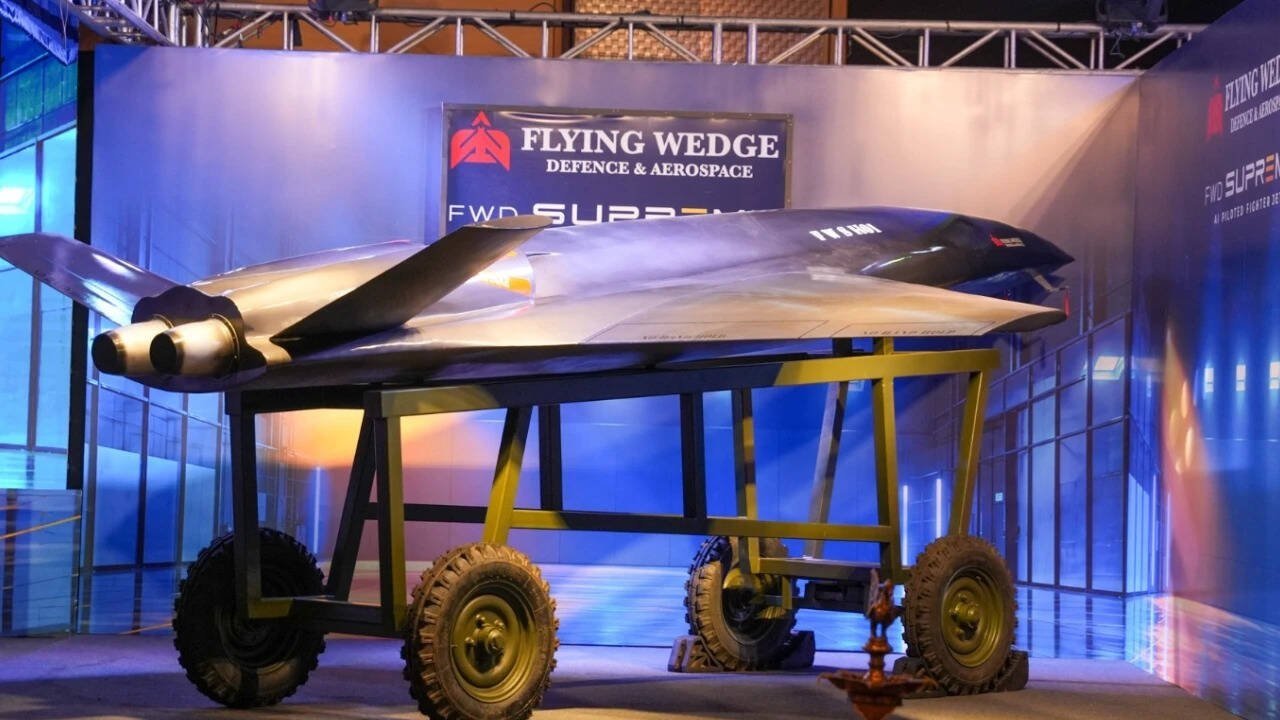 Bengaluru Startup FWDA Unveils FWD Supreme AI-Piloted Loyal Wingman Prototype
-
 Russia Launches Project 20380 Corvette Grozny for Pacific Fleet at Amur Shipyard
-
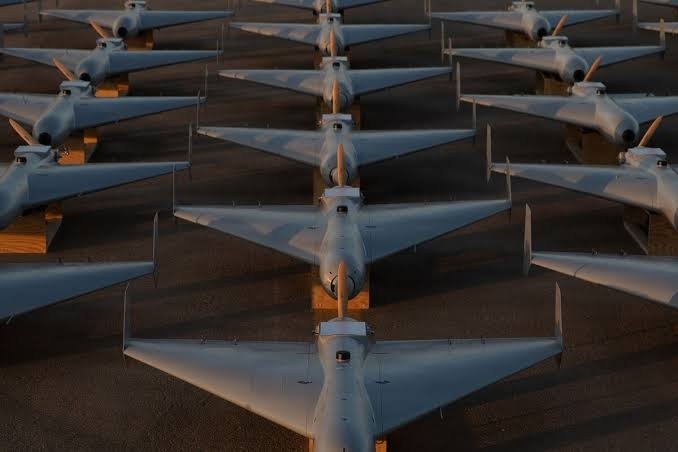 Pentagon Orders 60,000 Kamikaze Drones Under Second Phase of Drone Dominance Program
Top Trending in 4 Days
-
 NASA Sets New Artemis Milestones as SpaceX and Blue Origin Target Moon Landings in 2027–2028
-
NASA Demonstrates Space-to-Space Wi-Fi Between Two Orbiting Spacecraft
-
USS Pinckney Becomes First U.S. Navy Destroyer to Begin Phase Two Modernization with Advanced SPY-6 Radar
-
General Atomics Partners With Spirit Defense to Expand FQ-42 Vengeance Production
-
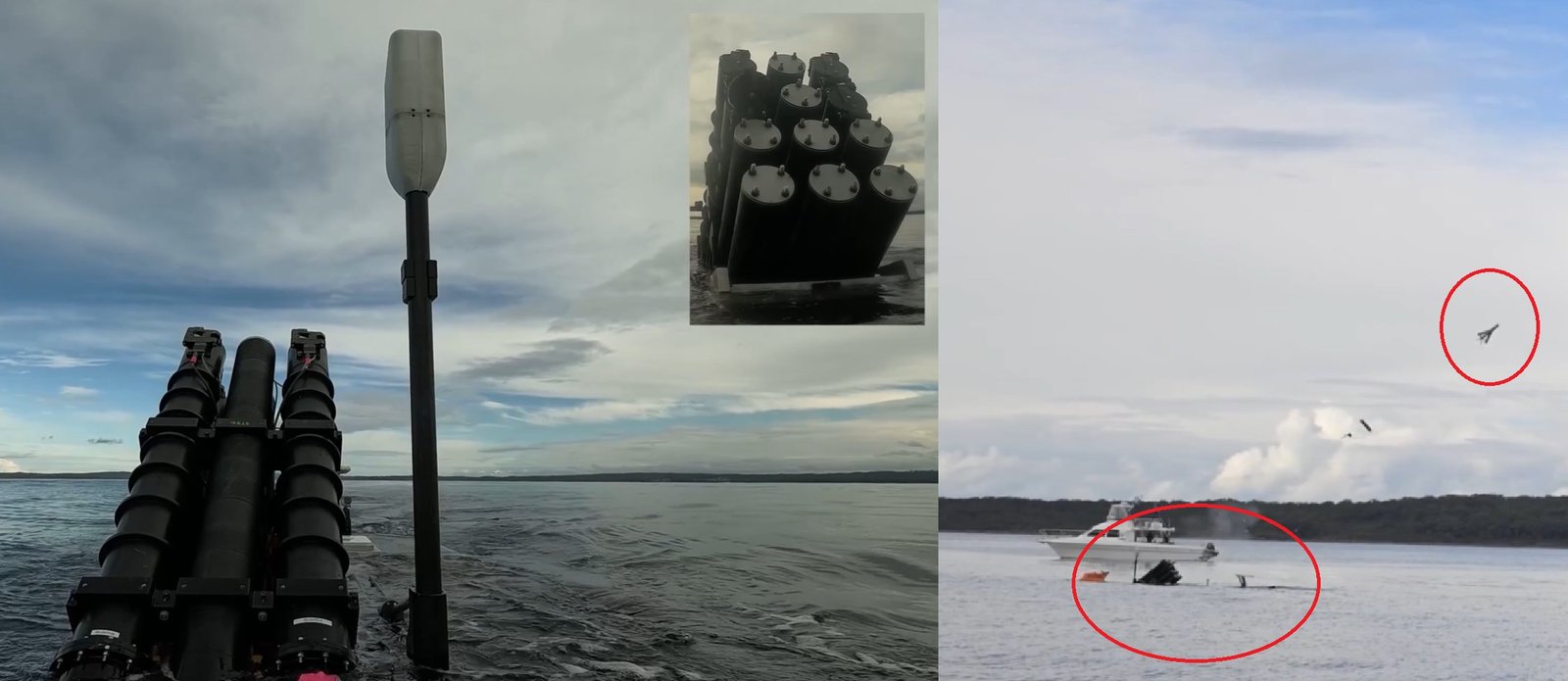 Australia Unveils Ghost Shark Autonomous Submarine’s Mine, Drone and Logistics Capabilities
-
U.S. Military to Ban Chinese Automaker BYD Vehicles from Kadena Air Base in Japan Over Security Concerns
-
 L3Harris Opens ‘Arsenal of Freedom’ Rocket Motor Plant in Arkansas to Double Production Capacity
-
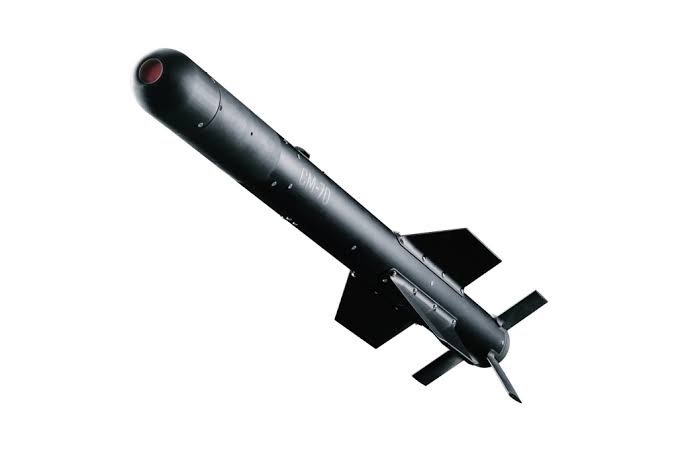 CSG and North Vector Dynamics Sign MoU to Explore European Production of CM-70 Counter-Drone Interceptor
