World
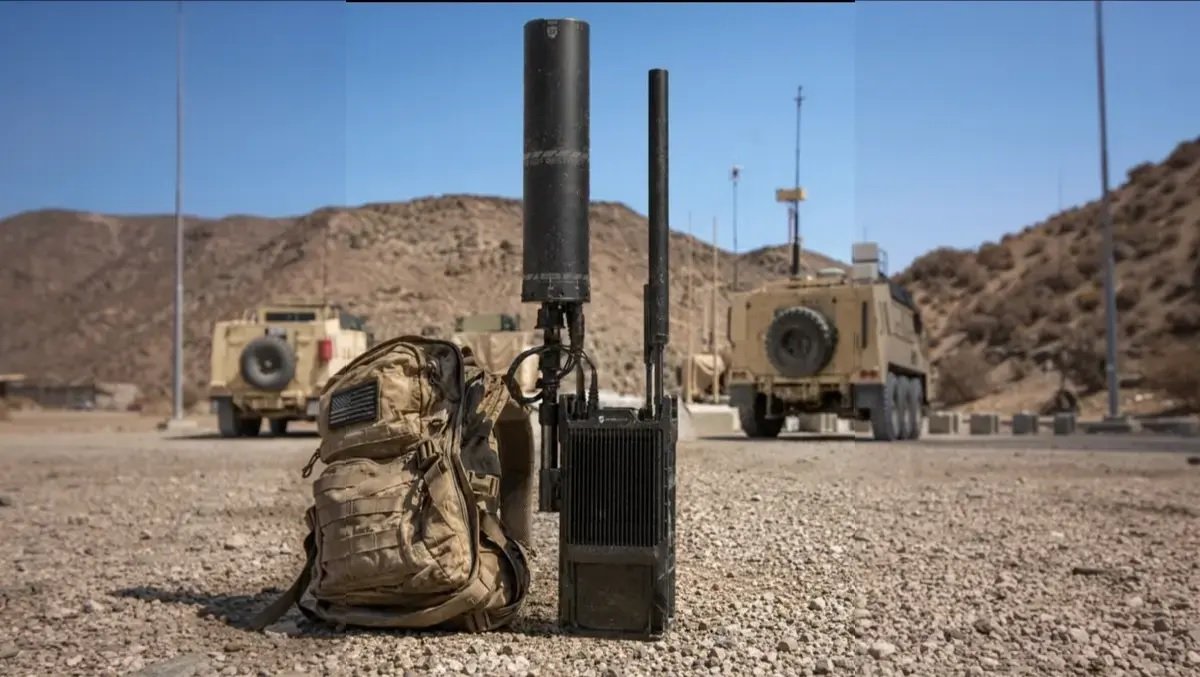
SYDNEY, Australia — Australian defence technology company DroneShield (ASX: DRO) has launched RfRecon, a portable radio frequency (RF) intelligence system designed to help defence, government and security organisations detect, identify, locate and assess activity across the electromagnetic environment. The new system builds on DroneShield’s recently introduced RfAI-3 intelligence architecture, which was unveiled on July 28, 2026. RfRecon combines wideband RF spectrum awareness, precision direction finding and AI-based signal intelligence in a single portable platform. The company said the system is intended to provide operators with more than raw spectrum data by helping them understand RF activity and use that information during operations. DroneShield said the increasing use of uncrewed systems, electronic warfare capabilities and wireless communications has made the RF environment more complex for operators. Higher Processing and RF Coverage According to DroneShield, RfRecon provides approximately six times greater RF spectrum coverage, four times more processing and AI compute capacity, 31 times more storage and eight times more memory compared with previous industry-adopted solutions cited by the company. The system also adds several capabilities, including direction finding, Bluetooth and Wi-Fi detection, Remote ID, AIS/ADS-B detection, integrated GNSS and hardware-based security. These capabilities are intended to allow the device to collect and process RF information while also providing information about the location and nature of detected activity. Built Around RfAI-3 RfRecon is powered by DroneShield’s third-generation RF intelligence engine, RfAI-3. DroneShield introduced RfAI-3 on July 28 and said it changes its approach from relying primarily on previously catalogued RF signatures to wideband detection of emissions across the spectrum. When a detected emission matches a known signature, the system can classify it. For unfamiliar emissions, RfAI-3 can generate a new signature and provide a confidence assessment to the operator. DroneShield said RfAI was originally developed in 2018, while RfAI-2 was released in 2023. The company describes RfAI-3 as the next stage of that development, combining its existing RF intelligence dataset with wideband detection of previously unseen emissions. The company also says RfAI-3 is designed for edge deployment, allowing RF intelligence to be generated during operations without depending on cloud connectivity. Its software-defined architecture is intended to allow continued improvements through software updates. Designed for Different Operational Environments RfRecon can be used in dismounted, vehicle-mounted, expeditionary and fixed-site operations, according to DroneShield. The system uses an open architecture and supports industry-standard data transfer for integration with existing defence and security systems. DroneShield specifically identifies compatibility with ATAK (Android Team Awareness Kit), third-party command-and-control platforms and complementary sensor technologies. The company also said RfRecon can operate as part of a layered counter-uncrewed aircraft system (C-UAS) architecture alongside cyber takeover and kinetic defeat capabilities. DroneShield plans to continue providing software enhancements for the system through its software development roadmap, allowing future RF intelligence improvements to be delivered to the platform. Available to Qualified Customers DroneShield said RfRecon is available immediately to qualified defence, government and security customers worldwide. The launch follows the introduction of RfAI-3, which DroneShield says is designed for its next-generation hardware platforms, with initial releases planned during the second half of 2026 and additional releases expected through 2027. RfRecon therefore represents the hardware platform through which DroneShield is bringing its latest RF intelligence architecture into a portable system, combining RF detection, direction finding, signal intelligence and integration capabilities for use at the tactical edge.
Read More → Posted on 2026-08-10 11:10:33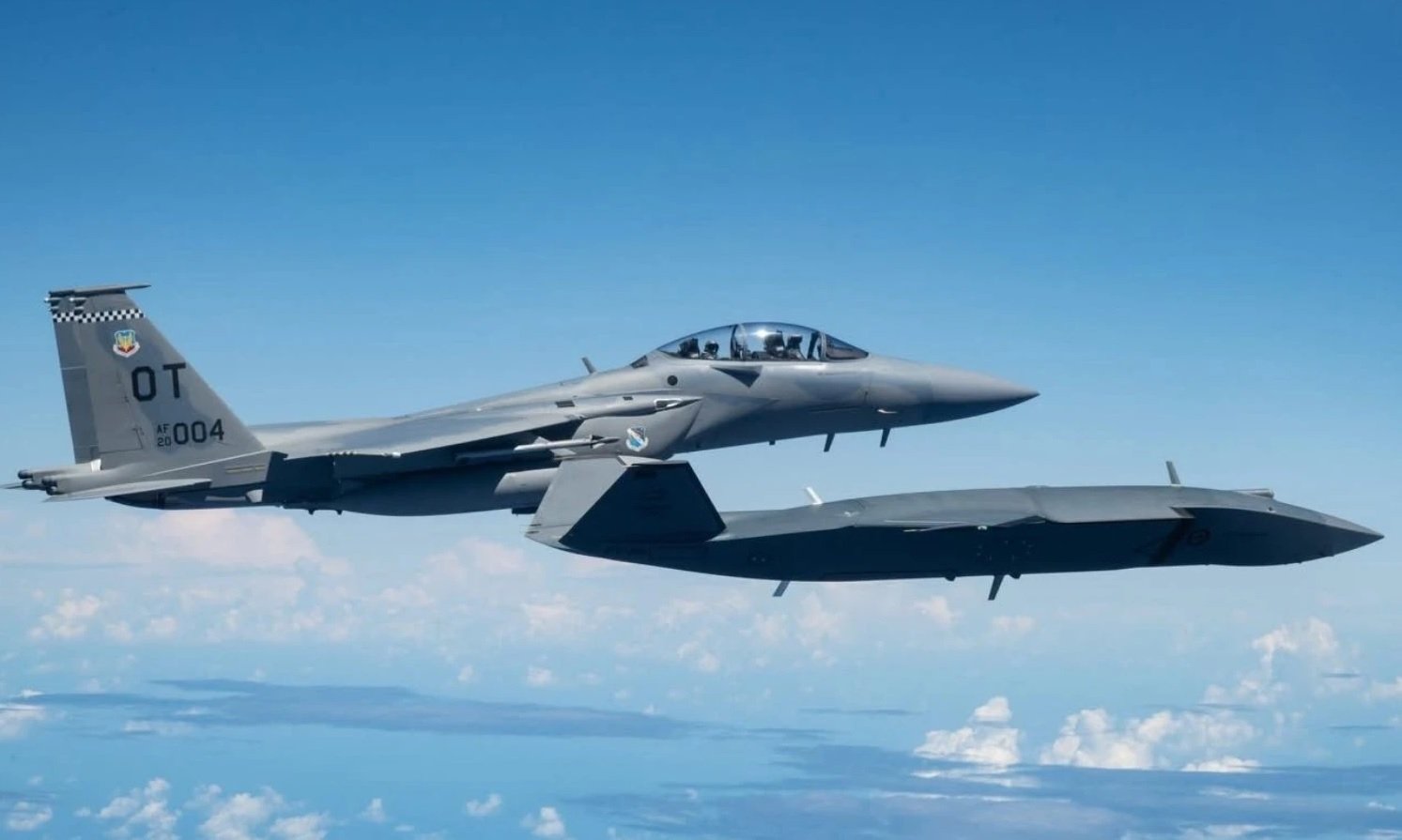
Europe
BERLIN — Boeing and Rheinmetall are offering the MQ-28 Ghost Bat as a mature platform for Germany’s planned Collaborative Combat Aircraft (CCA) capability, with the companies targeting a 2029 deployment for the German Air Force. The proposal would use the existing, flight-tested MQ-28 instead of developing a completely new aircraft. German sensors, weapons and mission software would be integrated into the platform, with Rheinmetall serving as the lead system integrator in Germany. German-Controlled Integration Rheinmetall plans to establish independent system integration for the MQ-28 in Germany. Under the proposed model, software development, mission integration and intellectual property would remain under German control. “Germany does not have to choose between speed and independence. We offer a way to achieve both at the same time,” said Mike Schmidt, CEO of Rheinmetall’s Air, Uncrewed and Space business unit. “The MQ-28 enables us to bypass the lengthy development phase of a new aircraft and go directly to the decisive task: making the capabilities of unmanned combat air systems available to the German Air Force,” Schmidt added. Boeing and Rheinmetall have also established a German industrial network involving Rohde & Schwarz, Diehl Defence and HENSOLDT to support the development and integration of national technologies. MQ-28 Flight-Test Experience The MQ-28 Ghost Bat was originally developed and manufactured in Australia for the Royal Australian Air Force. The aircraft has completed more than 150 test flights and has participated in multinational military exercises, including the US-led Valiant Shield. Boeing Defense Australia’s Global Director for the MQ-28 program, Glen Ferguson, said the aircraft has already passed development stages that other CCA programs are still working through. “While many CCA programs worldwide are still in the concept, definition or early test phase, the MQ-28A Ghost Bat has already gone through these essential development steps,” Ferguson said. The MQ-28 is being developed for both air-to-air and air-to-ground missions, with Boeing continuing development of its air-to-ground capabilities. Modular Design and Digital Development Boeing says the MQ-28 has a modular architecture designed to support continued adaptation to changing mission requirements. Ferguson said the aircraft can be adapted for new missions, including air-to-ground operations, without treating each change as a basic retrofit. The program is also supported by a digital twin of the aircraft, which provides an environment for engineers to simulate and test system changes. For Germany, the MQ-28 could also serve as a development and test platform for tactics, training and force-structure planning involving crewed and uncrewed aircraft. “If the goal is to achieve such a capability by 2029, this work must begin today with the development of tactics, training, definition of force structure and the integration of sovereign technologies,” Ferguson said. The experience gained from integrating German technologies onto the MQ-28 could also support Germany's future participation in European uncrewed combat aircraft programs. The Boeing-Rheinmetall proposal therefore combines an existing flight-tested platform with German-led technology integration, with the stated objective of helping Germany establish a CCA capability by 2029.
Read More → Posted on 2026-08-10 10:54:51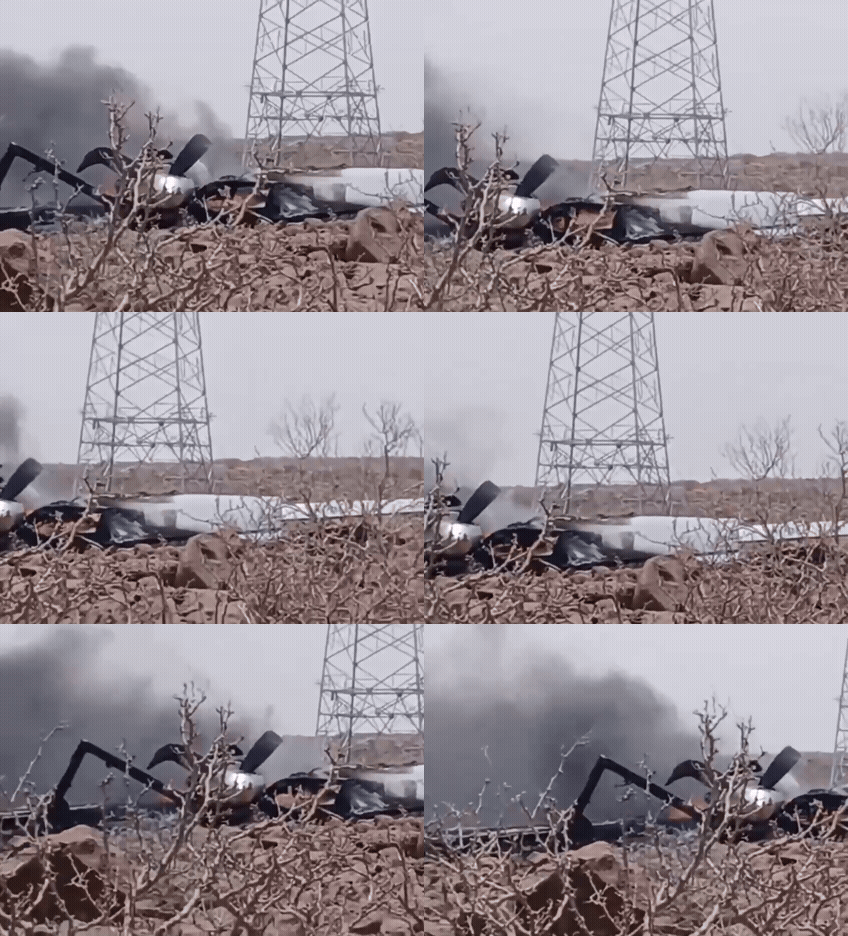
U.S
DJIBOUTI — A US Air Force MQ-9 Reaper drone crashed on Sunday near Chabelley airfield in Djibouti, according to reports and official statements. The US Embassy in Djibouti first noted the situation earlier in the day. It said it was tracking an aircraft in distress in Djiboutian airspace and advised the public to avoid the area around Chabelley airbase until further notice. Later, the embassy confirmed an incident involving a US military aircraft in the vicinity of Chabelley Airfield. It stated that the matter is under investigation. Initial reports showed no casualties and no property damage on the ground. US personnel are coordinating with Djiboutian authorities. Media inquiries were directed to United States Africa Command. A US military official confirmed the aircraft was an MQ-9 and said it was not shot down. Local reports and open-source accounts identified the drone as operating from the US facility at Chabelley, which hosts MQ-9 aircraft used for regional missions. The crash occurred near the airfield, with some accounts placing it near a local cemetery area. No injuries or ground damage were reported. Chabelley airfield supports US Air Force operations in the region. The incident is under investigation, and further details on the cause have not been released by US or Djiboutian authorities at this time. Iranian media outlets reported the crash and referenced the embassy’s earlier advisory. Some of those reports suggested other factors, but US officials have stated the drone was not shot down.
Read More → Posted on 2026-08-09 16:12:25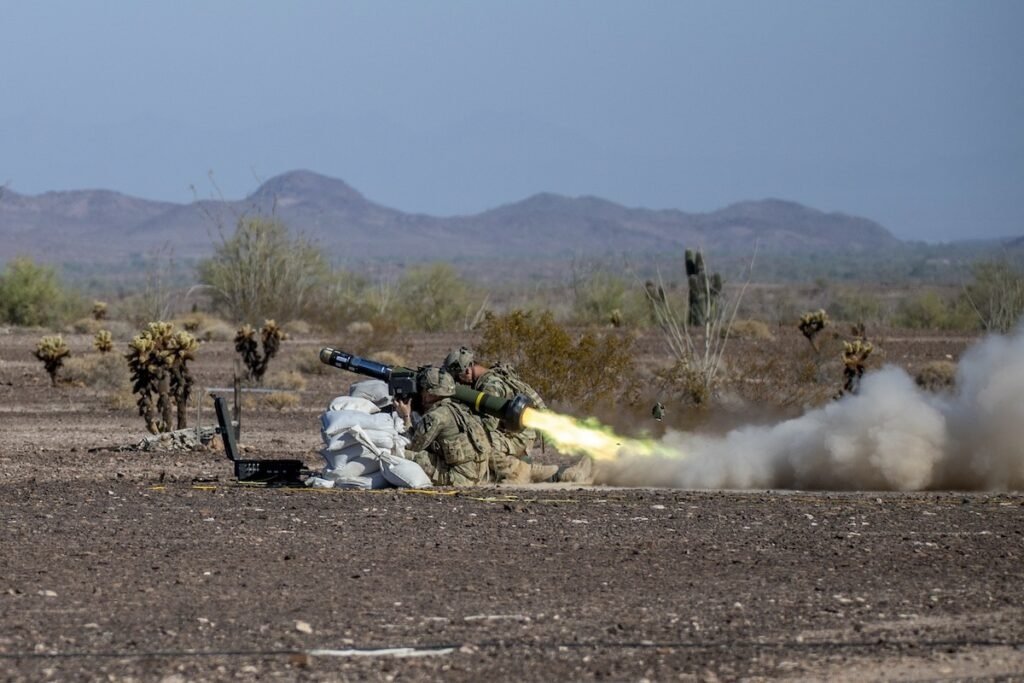
U.S
SAN DIEGO — Kratos Defense & Security Solutions has received a U.S. Army contract to develop, manufacture and test an enhanced infrared seeker for the FGM-148 Javelin anti-tank guided missile. The contract, awarded on August 6 by the U.S. Army Combat Capabilities Development Command (DEVCOM) C5ISR Center, focuses on replacing obsolete components in the Javelin's existing guidance section and developing a production-ready seeker for continued long-term use. Kratos will conduct development and manufacturing at its Advanced Manufacturing Center in Birmingham, Alabama. The completed seeker will then undergo testing at U.S. Army government facilities. New seeker to address aging components The Javelin's infrared seeker is responsible for detecting and tracking the target after launch. Its fire-and-forget capability allows the operator to lock onto a target before firing, after which the missile tracks the target independently. The new Kratos seeker is intended primarily to address obsolescence in the current guidance section. Some older semiconductor, detector and manufacturing technologies used in military systems can become unavailable as suppliers discontinue older product lines. The contract therefore focuses on providing a production-ready replacement that can be manufactured and supported for the Javelin's continued service. Overall development, production and support of the Javelin system remain with the Lockheed Martin-RTX Javelin Joint Venture. Lockheed Martin currently supplies the existing seeker, while Raytheon is responsible for the Command Launch Unit, related guidance electronics and system software. Kratos will develop the next-generation seeker. Javelin modernization continues The seeker program follows the U.S. Army's introduction of the Lightweight Command Launch Unit (LWCLU). The first LWCLUs were delivered to the Army on May 26, 2026. The new unit is 25 percent lighter and 30 percent smaller than the legacy Block 1 Command Launch Unit and provides roughly twice the target detection and recognition range. It is compatible with current, past and future Javelin missile variants. Raytheon has invested $22 million to modernize its Tucson, Arizona, production facility to support higher LWCLU production rates. The Javelin missile production line is also being expanded. Lockheed Martin is increasing annual production capacity to 3,960 missiles by late 2026, compared with the previous capacity of 2,400 missiles per year. The expansion includes additional tooling, testing equipment and supply-chain capacity. Long-term Javelin production The Javelin entered U.S. service in 1996 and replaced the wire-guided M47 Dragon. Full-rate production began in 1994, and more than 50,000 missiles had been delivered by 2021. The system is expected to remain in U.S. service through at least 2050. Its combination of a portable launcher, imaging infrared seeker and fire-and-forget guidance allows infantry units to engage armored targets without maintaining guidance after launch. The Javelin has also been widely supplied to Ukraine since Russia's full-scale invasion in 2022. Those transfers increased the requirement for additional U.S. production and subsequent replenishment of U.S. inventories. The Kratos contract adds a new element to the broader Javelin modernization effort. While the LWCLU addresses the weapon's launch and target-acquisition equipment and Lockheed Martin expands missile production, Kratos will replace the aging seeker technology inside the missile. The new seeker is intended to keep the Javelin's guidance system supportable and suitable for continued production as the U.S. Army maintains the weapon for long-term service.
Read More → Posted on 2026-08-09 16:09:32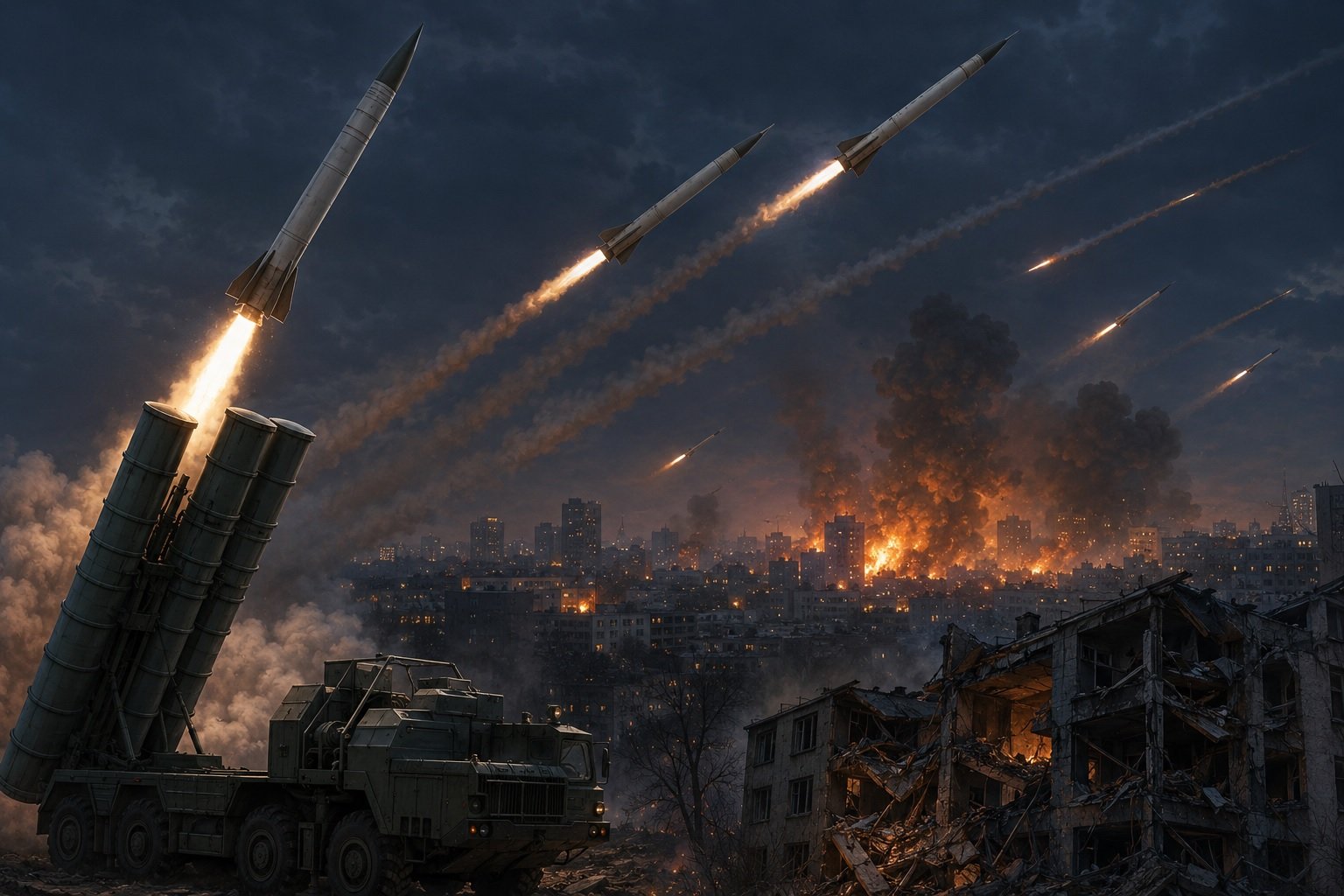
World
KYIV, Ukraine — Russia is increasingly using missiles originally developed for the S-300 and S-400 air-defense systems against ground targets in Ukraine, adding another source of ballistic threats to its long-range strike arsenal. The use of these missiles has been reported for several years, but Ukraine's military intelligence says Russia is now also producing the RM-48U, a missile based on older surface-to-air missiles, specifically for use against ground targets. The development comes as Russia continues to combine these weapons with dedicated ballistic missiles such as the Iskander-M. The latest example came during the Russian attack on the night of August 5, 2026, when Russia launched 24 missiles classified by Ukraine's Air Force under the combined "Iskander-M/S-400" category. The main direction of the attack was the Kyiv region. Ukrainian air defenses did not report intercepting any of these 24 ballistic missiles. The attack also included four Zircon/Oniks missiles and 115 drones, of which 98 were reported shot down or suppressed. Ukrainian officials said the attack killed at least 17 people and injured dozens in the Kyiv area. From air-defense missiles to ground attacks The S-300 and S-400 are families of air-defense systems designed primarily to engage aircraft and missiles. Their missile inventories include several variants with different ranges and capabilities. Russia began using S-300 missiles against ground targets in Ukraine after the full-scale invasion in 2022. The missiles were originally designed for air-defense missions but can be used against fixed ground coordinates. The capability itself is not new. Russian forces have previously conducted exercises involving S-300 missiles against simulated ground targets. Russian reporting on exercises at the Telemba training range described S-300 launches against ground-based targets. The use of these missiles in Ukraine has provided Russia with another way to conduct strikes, particularly against targets within the range of the available missile variants. RM-48U adds another source of ballistic targets A more recent development is the RM-48U. The missile is based on older 5V55 and 48N6 surface-to-air missiles that have been removed from normal air-defense service and converted for training or other purposes. Ukrainian sources reported the first combat use of RM-48U missiles against ground targets during the January 19–20, 2026 attack. The exact configuration used in that attack was initially unclear, including whether the missiles carried live warheads or were being used as target missiles. Ukraine's Defence Intelligence later reported that Russia was producing RM-48U strike missiles in significant numbers. According to Ukrainian intelligence data published in June 2026, Russia produced more than 200 RM-48U missiles in 2025 and planned to produce more than 480 in 2026. Current production was assessed at up to 50 missiles per month. This production rate is significant because it indicates that the use of converted air-defense missiles is not limited to isolated launches from old stockpiles. Different missiles are involved The S-300 and S-400 designations cover several missile types, so identifying fragments as belonging to an S-300 or S-400 family does not always establish the exact missile variant. The 5V55R is an older S-300 missile weighing about 1.66 tonnes and carrying a high-explosive fragmentation warhead of approximately 130 kg. Its standard air-defense range is considerably shorter than that of later missiles. The 48N6 family is larger, with a missile weight of about 1.8 tonnes and warheads reported in the 143–180 kg range depending on the variant. The S-400 also uses newer missiles, including the 40N6. The 40N6 is designed for long-range air-defense missions, with a claimed air-target interception range of up to about 400 km. However, an air-interception range should not automatically be treated as the missile's ground-strike range. The flight profile, guidance conditions and target type are different. There is also no confirmed public evidence that the 40N6 is being systematically used as a surface-to-surface weapon. Why Russia can use them against ground targets When employed against ground targets, these missiles can be launched toward predetermined coordinates rather than being used to intercept aircraft. Their guidance arrangements vary by missile and mission. Some rely on inertial guidance combined with radio-command corrections. Once a missile moves beyond the practical range of continuous ground-based correction, it can continue along its calculated trajectory. This gives the missiles a ballistic or semi-ballistic flight profile when used against ground targets. Their high speed also leaves a relatively short period between launch and impact. Ukrainian and Western assessments have reported very high terminal speeds for some 48N6-family missiles. However, exact performance varies by missile version and launch profile, so air-defense specifications should not automatically be applied to ground attacks. The main limitation is accuracy. These missiles were not originally designed as precision surface-to-surface weapons. Their warheads are intended primarily for air targets and are not equivalent to specialized penetrating warheads used against hardened structures. As a result, using an S-300 or S-400 missile against a ground target does not make it equivalent to an Iskander-M. The two weapon classes were developed for different missions. Earlier use in Ukraine Russia's use of S-300 missiles against ground targets became particularly visible in 2022 and 2023. On September 30, 2022, Russian forces launched 16 S-300 missiles at Zaporizhzhia. Four missiles struck an area where a civilian convoy was gathered. Ukrainian authorities reported 32 people killed and 118 injured. On April 14, 2023, S-300 missiles were used against Sloviansk. Ukrainian authorities reported eight deaths and 21 injuries in the attack. On October 21, 2023, two S-300 missiles struck a Nova Poshta terminal in Korotych in the Kharkiv region. The final reported toll was eight people killed and 15 injured. These attacks demonstrated how Russia could use air-defense missiles for ground strikes against targets relatively close to Russian-controlled territory. S-400 missiles have also been used against ground targets The use of S-400-family missiles has expanded the potential range of this tactic. Ukrainian authorities have previously reported the use of 48N6-family missiles from the S-400 system against ground targets, including strikes associated with the Kyiv area. However, the Ukrainian Air Force's combined designation "Iskander-M/S-400" does not mean that every missile in that category is necessarily an S-400 missile. It groups missiles according to the systems associated with their reported launches or identification. Exact identification can require examination of recovered missile components. This distinction is important because the S-300 and S-400 families use several different missile types, and some missiles are compatible with more than one version of the system. S-400 missiles in the 2026 attacks The use of the combined "Iskander-M/S-400" category became particularly notable during several attacks in the summer of 2026. According to Ukrainian Air Force reporting cited in recent coverage, the attacks included: July 2: 24 missiles in the combined Iskander-M/S-400 category, with four reported intercepted. July 6: 23 missiles in the same category, with no ballistic missile interceptions reported. August 1: 27 missiles, with one reported interception. August 5: 24 missiles, with no reported interceptions. The August 5 attack also included four Zircon/Oniks missiles and 115 drones. Ukrainian air defenses reported neutralizing 98 of the drones. The main direction of the missile attack was Kyiv and the surrounding region. The available public information does not establish the exact proportion of S-400 missiles within each combined "Iskander-M/S-400" figure. The air-defense challenge The growing use of ballistic and quasi-ballistic missiles creates a difficult problem for Ukraine's air-defense network. Systems such as Patriot and SAMP/T are among the systems capable of engaging ballistic missile threats. Their interceptor missiles, however, are limited compared with the number of ballistic and other high-speed weapons Russia can launch. Ukraine's Defence Intelligence assessed in June 2026 that Russia could launch up to 100 ballistic missiles per month while maintaining a stable stockpile. The assessment included production of up to 700 9M723 ballistic missiles for the Iskander-M system in 2026, at a monthly rate of about 55–60 missiles, along with more than 480 RM-48U missiles planned for the year. The RM-48U therefore adds another category of high-speed targets to Russian missile attacks without being a direct replacement for the Iskander-M. For Ukraine, the challenge is not limited to identifying the incoming missile. Air-defense operators must also determine which targets require interception and allocate a limited number of suitable interceptors against incoming ballistic threats. A growing role for converted missiles Russia's use of S-300 and S-400 missiles against ground targets shows how an air-defense missile inventory can be adapted for another role during a prolonged conflict. The RM-48U program takes this further by converting older missiles into a separate source of ground-attack or training targets. Ukrainian intelligence's reported production figures indicate that Russia is producing these missiles in quantities large enough to become a regular component of its strike arsenal. At the same time, these weapons should not be treated as direct equivalents of purpose-built ballistic missiles. Their original design, guidance systems, warheads and intended missions are different. The significance of the development is therefore mainly in the additional number and variety of high-speed targets that Russia can introduce into combined attacks. The August 5 strike on Kyiv demonstrated the continuing difficulty Ukraine faces in defending against large ballistic missile salvos when interceptor availability is limited. Source : oboronka
Read More → Posted on 2026-08-09 16:04:31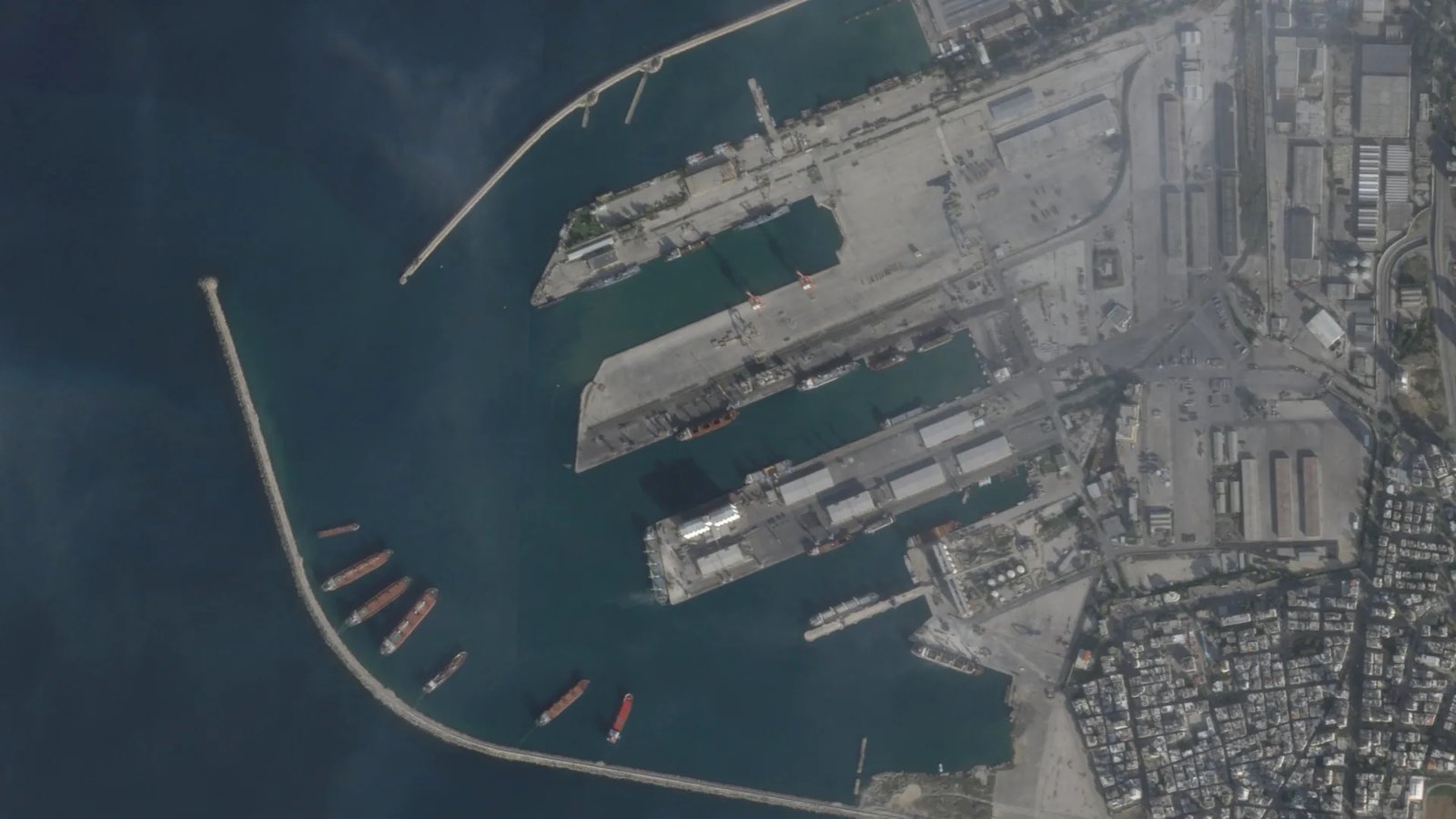
World
DAMASCUS — Syria and Russia have signed a memorandum of understanding establishing a new framework for Russia’s presence at the Hmeimim airbase and Tartus naval facility. The agreement was announced Sunday by Syria’s Ministry of Foreign Affairs and Expatriates through the official Syrian Arab News Agency (SANA), following about 18 months of negotiations between the two sides. Civilian Facilities to Be Transferred to Syria Under the memorandum, Syria will take over civilian facilities associated with the Russian installations. The transfer includes Hmeimim Airport and the fourth commercial berth at the port of Tartus, along with associated warehouses and facilities. These sites will be gradually integrated into Syria’s civilian administration. Syria’s General Authority for Ports and Customs will assume control of the commercial facilities at Tartus that were previously operated by Russia. Military Facilities to Become Joint Training Centers The agreement also changes the planned role of the military installations at Hmeimim and Tartus. The two sides have agreed to transform the facilities into joint training and qualification centers under new arrangements intended to preserve the interests of both countries through cooperation, development and rehabilitation. The memorandum sets a maximum period of three months to complete the transition. The new arrangements will take effect after this period. Agreement Follows Changes in Syria The negotiations began after the ousting of former Syrian President Bashar al-Assad in December 2024, when the future of Russia’s military presence in Syria became a subject of discussions between Moscow and the new Syrian authorities. Hmeimim, near Latakia, and the Tartus naval facility have been Russia’s main military installations in Syria. The Syrian Foreign Ministry described the memorandum as the most significant development since negotiations began approximately 18 months ago, saying it establishes the framework for the next stage of Syrian-Russian relations. Syrian Foreign Minister Asaad al-Shaibani visited the facilities covered by the agreement on Sunday to inspect the sites and installations, according to SANA.
Read More → Posted on 2026-08-09 14:37:11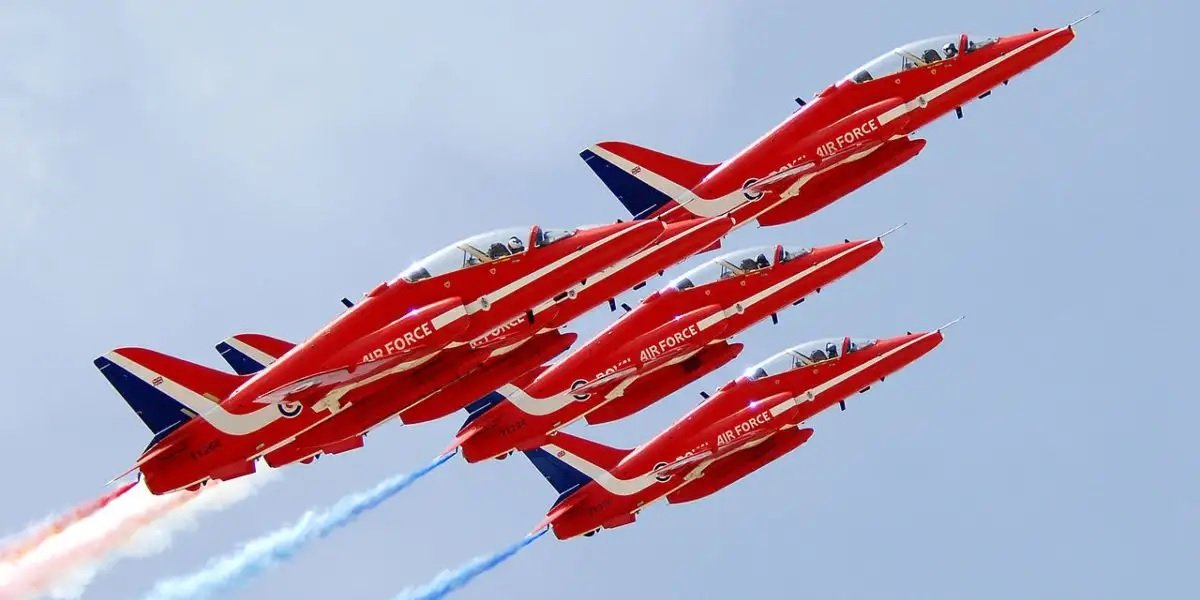
Europe
LONDON, UK — The UK Ministry of Defence (MoD) has opened market engagement for a new Jet Training System to replace the ageing Hawk aircraft used by the Royal Air Force’s Red Arrows and support future fast-jet pilot training. The programme, listed under project code 700004994-RFI, is part of the UK government’s Defence Investment Plan 2026, which commits £360 million to the full recapitalisation of the Jet Training System. The investment includes new aircraft for the Red Arrows and is intended to provide a modernised training capability for UK and international fast-jet training requirements. The MoD says the new system will also support the transition towards fifth- and sixth-generation air systems and will include a significant UK workshare. Hawk T1 replacement The Hawk T1 entered Royal Air Force service in 1976 and has been flown by the Red Arrows since 1979, when the team moved from the Folland Gnat. The aircraft is now approaching the end of its service life, with the Hawk T1 scheduled to leave UK service in 2030. It is no longer used for the RAF's main advanced fast-jet training role, although the Red Arrows and a small number of other operators have continued to fly the type. The new programme will provide a replacement aircraft for the Red Arrows while also addressing the wider requirement for a modern fast-jet training system. Current fast-jet training Advanced fast-jet training for RAF and Royal Navy pilots is currently conducted using the Hawk T2 at RAF Valley in Wales under the UK Military Flying Training System. The Hawk T2 has experienced availability problems in the past, which have affected the military flying-training pipeline. The National Audit Office and parliamentary committees have previously examined problems affecting the UK's military flying-training system. The MoD is now developing the replacement requirement as part of its wider effort to modernise military pilot training. International competition The UK no longer has an active Hawk production line. BAE Systems closed the Hawk production line in 2020 after completing its final export orders. Potential aircraft available on the international market include the Boeing-Saab T-7A Red Hawk, Leonardo M-346 and Korea Aerospace Industries T-50 family. These aircraft are among the established jet-training platforms that could potentially meet elements of the UK's future requirement. BAE Systems has partnered with Boeing and Saab to promote the T-7 for the UK requirement. Leonardo has also been associated with the competition. The British company Aeralis, which was developing a modular jet trainer concept, had also been pursuing the requirement. The company entered administration in May 2026 following funding difficulties. The MoD's requirement for significant UK workshare means industrial participation will be an important part of any future procurement. Link to future combat aircraft The replacement training system is being developed as the RAF prepares for future generations of combat aircraft. The UK is continuing to expand its F-35 capability and is working with Italy and Japan through the Global Combat Air Programme (GCAP), which is intended to deliver a next-generation combat aircraft from 2035. The Defence Investment Plan also includes funding for Collaborative Combat Aircraft that will operate alongside crewed combat aircraft. A modern training system will therefore need to prepare pilots for increasingly advanced aircraft and operating concepts. Procurement process The current Request for Information is an early market-engagement exercise. It is being used by the MoD to gather information from potential suppliers before the detailed requirement, delivery approach and procurement strategy are finalised. Interested companies have been asked to provide their details, a point of contact and their areas of interest to the programme team. The deadline for submissions is 11 September 2026. The MoD has made clear that the exercise is for information gathering only. It is not an invitation to tender and does not represent a commitment to procure a particular aircraft. The aircraft type, number of aircraft and exact delivery schedule have not yet been confirmed. The programme will determine those details as the procurement process develops.
Read More → Posted on 2026-08-09 14:32:02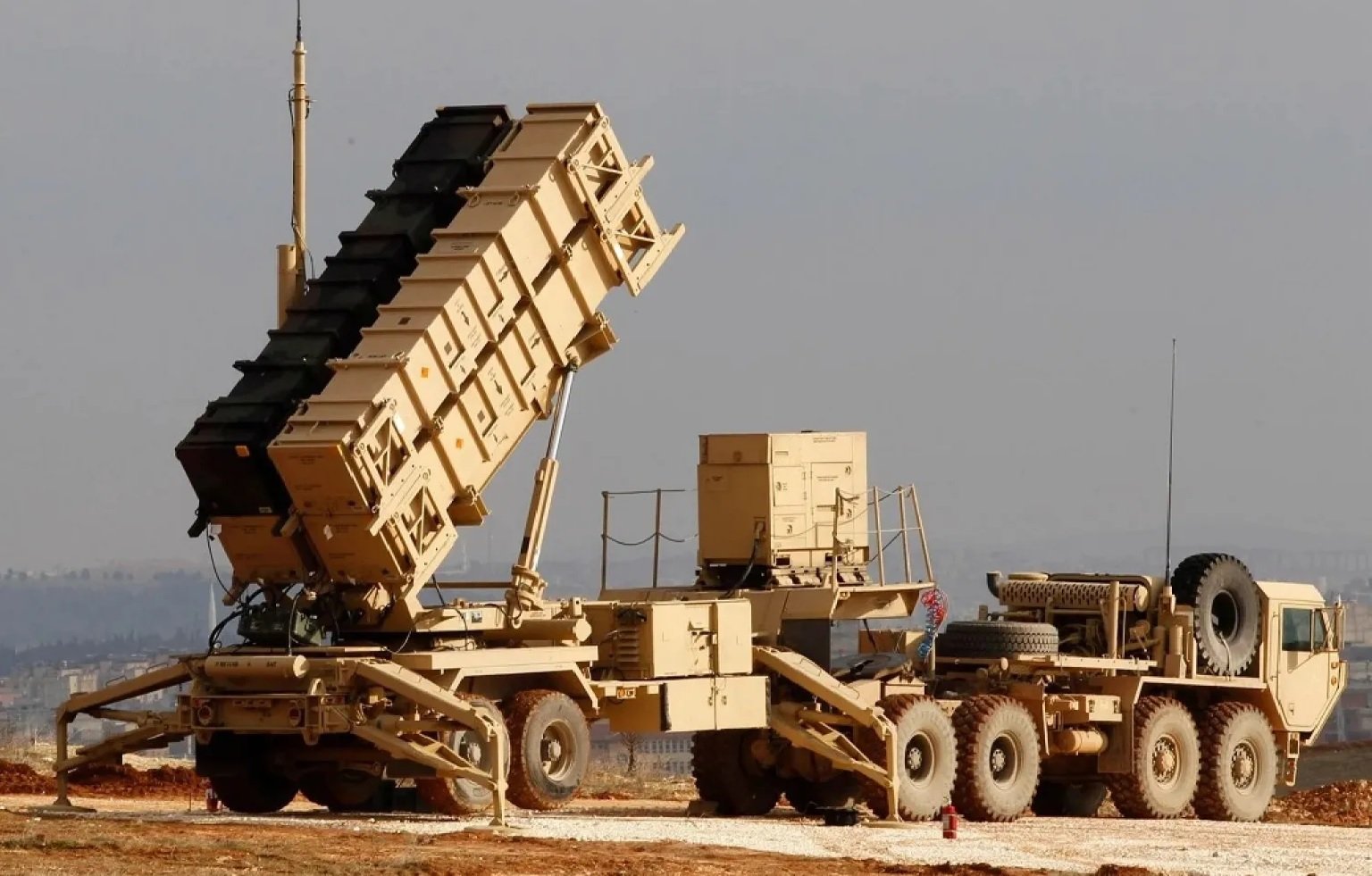
Europe
HELSINKI — Finland will not transfer additional air-defense interceptor missiles to Ukraine if doing so would weaken its own military readiness, Finnish Defense Minister Antti Häkkänen said. In an interview with Finnish newspaper Ilta-Sanomat published around August 8, Häkkänen said Finland had already provided substantial military assistance to Ukraine but could not risk its own air-defense capabilities. “We have done significantly more than could be expected from a country of our size, but as a frontline country, we cannot jeopardize our own air defense readiness,” Häkkänen said. Finland does not operate the Patriot air-defense system and does not possess Patriot interceptor missiles. Häkkänen said Finland has certain air-defense missile capabilities but did not disclose further details. The decision comes as Ukraine continues to seek additional Patriot interceptors from countries operating the U.S.-made system. Finland's Continued Support for Ukraine Finland has continued to provide military assistance while taking the resource requirements of its own armed forces into account. In May 2026, Finland announced its 33rd defense materiel assistance package for Ukraine, worth about €128 million. The Finnish government said the total value of defense materiel delivered to Ukraine had reached approximately €3.4 billion. Details of the equipment were not disclosed for operational and security reasons. Finland has also supported Ukraine's air-defense requirements through the NATO-U.S. Prioritised Ukraine Requirements List (PURL) initiative. In June, Helsinki announced an additional €40 million contribution to the program, which allows European allies and Canada to finance U.S.-sourced defense equipment for Ukraine. Häkkänen has pointed to increased U.S. defense production as a way to address Ukraine's shortage of Patriot interceptors rather than further reducing European national stocks. Ukraine Seeks Additional Patriot Interceptors Ukrainian President Volodymyr Zelenskyy has repeatedly called on countries with Patriot systems and compatible missile stocks to provide additional interceptors. Germany and Poland have been among the countries identified by Kyiv as potential sources of additional assistance. However, countries providing Patriot missiles must also consider their own air-defense requirements and available stocks. Warning Ahead of Winter Häkkänen also warned that the coming winter could be particularly difficult for Ukraine. He said Russia is expected to continue targeting Ukrainian energy infrastructure, increasing the importance of air-defense systems for protecting critical energy facilities. The Finnish minister said expanding U.S. defense production would be important for addressing the interceptor shortage. He also criticized bureaucratic delays and called for faster decisions to increase military production. Finland's decision does not end its military support for Ukraine. Helsinki continues to provide defense materiel and financial assistance through initiatives such as PURL. In June 2026, Finland and Ukraine also signed a memorandum covering quality-assurance cooperation in defense-industry production. Häkkänen's latest comments indicate that Finland will continue supporting Ukraine while maintaining the level of air-defense readiness it considers necessary for its own national security.
Read More → Posted on 2026-08-09 14:13:17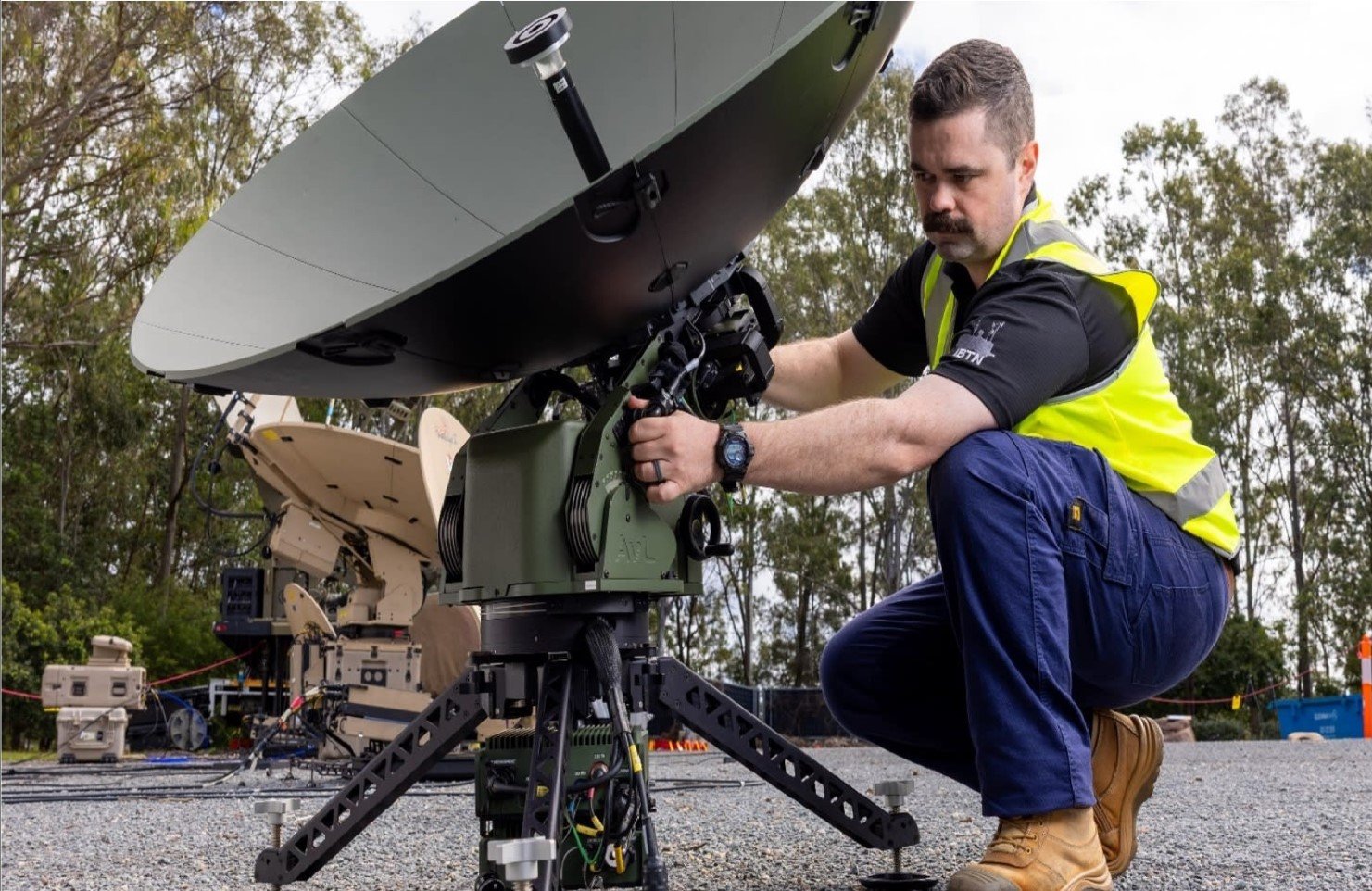
World
BRISBANE, Australia — Boeing Defence Australia (BDA) has secured its second contract under Australia’s LAND 4140 program to supply next-generation Class Two Beyond Line-of-Sight (BLOS) satellite communications ground terminals to the Australian Defence Force (ADF). The terminals will use high-speed, wideband satellite communications links to provide reliable connectivity beyond direct line of sight. The capability is intended to support continuous data flow for Australian forces operating in complex and contested environments. Matt Buckle, director of Joint Systems at Boeing Defence Australia, said the system would help connect Australia’s Integrated Force across multiple domains. “Underpinned by high-speed, wideband SATCOM links, the advanced BLOS system will ensure uninterrupted data flow that allows the Australian Defence Force to connect when needed and operate with confidence when it matters most,” Buckle said. Building on Existing Communications Infrastructure The new capability will build on the secure Integrated Battlefield Telecommunications Network (IBTN), which Boeing Defence Australia previously delivered to the ADF under the Currawong program. Boeing said its experience with the network provides a foundation for supporting Defence’s wider software and communications modernisation under LAND 4140. The company has supported Australian Defence communications and networking programs for more than a decade. Its work includes the IBTN, the SEA 1442 maritime communications project and its role as a subcontractor on AIR 6500. Boeing’s Second LAND 4140 Contract The BLOS SATCOM award follows Boeing Defence Australia’s appointment earlier in 2026 as systems integrator for the LAND 4140 Battlefield Management System (BMS). The BMS contract became effective on March 6, 2026, with an operative date scheduled for September 2026 and an initial term of five years. Under the BMS contract, Boeing is responsible for coordinating the consolidation of software applications, services and stakeholders to deliver a unified command-and-control capability for the Australian Army. The system brings together command and control, situational awareness, geospatial, navigation and targeting information. The new SATCOM terminals will provide the beyond-line-of-sight communications needed to transmit this type of operational information between geographically separated elements of the force. LAND 4140 C4 Modernisation LAND 4140 is Australia’s Land C4 Modernisation Project, which aims to upgrade the Australian Army’s command, control, communications and computers capabilities. The program is designed to improve the integration of command and control, intelligence, sensors and weapon-system effectors for joint land force operations. Tranche 1 includes Beyond Line-of-Sight SATCOM, High Capacity Data Networking, ICT Mobility, Network Modelling and Modular Open System Standards. The latest Boeing contract therefore adds the BLOS communications component to the company’s existing role in the LAND 4140 Battlefield Management System, expanding its involvement in Australia’s land-force communications and information-system modernisation.
Read More → Posted on 2026-08-09 12:58:27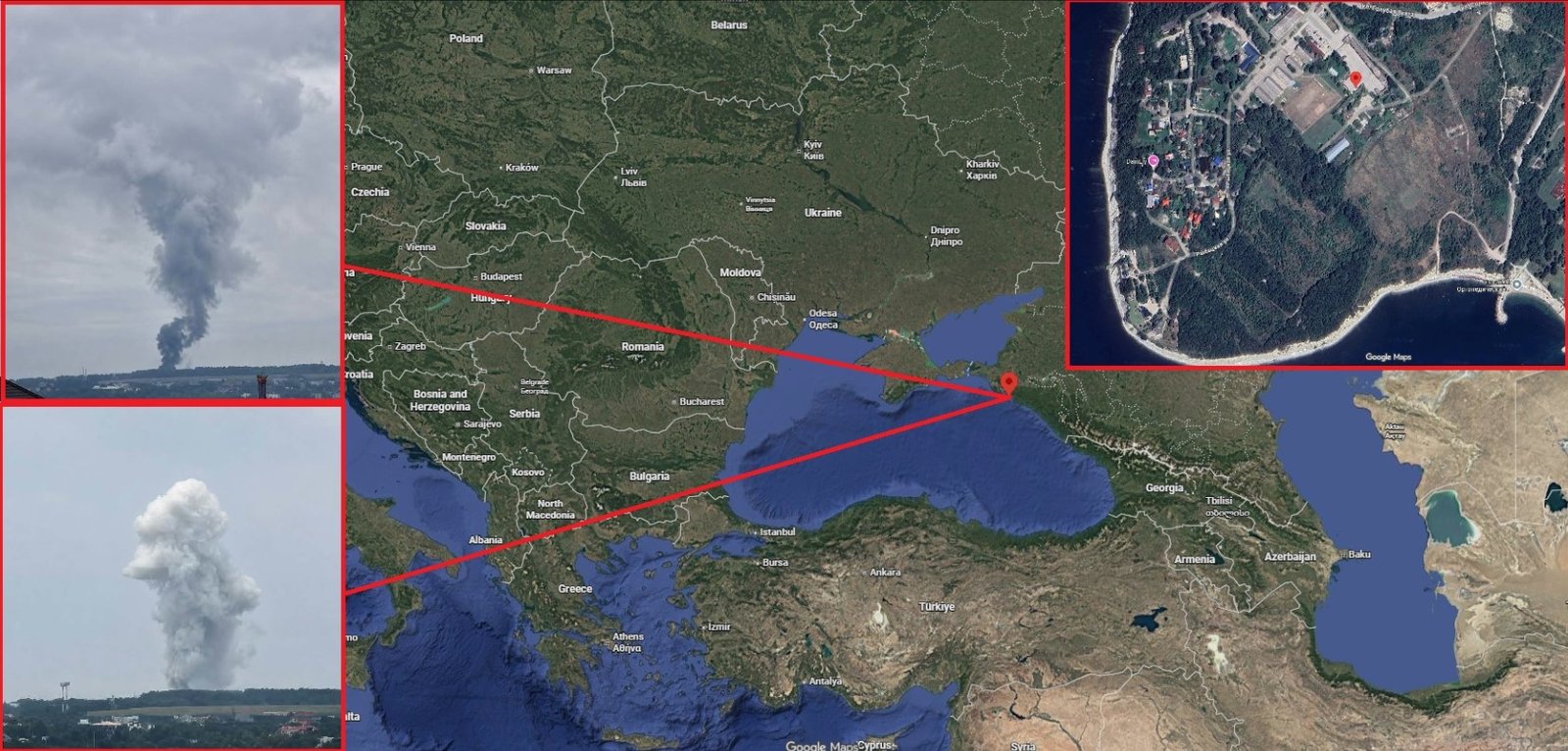
World
Gelendzhik, Krasnodar Krai, Russia — Ukraine’s Unmanned Systems Forces reported striking a Russian S-400 Triumf air defense position in Gelendzhik, Krasnodar Krai, during an overnight drone operation on August 8–9. The operation also targeted four other Russian air defense assets and three vessels in the Black Sea. Major Robert “Madyar” Brovdi, commander of Ukraine’s Unmanned Systems Forces, said the S-400 position had launched six missiles toward Ukraine on August 8 between 9:25 a.m. and 12:51 p.m. Ukrainian drones later struck the position, which reportedly remained on fire for about three hours. Ukraine’s General Staff also confirmed the strike. Available information indicates that a launcher belonging to the S-400 system was destroyed, although the full extent of damage to the wider S-400 battery has not been independently established. Local residents recorded smoke rising from the area following the attack. Four Additional Air Defense Targets Brovdi said Ukrainian forces also destroyed four Russian air defense assets at separate locations in Rostov Oblast and Krasnodar Krai. The reported targets were: Tor air defense system near Pudovyi, Rostov Oblast Pantsir-S1 air defense system near Yeysk, Krasnodar Krai Podlet-K1 radar near Golovatovka, Rostov Oblast Kasta 2E2 radar near Latonovo, Rostov Oblast The Tor and Pantsir-S1 are air defense systems, while the Podlet-K1 and Kasta 2E2 are radar systems used for air surveillance and target detection. Volna Kupol Garant Electronic Warfare System Open-source analysis also identified the destruction of a Russian Volna Kupol Garant electronic warfare system in Gelendzhik. The system is designed to interfere with Starlink satellite communications. Reporting from Inside GNSS, citing Ukrainian defense sources, said the system uses trailer-mounted antennas to direct interference toward Starlink satellites. Ukrainian sources have reported that its interference can cover an area of about 20 square kilometers. The reported destruction of the system was identified through open-source satellite imagery. Because the evidence comes from open-source analysis, the exact circumstances and timing of its destruction remain subject to further verification. Three Black Sea Vessels Targeted The same operation also targeted three vessels described by Brovdi as part of Russia’s shadow fleet. The vessels consisted of one oil tanker and two dry cargo ships. Ukrainian authorities did not provide details on the extent of damage to the vessels. The term “shadow fleet” generally refers to vessels used to transport Russian oil and other cargo through ownership, registration or operating arrangements intended to reduce the impact of sanctions. Continued Targeting of Russian Air Defense The reported operation adds to Ukraine’s ongoing efforts to strike Russian air defense and radar infrastructure beyond the immediate battlefield. The S-400 is a Russian long-range surface-to-air missile system, while the Tor and Pantsir-S1 provide shorter-range air defense capabilities. Radar systems such as the Podlet-K1 and Kasta 2E2 support the detection and tracking of airborne targets. The open-source tracking project Oryx has documented visually confirmed Russian losses involving S-400 launchers, including 5P85T2 and 5P85SM2-01 variants. For the latest operation, however, the exact number of S-400 components damaged or destroyed remains unclear. Russian authorities have also not released a detailed public assessment of the reported strikes.
Read More → Posted on 2026-08-09 12:48:14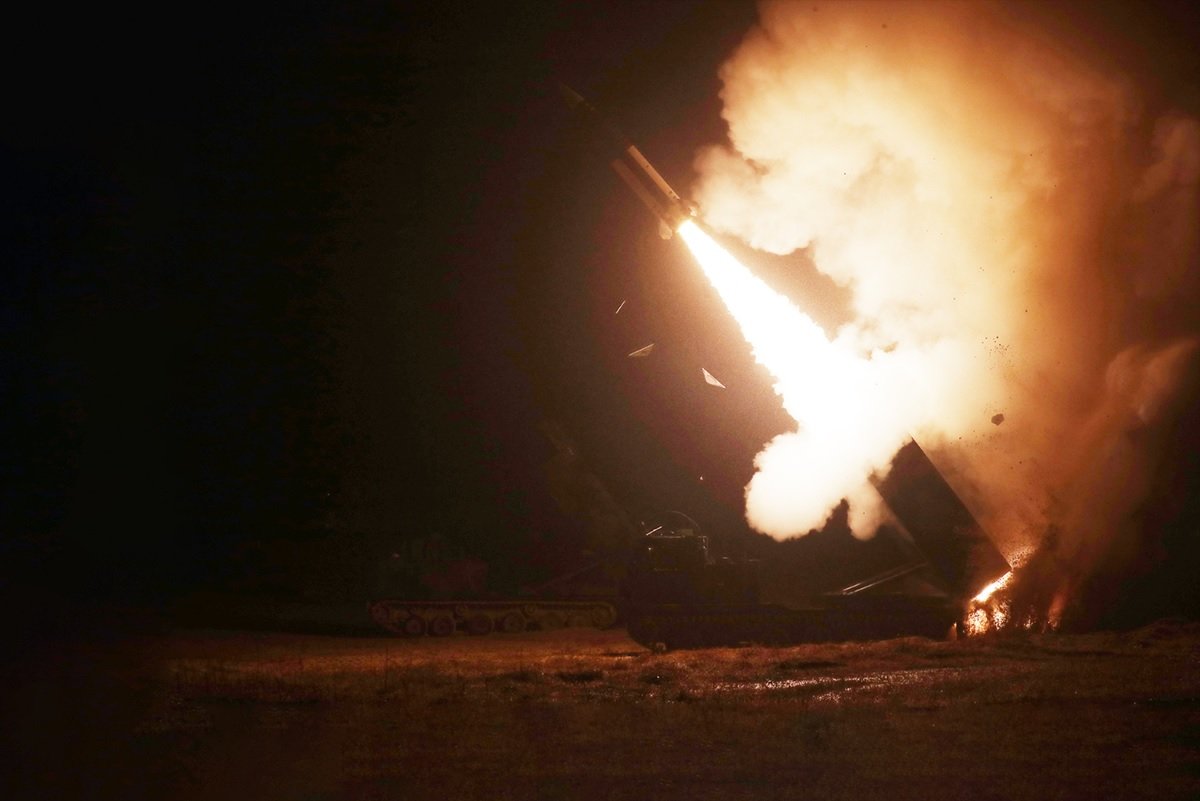
World
WASHINGTON — The United States has approved the permanent transfer of American-origin military equipment from Türkiye to Ukraine, including 70 M39 ATACMS missiles, 12 M270 Multiple Launch Rocket System (MLRS) launchers, 2,524 M26 rockets and 47,000 M509A1 203 mm artillery rounds. The transfer requires U.S. authorization because the weapons were originally supplied to Türkiye by the United States. The U.S. State Department notified Congress of the proposed permanent transfer on August 3, 2026, and the notification was published in the Congressional Record on August 6. The equipment is being transferred from Turkish inventories to Ukraine. According to the notification, Türkiye wants to reduce its inventory of older defense equipment and use its financial resources for the modernization and sustainment of its existing systems. Ukraine is seeking the equipment to strengthen its offensive and defensive fire-support capabilities. The notification also states that Ukraine already possesses weapons of the same or essentially similar types. What the Package Includes Equipment Quantity Description M270 MLRS launchers 12 Tracked launchers capable of firing MLRS rockets and ATACMS missiles M39 ATACMS missiles 70 Short-range ballistic missiles with a stated range of about 165 km M26 DPICM rockets 2,524 Unguided 227 mm rockets carrying DPICM submunitions M509A1 DPICM rounds 47,000 203 mm artillery ammunition The M39 is an early ATACMS variant equipped with a cluster warhead containing 950 M74 submunitions. The M26 is an unguided 227 mm rocket originally designed for the M270 and HIMARS family of launchers. The M270 is a tracked multiple-launch rocket system that can employ both 227 mm MLRS-family rockets and ATACMS missiles. This gives Ukraine additional launch platforms for the different types of ammunition included in the transfer. Transfer Value The Congressional notification lists an original acquisition value of approximately $255.9 million for the M270 launchers, M26 rockets and M509A1 rounds. The 70 M39 ATACMS missiles are listed separately at approximately $28 million. Together, the two notifications put the original acquisition value of the equipment at about $284 million. Companies Involved The transfer is being arranged through several companies in Türkiye, Bulgaria and the United States. The documents identify MKE A.Ş., ASFAT A.Ş. and ARCA Savunma San. Tic. A.Ş. as Turkish private entities involved in the transfer. VTIC International Ltd. is identified as the Bulgarian entity, while Pansophico and Patriot Defense Group are the U.S. private entities involved in the transaction. Congressional Review The equipment is scheduled to be transferred immediately after the congressional notification period is completed, according to the State Department notification. The proposed transfer remains subject to the statutory congressional review process. The approval is significant because Washington's authorization allows Türkiye to transfer U.S.-origin systems from its own inventory to Ukraine rather than requiring the equipment to come directly from U.S. stocks. Additional Long-Range Firepower for Ukraine The 70 M39 ATACMS missiles would add to Ukraine's existing inventory of ATACMS missiles. The M39 variant has a range of approximately 165 kilometers and uses a cluster warhead, making it different from newer ATACMS variants equipped with unitary warheads. The 12 M270 launchers would also expand Ukraine's fleet of tracked launch systems. Together with the M26 rockets and ATACMS missiles, the package provides Ukraine with additional ammunition and launch platforms for its existing long-range and rocket-artillery capabilities. The 47,000 M509A1 203 mm rounds are another major part of the transfer. Ukraine operates Soviet-designed 2S7 Pion 203 mm self-propelled guns, while M509A1 is a 203 mm DPICM artillery round. Public sources have previously documented the presence and use of 203 mm ammunition in Ukraine. No specific delivery date has been publicly identified in the notification beyond the statement that the transfer is proposed to begin after the congressional notification period is completed. The package therefore represents a permanent third-country transfer of U.S.-origin weapons from Türkiye to Ukraine, combining ATACMS missiles, M270 launchers, MLRS rockets and 203 mm artillery ammunition in a single transfer.
Read More → Posted on 2026-08-09 11:51:26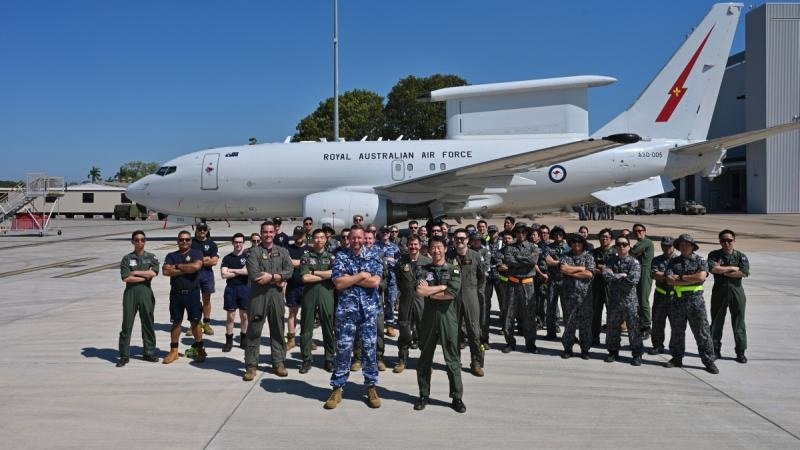
World
Northern Australia — The Royal Australian Air Force’s (RAAF) E-7A Wedgetail worked alongside Japan’s E-2D Hawkeye, the Republic of Singapore Air Force’s G550 and Australian ground-based controllers during Exercise Pitch Black 2026, supporting multinational command-and-control operations. Operated by No. 2 Squadron, the E-7A helped connect airborne and ground-based command-and-control units during complex air combat missions. The integration allowed participating forces to combine information from different sensors and maintain a shared view of the battlespace. Exercise Pitch Black was conducted from July 20 to August 7, 2026, primarily in northern Australia. Around 100 aircraft and 2,500 personnel from 21 nations participated in the exercise, operating mainly from RAAF Bases Darwin and Tindal in the Northern Territory, with some activity at RAAF Base Amberley in Queensland. E-7A Links Airborne and Ground-Based Units During the exercise, the RAAF E-7A operated with the Japan Air Self-Defense Force (JASDF) E-2D Hawkeye, the Republic of Singapore Air Force G550 and Australia's 114 Mobile Control and Reporting Unit (114MCRU). The E-7A used data links to combine information from airborne and ground-based sensors. This helped participating forces build a common operating picture during missions and coordinate aircraft from different countries. Squadron Leader Daniel Price, No. 2 Squadron’s Exercise Pitch Black Detachment Commander, described the arrangement as a command-and-control “constellation.” “The E-7A works side by side with our partner nation’s airborne early warning and control aircraft, including the Japan Air Self-Defense Force E-2D and Republic of Singapore Air Force G550, as well as ground-based air battle management units such as 114MCRU,” Price said. He said the integration allowed each unit to make use of the different systems and capabilities available within the multinational force. “Integration looks a lot like working as a command and control ‘constellation’ alongside the JASDF E-2D and 114MCRU, capitalising on each unit’s unique systems and platforms,” Price said. Cooperation Improved With Each Mission The RAAF said cooperation between the participating units became more streamlined as they completed additional missions together. According to Price, repeated operations helped personnel develop greater confidence in their partner forces, refine procedures and improve the way the different units worked together. “Operations become more streamlined with every mission conducted. You learn to trust the expertise of your partners, refine how you work together and ultimately become a more effective warfighting package,” he said. Mission planning and post-flight debriefs were also an important part of the exercise. These activities gave participating personnel an opportunity to discuss tactical problems, understand how partner forces approached missions and identify ways to support one another more effectively. “These periods allow us to better understand how our coalition partners assess tactical problems, undertake missions and how we can best support one another,” Price said. Ground Crews Support E-7A Operations The RAAF also highlighted the personnel responsible for keeping the E-7A available throughout the exercise. Maintainers, engineers, logisticians, planners and other support personnel worked behind the aircraft's operational missions to ensure it remained ready to fly. “Behind every mission is a dedicated team of maintainers, engineers, logisticians, planners and support personnel whose work ensures the capability is ready to fly,” Price said. He added that the E-7A team was dedicated to its role in supporting the exercise. Japan Deploys E-2D and F-35A Japan's participation also included the E-2D Hawkeye operating with the E-7A and other command-and-control assets. Japan also deployed F-35A Lightning II aircraft to Exercise Pitch Black for the first time. The combination of airborne early warning and control aircraft, ground-based air battle management units and fighter aircraft provided opportunities for the participating nations to practice multinational air operations using different platforms and command-and-control capabilities. The RAAF said the professional relationships developed during the exercise were another important outcome of the multinational training. “Training side by side and spending time with our international partners develops trust, understanding and confidence in each other’s capabilities, something that simply can’t be replicated in a classroom or virtual environment,” Price said. The three-week exercise therefore provided the E-7A Wedgetail and its crews with repeated opportunities to operate within a multinational command-and-control network alongside airborne and ground-based partners.
Read More → Posted on 2026-08-09 11:41:09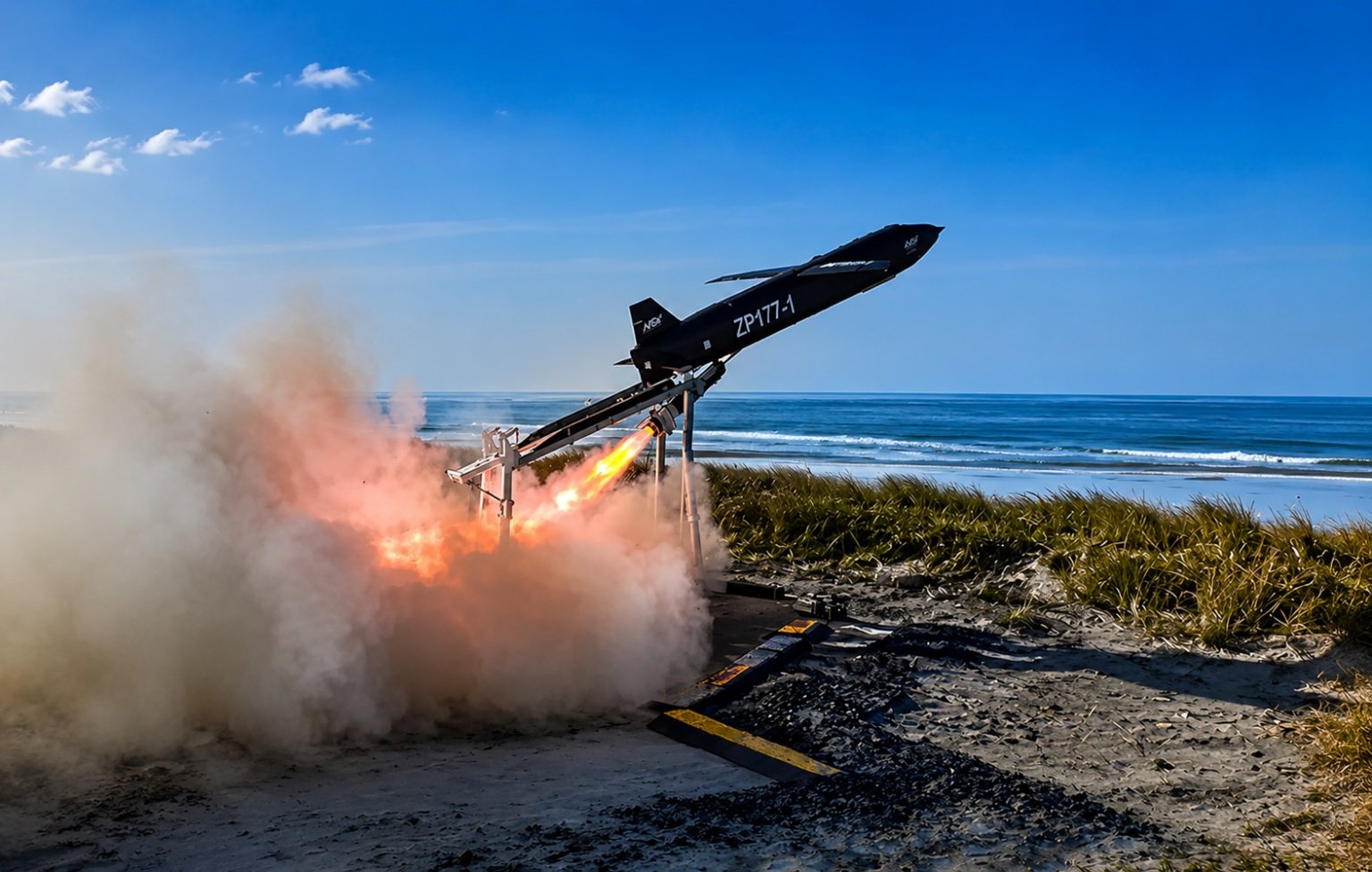
Europe
OXFORDSHIRE, UK — British engineering company MGI Engineering is preparing to make its TigerShark autonomous one-way strike system available from October 2026, following flight testing under the UK Ministry of Defence’s Project Brakestop. Based in Witney, Oxfordshire, MGI Engineering was founded by Mike Gascoyne, who has held senior technical positions with Formula 1 teams including McLaren, Renault and Toyota. The company developed TigerShark as a high-speed, long-range one-way effector for deep-strike missions. A one-way effector is designed to reach its target and deliver its payload without being recovered. MGI positions TigerShark as a lower-cost alternative to traditional long-range strike weapons, including systems such as Storm Shadow and Tomahawk. TigerShark specifications MGI states that TigerShark has a maximum speed of 750 km/h (466 mph) and a cruise speed of about 650 km/h. Its stated range is 900 km (559 miles) with a full payload, while the company has also reported flight testing at ranges exceeding 1,000 km under certain conditions. The system has a 300 kg modular payload bay, which can be configured for high-explosive or electronic-warfare payloads. Its empty mass is 170 kg, while its maximum take-off weight is 800 kg. TigerShark uses composite construction and includes a 3D-printed nose section containing the avionics bay. Propulsion is provided by two Argive A1100 turbojet engines. The system is launched from a land-based vehicle using rocket-assisted take-off, after which the turbojets provide sustained flight. The launcher is designed to support coordinated launches of multiple systems. MGI has stated a unit cost of approximately $549,000. Under Project Brakestop, the UK Ministry of Defence has set a target cost of around £400,000 excluding the warhead for systems developed under the programme. Autonomous operation in GPS-denied environments TigerShark is designed to operate without relying on GPS or GNSS signals. Its navigation system combines inertial navigation with GPS-free terrain mapping. The inertial navigation system tracks the aircraft's movement from a known starting point, while terrain mapping uses onboard sensor information and pre-loaded maps to help correct its position during flight. The autonomy system was developed with Auterion, which provides its open software-defined autonomy architecture, including the Skynode system. The open architecture is intended to allow third-party payloads, sensors and software upgrades to be integrated without requiring a complete redesign of the platform. Development and Project Brakestop MGI first publicly displayed TigerShark at the DSEI defence exhibition in London in September 2025. The system completed its first flight tests in April 2026. Auterion described the trials as the first successful European test of a system in this weight and range class in more than a decade. TigerShark is being developed under Project Brakestop, a UK Ministry of Defence programme focused on accelerating long-range autonomous strike systems. The programme requires participating systems to have a range of at least 500 km, a payload capacity of at least 225 kg, a speed above 600 km/h and production capacity of at least 20 units per month following an order. MGI received a development contract under the programme and displayed TigerShark at a Project Brakestop industry event in June 2026. The company is competing against MBDA UK's Crossbow and Rotron Aerospace's SkyLance. All three systems have completed flight trials at the UK's Hebrides Range. Production plans MGI plans to increase TigerShark production during the fourth quarter of 2026 and into 2027. The company says the system is manufactured entirely in the United Kingdom and is cleared for export licensing to allied nations. MGI is presenting TigerShark as a British-designed and manufactured option for long-range autonomous strike missions, with an emphasis on modularity, autonomous navigation and production at a lower unit cost than traditional cruise-missile programmes. The company has announced that TigerShark will become available from October 2026.
Read More → Posted on 2026-08-08 16:36:14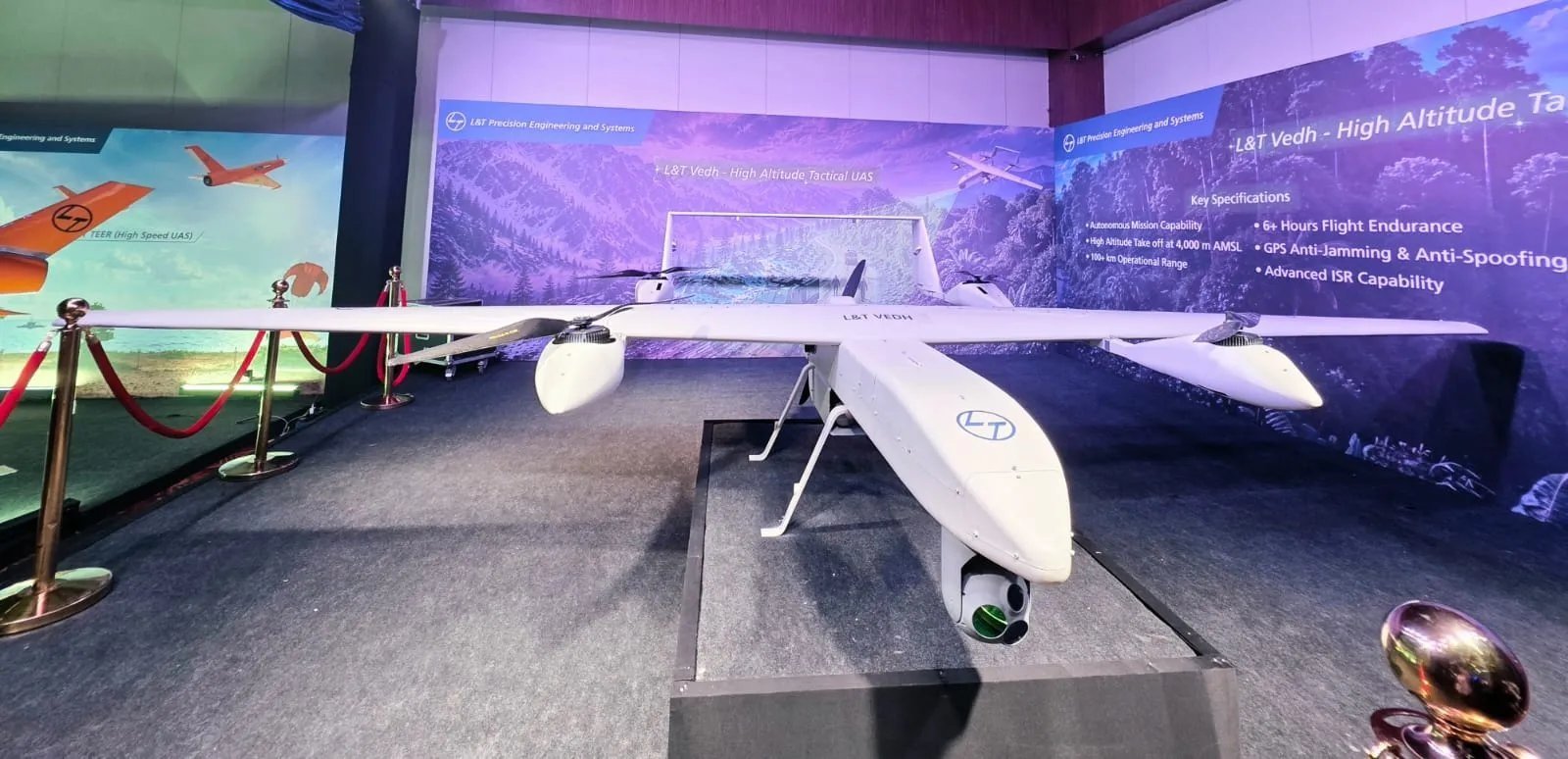
India
BENGALURU — Larsen & Toubro’s Precision Engineering and Systems (PES) division unveiled two indigenous unmanned systems technologies, the VEDH Mk1 remotely piloted aircraft system (RPAS) and the CHANAKYA collaborative mission autonomy framework, during its Manthan: Drone Demo Day in Bengaluru on August 7. Organised under the L&T Innovation Fund, the event brought together 21 drone and uncrewed systems startups working on technologies for defence, infrastructure, logistics and public services. L&T said its focus is on developing and manufacturing components and related technologies and working with emerging companies rather than independently manufacturing complete drone platforms. VEDH Mk1 designed for high-altitude operations The VEDH Mk1 is a hybrid vertical take-off and landing (VTOL) RPAS designed to operate without a conventional runway. Its configuration allows deployment from confined or unprepared locations, including forward areas, high-altitude terrain and temporary operating bases. The aircraft is equipped with an electro-optical and infrared payload and a laser range finder for day-and-night intelligence, surveillance and reconnaissance missions. It can also support artillery observation and fire correction. L&T is offering the system with a containerised ground control station, command and data links, and transport and maintenance infrastructure. Its stated specifications include: Endurance: 6 hours or more Launch altitude: More than 4,000 metres above mean sea level Ceiling altitude: Up to 5,000 metres above mean sea level CHANAKYA enables coordinated unmanned operations L&T also introduced CHANAKYA, a decentralised collaborative mission autonomy framework designed to coordinate heterogeneous unmanned platforms, including aerial, ground, surface and underwater systems. The framework uses onboard intelligence to support coordinated missions without relying entirely on a central control system. Its functions include flocking, mission-level autonomy, inter-agent collision avoidance and coordinated area surveillance. CHANAKYA can allocate and reassign tasks between platforms during missions. Its video analytics capabilities can also combine target detection and tracking information from multiple platforms into a common operational picture. L&T has previously demonstrated the framework using multiple fixed-wing UAVs. During the trials, the aircraft took off, synchronised in flight, followed waypoints and operated as a coordinated group. The company said CHANAKYA has progressed beyond hardware-in-the-loop simulations and is now undergoing field validation in complex operational scenarios. L&T signs MoUs with technology startups The event also saw L&T sign several memorandums of understanding (MoUs) with startups and technology partners working in areas including drone autonomy, AI-enabled navigation, propulsion, geospatial intelligence and energy systems. The partnerships are aimed at identifying deployment-ready technologies and supporting their integration across L&T’s businesses. Arun T. Ramchandani, Senior Vice President and Head of Precision Engineering & Systems at L&T, said the division is targeting approximately threefold revenue growth over the next five years. PES currently contributes around 3 per cent of L&T’s overall revenue. L&T reported revenue from operations of ₹2.86 trillion for the year ended March 31, 2026. The company is increasing its focus on high-value electronics, autonomous systems and advanced engineering solutions, with increased capital expenditure directed mainly toward new electronics manufacturing facilities. L&T also stated that production of 100 Teer drones for the Indian Air Force is underway. The company said the Manthan initiative is part of its broader effort to strengthen indigenous capabilities in unmanned systems by working with startups and technology developers.
Read More → Posted on 2026-08-08 16:24:51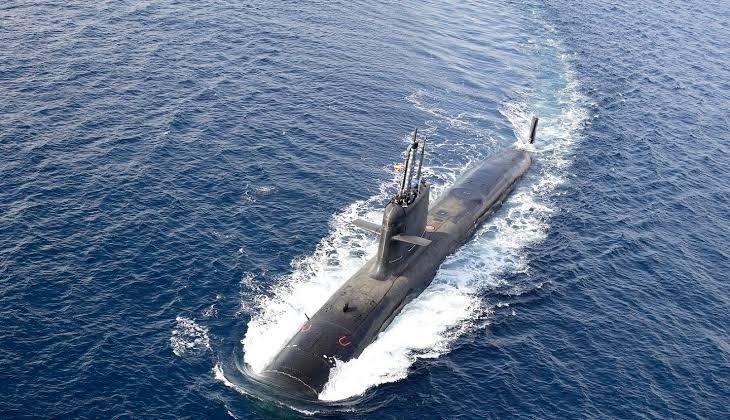
World
SURABAYA, Indonesia — Indonesia has begun physical construction of its first domestically built Scorpène Evolved submarine after PT PAL Indonesia cut the first steel plate at its Surabaya shipyard on August 7. The ceremony marked the start of construction of the lead submarine under the Scorpène Republik Indonesia (SRI) programme, which covers two Scorpène Evolved submarines equipped with full lithium-ion battery systems. The first submarine is scheduled for delivery in 2032, followed by the second in 2033. Construction of each boat is expected to take about 96 months. Programme Progress Overall programme completion has reached about 20.5 percent. This figure includes infrastructure preparation, technical qualification, workforce training and supply-chain arrangements completed before the steel-cutting ceremony. Indonesia selected Naval Group and PT PAL for the programme in March 2024, and the contract entered into force on July 23, 2025. The programme is valued at approximately €2.16 billion, or about US$2.49 billion. PT PAL President Director Kaharuddin Djenod said the programme is progressing according to plan and is intended to establish long-term Indonesian submarine construction expertise through technology transfer. Scorpène Evolved Specifications The Scorpène Evolved is a conventional diesel-electric attack submarine using a full lithium-ion battery configuration. The Indonesian variant is approximately 72 metres long and has a surfaced displacement of 1,600 to 2,000 tonnes. It has a submerged speed of more than 20 knots and a diving depth exceeding 300 metres. The submarine has more than 12 days of submerged autonomy and more than 78 days of overall autonomy on an 80-day mission. It is designed for a crew of 31 and has six weapon tubes with a total payload of 18 weapons. The submarine will use the SUBTICS combat management system. Construction and Technology Transfer Both submarines will be built entirely in Indonesia. PT PAL is responsible for hull construction, equipment integration, final assembly, testing and delivery. Naval Group is providing the design, specialised components and engineering support. Its permanent team in Surabaya is expected to reach around 50 experts. More than 400 Indonesian engineers are being trained in France in submarine construction, integration, certification and maintenance. Indonesian welders have also completed specialised training and qualification activities in France. An Indonesian Navy task force is training in France with the French Navy and Naval Group. The programme includes crew training, maintenance preparation, operational doctrine and command integration. Specialised support for the programme comes from Naval Group facilities in France. Cherbourg provides submarine hull and platform expertise, while Lorient and Nantes-Indret contribute propulsion and battery expertise. The SUBTICS combat management system is associated with Naval Group's centre in Ollioules. Industrial Development The programme represents a more demanding construction task for PT PAL than its previous Type 209-class submarine work. It requires qualified welding processes, submarine hull construction expertise and strict requirements for acoustic management and system integration. PT PAL's facilities are being developed to support construction and future maintenance, repair and overhaul activities for Scorpène submarines. The programme is expected to create around 2,250 jobs across construction, support and long-term maintenance. It forms Phase II of Indonesia's National Submarine Technology Mastery Programme. Indonesia aims to develop greater domestic capability for major submarine overhauls by around 2030, while its longer-term objective is to develop the ability to design, build and potentially export its own submarines between 2042 and 2050. Any future sale of the submarines or related services to third countries would require additional agreements and is not automatically covered by the current contract. The August 7 steel-cutting ceremony moves the SRI programme from preparation and qualification activities into physical submarine construction, with hull fabrication, equipment integration, testing and further workforce development now forming the next stages before delivery of the first boat in 2032.
Read More → Posted on 2026-08-08 16:20:26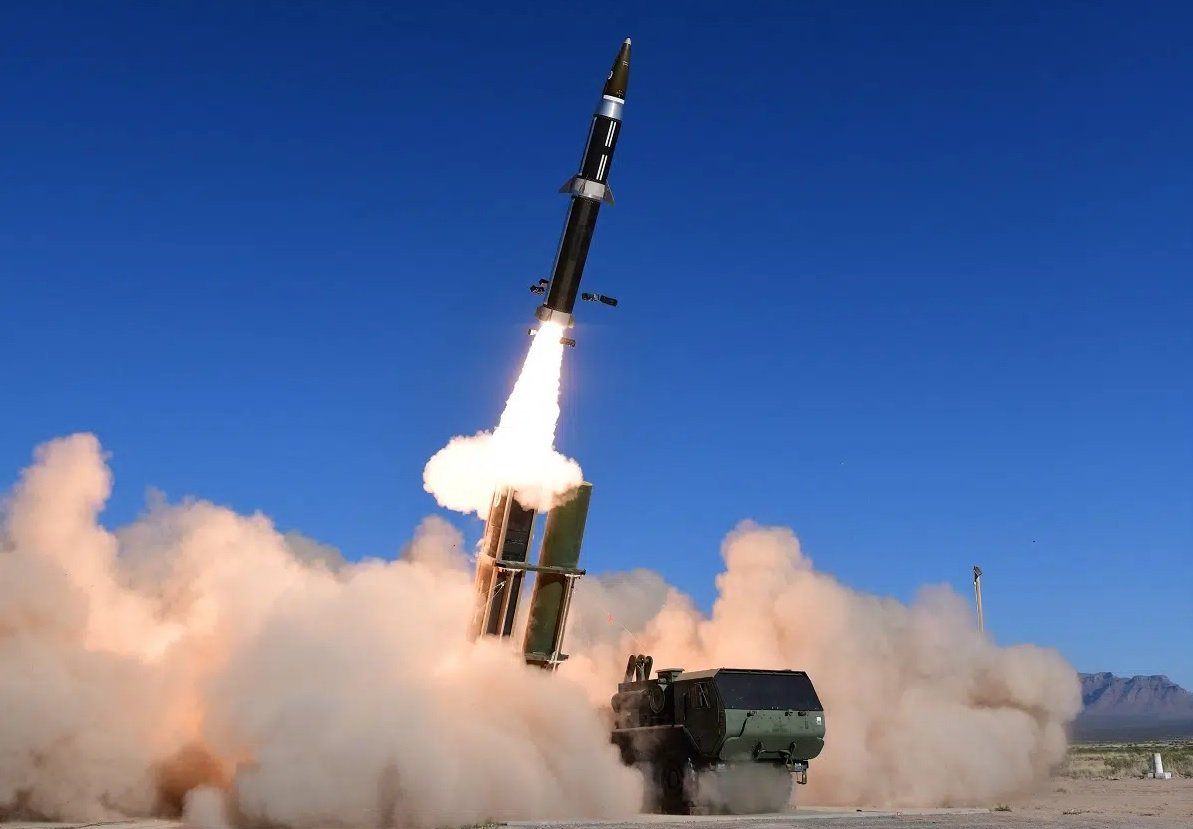
U.S
ARLINGTON, Virginia — The U.S. Defense Advanced Research Projects Agency (DARPA) is seeking industry concepts for a new generation of hypersonic cruise missile designed to combine speeds above Mach 5 with lower development and production costs. DARPA’s Tactical Technology Office issued a Request for Information (RFI) on August 7 for the Next Generation Hypersonic Cruise Missile (NGHCM). The agency is looking for an air-breathing weapon that can fly faster than Mach 5 and can be produced efficiently at scale. Responses are due by October 6. DARPA also plans to hold an industry day in September in Arlington, Virginia, to provide additional technical information and discuss the program with interested organizations. An RFI does not award a contract or guarantee funding. It allows the government to collect industry input while developing potential technical requirements and acquisition plans. Focus on Air-Breathing Hypersonic Technology The NGHCM is planned as an air-breathing hypersonic cruise missile rather than a boost-glide weapon. The concept would use oxygen from the atmosphere during flight instead of carrying an oxidizer. DARPA is seeking concepts based on scramjet propulsion. Scramjets compress incoming air at supersonic speeds and use it to support combustion of fuel. The agency is also asking industry to consider different missile sizes and launch methods. Concepts could include weapons small enough for fighter aircraft weapons bays, as well as larger versions for bombers, naval ships or ground launchers. The primary objective is to develop a weapon capable of operating against advanced integrated air defense systems (IADS), which combine radars, surface-to-air missiles and fighter aircraft. Building on the HAWC Program The NGHCM effort builds on DARPA's previous Hypersonic Air-breathing Weapon Concept (HAWC) program, conducted with the U.S. Air Force. HAWC focused on technologies for air-breathing hypersonic flight, including scramjet propulsion, vehicle design and thermal management. In January 2023, a Lockheed Martin-built HAWC vehicle completed its final flight test. DARPA reported that it exceeded Mach 5, reached an altitude above 60,000 feet and traveled more than 300 nautical miles. The work later continued through More Opportunities with HAWC (MoHAWC), which involved further development and flight testing of technologies from Raytheon and Northrop Grumman. HAWC technology also contributed to the Air Force's Hypersonic Attack Cruise Missile (HACM) program led by Raytheon. Cost and Production Challenges DARPA's new effort places strong emphasis on manufacturing from the beginning of development. The agency wants companies to apply Design for Manufacturing and Assembly (DFMA) principles so that future weapons can be produced more efficiently instead of relying on expensive prototypes that are difficult to manufacture in larger numbers. The RFI asks industry to explore new propulsion technologies, heat-resistant materials and testing methods that could reduce development time and production costs. DARPA is also encouraging partnerships between major defense contractors and smaller or non-traditional companies, including universities and government laboratories. The approach reflects challenges faced by existing U.S. hypersonic programs, including HACM. A July 2026 Government Accountability Office report said HACM's flight-testing plan had been reduced from seven tests to five, while its initial operational capability target had moved to fiscal year 2029. The report also said development costs were approaching $2 billion. The Air Force has also provided funding for the earlier AGM-183A Air-Launched Rapid Response Weapon (ARRW) as another path while hypersonic development continues. Next Steps DARPA will use responses to the RFI to assess available technologies and help shape potential technical requirements and acquisition plans. The September industry day in Arlington will provide additional information to interested organizations, while responses to the RFI are due October 6. The NGHCM remains at the information-gathering and technology-development stage. DARPA has not awarded a production contract through the RFI. The program is focused on finding an air-breathing hypersonic cruise missile approach that can achieve Mach 5-plus speeds while addressing development time, manufacturing efficiency and production cost.
Read More → Posted on 2026-08-08 16:13:49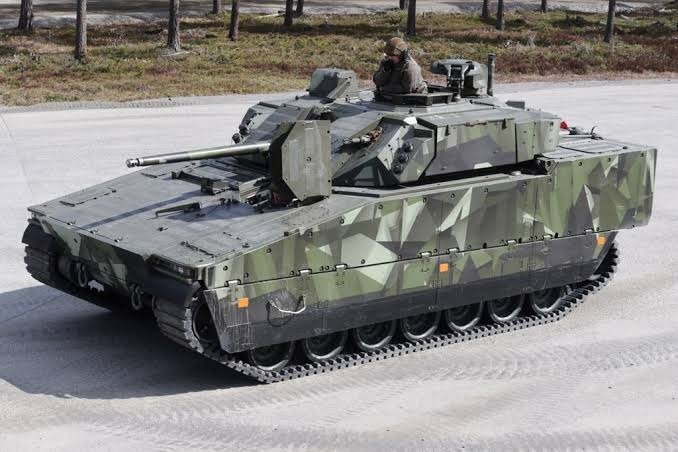
Europe
ÖRNSKÖLDSVIK, Sweden — BAE Systems is expanding production capacity at its Hägglunds facility in northern Sweden to meet rising European demand for its CV90 infantry fighting vehicles and BvS10 all-terrain vehicles. Tom Arseneault, President and CEO of BAE Systems Inc., outlined the production outlook during the company’s first-half 2026 earnings call. He said both vehicle programmes are contributing to the company’s growing order backlog in Sweden and its Platforms & Services business. “Our CV90 and BvS10 combat vehicles are in high demand across a number of European customers,” Arseneault said. Production capacity expanding Hägglunds expects to produce almost 300 combat vehicles in 2026 and more than 400 in 2027. The planned expansion represents an increase of about 400% in production capacity compared with previous levels. BAE Systems has invested more than $300 million at the Örnsköldsvik facility over several years, with additional investment planned. The expansion includes new assembly and welding lines, increased testing and verification capacity, a logistics centre, an integration and inspection facility, and additional office space. The workforce has also expanded significantly, from about 750–800 employees several years ago to approximately 2,600. Growing European orders The production increase is supported by orders from several European customers. Hägglunds is producing CV90 vehicles for countries including Sweden, Denmark, Slovakia and the Czech Republic, while BvS10 programmes involve Sweden, Germany and the United Kingdom. BAE Systems rolled out the first Slovak CV9035 MkIV at Hägglunds in February 2026. Slovakia has ordered 152 CV90 vehicles. The company is also working with European industrial partners on production and assembly activities for its vehicle programmes. Five-country CV90 programme The planned production figures for 2027 do not include a separate multinational CV90 procurement programme that remains under negotiation. The current initiative involves Sweden, Finland, Norway, Lithuania and the Netherlands. Estonia was previously part of the six-country technical agreement but withdrew from the planned new CV90 procurement in April 2026. The programme is based on the CV90 MkIV and could involve more than 400 additional vehicles. BAE Systems submitted its best and final offer in June 2026, with contract negotiations continuing and contract completion expected during 2026. Deliveries are planned to begin in 2028, subject to the procurement being finalised. BAE Systems Hägglunds has already carried out preparatory work to support production if the order is confirmed. Contribution to BAE Systems' European business Hägglunds and Bofors are also contributing to stronger results in BAE Systems’ Platforms & Services business. Chief Financial Officer Brad Greve said Platforms & Services sales increased 12% in the first half of 2026, while sales from Hägglunds and Bofors increased by nearly 30%, driven by European demand. BAE Systems Chief Executive Charles Woodburn has identified Hägglunds, Bofors, MBDA and Eurofighter among the businesses supporting the company’s growth in Europe. The combination of increased production, existing CV90 and BvS10 programmes and the potential five-country CV90 order gives Hägglunds further production opportunities. Arseneault described the Swedish business as having “some really good, strong growth potential” beyond its current performance.
Read More → Posted on 2026-08-08 15:50:14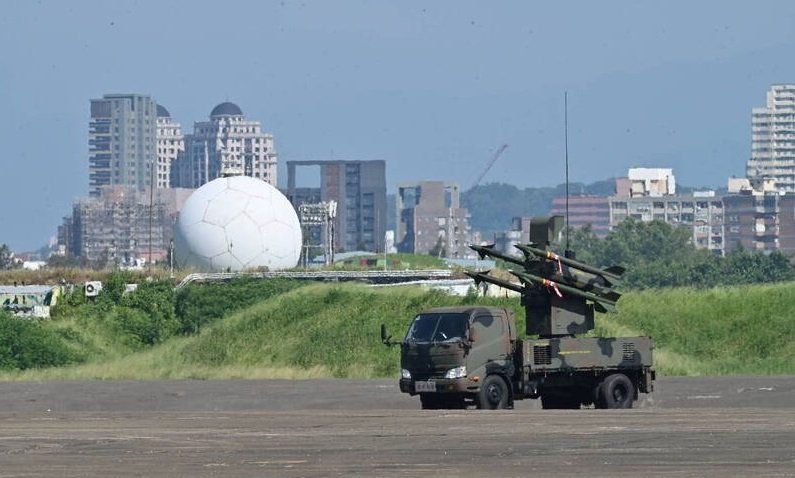
World
HSINCHU, Taiwan — The Republic of China Air Force (ROCAF) deployed its Antelope short-range air defense system at Hsinchu Air Base during the Han Kuang 42 military exercises, as Taiwanese forces practiced maintaining air operations after a simulated People’s Liberation Army (PLA) missile strike. The drill combined emergency runway repair, short-range air defense and rapid rearmament of Mirage 2000-5 fighter aircraft. Antelope Provides Local Air Defense The Antelope system, developed by Taiwan’s National Chung-Shan Institute of Science and Technology (NCSIST), was deployed to protect personnel repairing the simulated runway damage. The mobile system is mounted on a 4x4 tactical vehicle and carries four Tien Chien I (Sky Sword I) infrared-guided surface-to-air missiles. It uses a short-range search and tracking radar together with electro-optical and infrared sensors. The missiles have an effective engagement range of approximately 9 kilometers. The system can be operated from the vehicle or through a remote control console positioned up to 70 meters away. Developed from the Tien Chien I missile program in the 1990s, the Antelope has been in service for more than 20 years and is used to provide short-range protection for air bases and other important installations. Emergency Runway Repair After the simulated missile strike, engineering personnel practiced restoring the damaged runway. An excavator created a mock crater before a dump truck filled it with gravel. A grader then leveled the material, followed by a bulldozer placing fiberglass expeditionary runway matting over the repaired section. Engineers also used drones and heavy equipment to assess the simulated damage. The ROCAF's requirement is for the complete process, from crater mapping and damage assessment to runway restoration, to be completed within four hours. The exercise tested the ability to continue operating from an air base after a runway has been damaged by an attack. Mirage 2000-5 Rapid Rearmament While the runway repair was underway, Mirage 2000-5 fighters from the 2nd Tactical Fighter Wing conducted rapid rearmament and emergency takeoff drills. Ground crews worked in four-person teams to install R.550 Magic air-to-air missiles on the fighters, while loaders were used to equip the aircraft with MICA missiles. Two Mirage 2000 fighters configured for air defense carried two MICA missiles, two R.550 Magic missiles and two external fuel tanks. After receiving an order from the Joint Air Operations Center, the aircraft became airborne within approximately five to six minutes. Han Kuang 42 Exercise The activities at Hsinchu were part of Taiwan’s annual Han Kuang 42 military exercises, which began on August 5 and are scheduled to run for 10 days and nine nights. The Hsinchu scenario linked runway damage assessment and repair with local air defense and the rapid return of armed fighter aircraft to the air. The exercise was intended to practice the sequence from a simulated enemy strike through runway restoration and the launch of fighters. The deployment of the Antelope system provided protection for the personnel carrying out the emergency repairs while the base worked to restore its ability to support air operations.
Read More → Posted on 2026-08-08 14:46:40
World
MOSCOW, Russia — Russia is expanding its Rassvet low-Earth orbit (LEO) satellite communications constellation, developed by Bureau 1440, with 32 production satellites now launched in two batches. The network is intended to provide broadband communications for civilian users, but Russian officials have also linked the project to future military communications and the control of unmanned systems. Bureau 1440 says Rassvet is being developed to provide broadband connectivity for aircraft, ships, ground vehicles and other users. The company is targeting data rates of up to 1 Gbit/s per user terminal and latency of less than 70 milliseconds. The military relevance of the network has increased as Russia seeks an independent satellite communications capability for operations involving drones and other systems operating beyond direct line of sight. Rassvet Moves Into Production Bureau 1440 began the Rassvet program with three experimental satellites launched in 2023. Three additional Rassvet-2 spacecraft were launched in 2024 to test technologies for the future production constellation. The company also demonstrated satellite communications using its own user terminal and tested laser communications between spacecraft. The transition to production began on March 23, 2026, when a Soyuz-2.1b rocket launched 16 Rassvet satellites from the Plesetsk Cosmodrome. Bureau 1440 subsequently launched another 16 satellites on July 19, with the company confirming on July 20 that the second group had been placed into orbit. The first production group has not yet provided continuous coverage. Orbital analysis cited in the supplied data indicates that it provides at least two stable communication windows over Ukraine each day, with individual windows lasting more than an hour. The planned constellation is considerably larger. Russian plans call for commercial operations from 2027, with the network expanding toward several hundred satellites before eventually reaching more than 900 spacecraft. Earlier targets included about 156 satellites by the end of 2026. Bureau 1440's project has also received substantial Russian state backing. The supplied project figures include about 102.8 billion rubles from the federal budget under the Data Economy program, while Bureau 1440 has planned additional investment of around 329 billion rubles through 2030. Military Use Is Part of the Project's Plans Although Rassvet is officially presented as a civilian broadband network, Russian political and military officials have discussed military applications. In June 2026, Russian President Vladimir Putin linked the Bureau 1440 project with the future operation of heavy drones. Russian planning also calls for expanding the country's drone fleet and moving the satellite communications system toward commercial operation in 2027. For military users, the important feature is the ability to maintain communications beyond the range of conventional line-of-sight links. The network could support the transmission of video and telemetry, communication with unmanned aircraft and changes to mission information while a platform is operating away from its control station. The extent to which these capabilities will be integrated into Russian operational systems will depend on the number of satellites, availability of terminals and the development of supporting ground infrastructure. Bureau 1440's user terminals are reported to measure up to 60 cm on each side, weigh less than 15 kg and support bandwidth of up to 1 Gbit/s. They are designed to operate between –40°C and +40°C. Ukraine's Experience Shows the Importance of Satellite Links Ukraine's use of Starlink has demonstrated how satellite communications can support drone operations over distances beyond conventional radio links. Ukrainian unmanned systems have used satellite communications for missions against Russian logistics, air-defense systems, radar installations, electronic warfare equipment and other targets. Between January and July 2026, Ukraine's Unmanned Systems Forces reported striking 236 Russian anti-aircraft systems, radar stations and related assets, with the value of the equipment claimed at more than $5.4 billion. These figures are Ukrainian military claims and have not been independently verified. Ukrainian Unmanned Systems Forces commander Robert Brovdi also reported that Russian military cargo traffic along the R-280 route toward Crimea fell by 71 percent over a two-week period following Ukrainian drone strikes. The claim was reported by Ukrinform and other outlets. These operations illustrate the military value of maintaining a reliable communications link between a drone and its operator. A Russian satellite network capable of providing similar connectivity could therefore become an important component of future Russian unmanned operations. Electronic Warfare Creates a New Problem The expansion of Rassvet also creates a new electronic warfare challenge. Russia is already using systems designed to interfere with satellite communications. One example is the Volna Kupol Garant, which Ukrainian officials say is being used against Starlink. According to Ukrainian officials cited by Reuters, the system can disrupt Starlink communications over an area of about 20 square kilometers. Reuters reported in July that Ukrainian drone units had identified Russian use of the system against Starlink-supported drone operations. Ukrainian officials have described Volna Kupol Garant as a system that directs powerful interference toward satellites rather than simply jamming a receiver on the ground. Interfax reported that the system operates around the 14–14.5 GHz range and can affect a satellite passing over an area of up to 20 square kilometers. This experience is relevant to Rassvet because the Russian constellation also uses Ku- and Ka-band frequencies. Official frequency allocations cited in the supplied data include 14–14.495 GHz in the Ku band and 29.5–30 GHz in the Ka band for mobile satellite service terminals. Why Rassvet Would Be Difficult to Jam Jamming a LEO satellite network is different from suppressing a conventional terrestrial radio system. Rassvet satellites operate hundreds of kilometers above Earth and move rapidly across the sky. A ground-based jammer therefore cannot simply create a stationary interference zone and expect it to affect the same satellite continuously. Effective interference against a particular satellite requires accurate tracking and a sufficiently concentrated radio beam. As the satellite moves, the antenna must continue following it. The problem becomes more complicated as the number of satellites increases. A larger constellation means that several spacecraft can be visible from the same area at different points in their orbits. An electronic warfare system attempting to interfere with the network would therefore require accurate satellite tracking and the ability to move from one spacecraft to another. The Ka-band frequencies planned for Rassvet also create additional engineering challenges. At around 30 GHz, free-space propagation losses are higher than at 14 GHz, while rain and atmospheric moisture can have a greater effect on the signal. High-power amplifiers and precise antenna pointing are therefore important considerations for systems operating in this range. Frequency Overlap With Starlink Adds Another Complication Another issue is that portions of the Rassvet frequency allocation overlap with frequencies used by Starlink. The Rassvet Ku-band uplink allocation of 14–14.495 GHz overlaps the 14–14.5 GHz range used by Starlink uplinks. The Rassvet Ka-band allocation also overlaps portions of the Ka-band spectrum used by satellite communications systems. This means that broad-spectrum interference could potentially affect both networks. For Ukraine, which relies heavily on Starlink for military communications, a counter-Rassvet system would therefore have to distinguish between different satellites and transmissions rather than simply transmitting interference across a large portion of the spectrum. The exact Rassvet signal structure is not publicly available in sufficient detail to determine all of its channel bandwidths, modulation, coding, polarization and frequency-management techniques. That makes it difficult to design a system specifically optimized to interfere with individual Rassvet communication channels. A Narrow Development Window As of August 2026, Rassvet remains much smaller than Starlink and does not provide continuous coverage over Ukraine. However, the network has moved beyond the experimental stage and entered regular production launches. The first 16 production satellites were launched in March, followed by another 16 in July. Bureau 1440's own timeline confirms both launches as major steps in the deployment of its communications constellation. The second group is still moving toward its operational orbits, while further launches are expected as Russia works toward its larger constellation targets. For Ukraine, this creates a period in which the network remains relatively small but its technical architecture can already be studied. Developing countermeasures would require monitoring the satellites, analyzing their signals, developing suitable Ku- and Ka-band equipment and improving systems capable of tracking fast-moving LEO spacecraft. The challenge will become greater if Rassvet eventually reaches hundreds of operational satellites and Russian forces deploy large numbers of compatible terminals on drones and other platforms. For now, Rassvet is still in the early stages of deployment. Its first production satellites have established limited communication coverage, while Russia continues building the infrastructure needed for a much larger constellation. The eventual military significance of the system will depend on how quickly the satellite network expands and how extensively Russian forces integrate it with unmanned systems. Source : militarnyi
Read More → Posted on 2026-08-08 14:37:28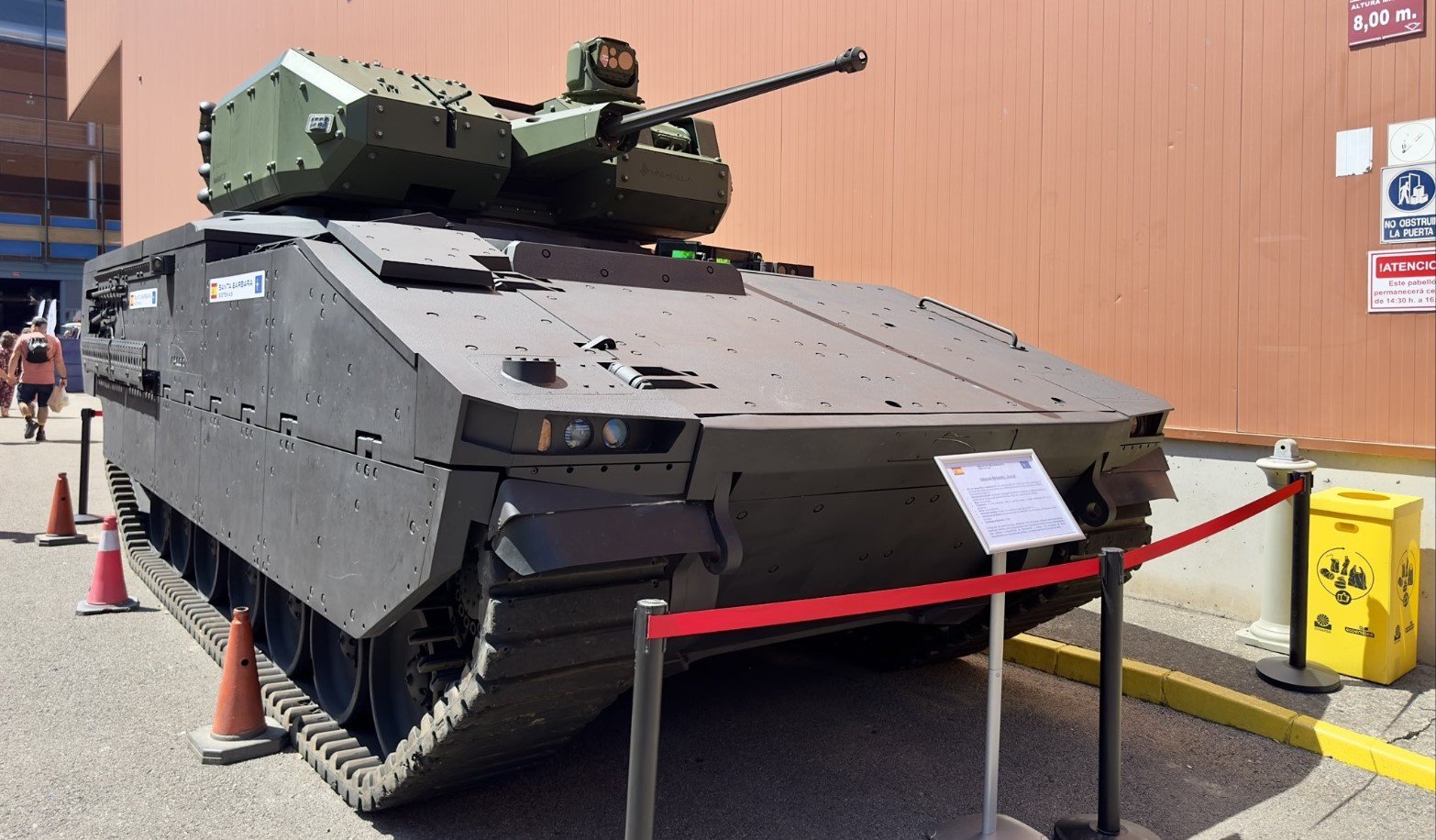
Europe
GIJÓN, Spain — General Dynamics European Land Systems (GDELS) and Santa Bárbara Sistemas have unveiled the ASCOD 42 demonstrator fitted with Valhalla Turrets’ MANGART 30 remote-controlled turret at the FIDMA 2026 international trade fair in Gijón, Spain. The vehicle was displayed in cooperation with the Asturias Military Museum. The configuration combines the tracked ASCOD infantry fighting vehicle platform with a 30 mm turret designed for multiple missions, including counter-unmanned aircraft system (C-UAS) operations. MANGART 30 turret The MANGART 30 is a remotely operated turret that allows the crew to control the weapon system from inside the protected hull. The turret is armed with a Northrop Grumman MK44S Bushmaster 30 mm automatic cannon capable of firing standard 30×173 mm ammunition and air-burst rounds. It also carries a coaxial FN MAG 7.62 mm machine gun. Valhalla Turrets has designed the system with an open architecture, allowing different sensors, effectors and mission equipment to be integrated according to operational requirements. The turret incorporates a computer-based fire-control system, automatic target tracking, day and thermal imaging sensors and a laser rangefinder. Its elevation range extends from -10 to +70 degrees, while the turret provides 360-degree traverse. The combination of automatic tracking, electro-optical sensors and air-burst ammunition gives the MANGART 30 capabilities relevant to engaging a range of ground and aerial targets, including unmanned aircraft. ASCOD 42 configuration The ASCOD 42 belongs to GDELS' ASCOD family of tracked armored vehicles. The platform has been supplied in different configurations to several armed forces. Spain operates the ASCOD-based Pizarro infantry fighting vehicle, while the United Kingdom uses a heavily modified ASCOD variant for its Ajax reconnaissance vehicle programme. The demonstrator displayed at FIDMA uses composite rubber tracks instead of conventional steel tracks. The lighter track solution is intended to reduce noise, vibration and wear on paved surfaces while maintaining traction for off-road operations. Safran PASEO Master sight The ASCOD 42 is also equipped with Safran's PASEO Master commander’s sight. The panoramic sight provides the commander with an independent observation capability and a 360-degree view around the vehicle. The PASEO family is used on armored vehicles for day-and-night observation and targeting. Safran has stated that more than 2,500 systems from the family have been sold worldwide. The independent commander’s sight allows the commander to search for and identify targets separately from the gunner's line of sight. Valhalla's counter-drone focus Valhalla Turrets, founded in 2019 and based in Komenda, Slovenia, develops remotely controlled weapon systems with a particular focus on air-defense and counter-drone applications. The company previously developed the MANGART 25, a smaller turret that combines a 25 mm automatic cannon with radar and electro-optical/infrared sensors. The MANGART 30 represents a larger turret configuration intended for integration on both wheeled and tracked armored vehicles. Valhalla has emphasized the importance of an open architecture for adapting the turret to changing battlefield requirements, including C-UAS missions. The company has also demonstrated the MANGART family on wheeled platforms. Earlier in 2026, the MANGART 25 was tested on a Pandur 6×6 vehicle during live-fire activities in Slovenia involving Valhalla, GDELS-Steyr and the Slovenian Armed Forces. Relevance to future vehicle requirements The ASCOD 42 demonstration brings together GDELS' tracked vehicle platform and a Slovenian-developed remote-controlled turret in a single configuration. It gives potential customers an option combining a tracked armored vehicle, a 30 mm automatic cannon, independent panoramic observation and capabilities aimed at modern aerial and ground threats. The display does not confirm a Slovenian procurement decision for the ASCOD 42. No official contract for such a purchase has been announced in the information provided. The presentation at FIDMA 2026 instead demonstrates the integration of the MANGART 30 with the ASCOD platform and highlights the companies' approach of combining modular vehicle and turret systems for changing battlefield requirements.
Read More → Posted on 2026-08-08 14:15:51Search
Top Trending in 24 Hours
-
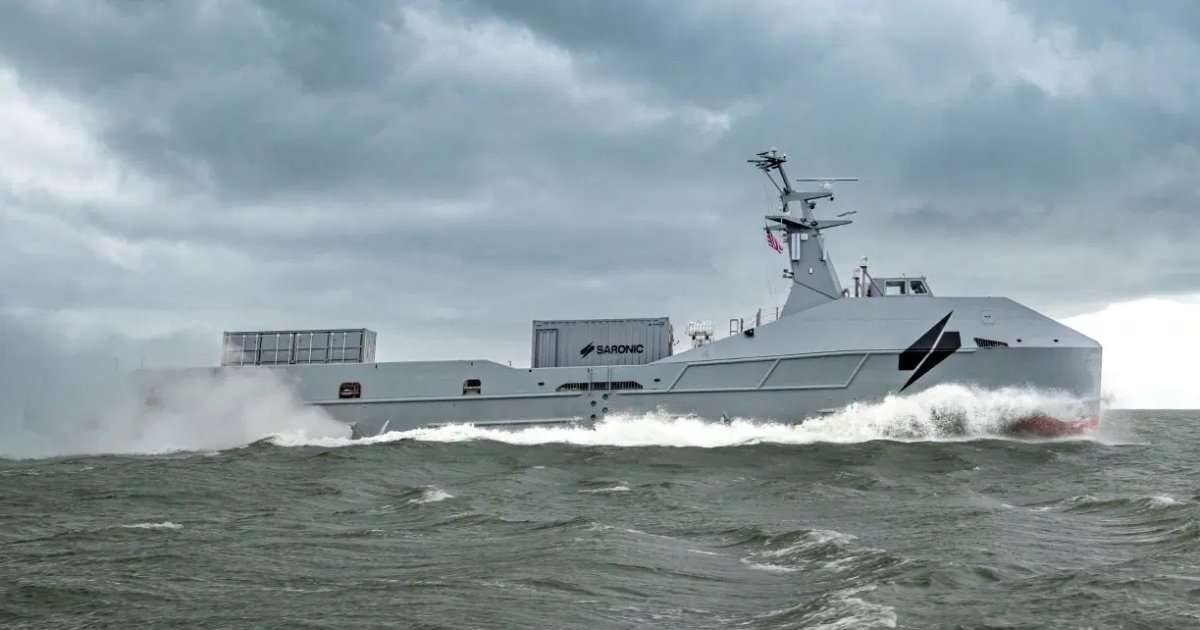 U.S. Navy Awards Production Agreements for 30 Medium Unmanned Surface Vessels, Including 10 Saronic Marauders
-
 Boeing Wins $20 Billion U.S. Navy Contract for F/A-XX Sixth-Generation Fighter
-
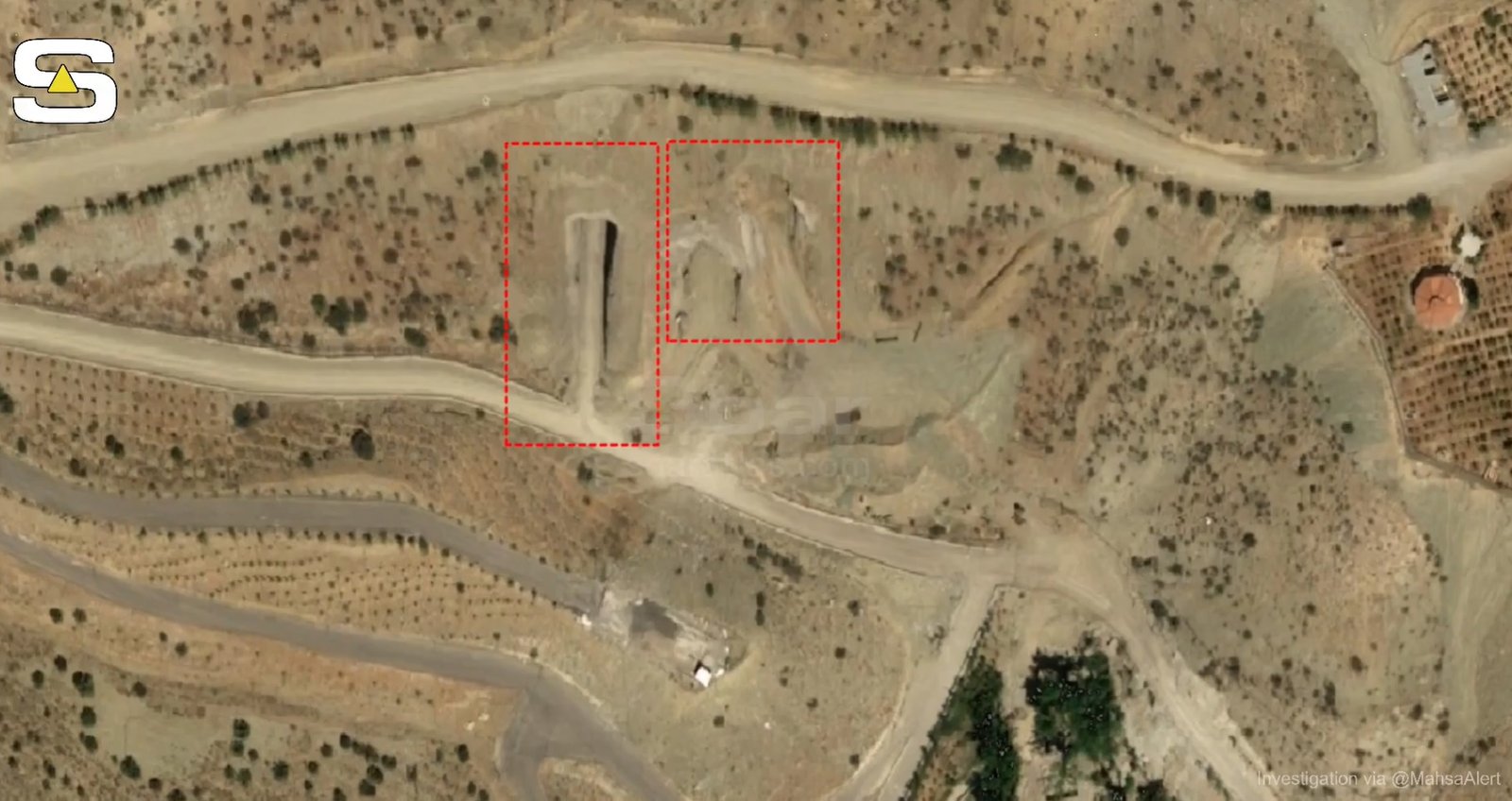 Satellite Imagery Shows Construction Changes at Hillside Site Linked to Iran’s Supreme National Security Council
-
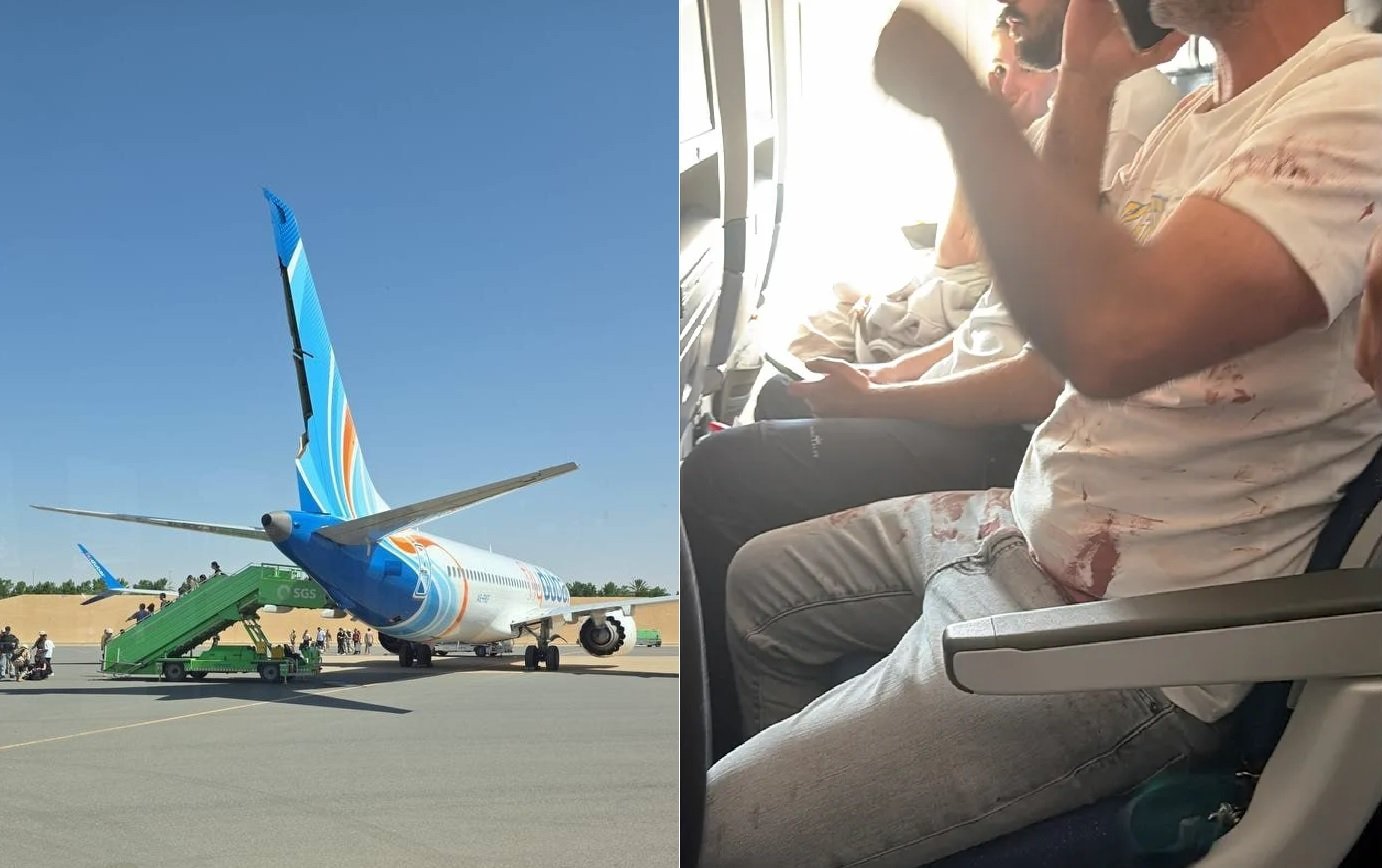 Flydubai Flight to Israel Diverted to Saudi Arabia After Possible Attempted Terror Attack in Cockpit
-
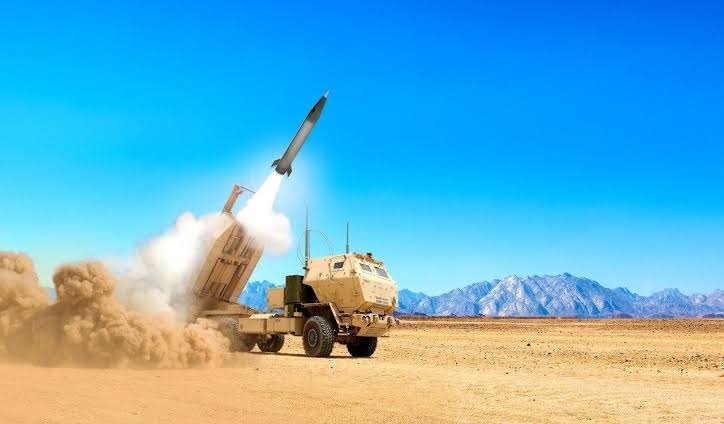 U.S. Army Selects Five Companies to Develop 1,000-Km Precision Strike Missile Prototypes
-
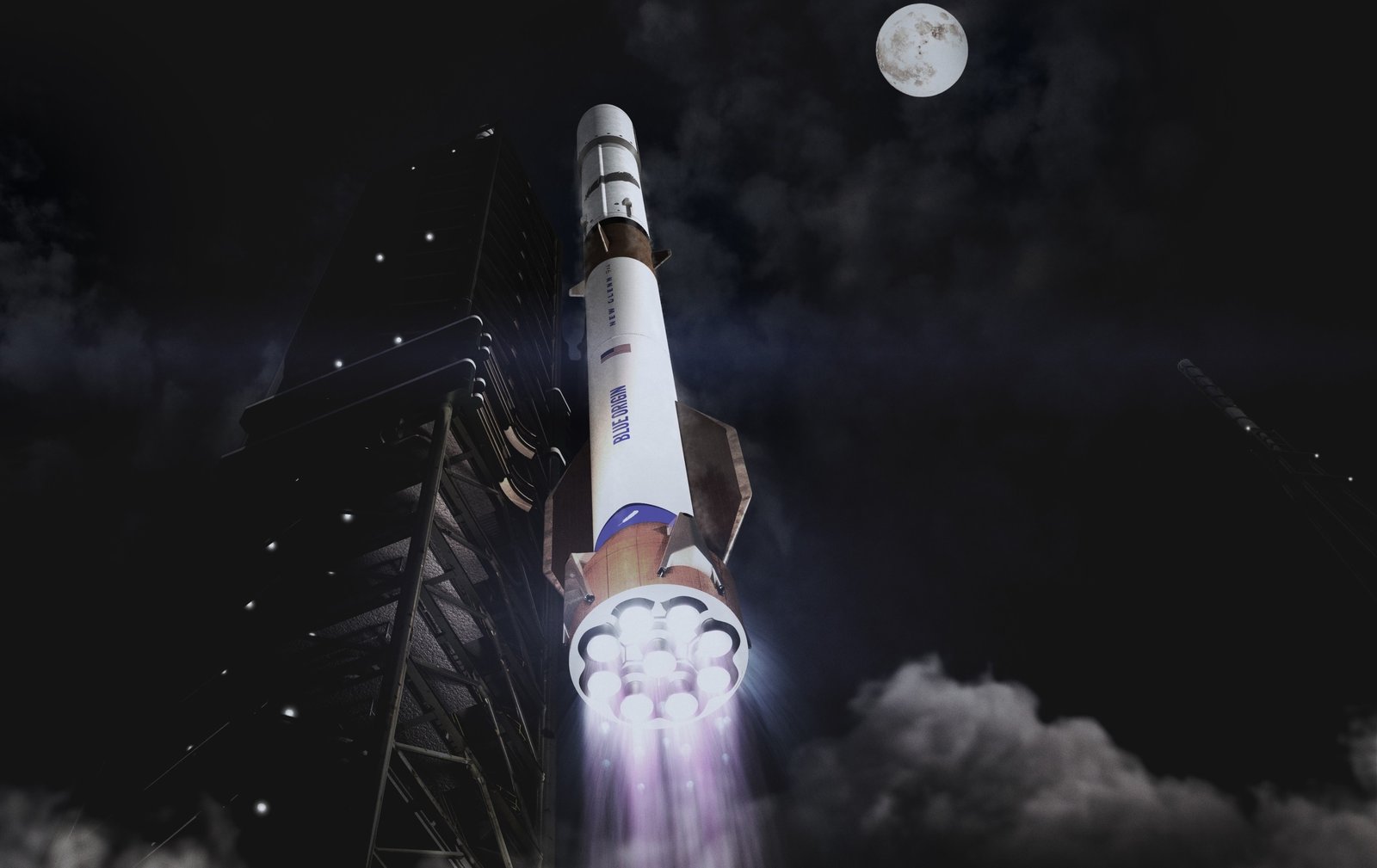 NASA Adds Blue Origin’s Upgraded New Glenn 9×4 to Launch Services Contract
-
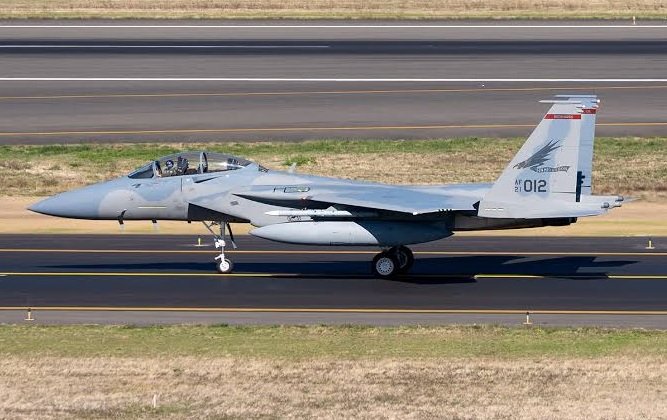 U.S. Air Force Awards Boeing $2.38 Billion Contract for 22 F-15EX Fighter Jets
-
 U.S. Army Awards Heaviside Industries $99 Million Contract for MOTH RF Spectrum Analyzers
Top Trending in 4 Days
-
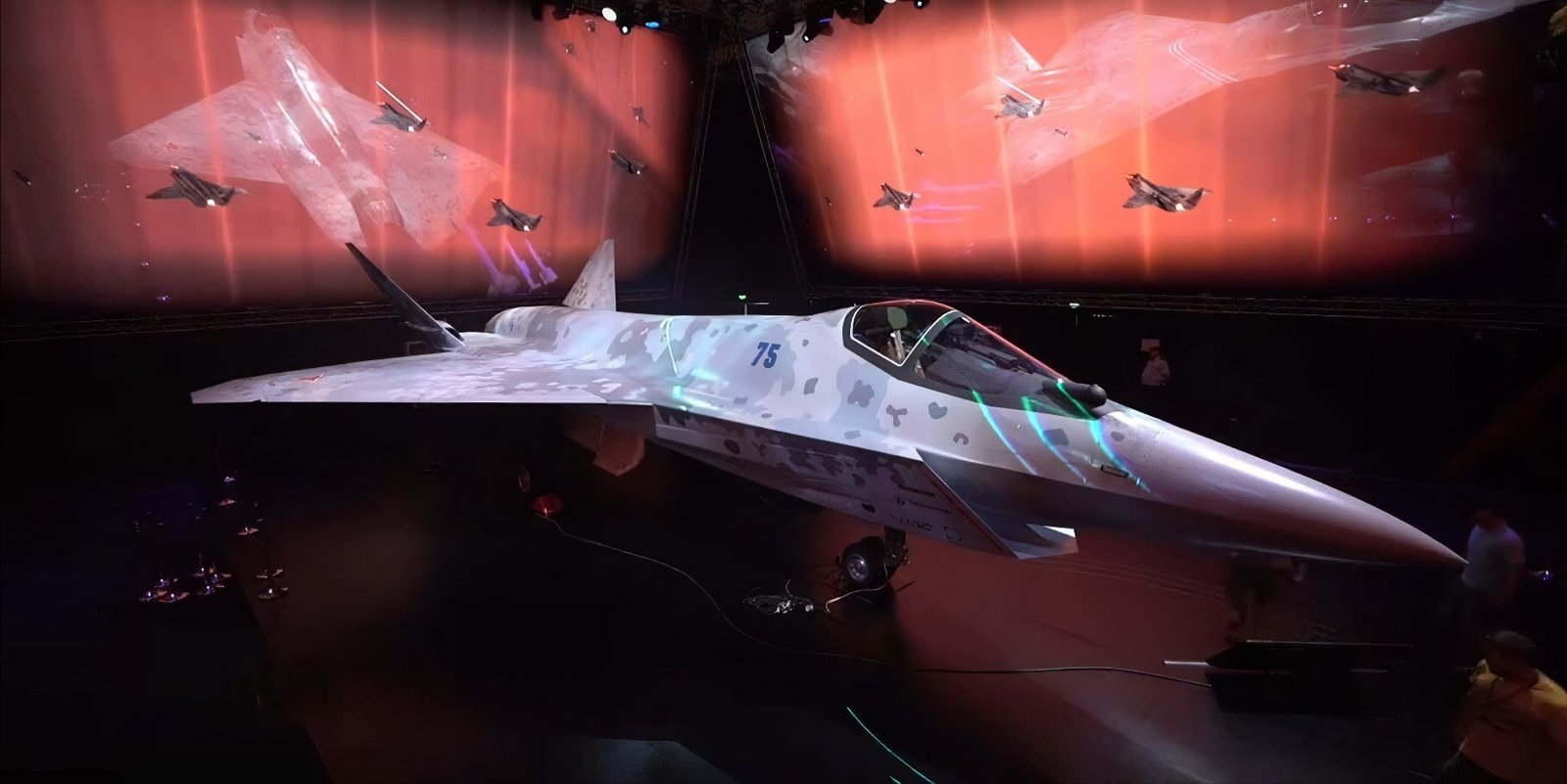 Russia Says Su-75 Checkmate Could Cost Just $25–30 Million, Flight-Hour Costs 6 Times Lower Than F-35
-
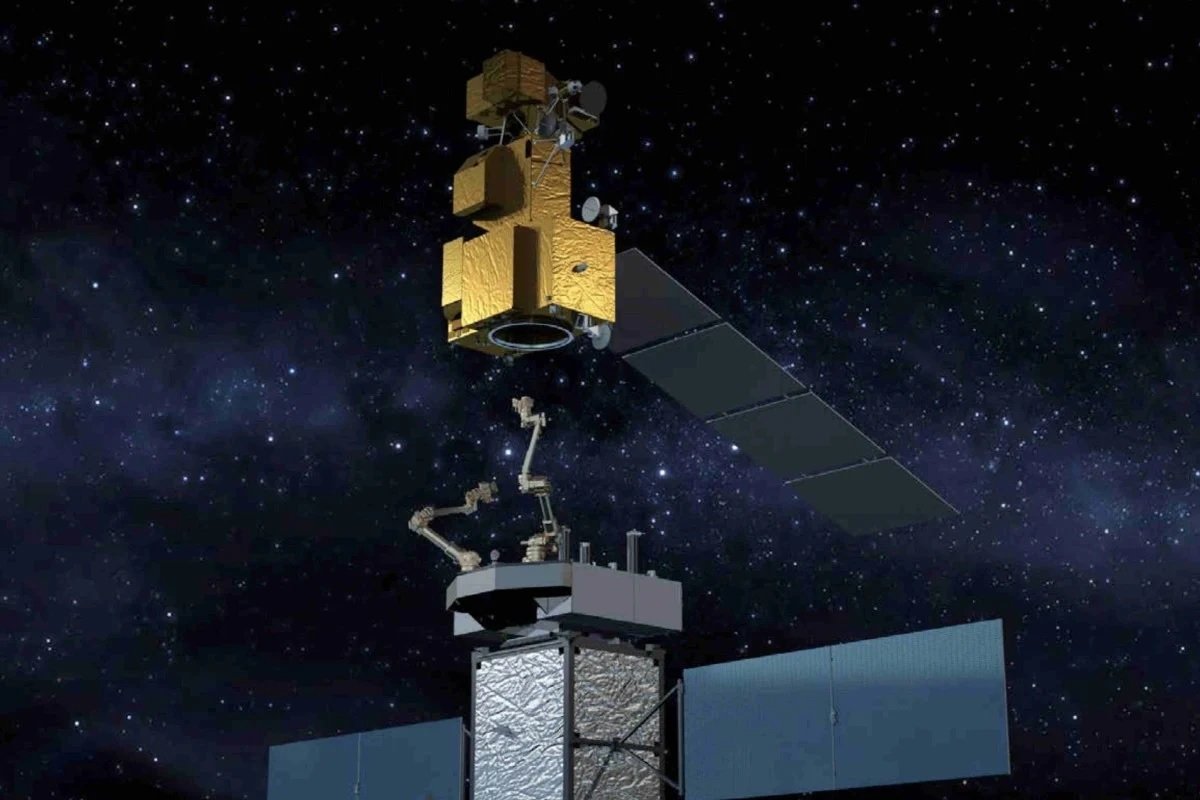 China Reports First High-Orbit Refueling of BeiDou Satellite, but Tracking Data Raise Questions
-
 Eight U.S. Marines Injured in Iranian Missile Strike on U.S Vessel in Strait of Hormuz
-
 UK Offers Nuclear Deterrence for Its Northern European Defence Partners
-
 U.S. and Russia Remove Human-Review Rules From Draft UN AI Weapons Framework
-
 U.S. Navy Begins Flight Testing Blackbeard Hypersonic Missile on F/A-18 Super Hornet
-
 Rheinmetall Develops Automated Reloader for Austrian Skyranger Air Defense System
-
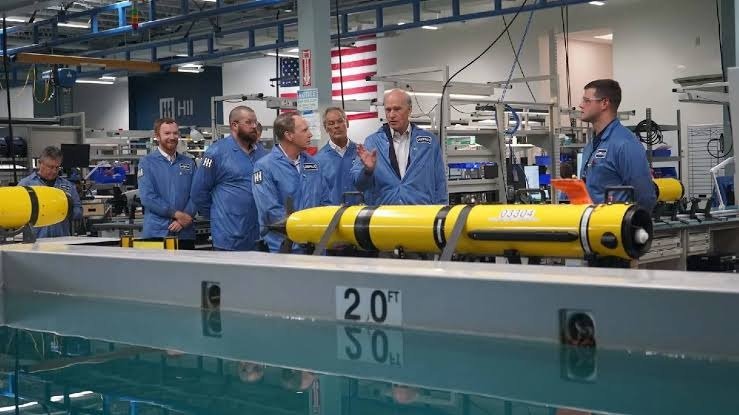 HII Expands Massachusetts Unmanned Systems Facility by 25 Percent to Support U.S. Navy Lionfish Production
