
World
Latvia has taken a significant step toward modernizing its defense capabilities by signing a letter of intent with Sweden for the purchase of 18 Archer self-propelled artillery systems. The agreement, signed on June 10, marks a new chapter in military cooperation between the two countries and is expected to strengthen Latvia’s national defense and regional security in the Baltic area. The Archer artillery system, developed by Sweden, is an advanced 155mm howitzer mounted on an 8x8 wheeled chassis. Known for its precision, mobility, and rapid-fire capability, the system is designed to deliver powerful fire support while maintaining high survivability and mobility. With this acquisition, Latvia aims to significantly enhance the firepower and responsiveness of its National Armed Forces. Deliveries of the Archer systems are planned to begin in 2026, following the conclusion of a formal intergovernmental agreement, which both nations have committed to finalizing in the near future. In the meantime, Sweden has pledged to lease similar systems to Latvia to maintain operational readiness during the transition period. This ensures that Latvia's artillery units remain active and capable while awaiting the arrival of the new equipment. Latvian Minister of Defence Andris Sprūds emphasized the importance of the deal, stating that it not only strengthens Latvia’s defense capabilities but also highlights the growing strategic partnership between Latvia and Sweden. He noted that the collaboration is especially vital in today’s tense geopolitical climate, where collective security efforts have taken on greater urgency. The agreement was signed by Major General Andis Dilāns, representing Latvia’s Ministry of Defence, and Göran Mårtensson, Director of the Swedish National Armaments. It sets the stage for more extensive defense collaboration, including joint training exercises and the potential creation of a combined Latvian-Swedish 6x6 wheeled artillery unit. In addition to acquiring the Archer systems, Latvia is looking to involve its own defense industry in the supply chain. This opens the door for local manufacturing and maintenance support, which could boost the domestic defense sector and create opportunities for Latvian companies to participate in future European defense projects. This move reflects Latvia’s broader strategy to modernize its armed forces and deepen defense ties with like-minded nations. By partnering with Sweden, a country with strong defense technology and experience, Latvia is taking clear steps to increase its military readiness and contribute more effectively to regional deterrence in the face of evolving security threats.
Read More → Posted on 2025-06-12 15:47:13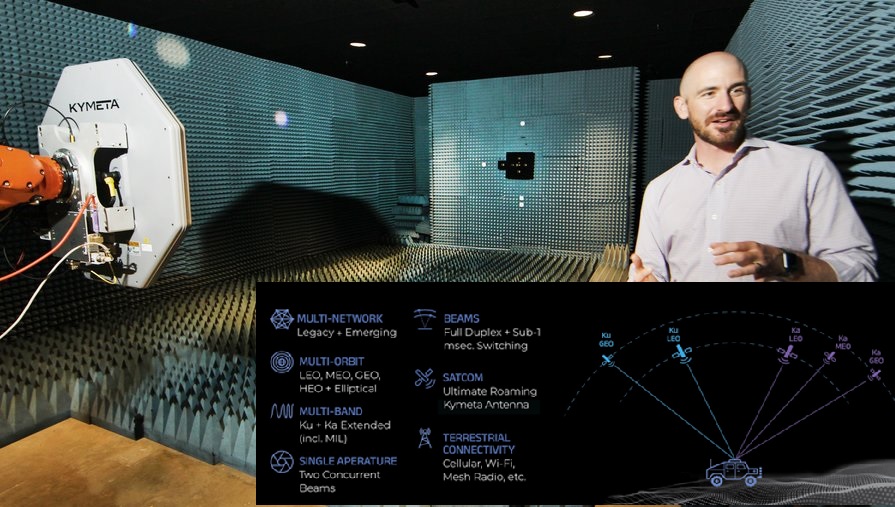
World
In a significant breakthrough for satellite communications, US-based company Kymeta has developed a revolutionary dual-band antenna capable of connecting to both Ku- and Ka-band satellite networks simultaneously. This innovation marks a major leap forward in defense communications technology, promising to simplify and strengthen data connectivity for military and autonomous systems operating in complex or hostile environments. Traditionally, accessing both Ku and Ka satellite bands required the use of two separate antennas. This added extra weight, power requirements, and hardware complexity to military and commercial platforms. Kymeta’s new antenna changes the game by integrating both bands into a single, compact device — a feat that has never been successfully accomplished before. This new design allows the antenna to manage four active communication beams at once. That means higher speeds, greater bandwidth, and expanded coverage — all without switching equipment. The result is faster, more reliable communications that remain stable even during movement or under challenging conditions. For defense forces and autonomous systems that depend on uninterrupted data links, especially in remote locations or high-threat areas, this dual-band capability brings unmatched flexibility. It also enhances the ability to "roam" between different satellite networks, similar to how smartphones transition between cell towers. This roaming function sets the stage for more seamless and resilient global communications, even under adverse operational conditions. Kymeta's antenna is not just a technical marvel; it's designed with the modern battlespace in mind. As militaries increasingly rely on AI, autonomous vehicles, and edge computing, the demand for dependable, high-speed communication continues to grow. The US Space Force has already laid out a vision for a “network of networks” — a strategy that integrates multiple satellite orbits, frequencies, and technologies to ensure agile and uninterrupted connectivity. Retired US Army General Paul J. Kern praised the innovation, noting how this technology would have significantly enhanced his command operations in challenging environments like the deserts of Iraq. According to him, the ability to seamlessly switch between satellite bands ensures “always-on communications” that are vital for advanced military operations. The system has already passed successful field demonstrations and is now being positioned as a robust solution for maintaining communication in environments vulnerable to signal jamming, bandwidth congestion, or deliberate interference. In high-stakes missions where connectivity can mean the difference between success and failure, Kymeta’s new antenna could provide the critical edge. By solving the long-standing challenge of dual-band satellite connectivity, Kymeta has opened the door to a new era of streamlined, resilient communications — one that aligns perfectly with the future of warfare and global data mobility.
Read More → Posted on 2025-06-12 15:42:47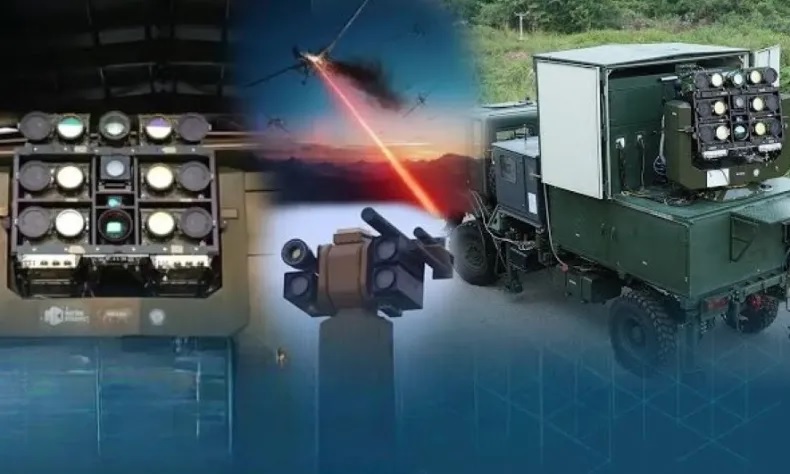
India
India’s Defence Research and Development Organisation (DRDO) is working on an advanced defence system named “Optonic Shield”, designed to safeguard the nation’s critical infrastructure and military installations from a range of modern aerial and ground-based threats. This futuristic system blends cutting-edge electro-optical technology, satellite-based communications, and non-lethal laser weaponry to offer a comprehensive, real-time protective cover for sensitive areas. What is the Optonic Shield? The Optonic Shield is essentially a smart hemispherical defence dome. It works by continuously scanning the airspace and ground around a vital asset using multi-spectral electro-optical sensors. These sensors can detect, track, and classify potential threats — like enemy drones, low-flying aircraft, loitering munitions, or guided missiles — both during the day and at night. This real-time surveillance capability is integrated with advanced battlefield management software that helps commanders quickly assess situations, predict possible threat trajectories, and respond instantly with countermeasures. How It Works: At its core, the system operates through a networked tracking mechanism. It links multiple electro-optical payloads placed strategically around an installation to provide 360-degree hemispherical coverage. These sensors are capable of: Detecting tiny drones or low radar-signature targets Tracking fast-moving objects across multiple altitude levels Operating efficiently in different weather and light conditions Once a potential threat is identified, the system immediately triggers laser warning receivers and alerts defence personnel while simultaneously sharing data with command centres through secure satellite communication links. High-Power Laser Dazzlers: A standout feature of the Optonic Shield is its integration of high-power laser dazzlers. These are non-lethal directed energy weapons that can: Dazzle and temporarily blind optical sensors on drones, missiles, or enemy reconnaissance equipment Disrupt the guidance systems of precision weapons Neutralize potential threats without causing physical destruction This allows for controlled, escalation-free engagements, especially in peacetime surveillance or no-fly zone enforcement operations. Integrated Multi-Layer Defence: The Optonic Shield is designed to work alongside existing radar, electronic warfare, and air defence systems. Its ability to integrate with broader networks means it contributes to a multi-layered protection strategy, where multiple systems work in unison to defend critical assets. Key defensive layers include: Early warning through radar and laser sensors Optical tracking and threat classification Non-lethal neutralization using laser dazzlers Real-time communication with air defence command posts through satellites Specifications (Expected/Planned): Coverage Area: Hemispherical protection dome over selected zones Sensors: Multi-spectral electro-optical sensors (visible, IR, UV) Detection Range: Capable of tracking small drones up to 5–10 km, larger aircraft/missiles at longer distances Laser Dazzler Power: High-power, variable intensity for scalable response Satellite Links: Secure real-time data sharing with command centres and allied units Integration: Compatible with radars, electronic warfare suites, and missile defence systems A Step Toward Self-Reliance: The development of the Optonic Shield underlines DRDO’s commitment to Atmanirbhar Bharat (self-reliant India) in defence technology. As modern threats like drone swarms and precision munitions grow more sophisticated, India’s armed forces require advanced, indigenous solutions to protect military bases, nuclear facilities, airfields, and command centres. Once operational, the Optonic Shield is expected to be deployed at strategic defence locations and critical national infrastructure to bolster India’s layered air defence capabilities.
Read More → Posted on 2025-06-12 15:41:07
India
In a significant boost to India’s indigenous defence capabilities, Solar Defence and Aerospace Limited (SDAL) successfully conducted a key trial of its advanced Hybrid VTOL UAV, Rudrastra, at the Pokharan Firing Range on June 11, 2025. This crucial test represents another important milestone under the government’s Aatmanirbhar Bharat initiative, aimed at strengthening India’s self-reliance in military technology. The Rudrastra UAV has been designed as a multi-role aerial platform, capable of carrying out a variety of missions ranging from reconnaissance and surveillance to precision strike operations. One of its most important features is its vertical takeoff and landing (VTOL) capability, which allows it to operate without a runway — making it especially valuable for tactical operations in difficult or remote terrains. Highlights of the Trial During the recent trial, the Rudrastra demonstrated impressive operational performance: It maintained a stable, high-quality video link while covering a mission radius of over 50 km. The UAV successfully returned to its launch point after completing its mission, with a total operational range—including loitering time—exceeding 170 km. It showcased an estimated endurance of 1.5 hours, providing sustained aerial presence over target areas. A major highlight of the test was the mid-altitude release of a precision-guided anti-personnel warhead. The UAV executed the strike with remarkable accuracy, and the munition performed a low-height airburst detonation, effectively neutralizing a simulated target over a wide area — a feature especially valuable for engaging enemy personnel and light assets in open or semi-covered battlefields. Key Specifications of Rudrastra UAV Type: Hybrid VTOL (Vertical Takeoff and Landing) Unmanned Aerial Vehicle Operational Range: Over 170 km Endurance: Approximately 1.5 hours Mission Radius (with stable video link): Over 50 km Payload: Precision-guided anti-personnel warhead Strike Capability: Mid-altitude release, low-height airburst detonation Features: Real-time surveillance, precision strike, vertical takeoff/landing, extended loiter capability Aatmanirbhar Bharat in Action The successful trial of Rudrastra is a clear example of the progress India is making towards developing homegrown defence systems. With increasing global uncertainties and the growing importance of unmanned systems in modern warfare, platforms like Rudrastra are expected to play a vital role in the Indian Army’s future operations. The UAV’s combination of mobility, endurance, and strike precision makes it an ideal asset for border surveillance, counter-insurgency missions, and special operations support, particularly in areas where conventional manned systems may face operational limitations. With this successful demonstration, Solar Defence and Aerospace Limited is poised to take further steps towards operational induction of Rudrastra into the Indian armed forces, contributing to India’s long-term vision of defence modernization and self-reliance.
Read More → Posted on 2025-06-12 15:05:18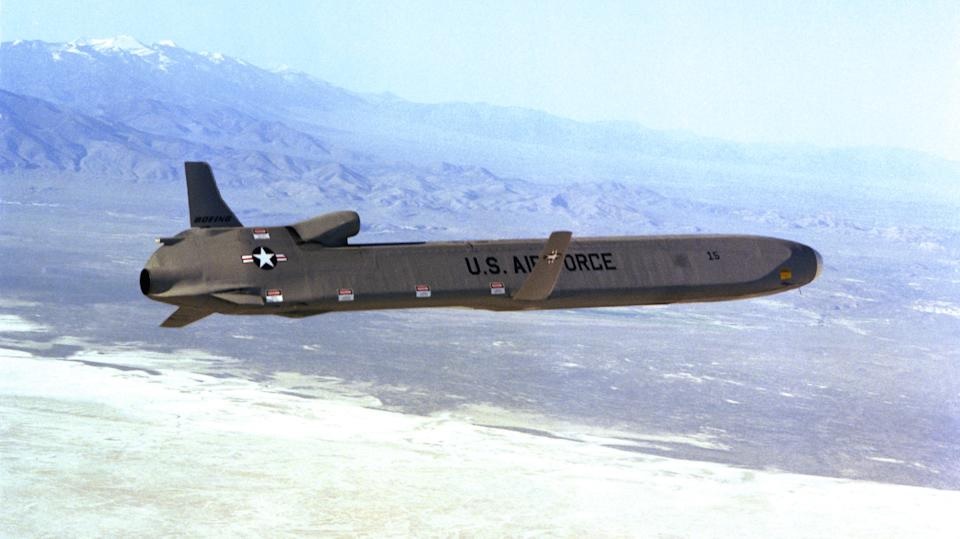
World
On 9 June 2025, the United States Air Force officially released the first-ever rendering of its next-generation AGM-181A Long-Range Standoff (LRSO) nuclear cruise missile. This new missile is being developed as a key part of America’s efforts to modernize its nuclear triad — the combination of land-based missiles, submarine-launched missiles, and air-launched weapons that together provide a powerful nuclear deterrent. The AGM-181A is intended to replace the AGM-86B Air-Launched Cruise Missile (ALCM), which has been in service since the early 1980s. While the AGM-86B has served well over the years, new technology and growing threats from advanced enemy air defense systems have made it necessary to develop a more capable and survivable weapon. Designed for B-21 and B-52 Bombers The new LRSO will be carried by both the B-52H Stratofortress and the B-21 Raider — the U.S. Air Force's upcoming stealth bomber. For the B-21, the missile has been described as a "critical capability," alongside its ability to deploy the latest B61-12 and B61-13 nuclear bombs. Notably, the more powerful B61-13 bomb is expected to be carried exclusively by the B-21 Raider. First Look at the Missile While the exact design remains classified for security reasons, the rendering revealed by the Air Force shows a missile with a trapezoidal-shaped body, wedge-like nose, and tail sections. It includes folding wings, a vertical tail located underneath the missile, and slightly angled horizontal tail fins — similar in concept to the AGM-86B but with modern aerodynamic refinements. Some critical features, like its air intake for the engine, have been intentionally left out of the image to maintain operational secrecy. Expected Features and Capabilities Although official specifications have not been fully disclosed, available information suggests the AGM-181A LRSO will use a subsonic, air-breathing jet engine and is designed as a long-range, precision standoff weapon. This means it can be launched from a bomber aircraft while remaining far from enemy airspace, allowing it to strike heavily defended targets without risking the bomber itself. Importantly, the missile is built to penetrate advanced Integrated Air Defense Systems (IADS), which are becoming more sophisticated in countries like Russia and China. Its combination of stealthy design, long range, and nuclear capability ensures it can deliver strategic deterrence even in highly contested airspace. Development Progress Defense contractor Raytheon was selected as the prime developer of the LRSO program in 2020. The missile entered its Engineering, Manufacturing, and Development (EMD) phase in 2021. A year later, the program successfully completed nine major flight tests, which demonstrated its ability to separate safely from the B-52 bomber, its engine performance, stability in flight, and overall flight control reliability. According to Andrew Hunter, the former Service Acquisition Executive of the U.S. Air Force, the program remains on schedule and within budget, steadily moving toward becoming a fully operational capability. The AGM-181A Long-Range Standoff Missile represents a crucial step in strengthening America’s nuclear deterrent for the coming decades. With its ability to strike from long distances while evading modern air defenses, it will serve as a key tool in maintaining strategic balance and protecting U.S. interests worldwide. As the world enters an era of renewed nuclear competition and increasingly capable air defense systems, weapons like the AGM-181A ensure that the U.S. Air Force can reliably deliver a powerful response if ever required.
Read More → Posted on 2025-06-12 14:43:55
India
In a devastating turn of events, an Air India Boeing 787-8 Dreamliner, operating as Flight AI-171 from Ahmedabad to London Gatwick, crashed just moments after take-off on the afternoon of June 12, 2025. The flight, carrying 232 passengers and 10 crew members, went down barely minutes after departure from Sardar Vallabhbhai Patel International Airport, leading to the loss of all 242 lives onboard, as confirmed by local police sources. The aircraft, heavy with fuel for its long-haul international journey, took off around 1:47 PM, slightly later than its scheduled departure. Witnesses observed the plane flying unusually low and struggling to ascend before it plunged into the Meghani Nagar area. It crashed directly into a medical college’s doctors’ hostel, causing a fiery explosion that engulfed the building and spread debris across a wide area. Thick black smoke could be seen billowing across the city skyline. The impact was catastrophic. The crash occurred at a mere 825 feet altitude, right after the pilot issued a mayday call. Sadly, no further communication came from the cockpit. The hostel’s dining area bore the brunt of the crash, and five medical students who were inside lost their lives on the spot. Several others were feared trapped or seriously injured as the structure partially collapsed. Eyewitnesses described a deafening explosion, followed by chaos and panic. Videos taken by bystanders captured the horrifying final moments of the aircraft as it failed to climb and descended rapidly before impact. A massive fire erupted, complicating rescue efforts and endangering nearby structures, including a hotel. Emergency services rushed to the scene in large numbers. The fire department, police, National Disaster Response Force (NDRF), and over two dozen ambulances responded swiftly. A special green corridor was created to quickly transport the injured to nearby hospitals. One survivor, a 40-year-old man named Vishwash Kumar Ramesh, is currently undergoing treatment at Civil Hospital in Asarwa. His condition remains critical. Flight operations at Ahmedabad airport have been suspended indefinitely to allow rescue teams to operate unhindered and for investigators to begin examining the crash site. The Directorate General of Civil Aviation (DGCA) has announced a full investigation into the crash. Boeing’s technical team is also being sent to assist in uncovering the cause behind the Dreamliner’s sudden failure—marking what is now the first fatal accident involving this modern aircraft type. Air India expressed deep sorrow and confirmed the accident, pledging to support affected families and emergency response teams. The airline has set up emergency information centers and helplines to assist relatives of the passengers. Prime Minister Narendra Modi called the incident “heartbreaking beyond words,” offering condolences and promising full government support in the rescue and investigation efforts. Civil Aviation Minister Ram Mohan Naidu is personally overseeing the situation, while Gujarat Chief Minister Bhupendra Patel has ordered all local authorities to prioritize rescue and relief work. The Tata Group, which owns Air India, has announced a compensation package of ₹1 crore for the families of each deceased passenger or crew member. Additionally, they have committed to covering all medical costs for the injured and supporting the reconstruction of the damaged doctors’ hostel at BJ Medical College. This crash is one of the most severe aviation disasters in Indian history in recent years. The loss of life is immense, and investigations are now underway to determine what led to this tragic failure during what should have been a routine departure. As the nation mourns, the focus remains firmly on supporting survivors, grieving families, and ensuring that the full truth behind this tragedy is brought to light.
Read More → Posted on 2025-06-12 14:37:23
India
Brazil’s aerospace giant Embraer has come forward with a game-changing offer for India’s defence sector. The company has proposed to set up a full-scale final assembly line for its C-390 Millennium military transport aircraft in India—on one key condition: the Indian Air Force (IAF) must commit to a significant order of at least 40 to 80 aircraft. This proposal comes at a time when the IAF is searching for a modern replacement for its ageing Soviet-era Antonov An-32 fleet under the Medium Transport Aircraft (MTA) program. Embraer’s offer perfectly aligns with the Indian government's 'Make in India' initiative, aiming not just to equip the Indian Air Force with modern aircraft but also to turn the country into a regional hub for manufacturing and exporting the C-390 to friendly nations across Asia. A Strategic Deal Hinged on Scale Raul Villaron, Embraer’s Head of Asia-Pacific for Commercial Aviation, made it clear that the proposed Indian facility would only be economically viable if a large order is placed. A deal involving 40 to 80 aircraft, he explained, would justify the significant investment needed to establish a domestic assembly line and associated infrastructure. Such a production base in India could potentially serve export markets like Vietnam, Indonesia, and the Philippines, all of which are seeking to modernize their airlift capabilities. To support this vision, Embraer signed a Memorandum of Understanding (MoU) in February 2024 with Mahindra Defence Systems. This partnership would focus on developing a local supply chain and production ecosystem, ensuring that a substantial portion of the aircraft's systems and components are built in India—strengthening self-reliance in the defence sector. Drawing Inspiration from the Tata-Airbus Model Embraer’s proposal draws inspiration from the ongoing Tata-Airbus project, which is already producing C-295 aircraft in Vadodara. This partnership has become a benchmark for successful foreign-Indian aerospace collaboration, and Embraer aims to replicate a similar model with its C-390 program. The C-390 Millennium: A Workhorse in the Sky The C-390 Millennium is a versatile, next-generation military transport aircraft designed to perform a broad spectrum of missions: Payload Capacity: Up to 26 tonnes, which includes heavy vehicles, helicopters, or 80 fully-equipped troops. Speed & Range: It cruises at 870 km/h and offers a range of 2,820 km with a full 23-tonne payload. Multirole Capability: The aircraft is configurable for missions such as medical evacuation, aerial refuelling, search and rescue, and cargo or paratroop drops. Since joining the Brazilian Air Force in 2019, the C-390 has clocked over 11,500 flight hours. It has an operational availability rate of 80% and a mission completion success rate of 99%. Its performance in real-world missions—from delivering humanitarian aid after the 2020 Beirut blast to moving critical medical supplies during COVID-19—has proven its durability and adaptability. Tough Competition for IAF’s Medium Transport Role Despite its capabilities, the C-390 is not the only contender for India’s MTA program. Other prominent options include: Lockheed Martin C-130J Super Hercules: A proven aircraft already in IAF service with 12 units. Lockheed Martin has also offered to set up a local production line with an Indian partner. Airbus A400M Atlas: Offers greater payload capacity of 37 tonnes but comes with a much higher price tag, making it potentially less attractive for India’s budget-conscious defence planners. Still, industry watchers believe the C-390 has a compelling edge. Its lower lifecycle costs, high operational availability, and the IAF’s existing familiarity with Embraer platforms—such as the ERJ-145 used for Netra AEW&CS and the Legacy 600 jets used for VIP transport—give it a strategic advantage. What’s Next? The final decision on the IAF’s Medium Transport Aircraft deal is expected by 2026 or 2027. If Embraer secures the contract, India could become not only the largest global operator of the C-390 Millennium but also its production and export hub in Asia. That would mark a significant leap in India’s aerospace manufacturing capability—boosting jobs, technology transfer, and global relevance in the military aviation space.
Read More → Posted on 2025-06-12 14:22:14
Space & Technology
In a precautionary but necessary move, the highly anticipated Ax-4 crewed mission to the International Space Station (ISS) has been deferred by SpaceX following the detection of a liquid oxygen (LOX) leak during a static fire test of the Falcon 9 launch vehicle. The mission, which was originally scheduled to lift off on June 11, 2025, has now entered a holding pattern while engineers resolve the technical anomaly. Static Fire Test Uncovers Propulsion Bay Issue The issue emerged during a routine static fire test, a standard pre-launch procedure designed to assess the readiness and performance of Falcon 9’s first stage engines. The hot fire lasted approximately seven seconds, and while it initially appeared nominal, post-test inspections by SpaceX engineers identified an unexpected LOX leak in the propulsion bay of the booster. Given the cryogenic and highly volatile nature of liquid oxygen, any leak—even a minor one—poses significant risks to mission integrity. Technical teams from SpaceX, Axiom Space, and ISRO immediately convened to assess the issue and agreed unanimously to postpone the launch pending corrective measures. Safety First: Rectification Underway The leak, while not deemed catastrophic, necessitates hardware-level intervention. SpaceX has initiated rectification protocols, including booster disassembly for close-up inspection, potential component replacement, and system revalidation through a second static fire test. These steps are crucial for restoring full confidence in the launch system before a new countdown can begin. Revised Launch Date Awaited A new launch date for the Ax-4 mission will be determined once the issue is fully resolved and pending range availability from NASA’s Kennedy Space Center. The teams are committed to ensuring that all safety, performance, and human-rating standards are exceeded, not merely met. As part of this diligence, the mission readiness review (MRR) will be re-conducted once repairs are complete, and the final green light will depend on successful completion of all validation protocols. Astronaut Crew in Good Spirits Among the Ax-4 mission crew is Group Captain Shubhanshu Shukla, a decorated Indian Air Force officer who is poised to become one of the few Indians to travel into space. While the delay may be disappointing, it underscores the stringent safety culture that governs all human spaceflight missions. Gp Capt Shukla, along with the international crew from Axiom Space, remains in quarantine and readiness, undergoing routine simulations and health checks as they await their moment in history. Mission Significance The Ax-4 mission is a pivotal private spaceflight venture led by Axiom Space in partnership with SpaceX and global space agencies. Once launched, it will transport the crew to the ISS for a series of scientific, medical, and technological experiments, many of which are being conducted in partnership with institutions from India, the UAE, and Europe. This mission marks another step toward commercial low-Earth orbit operations and future private space stations, with India playing a more prominent role in the international space community.
Read More → Posted on 2025-06-11 15:17:01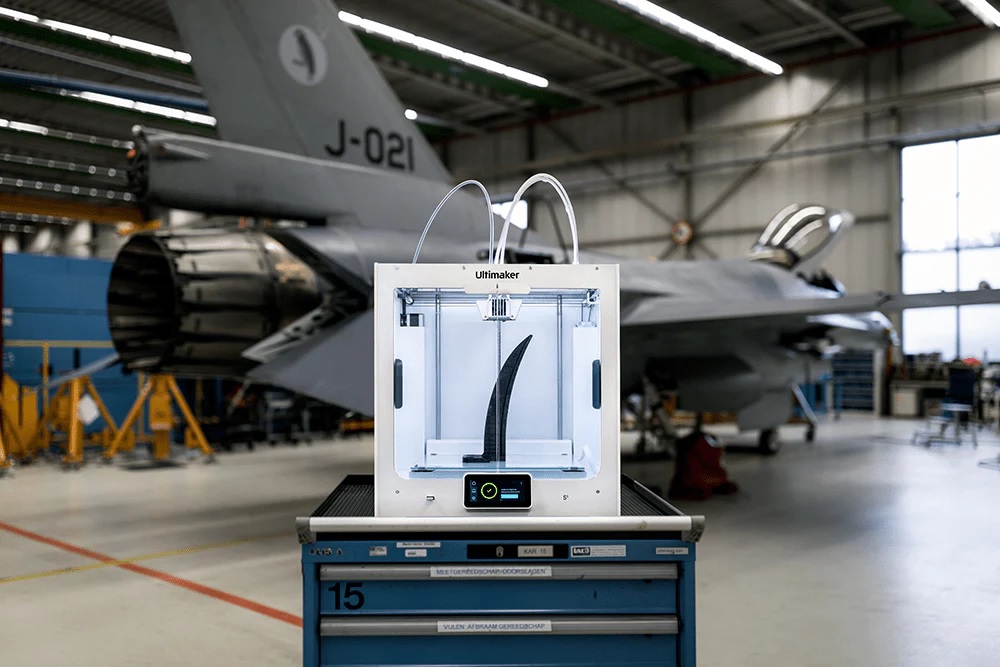
World
In a significant shift in military strategy, a top U.S. general has proposed that 3D printers should be deployed alongside weapons on the battlefield to allow soldiers to carry out rapid repairs in combat zones, especially when traditional maintenance and logistics support is out of reach. General Dan Caine, Chairman of the Joint Chiefs of Staff, recently highlighted this idea during a congressional hearing, where he underlined the growing importance of being self-sufficient in high-stakes warzones. “We need to sustain our force out there at the edge,” Caine said, stressing that in future conflicts—particularly against technologically advanced adversaries like China or Russia—troops may not have the luxury of waiting for resupplies from large, centralized bases. The concept revolves around additive manufacturing, better known as 3D printing. This approach would allow soldiers to reproduce essential parts on-site using digital blueprints and raw materials, bypassing long waits for replacements or the risky practice of “cannibalization,” where working components are stripped from one piece of equipment to fix another. The U.S. Government Accountability Office has long warned that cannibalization causes serious and persistent maintenance challenges, especially for high-demand defense systems. General Caine noted his optimism about ongoing innovation in this field. “I’m really encouraged by the innovation that’s happening to look at things like additive manufacturing, where we get a hold of the specs and can just 3D-print right on the spot,” he said. The idea is not just theoretical. The U.S. military has already been working with 3D printing across several areas. Soldiers have used the technology to create parts for vehicles, tools, and even medical devices in field environments. For example, research in Hawaii is exploring how 3D-printed skin might help treat chemical and burn injuries, offering rapid aid in places where advanced medical facilities are not available. In addition to field repairs, the Army has been testing how additive manufacturing can be used to rebuild damaged vehicles without sending them back to far-off bases. There is also a growing interest in using 3D printing for military construction, producing buildings and infrastructure directly from digital models, which can be faster and more cost-effective than traditional methods. However, the shift to 3D printing on the battlefield also comes with challenges. General Caine acknowledged that troops will need training to operate these printers and must be supported by manufacturers to ensure that the printed parts meet strict performance and safety standards. He also emphasized the importance of pre-positioning the materials and blueprints for frequently needed components to allow for quick and reliable production in the field. If implemented widely, this strategy could redefine how the U.S. military approaches logistics, especially in a future where long supply chains may be too vulnerable or slow. With the right preparation, American forces could become far more agile, capable of fixing what breaks without having to wait—possibly making the difference between success and failure in fast-moving combat scenarios.
Read More → Posted on 2025-06-11 14:24:15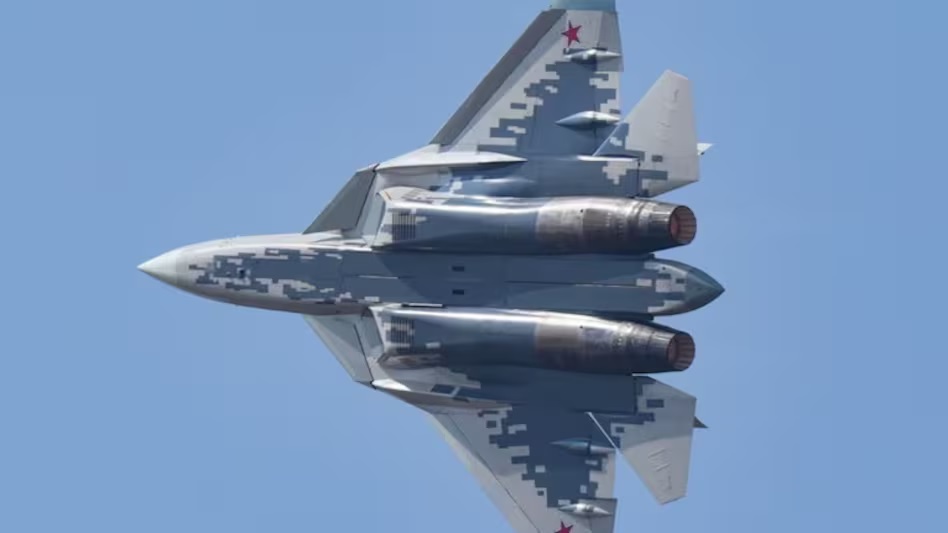
India
In a major development that could reshape the trajectory of India's fighter jet modernization plans, the Indian government is actively considering a proposal to collaborate with Russia for the acquisition—and potential joint production—of the fifth-generation Sukhoi Su-57 fighter jet. According to exclusive information sourced by CNBC-TV18, this engagement includes significant strategic and technological offerings, notably the possibility of 100% source code transfer, making this a rare case of full-spectrum technology sharing by a major global defense supplier. Su-57: A New Chapter in Indo-Russian Defense Ties The Su-57, Russia's premier stealth fighter, was designed to compete with the U.S. F-22 Raptor and F-35 Lightning II. It incorporates stealth shaping, supermaneuverability, internal weapons bays, advanced avionics, and a powerful AESA radar. While earlier discussions under the FGFA (Fifth Generation Fighter Aircraft) project fizzled out due to disagreements on cost and technology transfer, the current dialogue suggests a reset—this time with more transparency and deeper integration potential. Crucially, Moscow’s new proposal reportedly includes the supply and local manufacturing of the Su-57 in India. If finalized, it would be the first time a fifth-generation fighter is co-produced outside of its country of origin, with India likely to become a hub for the aircraft’s production, customization, and export to friendly nations. 100% Transfer of Technology & Source Code: One of the standout features of this proposal is Russia’s reported willingness to transfer the full source code of the Su-57 to India. This would allow Indian defense scientists and engineers to integrate indigenous weapons, electronic warfare systems (EWS), and customized mission software, creating a truly Indianized variant of the aircraft. This level of autonomy could bridge a critical capability gap in India's airpower doctrine and reduce dependence on foreign suppliers in wartime scenarios. In terms of electronic warfare, India could potentially add systems developed by DRDO such as the ‘Shakti’ EWS, already deployed on naval platforms, and tailor it for airborne application. Indigenous weapons like the Astra air-to-air missile, Rudram anti-radiation missile, and upcoming SMART munitions could also be seamlessly integrated into the Su-57’s internal weapons bays—enhancing its stealth strike capabilities. Indigenous Engine Talks Parallel to Su-57 Proposal Alongside this, the Indian government is reportedly evaluating proposals from Safran (France) and Rolls Royce (UK) to co-develop engines for its fifth-generation Advanced Medium Combat Aircraft (AMCA) program. These are currently the only companies offering a 100% Transfer of Technology (ToT) and Intellectual Property (IP) rights, making them ideal partners for long-term self-reliance. This dual-track approach—pursuing Su-57 collaboration while simultaneously developing indigenous engines—shows that India is not merely buying platforms but is strategically acquiring the building blocks of fifth-generation technology. No F-35 on Radar Yet Interestingly, despite speculation and earlier lobbying by the U.S., there is no proposal under consideration for acquiring the F-35 fighter jets, further underlining India’s pivot toward strategic autonomy and partners willing to share critical defense technologies without restrictions. Strategic Implications India’s movement toward acquiring the Su-57—combined with AMCA development—signals a shift from buyer to co-developer. The presence of indigenous weapons and mission systems will ensure customizability for Indian scenarios, particularly for operations on both the western (Pakistan) and northern (China) fronts. Additionally, should India secure IP rights over its version of the Su-57, it may also open up limited export opportunities in the future, strengthening India's position in the global defense market. This initiative, if finalized, would be one of the most consequential defense collaborations between India and Russia in decades—ushering in a new era of stealth, sovereignty, and strike power for the Indian Air Force.
Read More → Posted on 2025-06-11 14:21:44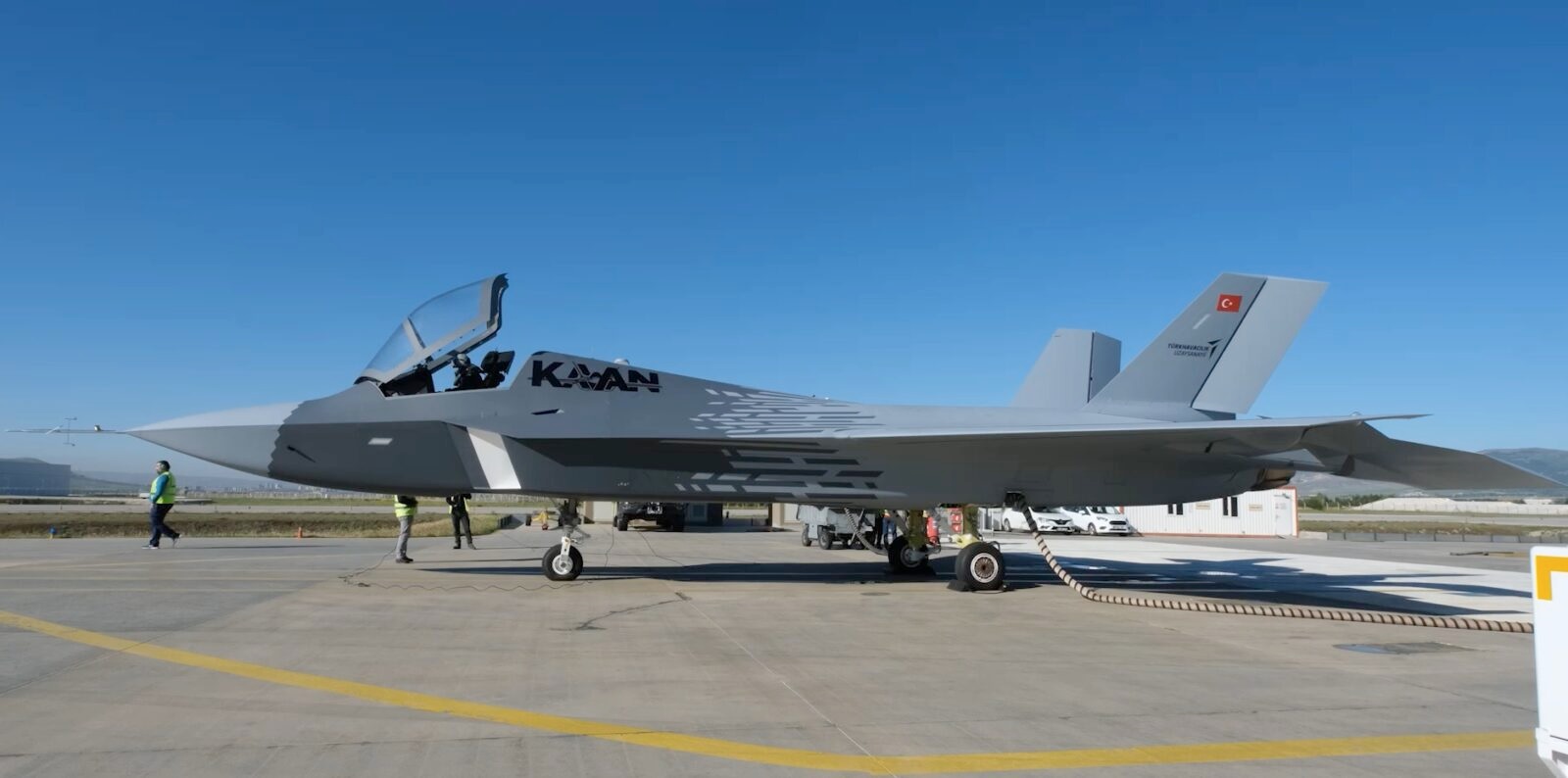
World
In a landmark move that could reshape the global defense industry, Türkiye has sealed its largest-ever arms export deal by signing a $10 billion agreement with Indonesia for 48 KAAN fifth-generation stealth fighter jets. Finalized on June 11, 2025, during the Indo Defence 2025 exhibition in Jakarta, this contract not only marks a turning point in Türkiye’s rise as a defense exporter but also signals a major shift in Indonesia’s airpower strategy. The KAAN, previously known as the TF-X, is Türkiye’s answer to cutting-edge fighter jets like the U.S. F-35 and China’s J-20. Designed by Turkish Aerospace Industries (TAI), the KAAN features advanced stealth design, twin engines, and powerful integrated systems including AESA radar, sensor fusion, and infrared tracking. It’s capable of flying at Mach 1.8 with a combat radius of 600 nautical miles. The fighter supports both air superiority and strike roles, with future upgrades aimed at enabling AI-assisted operations and drone teaming—key hallmarks of next-generation warfare. The aircraft completed its first flight in February 2024 and is currently undergoing further test flights, with six prototypes in production. While early models are powered by U.S.-made F110 engines, Türkiye is working to transition to its own locally developed engines by 2030. This homegrown development is a direct response to Türkiye’s removal from the U.S. F-35 program in 2019, which spurred a renewed national effort toward military self-reliance. Indonesia’s decision to buy the KAAN marks its most expensive defense acquisition to date, surpassing previous deals such as the $8.1 billion Rafale purchase from France and the now-canceled $1.14 billion Su-35 agreement with Russia. With this bold move, Jakarta seeks to modernize its air force while reducing its dependence on Western and Russian military suppliers. At an estimated cost of $208 million per aircraft, the KAAN offers a balance of affordability, advanced technology, and operational independence—especially when compared to the lifetime costs of over $400 million per unit for the F-35. The geopolitical implications are just as significant. Indonesia, located at a strategic chokepoint between the South China Sea and the Indian Ocean, faces growing tensions due to China’s expanding naval influence. The stealth capabilities and sensor superiority of the KAAN will enhance Jakarta’s ability to monitor, deter, and defend its airspace in increasingly contested skies. Additionally, the deal includes a cooperative production model. Parts of the KAAN jets will be manufactured in Indonesia, with technology sharing and domestic industrial participation woven into the contract. This supports Jakarta’s long-term ambition to build its own defense industry, reducing reliance on external suppliers and strengthening national sovereignty in defense matters. While the $10 billion contract exceeds Indonesia’s entire 2024 defense budget, strategic offsets—such as tech transfer, local production, and long-term maintenance benefits—make the investment more sustainable. The KAAN deal also builds upon growing defense ties between Türkiye and Indonesia, following earlier agreements on drone development and missile technology co-production. For Türkiye, this agreement is more than just an economic milestone. It places the country among the very few globally capable of developing and exporting fifth-generation fighter jets. Turkish defense exports have already seen a dramatic rise—106% growth in just four years—and the KAAN deal could further push annual revenues for TAI to over $2.4 billion by 2029. Moreover, this export breakthrough is likely to attract interest from other nations, with countries like Saudi Arabia, Azerbaijan, Qatar, and Malaysia reportedly eyeing the platform. The pressure is now on TAI and Türkiye’s broader defense ecosystem to deliver all 48 jets within the agreed 10-year window. This will require rapid scaling of production, on-time development of local engines, and robust logistical support. But success in fulfilling this deal could position Türkiye as a credible alternative to the West and China in the global arms market—especially for nations seeking high-tech systems without political strings attached. In essence, the Türkiye-Indonesia KAAN deal is not just a commercial transaction—it is a strategic statement. It highlights Türkiye’s emergence as a major defense player and Indonesia’s evolution from a buyer of systems to a partner in development. As new alliances form and old paradigms shift, the KAAN may well become a flagship of how defense cooperation is reimagined in a multipolar world.
Read More → Posted on 2025-06-11 14:07:15
India
Bengaluru-based space technology startup Pixxel has taken another major step in India’s growing defence space sector. The company, known for building the world’s highest-resolution hyperspectral satellite constellation, has signed a fresh agreement under the iDEX SPARK Grant scheme of the Ministry of Defence, Government of India. This initiative supports innovative defence startups in developing cutting-edge technologies for the armed forces. Under this new grant, awarded as part of iDEX DISC 8 Challenge 6.2, Pixxel will develop advanced Hyperspectral and Mid-Wave Infrared (MWIR) payloads tailored for the Indian Air Force (IAF). These high-performance imaging payloads will enhance India’s space-based and airborne reconnaissance, surveillance, and intelligence-gathering capabilities. What are Hyperspectral and MWIR Payloads? Hyperspectral payloads capture images in hundreds of narrow spectral bands across visible, near-infrared, and shortwave infrared wavelengths. This technology allows analysts to detect subtle differences in materials, vegetation, gases, and other objects, making it highly valuable for applications such as border surveillance, asset monitoring, disaster management, and military intelligence. On the other hand, MWIR (Mid-Wave Infrared) payloads operate in the mid-infrared region (typically 3 to 5 micrometres), capable of detecting heat signatures from vehicles, aircraft, and ground installations, even in complete darkness or through smoke and cloud cover. This makes MWIR sensors essential for night-time reconnaissance, targeting, and situational awareness in challenging environments. Expected Specifications Though official specifications of the new payloads are yet to be revealed, based on Pixxel’s current technology stack and industry trends, the expected features may include: Hyperspectral Payload: Spatial resolution: Sub-5 meter from low Earth orbit Spectral bands: Over 150 narrow bands ranging from 400 to 2500 nanometres High signal-to-noise ratio imaging Real-time on-board data compression and analysis capabilities MWIR Payload: Detection range: Tens of kilometres for vehicle and aircraft-sized objects Thermal resolution: Sub-50 millikelvin (mK) sensitivity Capability to operate in day/night and all-weather conditions Compact, lightweight design optimised for integration on miniaturised satellites or airborne platforms A Boost to India’s Defence-Tech Ecosystem This new iDEX SPARK Grant is not Pixxel’s first collaboration with the Indian defence establishment. In 2023, Pixxel was selected under the Mission DefSpace Challenge of iDEX Prime (Space) to develop miniaturised, multi-payload satellites for defence applications. Speaking on this latest achievement, Awais Ahmed, Founder and CEO of Pixxel, expressed pride in the company’s growing partnership with the Government of India, stating that this milestone further strengthens India’s position in next-generation aerospace innovation. The grant is part of the Ministry of Defence’s broader vision to empower homegrown startups and MSMEs to develop critical, indigenous defence solutions. By fostering innovation through schemes like iDEX, India aims to build a self-reliant defence ecosystem capable of addressing strategic and operational challenges independently. Pixxel’s Expanding Capabilities Pixxel already has three operational Firefly hyperspectral satellites in orbit and plans to launch several more in the coming months. Additionally, its proprietary Pixxel Aurora Earth Observation Studio offers intuitive tools for visualising, analysing, and generating insights from hyperspectral data. With this new project, Pixxel is not just advancing defence imaging technology but also contributing to India’s ambition of establishing a robust, real-time environmental and security monitoring network in space. In essence, this partnership signals a growing trust in India’s private space sector and its potential to play a pivotal role in national security and strategic capabilities in the years ahead.
Read More → Posted on 2025-06-11 14:03:19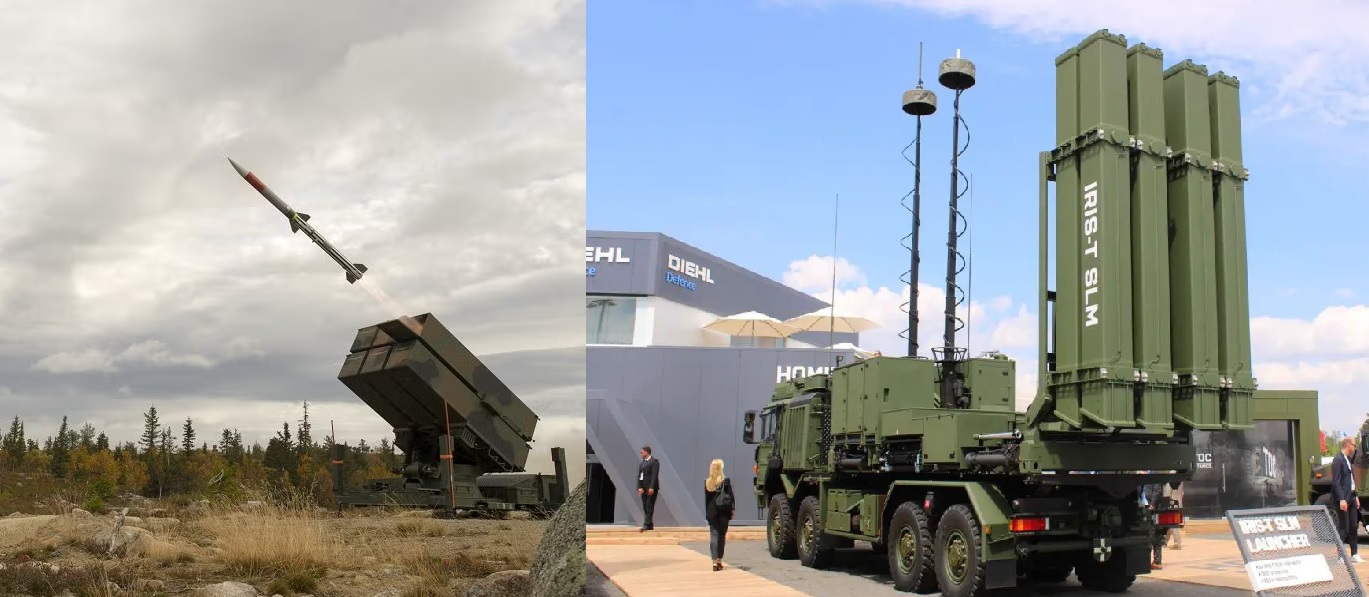
World
In a bold and urgent move to boost its national security, Denmark has decided to procure three different short-range air defence systems from three separate countries—Germany, France, and Norway. The Danish Ministry of Defence announced the decision on 10 June as part of a rapid procurement initiative aimed at protecting its population, military sites, and key infrastructure from modern aerial threats. The approach is unusual but strategic. Faced with the growing need to rapidly build up ground-based air defence, Denmark concluded that no single supplier could deliver the required systems within the tight deadline. To meet operational readiness by 2026, the country opted to spread its bets—selecting one system each from different manufacturers. After evaluating 10 proposals from companies across Germany, Norway, France, Italy, Turkey, and Israel, Denmark finalized its selections. It will purchase the IRIS-T SLM system from Germany's Diehl Defence, buy the VL MICA system from MBDA France, and lease the NASAMS system from Norway’s Kongsberg Defence & Aerospace. The total value of the contract package exceeds 6 billion Danish kroner, or around 800 million euros. This procurement marks the first phase of a two-track plan approved by the Danish government earlier this year. The initial goal is to quickly deploy temporary systems to cover the country’s most critical air defence needs. The second phase will focus on selecting permanent systems for long-term protection, with a final decision expected later in 2025. The Ministry of Defence emphasized that the urgency stems from rising geopolitical tensions and an evolving security landscape in Europe. Denmark’s current ground-based air defence capabilities are minimal, and the government is taking steps to ensure it is no longer left exposed to threats from drones, missiles, or aircraft. The selected systems represent some of the most trusted and widely used technologies in NATO countries. The IRIS-T SLM has been fielded successfully by Ukraine against Russian missile and drone attacks. NASAMS, a joint U.S.-Norwegian system, is already in use in many Western nations, including for the protection of Washington, D.C. The VL MICA, meanwhile, offers a highly mobile solution with strong performance in short- to medium-range engagements. Denmark’s plan to mix and match these systems reflects a new kind of defence strategy—fast, flexible, and tailored to urgent needs. It also demonstrates the country's commitment to strengthening NATO’s collective deterrence posture at a time of global uncertainty.
Read More → Posted on 2025-06-11 09:57:26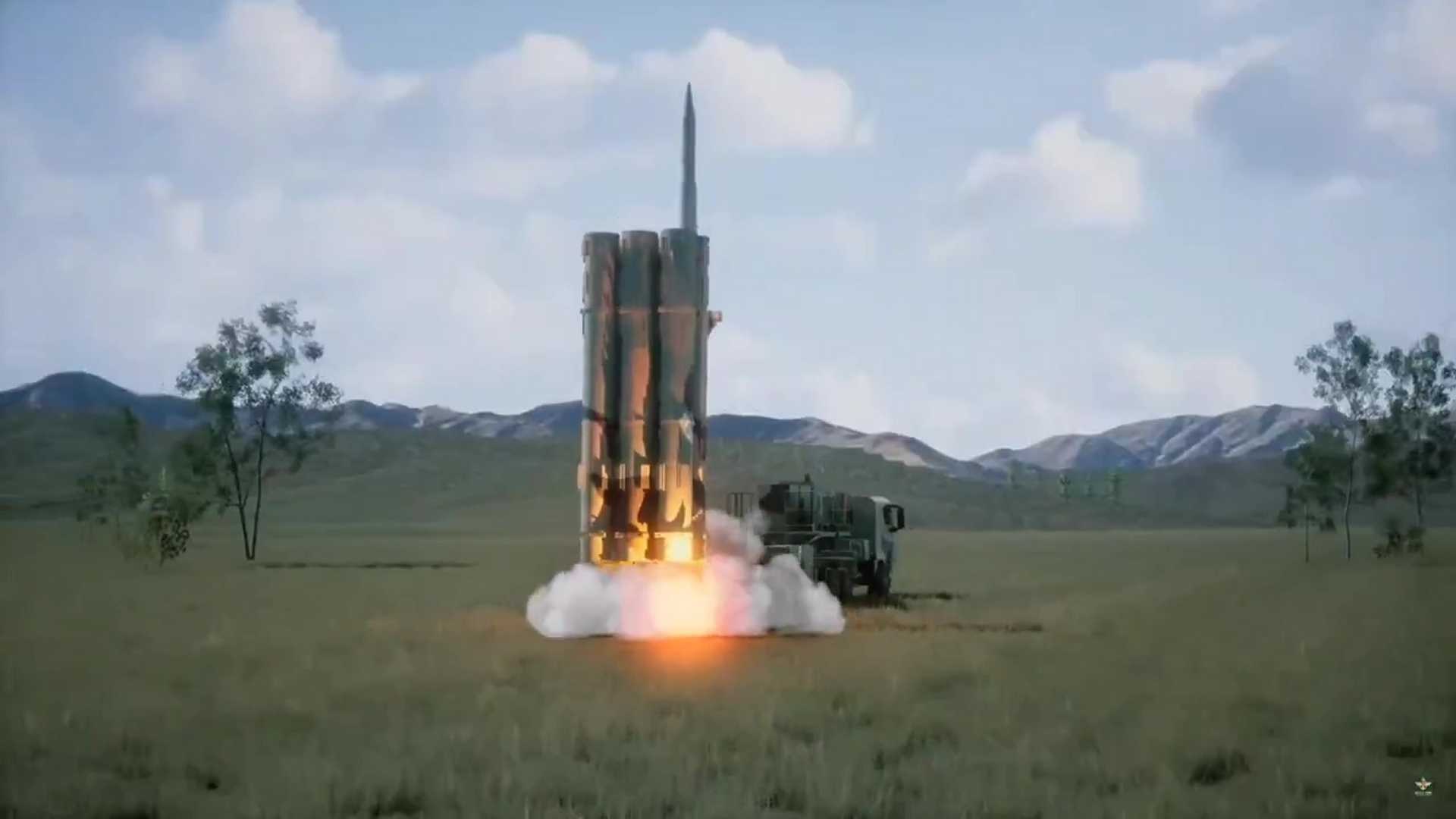
World
South Korea has officially launched the development of its next-generation missile defense system, known as L-SAM-II, which aims to strengthen the country’s ability to intercept advanced ballistic missiles at much higher altitudes than existing systems. On June 10, 2025, Hanwha Aerospace signed a major contract worth 198.6 billion won (about $145.5 million) with South Korea’s Agency for Defense Development (ADD) to spearhead this ambitious program. The L-SAM-II will build upon the successful foundation of the earlier L-SAM system, which is currently preparing for mass production and deployment. The original L-SAM was designed to engage missiles at altitudes of 40 to 60 kilometers with a maximum range of around 150 kilometers. However, with the evolution of ballistic missile technology — featuring faster speeds, unpredictable flight paths, and sophisticated countermeasures — South Korea recognized the need for a more capable upper-tier defense system. The L-SAM-II is engineered to intercept ballistic missiles at altitudes reaching up to 180 kilometers, placing it in the same category as the U.S. THAAD (Terminal High Altitude Area Defense) system. This higher operational ceiling offers critical advantages, allowing South Korea to detect and engage missiles earlier in their trajectory, providing additional opportunities for interception and expanding protection over a broader area. In fact, the coverage of L-SAM-II is expected to be three to four times greater than the original L-SAM system, safeguarding vital infrastructure and densely populated regions. Advanced Technology at Its Core Central to the L-SAM-II’s design are two highly advanced technologies: Divert and Attitude Control System (DACS):This system uses ten small rocket thrusters positioned around the interceptor missile, allowing it to make precise adjustments to its flight path at extremely high altitudes where aerodynamic control surfaces become ineffective. The DACS ensures that the interceptor can achieve a direct collision, or “hit-to-kill”, with incoming ballistic missiles even in the thin upper atmosphere. High-Performance Propulsion System:To reach THAAD-like altitudes and intercept threats traveling at high speeds, the L-SAM-II requires a highly efficient propulsion system capable of rapid acceleration and long-distance flight. The system must also manage shorter response times due to the limited window for intercepting high-altitude ballistic missiles. Part of South Korea’s Multi-Layered Defense Network The L-SAM-II forms the top layer of South Korea’s Korea Air and Missile Defense (KAMD) strategy. This multi-layered setup involves integrating various missile defense systems that operate at different altitudes and ranges. The structure includes: Lower and Medium-Tier Systems:Such as KM-SAM (Cheongung) and Patriot PAC-3 for intercepting lower-altitude threats. Upper-Tier Systems:L-SAM-II will operate alongside the U.S.-deployed THAAD batteries stationed in South Korea, creating overlapping coverage and improving the chances of successfully intercepting any incoming missile. This layered configuration is designed to ensure that if one system fails to neutralize a threat, another system will have an opportunity to engage it — offering multiple lines of defense against increasingly complex ballistic missile threats. Cutting-Edge Components and Capabilities The L-SAM-II system will feature: State-of-the-art radar systems capable of detecting, tracking, and identifying incoming ballistic missiles at extreme altitudes and ranges. Mobile launch platforms for flexible deployment, enhancing the survivability of the system in hostile environments. An advanced command and control network that processes incoming data and makes rapid interception decisions within tight timeframes. The program will involve rigorous live-fire tests and operational trials through 2028, verifying the system’s capability to intercept realistic targets and perform under combat conditions. A Step Towards Global Defense Markets As ballistic missile threats continue to spread globally, there’s growing international demand for multi-layered air and missile defense systems. Hanwha Aerospace views the L-SAM-II program not only as a vital upgrade to South Korea’s own defense posture but also as a significant opportunity to enter the global missile defense market. The earlier L-SAM program has already drawn interest from foreign buyers due to its balance of high performance and cost-effectiveness. By consolidating critical missile defense technologies through the L-SAM-II program, South Korea aims to enhance its defense self-reliance while also establishing itself as a competitive exporter of sophisticated missile defense solutions. the L-SAM-II represents a major leap forward in South Korea’s missile defense capability. Once completed, it will provide comprehensive, layered protection against modern ballistic missile threats and position South Korea as a key player in the global missile defense industry.
Read More → Posted on 2025-06-11 09:53:23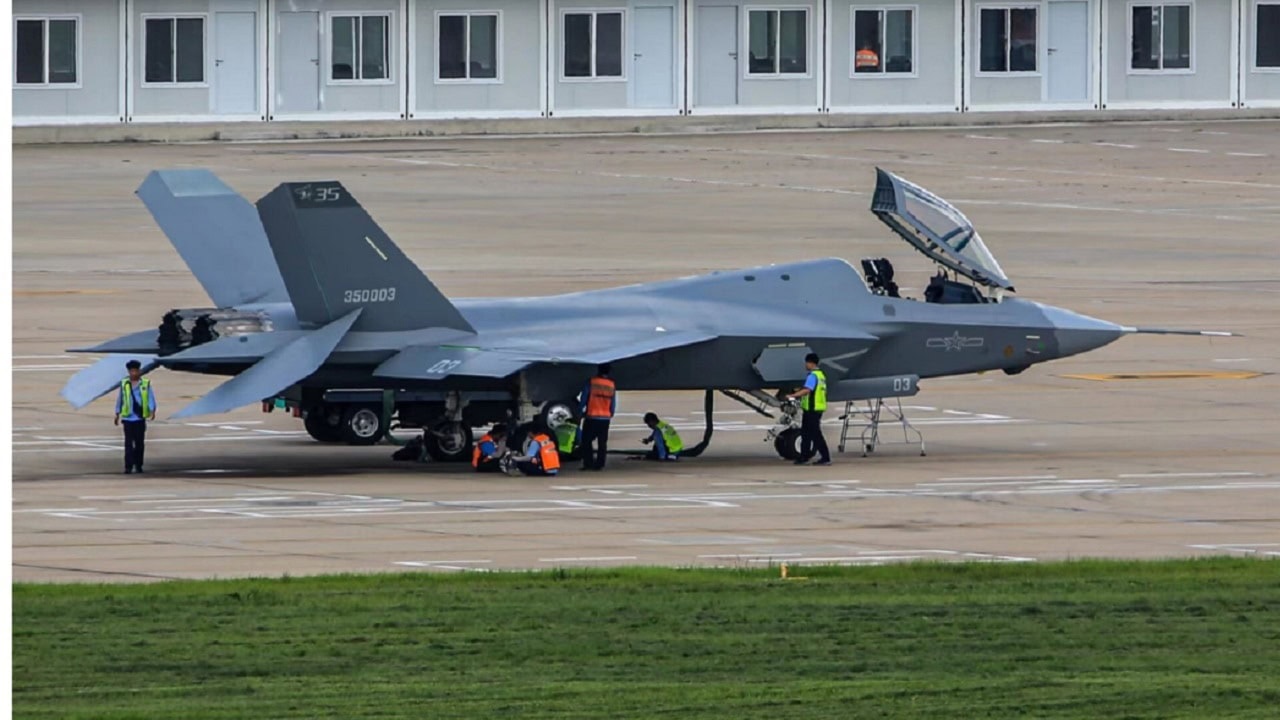
World
In a telling move that signals both strategic desperation and technological dissatisfaction, Pakistan is pushing hard to induct China’s fifth-generation J-35 stealth fighter — barely three years after introducing the J-10C into its fleet in March 2022. The haste with which Islamabad is trying to secure the J-35, despite already committing billions to the J-10C, reflects a growing disillusionment with the latter’s combat potential, especially under high-threat scenarios such as Indian air superiority operations or missile strikes. The J-10C, touted by Chinese media as a “4.5-generation game-changer,” was inducted amid fanfare, with claims that it would counter India’s Rafales. But the reality has proved otherwise. During Operation Sindoor — India’s multi-pronged, precision strike campaign — Indian Air Force assets, including Su-30MKIs and possibly Rafales, executed standoff missile strikes deep into Pakistani territory. Chinese-supplied radar and air defense systems, including HQ-9/P batteries and JL-3D-90A radars, failed to detect or respond effectively. Not a single Indian missile or aircraft was intercepted. This operational failure has rattled Rawalpindi. Internal assessments, reportedly submitted to Pakistan’s Ministry of Defence and the Air Headquarters, revealed that Chinese sensor-fusion and radar systems performed poorly under electronic warfare environments. This is particularly alarming as India is known to possess advanced jamming platforms like the DRDO-developed "Himshakti" and Israeli-origin EW pods on Mirage and Su-30 fleets. In response, Pakistan has reached out to the United States, Turkey, and even Germany to procure advanced air defense systems. This includes fresh interest in Lockheed Martin’s NASAMS, the Turkish HISAR-O+, and potential radar acquisitions from Hensoldt of Germany. These overtures represent not just a diversification of suppliers but a significant loss of confidence in Chinese defense technology — a telling irony for a country that for years prided itself on its “iron brotherhood” with Beijing. Meanwhile, the Chinese J-35 — still under development for the PLA Navy — has yet to be proven in real combat or even enter serial production. By courting the J-35 now, Pakistan seems to be making a desperate gamble to leapfrog its current limitations. However, integrating a fifth-generation platform into a force that still largely relies on JF-17s — themselves plagued by engine and software issues — is a massive challenge. Questions remain about interoperability, sustainment, training pipelines, and data-link compatibility with existing systems. Experts also point to a deeper doctrinal crisis within the Pakistan Air Force (PAF). The move from JF-17 to J-10C and now to J-35 in such rapid succession reflects reactive, not strategic, thinking. In contrast, India’s Air Force is undergoing structured modernization, backed by indigenous programs like the LCA Tejas Mk1A, the upcoming AMCA stealth jet, and Next - Gen EW and missile upgrades. Moreover, China's inability to protect even its own drones — several Wing Loong and CH-4 UAVs used by Pakistan were reportedly neutralized or jammed during Indian strikes — raises concerns about the real-world viability of its next-generation platforms. If Beijing’s current generation of jets and systems cannot defend Pakistan in a regional conflict, the premise of J-35 superiority becomes speculative at best. In conclusion, Pakistan’s urgent pivot to the Chinese J-35, amid a simultaneous hunt for non-Chinese air defense systems, reveals a two-fold crisis: growing doubts about Chinese military tech and a strategic vacuum within Pakistan’s defense planning. For a country locked in a long-term rivalry with India, betting on under-tested platforms from a faltering supplier may offer temporary prestige — but not lasting security.
Read More → Posted on 2025-06-11 09:48:16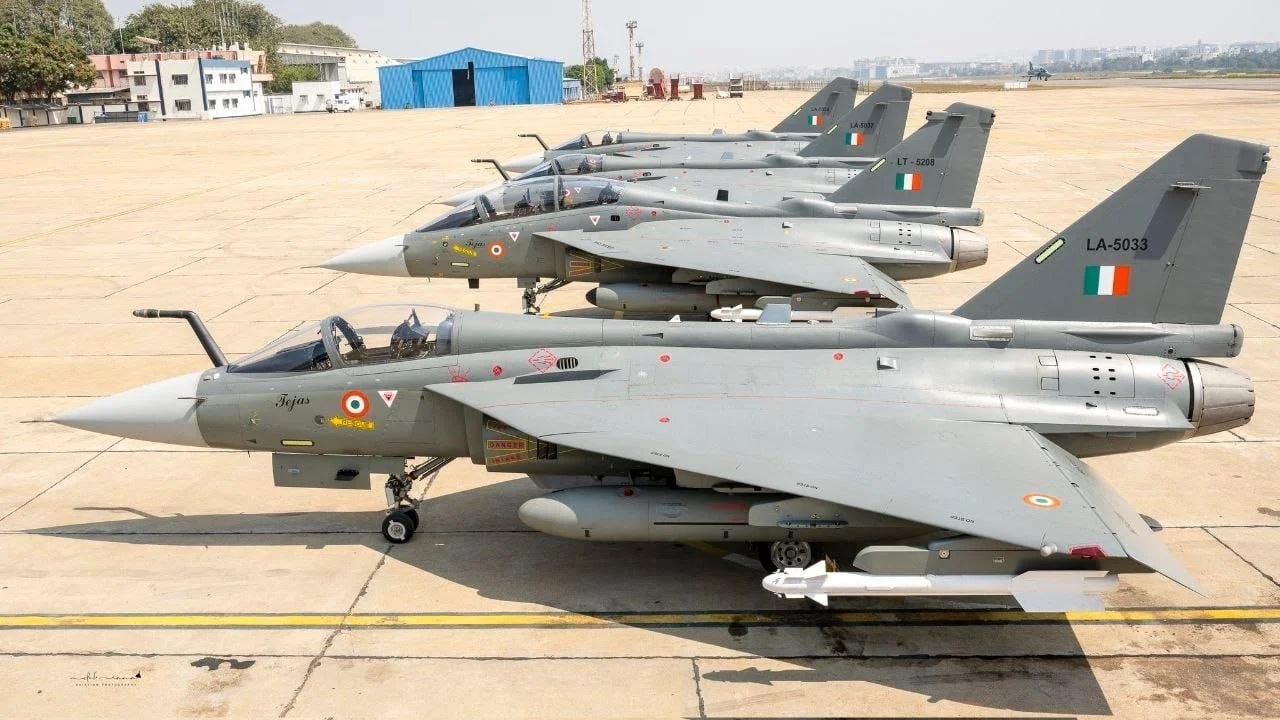
India
India’s homegrown fighter jet program is set to receive a major push with the planned procurement of 97 upgraded TEJAS MK-1A fighter jets from Hindustan Aeronautics Limited (HAL). The acquisition, likely to begin in the financial year 2026–27 (FY27), forms part of a ₹67,000-crore plan that is expected to receive formal approval from the Cabinet in the near future. This new order follows the earlier deal for 83 TEJAS MK-1A jets signed in 2021, which was worth around ₹48,000 crore. Once finalised, the two orders together will take the total number of MK-1A jets ordered by the Indian Air Force (IAF) to 180. The latest batch includes upgraded features and a significantly higher degree of indigenisation, reflecting India’s growing emphasis on self-reliance in defence manufacturing. A standout feature of the upgraded TEJAS MK-1A is its enhanced indigenous content. HAL has increased the share of locally produced components to 60%, up from about 50% in the previous variants. This includes critical systems like radar and high-frequency communication equipment, which are now being built by Bharat Electronics Ltd (BEL). These changes are in line with the government’s ‘Make in India’ initiative and its broader goal of building a robust domestic defence industrial base. The unit cost of the advanced TEJAS MK-1A is estimated to be around ₹600 crore, slightly higher than before. This rise is mainly due to the fluctuating cost of the US-supplied General Electric F404 engines that power the aircraft. However, recent supply chain issues affecting these engines have been resolved, with GE committing to deliver 12 engines by December 2025, ensuring that the production timeline remains on track. HAL plans to produce the aircraft over four to five years, gradually increasing its production capacity. To meet this target, it will utilize its new assembly line in Nashik alongside the existing production facilities in Bengaluru. The goal is to manufacture 24 jets annually, significantly ramping up output compared to earlier years. This procurement is not just about increasing numbers but also about replacing older fighter jets such as the MiG-21, MiG-27, and Jaguars, which are being phased out from the IAF’s fleet. The new jets will bring advanced capabilities with improved avionics, modern radar systems, electronic warfare features, and the ability to carry a wider range of weapons. Apart from strengthening the IAF, the expansion of TEJAS production is expected to boost India’s defence sector by creating skilled jobs and potentially increasing defence exports. The TEJAS fighter has already sparked interest from countries in Asia, Africa, and Latin America, positioning it as a competitive offering in the global market for light combat aircraft. Overall, the planned procurement of 97 more TEJAS MK-1A jets marks a significant milestone in India’s journey towards defence self-reliance. It reinforces the country’s long-term vision to modernise its air force using indigenous platforms while strengthening its technological and industrial capabilities.
Read More → Posted on 2025-06-11 09:32:27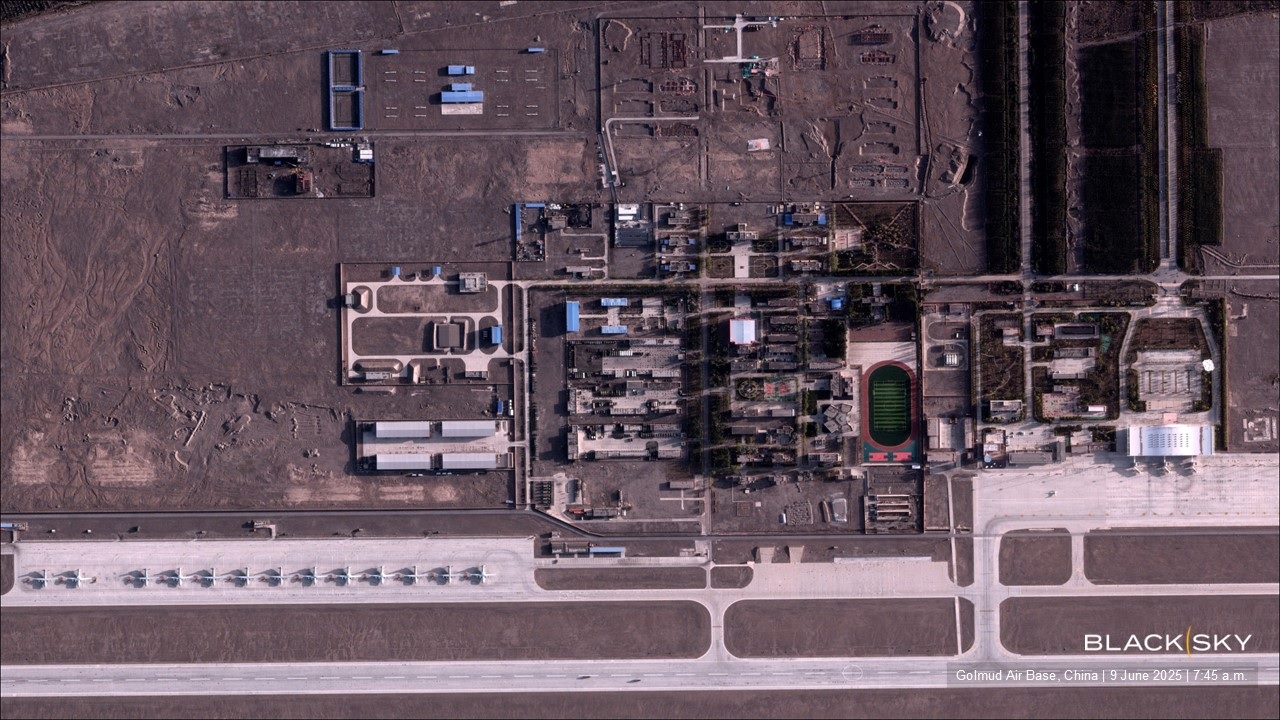
Space & Technology
In a major leap for real-time space-based surveillance, BlackSky Technology Inc. has achieved a new milestone by delivering very high-resolution images from its latest Gen-3 satellite just 12 hours after launch. This remarkable achievement highlights the growing capability of commercial space intelligence systems to meet the urgent demands of modern military and security operations. The newly launched Gen-3 satellite, referred to as Unit 2, captured its first operational images early Monday morning over Golmud Air Base in Qinghai Province, China at 7:45 a.m. China Standard Time. This rapid imaging performance marks a significant improvement in how quickly actionable intelligence can be gathered and analyzed from orbit. According to BlackSky CEO Brian O’Toole, the satellite’s early success demonstrates the maturity of their AI-powered space architecture. “In today’s fast-moving security environment, commanders and analysts need intelligence that arrives at the speed of battle. This satellite’s immediate performance is proof that we can deliver critical insights in near real-time,” he stated. The Gen-3 series satellites represent a new generation of high-cadence Earth observation systems. They are designed to capture very high-resolution images with a ground sampling distance (GSD) of 35 centimeters, allowing them to clearly identify small, military-relevant objects such as aircraft, vehicles, vessels, and infrastructure facilities. This level of detail is essential for defense and intelligence agencies conducting reconnaissance, surveillance, and dynamic operational monitoring. What sets the Gen-3 satellites apart is not just their image clarity, but also their AI-enhanced analytics capability. Each satellite can automatically detect, classify, and report on objects of interest, significantly reducing the time between image capture and actionable intelligence delivery. BlackSky’s Gen-3 satellites are part of a growing high-frequency constellation, which is being expanded to increase imaging capacity and operational flexibility. This constellation approach allows multiple satellites to work together, ensuring persistent coverage of key global hotspots and delivering rapid updates as situations unfold. The newly demonstrated capability is particularly valuable in supporting time-sensitive missions, where immediate information about ground activity—like aircraft movements, vehicle deployments, or base operations—can shape critical decisions in defense and crisis management. As BlackSky continues to grow its fleet, it aims to provide customers with a reliable and scalable solution for dynamic monitoring at disruptive speed and cost efficiency. The company’s strategy emphasizes not only technological advancement but also operational readiness, ensuring its satellites and analytics infrastructure are mission-ready whenever required. This successful first-day performance of the Gen-3 satellite underscores the growing importance of commercial space intelligence services in complementing national security systems. With faster response times, sharper image resolution, and AI-powered analysis, systems like BlackSky’s are rapidly becoming indispensable tools in the modern security landscape.
Read More → Posted on 2025-06-11 09:26:19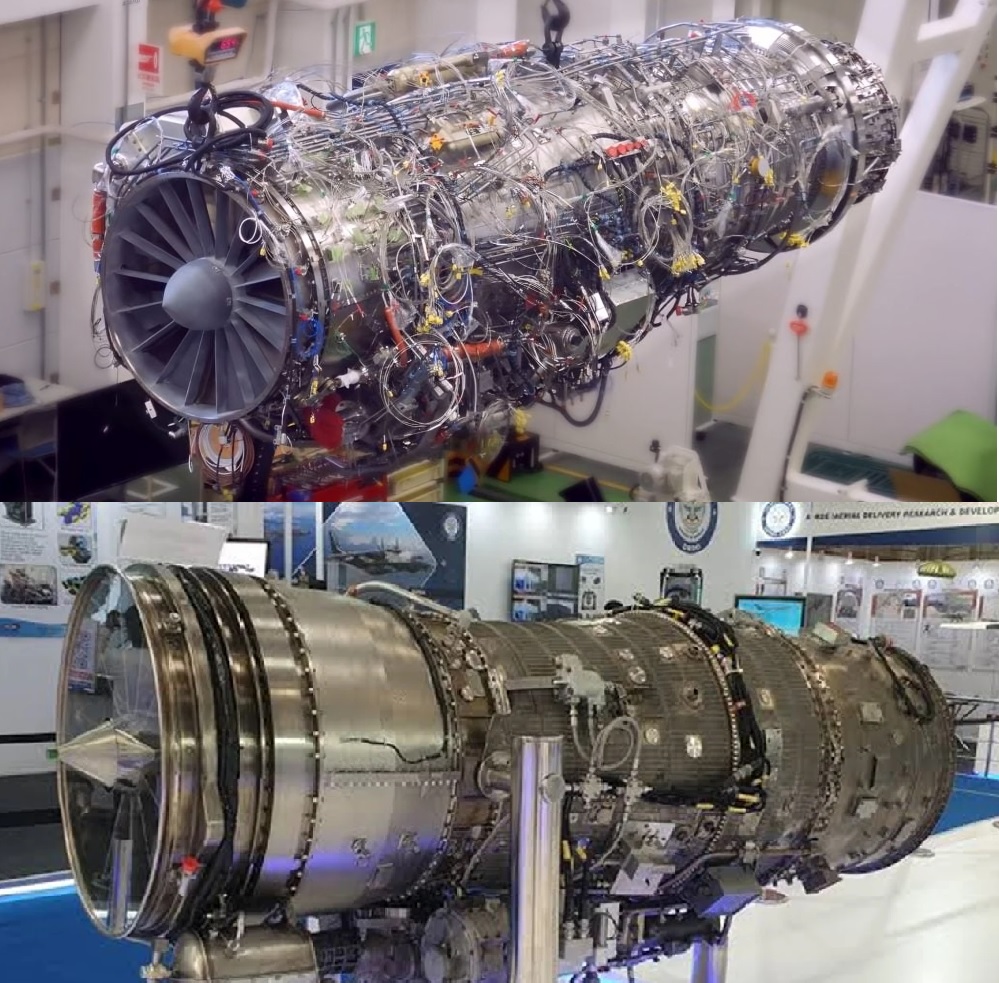
India
Japan’s XF‑9‑1 engine development mirrors India’s Kaveri journey in its long road from early concepts to high-performance turbofans. After the 2016 X‑2 Shinshin flew on a modest XF‑5‑1 (49 kN wet thrust), Japan surprised many when IHI showcased the XF‑9‑1—now routinely hitting 108 kN dry and 150 kN wet thrust by 2018 . Despite initial skepticism, Japan’s consistent funding, materials innovation, and step‑by‑step scaling unlocked high-thrust engines comparable to the F‑119 but more compact—allowing crucial internal weapons space . India’s Kaveri story parallels this: starting in the 1980s with TF30-like engines, progressing through dry prototypes (46–51 kN), and now reaching 70–83 kN wet thrust depending on configuration . Currently, the dry‑variant of K9 engines undergo about 25 hours of flight trials in Russia on the Il‑76 flying test bed. These are intended to power the DRDO’s Ghatak UCAV and eventually provide insights for a 110–125 kN engine for manned platforms such as AMCA and Tejas MkII . Funding Stability & Partnerships MatterJapan’s unwavering backing for IHI—spanning decades of core development—ultimately enabled a leap to a 150 kN‑class powerplant. India, too, has recently seen reinvigorated momentum: a mammoth SAFRAN audit in mid‑2024 confirmed Kaveri’s readiness for integration, and private-sector partners like Godrej and Azad Engineering have begun serial module production . Moreover, GTRE has tied up the engine with Ghatak and UAV programs as the primary objective, locking the development timeline through 2026. Spin‑Off Technologies & Scaling StrategyJapan’s IHI achieved compactness, high-temperature durability, and slim-boom designs by innovating materials (nickel-cobalt superalloys), blisk compressors, and serpentine burners—each tailored for high combustor pressure and stealth integration . These efforts weren’t by accident: Japan addressed each sub-problem—compressor efficiency, cooling, metallurgy—in parallel, supporting a scalable path from 50 kN to 150 kN. For India, Kaveri has already spun off marine turbines and dry UAV engines and uses advanced materials developed domestically . The next step is bold: developing a “K–10” engine in the 110 kN class through public–private partnership and foreign tie-ups, leveraging Kaveri’s tech base . Strategic Alignment & Foreign CollaborationsJapan turned a setback—U.S. restrictions on 5th-gen tech—into a force multiplier by choosing self-reliance in critical engine systems. Their XF‑9 advances are deeply integrated with the F‑3 program, weapon bays, and stealth airframe design. India too must align Kaveri progress with Ghatak, AMCA, Tejas MkII, and TEDBF. Recent approvals for inflight dry‑variant testing, alongside a major social media push (#FundKaveriEngine), illustrate domestic political, technical, and strategic consensus . However, India must now accelerate flight testing, explore technology tie-ups (e.g., with GE, Safran, or Rolls‑Royce), and stabilize funding—so Kaveri’s “core lessons” feed directly into future 110–125 kN engines. Key Takeaways for India’s Kaveri Team Lesson Significance for Kaveri Program Stable long-term funding Learn from XF‑9 continuity: consistent investment enables core tech breakthroughs. India has begun this with module manufacturing and audit support. Engine scaling strategy Japan progressed from small demonstrators to full-class engines by methodically upgrading components. Kaveri can follow this path: dry variants → afterburner kits → K–10 class. Invest in materials & cooling tech XF‑9’s compact, high-temp design stems from advanced alloys and blisk tech—areas Kaveri must further pursue. Public–private & foreign partnerships IHI built domestically; India can evolve Kaveri through combined DRDO–private collaboration and strategic tie-ups (Safran, GE, Rolls‑Royce). Integrate with future platforms Japan’s F‑3 is designed around XF‑9. India must ensure Kaveri aligns with Ghatak, Tejas MkII, TEDBF, and AMCA needs. Where India Stands Today (mid‑2025) Dry thrust trials (>49 kN): complete, now undergoing ~25 hours of Russian flight testing Module production: eight dry engine units from Godrej, motion for mass production through Azad Engineering by early 2026 Afterburner capability: BrahMos‑designed afterburner delivered (~29 kN), aiming at ~80 kN wet thrust Strategic partnerships: SAFRAN audit cleared; collaborations with private sector underway; #FundKaveriEngine movement intensifies
Read More → Posted on 2025-06-11 09:11:13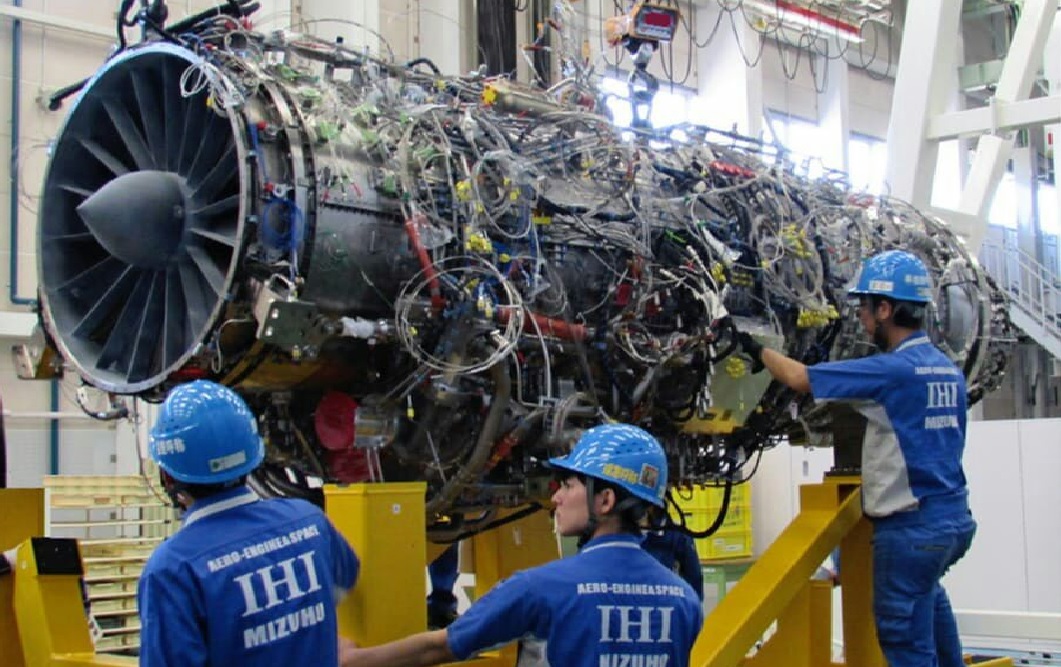
India
Japan has officially stepped into the race to power India’s ambitious Advanced Medium Combat Aircraft (AMCA) program by offering its advanced IHI XF9-1 engine. This move places Japan alongside leading contenders from the United States, France, and the United Kingdom in one of the most closely watched global aerospace competitions. At the heart of Japan’s proposal is the IHI XF9-1, a cutting-edge, low-bypass turbofan engine developed by IHI Corporation — Japan’s premier aerospace propulsion company. The XF9-1 was originally developed for Japan’s next-generation stealth fighter program, the F-X (now known as F-3), and it stands out for both its high thrust output and future scalability. About the XF9-1 Engine The XF9-1 is designed to deliver a dry thrust of around 11 tons (107kN), and an impressive 15 tons (147kN) with its afterburner. What makes this engine remarkable is its ability to scale up even further, with engineers projecting a future potential of nearly 20 tons (196kN) of maximum thrust. This future growth capability makes the XF9-1 a particularly appealing candidate for India’s AMCA program, which envisions a 5.5-generation stealth fighter and possible sixth-generation upgrades in the coming decades. A critical requirement for the AMCA is achieving supercruise capability — sustained supersonic flight without afterburners — which demands a dry thrust of around 73-75kN. The XF9-1 already exceeds this figure in its current configuration, offering flexibility for modifications to suit India’s specific needs while retaining room for future enhancements. About IHI Corporation IHI Corporation (formerly known as Ishikawajima-Harima Heavy Industries) has a rich and proud history in aerospace propulsion dating back to the early 20th century. The company began its journey in aviation engine production by collaborating with international firms and gradually building indigenous expertise. Over the years, IHI has become the backbone of Japan’s military and civil aerospace engine programs. Some of IHI’s notable aircraft engine developments include: F3 Engine: Powering the Kawasaki T-4 advanced trainer. F7-10: Developed for the Kawasaki P-1 maritime patrol aircraft. IHI F5: For the Fuji T-1 jet trainer. FJR710: A high-bypass turbofan developed for civil aviation applications. The XF9-1 marks Japan’s most advanced and powerful fighter engine to date, representing decades of incremental technology development, indigenous innovation, and lessons from licensed production of American engines like the General Electric F110. Why This Matters for India India’s Gas Turbine Research Establishment (GTRE), which leads the country’s fighter engine development efforts, requires an engine delivering 120kN of thrust with the ability to supercruise. While other contenders like GE’s F414, Safran’s M88, and the Eurojet EJ200 are capable, the XF9-1’s scalability and future potential set it apart. Japan’s proposal is also fully aligned with India’s ‘Make in India’ initiative, promising significant technology transfer and domestic manufacturing. This would not only strengthen India’s aerospace industry but also deepen defence ties between New Delhi and Tokyo, marking a milestone in their evolving strategic partnership. Conclusion As India prepares to finalize its choice for the AMCA engine, the Japanese offer brings a fresh and highly capable option to the table. The XF9-1’s combination of modern design, future-ready performance, and scalability for sixth-generation platforms makes it a serious contender. If selected, it could mark a historic collaboration between India and Japan in advanced aerospace technology, boosting India’s quest for self-reliance in critical defence systems while enhancing regional security cooperation. The decision, however, will depend on comprehensive technical evaluations, long-term strategic calculations, and the extent of technology access promised by each contender. Regardless of the outcome, Japan’s XF9-1 has already made its mark as one of the finest fighter engines in its class.
Read More → Posted on 2025-06-11 09:00:52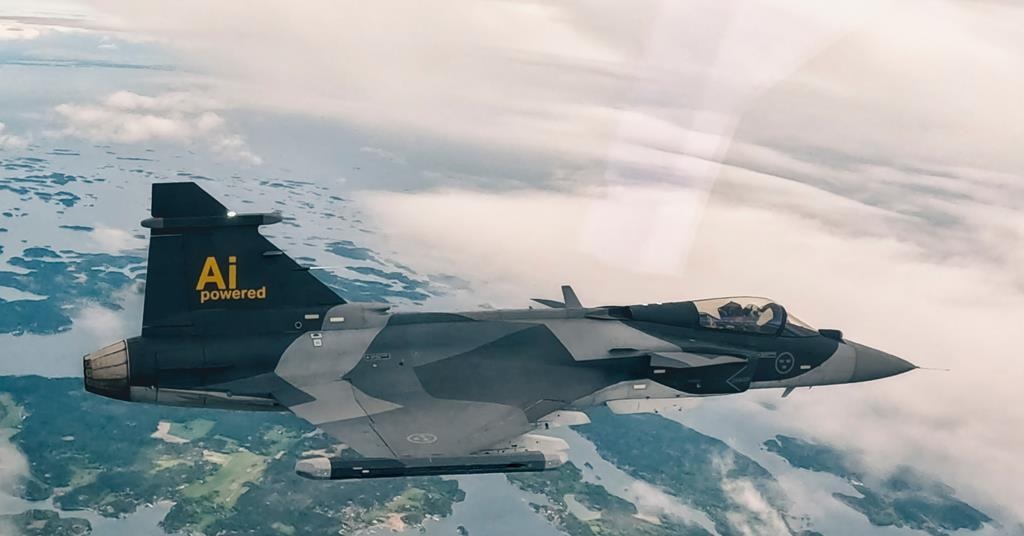
World
In a major leap forward for the future of air combat, Swedish defense company Saab has announced the successful testing of an artificial intelligence (AI)-controlled Gripen E fighter jet in real Beyond Visual Range (BVR) air combat scenarios. The tests, conducted between May 28 and June 3, 2025, in Swedish civilian airspace, are part of a bold experimental initiative known as Project Beyond. At the core of these trials is a cutting-edge AI system called Centaur, developed by German tech firm Helsing, which was integrated directly into the avionics of the Gripen E. The project is fully funded by the Swedish Defence Materiel Administration (FMV) under a wider national effort to shape the country’s future fighter capabilities. For the first time ever, an operational frontline fighter jet flown by AI faced off against a human-piloted aircraft in real-time, live BVR engagements. During one of the most advanced sorties, the AI-controlled Gripen E engaged a Gripen D piloted by a Swedish Air Force test pilot. These trials weren’t simulations—they took place in real airspace using real aircraft, making it a historic milestone for both aviation and military AI systems. The tests were far from basic. Saab and Helsing designed complex conditions to push the AI’s capabilities. They altered distances, speeds, and angles of engagement, and even turned off command-and-control (C2) links in some runs to test Centaur’s resilience. The AI was able to autonomously identify, track, and respond to threats using onboard sensors, executing intelligent tactical manoeuvres without any external commands. According to Saab, the system even cued the human pilot on when to fire in cooperative engagements. The key to making this AI integration work lies in the unique architecture of the Gripen E. Unlike traditional fighter jets, the Gripen’s software is modular—its critical flight control systems are separate from the mission-specific software. This allowed Centaur to be embedded into the system without compromising flight safety. As a result, testing and modifying the AI software became faster and more flexible, avoiding the long development timelines usually associated with military aircraft upgrades. Helsing's Centaur AI has been trained using reinforcement learning, where the system simulates dogfights against itself in high-speed simulations running thousands of scenarios simultaneously. It achieved what would equate to 50 years of flying experience in just a few hours. In total, the system has accumulated over 500,000 hours of virtual combat training, enabling it to generate creative, non-traditional tactics—such as feint missile launches followed by surprise re-engagements—much like experienced human pilots. One of the flights was personally overseen by Marcus Wandt, Saab’s Chief Innovation Officer and a former fighter pilot. He activated Centaur mid-flight and described the AI’s performance as both disciplined and innovative. It operated within all aircraft limits and even pulled off aggressive tactics with precision. Wandt noted that the gap between AI and human pilots is narrowing rapidly and that future air forces will need new doctrines to adapt to this evolving landscape. Project Beyond is part of Sweden’s broader Krigsberedskapens framtida system (KFS), a study into future combat readiness. The Swedish government is expected to decide by 2031 whether to invest in a new indigenous fighter program—potentially a hybrid of manned and unmanned aircraft. Though Saab was once involved in the UK-led Tempest program, the company has shifted its focus back home, emphasizing software-defined warfare and national autonomy in defense tech. Looking ahead, Saab and Helsing plan more test flights throughout 2025. These will include increasingly complex scenarios such as multi-aircraft coordination, with the AI potentially facing off against multiple human pilots at once. They are also exploring applications beyond air-to-air combat, including electronic warfare, reconnaissance, and fully autonomous operations. Saab insists that AI is being developed to support human pilots, not replace them. All critical decisions remain under human control in line with Western ethical standards. But the rapid pace of software-driven development, as demonstrated by Centaur, is redefining how modern fighter jets evolve. With fast update cycles, agile integration, and growing AI capability, Saab envisions a future where software agility becomes more important than traditional generational labels like “fifth-gen” or “sixth-gen” fighters. The success of Project Beyond shows how AI could soon become a trusted teammate in the cockpit—not only in Sweden but across allied air forces seeking next-generation combat advantage.
Read More → Posted on 2025-06-11 08:47:21Search
Top Trending in 24 Hours
-
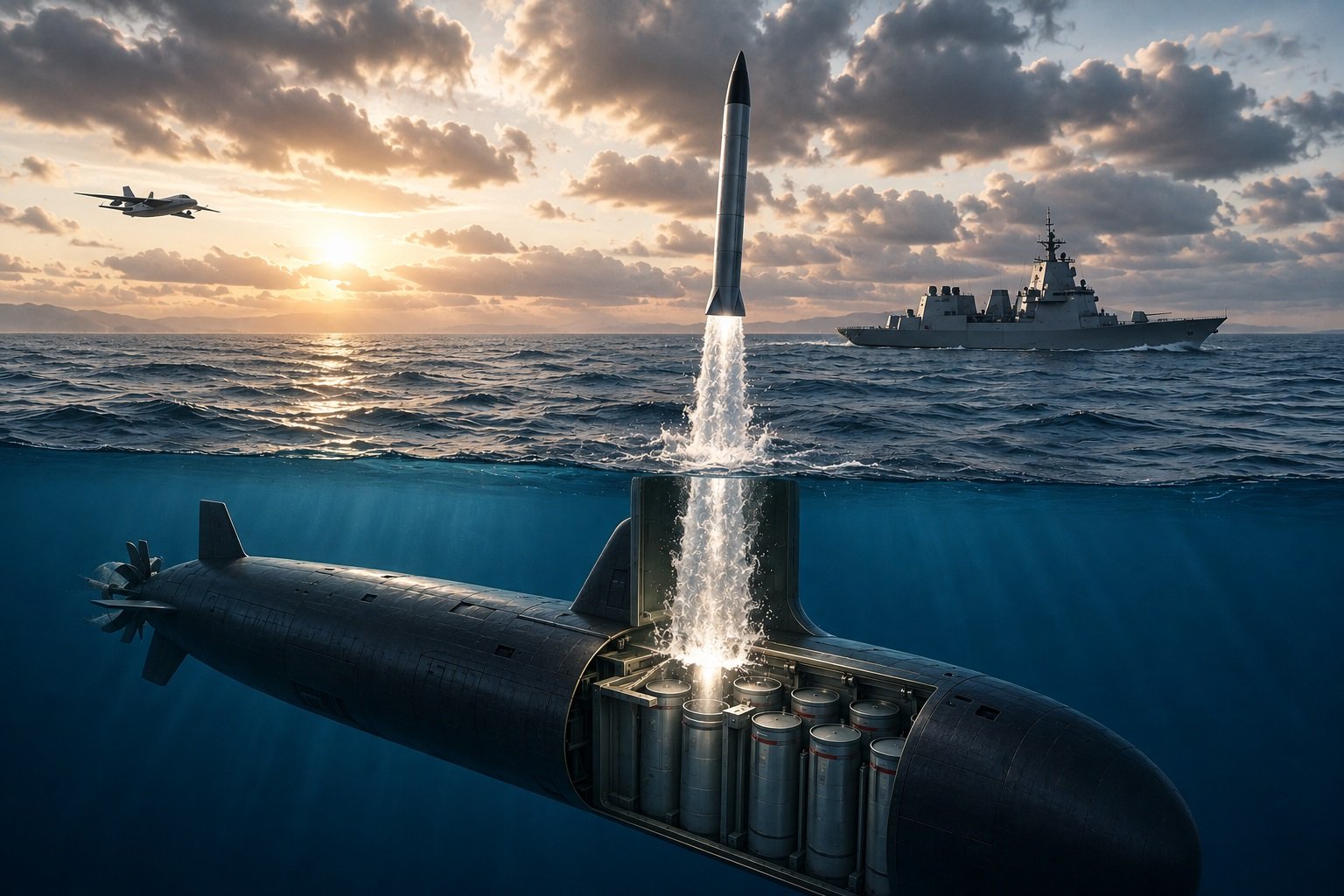 Japan Plans Submarine-Launched Hypersonic Missile Development in Fiscal 2027 Budget
-
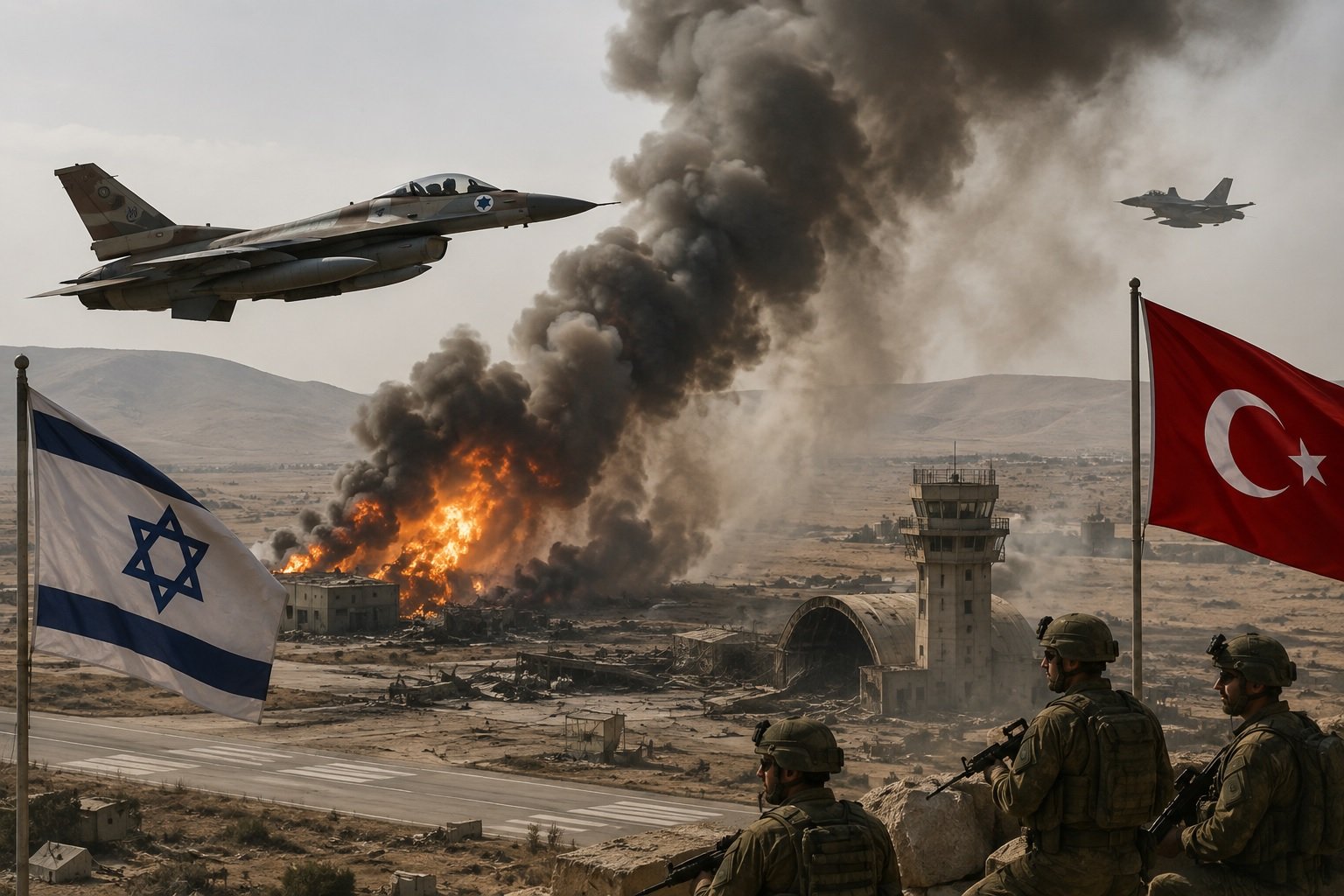 Israel-Turkey Tensions Rise After Israeli Strikes on Syrian Airbase
-
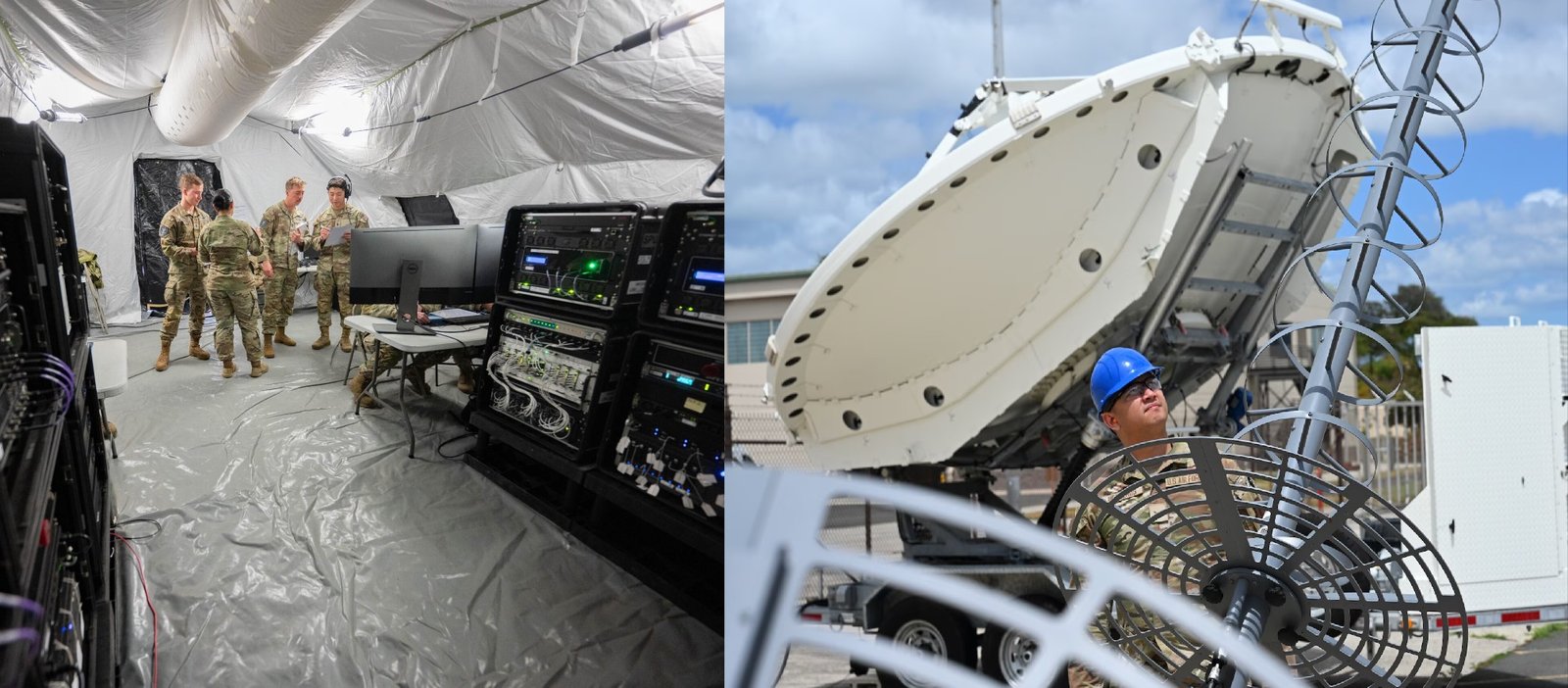 U.S. Space Force Activates 1stElectromagnetic Warfare Squadron Equipped With Meadowlands and Bounty Hunter
-
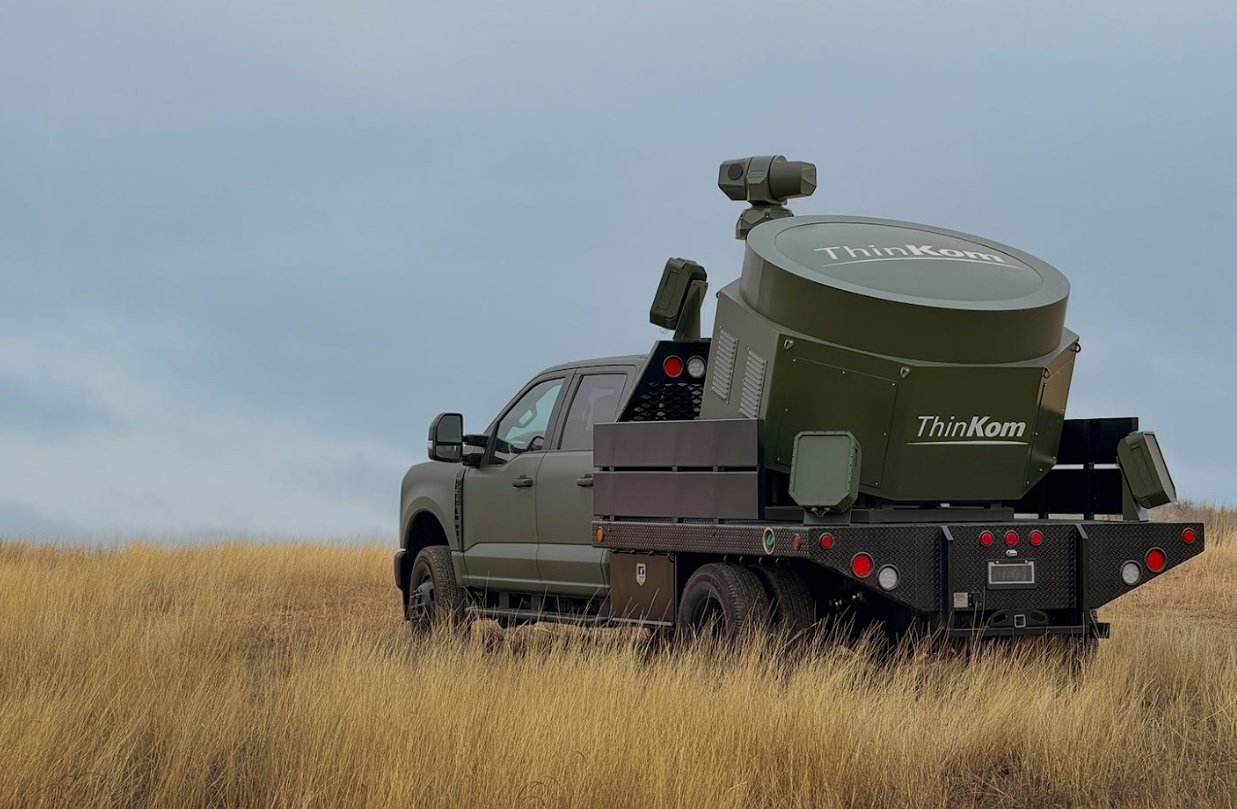 U.S. Army Awards ThinKom Up to $49 Million for Alecto Mobile High-Power Microwave Counter-Drone System Prototype
-
 Rocket One Launches Swarm Stage AI for U.S. Military Counter-Drone Training and Testing
-
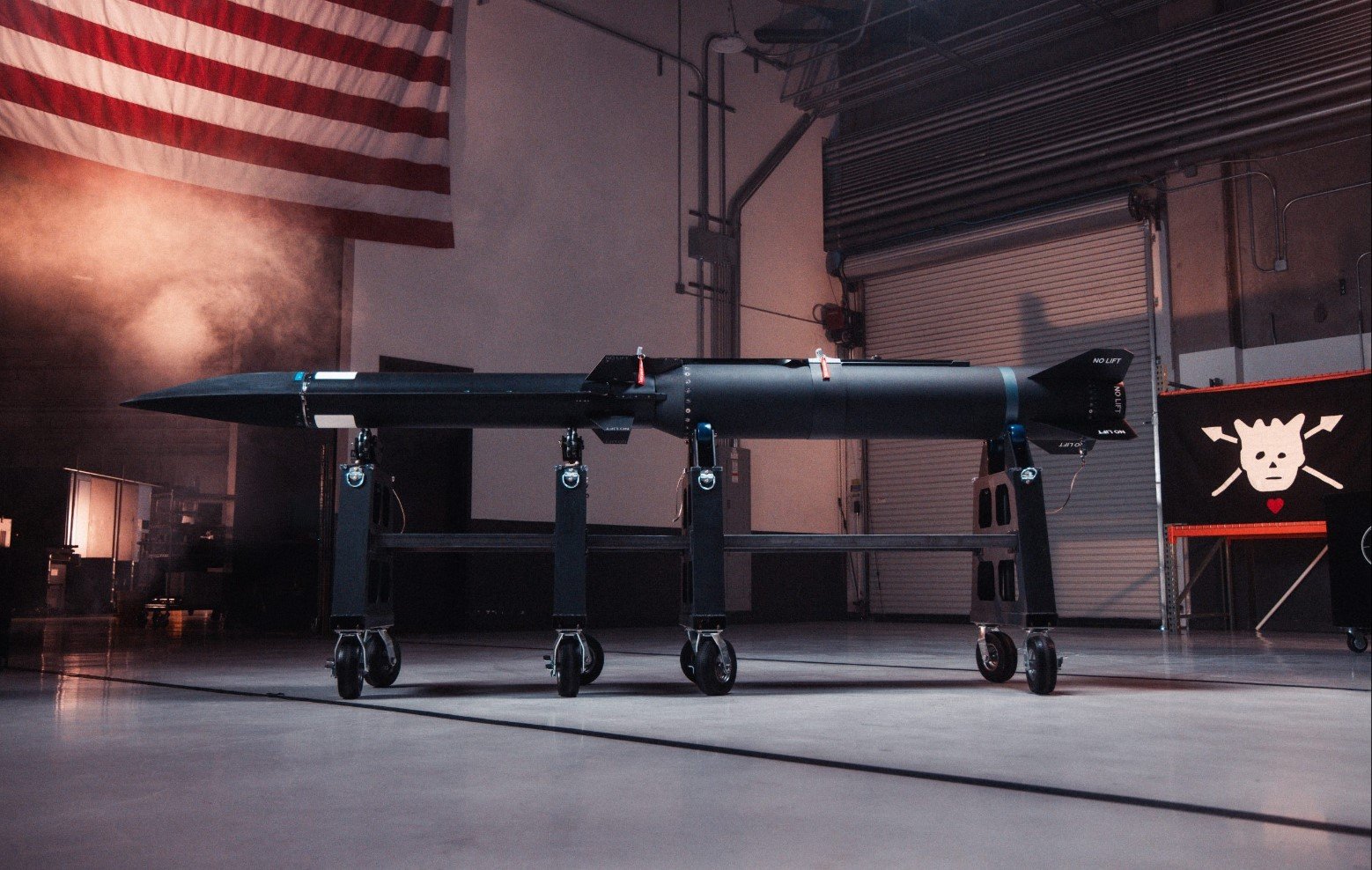 Castelion Secures $1 Billion Funding to Scale Production of Blackbeard Hypersonic Missile
-
 Lockheed Martin Demonstrates AI-Powered Sonar System With U.S. Navy at RIMPAC 2026
-
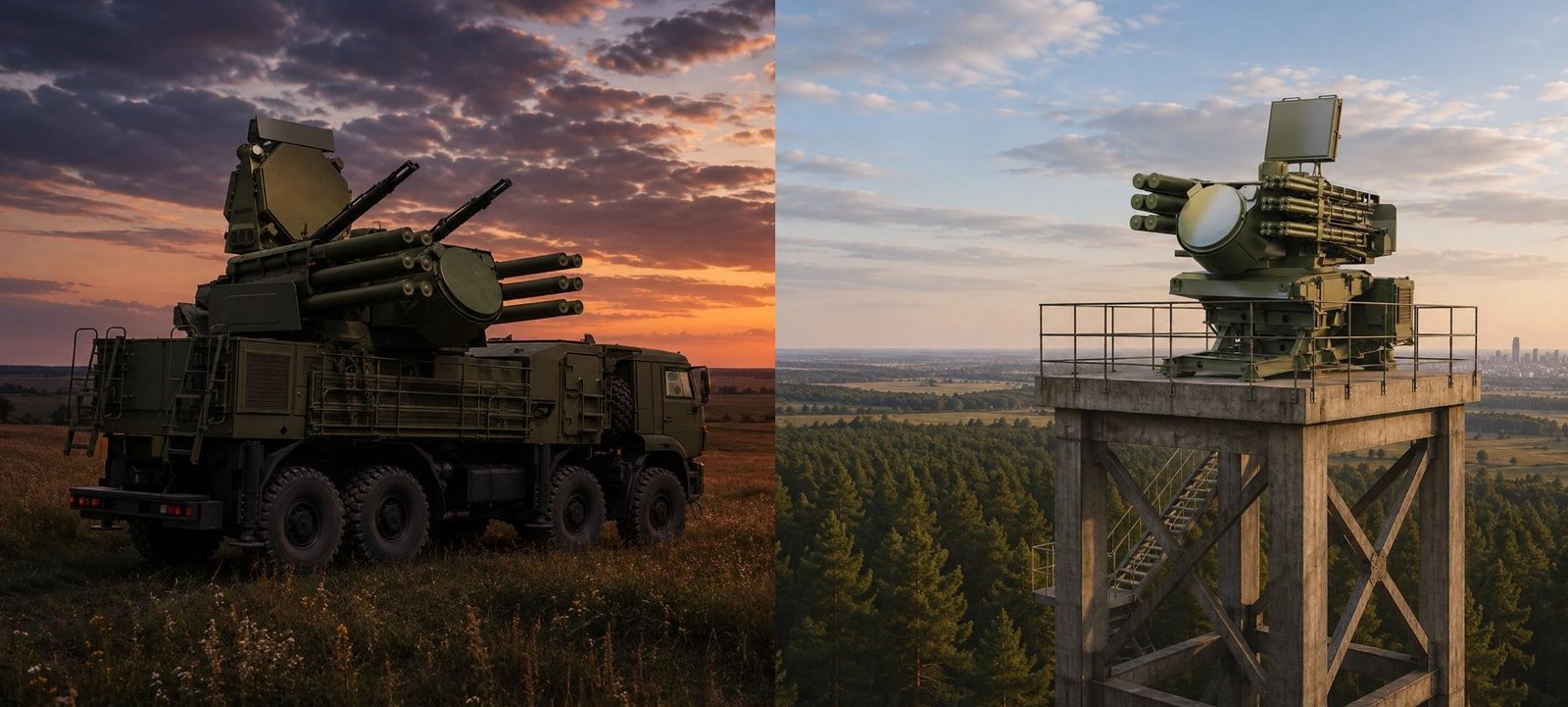 Russia Receives New Batch of Pantsir-S and Pantsir-SMD Air Defense Systems
Top Trending in 4 Days
-
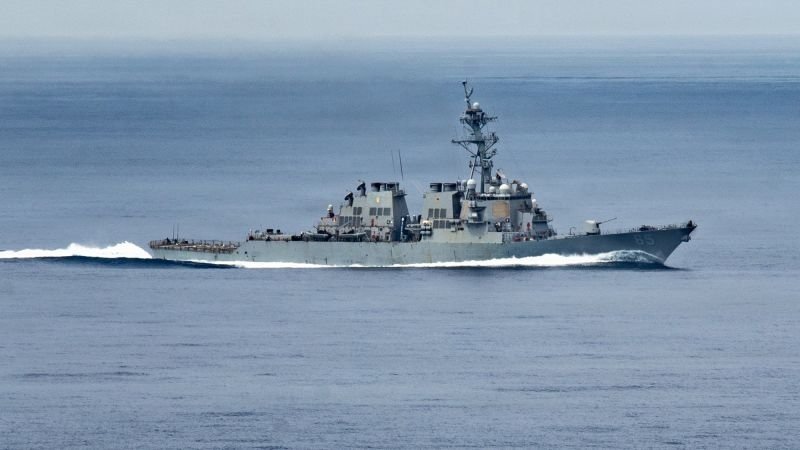 U.S. Navy Destroyer USS Benfold Spent Four Days Without Power in South China Sea After Generator Failure
-
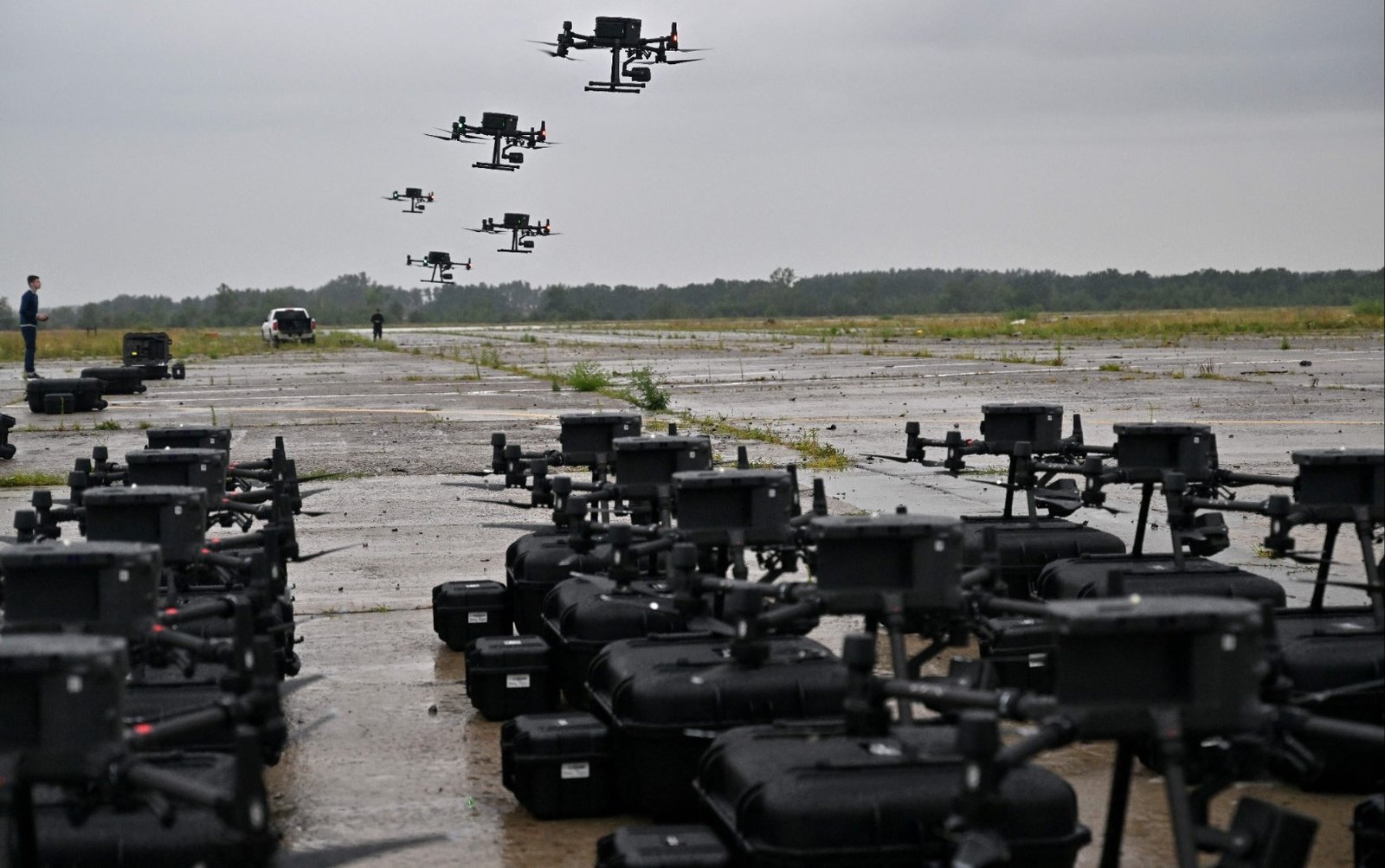 U.S. Air Force to Buy Chinese DJI Drones for Counter-Drone Training at Nuclear Missile Base
-
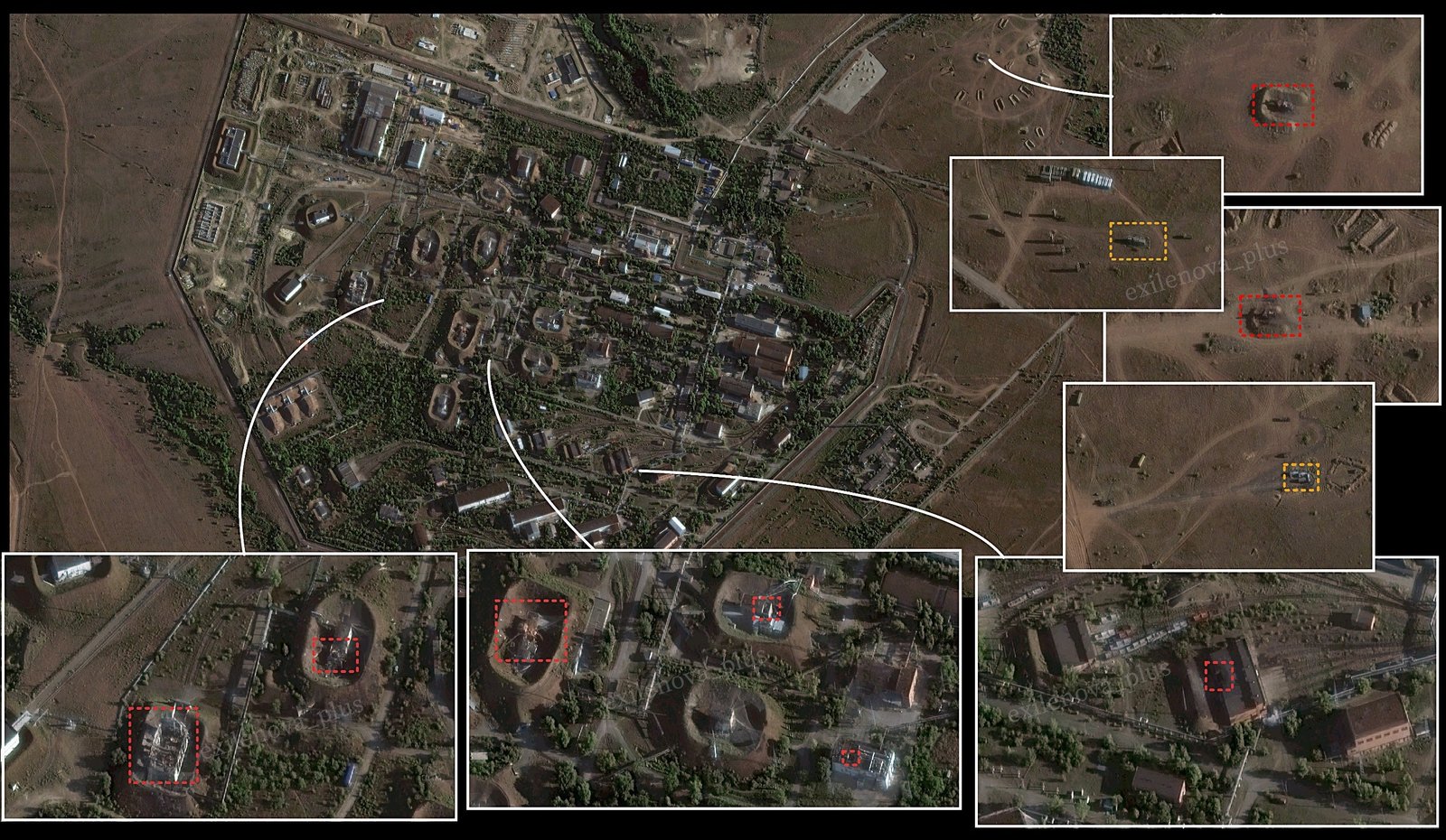 Satellite Images Show Ukrainian Drone Strike Hits Russian Rocket Fuel Plant and Air Defense Systems in Rostov Region
-
 Iran May Be Using Data From Fitness Apps to Track U.S. Military Personnel in the Middle East
-
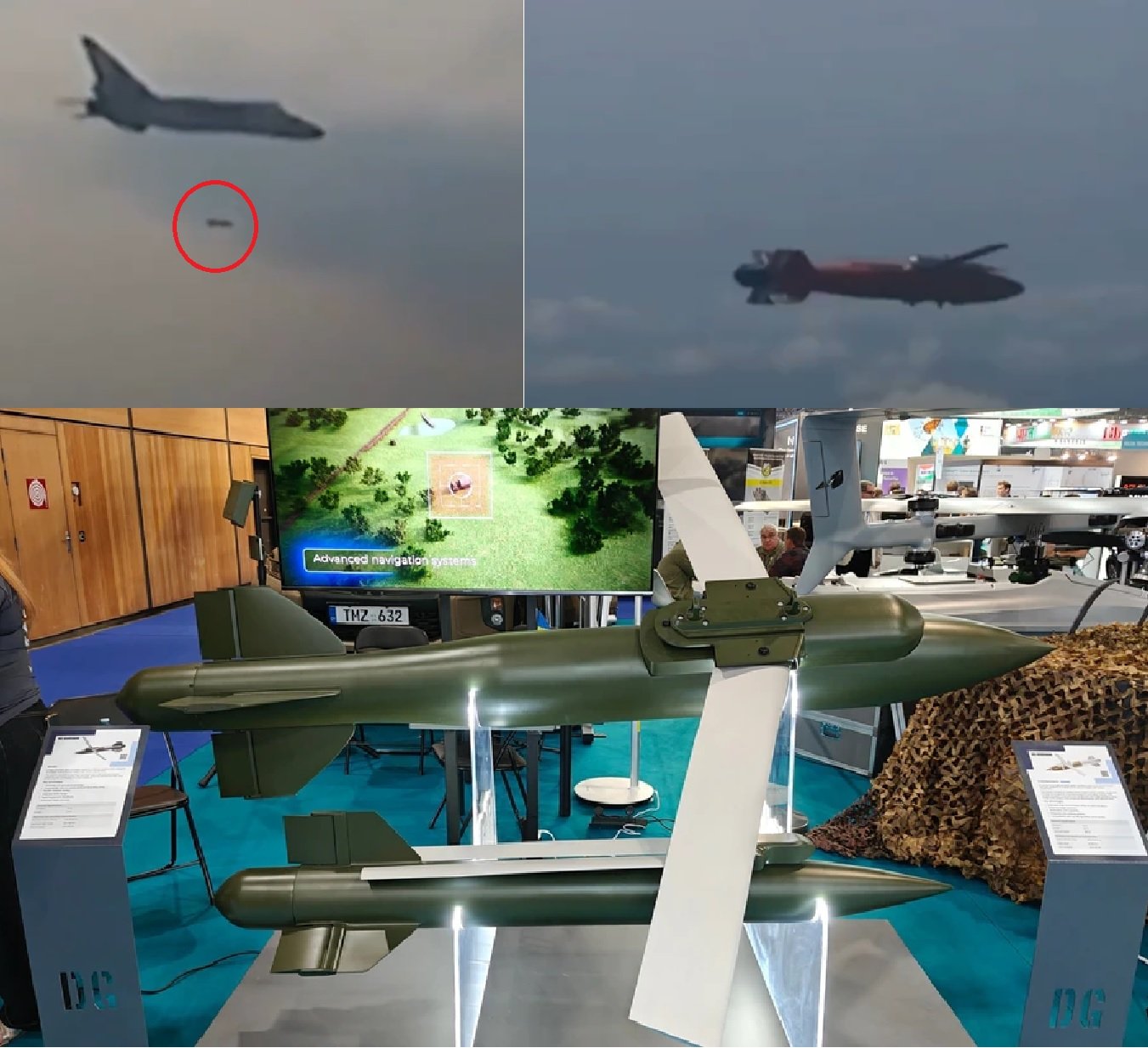 Ukraine Begins Procurement of Vyrivniuvach Guided Aerial Bomb
-
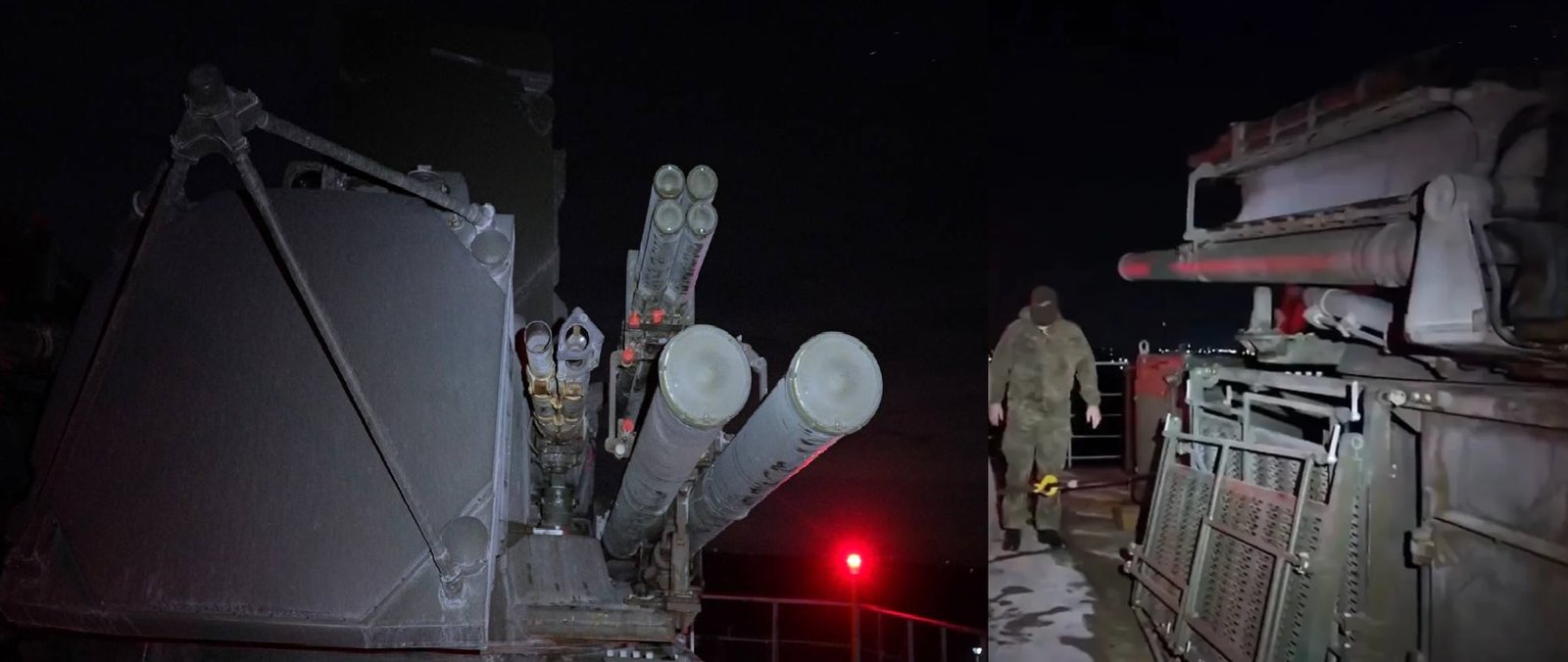 Russia Expands Moscow’s Anti-Drone Defense Network With Specialized 35-Meter Towers for Pantsir Systems
-
 U.S. Missile Defense Agency Seeks Prototypes for New Mobile Radar to Track Hypersonic and Advanced Missiles
-
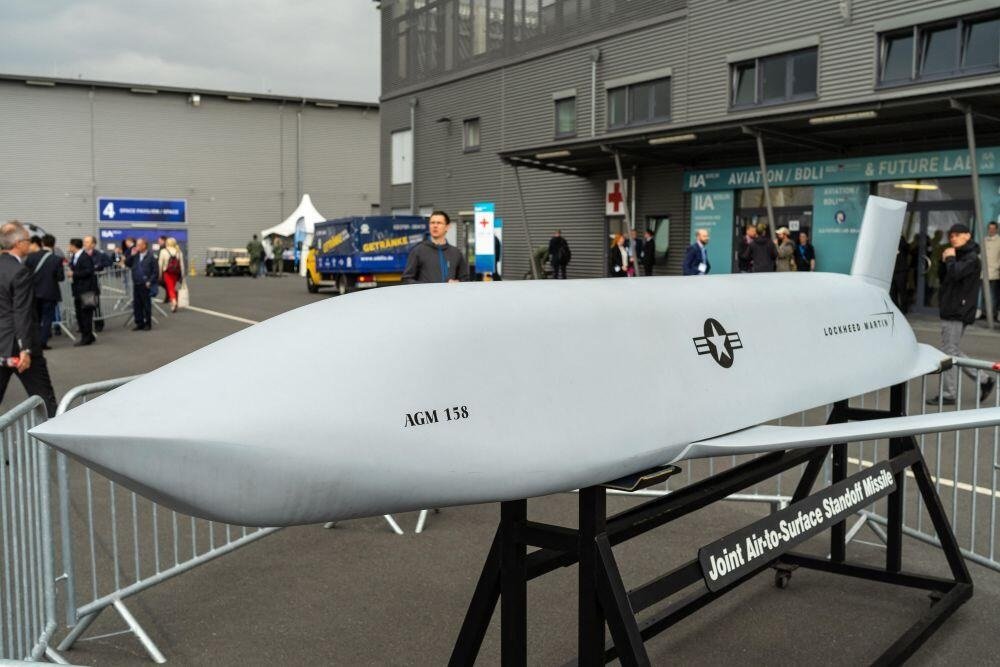 U.S. Air Force Selects GE-Kratos F143 Engine as Second Engine Source for JASSM Missile
