
World
General Atomics Aeronautical Systems, Inc. (GA-ASI) has been chosen by the U.S. Navy to develop conceptual designs for a new Collaborative Combat Aircraft (CCA) that will operate alongside manned aircraft in the carrier air wing of the future. The company’s design will emphasize a modular approach, allowing rapid upgrades, reconfiguration, and mission adaptation — an essential feature for naval aviation, where mission requirements can change quickly depending on deployment and threat environment. The Navy’s CCA program is part of a larger push to bring uncrewed, semi-autonomous aircraft into carrier operations, working alongside fighters like the F/A-18E/F Super Hornet, EA-18G Growler, and F-35C Lightning II. These new CCAs will serve as loyal wingmen, extending the reach, sensor capability, and strike power of the carrier air wing while reducing risk to human pilots. GA-ASI’s concept will need to operate seamlessly from aircraft carriers, meaning it must feature folding wings, reinforced landing gear, and corrosion-resistant materials suitable for maritime environments. The Navy’s acquisition strategy for this project marks a major shift away from traditional long-cycle programs. Instead of large, decades-long procurement deals, the service plans to pursue smaller, more frequent purchases that allow faster technology insertion and lower overall cost. GA-ASI’s approach aligns perfectly with this model — focusing on affordability, modularity, and the ability to incorporate emerging technologies without a full redesign. This contract follows GA-ASI’s ongoing work with the U.S. Air Force, for which it developed and recently began flight testing the YFQ-42A, the Air Force’s first Collaborative Combat Aircraft. Lessons from the YFQ-42A and GA-ASI’s previous unmanned programs such as the MQ-20 Avenger and XQ-67A Off-Board Sensing Station will likely feed into the Navy’s CCA design. The company’s “Gambit” series, revealed earlier, could also serve as a technological foundation for the Navy’s variant, with carrier-capable modifications such as catapult launch and arrested recovery capability. According to industry reports, the U.S. Navy has set a target unit cost of around $15 million for each CCA, significantly less than a manned fighter. This relatively low cost suggests that the Navy envisions these aircraft as affordable and expendable assets capable of operating in high-threat environments. They are expected to perform both air-to-air and strike missions, complementing the Air Force’s CCA program, which initially focuses more on air-to-air roles. Budget documents indicate that the Navy’s CCA program remains in its early development stages. For fiscal year 2026, the Navy has requested roughly $58 million in research, development, testing, and evaluation (RDT&E) funding for the program. While this is a modest amount compared to the Air Force’s CCA budget of over $800 million, it highlights that the Navy’s focus is currently on conceptual and design work before committing to full-scale production. Officials have also expressed concern that ongoing budget constraints and continuing resolutions in Congress could delay the program’s progress. The Navy’s CCA will need to meet stringent performance and operational requirements, including autonomous coordination with manned aircraft, integration with carrier command and control systems, and rapid mission adaptability. It must be capable of conducting long-endurance missions while maintaining stealth and survivability against advanced adversary defenses. While detailed specifications remain classified, the emphasis on modularity means payloads such as sensors, electronic warfare suites, or precision weapons could be swapped based on mission needs. GA-ASI’s experience and success with autonomous systems give it a strong foundation to deliver a viable carrier-based CCA concept. If the program succeeds, it could reshape naval aviation by introducing a new generation of unmanned aircraft that combine flexibility, affordability, and combat capability. This development also aligns with the U.S. Navy’s broader vision of building a more distributed and resilient carrier air wing capable of confronting advanced threats from near-peer adversaries in contested environments such as the Indo-Pacific. The U.S. Navy’s Collaborative Combat Aircraft initiative, now joined by GA-ASI, represents one of the most transformative steps in modern carrier aviation. By integrating uncrewed systems that can fight alongside manned aircraft, the Navy aims to ensure its carrier strike groups remain dominant in the increasingly complex and high-risk battlespace of the future.
Read More → Posted on 2025-10-18 15:29:01
World
The Afghanistan Cricket Board (ACB) has confirmed that at least eight people, including several local cricket players, were killed in Pakistani airstrikes that struck the eastern Afghan province of Paktika on the night of October 17, 2025. The victims were attending a dinner gathering after playing in a local tournament when the strikes occurred, marking one of the deadliest cross-border incidents this year between the two countries. According to ACB officials who spoke to the BBC, the young players had participated in a friendly cricket match earlier in the day in Urgun district. After returning from the game, they joined friends and fellow athletes for dinner when multiple explosions ripped through the area. Local residents reported that the strikes hit residential homes, killing civilians who had no link to militant activity. Among the dead were at least three cricketers recognized in domestic circles — identified by Afghan media as Kabeer Agha, Sibghatullah Zirok, and Haroon. Provincial officials initially placed the total death toll at eight, though later reports suggested that up to ten civilians may have lost their lives, with several others injured. Eyewitnesses described a scene of devastation, with homes reduced to rubble and families searching through debris for survivors. “They had just finished dinner and were talking about their next match,” said one local resident quoted by Afghan media. “Then the explosions came — there was nothing left.” The Afghanistan Cricket Board released an official statement condemning the attack and expressing grief over the deaths of the players, calling it a “tragic loss for the nation’s sports community.” In solidarity with the victims, the board also announced the withdrawal of Afghanistan’s national cricket team from the upcoming Tri-Nation T20 Series in Pakistan, which was scheduled to include Pakistan and Sri Lanka. The ACB said this decision reflected “respect for the martyrs of Paktika and rejection of violence against innocent Afghans.” Prominent Afghan players, including national captain Rashid Khan, took to social media to express outrage and sorrow. “These were young men who dreamed of representing their country in cricket,” Rashid wrote. “They should have been preparing for tournaments, not losing their lives in airstrikes.” The loss has sent shockwaves through Afghanistan’s cricket community, which has been a rare source of national unity amid years of conflict. In contrast, the Pakistan military defended the strikes, claiming they targeted hideouts of anti-Pakistan militants believed to be responsible for recent attacks inside Pakistani territory. Islamabad stated that the operation was conducted in “self-defense” and denied that civilians were intentionally targeted. However, Afghan officials and eyewitnesses insist that no militant presence existed in the area and that the victims were all civilians. The incident immediately escalated diplomatic tensions between Kabul and Islamabad. The Taliban government strongly condemned what it called “an unprovoked act of aggression,” warning that Afghanistan “reserves the right to respond.” The Taliban’s spokesperson said Pakistan’s actions violated Afghan sovereignty and demanded an international investigation into the attack. International reactions were swift. The International Cricket Council (ICC) issued a statement expressing deep condolences to the families of the players and emphasizing the need to keep sports separate from conflict. Meanwhile, diplomatic sources reported that delegations from both countries were heading to Doha to hold emergency talks aimed at easing tensions following the strikes. Observers note that the timing of the attack is particularly sensitive, as relations between the two neighbors have deteriorated in recent months over militant movements along their shared border. Pakistan has repeatedly accused the Afghan Taliban of harboring the Tehrik-i-Taliban Pakistan (TTP), a claim Kabul denies. The latest strike, killing civilians and athletes, risks deepening public anger and further isolating Islamabad in regional opinion. The deaths of the young cricketers have sparked widespread mourning in Afghanistan, where sports—especially cricket—represent a symbol of hope and normalcy after decades of war. Candlelight vigils were held across several provinces, and fans shared photos of the players on social media with the caption: “They played for peace, not for war.” As both governments trade accusations, the tragedy in Paktika underscores the human cost of the unresolved conflict along the Afghanistan–Pakistan border. What was meant to be a night of celebration for local athletes ended in devastation, leaving a community grieving for its lost sons and a region once again on the brink of confrontation.
Read More → Posted on 2025-10-18 15:11:02
World
China has reportedly entered the mass production phase of a next-generation quantum radar component, which officials claim could eventually enable the detection of advanced stealth aircraft such as the US B-2 Spirit and F-35 Lightning II fighters. The breakthrough, announced by Chinese state media this week, centers on an ultra-sensitive single-photon detector — a critical building block for quantum radar and communication systems. Next-Generation “Photon Catcher” The device, often referred to by Chinese scientists as a “photon catcher”, was developed by researchers in Hefei, a hub for quantum technology in China. It is a four-channel ultra-low-noise single-photon detector capable of identifying individual photons — the smallest measurable units of light. This capability is essential for quantum illumination, a technique that forms the theoretical basis of quantum radar. According to Chinese reports, the mass-produced detector features extremely low background noise and high quantum efficiency, allowing it to identify weak return signals from distant, low-reflectivity targets that are typically invisible to conventional radar systems. The device will also be used for secure quantum communication and optical sensing, but its military implications have drawn the most global attention. How Quantum Radar Works Traditional radar systems emit radio waves that bounce off targets, but stealth aircraft like the B-2 and F-35 are designed with radar-absorbent materials and angular surfaces to scatter these signals away. Quantum radar, however, uses entangled photons — pairs of light particles whose quantum states are linked. In a quantum illumination radar, one photon from each entangled pair is transmitted toward the target while its twin is retained. When the transmitted photon reflects off an object and returns, its quantum correlation with the retained photon helps distinguish genuine returns from background noise. This process theoretically improves the signal-to-noise ratio and allows detection of low radar cross-section (RCS) targets, even in cluttered or jamming-heavy environments. Detection Range and Sensitivity While Chinese state outlets claim the new detector can identify “extremely weak echoes,” no verifiable data has been released on its detection range or minimum RCS capability. However, theoretical models suggest that such quantum detectors could, in ideal conditions, detect objects with RCS values below 0.001 m² — comparable to the radar signature of stealth aircraft — at distances of 50 to 100 kilometers. In comparison, current low-frequency radars can sometimes track stealth aircraft at similar ranges, but they lack precision and tracking accuracy. Quantum radar promises to merge sensitivity with precision, if engineering challenges like signal decoherence, atmospheric noise, and photon loss can be overcome. How It Differs from Conventional Anti-Stealth Radar Current radar systems designed to detect stealth aircraft rely on VHF or L-band frequencies, which interact differently with radar-absorbent materials. Others use passive detection methods, such as monitoring electromagnetic emissions or tracking infrared signatures. Quantum radar, on the other hand, represents a paradigm shift — it does not rely purely on frequency or power but on quantum-level measurement of returned photons. It theoretically enables detection even when the reflected signal is weaker than environmental noise, something impossible for classical radar systems. Moreover, the single-photon detector produced by China differs from traditional radar receivers by being capable of counting and distinguishing individual photons. This allows the system to recognize incredibly weak returns that would otherwise be lost in electronic noise. Global Implications and Skepticism If successful, a deployable quantum radar would dramatically alter modern aerial warfare. It could render stealth technology — a cornerstone of US and allied air power — far less effective. The B-2 Spirit, F-35, and upcoming B-21 Raider all depend on maintaining minimal radar visibility for survivability in contested airspace. However, experts outside China remain skeptical. Quantum illumination experiments so far have been limited to short-range laboratory tests, typically within a few meters. Extending these results to long-range, atmospheric conditions remains a significant challenge. Entangled photons are fragile and easily disturbed by environmental interference, reducing their effectiveness over distance. According to Western analysts, China’s announcement marks progress in quantum sensing hardware, not yet in field-deployable radar systems. Still, by moving to mass production, Beijing demonstrates confidence that the technology will mature within the next decade. A Step Toward Quantum Supremacy in Defense The new quantum detector fits into China’s broader push for quantum supremacy in both civilian and defense applications. Alongside its quantum communication satellite (Micius) and secure quantum networks, this radar component underscores China’s ambitions to lead in next-generation sensing technologies that could disrupt existing military doctrines. While practical, long-range quantum radar remains unproven, the current progress in photon detection and quantum electronics shows that the race toward defeating stealth is accelerating — and China is positioning itself at the forefront.
Read More → Posted on 2025-10-18 15:06:20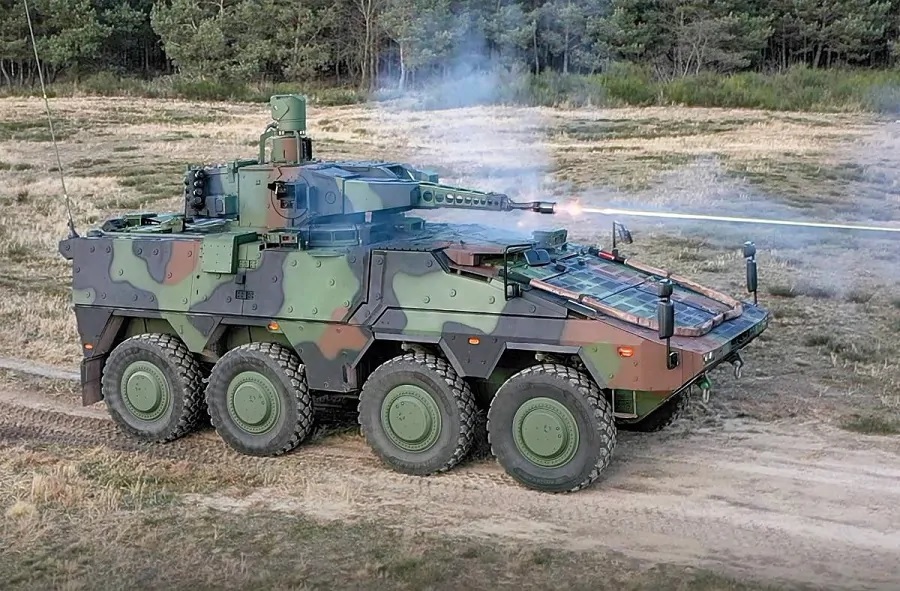
World
On 17 October 2025, Germany and the Netherlands officially signed a landmark €4.5 billion contract through the Organisation for Joint Armament Cooperation (OCCAR) to jointly procure 222 new SCHAKAL Infantry Fighting Vehicles (IFVs) — a cutting-edge variant of the proven Boxer modular armored vehicle family. The agreement marks one of the most significant European land systems investments in recent years and reinforces both nations’ commitment to deepening defense industrial cooperation and enhancing NATO’s protected mobility. A Milestone for European Defense Cooperation The contract, signed in Bonn, represents the latest phase in the evolving Boxer program, already in service with several NATO members including Germany, the Netherlands, the UK, and Lithuania. Managed by ARTEC GmbH, a joint venture between Krauss-Maffei Wegmann (KMW) and Rheinmetall Landsysteme, the Boxer family has become a cornerstone of Europe’s next-generation armored mobility. The new SCHAKAL variant, jointly developed by German and Dutch industries, will expand both nations’ Boxer fleets and provide a dedicated infantry fighting vehicle (IFV) configuration designed to deliver superior firepower, troop protection, and digital integration for high-intensity warfare. This expansion brings the total OCCAR-managed Boxer program value to over €10 billion, cementing it as one of Europe’s largest cooperative defense projects. SCHAKAL: The Next-Generation Infantry Fighting Vehicle The Boxer SCHAKAL (Schwerer Kampf- und Aufklärungswagen Leicht) is conceived as a highly modular, multi-role platform capable of adapting to diverse operational needs — from frontline combat to reconnaissance and medical evacuation. Key Specifications and Features: Combat Weight: Approximately 45 tonnes (depending on configuration) Crew: 3 (commander, gunner, driver) + up to 8 infantry troops Main Armament: Lance 2.0 Remote-Controlled Turret 30mm MK30-2/ABM automatic cannon with programmable airburst munitions Coaxial 7.62mm machine gun Optional Spike-LR2 or MELLS anti-tank guided missile launchers Armor Protection: STANAG 4569 Level 4+ ballistic and mine protection, with modular add-on armor kits Engine: MTU 8V199 TE21 diesel engine producing 720 hp, providing a top speed of 100 km/h Range: Over 700 kilometers on-road Digital Systems: Integrated battle management system, situational awareness sensors, and next-gen communication suite compatible with NATO networks The SCHAKAL variant emphasizes survivability, mobility, and firepower, giving German and Dutch mechanized infantry units the ability to fight alongside Leopard 2 main battle tanks and other modern assets. It also incorporates enhanced mine and IED protection, improved crew ergonomics, and greater autonomy-ready architecture to accommodate future unmanned systems integration. Industrial and Strategic Impact This new phase of the Boxer program significantly strengthens German-Dutch industrial cooperation, as both nations will share production, logistics, and system integration responsibilities. Rheinmetall, KMW, and Dutch industry partners such as Dutch Defence Vehicle Systems (DDVS) will collaborate closely, ensuring long-term sustainment and upgrade pathways. The contract also signals Europe’s intent to consolidate its defense supply chains amid global instability and rising demand for armored vehicles. The SCHAKAL’s modular nature allows it to evolve with emerging technologies, ensuring decades of service relevance. Enhancing NATO’s Battlefield Mobility For NATO, the SCHAKAL procurement represents a tangible step toward greater operational resilience and interoperability. The new IFVs will enhance the alliance’s protected mobility in Eastern Europe, support rapid deployment forces, and strengthen deterrence against evolving threats — particularly in hybrid and high-intensity combat environments. The inclusion of medical evacuation and command post variants in future orders will also improve battlefield sustainability, ensuring that the Boxer fleet forms a complete, networked family of vehicles for combat, logistics, and recovery missions. With deliveries expected to begin in the late 2020s, the SCHAKAL program will define the next decade of European armored warfare. Its combination of modular design, powerful weapon systems, and digital integration makes it a central pillar of the European Defence Industrial Strategy. In an era where mobility, protection, and interoperability define modern battlefields, the Germany–Netherlands SCHAKAL initiative stands as a model of effective multinational defense collaboration — one that both strengthens NATO’s frontlines and signals Europe’s growing determination to take collective responsibility for its security.
Read More → Posted on 2025-10-18 14:09:16
World
The International Criminal Court (ICC) has rejected Israel’s appeal against the arrest warrants issued for Prime Minister Benjamin Netanyahu and former Defense Minister Yoav Gallant, marking a major legal and diplomatic setback for Israel amid the ongoing conflict in Gaza. The decision affirms the ICC’s earlier determination that there are “reasonable grounds” to believe both leaders bear criminal responsibility for alleged war crimes and crimes against humanity committed during Israel’s military operations in Gaza. The arrest warrants were issued on November 21, 2024, by the ICC’s Pre-Trial Chamber I, following a formal request from ICC Chief Prosecutor Karim A.A. Khan KC. The charges against Netanyahu and Gallant include using starvation as a method of warfare, intentionally directing attacks against civilians, and crimes against humanity, including murder, persecution, and other inhumane acts. The Court concluded that from October 8, 2023, through May 2024, Israel’s leadership pursued policies that deliberately restricted food, water, and humanitarian access to Gaza’s civilian population. Israel strongly rejected the warrants, arguing that the ICC has no jurisdiction over its actions because Israel is not a signatory to the Rome Statute, the treaty establishing the Court. In May 2025, Israel submitted a formal request to dismiss the warrants, claiming that the ICC overstepped its authority. However, on July 16, 2025, the ICC ruled that there was “no legal basis” to revoke the warrants while questions over jurisdiction remain unresolved. Israel then attempted to appeal the ruling, but in a 13-page decision, the ICC judges declared that Israel’s appeal was inadmissible, stating, “The Chamber therefore rejects the request.” This latest judgment closes the door on Israel’s legal maneuvering to halt the case. The ICC’s Appeals Chamber had earlier instructed the Pre-Trial Chamber to reconsider certain elements of Israel’s jurisdictional objections in April 2025, keeping the broader legal question unresolved. This means that while the warrants remain active, the final ruling on whether the ICC has authority over Israeli officials has yet to be determined. As a result, the case continues to occupy a legally complex and politically charged space, with no clear end in sight. Reactions to the ICC’s decision have been fierce. Prime Minister Netanyahu denounced the warrants as “an anti-Semitic attack on the State of Israel,” comparing it to historic injustices against the Jewish people. The United States—also not a member of the ICC—strongly backed Israel. Then-President Joe Biden called the ruling “outrageous,” and Washington imposed sanctions on senior ICC officials, accusing the Court of politically motivated actions. The European Union, by contrast, maintained that its member states, as signatories to the Rome Statute, are legally obligated to execute ICC warrants, meaning they must arrest and transfer the accused if they enter EU territory. Under international law, all 123 member states of the ICC are required to comply with its orders. This means that if Netanyahu or Gallant travel to any country that is party to the Rome Statute, they could legally be detained and handed over to The Hague. However, many analysts note that the actual enforcement of such warrants often depends more on political will than on legal obligation. In practice, most Western and allied nations are unlikely to arrest sitting Israeli leaders, despite the formal legal framework. After the International Criminal Court (ICC) issued arrest warrants for Prime Minister Benjamin Netanyahu and former Defense Minister Yoav Gallant in November 2024, Netanyahu continued his international engagements, including a visit to an ICC member state. In early April 2025, he travelled to Hungary, a country that is a signatory to the Rome Statute and therefore legally obliged to enforce ICC arrest warrants. Despite this, the Hungarian government, under Prime Minister Viktor Orbán, publicly declared that it would not comply with the ICC order and would not arrest Netanyahu during his visit. The decision drew international criticism and underscored the tension between political alliances and legal obligations under international law. Earlier, in February 2025, Netanyahu had also visited the United States, which is not a member of the ICC and therefore not bound by the Court’s jurisdiction. His trip to Hungary, however, marked the first known instance of an Israeli leader visiting an ICC member state after the issuance of an active arrest warrant, highlighting both Israel’s defiance and the political divisions among ICC member countries regarding enforcement of the Court’s rulings. The case represents one of the most politically sensitive actions in the ICC’s history. It is unprecedented for a sitting prime minister of a major U.S.-backed democracy to face an international arrest warrant. The Court’s move underscores its stance that no political leader is immune from accountability for alleged war crimes, regardless of their country’s treaty status. Yet, the geopolitical implications are profound: the decision further strains ICC–U.S. relations and places European and Arab states in a delicate position regarding future dealings with Israel. The ICC’s rejection of Israel’s appeal highlights the growing tension between international law and global power politics. While the warrants remain in force, their enforcement is uncertain, hinging on the willingness of states to act. As the ICC continues to deliberate over its jurisdiction, Netanyahu and Gallant’s international travel will likely face new restrictions, and Israel’s diplomatic engagements may encounter unprecedented legal and political challenges. For now, the ICC’s message is clear: its pursuit of justice in the Gaza conflict will proceed despite opposition from some of the world’s most powerful governments. Whether the international community will uphold the Court’s authority—or sidestep it under political pressure—remains one of the most consequential questions in modern international law.
Read More → Posted on 2025-10-18 14:01:59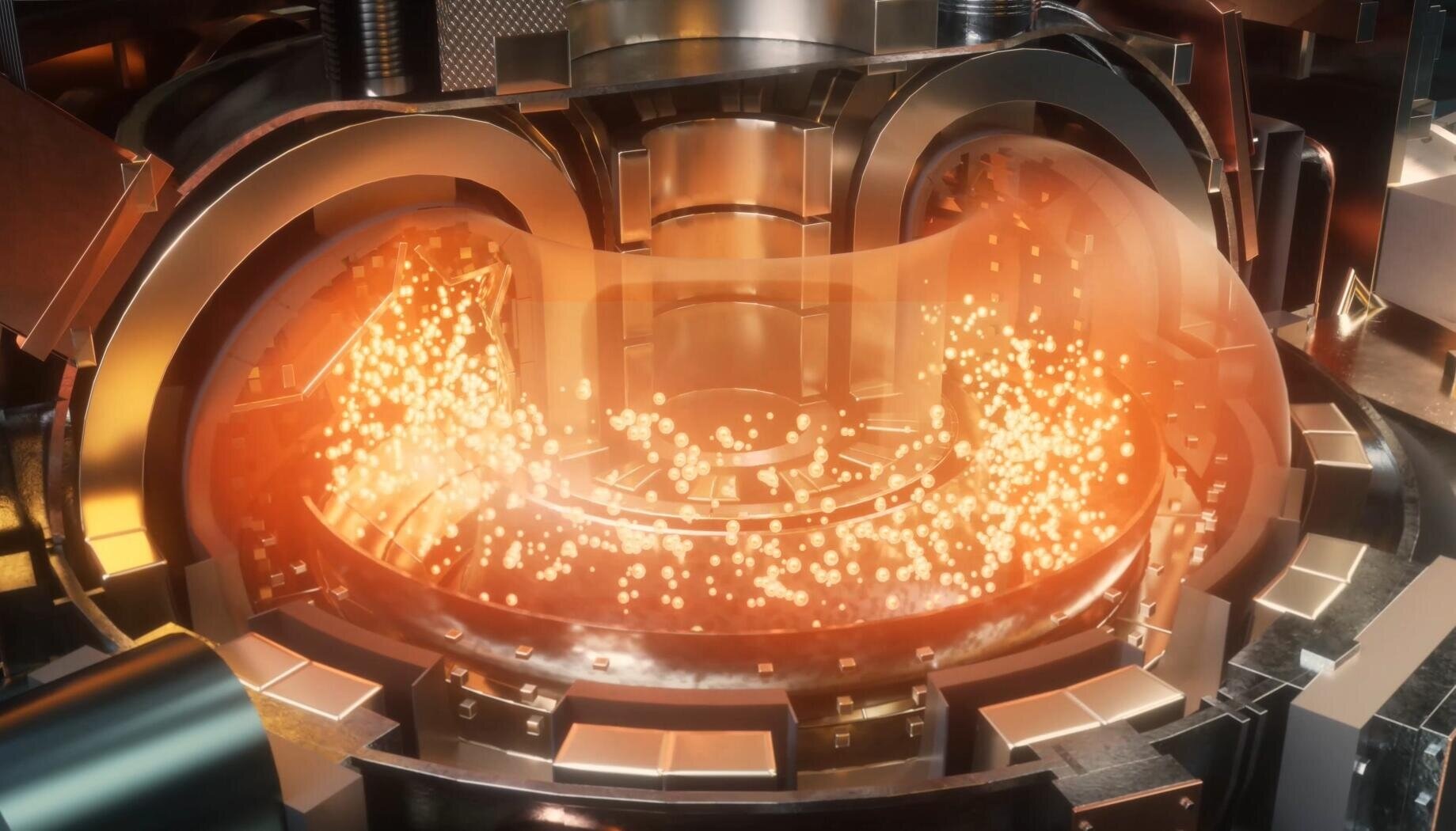
World
Less than an hour from Beijing, in Langfang, Hebei province, a cluster of experimental facilities is quietly shaping the future of global energy. At the heart of the ENN Group campus sits the EXL-50U, a compact spherical tokamak designed to mimic the processes that power the sun. Here, engineers are working to confine plasma at extreme temperatures and pressures, aiming to achieve nuclear fusion — a nearly limitless source of clean energy. On a recent visit, the ENN team was installing new neutral beam heating systems, designed to raise plasma temperatures to an astonishing 100 million degrees Celsius (180 million degrees Fahrenheit). At such conditions, light atomic nuclei like hydrogen can collide and fuse into heavier atoms, releasing tremendous amounts of energy. Unlike nuclear fission, the process used in conventional power plants, fusion produces minimal radioactive waste, making it a safer and more sustainable solution. Ambitious Targets and Advanced Technology ENN Group, historically focused on low-carbon solutions such as geothermal and bioenergy, pivoted to fusion in 2017, recognizing its potential as the “ultimate energy solution,” according to Chief Engineer Yang Yuanming. The company has since invested billions of yuan into developing its fusion program, building next-generation devices like the Helong-2 tokamak. Its R&D team of over 300 engineers includes specialists trained at leading international institutions. The compact, spherical design of ENN’s tokamak, combined with hydrogen-boron fuel, reflects a strategic choice for efficiency and sustainability. Magnetic confinement technology allows plasma to remain stable long enough to sustain fusion reactions, a critical challenge in bringing this experimental energy source closer to commercial viability. China is not alone in this pursuit. Across the globe, fusion startups and research institutions are targeting the early 2030s for commercial fusion power. In the U.S., companies like Commonwealth Fusion Systems and Helion Energy are pioneering alternative tokamak and field-reversed configuration designs, raising billions in private investment. Yet, experts acknowledge China’s unique advantages: state-backed funding, a vast talent pool, advanced manufacturing, and a robust supply chain capable of rapid prototyping and scaling. A Coordinated National Push China’s government and private sector are collaborating aggressively. Annual investment in fusion is estimated at US$1.5 billion, nearly double U.S. federal funding. The recent creation of China Fusion Energy, a state-backed company with US$2.1 billion in capital, signals Beijing’s intent to commercialize fusion by 2050. Supported by seven state-run giants across nuclear and petroleum sectors, it merges private innovation with public resources, echoing the country’s successful strategies in electric vehicles, solar panels, and battery technologies. China’s first-generation superconducting tokamak, EAST (Experimental Advanced Superconducting Tokamak), has been operational since 2006 in Hefei, proving the feasibility of sustained plasma confinement. Building on this, NeoFusion’s Burning Plasma Experimental Superconducting Tokamak (BEST) is under construction and expected to achieve net energy gain by 2027, a milestone toward commercially viable fusion power. The country’s edge lies not only in funding but also in materials science. High-temperature superconductors, developed with contributions from both domestic and international collaborations, allow smaller, more powerful magnetic fields, enabling more compact and efficient reactors. This breakthrough could be crucial for scaling up fusion from the laboratory to power plants capable of supplying electricity to cities. Global Competition and the Path Ahead While China makes rapid strides, the U.S. remains a formidable contender. Commonwealth Fusion Systems, with over 1,000 experts and nearly US$3 billion in capital, continues to innovate, alongside Helion Energy, which is constructing a fusion plant to power Microsoft by 2028. Other Chinese startups, such as NovaFusionX, Startorus Fusion, and Energy Singularity, are also joining the race, building on decades of experience from earlier projects like the HL-1 tokamak, operational since the 1980s. Industry observers suggest that the next five years will be decisive. Whether China or the U.S. reaches commercial fusion first, the competition has already accelerated global innovation, bringing humanity closer to the long-envisioned “artificial sun.” If successful, nuclear fusion could transform the world’s energy landscape, providing a clean, virtually unlimited power source that could power cities, industries, and economies for centuries — all without the greenhouse emissions that drive climate change. For scientists in Langfang and engineers across China, this vision is no longer a distant dream but an achievable target within the next decade.
Read More → Posted on 2025-10-17 17:55:53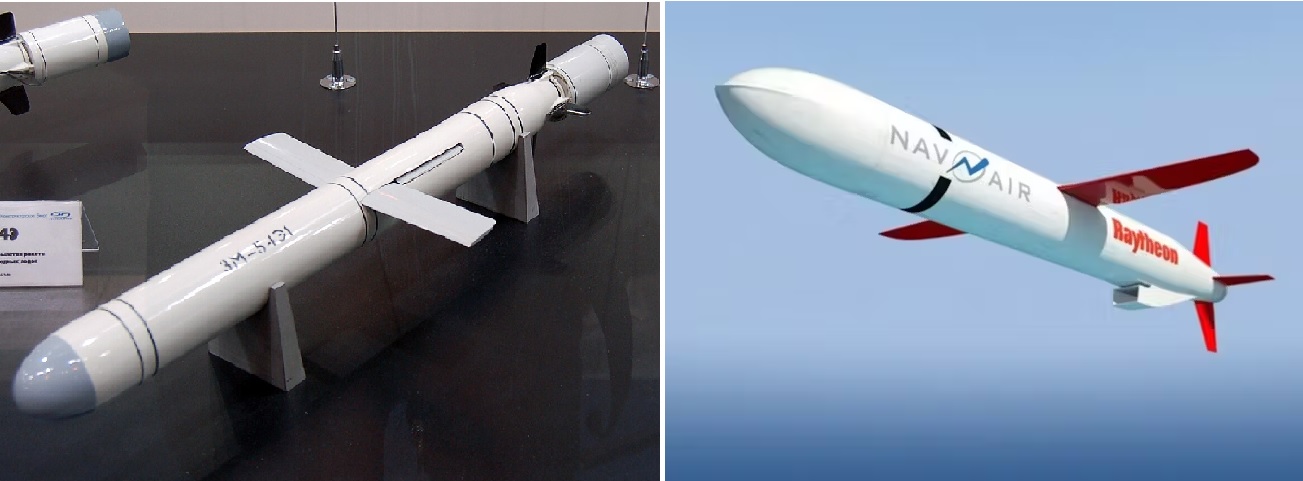
World
As the war in Ukraine continues, discussions over supplying U.S. Tomahawk cruise missiles to Kyiv have gained momentum. The Tomahawk’s long range and precision strike capabilities could allow Ukraine to target strategic sites deep inside Russian-held territory, potentially altering the dynamics of the conflict. However, whether the United States can produce and deliver enough Tomahawks to match Russia’s existing cruise missile firepower is a complex question, involving production capacity, cost, existing stockpiles, and strategic considerations. Russia’s Kalibr missile program has been a cornerstone of its long-range strike capability for more than a decade. Open-source analysis and intelligence reports suggest that Russia produces approximately 30 Kalibr missiles per month, which equates to about 360 per year. When factoring in other long-range cruise missile families, including Kh-series and Iskander-K variants, Russian annual cruise missile production could range from 700 to over 1,000 missiles, giving Moscow a significant stockpile to sustain operations in Ukraine. The domestic unit cost for a Kalibr missile is widely cited at roughly $980,000, although some analysts argue the marginal production cost could be lower, potentially in the range of $300,000 to $500,000 per missile. Historical export contracts, such as a 2006 deal with India, priced missiles as high as $6.5 million each, but that figure reflects bundled costs and margins rather than Russia’s internal production cost. By contrast, U.S. Tomahawk production is far more constrained. The Tomahawk program’s full production capability can reach approximately 530 missiles per year under optimal conditions, reflecting the maximum technical ceiling of the manufacturing line. Historically, older program targets cited 38 missiles per month → 456/year. However, recent procurement shows a much lower rate of actual deliveries, averaging around 45 missiles per year between FY2023 and FY2026. This means that while the U.S. has the industrial capacity to produce hundreds of Tomahawks annually, in practice only a small fraction of that capacity is being utilized, and most missiles are allocated to U.S. defense needs or allied commitments. The unit cost for a Tomahawk missile is significantly higher than a domestic Kalibr, falling in the range of $1.3 million to $2.4 million, with export deals sometimes pushing per-unit prices above $4 million when support, launchers, and training are included. If the U.S. were to approve Tomahawk deliveries to Ukraine, the initial shipments would be limited to the existing stockpile and recently purchased missiles, likely numbering in the tens to low hundreds. A modest production ramp could expand this number to a few hundred within a year, but reaching full-rate production of 400–530 missiles would take sustained political, financial, and industrial effort. Even at full production, the U.S. would still face a significant gap when compared to Russia’s ongoing cruise missile production and stockpiles. Beyond raw numbers, several strategic factors influence the potential impact of Tomahawk transfers. Ukraine would need compatible launch platforms; Tomahawks are usually launched from naval vessels or ground-based launchers that are still under development for the U.S. Army. The U.S. must also maintain sufficient stockpiles for its own defense needs and for allied nations that rely on Tomahawks for strategic deterrence. Finally, political considerations loom large, as providing hundreds of long-range missiles to Ukraine could escalate tensions with Russia and provoke international debate over the level of U.S. involvement in the conflict. In practical terms, Tomahawks offer Ukraine a qualitative advantage. Even a limited number of missiles could enable precision strikes on high-value targets, something Russia’s Kalibr missiles already provide in quantity. However, in terms of sheer numbers and sustained capability, the United States cannot currently match Russia’s cruise missile production. Any attempt to do so would require a major industrial ramp-up, careful coordination with allied defense needs, and substantial funding. In conclusion, while U.S. Tomahawks often make headlines as a potential game-changer for Ukraine, the reality is more restrained. In practice, the United States cannot deliver the quantity Ukraine would need to match Russia’s Kalibr missiles, and any supply would be limited by production capacity, stockpiles, and strategic priorities. The missiles may offer precision and tactical value, but the hype in the media does not reflect the practical constraints, and Tomahawks alone cannot close the gap against Russia’s broader cruise missile arsenal.
Read More → Posted on 2025-10-17 17:41:15
India
Defence Minister Rajnath Singh on Friday inaugurated the third production line of the Light Combat Aircraft (LCA) Tejas Mk1A and the second production line of the Hindustan Turbo Trainer-40 (HTT-40) at Hindustan Aeronautics Limited’s (HAL) Nashik facility. He also flagged off the first Tejas Mk1A aircraft built at the plant, marking a major milestone in India’s drive toward self-reliance in defence manufacturing. In his address, the Defence Minister described the flight of the indigenously built Tejas Mk1A as a shining example of India’s growing Aatmanirbharta in defence. Highlighting the transformation of the sector over the past decade, Singh said that India, which once imported nearly 70 per cent of its critical military hardware, now manufactures 65 per cent of its equipment domestically. He reiterated the government’s determination to raise this figure to 100 per cent in the years to come. “When we came to power in 2014, we realised that without self-reliance, we can never be truly secure,” Singh said, recalling that the defence sector at that time suffered from limited preparedness and heavy import dependency. “Everything was confined to government enterprises, with little private sector participation and minimal innovation. This forced us to depend on other countries for critical systems, which increased costs and created strategic vulnerabilities. But this challenge pushed us toward reform and self-reliance, and today, we are building at home what we once imported — from fighter aircraft and missiles to engines and electronic warfare systems,” he added. The Defence Minister noted that annual defence production, valued at ₹46,429 crore in 2014-15, has now reached a record of over ₹1.5 lakh crore in 2024-25, while exports have surged from less than ₹1,000 crore to ₹25,000 crore. The government has now set an ambitious goal to achieve ₹3 lakh crore in defence manufacturing and ₹50,000 crore in exports by 2029. Speaking about the evolving nature of modern warfare, Singh said that technologies like artificial intelligence, cyber warfare, drones and next-generation aircraft are reshaping the battlefield. He urged HAL to stay ahead in this race and to make its mark in next-generation platforms, unmanned systems and civil aviation, rather than limiting itself to current projects like the Tejas and HTT-40. He also commended HAL’s critical role in ensuring the operational readiness of the Indian Air Force (IAF) during Operation Sindoor, where its Nashik team installed BrahMos missiles on Su-30 aircraft that destroyed terrorist hideouts. Rajnath Singh lauded the Nashik division of HAL for being a key pillar of India’s aerospace development over the past six decades, transforming from the manufacturing base of MiG-21s and MiG-27s to becoming the production hub of the Su-30MKI and now the Tejas Mk1A and HTT-40. He said this journey reflects India’s technological and industrial growth in defence. Following the inauguration of the new production lines, India’s manufacturing capability for both aircraft has received a major boost. HAL’s total annual capacity for the Tejas Mk1A has now increased from 16 to 24 aircraft per year, as the Nashik line adds the ability to produce around eight additional fighters annually. The Bengaluru facilities, which previously handled all Tejas production, will continue to focus on deliveries to the Indian Air Force, while the Nashik line will accelerate output to meet upcoming commitments. HAL is also planning to gradually scale production to about 30 Tejas Mk1A fighters per year by 2027 through greater private-sector involvement and improved component outsourcing. The HTT-40 trainer program has similarly gained momentum. With the second production line inaugurated at Nashik, HAL is now positioned to deliver about 12 HTT-40 trainers in the current financial year, with output expected to increase to around 20 aircraft annually from 2026 onwards. The company has an order for 70 HTT-40s, which will be produced and delivered over the next six years. The Nashik division will handle most of this production, while the Bengaluru unit will focus on initial training and testing aircraft. Both programs are supported by a large network of Indian industry partners and MSMEs, contributing to the government’s goal of building a resilient aerospace ecosystem. However, engine supply remains a critical factor. The Tejas Mk1A relies on General Electric’s F404-IN20 engines, and delivery schedules from the US are key to maintaining full-rate production. Similarly, the HTT-40’s TPE331-12B engines from Honeywell have faced delivery delays, though efforts are underway to stabilise the supply chain. Secretary (Defence Production) Sanjeev Kumar, who attended the ceremony, said that the inauguration of the two lines was a symbol of India’s growing technological confidence and strategic foresight. He described the LCA Tejas Mk1A as more than just a fighter aircraft — a statement of India’s design and manufacturing excellence — and the HTT-40 as proof of HAL’s ability to conceptualise and deliver a fully indigenous defence platform. HAL CMD Dr. D.K. Sunil added that the Nashik expansion has already created around 1,000 new jobs and supported over 40 partner industries in the region. HAL Chief Test Pilot (Fixed Wing) Group Captain K.K. Venugopal (Retd) flew the first Tejas Mk1A sortie from the new facility, followed by an impressive aerial display by Su-30MKIs and HTT-40s. The Tejas Mk1A received a traditional water cannon salute, symbolising a new era in India’s aviation industry. With the new lines operational, HAL’s annual output of 24 Tejas Mk1A fighters and 20 HTT-40 trainers will significantly strengthen India’s airpower and training infrastructure. More importantly, it demonstrates that India’s aerospace sector, once dependent on foreign suppliers, is now capable of designing, developing and producing world-class aircraft on its own soil. The Nashik facility stands as a proud testament to this transformation — representing not just industrial expansion, but the flight of a self-reliant nation.
Read More → Posted on 2025-10-17 16:44:28
World
Lockheed Martin has been awarded a significant U.S. Army contract to develop the Integrated Fires Protection Capability (IFPC) 2nd Interceptor, a medium-range air defense system designed to fill the gap between short-range defenses and the Patriot missile system. The award, structured as an Other Transaction Authority (OTA) agreement, is a multi-year program extending over the next 15 years, under which Lockheed Martin will oversee development, production, and delivery of the system. The contract also involves collaboration with partners like AeroVironment, leveraging a combination of expertise in missile defense, command and control, and advanced technologies to ensure the system meets the Army's evolving operational needs. The IFPC 2nd Interceptor is intended to provide robust protection for critical assets such as forward operating bases and fixed installations against a wide range of threats, including subsonic and supersonic cruise missiles, unmanned aerial vehicles, and rocket, artillery, and mortar (RAM) attacks. By integrating seamlessly with the Army’s Integrated Air and Missile Defense Battle Command System (IBCS), it ensures coordinated defense across all layers, bridging the capability gap between short-range systems and the Patriot missile batteries. The interceptor is designed to operate from the Multi-Mission Launcher (MML), a mobile platform capable of deploying multiple types of interceptors, including the AIM-9X Sidewinder and Tamir missiles, with future flexibility for directed-energy systems such as high-energy lasers or high-power microwave weapons. This program not only strengthens the Army’s layered defense architecture but also represents a strategic investment in advanced, adaptable defense technologies. Lockheed Martin’s leadership role in the contract positions the company at the forefront of U.S. air and missile defense modernization, combining mobility, interoperability, and cutting-edge interceptor technology. The development timeline includes technology demonstrations planned in the coming fiscal years, with full-scale production and operational deployment to follow, ensuring that the Army maintains a strategic advantage against emerging aerial threats while enhancing its overall integrated defense posture.
Read More → Posted on 2025-10-17 15:53:15
India
In a major step forward for India’s defense capabilities, the Defence Research and Development Organisation (DRDO) has successfully test-fired the indigenous Nag Mk-II Anti-Tank Guided Missile (ATGM) from the Zorawar Light Tank in October 2025. This marks a significant milestone in integrating advanced indigenous missile systems with India’s latest light armored platforms, enhancing the Indian Army’s operational readiness in high-altitude and challenging terrains. The Nag Mk-II is a third-generation, fire-and-forget ATGM developed under India’s Integrated Guided Missile Development Programme (IGMDP). It features imaging infrared (IIR) homing guidance, allowing it to autonomously track and destroy armored targets. The missile is approximately 1.83 meters long, 15 cm in diameter, weighs around 45 kg, and can engage targets at ranges of 7 to 10 kilometers. Its tandem HEAT warhead can penetrate over 900 mm of armor, even behind Explosive Reactive Armor (ERA), making it highly effective against modern main battle tanks. Previously, the Nag Mk-II was successfully tested from platforms such as NAMICA, HAL Rudra, and HAL Prachand, and these trials demonstrated its accuracy and reliability. The successful October 2025 firing from the Zorawar Light Tank confirms its integration with the tank’s fire-control systems, paving the way for operational deployment. The Zorawar Light Tank, developed by DRDO’s Combat Vehicles Research and Development Establishment (CVRDE) in collaboration with Larsen & Toubro (L&T), is specifically designed for high-altitude operations. Weighing 25 tonnes, it is powered by a 760 hp Cummins diesel engine and features a 105 mm high-pressure rifled gun along with a 7.62 mm anti-aircraft machine gun on a remote-controlled weapon station. The tank is airliftable, amphibious-capable, and optimized for mobility in difficult terrains such as the mountainous regions along India’s borders. The October 2025 test-firing successfully validated the Nag Mk-II ATGM’s compatibility with the Zorawar’s systems, accurately hitting simulated armored targets. This achievement demonstrates both the precision of the missile and the lethality of the tank-missile combination, reinforcing India’s goal of self-reliance in defense technologies. With the completion of these trials, the Zorawar Light Tank armed with Nag Mk-II is expected to be inducted into the Indian Army after final user trials. Once operational, it will significantly enhance India’s firepower in high-altitude border regions, strengthening the country’s strategic and tactical capabilities. This successful integration underlines India’s growing expertise in indigenous defense technologies and highlights the nation’s commitment to equipping its armed forces with advanced, homegrown weapon systems.
Read More → Posted on 2025-10-17 15:35:21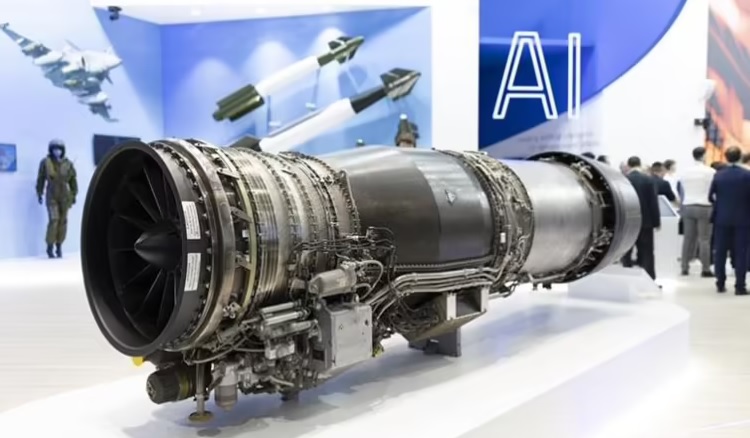
India
India is preparing to spend about ₹654 billion ($7.44 billion) over the next decade to acquire engines for its indigenous fighter aircraft fleet under development, marking one of the country’s most ambitious aerospace propulsion programs to date. According to S.V. Ramana Murthy, Director of the Gas Turbine Research Establishment (GTRE), India will require nearly 1,100 engines for various fighter jet programs currently in different stages of design, testing, and production. The massive procurement plan will span until 2035, covering aircraft like the Light Combat Aircraft (LCA) Tejas Mk2, the Twin Engine Deck Based Fighter (TEDBF) for the Indian Navy, and the Advanced Medium Combat Aircraft (AMCA) — India’s first fifth-generation stealth fighter. Building a Self-Reliant Engine Ecosystem India’s attempts to design a home-grown fighter jet engine stretch back several decades. The Kaveri engine program, initiated in the 1980s to power the Tejas light combat aircraft, has faced repeated technical challenges and delays, forcing India to rely on foreign engines such as the GE F404 and F414 for operational Tejas variants. Murthy acknowledged these shortcomings but emphasized that the lessons from the Kaveri project have laid the groundwork for the next phase of indigenous engine development. “There is a need to work on mission mode to create an ecosystem for indigenous fighter engines,” he said during a defence technology event in New Delhi. He added that India must invest in high-altitude test facilities, thermal and vibration testing infrastructure, and a robust industrial supply chain to achieve true self-reliance in jet propulsion technology. Derivatives and Future Applications A derivative of the Kaveri engine is now being considered for India’s upcoming Unmanned Combat Aerial Vehicle (UCAV) project, tentatively named Ghatak. This effort aims to leverage existing technologies for smaller airframes and autonomous combat roles, potentially giving India its first indigenous powerplant for drone warfare systems. Global Partnerships for AMCA Murthy also confirmed that India is in talks with several international engine makers for co-development partnerships aimed at powering the AMCA. Leading contenders include France’s Safran, Britain’s Rolls-Royce, and U.S.-based General Electric. While General Electric has already signed an agreement to manufacture its F414 engines in India for the Tejas Mk2, the AMCA engine is envisioned as a new-generation powerplant in the 110–120 kN thrust class, with stealth-compatible thermal management and advanced digital control systems. The AMCA prototype, expected to roll out by 2028, will mark India’s entry into the elite club of nations capable of designing fifth-generation stealth fighters. The program’s success depends heavily on the timely development and integration of an indigenous or co-developed engine. Opening the Defence Sector to Private Industry In a significant policy shift, the Indian government announced that for the first time, private firms will be invited to bid on major fighter production contracts. This move aims to reduce dependence on Hindustan Aeronautics Limited (HAL) — the state-run aerospace giant that currently manufactures most of India’s military aircraft — and foster competition and innovation within the domestic defence ecosystem. Companies such as Larsen & Toubro, Tata Advanced Systems, and Mahindra Defence are expected to participate, either independently or in joint ventures with foreign technology partners. Strategic Push for Defence Self-Reliance Prime Minister Narendra Modi’s “Atmanirbhar Bharat” (Self-Reliant India) initiative has made indigenous defence manufacturing a national priority. Over the past five years, India has progressively restricted imports of key defence components, including jet engines, avionics, and radar systems, while encouraging joint ventures and technology transfer agreements with global firms. By 2035, India aims not only to replace foreign engines in its combat fleet but also to develop a fully indigenous propulsion ecosystem capable of supporting future programs like the 6th-generation fighter concept, advanced UCAVs, and long-range bombers. A Decade of Opportunity and Challenge Experts note that achieving engine self-reliance remains one of the hardest challenges in aerospace engineering. Nations like the U.S., Russia, and France took decades and tens of billions of dollars to master the technology. However, India’s renewed focus, budget allocation, and openness to partnerships are viewed as critical enablers of success. If the planned ₹654 billion investment bears fruit, India could soon join a very exclusive club of nations — the United States, Russia, France, and China — that possess the capability to design, manufacture, and operate their own advanced fighter jet engines.
Read More → Posted on 2025-10-17 15:18:47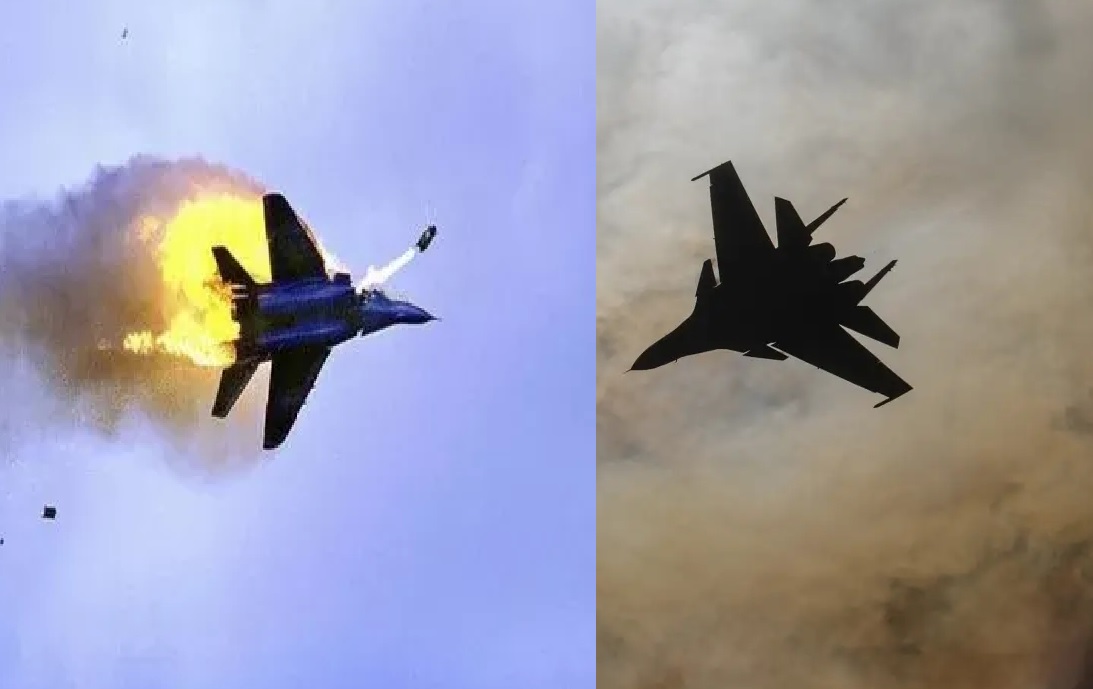
World
In a rare and significant incident, Russian air defenses reportedly downed one of their own Su-30SM fighter jets over Crimea during a Ukrainian drone strike on the night of October 16, 2025. The Ukrainian Navy's spokesperson, Dmytro Pletenchuk, confirmed the event, stating that Russian forces were so focused on repelling Ukrainian attacks that they inadvertently shot down their own aircraft. According to the General Staff of the Armed Forces of Ukraine, naval intelligence intercepted radio communications indicating the ignition of both engines and the ejection of the crew from the Russian Su-30SM aircraft. The incident occurred in the northwestern part of the temporarily occupied Autonomous Republic of Crimea. The Ukrainian Navy did not initially specify the model of the aircraft involved. However, subsequent reports and social media channels suggested that the downed aircraft was a Su-30SM fighter jet. This incident occurred amid heightened Russian air defense activity over occupied Crimea, as Ukrainian forces launched a wave of drone and missile strikes targeting military infrastructure across the peninsula. Explosions and fires were reported overnight near Simferopol, including at a Russian oil depot in Hvardiiske. Additionally, several areas in occupied Crimea lost power after drone strikes damaged multiple electrical substations. The accidental downing of a Russian fighter jet by its own air defenses highlights the complexities and risks associated with modern warfare, particularly in environments where multiple layers of defense systems are engaged simultaneously. It underscores the challenges faced by military forces in distinguishing between hostile and friendly assets, especially during intense combat situations. As the conflict continues, such incidents may have broader implications for military tactics and the effectiveness of air defense systems. Both sides are likely to reassess their strategies to mitigate the risks of friendly fire and enhance the precision of their defense operations. The situation remains fluid, and further developments are expected as both Ukrainian and Russian forces continue their operations in the region.
Read More → Posted on 2025-10-17 14:27:05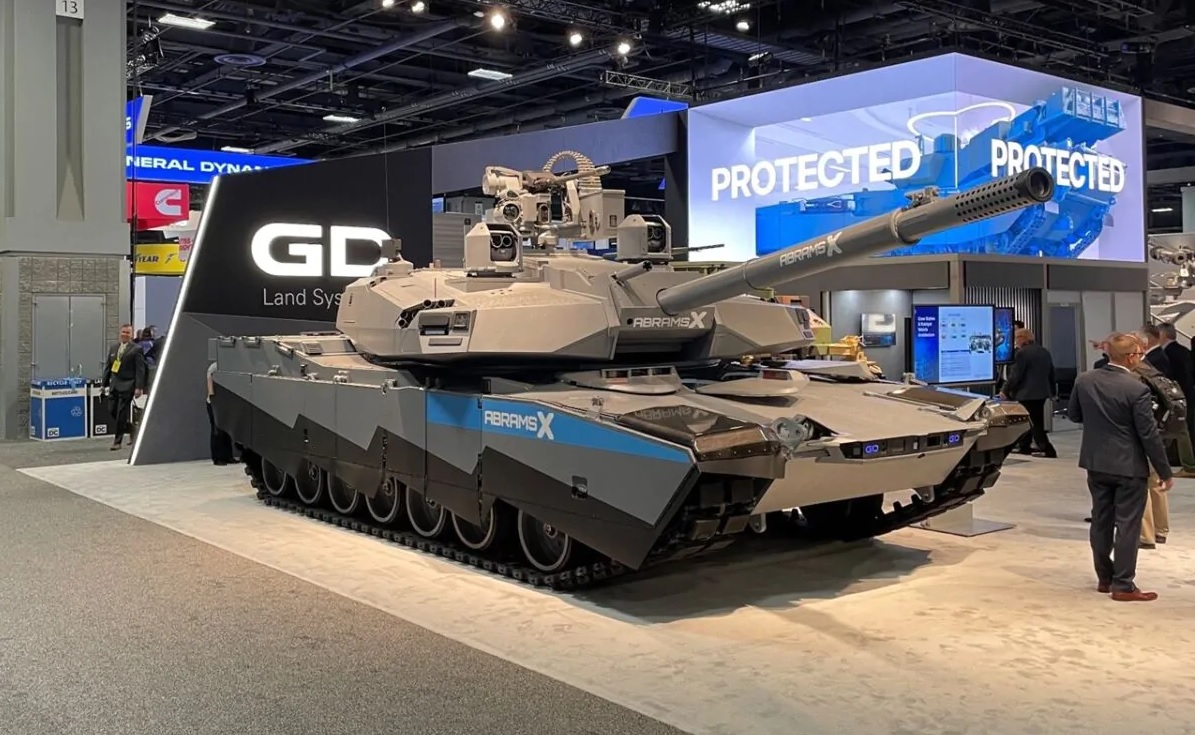
World
The U.S. Army is accelerating the development of its next-generation M1E3 Abrams tank, aiming to deliver a prototype by the end of 2025. This initiative represents a major shift in armored vehicle modernization, as the Army seeks to rapidly field advanced technologies to meet evolving battlefield threats. General Dynamics Land Systems (GDLS) received a $150 million contract in mid-2025 to develop the M1E3 Abrams. Originally, the Army had anticipated a seven-year development period, targeting the early 2030s for the tank’s initial operational capability. However, the Army has recognized the urgency of upgrading its armored forces and has compressed the timeline significantly. According to Colonel Ryan Howell, head of the Army’s Program Executive Office for Ground Combat Systems, the first pre-prototype is expected to be delivered for testing within an operational unit by December 2025, signaling a highly accelerated schedule. The M1E3 Abrams brings several technological improvements over its predecessors. One of the most notable advancements is its hybrid-electric powertrain, designed to enhance fuel efficiency while reducing the logistical burden of traditional fuel-heavy tanks. Additionally, the tank incorporates an autoloader system, which reduces the crew from four to three, allowing for a lower turret profile and improved survivability on the battlefield. The tank also features a modular open-systems architecture, which makes integrating future upgrades and new technologies far easier than in previous models. Defensive capabilities have been enhanced as well, with modular add-on armor and active protection systems designed to counter emerging threats, including top-down drone attacks. Following the delivery of the pre-prototype, the Army plans to conduct soldier touchpoint testing by the end of 2026. This phase will involve frontline soldiers operating the tank in realistic conditions, providing critical feedback that will shape the final production model. The Army aims for the M1E3 to reach initial operational capability in the early 2030s, with full-rate production and deployment expected to follow in subsequent years. The rapid development of the M1E3 Abrams reflects the Army’s strategic emphasis on maintaining armored dominance well into the 2040s. By integrating lessons learned from recent conflicts and leveraging cutting-edge technologies, the M1E3 is positioned to offer a more agile, survivable, and technologically sophisticated platform. As the tank moves through development and testing, it represents a significant step forward in ensuring that U.S. armored forces remain capable of addressing future battlefield challenges.
Read More → Posted on 2025-10-17 14:04:39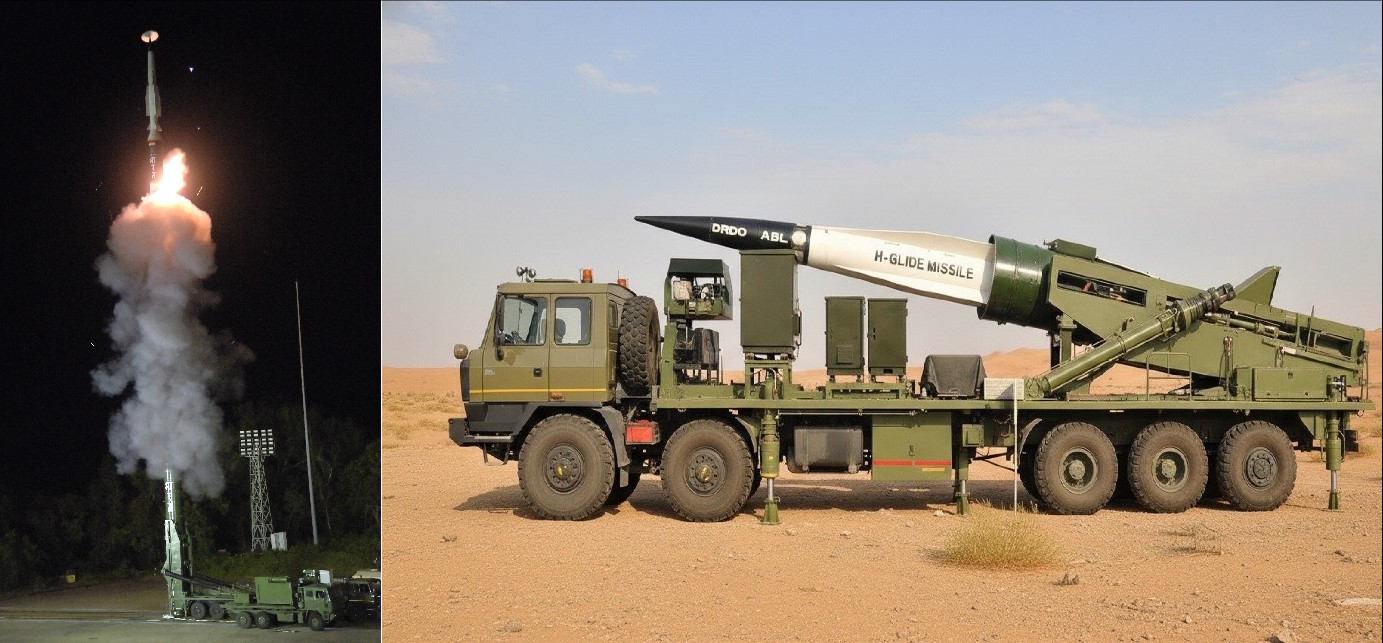
India
India’s pursuit of a hypersonic strike capability has taken a decisive turn with the Long-Range Anti-Ship Missile (LR-AShM) moving into serial production. Confirming this development, Dr. Anil Kumar, Director at DRDO’s Advanced Systems Laboratory (ASL), stated that the LR-AShM “has demonstrated exceptional performance and is now progressing into the serial-production stage.” This milestone marks the transition of one of India’s most advanced missile programmes from the testing phase to production readiness — a feat achieved after years of research, development, and successful trials. Development Background The LR-AShM is a hypersonic, long-range anti-ship weapon designed by DRDO to counter large surface vessels such as aircraft carriers, cruisers, and destroyers. Developed under ASL’s supervision, it combines scramjet propulsion, advanced guidance, and heat-resistant composite materials, allowing sustained speeds of Mach 8–10 and engagement ranges exceeding 1,500 km. The system is based on technologies derived from DRDO’s earlier Hypersonic Technology Demonstrator Vehicle (HSTDV) project, which validated India’s indigenous hypersonic flight and scramjet propulsion technology in 2020 and 2021. LR-AShM builds upon those foundations, integrating guidance and seeker systems optimized for maritime strike missions. Technical Overview The LR-AShM’s design allows it to perform boost-glide hypersonic flight, maintaining extreme speeds at high altitudes before diving toward its target with terminal maneuvers. Its guidance system integrates Inertial Navigation (INS), Satellite Navigation (SATNAV), and an Active Radar Seeker in the final stage, ensuring accuracy even against moving naval targets. The missile’s air-breathing scramjet engine enables continuous propulsion without relying on onboard oxidizers, making it both efficient and compact. Its thermal shielding and composite frame withstand temperatures exceeding 2,000°C, while onboard computing systems handle real-time trajectory correction and electronic counter-countermeasures (ECCM). Project Timeline India’s LR-AShM (Long-Range Anti-Ship Hypersonic Missile) programme began in 2017–2018 at DRDO’s Advanced Systems Laboratory (ASL), Hyderabad, aiming to develop a missile capable of speeds above Mach 5 and ranges beyond 1,500 km. By 2019–2020, key technologies were validated through the HSTDV tests, and critical facilities like the Hypersonic Wind Tunnel and Hypervelocity Expansion Tunnel were established. The missile’s maiden flight test took place on October 6, 2023, from the Integrated Test Range in Odisha, demonstrating stable flight. A crucial test on November 16, 2024, saw the LR-AShM achieve Mach 10, execute complex terminal maneuvers, and confirm its operational potential. By June 2025, DRDO projected that trials would conclude within a few years, targeting operational deployment by 2027–2028. On October 17, 2025, DRDO announced that the LR-AShM had entered serial production, marking the transition from development to manufacturing and setting the stage for integration with naval and air platforms. Transition to Serial Production According to Dr. Anil Kumar, the LR-AShM’s transition to production reflects the completion of all critical design reviews and flight qualification milestones. The missile will now be produced in limited numbers, allowing DRDO and the armed forces to conduct operational evaluation trials. The Bharat Dynamics Limited (BDL) is expected to lead assembly and integration, while other key DRDO labs and private-sector suppliers will handle specialized subsystems such as propulsion modules, guidance electronics, and heat-resistant structures. Production lines are being readied to achieve scalable output in the coming years, coinciding with planned naval and air integration trials. Strategic Importance The LR-AShM provides India with a long-range, hypersonic anti-ship strike capability, expanding deterrence in the Indian Ocean and Indo-Pacific regions. Its speed and altitude profile make interception extremely challenging for even advanced naval defense systems like the Aegis Combat System or SM-6 interceptors. Operationally, the missile will allow Indian forces to engage maritime targets beyond 1,000 km, protecting strategic sea lanes and deterring carrier groups operating within contested waters. The system complements existing anti-ship missiles such as the BrahMos, offering a next-generation solution for high-speed, deep-strike missions. Next Step The coming phase will involve platform integration trials with both naval surface vessels and airborne platforms like the Su-30MKI. Full operational induction is expected within the next few years after production scaling and service evaluation. Parallel efforts continue within DRDO’s Hypersonic Technology Division to refine scramjet propulsion for reusable flight systems, potentially leading to a family of hypersonic weapons for land and sea-based applications.
Read More → Posted on 2025-10-17 13:52:13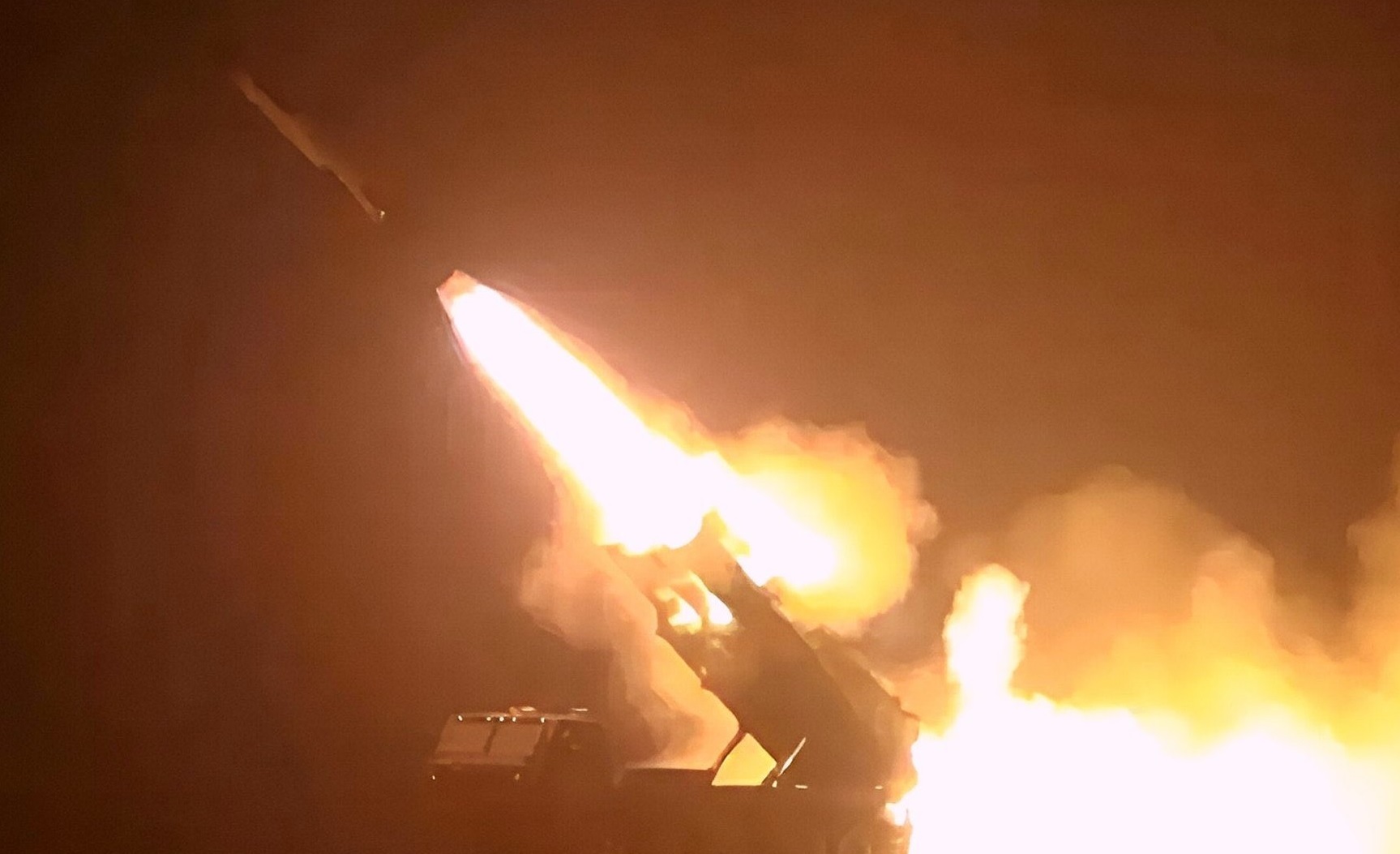
World
Afghanistan’s Defence Ministry has announced the successful testing of a missile capable of striking targets at a distance of 400 kilometres, a claim that has drawn regional attention and skepticism. The statement, shared through official channels in Kabul, described the launch as a significant step toward strengthening national defense capabilities, though it offered no details about the missile’s name, origin, or specifications. According to the ministry, the test was carried out within Afghanistan’s borders and achieved “all mission objectives.” However, so far there is no independent confirmation of the event through satellite imagery, radar tracking, or verification by foreign observers. Analysts note that no official video footage or technical documentation has been released to substantiate the claim, leading many to suspect the announcement may be more symbolic than operational. If true, a 400-kilometre range would represent a major leap for Afghanistan’s defense forces. Such a range places the weapon in the category of tactical ballistic or long-range surface-to-surface missiles, comparable to systems like the Soviet-era Scud or modern short-range ballistic missiles (SRBMs) developed by countries such as Iran or North Korea. Producing or operating such a missile requires not only a sophisticated industrial base but also precision guidance systems and specialized fuels—capabilities that Afghanistan is not currently known to possess. Following the U.S. withdrawal in 2021, the Taliban gained control over large caches of military equipment once belonging to the Afghan National Defense and Security Forces (ANDSF). These included aircraft, vehicles, drones, and artillery systems. However, the United States never supplied Afghanistan with long-range missile systems of this class. The equipment left behind consisted mainly of tactical assets such as Humvees, small arms, howitzers, and short-range rockets, none capable of striking targets hundreds of kilometers away. Some experts suggest that the missile tested could be a refurbished Soviet-era system from older Afghan stockpiles. During the 1980s and 1990s, Afghanistan possessed limited numbers of R-17 Elbrus (Scud-B) ballistic missiles, provided by the Soviet Union. These had an approximate range of 300 kilometers and were used sporadically during the civil conflicts of that era. If remnants of those systems survived and were restored, possibly with limited external technical assistance, it might explain the current claim—though the 400-kilometre figure may be an overstatement. If the missile’s existence is verified, it would alter the strategic balance in the region, giving Afghanistan a stand-off capability it has never possessed before. A weapon of that reach could, in theory, strike deep into neighboring territories, a prospect that would concern both Pakistan and Iran, given recent cross-border tensions. However, without clear evidence or confirmation from third-party sources, the claim remains unproven. Regional observers note that Afghanistan’s leadership has increasingly sought to project an image of military self-reliance amid limited international recognition. Publicly announcing missile developments can serve a political purpose, emphasizing sovereignty and deterrence, even if the underlying capability remains aspirational. For now, the details remain uncertain. What is known is that no long-range missile systems were left behind by U.S. forces in 2021, and Afghanistan has not been known to produce such weapons indigenously. Until independent evidence—such as verified launch imagery or satellite confirmation—emerges, the 400-kilometre missile claim should be treated with caution. Still, the announcement underscores a growing regional competition in missile development, with countries in South and Central Asia continuing to invest in long-range precision systems. Whether Afghanistan’s claim marks the revival of a genuine capability or simply a show of intent remains to be seen in the months ahead.
Read More → Posted on 2025-10-17 13:25:04
India
The Taliban, one of the most controversial movements in modern history, did not emerge overnight. Its roots are deeply tied to the geopolitics of the Cold War, the chaos of post-Soviet Afghanistan, and the ambitions of regional and global powers that sought to control the country’s direction. To understand who built the Taliban, it’s necessary to look back to the late 1970s and 1980s, when Afghanistan became the battlefield for a global ideological war between the United States and the Soviet Union. The Beginning: Soviet Invasion and Mujahideen Resistance The story begins in 1979, when the Soviet Union invaded Afghanistan to support a struggling communist regime. This invasion triggered a massive resistance movement known as the Mujahideen — Islamic fighters drawn from various ethnic and tribal backgrounds who opposed the Soviet-backed Afghan government. The United States, viewing the invasion as a key Cold War threat, saw an opportunity to bleed the Soviet military through a proxy war. Through Operation Cyclone, one of the longest and most expensive covert operations in CIA history, Washington funneled billions of dollars in weapons and training to the Mujahideen. However, the CIA did not work alone. The main channel for U.S. aid was Pakistan’s Inter-Services Intelligence (ISI), which controlled how the funds and weapons were distributed. Saudi Arabia matched much of the U.S. funding, providing money and promoting a strict interpretation of Islam — Wahhabism — which heavily influenced the ideology of many Afghan fighters. After the Soviets: A Power Vacuum and Chaos By 1989, the Soviet Union withdrew from Afghanistan. Three years later, the communist regime in Kabul collapsed. But instead of peace, the country fell into a brutal civil war among rival Mujahideen factions. Afghanistan became fragmented — warlords, ethnic militias, and criminal networks controlled different provinces. The country’s infrastructure was destroyed, and lawlessness spread. Civilians faced extortion, kidnappings, and abuse at the hands of various militias. It was during this chaos that the Taliban — meaning “students” in Pashto — emerged from the religious seminaries (madrassas) in Pakistan’s border regions, particularly around Quetta and Peshawar. Many of these madrassas were funded by Saudi money and influenced by Deobandi and Wahhabi interpretations of Islam. The Taliban’s early members were mostly Pashtun students and former Mujahideen fighters who claimed to seek the restoration of order, the end of corruption, and the enforcement of Sharia (Islamic law). Who Built the Taliban While the Taliban’s roots were local, its structure and strength were not organic — they were engineered with significant outside help. Pakistan’s Role:Pakistan’s ISI was the main architect of the Taliban’s rise. After the civil war broke out, Islamabad sought a reliable force that could secure trade routes, counter rival Afghan warlords (especially those aligned with India or Iran), and ensure that Afghanistan remained within Pakistan’s strategic influence. The ISI trained Taliban fighters, supplied arms, and provided intelligence support. The Taliban’s leadership — including Mullah Mohammad Omar — maintained close links with Pakistani handlers. Saudi Arabia:Alongside Pakistan, Saudi Arabia offered financial support and legitimacy to the Taliban during its early rise. The kingdom viewed the movement as a bulwark against Iran’s Shiite influence in the region and a vehicle to expand Sunni conservatism. United States (Indirect Role):Although the U.S. did not directly create the Taliban, its Cold War policies laid the groundwork. By empowering the Mujahideen and channeling billions through Pakistan without strong oversight, Washington indirectly helped build the infrastructure — training camps, networks, and ideology — that later evolved into the Taliban movement. Why the Taliban Was Formed The Taliban was built primarily for two interconnected reasons: To Restore Order:Afghanistan was collapsing under factional warfare. The Taliban initially gained public support by promising to eliminate warlords, disarm militias, and bring safety to roads and markets. To Serve Regional Strategic Goals:For Pakistan, the Taliban offered a way to secure “strategic depth” — the idea of having a friendly regime in Kabul that could support Pakistan’s defense and limit Indian influence in Afghanistan. Thus, while the Taliban claimed a religious mission, its formation also served geopolitical objectives for Islamabad and its allies. Against Whom the Taliban Was Built The Taliban was built against the Mujahideen warlords who had plunged Afghanistan into anarchy after the fall of the communist government. It was also positioned against the Northern Alliance, a coalition of non-Pashtun groups (Tajiks, Uzbeks, and Hazaras) led by figures like Ahmad Shah Massoud. Later, as the movement gained strength, it also stood against Western influence and foreign military presence, which became central to its identity after the U.S.-led invasion in 2001 following the September 11 attacks. A Creation That Turned Into a Global Force The Taliban began as a product of war, ideology, and foreign intervention. Initially backed by Pakistan and Saudi Arabia, and indirectly shaped by U.S. Cold War policies, it evolved from a regional militia into a regime that ruled Afghanistan from 1996 to 2001 — and again after 2021. What started as a movement to “cleanse” Afghanistan of corruption became a symbol of resistance and extremism, influencing global jihadist networks and reshaping regional power balances. In essence, the Taliban’s creation reflects how foreign powers’ short-term strategies can produce long-term instability. Built to serve geopolitical interests, it became an uncontrollable force that continues to define Afghanistan’s modern history.
Read More → Posted on 2025-10-17 13:01:43
World
On October 13, 2025, General Atomics Electromagnetic Systems (GA-EMS) announced the successful validation of flight-critical functions for its Long Range Maneuvering Projectile (LRMP) when fired from an M777 155 mm howitzer at the U.S. Army Yuma Proving Ground. The trial marks a step in moving 155 mm artillery from purely ballistic trajectories to winged, guided glide profiles that can extend range and improve accuracy in GPS-degraded or contested environments. Successful Validation at Yuma According to GA-EMS, the recent test series confirmed several important in-flight phases for the glide projectile: sabot separation, de-spin stabilization, wing deployment, and controlled descent and maneuvering. All these were achieved after the stresses of a conventional artillery launch. The tests used M231 propellant charges and provided data supporting the projectile’s predicted aerodynamic performance. How the LRMP Works The LRMP is a winged, guided projectile designed to achieve greater distances through aerodynamic lift instead of rocket propulsion. It includes fold-out wings and onboard guidance and control electronics that allow mid-course adjustments during flight. The round is designed to be compatible with existing artillery systems such as the M777, without modification. According to General Atomics, the LRMP can potentially double or triple the range of current 155 mm rounds, depending on charge and firing angle. The aerodynamic design also enables stable flight and improved engagement of both stationary and moving targets. Technical Specifications Caliber: 155 mm (compatible with M777 and similar artillery systems) Propulsion: Non-rocket, glide-based through aerodynamic lift Launch Charges: Works with existing propellant increments (tested with M231) Flight Features: Sabot separation, de-spin, wing deployment, and controlled glide Range Potential: Claimed 120 km+, depending on conditions and trajectory Guidance: Internal system capable of operating in GPS-limited environments (specifics not disclosed) Payload: Configurable warhead or sensor package options; details remain undisclosed Although General Atomics has not released specific range results from the latest test, it maintains that the design can achieve significant range increases over conventional artillery shells. Operational Relevance The development of glide-capable 155 mm munitions supports the Army’s effort to extend the reach and precision of existing artillery systems. By combining long-range performance with compatibility for current howitzers, the LRMP could provide a cost-effective option between traditional artillery and rocket-assisted systems. In the context of Long Range Precision Fires (LRPF) modernization, the ability to engage targets beyond 100 km could enhance the flexibility of units using the M777 or future self-propelled howitzers. Challenges and Next Steps While the Yuma test confirmed the LRMP’s basic flight mechanics, several points remain under evaluation: Operational range validation: Further testing is needed to confirm consistent accuracy at extended ranges. Guidance and navigation: The company has not detailed the exact sensors or seeker technology used. Production and logistics: Future decisions will depend on manufacturing cost, reliability, and integration with Army fire control systems. General Atomics is expected to continue testing to assess range, accuracy, and system integration under realistic conditions. Strategic The Long Range Maneuvering Projectile reflects a gradual shift toward improving the precision and range of conventional artillery using existing infrastructure. By introducing glide technology to 155 mm munitions, the system may offer an incremental but important improvement in long-range fire capabilities. If further trials confirm the system’s performance and cost-effectiveness, it could become part of the U.S. Army’s future artillery options for extended-range, guided munitions suited to modern operational environments.
Read More → Posted on 2025-10-16 16:51:55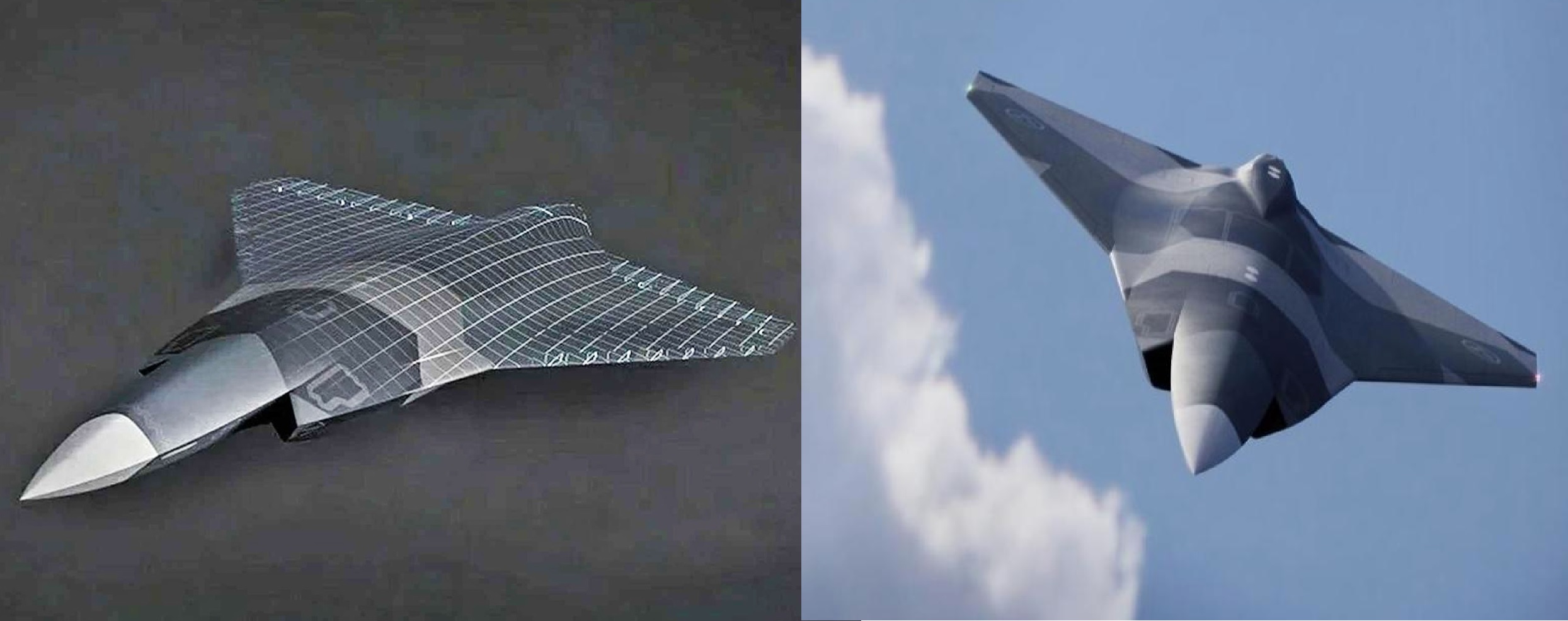
World
On October 14, 2025, Saab announced that it had received a SEK 2.6 billion (approximately USD 238 million) contract from the Swedish Defence Materiel Administration (FMV) to continue studies and technology development for Sweden’s next-generation fighter system. This contract is part of the broader national program, Koncept för Framtida Stridsflyg (KFS), which aims to determine the future path of Sweden’s air combat capabilities and a successor to the JAS 39 Gripen fleet in the 2040s. The work under this contract focuses on the development of Sweden’s first stealth-capable fighter jet alongside a family of autonomous wingman drones. These drones are intended to operate in coordination with the manned fighter, providing force multiplication and enhancing operational flexibility. Saab will carry out the program in close collaboration with FMV, the Swedish Armed Forces, the Swedish Defence Research Agency (FOI), and GKN Aerospace. The joint effort will support strategic decisions regarding Sweden’s air combat capabilities for the next several decades. The KFS program explores three primary pathways for Sweden’s next-generation fighter. One pathway involves fully domestic development, in which Sweden would design and manufacture a new fighter jet using national expertise and industrial capabilities. Another considers international collaboration with partner nations to co-develop the aircraft. The final option examines acquiring an off-the-shelf fighter from foreign suppliers. Decisions regarding the preferred development pathway are expected by 2031, with the goal of fielding a new aircraft post-2030. Saab’s work under this contract will extend through 2027 and includes technology demonstrator development to validate key technologies such as stealth, advanced propulsion systems, and next-generation avionics. The program also encompasses detailed conceptual studies examining how manned and unmanned systems can operate together effectively. A key component of the effort is the Vägval Stridsflyg (Combat Aviation Pathway) initiative, which seeks to explore and shape the technological and operational concepts for Sweden’s air power beyond 2040. Lars Tossman, head of Saab’s Aeronautics business, emphasized that the contract represents a major step in preparing innovative solutions to meet the Swedish Armed Forces’ long-term operational needs. Saab’s involvement ensures that the country will maintain a leading edge in air combat technology, combining the capabilities of manned fighters with autonomous drones to enhance mission flexibility and survivability. According to the project timeline, Saab will conduct studies and technology development from 2025 through 2027, with initial flights of the technology demonstrator expected around 2027. By 2030, the Swedish government aims to make a decision on the preferred pathway for the next-generation fighter, shaping the country’s defense posture and technological roadmap for the coming decades. This strategic initiative positions Sweden at the forefront of next-generation air combat technology. Saab’s work is central to ensuring that the nation’s future fighter program, supported by cutting-edge manned and unmanned systems, aligns with national security objectives and maintains Sweden’s operational independence in air warfare.
Read More → Posted on 2025-10-16 15:52:12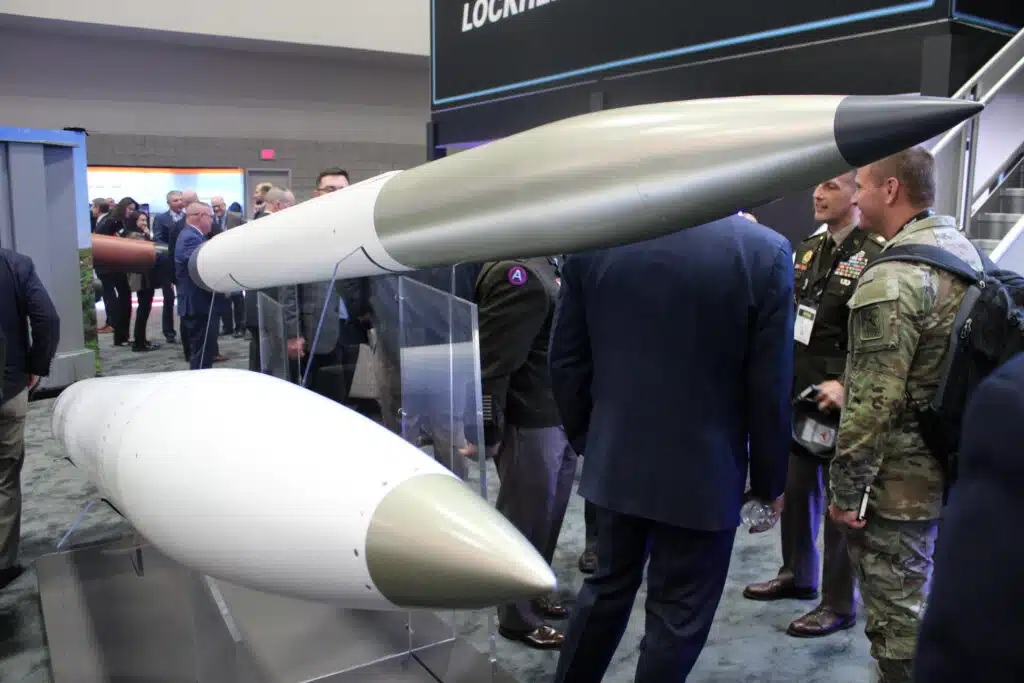
World
Lockheed Martin is advancing its Precision Strike Missile (PrSM) family, unveiling a prototype of the Increment‑4 variant and beginning a flight-test program that will continue through 2026 and 2027. The company is also testing the Increment‑2 anti-ship variant and exploring a ship-launched PrSM capability from Mk 41 Vertical Launch System (VLS) cells on U.S. Navy surface ships. The Increment‑4 PrSM prototype was displayed publicly for the first time at AUSA 2025, with initial flight tests scheduled for 2026. Additional tests are planned through 2027 as the design matures and evaluations continue. Alongside Increment‑4, Lockheed Martin is preparing to test the Land-Based Anti-Ship Missile (LBASM), a variant equipped with a multi-mode electro-optical/infrared (EO/IR) seeker, against moving targets in early 2026. Scott Prochniak, Principal for Strategy & Business Development at Lockheed Martin Missiles & Fire Control, described the performance of Increment‑4, explaining that the missile has a dual-mode motor capable of extreme offset launches and a range requirement of approximately 800 kilometers. He noted that the missile does not need to fly in a straight line to reach its target, providing flexibility in operational scenarios. Paula Hartley, Vice President and General Manager for Tactical Missiles, confirmed that several subcomponent tests have already been conducted to prepare for the 2026 demonstration flight. The PrSM family includes multiple increments. Increment 1 is the baseline land-attack missile, while Increment 2 is the anti-ship variant equipped with a terminal seeker. Lockheed Martin plans to reuse the Increment‑2 seeker on Increment‑4 to maintain cost efficiency and commonality across the missile family. The LBASM variant adds a multi-mode EO/IR seeker to the standard ballistic airframe to engage moving maritime targets. The Increment‑4 design integrates a dual-mode motor and terminal seeker to strike targets at long ranges beyond 800 kilometers. The propulsion system of Increment‑4 enables extended range without discarding boosters, allowing for safe launches over land, water, or friendly forces. The missile’s terminal seeker, shared with the LBASM and similar to Lockheed’s LRASM seeker, provides moving-target engagement capabilities, which is essential for anti-ship missions and relocatable land targets. Increment‑4 is primarily focused on launches from HIMARS platforms, but discussions with the U.S. Navy regarding Mk 41 VLS integration are ongoing, which could extend its capability to surface combatants. Lockheed Martin currently produces about 120 PrSMs per year in a largely automated facility next to the ATACMS production line, with plans to scale production to 400 missiles annually before 2030. The same production line will accommodate Increment‑4 because of shared components and electronics. The testing timeline includes Increment‑4 display and subcomponent tests in 2025, LBASM flight testing in early 2026, the first Increment‑4 flight test in 2026 to demonstrate long-range performance, and continued Increment‑4 testing through 2027. If the Increment‑4 and anti-ship variants meet performance expectations, they will provide U.S. forces with long-range precision strike and moving-target engagement capabilities. The ship-launched option could extend these capabilities to surface combatants, improving flexibility for operational planning. The commonality of seekers and electronics across the PrSM family also reduces costs and simplifies logistics, supporting faster deployment of these systems. Lockheed Martin’s PrSM family is thus positioned to include anti-ship, long-range maneuvering, and ship-launched variants, supporting future long-range precision strike requirements with a combination of shared components, extended range, and flexible launch options.
Read More → Posted on 2025-10-16 15:43:58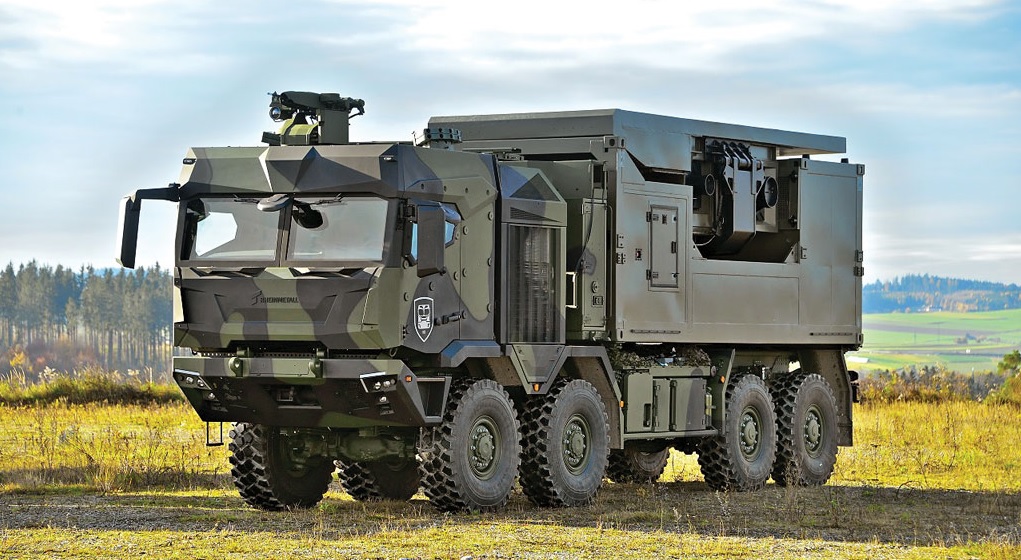
World
At the AUSA 2025 Exhibition in Washington, D.C., American Rheinmetall Defense and GM Defense unveiled the HX3 Common Tactical Truck (HX3 CTT), a state-of-the-art logistics platform designed to modernize the U.S. Army’s ground mobility fleet. The truck, developed under the $14 billion Common Tactical Truck (CTT) program, is intended to replace nearly 40,000 heavy tactical trucks, including the M915, HEMTT, and PLS series, over the next decade. The HX3 CTT represents a leap forward in tactical logistics, blending Rheinmetall’s proven HX3 series design with GM Defense’s American automotive and electrification expertise. Tailored specifically for U.S. Army operations, it features advanced drive-by-wire control, leader-follower autonomous capability, and cybersecurity-hardened systems that enable secure digital integration on the modern battlefield. The version displayed at AUSA 2025 also included Invariant’s Counter-UAS module, highlighting the vehicle’s role not only as a logistics carrier but also as a defensive support platform. This modular approach allows rapid reconfiguration for missions ranging from resupply and recovery to electronic warfare and command support. Built on a robust HX3 chassis, the truck offers improved mobility, higher payload capacity, and enhanced crew protection. It is equipped with an armored cab, central tire inflation system (CTIS) for terrain adaptability, and hybrid-electric drive readiness for future silent mobility and fuel efficiency. The vehicle’s modular structure also supports integration of autonomous systems and electric propulsion as technology matures. Rheinmetall’s long-standing experience in producing tactical trucks for NATO forces, combined with GM Defense’s innovation in commercial electric vehicle technology, has resulted in a vehicle that merges battlefield durability with smart logistics automation. The HX3 CTT’s open systems architecture allows it to integrate emerging technologies quickly, from AI-based vehicle control to next-generation data links. According to Rheinmetall officials, the HX3 CTT was designed with a clear focus on reducing lifecycle costs and simplifying fleet maintenance, ensuring that different mission configurations can be sustained using common parts and service networks. Automated diagnostics and predictive maintenance systems are expected to significantly enhance fleet uptime and readiness. The Common Tactical Truck program is one of the most significant modernization initiatives for the U.S. Army’s logistics branch, aiming to create a digitally connected and autonomous logistics ecosystem. By standardizing vehicle architecture, the Army seeks to reduce its logistics footprint while improving operational efficiency and survivability in contested environments. As the HX3 CTT enters the evaluation phase, its performance in upcoming field trials and operational demonstrations will determine its path toward potential production. If selected, the vehicle will redefine how the U.S. Army moves supplies, equipment, and personnel across future battlefields — bridging the gap between today’s tactical logistics and tomorrow’s autonomous military mobility. The unveiling of the HX3 CTT at AUSA 2025 signifies not only a step toward a more resilient logistics network but also a strategic shift toward autonomy, modularity, and sustainability in U.S. military operations. With its combination of German engineering and American innovation, the HX3 Common Tactical Truck stands as a symbol of the future of military transport — smarter, stronger, and ready for the battlefield of tomorrow.
Read More → Posted on 2025-10-16 15:23:31Search
Top Trending in 24 Hours
-
 USS Abraham Lincoln Faces Extended Deployment and Supply Challenges Linked to Iranian Attacks on Bahrain Base
-
 China Successfully Launches Zhuque-3 Rocket and Recovers Booster on Land After Orbital Launch
-
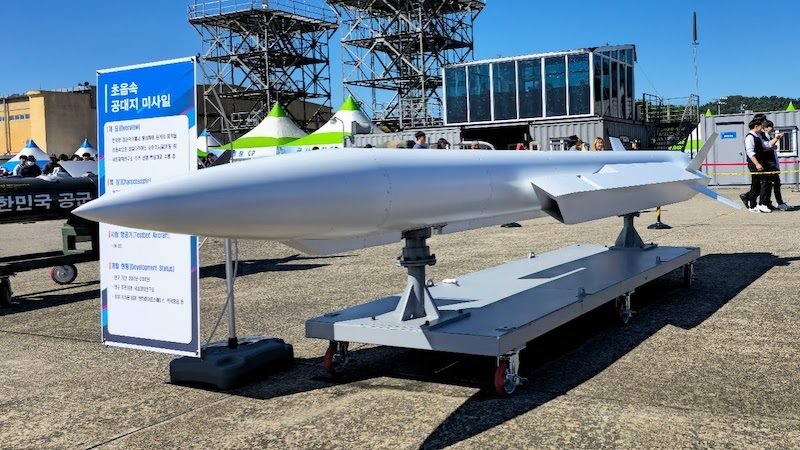 South Korea Approves Development of Next-Generation SSM-II Anti-Ship Missile and K2 Tank Upgrade
-
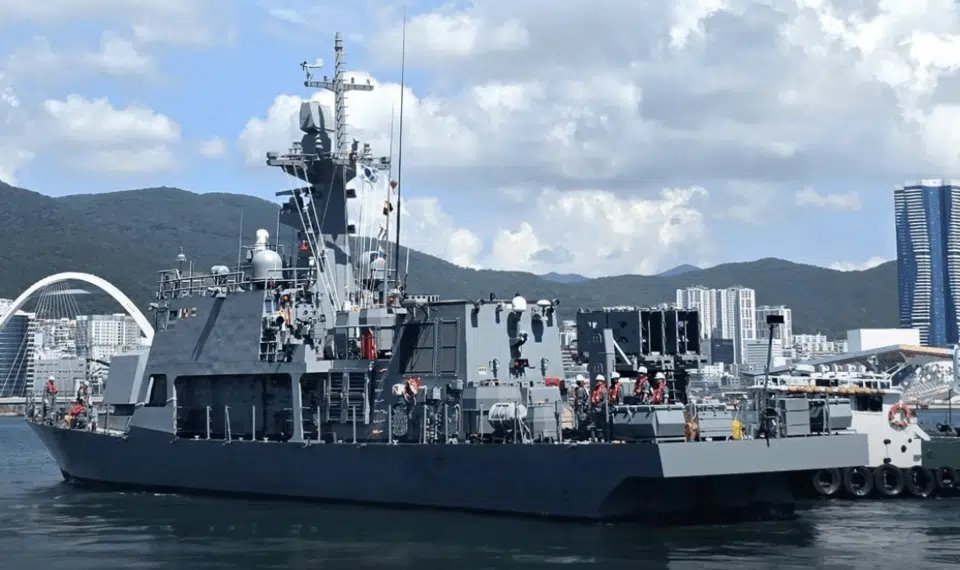 South Korea Delivers First PKX-B Batch-II Fast Patrol Craft to Navy
-
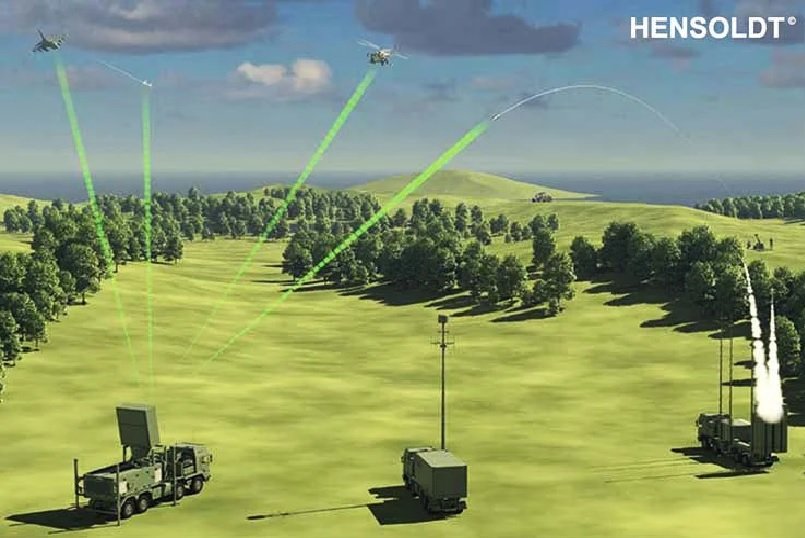 Rheinmetall Integrates HENSOLDT Twinvis Passive Radar into Skymaster Air Defence System
-
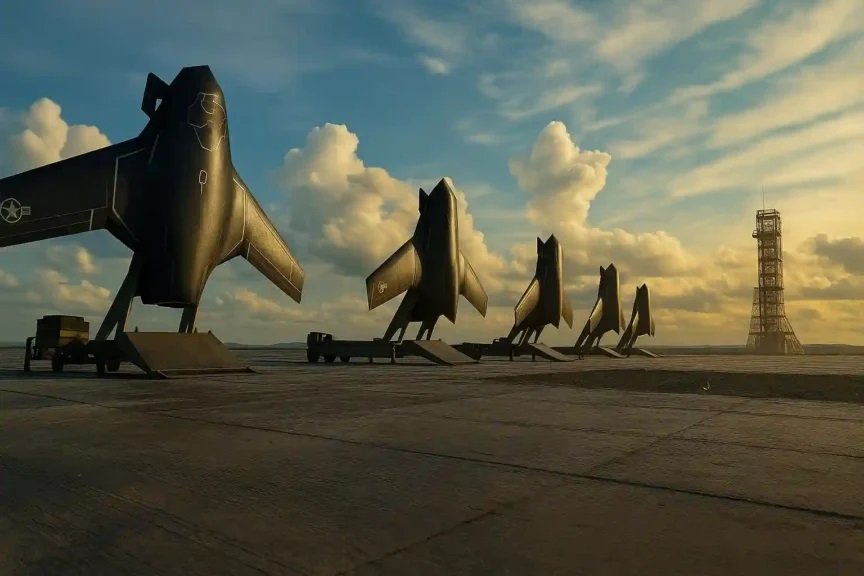 U.S. Navy Invests $50 Million in Shield AI’s X-BAT for Runway-Independent Maritime Strike
-
 Raytheon’s SPY-6(V)3 Radar Completes Acceptance Trials on U.S. Navy’s Future Aircraft Carrier USS John F. Kennedy
-
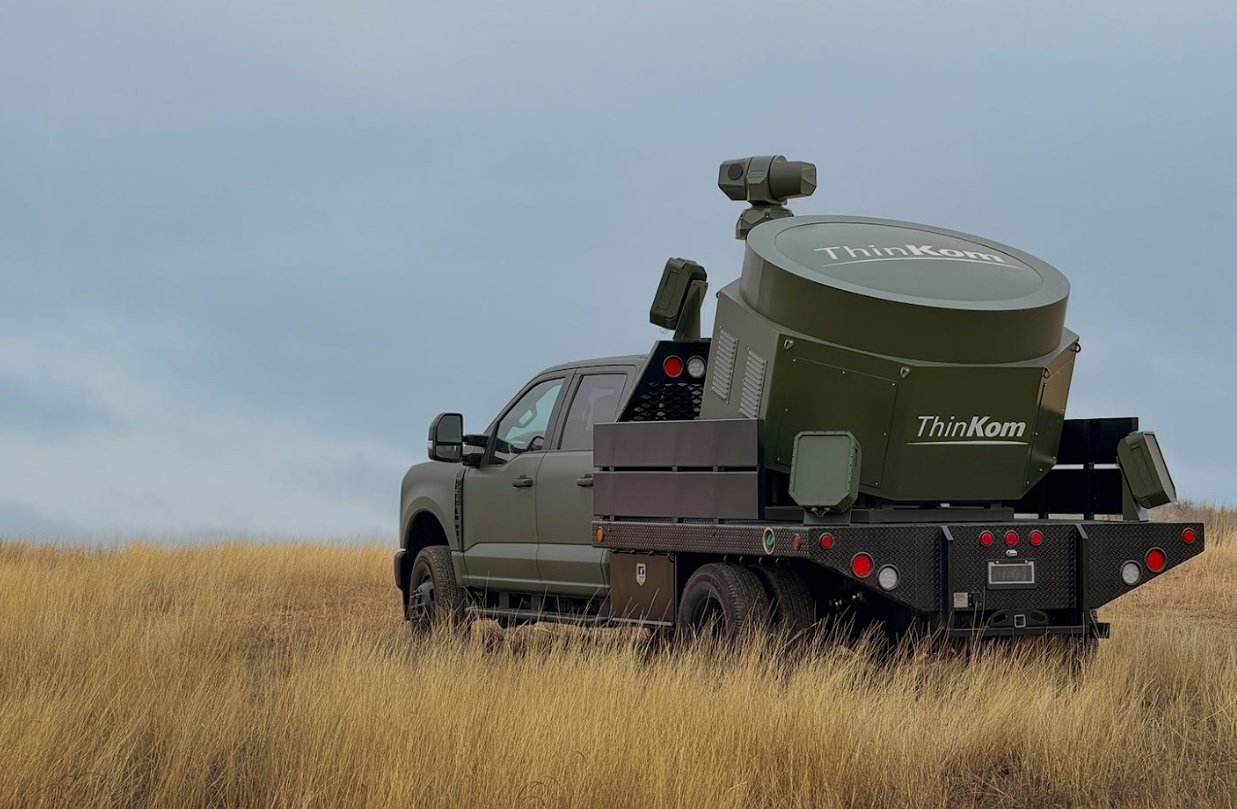 U.S. Army Awards ThinKom Up to $49 Million for Alecto Mobile High-Power Microwave Counter-Drone System Prototype
Top Trending in 4 Days
-
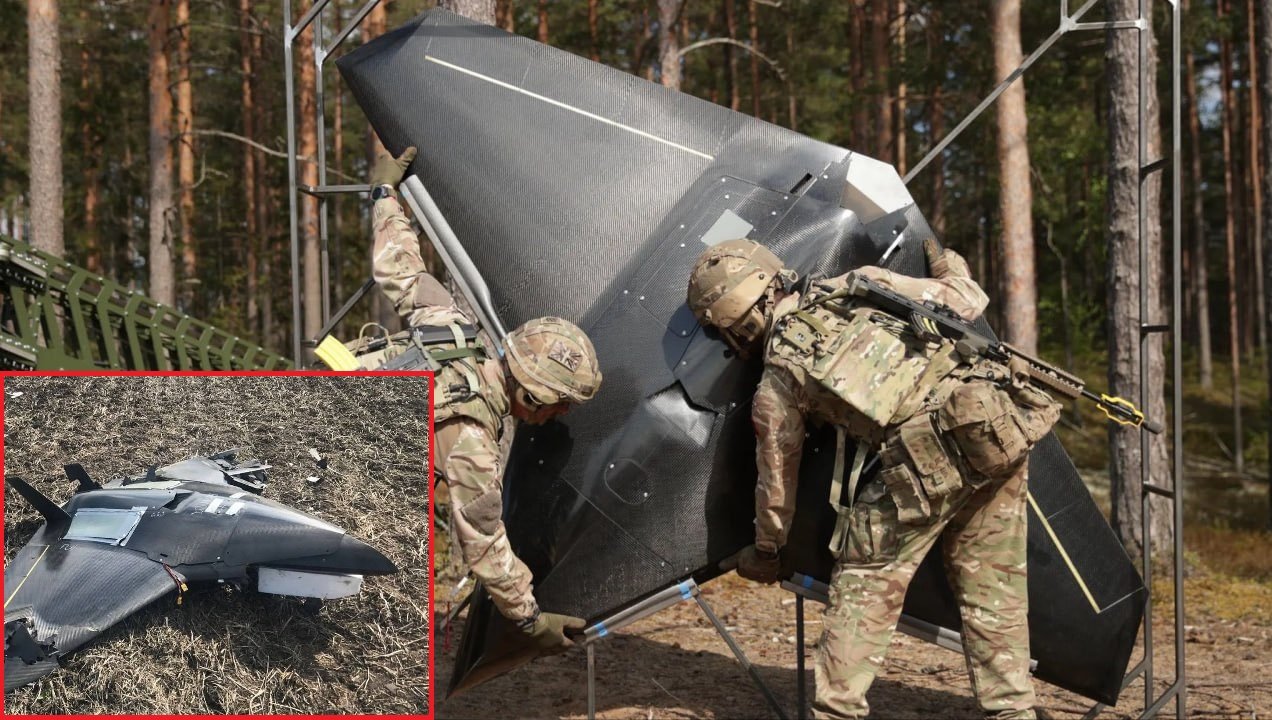 Ukraine Uses British-Made Nyan Drones in Deep Strikes Against Russian Targets
-
 U.S. Navy Destroyer USS Benfold Spent Four Days Without Power in South China Sea After Generator Failure
-
 U.S. Navy Reviews Ford-Class Carrier Redesign as $275 Billion Trump-Class Battleship Program Advances
-
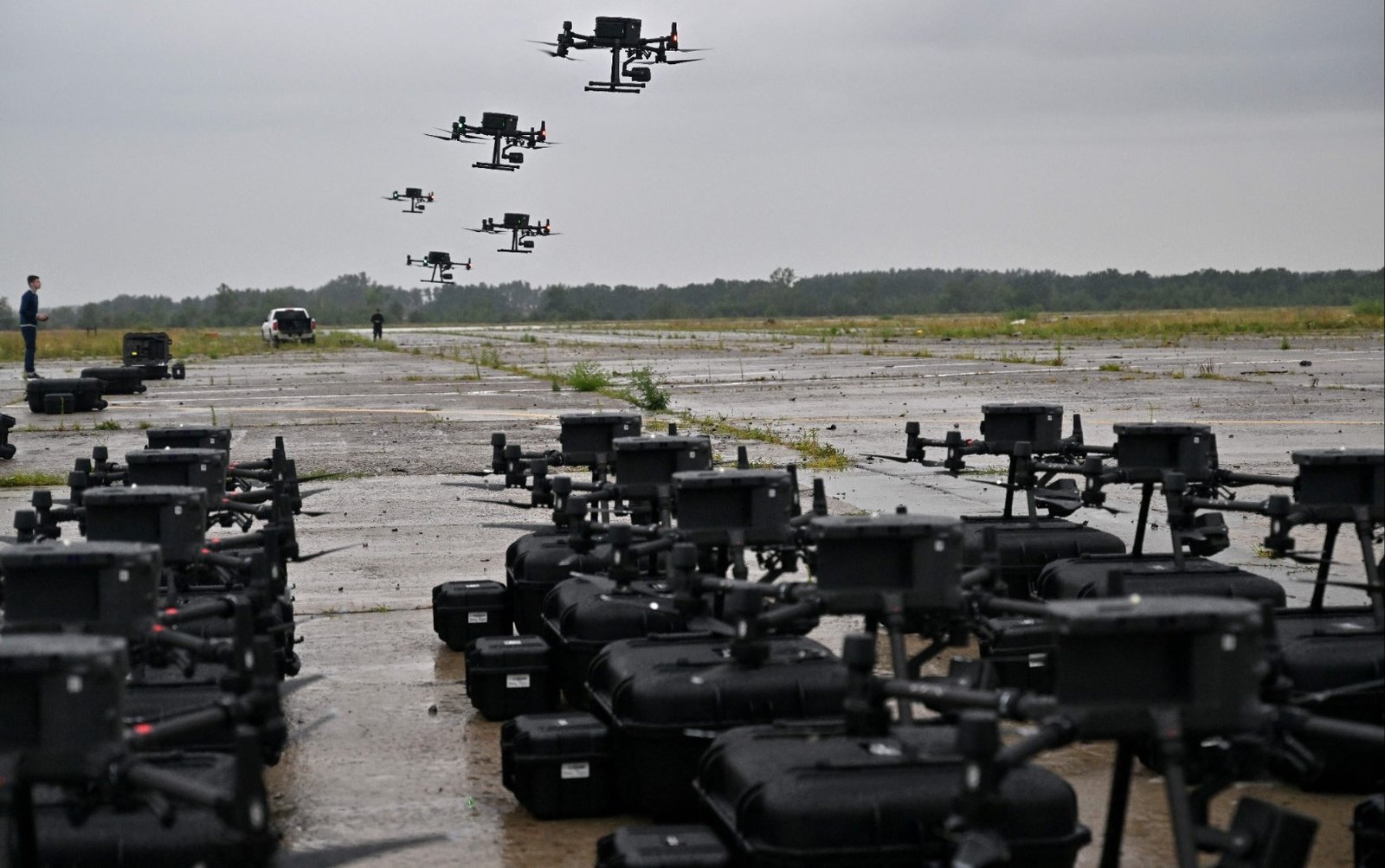 U.S. Air Force to Buy Chinese DJI Drones for Counter-Drone Training at Nuclear Missile Base
-
 Iran May Be Using Data From Fitness Apps to Track U.S. Military Personnel in the Middle East
-
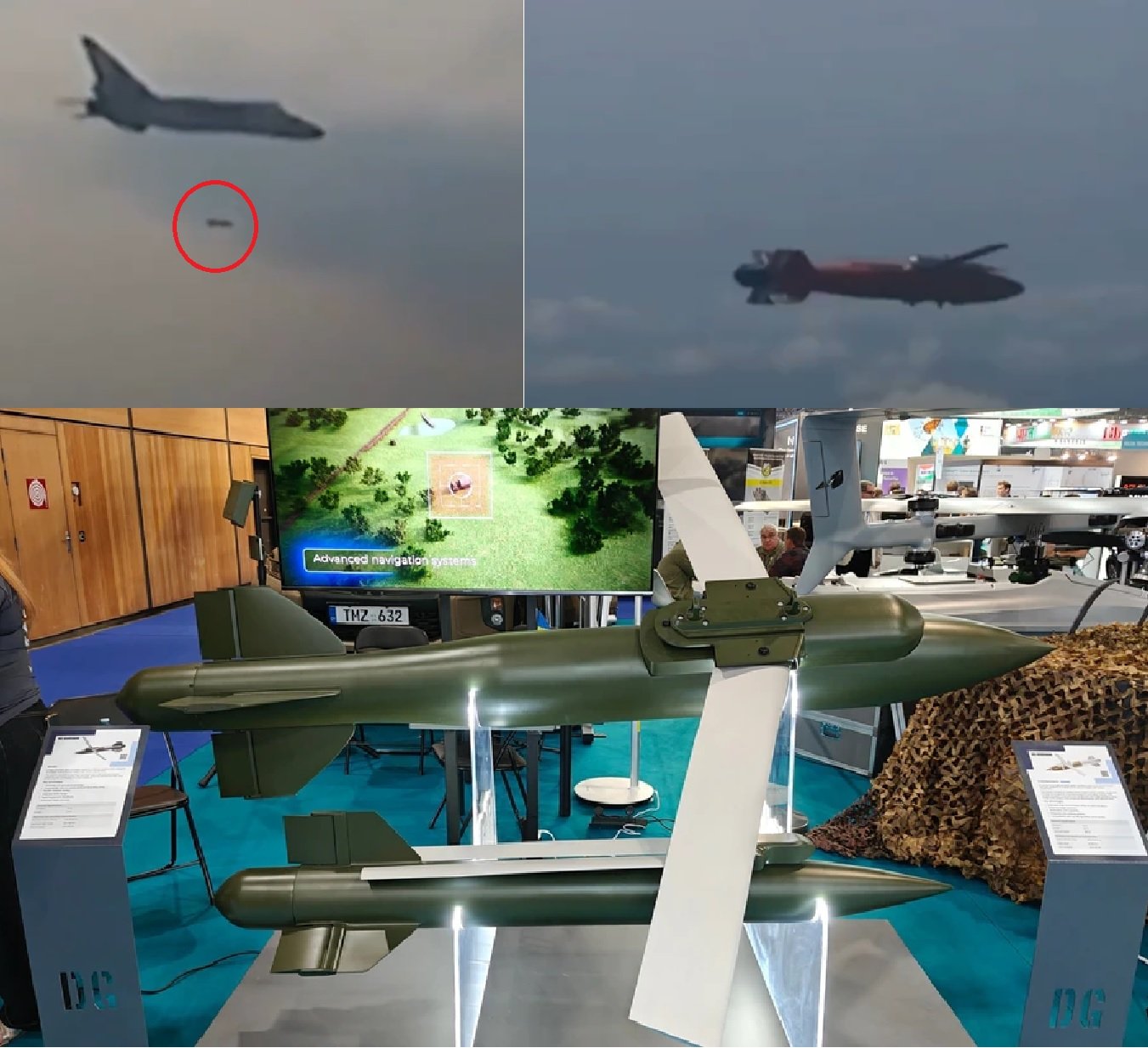 Ukraine Begins Procurement of Vyrivniuvach Guided Aerial Bomb
-
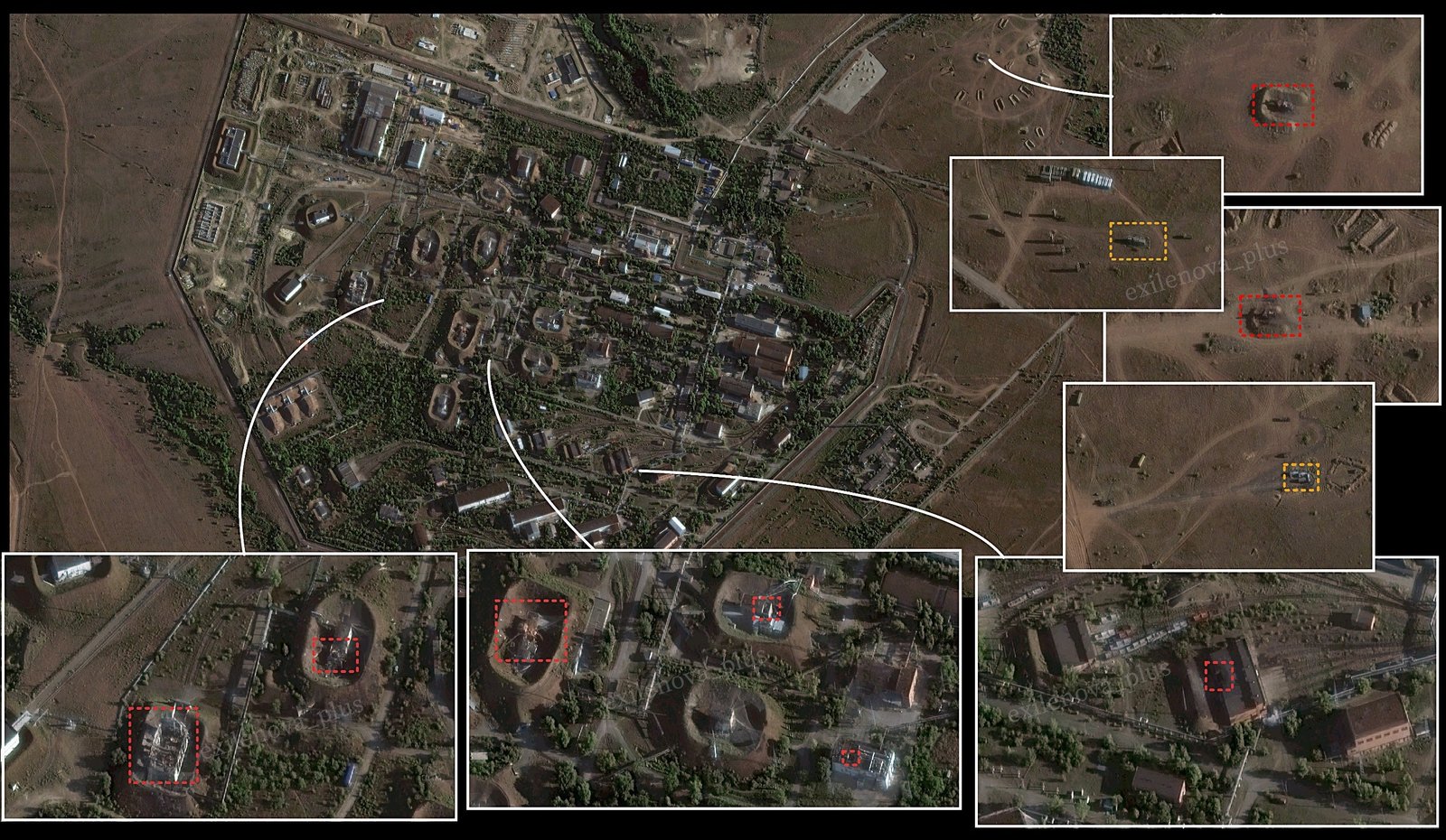 Satellite Images Show Ukrainian Drone Strike Hits Russian Rocket Fuel Plant and Air Defense Systems in Rostov Region
-
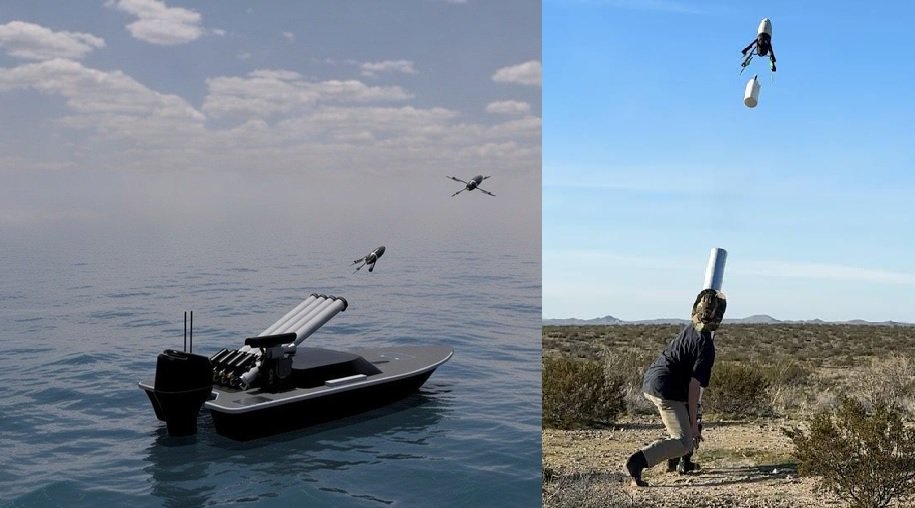 Thermopylae Aerospace Unveils SPART Tube-Launched Drone Interceptor for Group 2-3 and Turbojet UAS Threats
