Zelenskyy Says Ukraine Is Ready for Elections if Ceasefire Comes, Calls on U.S. to Talk to Russia
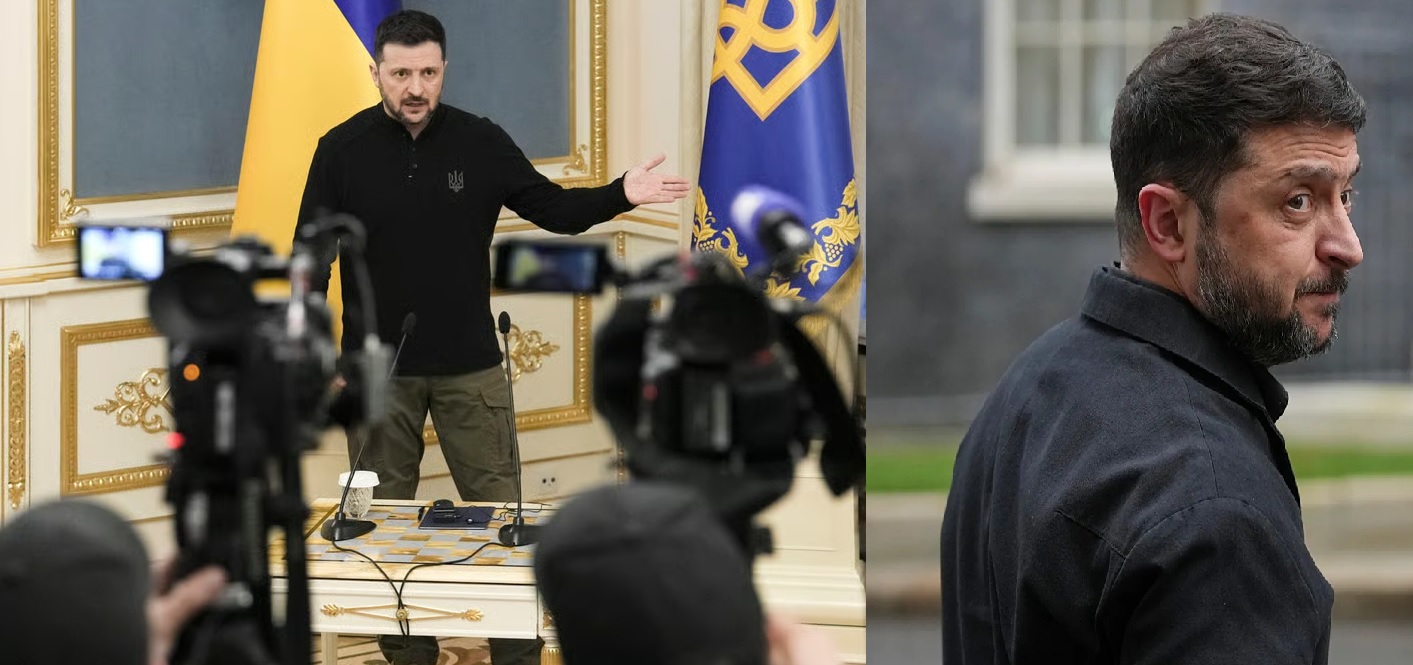
Ukrainian President Volodymyr Zelenskyy said on Tuesday that Ukraine is ready to hold national elections if a credible ceasefire with Russia is established, calling on the United States to speak directly with Moscow to help secure the conditions needed for voting. His remarks arrive amid increasing international scrutiny and renewed calls — especially from former U.S. President Donald Trump — for Kyiv to hold elections despite the ongoing war.
Speaking in a televised address, Zelenskyy stressed that “Ukraine is not hiding from democracy,” but insisted that elections cannot take place without guaranteed security. With Russian attacks continuing across the frontline, he said a verified ceasefire is essential before any voting can occur.
Responding to Trump’s comments about Ukraine’s democratic processes, Zelenskyy said, “If President Trump continues to talk about elections in Ukraine… we can try to hold elections.” He added that any such attempt depends on international partners providing security, logistics and monitoring to make the process credible.
In one of his most direct appeals to Washington, Zelenskyy said, “Frankly speaking, here in Ukraine, we think that America should talk to the Russian side about elections.” He argued that U.S. diplomatic leverage will be key to ensuring Russia respects any ceasefire and does not interfere in a potential vote.
Ukrainians’ Views: Do They Want Zelenskyy Again or Someone New?
Recent local polling offers a clearer picture of public sentiment. According to surveys by the Kyiv International Institute of Sociology, most Ukrainians do not want elections during active war, with around 63% saying voting should wait until the conflict fully ends. Only about 22% believe elections should take place immediately after a ceasefire if security is ensured.
Public trust in Zelenskyy has evolved since the early stages of the invasion. While he previously enjoyed historic approval ratings, recent data shows declining trust as the war drags on, though he still remains one of the most recognizable and supported political figures in the country compared with other Ukrainian politicians.
Local reports also note a growing debate about whether Zelenskyy should run again or if the country should see new leadership after the war. Many Ukrainians respect his wartime leadership, but a rising portion of the population is open to fresh political figures once stability returns. Zelenskyy himself has stated he does not plan to seek another term after the war, placing the long-term leadership question back in the hands of voters once peace allows.
Legal and Logistical Barriers
Ukraine remains under martial law, which legally prevents national elections. This framework, introduced after Russia’s full-scale invasion in 2022, cannot be lifted while fighting continues. Government officials point out that millions of Ukrainians are displaced, many polling stations in frontline areas have been destroyed, and large regions remain under occupation — all making a vote logistically impossible without a ceasefire.
Zelenskyy indicated he is open to exploring legal amendments to permit elections during wartime, but only with international guarantees and a secure environment for voters and election staff. Officials say an election could be organized within 60–90 days of a verified ceasefire, if all necessary protections are in place.
International Reaction
U.S. and European leaders have reiterated that Ukraine must decide when it is safe to hold elections, but Zelenskyy’s comments are expected to intensify discussions in Washington about balancing democratic expectations with wartime realities. Meanwhile, Russia has not responded to the idea of facilitating Ukrainian elections, continuing instead to demand concessions Kyiv rejects.
For now, Zelenskyy’s position remains clear: “Elections are possible, but only if the guns fall silent and international partners help guarantee security.” As the war approaches its fourth year, the timing of Ukraine’s return to democratic normalcy has become a defining factor in diplomatic negotiations and a central issue for Ukrainians looking ahead to the country’s post-war future.
About the Author
Aditya Kumar:
Defense & Geopolitics Analyst
Aditya Kumar tracks military developments in South Asia, specializing in Indian missile technology and naval strategy.