Zelensky Under Pressure as MP Claims He Has Been “Ordered to Resign" Within This Month
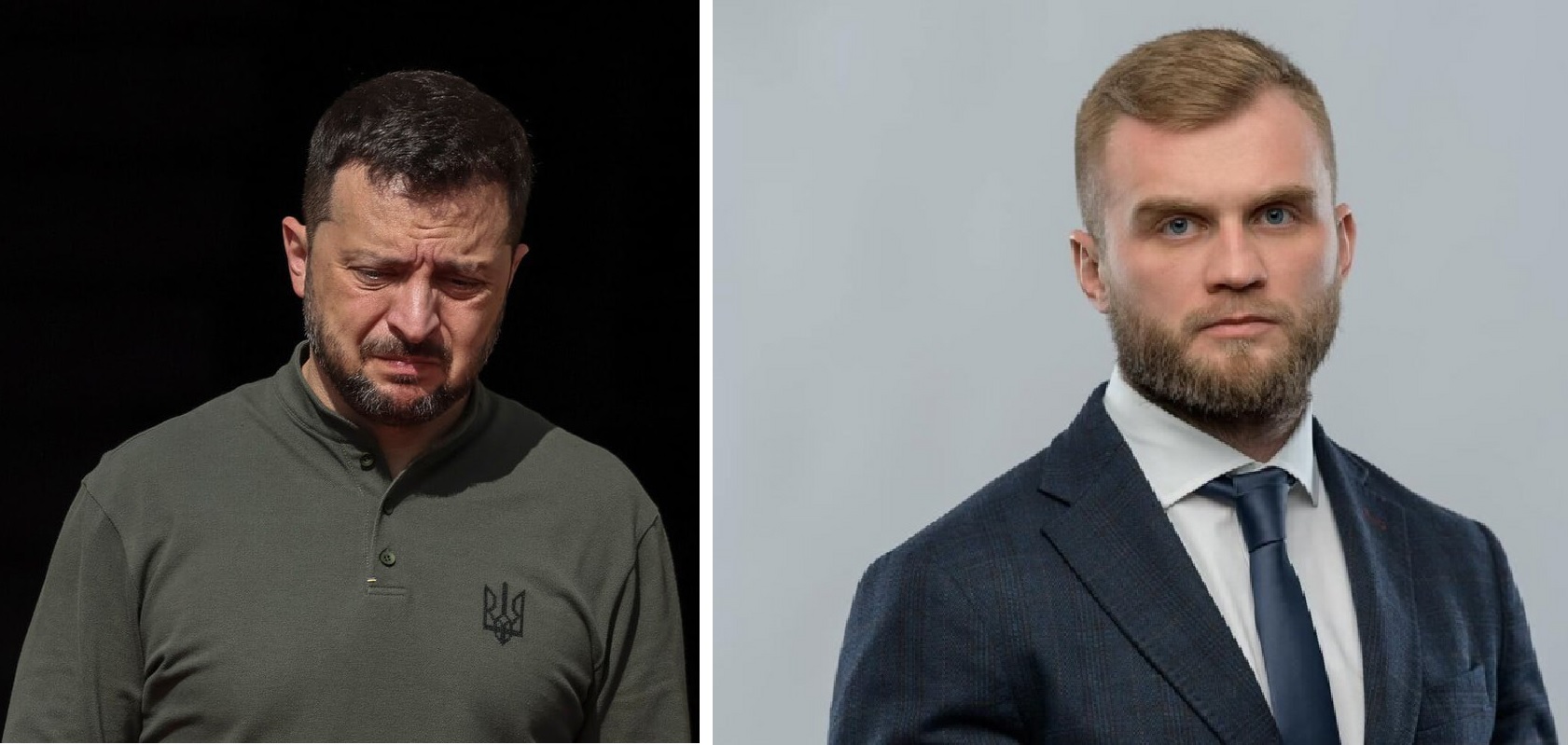
Ukraine’s political environment has entered a period of intense internal strain after MP Artem Dmitruk claimed that President Volodymyr Zelensky has been “ordered to resign within the coming days.” The allegation remains unverified, but it has drawn attention because it comes during a phase in which the government is dealing with corruption investigations, party disputes, and a delayed 2026 budget, creating a climate of administrative difficulty during wartime.
Dmitruk, who was expelled from Zelensky’s Servant of the People party earlier in the president’s term, stated that he had received information about a supposed resignation demand and suggested that Zelensky would “wait until the last moment.” He did not specify who allegedly issued this request or present evidence. Because of his political conflicts with the current government and past controversies, analysts have treated his claim as politically motivated. Even so, it has circulated widely because it aligns with Ukraine’s current governance challenges.
One of the main issues confronting the administration is the fallout from the Mindich tapes corruption case. The investigation centers on businessman Timur Mindich, formerly connected to Zelensky’s entertainment company, and involves allegations of improper influence over state contracts in the energy and defense sectors. As part of the expanding inquiry, authorities conducted searches at the home of Andriy Yermak, the president’s chief of staff. Yermak later resigned, marking a significant shift within the leadership team responsible for coordinating wartime decision-making and diplomacy.
The probe has grown to include multiple layers of suspected financial misconduct, including kickback arrangements and procurement irregularities. Mindich left Ukraine before the searches and has since been listed as wanted by authorities. These developments have increased public scrutiny over government operations and raised expectations for stronger accountability.
Parallel to the corruption issues, Zelensky’s governing faction, Servant of the People, is facing internal disagreements. MPs have expressed differing views on policy, appointments, and the handling of corruption cases. This fragmentation has reduced the administration’s ability to reliably pass legislation. The impact is particularly visible in the difficulty surrounding the approval of the 2026 state budget. Although the draft budget passed its initial stage, final approval has been delayed due to disagreements within the ruling faction and demands from opposition parties for adjustments to funding priorities and oversight mechanisms. Officials have emphasized that timely approval is necessary to maintain defense spending and essential government functions.
Another contributing factor to the tense atmosphere is the legal status of the presidency. Zelensky’s regular five-year term ended in May 2024, but Ukraine’s constitution does not allow national elections during martial law. As a result, he remains in office until elections can legally be held. While this arrangement follows constitutional requirements, it has still become a point of debate among political opponents, adding to the broader context of criticism and speculation.
Together, these developments explain why Dmitruk’s statement has received visibility despite the absence of supporting evidence. The presidency is currently navigating corruption investigations, leadership changes, parliamentary disputes, and budget delays, creating a period of administrative pressure. Government representatives have dismissed rumors about a planned resignation, noting that Zelensky continues his duties and maintains regular engagement with domestic institutions and international partners.
The coming weeks are expected to focus on whether the government can finalize the 2026 budget, appoint a new chief of staff, and manage the ongoing investigations effectively. While the claim that Zelensky has been ordered to resign remains unconfirmed, the circumstances that allowed such statements to gain attention reflect the governance challenges Ukraine is working to address.
✍️ This article is written by the team of The Defense News.