Zapad-2025 Drills to Feature Nuclear Strike Simulations and Hypersonic Oreshnik Missile, Heightening NATO Concerns
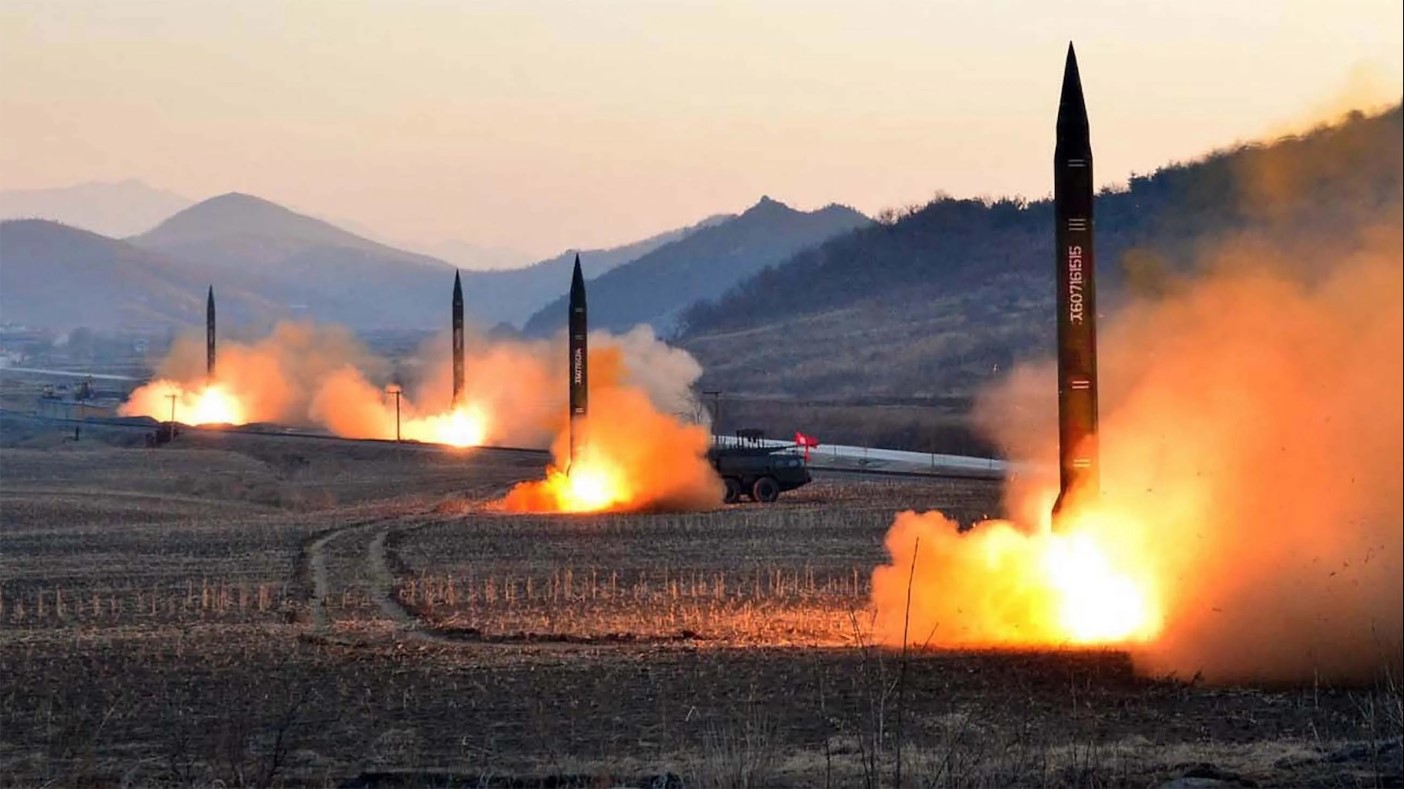
Russia and Belarus are set to conduct Zapad-2025 military exercises from September 12 to 16 in Belarus, with scenarios simulating nuclear weapon use and the deployment of the hypersonic Oreshnik missile, according to Belarusian Defense Minister Viktor Khrenin. The announcement comes just days before a planned U.S.-Russia meeting in Alaska aimed at discussing ways to end the war in Ukraine, a timing that has drawn heightened concern from NATO allies.
The Oreshnik, an intermediate-range ballistic missile capable of reaching Mach 11 and striking targets over 3,000 kilometers away, can carry both conventional and nuclear warheads. Its extreme speed and in-flight maneuverability make it highly resistant to interception, posing a significant challenge to existing missile defense systems. First launched against Ukraine in November 2024, the missile has since entered serial production, with its presence in the drills seen as a signal of Moscow’s expanding strike capabilities.
Zapad exercises, held every four years, have historically served as large-scale readiness checks and strategic messaging tools. In 2021, similar drills were followed within months by Russia’s full-scale invasion of Ukraine, raising fears that Zapad-2025 could also mask preparations for new offensives. Reports suggest that up to 150,000 troops could participate this year, making it one of the largest joint operations between Moscow and Minsk since the war began.
While the Kremlin and Minsk insist the exercises are purely defensive, the inclusion of nuclear strike scenarios and advanced hypersonic missile operations significantly raises the stakes. Western defense analysts warn that the combination of nuclear simulations, large troop movements, and missile drills near NATO’s borders creates a volatile environment with a high risk of miscalculation.
The timing, scale, and content of Zapad-2025 appear to be as much about deterrence and strategic signaling as they are about military training. For NATO, the drills not only test the alliance’s eastern flank readiness but also underscore the evolving missile threat landscape—one where hypersonic systems like the Oreshnik may soon become central to Russian warfighting doctrine.
✍️ This article is written by the team of The Defense News.