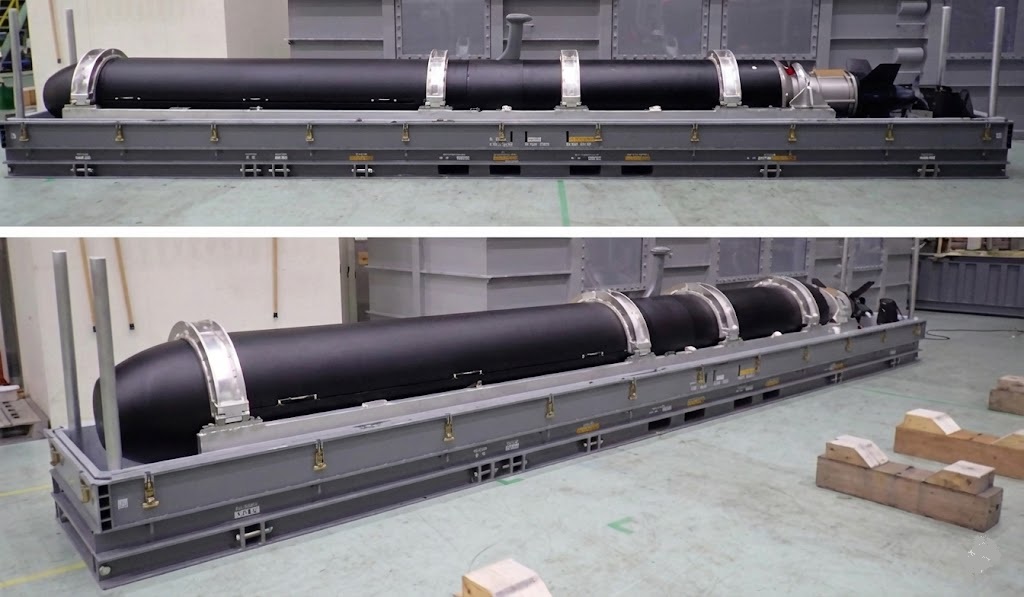
X-Bow Systems Successfully Completes U.S. Navy Design Review for Mk 72 and Mk 104 Motors
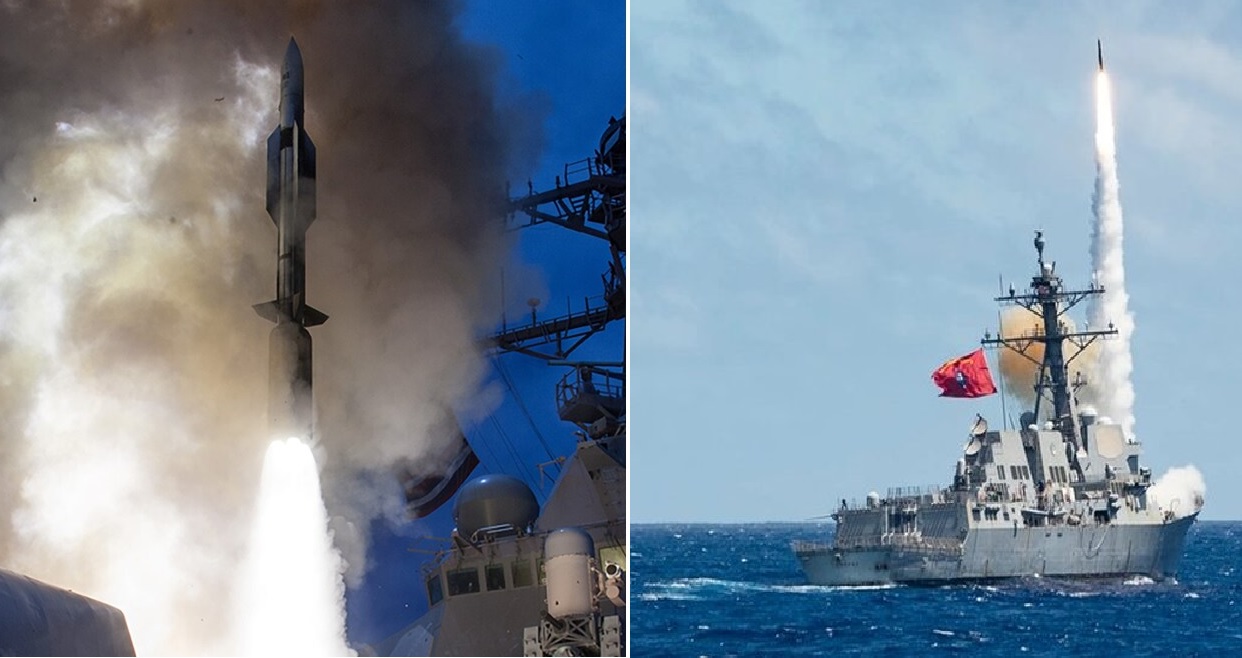
Washington / Huntsville : X-Bow Systems has achieved a major milestone in the United States Navy’s Standard Missile programme after successfully completing the Preliminary Design Review (PDR) for its Mk 72 booster and Mk 104 dual-thrust solid rocket motor contracts. The company said the review confirms strong design maturity and significantly reduces technical and manufacturing risk as the programme advances toward detailed development.
The PDR is a formal acquisition checkpoint used by the U.S. Department of Defense to ensure that a system’s design meets operational requirements, is technically feasible, and is ready to proceed into more advanced engineering and qualification phases. Clearing this stage is considered essential for maintaining programme schedule discipline and long-term production stability.
Solid Rocket Motors and the Industrial Base Challenge
The Mk 72 and Mk 104 motors serve as the first-stage and second-stage propulsion systems for several variants within the Standard Missile family, which forms the backbone of naval air and missile defense. In recent years, the Pentagon has repeatedly highlighted solid rocket motors as one of the most stressed segments of the U.S. defense industrial base, driven by rising demand for interceptors and precision-guided weapons.
X-Bow said the successful design review directly supports national efforts to expand domestic propulsion manufacturing capacity, improve supply-chain resilience, and ensure the Navy can meet future operational requirements without delays caused by production bottlenecks.
Company Leadership Emphasizes Speed and Scalability
X-Bow Chief Executive Officer Jason Hundley said the milestone demonstrates how new approaches can help address the country’s growing propulsion needs. He noted that the company has assembled a nationwide, experienced team focused on transforming traditional solid rocket motor manufacturing by enabling greater speed, performance, flexibility, scalability, affordability, and reliability.
According to Hundley, X-Bow’s approach is designed to complement existing industry players while introducing innovative manufacturing methods that allow faster response to Navy demand.
Advanced Design Tools and Patented Manufacturing
Under the two Navy contracts, X-Bow Systems is developing new Mk 72 and Mk 104 configurations using advanced digital design tools and patented manufacturing processes. These technologies are intended to reduce complexity, shorten development cycles, and support higher-rate production while maintaining stringent safety and performance standards.
The Mk 72 booster provides the high initial thrust needed to rapidly launch a missile from its platform, while the Mk 104 dual-thrust motor delivers two distinct thrust phases optimized for acceleration and sustained flight. Improvements to these motors are seen as critical for enhancing range, responsiveness, and interceptor effectiveness.
Multi-Agency Collaboration with Navy and Research Partners
The propulsion development effort is being conducted in close coordination with key Navy and defense research organizations, including the Program Executive Office Integrated Warfare Systems 3.0, the Naval Air Warfare Center Weapons Division at China Lake, the Naval Surface Warfare Center at Indian Head, and the Johns Hopkins University Applied Physics Laboratory. These partners provide expertise in system integration, testing, materials science, and propulsion performance analysis.
This collaborative structure is intended to ensure the motors are fully compatible with existing missile architectures and future operational concepts.
Implications for Fleet Air and Missile Defense
The Standard Missile family is a cornerstone of layered defense for the United States Navy, protecting surface combatants and carrier strike groups from aircraft, cruise missiles, and ballistic missile threats. Ensuring a reliable supply of propulsion systems is therefore a strategic priority for sustaining fleet readiness.
X-Bow said the successful Preliminary Design Review keeps the programme on track for upcoming development milestones and reinforces its commitment to strengthening U.S. naval capabilities. As missile demand continues to rise, the company framed the achievement as a meaningful step toward ensuring long-term propulsion capacity for one of the Navy’s most critical weapon systems.
About the Author
Aditya Kumar:
Defense & Geopolitics Analyst
Aditya Kumar tracks military developments in South Asia, specializing in Indian missile technology and naval strategy.