World Reacts to US Strikes on Iran’s Nuclear Sites

In a stunning escalation of Middle East tensions, the United States launched airstrikes on three key nuclear facilities in Iran on Sunday, marking a dramatic shift in Washington’s posture after days of speculation. The strikes, which coincided with Israel’s ongoing campaign against Iran, were confirmed in a televised address by former President Donald Trump.
“Iran’s key nuclear enrichment facilities have been completely and totally obliterated,” Trump declared from the White House. “Iran, the bully of the Middle East, must now make peace.”
The global response to the strikes was swift and deeply divided, reflecting the geopolitical complexity of the moment.
Israel: ‘Change History’
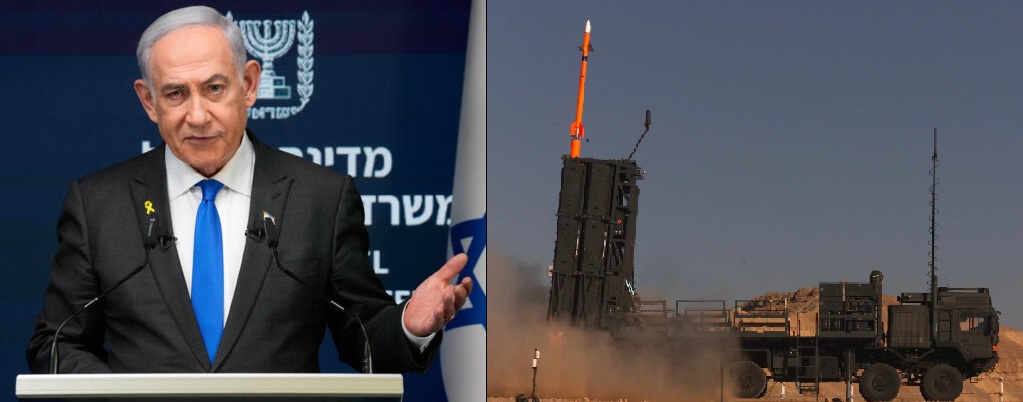
Israeli Prime Minister Benjamin Netanyahu hailed the strikes as a historic milestone. In a video message, he praised Trump’s “bold decision” and claimed it would bring the region closer to “prosperity and peace.”
“America has been truly unsurpassed,” Netanyahu declared. He also told Israelis that his long-standing promise to neutralize Iran’s nuclear program had been “fulfilled.”
United Kingdom: ‘Stability is Priority’
British Prime Minister Keir Starmer acknowledged the threat of a nuclear-armed Iran but urged caution. “Iran can never be allowed to develop a nuclear weapon, and the US has taken action to alleviate that threat,” he said on X. Starmer emphasized the importance of returning to diplomacy and prioritizing regional stability.
European Union: ‘Step Back’
The European Union’s chief diplomat, Kaja Kallas, issued a warning against further escalation. “I urge all sides to step back,” she posted on social media, adding that EU foreign ministers would meet Monday to assess the situation. The EU continues to call for Iran to rejoin nuclear negotiations under international oversight.
United Nations: ‘Dangerous Escalation’
UN Secretary-General António Guterres described the strikes as a “dangerous escalation in a region already on the edge.” He warned that further military actions could spiral into a broader conflict and reiterated that diplomacy remains the only viable solution.
The UN’s nuclear watchdog, the International Atomic Energy Agency (IAEA), reported no increase in off-site radiation levels. However, it has called for an emergency meeting on Monday to assess the damage and implications.
Iraq: ‘Grave Threat’
Neighboring Iraq expressed alarm over the US action. Government spokesman Basim Alawadi warned the strikes could destabilize the entire region. “This military escalation constitutes a grave threat to peace and security in the Middle East,” he said.
India – “Time for willing diplomacy”
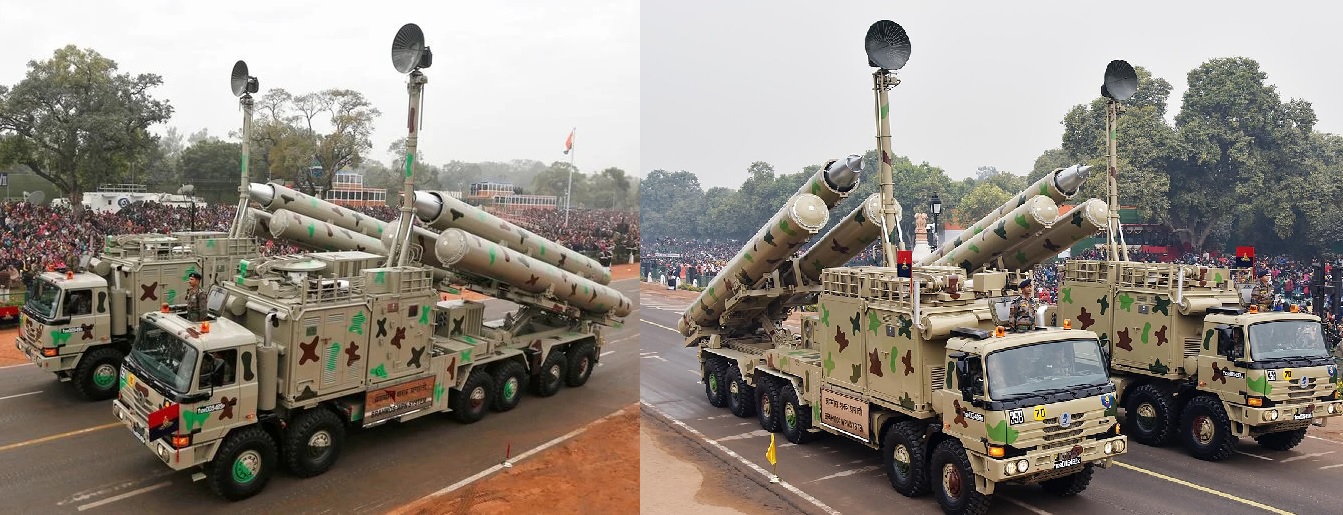
India’s Ministry of External Affairs called for “maximum restraint” and urged all parties to return to dialogue. Indian defence expert Praful Bakshi, speaking to ANI, noted India’s strategic position as a friend to both Iran and Israel. He said, “Time for India to be more vigilant… PM Modi will raise this issue with both sides to end this war” .
Russia – “Strong Condemnation”; Medvedev warns of new war
Russia’s Foreign Ministry “strongly condemned” the strikes, calling them a “gross violation of international law… a dangerous escalation”
Deputy Head of Putin’s Security Council Dmitry Medvedev labelled the action “initiating a new war,” warning it may have the opposite effect by “strengthening” Iran and uniting its people behind Supreme Leader Khamenei .
China – Breach of UN Charter; warning of repeating Iraq mistake
China’s Foreign Ministry denounced the U.S. attack as a “serious violation of international law and the UN Charter,” asserting it exaggerated tensions in the Middle East . State media echoed concerns that the U.S. may be repeating “past strategic mistakes” in the region and urged immediate ceasefire and renewed talks
Saudi Arabia: ‘Exercise Restraint’
Saudi Arabia, another key regional player, voiced “great concern” over the attacks on its neighbor. The Saudi foreign ministry urged all parties to “exercise restraint” and work to de-escalate tensions. Riyadh's statement referred to Iran as the “sisterly Islamic Republic,” signaling its desire to avoid being pulled into a broader conflict.
Hamas: ‘Brutal Aggression’
Palestinian militant group Hamas condemned the US strikes as “blatant aggression” against Iran’s sovereignty. They labeled it a “flagrant violation of international law” and a “direct threat to international peace and security,” aligning themselves more closely with Tehran amid shared opposition to Israel and the US.
US Domestic Politics: ‘Unilateral Military Action’
Back home, the US political landscape was also roiled by the strikes. House Democratic Leader Hakeem Jeffries accused Trump of bypassing Congress and dragging the country into another Middle Eastern conflict.
“President Trump misled the country, failed to seek authorization, and risks American entanglement in a disastrous war,” Jeffries said. He laid full responsibility for potential consequences at Trump’s feet.
What Lies Ahead?
The attack on Iran’s nuclear sites marks one of the most significant military escalations in the region in years. While some nations have welcomed the move as a step toward disarmament, others fear it could trigger a larger conflict.
With emergency meetings scheduled by both the EU and the UN, the world is bracing for Iran’s response—diplomatic or otherwise. As global leaders walk a tightrope between confrontation and de-escalation, the coming days may well define the future of the Middle East and international nuclear diplomacy.
✍️ This article is written by the team of The Defense News.