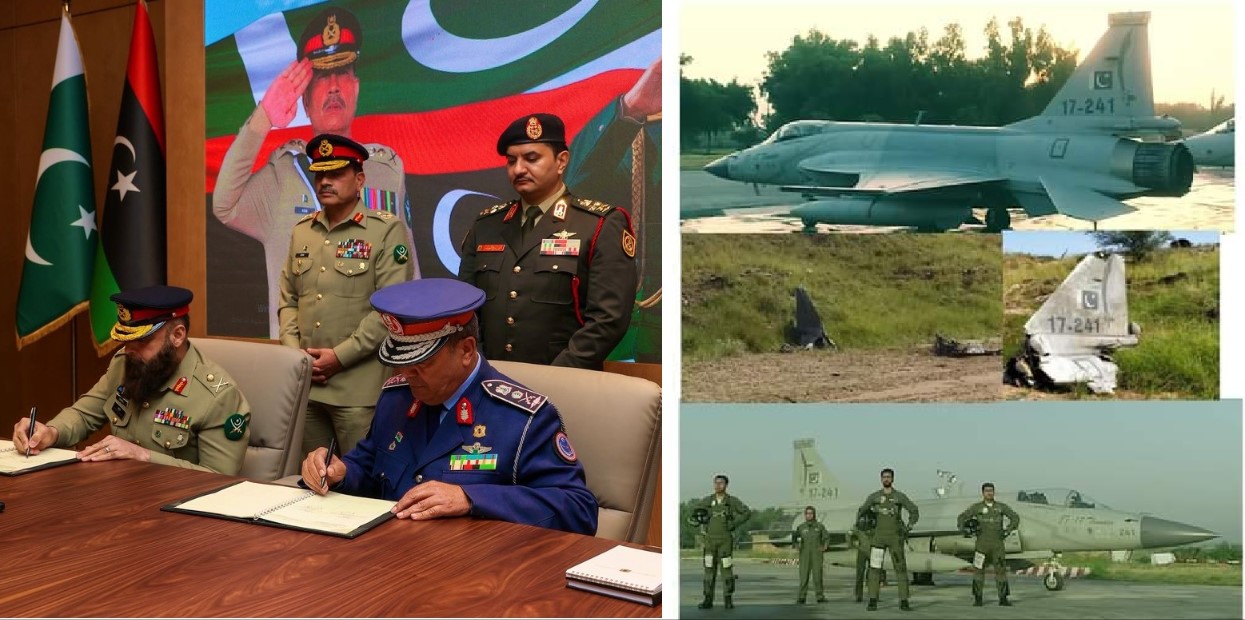
Washington’s Hypocrisy on Full Display as Pakistan’s Disgraced General Asim Munir Visits U.S. Army’s 250th Anniversary

In a move that has raised eyebrows and drawn criticism across diplomatic and strategic circles, Pakistan’s Chief of Army Staff General Syed Asim Munir is set to arrive in the United States on June 12, 2025. During his visit, Munir will attend the United States Army’s 250th anniversary celebrations on June 14 in Washington, D.C.—a gesture that starkly exposes Washington’s glaring diplomatic double standards.
While the U.S. continues to champion itself as a global leader in the fight against terrorism and emphasizes its “ironclad” partnership with India, this latest development contradicts the very values it claims to uphold. Welcoming a figure like Asim Munir—widely accused of sheltering and supporting terrorist infrastructure within Pakistan—raises uncomfortable questions about Washington’s true priorities in South Asia.
The Man Behind the Mask
General Asim Munir, formerly head of Pakistan’s Military Intelligence (MI) and Inter-Services Intelligence (ISI), is no stranger to controversy. His tenure in these roles coincided with a sharp increase in cross-border terrorism, especially targeting India. Under his watch, numerous India-bound terror outfits like Jaish-e-Mohammed (JeM), Lashkar-e-Taiba (LeT), and Hizbul Mujahideen enjoyed safe havens within Pakistani territory.
Despite mounting evidence and global condemnation, Pakistan has consistently denied harboring terrorists. Yet, high-profile incidents—such as the 2016 Uri attack, the 2019 Pulwama bombing, and continued infiltration attempts along the Line of Control—point squarely to Pakistan’s military-intelligence nexus, which Munir now leads.
US Rhetoric vs Reality
The United States has often presented itself as India’s strategic partner, especially as both countries navigate the growing influence of China in the Indo-Pacific region. In recent years, the U.S. has declared India a "Major Defense Partner" and held multiple joint military exercises under the QUAD framework.
However, Munir’s formal invitation to a prestigious American military celebration stands in stark contrast to this narrative. For a country that has poured billions into counter-terrorism campaigns and lost thousands of lives in its war against global jihadist networks, welcoming a military chief allegedly complicit in state-sponsored terrorism seems more than just a diplomatic inconsistency—it appears deeply hypocritical.
A Message to India?
India, which has faced the brunt of Pakistan’s proxy wars for decades, is likely to see this visit as an insult, if not a betrayal. The U.S. has often condemned terrorism emanating from Pakistani soil and backed New Delhi’s right to self-defense, especially after surgical strikes and air operations targeting terror camps. Yet by extending red carpet hospitality to the very architect of Pakistan’s militarized terror doctrine, Washington undermines its own credibility.
Moreover, this sends a confusing signal not only to India but to other nations grappling with cross-border terrorism. It emboldens countries like Pakistan to continue their two-faced policy—acting as a U.S. ally on paper, while actively sponsoring and exporting instability in the region.
A Pattern of Selective Diplomacy
This is not the first time the United States has engaged in contradictory diplomacy. Despite placing Pakistan on the Financial Action Task Force (FATF) grey list in the past for terror financing, Washington has continued to offer military aid, sell defense equipment, and even hold strategic dialogues. Now, by honoring a military leader accused of sheltering internationally designated terrorists, the U.S. risks losing the moral high ground it so often invokes.
General Asim Munir’s U.S. visit symbolizes more than just ceremonial diplomacy—it’s a stark reminder that geopolitical interests often trump ethical consistency. While the United States claims to stand shoulder-to-shoulder with India in fighting terrorism, its simultaneous embrace of Pakistan’s controversial military leadership sends a muddled and deeply problematic message to the world.
For India, this episode reinforces the need to pursue an independent and self-reliant strategic posture, unburdened by the fickle loyalties of so-called global allies. And for the world, it’s a call to scrutinize the difference between what nations say and what they actually do.
✍️ This article is written by the team of The Defense News.