Washington–Mexico Ties Strain as U.S. Deploys Armor, Signals Possible Cross-Border Action
WASHINGTON / MEXICO CITY : Relations between the United States and Mexico have entered their most dangerous phase in decades, as confirmed movements of U.S. military armor toward the southern border collide with increasingly explicit threats of unilateral American action against Mexican drug cartels. What began as political rhetoric during the early days of President Donald Trump’s second term is now materializing into visible military posture, raising fears that North America may be drifting toward an unprecedented bilateral security crisis.
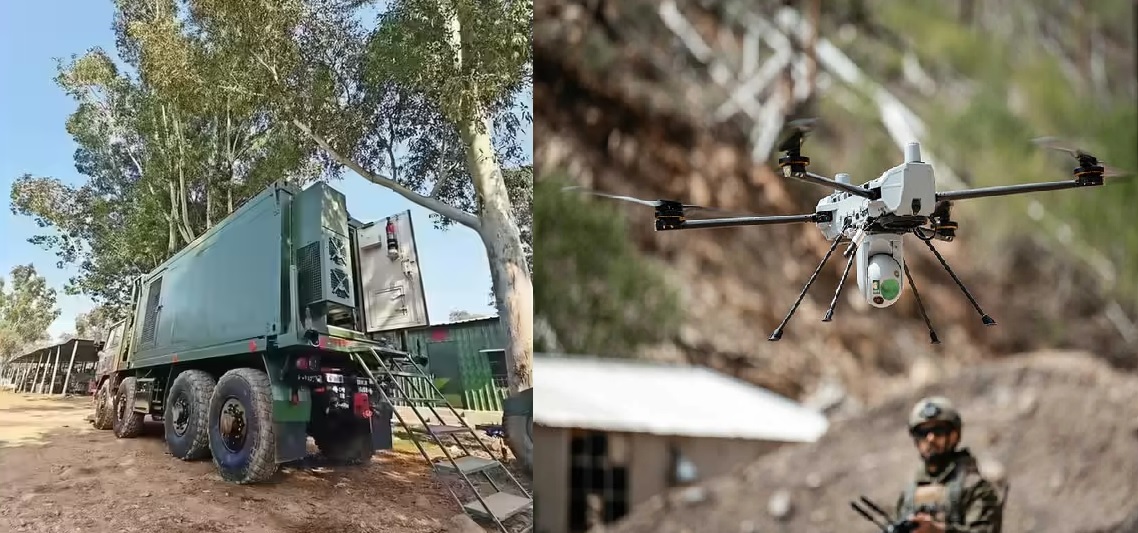
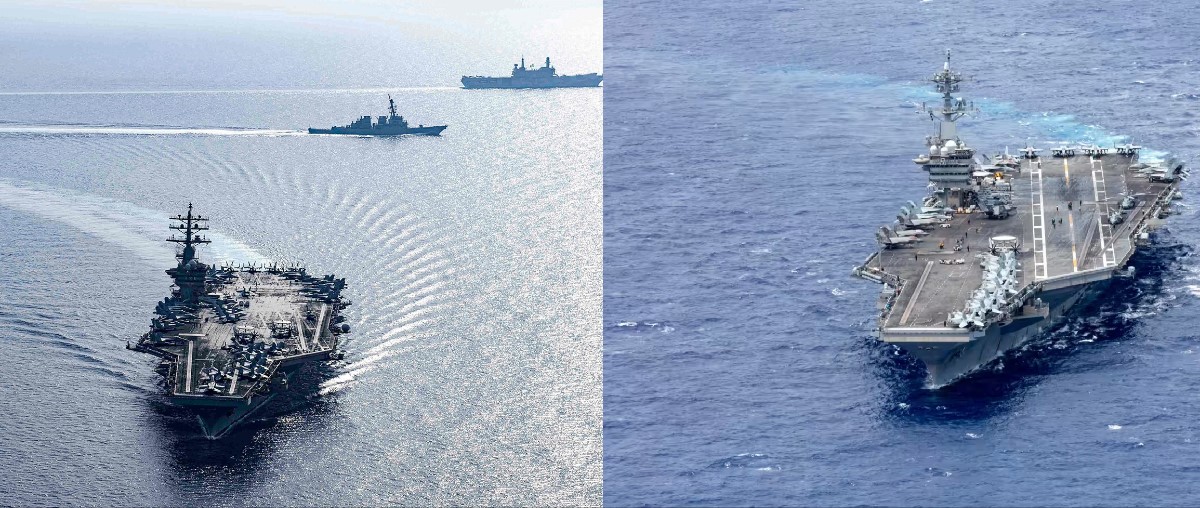
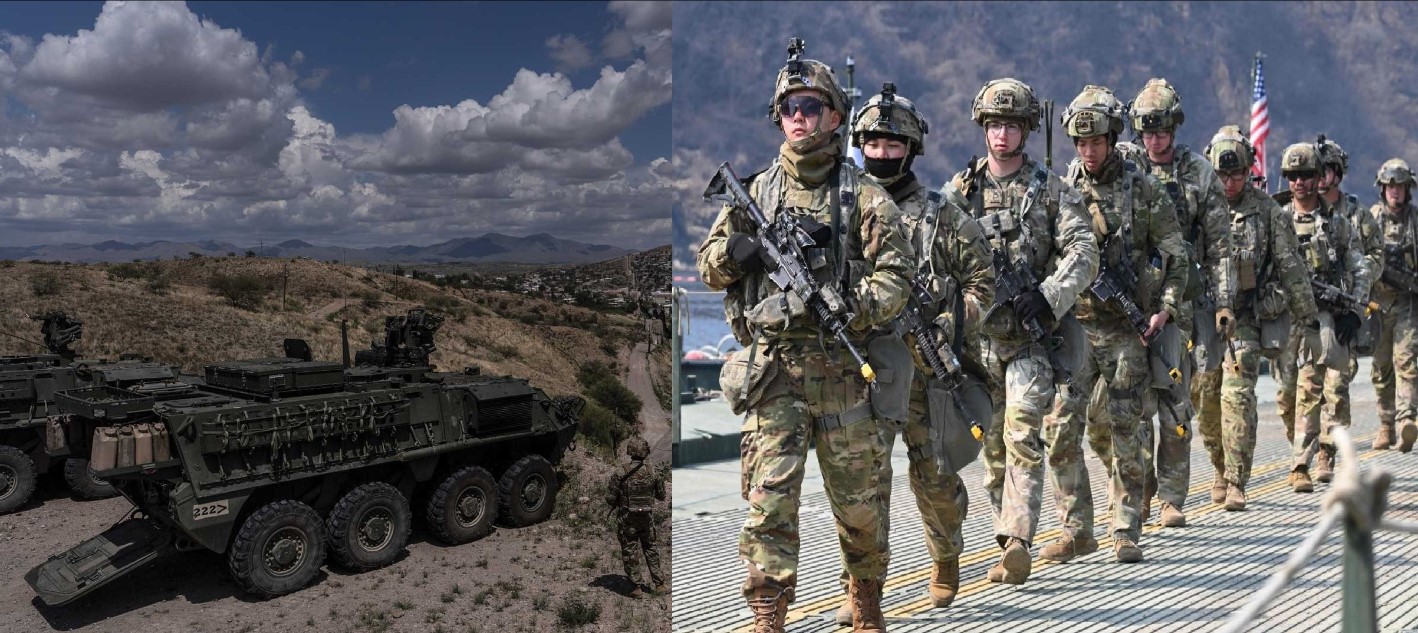
According to U.S. defense officials and widely circulated open-source footage, columns of Army Stryker combat vehicles, armored logistics trucks, and support units have been redeployed through Texas and Arizona in recent days. The Pentagon has described the activity as “enhanced border support” linked to migration control and counter-smuggling operations. Privately, however, analysts say the scale, tempo, and configuration of the deployments suggest preparation for a far broader range of military contingencies.
“This is not a normal border reinforcement,” said a former senior defense planner familiar with force posture planning. “What we’re seeing is consistent with force protection and rapid-response planning for potential cross-border kinetic operations, not just surveillance or law-enforcement support.”
Trump’s Threat and the Shadow of Venezuela
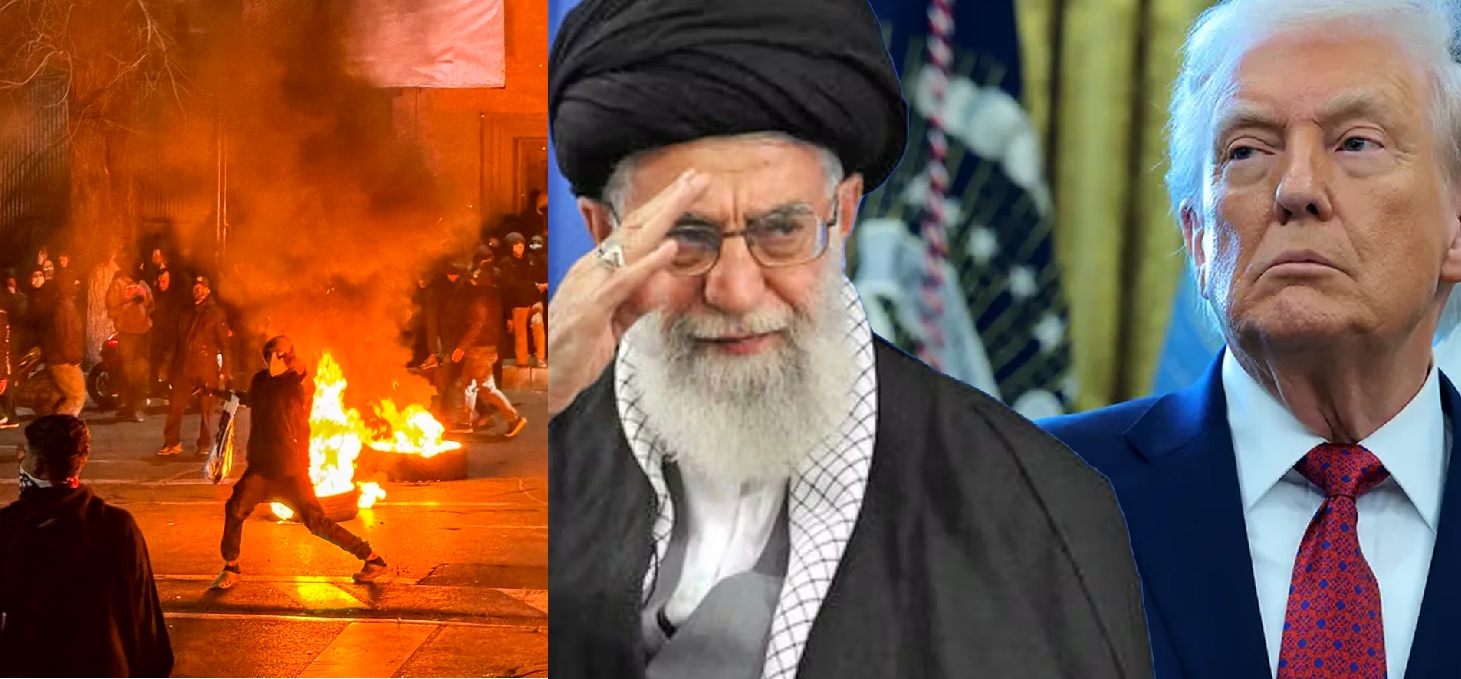
The military movements follow a dramatic escalation in presidential rhetoric. Last week, Trump publicly vowed to carry out unilateral land strikes against Mexican drug cartels, accusing them of effectively governing large parts of Mexico and posing a direct national-security threat to the United States. The statement marked the first time a sitting U.S. president has so openly threatened ground operations inside Mexico without host-nation consent.
The White House has framed this posture in the context of its recent operation in Venezuela, where U.S. forces captured President Nicolás Maduro during a surprise special-operations raid, according to administration statements. Officials now describe that action as a proof of concept for a new hemispheric security doctrine aimed at eliminating “narco-terrorist” networks throughout the Western Hemisphere.
In a nationally televised address, Trump argued that the scale of cartel violence justifies extraordinary measures. “They killed hundreds of thousands of people in our country,” he said, repeating his claim that fentanyl trafficking linked to cartels has caused roughly 300,000 U.S. deaths annually. Federal data from the Centers for Disease Control and Prevention places annual overdose fatalities closer to 100,000, but the president has consistently used the higher figure to frame the crisis as equivalent to wartime casualties.
A Rewritten Monroe Doctrine
Senior administration officials have begun referring to the strategy as a Trump-era corollary to the Monroe Doctrine, asserting a U.S. right to military intervention in Latin America when governments are deemed unable or unwilling to suppress threats to the American homeland. In internal briefings, cartels are described not merely as criminal syndicates, but as transnational armed organizations comparable to terrorist or insurgent groups.
“The argument being made is that sovereignty cannot be a shield for organizations killing Americans at scale,” said a former National Security Council official. “That logic fundamentally redefines the U.S.–Mexico relationship.”
The administration has also moved to expand its legal framework, accelerating efforts to designate major Mexican cartels as foreign terrorist organizations. Such a designation would grant the executive branch sweeping authorities to target financial networks, conduct extraterritorial operations, and deploy military assets with fewer political constraints.
Mexico Braces for an Ally’s Pressure
In Mexico City, the reaction has been swift and tense. President Claudia Sheinbaum has publicly rejected any suggestion that U.S. troops could operate on Mexican soil, emphasizing that security cooperation must respect national sovereignty. After a tense phone call with Trump, she reiterated that while Mexico is committed to combating organized crime, foreign military intervention is “not on the table.”
Behind the scenes, Mexican officials acknowledge growing alarm. Units of the Mexican armed forces have been repositioned to northern border regions, officially to reinforce public security and deter cartel violence. The deployments have fueled speculation that Mexico is preparing both for internal instability and the possibility of unauthorized U.S. incursions.
Public sentiment has hardened sharply. Nationalist voices accuse Washington of treating Mexico as a failed state, while others warn that any U.S. strike—whether a drone attack on a fentanyl lab or a special-operations raid—would force Mexico to respond to avoid appearing complicit.
“The Venezuelan raid changed everything,” said a Mexico-based security analyst. “It demonstrated that this U.S. administration is willing to violate sovereignty if it believes the strategic payoff is worth the risk.”
A Region on Edge
The potential consequences of unilateral U.S. action are profound. International-law experts warn that a strike inside Mexico without consent would violate international norms and could collapse decades of security cooperation on migration, trade, and intelligence sharing. Economists caution that even limited military action could rattle markets, disrupt cross-border supply chains, and endanger North American trade frameworks.
Strategists also warn of serious escalation risks. Cartels could retaliate against U.S. personnel, critical infrastructure, or American citizens, while nationalist pressure could push Mexico’s government into a confrontational posture it would otherwise seek to avoid. The last direct conflict between the two nations, the Mexican-American War, remains a powerful historical memory on both sides of the border.
For now, U.S. armored vehicles remain on American soil, and diplomatic channels remain open. But the symbolism is unmistakable. An ally long treated as a strategic partner is now being publicly framed as a potential theater of U.S. military action.
As one senior regional analyst put it, “The question is no longer whether Washington is willing to cross a line. It’s whether Mexico—and the wider hemisphere—can stop that line from being crossed.”
About the Author
Aditya Kumar:
Defense & Geopolitics Analyst
Aditya Kumar tracks military developments in South Asia, specializing in Indian missile technology and naval strategy.