Vadodara-Based MSME Develops Indigenous Nuclear Spent Fuel Handling Equipment
Vadodara : In a significant boost to India’s nuclear self-reliance, a Vadodara-based MSME, Vividh Hi-Fab Pvt. Ltd., has successfully developed critical indigenous equipment for the handling, transfer and storage of spent nuclear fuel. The achievement is expected to sharply reduce India’s dependence on imported nuclear fuel management systems and strengthen domestic capability in one of the country’s most strategic and regulated sectors.
Three Years of R&D to Meet NPCIL Standards
The indigenisation programme is the result of nearly three years of sustained research and engineering, carried out to meet the stringent safety and performance requirements of the Nuclear Power Corporation of India Limited (NPCIL).
According to officials familiar with the project, the equipment underwent multi-stage inspections, material validation and safety testing by central government agencies before being cleared for operational use.
The first batch of indigenously manufactured spent fuel storage racks is now ready for dispatch to the Kudankulam Nuclear Power Plant, one of India’s most critical nuclear power facilities.
World’s First Integrated Nuclear Storage Manufacturing Facility
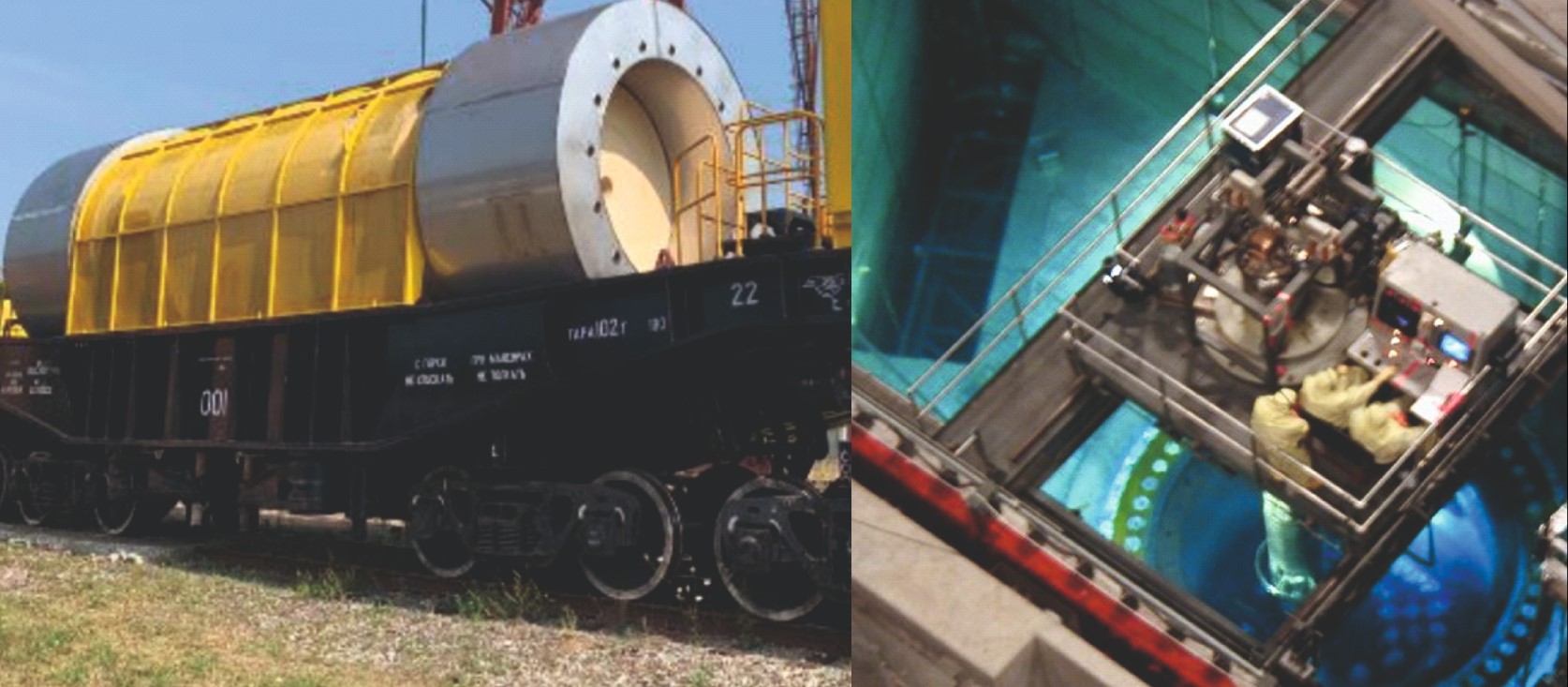
Vividh Hi-Fab has emerged as the world’s first facility capable of manufacturing all three types of nuclear spent fuel equipment under one roof. These include:
-
Fuel Transfer Machines
-
Spent Fuel Transportation Containers
-
Spent Fuel Storage Racks
These systems are essential for the safe movement, shielding and long-term storage of highly radioactive spent fuel after it is removed from reactor cores. Until now, India relied largely on foreign suppliers for such complex and safety-critical equipment.
Advanced Borated Stainless Steel Enhances Safety
A key technological highlight of the new storage racks is the use of borated stainless steel, a specialised alloy enriched with boron to absorb neutrons and control radiation levels. This material is globally recognised for its ability to prevent criticality, while allowing high-density storage of spent fuel assemblies in reactor pools.
The adoption of borated stainless steel ensures long-term structural integrity, resistance to corrosion, and reliable performance under high radiation and thermal conditions.
Strategic Impact on India’s Nuclear Programme
Experts say the indigenous development of spent fuel handling systems represents a major strategic breakthrough for India’s nuclear ecosystem. Beyond cost reduction and import substitution, domestic manufacturing offers NPCIL greater control over quality assurance, lifecycle support and future upgrades.
The milestone also highlights the growing role of Indian MSMEs in advanced defence and nuclear manufacturing—domains traditionally dominated by large public-sector enterprises and overseas vendors.
Next Phase: Full Domestic Fuel Management Capability
With storage racks now cleared for deployment at Kudankulam, work is progressing on the fuel transfer machines and transport containers to complete a fully indigenous end-to-end spent fuel management chain.
As India accelerates its nuclear power expansion to meet rising energy demand and long-term decarbonisation goals, developments such as this underscore how home-grown engineering, advanced materials and MSME innovation are becoming central to the country’s energy security and strategic autonomy.
About the Author
Aditya Kumar:
Defense & Geopolitics Analyst
Aditya Kumar tracks military developments in South Asia, specializing in Indian missile technology and naval strategy.