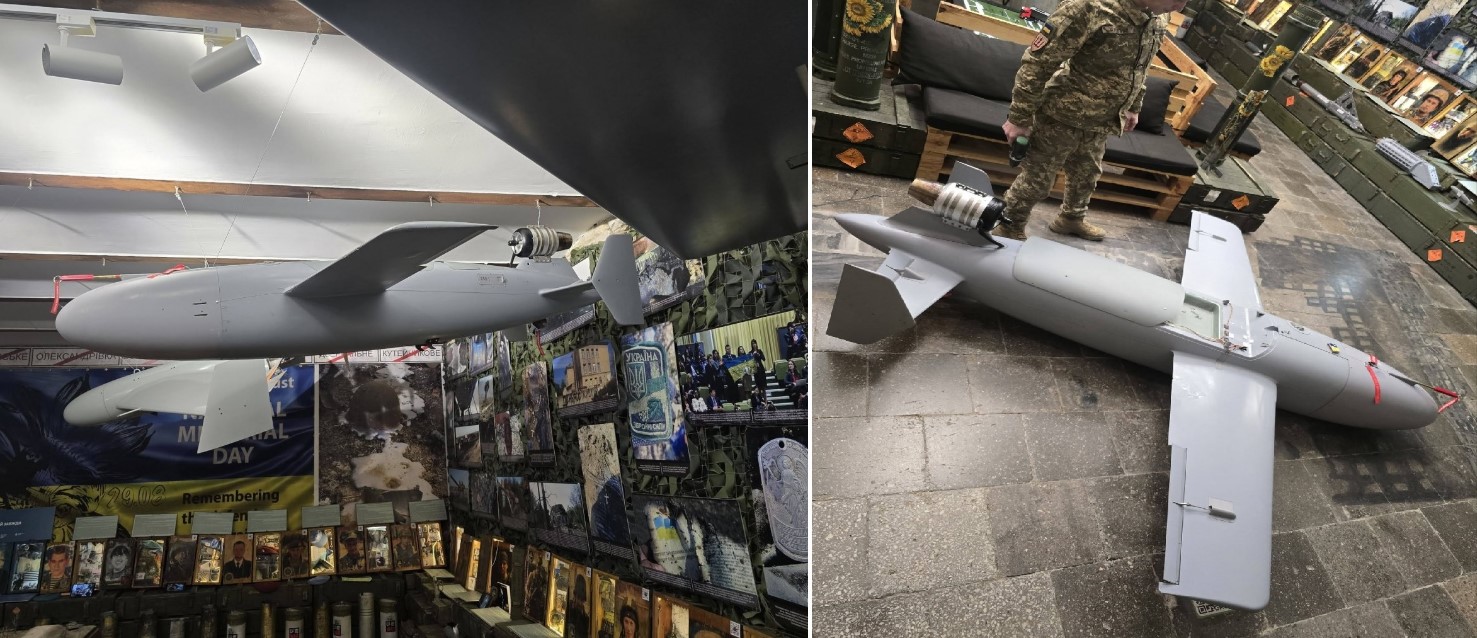
Unknown System Completely Jams Pakistan Navy ATR-72 Sea Eagle Communications During Naval Exercise
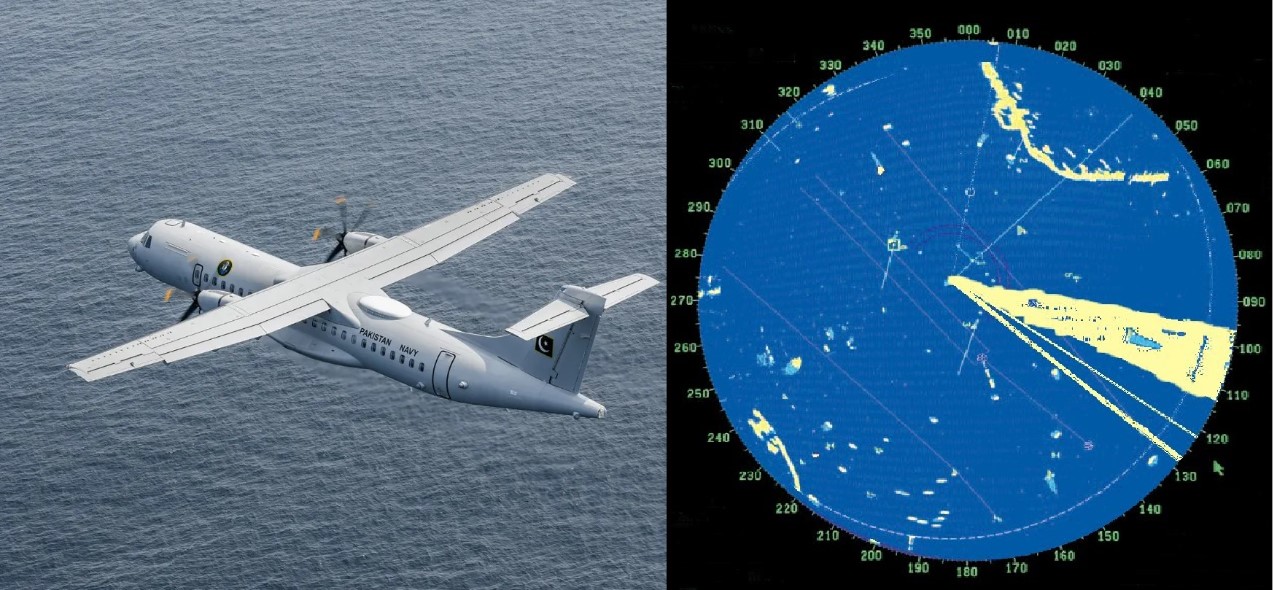
A Pakistan Navy maritime patrol exercise conducted on 16 December 2025 was reportedly disrupted after a RAS-72 Sea Eagle Maritime Patrol Aircraft (MPA) temporarily lost all communications while attempting to establish operational links with a Yarmook-class Offshore Patrol Vessel (OPV). Defence-focused open-source reports indicate that an unidentified and technologically advanced electronic warfare (EW) entity may have deliberately jammed the aircraft’s communications, raising fresh concerns over the balance of electronic warfare capabilities in the region.
Exercise Disrupted During Networked Operations
According to available accounts, the incident occurred during a coordinated phase of the naval exercise when the Sea Eagle aircraft was tasked with sharing tactical data and voice communications with the OPV operating in the same maritime sector. At the moment of link-up, the aircraft reportedly suffered a sudden and near-total loss of communications, affecting both voice and data channels.
Unlike routine electromagnetic interference, the disruption was described as complete and sustained, preventing the aircrew from restoring contact during a critical operational window. The aircraft was reportedly forced to disengage from the coordination task, while the surface vessel continued operations independently. The Pakistan Navy has not officially commented on the incident, but it has prompted extensive discussion among defence analysts and electronic warfare specialists.
RAS-72 Sea Eagle and Its Communications Suite
The RAS-72 Sea Eagle, based on the ATR-72-600 airframe, is among the most advanced maritime patrol platforms in Pakistan Navy service. The aircraft is modified for military use with a modern mission suite that includes maritime surveillance radar, EO/IR sensors, electronic support measures (ESM), and anti-submarine warfare systems.
Critically, the Sea Eagle is equipped with a military-grade communications architecture built around Collins Aerospace AN/ARC-210 radio systems. The AN/ARC-210, manufactured by Collins Aerospace (formerly Rockwell Collins), is a widely used multi-band tactical radio employed across NATO and allied air forces.
The ARC-210 operates across the 30–512 MHz spectrum, covering VHF and UHF bands, and supports secure voice and data transmission. It incorporates anti-jam technologies, including frequency-hopping waveforms, encrypted communications, and resistance to narrow-band interference. These radios are specifically designed to function in contested electromagnetic environments, providing resilience against conventional jamming.
In addition to ARC-210 radios, the aircraft is believed to employ HF communications and encrypted SATCOM links, allowing it to function as an airborne command-and-control and sensor-fusion node for naval task groups.
Why the Reported Jamming Is Technically Significant
Electronic warfare experts note that disrupting an aircraft equipped with ARC-210 radios and layered communications redundancy is technically demanding. Frequency-hopping radios rapidly change transmission frequencies based on synchronized algorithms, making them difficult to jam using basic noise emitters.
To overcome such protection, analysts suggest that a hostile actor would require either:
-
Wide-band barrage jamming, flooding large portions of the VHF/UHF spectrum with high-power noise; or
-
Advanced reactive or DRFM-based jamming systems, capable of detecting active transmissions in real time and countering them instantly.
Barrage jamming, while conceptually simple, demands substantial hardware. Effective systems typically involve vehicle-mounted, ship-borne, or airborne EW platforms with high-power transmitters, wide-band antennas, and sophisticated signal processing. Power requirements rise sharply when attempting to cover wide frequency bands used by frequency-hopping radios, often making small or portable jammers ineffective.
More advanced approaches, such as Digital Radio Frequency Memory (DRFM) jamming, can manipulate or replay captured signals to confuse receivers rather than overpower them. Such systems are normally associated with state-level military electronic warfare units and require detailed knowledge of target waveforms and operational parameters.
Could ARC-210 Be Jammed?
In theory, no radio system is completely immune to jamming. While the ARC-210’s frequency-hopping and encryption significantly reduce vulnerability, a sufficiently powerful and well-positioned EW system could still degrade or temporarily deny communications—especially if multiple bands, including SATCOM support links, are targeted simultaneously.
Achieving a near-total communications blackout, as described in reports, would likely require coordinated jamming across several layers, substantial transmission power, and proximity or altitude advantage—suggesting the use of a large, purpose-built EW platform rather than improvised equipment.
Strategic Implications
If confirmed, the incident would underscore the growing importance of the electromagnetic spectrum as a battlefield domain. The apparent ability to suppress communications on a modern maritime patrol aircraft—even temporarily—could undermine surveillance, targeting, and fleet coordination during real-world operations.
For the Pakistan Navy, the episode may accelerate efforts to further harden airborne communications, expand electronic support measures, improve jammer detection, and introduce additional redundancy and spectrum agility.
At a regional level, the event highlights how electronic warfare capabilities are increasingly shaping naval power balances, where information dominance and network resilience are as decisive as missiles and ships.
✍️ This article is written by the team of The Defense News.