Ukraine Unveils “Long Neptune” Cruise Missile With 1,000 km Strike Range
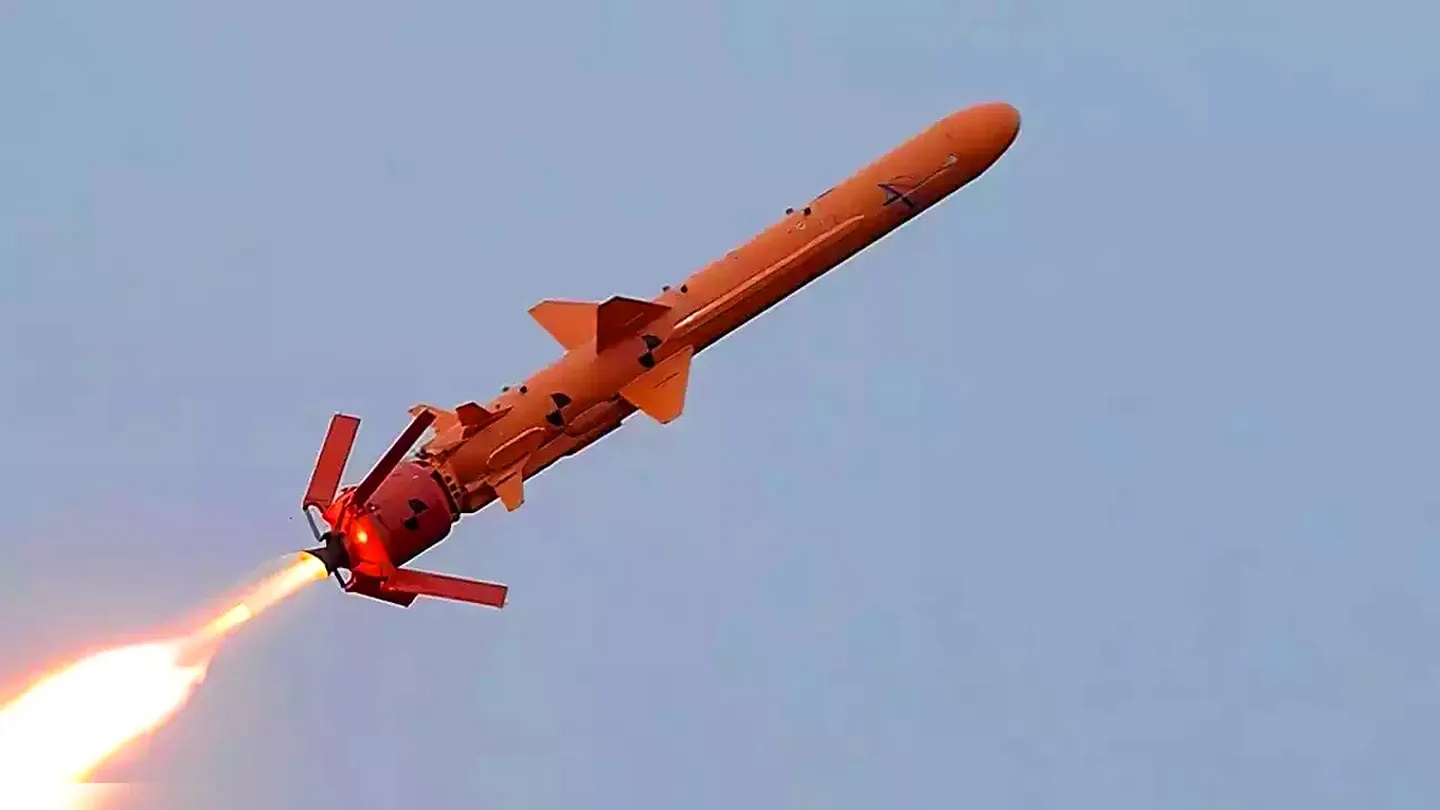
Kyiv, August 2025 – Ukraine has officially showcased a new long-range version of its domestically developed Neptune cruise missile, widely referred to as the “Long Neptune.” According to defence sources, the missile boasts a range of around 1,000 kilometres, significantly extending the reach of Ukraine’s strike capabilities.
The new missile was publicly revealed during a defence exhibition in Kyiv and has reportedly already been employed in combat operations since March 2025, underscoring Ukraine’s rapid advancement in indigenous missile technology despite ongoing conflict.
From Anti-Ship Weapon to Long-Range Strike Missile
The original R-360 Neptune, derived from the Soviet-era Kh-35 design, was developed by Ukraine as an anti-ship cruise missile. It gained international attention in April 2022 when a Neptune strike led to the sinking of the Russian Black Sea Fleet’s flagship cruiser, Moskva.
The new “Long Neptune” diverges from this naval strike role, being optimised for long-range land-attack missions. Analysts believe this evolution was necessary to provide Ukraine with a homegrown alternative to imported Western long-range missiles, such as the Storm Shadow and SCALP-EG.
Design Enhancements and Technical Features
Visual comparisons between the new missile and the earlier R-360 reveal several structural changes:
-
Length: Over 6 metres without its booster, roughly 1.5 metres longer than the R-360.
-
Fuselage Diameter: Expanded to 50 cm, compared to the original 38 cm.
-
Tail Section: Remains similar, housing the missile’s turbojet engine.
-
Wings and Tail Surfaces: Enlarged to handle heavier launch weight and improved stability.
The enlarged fuselage likely allows for greater fuel capacity, which accounts for the missile’s extended 1,000 km operational range. The warhead’s exact specifications remain classified, though the earlier R-360 carried a 150-kg high-explosive warhead.
Operational Role and Strategic Significance
The “Long Neptune” is designed to strike high-value land targets deep inside enemy territory, including military infrastructure, logistics hubs, airbases, and command centres. With a 1,000 km range, the missile can reach targets far beyond the frontlines, potentially including sites deep within Russian territory.
Its introduction offers Ukraine:
-
Strategic independence, reducing reliance on limited stocks of Western-supplied long-range missiles.
-
Deterrence capabilities, forcing Russia to defend critical assets previously considered beyond Ukraine’s strike range.
-
Operational flexibility, with options for both anti-ship and long-range land-attack missions depending on configuration.
Combat Use Already Confirmed
Ukrainian defence officials have hinted that the “Long Neptune” has been in active use since March 2025. Russian officials have also accused Ukraine of employing Neptune missiles in strikes against military facilities across occupied Crimea and even in Belgorod and Bryansk regions inside Russia.
If confirmed, this would mean the missile is not merely experimental but already a battle-tested system integrated into Ukraine’s arsenal.
Broader Context: Ukraine’s Expanding Missile Program
The unveiling of the Long Neptune comes amid Ukraine’s push to strengthen its domestic missile industry. With Western supplies often delayed or politically constrained, Kyiv has invested heavily in homegrown capabilities such as:
-
Hrim-2 (Grom-2) ballistic missile project, aimed at ranges up to 500 km.
-
Vil’kha-M guided rocket systems, extending artillery strike capabilities.
-
Adaptations of Soviet-era platforms to modern standards.
Together, these programs demonstrate Ukraine’s determination to maintain long-range strike capacity even under wartime conditions.
The debut of the 1,000 km-range “Long Neptune” marks a decisive shift in Ukraine’s missile development trajectory. From the weapon that sank the Moskva to a long-range land-strike platform, Neptune has evolved into a family of systems capable of reshaping the battlefield.
As extensive trials continue and combat usage expands, the Long Neptune stands as a powerful symbol of Ukraine’s resilience and innovation—showing that even under constant attack, the country is able to push forward advanced weapons that can alter the strategic balance.
✍️ This article is written by the team of The Defense News.