Ukraine Turns to India for Diesel as Trade Tensions Rise Over Russian Crude
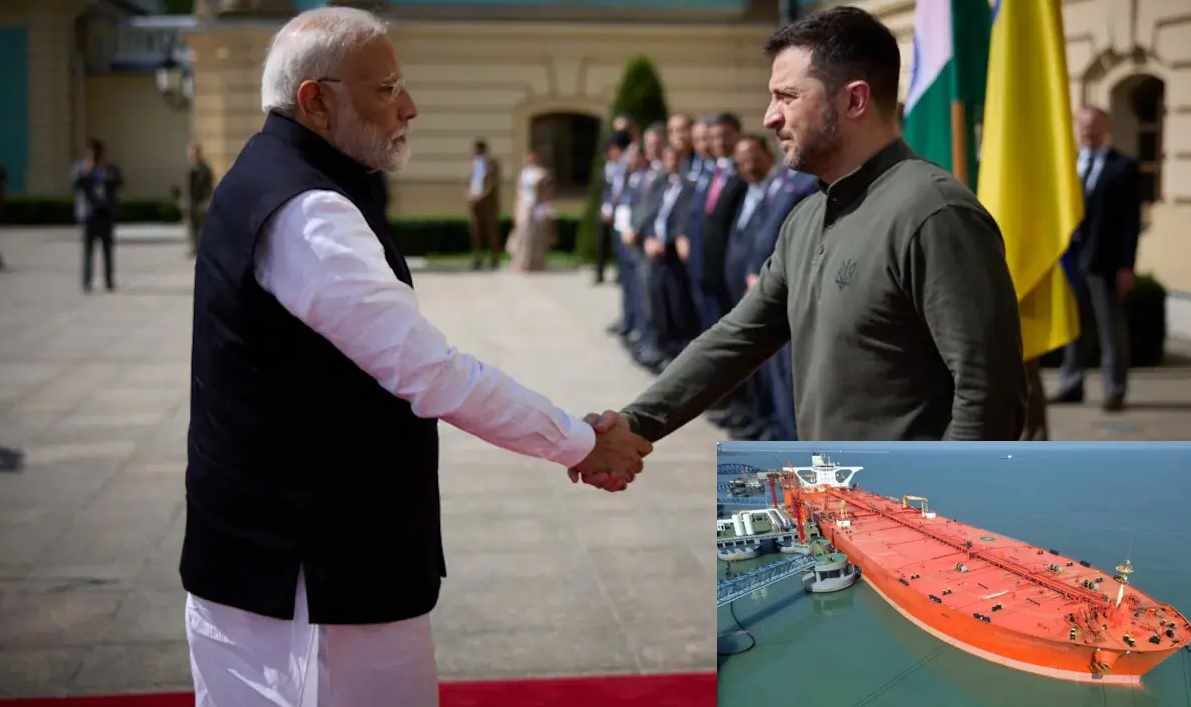
In July 2025, India quietly emerged as Ukraine’s single largest external supplier of diesel, accounting for about 15.5% of Kyiv’s diesel imports that month, according to Ukraine’s fuel-market monitor NaftoRynok. Cargoes reached Ukraine both directly and via European hubs—notably through the Danube river ports (with cargoes routed from Romania and Turkey) and through Odesa, where seaborne shipments from EU countries were discharged. In wartime, diesel is the lifeblood of logistics; while Kyiv does not publish end-use shares, fuel sourced through these channels helps keep military transport, emergency services, and the broader economy moving.
Why India—and why now?
Two structural shifts made this possible. First, European sanctions on Russian petroleum products (effective February 5, 2023) severed a major source of diesel for the EU and Ukraine’s neighborhood, forcing buyers to rewire supply chains toward Asia and the Middle East. Second, India—already a global refining hub anchored by Reliance’s Jamnagar complex—scaled up purchases of discounted Russian crude, refined it, and exported diesel at globally competitive prices, filling the hole left by Russia in Europe’s market.
It’s important to correct a common misconception: India is not the world’s largest oil refiner. The United States and China lead by capacity. India is, however, among the world’s top refining powers (commonly cited as fourth-largest), and Jamnagar remains the world’s largest single-site refinery complex, which together explain India’s outsized footprint in diesel exports.
The routes into Ukraine
NaftoRynok’s July data shows India rising to the No. 1 origin for Ukrainian diesel, followed by Romania and Turkey, with additional volumes funneled through Lithuania, Poland, and Germany. Much of this trade runs through Danube barge chains and Black Sea ports, reflecting how traders thread geography and security risks to keep Ukrainian fuel tanks filled.
The United States steps in with tariffs
Washington’s view is that India’s large intake of Russian crude—even when compliant with the G7 price-cap rules—indirectly softens the bite of sanctions by sustaining Moscow’s oil revenues. In late August 2025, the U.S. administration doubled tariffs on many Indian exports to a combined rate near 50%, explicitly linking the move to India’s continued purchases of Russian oil. New Delhi counters that buying discounted barrels is a commercial, not political, decision that keeps energy affordable for 1.4 billion people.
Europe’s uneasy dependence on Indian fuel
Since Europe banned Russian refined products, Indian diesel flows to Europe have repeatedly surged, at times reaching record highs. This “indirect” sourcing—fuels refined outside Russia from Russian-origin crude—sparked debates in Brussels over closing loopholes and tightening enforcement. Policy discussions and sanctions updates through mid-2025 signal a gradual clamp-down, though market realities (tight diesel inventories and refinery outages) have meant a careful, phased approach.
What this means next
-
For Ukraine: India gives Kyiv a reliable, price-competitive backstop in a market rattled by war and refinery strikes. Expect continued multi-leg logistics—Danube barges, coastal tankers, and EU pipeline interconnects—to keep volumes moving as security conditions shift.
-
For India: The calculus is changing. Tariffs from the U.S. increase friction for Indian exporters beyond the energy sector, while any EU tightening on fuels refined from Russian crude could redirect Indian diesel from Europe to alternative markets—potentially squeezing margins.
-
For global markets: Diesel remains structurally tight. If Europe further curbs fuels made from Russian crude, freight and arbitrage patterns will reshape again—likely nudging prices higher and creating new winners in the Gulf and new detours for Indian refiners.
✍️ This article is written by the team of The Defense News.