Ukraine Turns Crop Duster into Missile-Equipped Drone Hunter
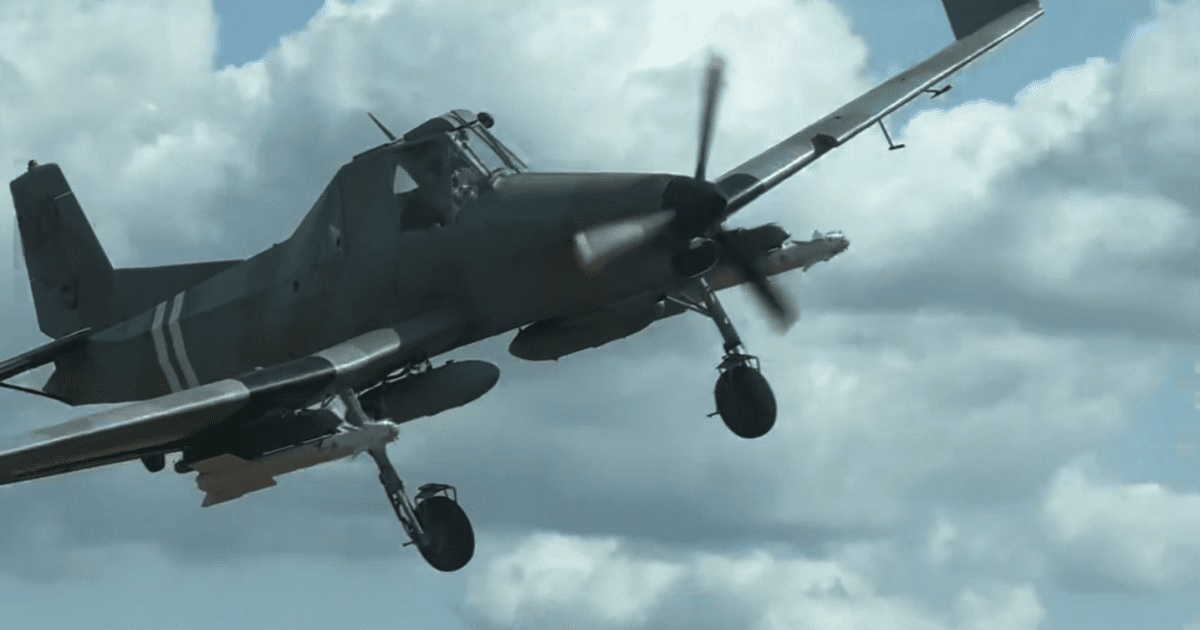
In one of the most unconventional air defense moves yet, Ukraine has modified a Zlin Z-137 Agro Turbo agricultural aircraft to carry two R-73 infrared-guided air-to-air missiles, underscoring Kyiv’s determination to adapt civilian platforms for frontline defense.
The sighting, revealed in newly circulated footage, shows the once crop-spraying turboprop repainted in military gray with white recognition stripes to avoid friendly fire. Beneath its wings, each pylon now holds an R-73 missile, a weapon traditionally launched from fighter jets like the MiG-29 or Su-27. Inboard, the aircraft also retains cylindrical stores, likely remnants from its agricultural role or auxiliary fuel tanks to extend patrol time.
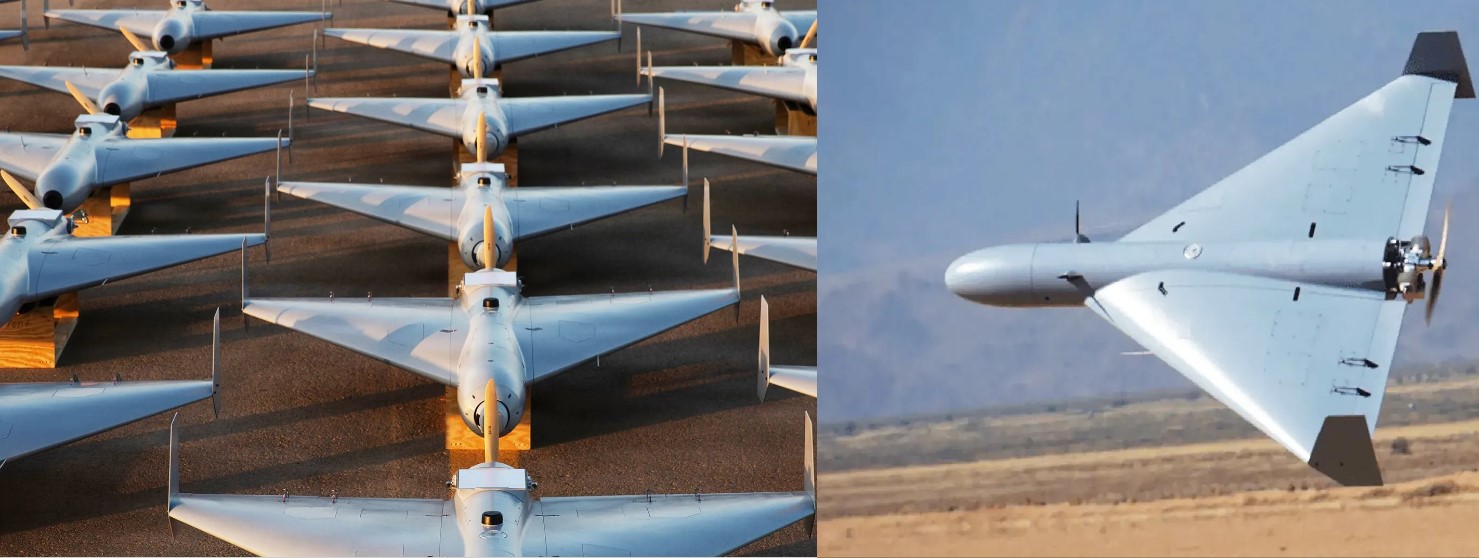
Originally designed in the 1980s in Czechoslovakia for low-altitude, slow-speed farming operations, the Z-137’s flight characteristics make it surprisingly suitable for chasing and intercepting low-flying drones—particularly Russia’s Shahed/Geran-2 loitering munitions, which operate at similar speeds and altitudes.
The R-73, known in NATO as the AA-11 Archer, is a short-range, highly agile missile capable of locking onto targets at extreme angles of up to ±75 degrees. While this missile is more expensive than many counter-drone options, Ukraine’s extensive existing stock allows it to repurpose them quickly without diverting advanced fighter jets from higher-priority missions.
Ukraine has already proven creative in its use of the R-73, integrating it into mobile surface-to-air missile trucks, improvised naval platforms, and even containerized launchers. Notably, such systems have scored confirmed kills against Russian helicopters over the Black Sea. The crop duster conversion now adds a low-cost, runway-friendly airframe to this diverse arsenal.
Military analysts note that while Western counter-drone systems like the U.S.-made VAMPIRE use cheaper laser-guided rockets, Ukraine’s approach prioritizes speed of fielding and flexibility. In wartime conditions where rapid adaptation can mean survival, the Z-137’s conversion could serve as a force multiplier in protecting key cities, infrastructure, and troop positions from persistent drone attacks.
Beyond its tactical role, the modification carries symbolic weight. By transforming an outdated agricultural workhorse into an armed interceptor, Ukraine sends a clear signal to both allies and adversaries: every available resource will be weaponized if needed. This kind of improvisation complicates Russian planning, as it introduces unpredictable threats into the airspace.
If the Z-137 proves successful in operational use, the concept could influence other nations facing drone warfare with limited access to advanced aircraft. It also reaffirms a broader shift in modern conflict—where ingenuity and adaptability often matter as much as raw firepower.
✍️ This article is written by the team of The Defense News.