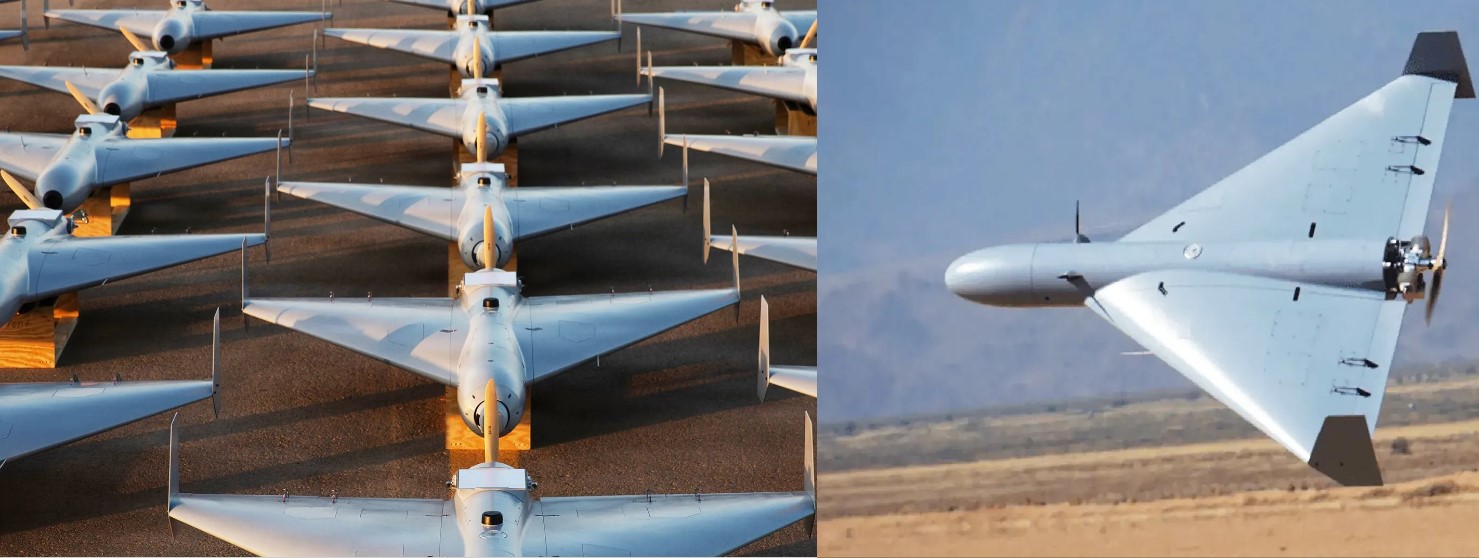
Ukraine Strikes Russia’s Kirishi Oil Refinery in Massive Drone Attack
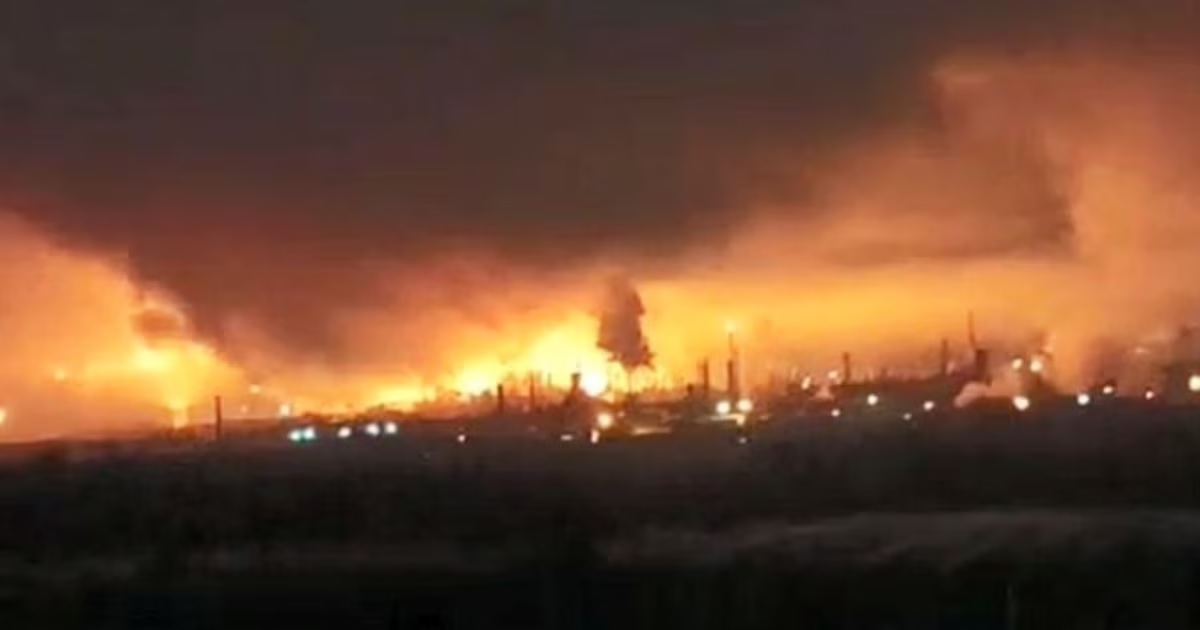
Overnight, Ukraine launched one of its largest drone attacks since the start of the war, targeting Russia with at least 361 drones, four guided aerial bombs, and a U.S.-made HIMARS missile, according to Russian defense officials. Among the key targets was the Kirishi oil refinery in the Leningrad region, one of Russia’s most important energy facilities.
What Happened
-
The Kirishi refinery, operated by Surgutneftegaz, processes about 17.7 million tons of crude oil annually (around 355,000 barrels per day), making up more than 6% of Russia’s refining capacity.
-
Regional governor Alexander Drozdenko said that three drones were shot down near the facility. Falling debris caused a fire, which was quickly extinguished. No injuries were reported.
-
Ukraine’s drone command confirmed responsibility, claiming a “successful strike” and reporting visible explosions and fires. The exact scale of damage to the refinery remains unclear.
Strategic Significance
-
This attack is part of a wider Ukrainian campaign against Russia’s energy infrastructure, including oil refineries, fuel depots, and pipelines. By targeting energy facilities, Ukraine aims to undermine Russia’s war economy and disrupt fuel supplies to its military.
-
The strike comes as several Russian regions already face fuel shortages, and further disruption at Kirishi could worsen the situation domestically.
-
Russia, meanwhile, announced that it had successfully tested a Zircon hypersonic missile in the Barents Sea and carried out joint military exercises with Belarus, signaling that it intends to show military strength even as its infrastructure comes under increasing pressure.
Global Context
The attack comes at a time when international pressure on Russia’s energy sector is intensifying. The United States has urged NATO allies to tighten sanctions, while the European Union has reaffirmed its plan to phase out Russian oil and gas imports by 2028. Energy exports remain a vital revenue stream for Moscow, making strikes on facilities like Kirishi especially damaging in both economic and psychological terms.
Outlook
While Russia insists its air defenses destroyed the vast majority of incoming drones, the repeated targeting of strategic oil facilities shows Ukraine’s intent to stretch Russian resources and erode its energy-based war financing. Analysts warn that such attacks could escalate further, with Russia potentially responding by intensifying missile strikes against Ukrainian infrastructure.
✍️ This article is written by the team of The Defense News.