Ukraine Develops Own HIMARS-Style Launcher to Secure Long-Range Precision Strike Independence
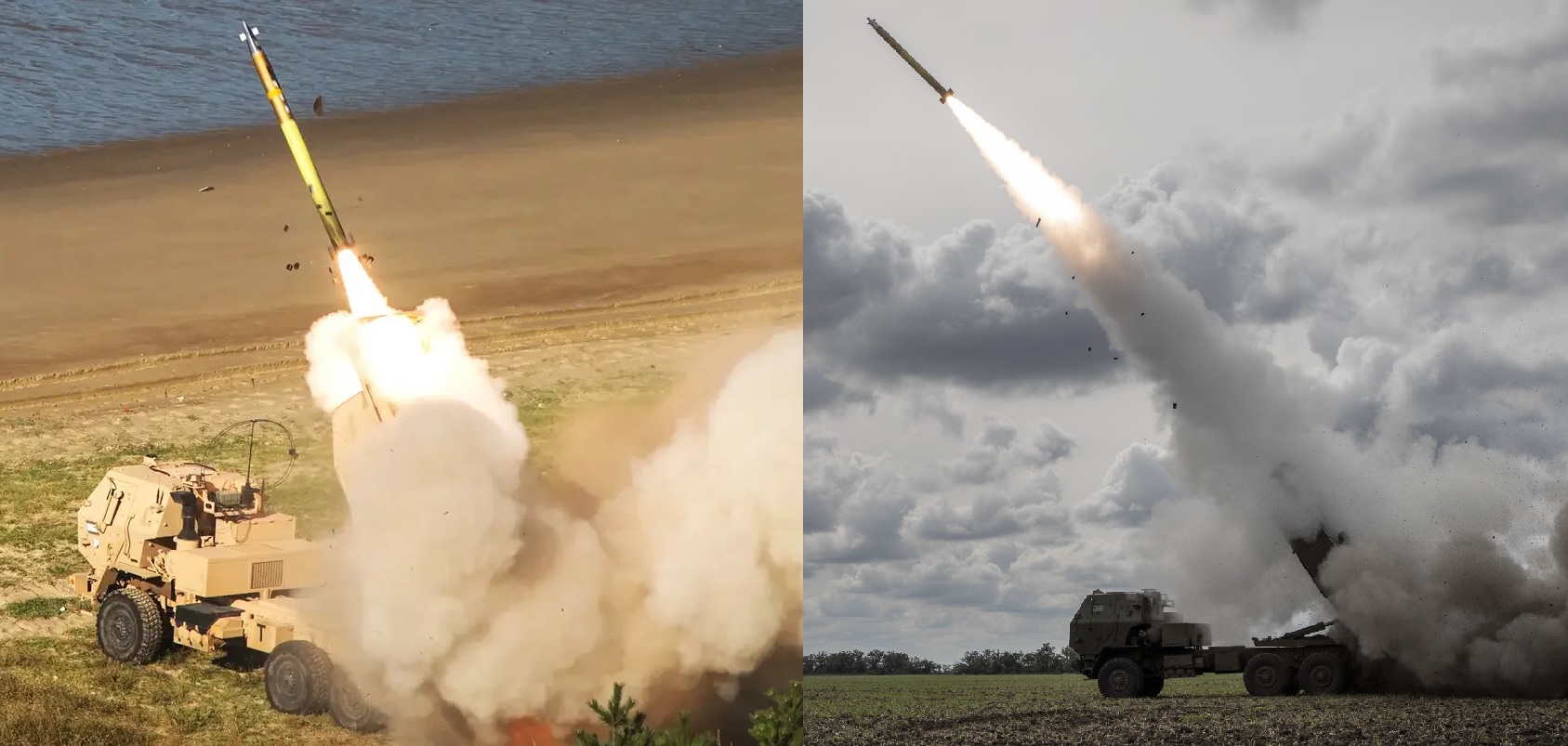
Ukraine is accelerating the development of a domestically produced, high-mobility precision strike launcher, conceptually modeled on the U.S.-supplied M142 HIMARS, as part of a wider effort to modernize missile forces and reduce long-term dependence on foreign weapons deliveries, Ukrainian officials and defense analysts say.
The project focuses on creating a universal missile and rocket launcher capable of firing multiple types of guided munitions from a single mobile platform. The design is directly shaped by battlefield experience from the ongoing war, where mobility, precision, and sustained long-range firepower have proven decisive in countering Russian artillery and logistics networks.
A Universal Launcher Driven by Combat Lessons
According to Colonel Andrii Zhuravlov, Deputy Chief of Staff of Ukraine’s Missile Forces and Artillery Command, the Armed Forces are working toward a “multifunctional missile complex” that consolidates guided rockets and missiles of different classes onto one launcher.
The approach mirrors the operational philosophy behind HIMARS—notably rapid deployment, shoot-and-scoot tactics, and high-accuracy strikes—but is being tailored to Ukraine’s industrial base and indigenous missile programs. Officials stress that the objective is adaptation, not duplication, enabling Ukraine to field a system that can evolve independently over time.
Impact of Western Precision Weapons
Western precision systems have fundamentally reshaped Ukraine’s strike capabilities. Following the arrival of HIMARS and the tracked M270 MLRS in mid-2022, Ukrainian forces gained the ability to conduct deep precision strikes against ammunition depots, command posts, and logistics hubs, forcing Russian forces to disperse assets and operate farther from the front.
Zhuravlov noted that Ukraine initially relied on 227-mm GMLRS guided rockets, with a strike range of up to 80 kilometers. In the second half of 2023, the United States began supplying ATACMS missiles with a 165-kilometer range, followed in 2024 by extended-range versions capable of reaching up to 300 kilometers.
While these systems delivered a major operational advantage, Ukrainian officials underline that munition availability remains tied to foreign production rates and political decisions, reinforcing the case for a domestic alternative.
Integration With Ukrainian Missile Programs
The planned launcher is expected to support existing and future Ukrainian missile systems, including the Vilkha MLRS, the Sapsan operational-tactical missile program, and extended-range variants of the Neptune missile.
Defense sources describe the Vilkha family as Ukraine’s most mature guided rocket capability, with advanced variants such as Vilkha-M reportedly achieving ranges of up to 130 kilometers, compared with 70 kilometers for earlier versions. Analysts see these systems as a core building block for the new universal launcher.
Platform and Industrial Outlook
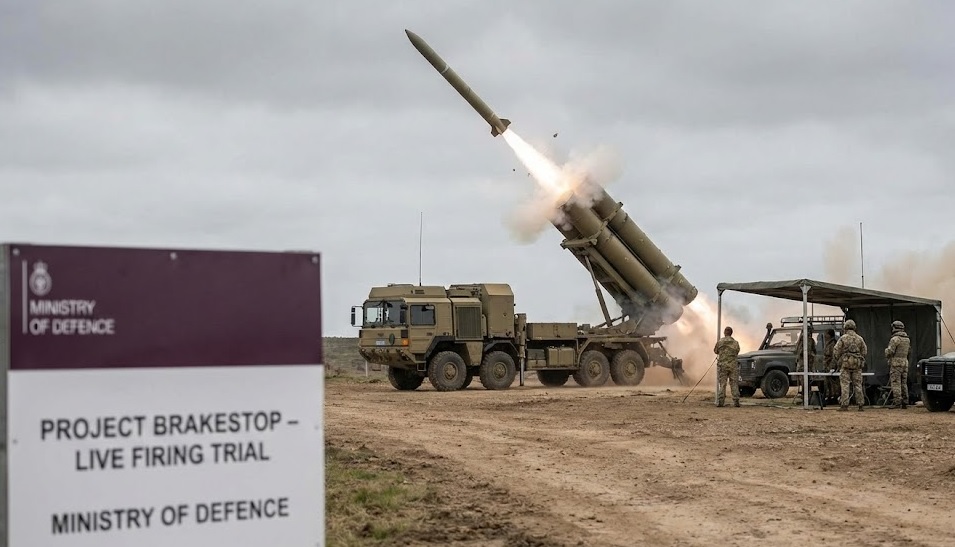
Although technical specifications and prototype imagery have not been released, defense analysts expect the launcher to be mounted on a wheeled, high-mobility truck chassis, potentially sourced from European manufacturers. Such a configuration would align with Ukraine’s emphasis on rapid relocation, lower operating costs, and ease of maintenance under wartime conditions.
A domestically controlled launcher would also give Kyiv greater freedom to integrate non-U.S. munitions, avoiding potential compatibility or export restrictions associated with foreign systems.
Strategic Significance
The development of a Ukrainian HIMARS-style launcher highlights Kyiv’s broader strategy of defense self-sufficiency under fire. By investing in a homegrown precision strike platform, Ukraine aims to secure long-term operational depth, maintain effective counter-battery fire, and preserve its ability to conduct deep strikes even if external supplies fluctuate.
While timelines, testing milestones, and production numbers remain undisclosed, Ukrainian officials describe the project as a long-term strategic investment rather than a short-term replacement for Western aid. If successful, the system would mark a significant step toward independent, sustainable precision warfare capability for Ukraine.
✍️ This article is written by the team of The Defense News.