Ukraine Deploys $1,000 Interceptor Drones to Blunt Russia’s Mass Drone Attacks
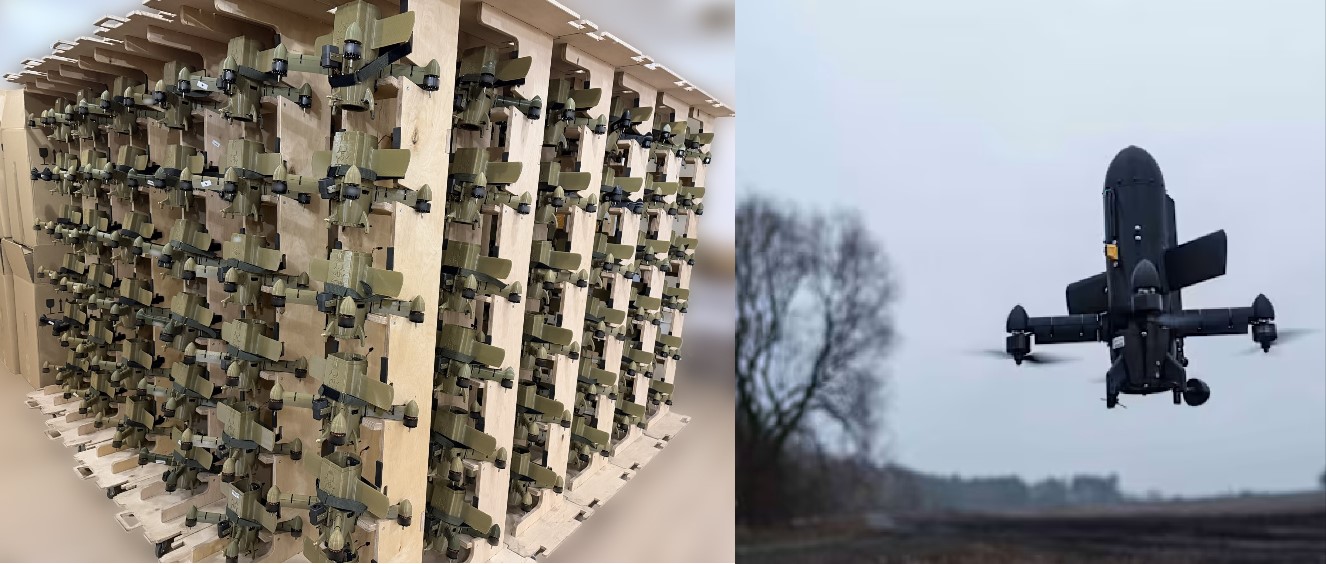
Ukraine has quietly reshaped how modern air defense can function under sustained attack, deploying swarms of low-cost interceptor drones to counter Russia’s relentless use of unmanned aerial vehicles. Some of these Ukrainian interceptors cost as little as $1,000, a fraction of the price of traditional air-defense missiles, and are now being produced at industrial scale. Officials say output has reached nearly 950 units per day, marking a significant shift in how the country protects its airspace.
The move comes as Russia continues large-scale nightly strikes designed to overwhelm Ukrainian defenses. On December 21–22, Russian forces launched 86 attack drones. Over recent months, Ukraine estimates that Russia has been using roughly 5,500 Shahed-type drones per month, relying on low cost and mass deployment to exhaust Ukraine’s missile stocks.
From Prototype to Frontline in Months
Ukraine’s interceptor drones were developed and fielded at unusual speed. What began as experimental systems tested by volunteer groups and frontline units moved from prototype to combat use within months. The Defense Ministry of Ukraine has since formalized the effort, signing contracts with more than 10 domestic manufacturers to ensure steady production and standardization.
According to Ukrainian defense officials, the interceptors have already destroyed more than 1,500 incoming Russian drones. Each interception allows Ukraine to conserve expensive surface-to-air missiles, which are now reserved for faster and more dangerous threats, including cruise missiles and aircraft. The result is a layered air-defense model that better matches the cost of defense to the cost of attack.
How the Interceptor Drones Work
Unlike traditional air-defense systems, many of Ukraine’s interceptors rely on human operators rather than complex radar guidance. One prominent system, known as the “Sting,” was developed by the volunteer group Wild Hornets. Operators pilot the drone using virtual-reality goggles, visually tracking enemy drones and steering the interceptor directly into them.
The method is deliberately simple. Instead of explosive warheads, the interceptor destroys its target through direct collision, sacrificing itself in the process. This approach keeps unit costs low and allows rapid scaling, even under wartime constraints. Ukrainian officials say the system’s effectiveness depends as much on trained operators as on the hardware itself.
Protecting Cities and Infrastructure
Military commanders stress that the impact of the interceptor program extends beyond battlefield metrics. Russian drone strikes have frequently targeted energy facilities, industrial sites, and residential areas, making air defense a matter of civilian protection as well as military necessity. One Ukrainian commander described each intercepted drone as “one less strike on homes, families, and critical infrastructure.”
By reducing the success rate of Russian drone attacks, Ukraine has limited the broader economic and psychological damage those strikes are intended to inflict. Power grids, transport hubs, and urban centers remain prime targets, particularly during winter months.
Implications Beyond Ukraine
Defense analysts say Ukraine’s experience is likely to influence global military planning. Russia’s reliance on cheap, mass-produced drones exposed the vulnerability of air-defense systems built around high-cost missiles. Ukraine’s response—countering low-cost threats with equally low-cost defenses—offers a potential blueprint for other countries facing similar challenges.
While interceptor drones cannot replace traditional air-defense systems, they have altered the balance by making sustained drone campaigns far less economical for the attacker. For Ukraine, the strategy is preserving critical resources in a war of attrition. For the wider defense community, it underscores a growing reality of modern conflict: economics and production speed can matter as much as advanced technology.
✍️ This article is written by the team of The Defense News.