Ukraine Claim ATACMS Strike Neutralizes Russian S-400 System in Kursk
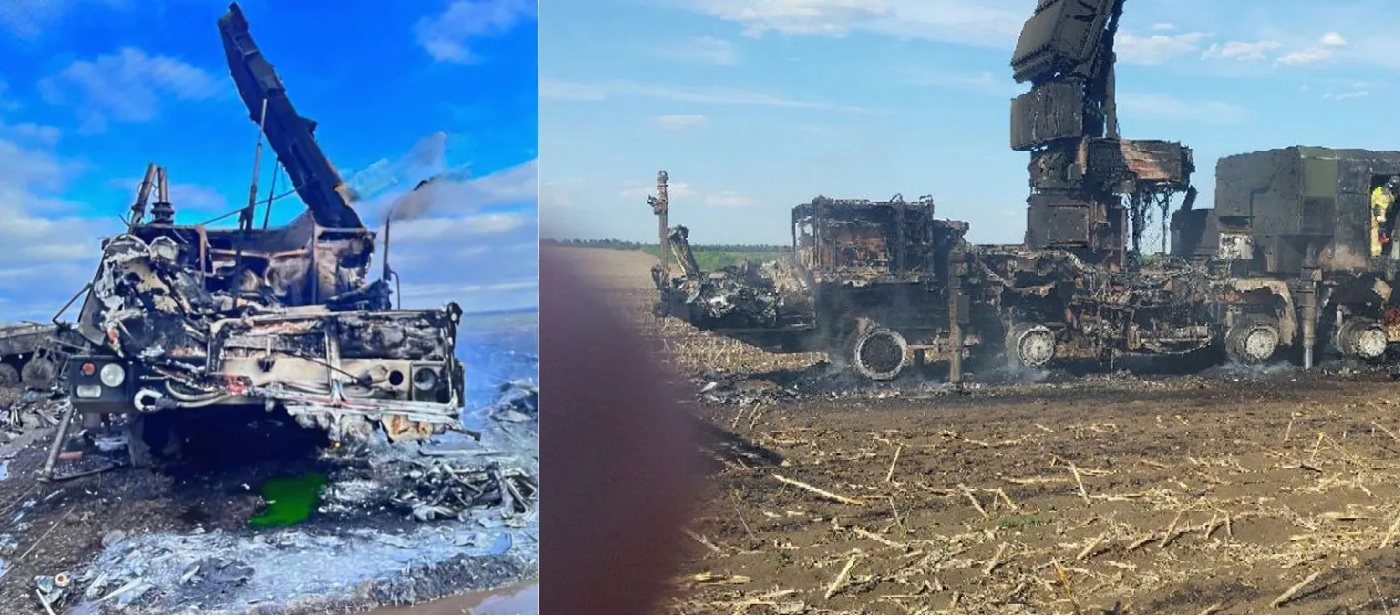
On November 23, 2024, the battlefield in Eastern Europe witnessed a significant turn as a precision-guided missile strike targeted one of Russia's most advanced air defense systems, the S-400, in the village of Bolshoe Zhirovo, Kursk region. The strike, reportedly carried out by three ATACMS (Army Tactical Missile System) ballistic missiles, delivered a severe blow to the Russian military, crippling vital components of the air defense network and inflicting substantial personnel losses.
The attack destroyed key elements of the S-400 system, including the 92N6E radar station—a critical part of the system's tracking and engagement capabilities—and two missile launchers. The precision of the strike was amplified by the fact that the S-400 unit was in a non-combat state, undergoing maintenance and repairs. This downtime proved to be a fatal vulnerability, highlighting both the sophistication of the ATACMS and the meticulous intelligence efforts preceding the operation.
The human toll of the attack was equally significant. Among those killed were five senior officers, including Major Maxim Solodovnikov and Captain Sergey Zavorin, along with three technicians from Almaz-Antey JSC, the firm responsible for developing the S-400. The losses of both military and civilian specialists underline the far-reaching impact of the strike, not just in terms of hardware but also expertise.
Unpacking the ATACMS Advantage
The ATACMS missiles used in this strike represent a key capability in modern warfare. With a range of up to 300 kilometers and equipped with GPS-guided precision, these missiles can deliver devastating results against high-value targets. Each missile carries a substantial warhead capable of neutralizing hardened positions, radar installations, and command centers. The system's mobility and rapid deployment make it a potent choice for Ukraine in countering Russian strategic assets.
First confirmed successful ATACMS strike on Russian soil. S-400 air defence system radar and two launchers were destroyed in the Kursk region of Russia on 23.11.2024:
— Special Kherson Cat 🐈🇺🇦 (@bayraktar_1love) November 25, 2024
«On November 23, 2024, a missile strike was carried out on the S-400 air defense system in the village of… pic.twitter.com/2aD1ZWNig5
The decision to target the S-400, a cornerstone of Russia's layered air defense strategy, reflects a calculated effort to degrade Moscow's ability to project air dominance. The S-400 is renowned for its capacity to engage multiple types of aerial threats, from low-flying cruise missiles to high-altitude ballistic missiles, at ranges exceeding 400 kilometers. By incapacitating this system, Ukrainian forces have not only created a gap in Russia’s air defense but also sent a clear message about their evolving capabilities and strategic resolve.
Broader Implications of the Strike
The strike holds profound implications for the ongoing conflict. First, it exposes vulnerabilities in Russian military logistics and maintenance practices, even for its most advanced systems. The S-400's inability to defend itself during downtime raises questions about operational readiness and situational awareness within Russian ranks.
Second, the use of ATACMS within Russian territory marks a notable escalation in Ukraine's tactical repertoire. While these missiles had been a subject of intense diplomatic negotiations and warnings from Moscow, their deployment in this instance underscores Kyiv's determination to leverage its growing arsenal for strategic gains. This move may compel Russia to reevaluate its defensive postures and redeploy resources to safeguard critical assets deeper within its borders.
Finally, the psychological impact of the strike cannot be understated. The loss of a high-profile asset like the S-400, coupled with the deaths of senior personnel, is a morale blow to the Russian military and a propaganda victory for Ukraine. For Kyiv, this operation serves as both a demonstration of capability and a deterrent against future aggression.
As the conflict continues, the precision and efficacy of modern missile systems like the ATACMS are likely to play an increasingly pivotal role. For Ukraine, the successful neutralization of the S-400 exemplifies how strategic ingenuity and advanced technology can overcome numerical and logistical disadvantages. For Russia, the incident underscores the need for heightened vigilance and adaptability in an era where precision strikes can exploit the slightest lapse in readiness.
The strike on Bolshoe Zhirovo is not merely a tactical victory; it is a strategic signal, reshaping the contours of a conflict that is as much about technological supremacy as it is about territorial control.
✍️ This article is written by the team of The Defense News.