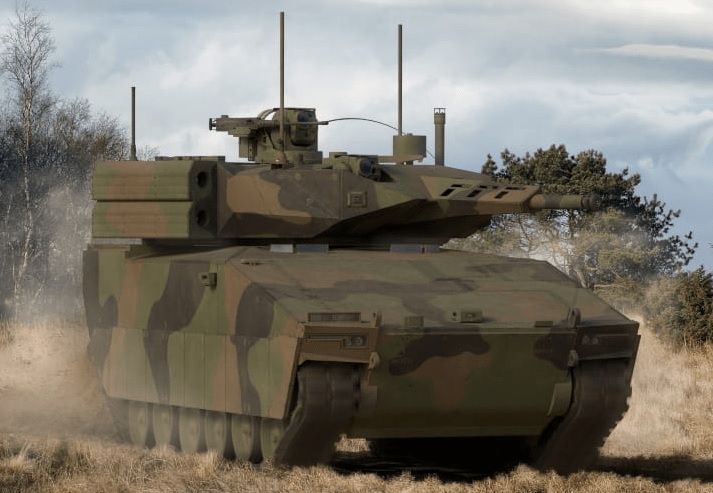
U.S. to Deploy ‘Dark Eagle’ Hypersonic Missiles to Germany as Russia Stations Oreshnik in Belarus
BERLIN/WASHINGTON : The United States is under growing pressure to accelerate its planned deployment of land-based, long-range strike weapons to Germany after Russia and Belarus showcased the arrival of the nuclear-capable “Oreshnik” hypersonic missile system on Belarusian soil — a move that dramatically compresses warning times for parts of NATO’s eastern flank and reinforces Moscow’s message that it can escalate faster than Western capitals can deliberate.
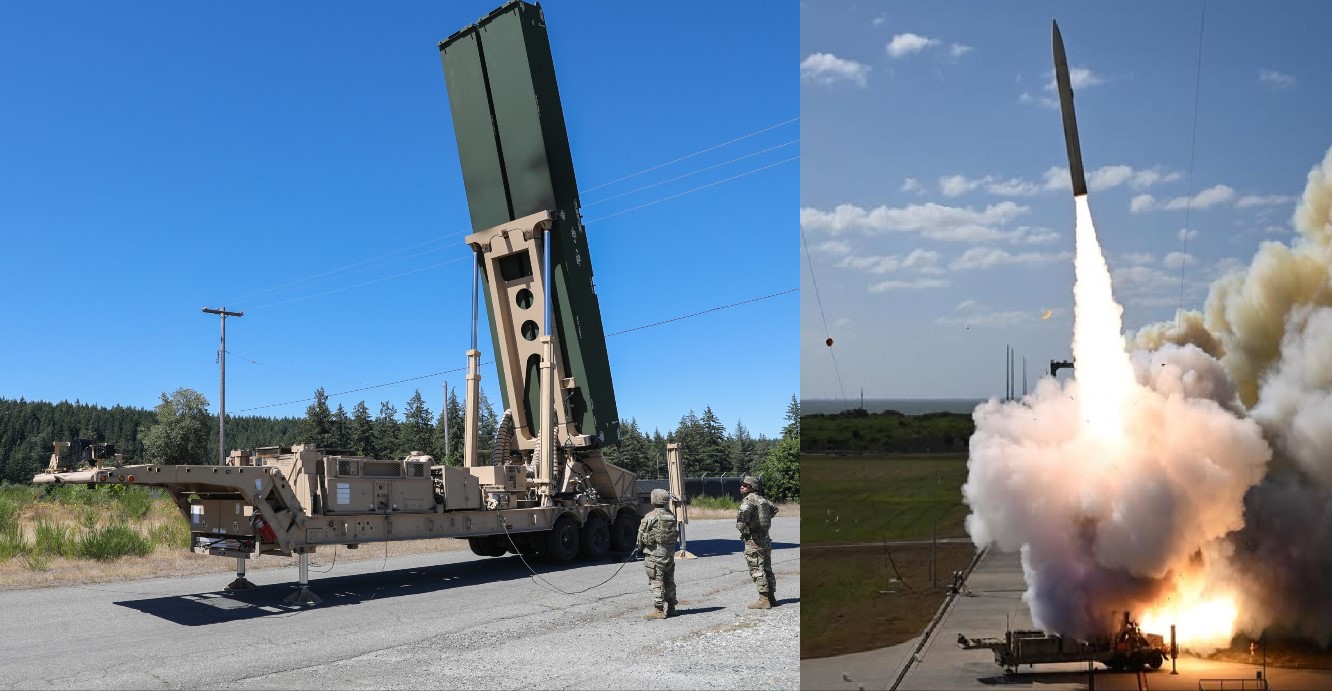
While Washington and Berlin have not publicly announced a revised schedule, the baseline plan already envisions U.S. Army “episodic deployments” of a package that includes Tomahawk land-attack cruise missiles, SM-6 missiles, and a developmental hypersonic weapon widely referred to as the Long-Range Hypersonic Weapon (LRHW) / “Dark Eagle”, starting in 2026.
The Trigger: Oreshnik Footage, a Former Airbase, and a New Forward Posture
On December 30, 2025, Belarus released footage showing Oreshnik launchers being placed on combat duty, with President Alexander Lukashenko confirming the system’s presence in-country. Independent analysts cited in reporting said indicators point to a former airbase near Krichev in eastern Belarus as a likely deployment site.
Russia has cast Oreshnik as exceptionally hard to stop, with reporting describing speeds over Mach 10 and a range in the 5,000 km to 5,500 km class, depending on the public claim or assessment — distances that place large parts of Europe within reach from Belarus. Russia has also spoken of stationing up to 10 systems there, underscoring the scale of the messaging effort as much as the military effect.
What the U.S. Package for Germany Includes
The U.S.–Germany plan was formally announced on July 10, 2024, on the sidelines of the NATO summit in Washington. The joint statement said the U.S. would begin 2026 “episodic deployments” of the long-range fires capabilities associated with its Multi-Domain Task Force construct, as groundwork for “enduring stationing” later.
When fully developed, the deployed toolkit is expected to include three headline systems.
First is Tomahawk, a long-range land-attack cruise missile adapted for ground launch as part of the U.S. Army’s mid-range capability architecture.
Second is SM-6, a multi-mission missile better known as a naval weapon but now being positioned as a land-based option for air defense and maritime/land strike roles under the same family of launch systems tied to U.S. Army long-range fires.
Third is the LRHW / “Dark Eagle” — the developmental hypersonic element of the 2026 package. Open-source technical descriptions commonly cite a maximum speed around Mach 17 and a range on the order of 1,725 miles (2,775 km) for the weapon concept as presented publicly.
The Launchers and the Math Behind “Salvo” Capacity
A key enabling system for the non-hypersonic portion of this approach is the U.S. Army’s Typhon launcher (also referred to in analysis as a Mid-Range Capability system), designed to fire Tomahawk and SM-6 from ground-based launchers.
One NATO-region assessment describes a Typhon battery as four launchers capable of firing up to 16 missiles in a single collective salvo (a mix of Tomahawks and SM-6s), a detail that helps explain why planners view the system as more than symbolic: it is designed for repeatable, mobile, land-based strike at scale.
Is the Pentagon “Fast-Tracking” the Move?
Claims that the Pentagon is “fast-tracking” missile deployments to Germany have circulated in OSINT and social media commentary in recent days, largely framed as a response to the Belarus/Oreshnik developments. However, the most authoritative public record still points to the previously announced 2026 start for episodic deployments, and no official U.S. or German statement has yet confirmed a formally accelerated timeline.
What has changed is the strategic context. Russia’s Belarus deployment is being interpreted by multiple observers as an attempt to deter NATO support for Ukraine and to complicate Western basing decisions — especially as arms control timelines tighten and European capitals debate how much risk they can absorb.
Why Germany Matters — and Why the U.S. Needs Allies
The 2024 announcement tied the deployments to broader European integrated deterrence, implicitly acknowledging that geography, access, and allied infrastructure are decisive in any contest of long-range fires.
That reality is now sharper: Belarus offers Russia a more forward location for advanced missiles, while Germany offers the United States the central logistics, command connectivity, and political weight to field countervailing capabilities credibly inside NATO’s core. Whether Washington keeps to 2026 or tries to compress preparations, the direction of travel is the same — more land-based long-range strike in Europe, more hypersonic signaling from Moscow, and less room for ambiguity about how dependent the U.S. is on allied territory when the strategic clock speeds up.
✍️ This article is written by the team of The Defense News.