U.S. and Türkiye Move Toward F-35 Restart and F-16 Fleet Renewal During U.N. Summit
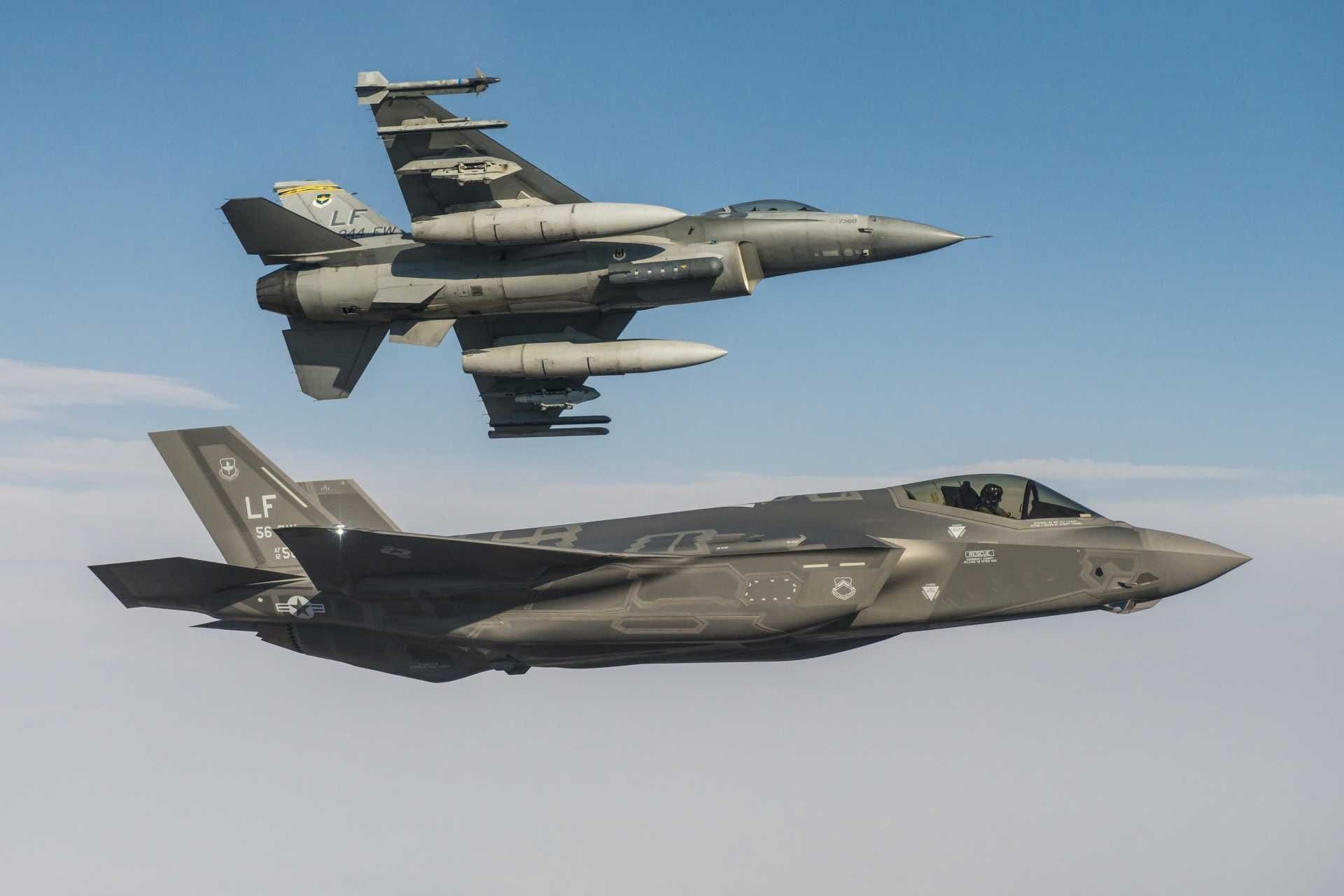
On September 25, 2025, during the week of the United Nations General Assembly in New York, a high-stakes meeting between U.S. President Donald J. Trump and Turkish President Recep Tayyip Erdoğan could reshape the future of defense ties between Washington and Ankara. The agenda is set to focus on a potential defense package combining 40 F-35 stealth fighters, 40 F-16 Block 70 Vipers, and associated weapons, while also revisiting Türkiye’s possible reentry into the F-35 program after years of exclusion.
The Core Proposal
Both leaders will weigh a package that sustains Türkiye’s airpower in the near term while addressing its long-standing demand for the F-35. For Ankara, the F-16 deal provides immediate support to its air force, while the F-35 negotiations hold the key to advanced capabilities, stealth operations, and secure interoperability with NATO.
The S-400 Obstacle
The central obstacle remains the Russian-made S-400 missile defense system, purchased by Türkiye in 2017. Washington insists that the system creates unacceptable risks to NATO operations and to the security of F-35 technology. Under the Countering America’s Adversaries Through Sanctions Act (CAATSA), the United States has made clear that Türkiye cannot return to the F-35 program unless a verifiable and irreversible solution is found.
Possible solutions discussed include:
-
Deactivation or dismantlement of the system,
-
Transfer to a third country, or
-
Placing it under U.S. technical control on Turkish soil.
So far, Ankara has maintained that the S-400 is stored but could be activated within 12 hours, a position Washington views as insufficient.
Congressional and Legal Hurdles
The U.S. Congress has been deeply involved. Lawmakers argue that no transfer of F-35s can occur unless Türkiye proves it no longer possesses an operational S-400 system. Several provisions in past defense laws explicitly bar the sale until this condition is met. This means any breakthrough will require not only executive agreement but also congressional approval.
F-16 Path as a Bridge
While the F-35 issue remains unsettled, the F-16 track has become the practical solution. In early 2024, the U.S. cleared a major notification for 40 new F-16 Block 70 fighters. Türkiye initially also planned to buy 79 U.S. modernization kits but later canceled them, choosing instead to rely on its ÖZGÜR program—a domestic upgrade project adding new avionics, radars, electronic warfare systems, and cockpit displays to existing jets.
This restructuring lowered the overall cost to roughly 6.5–7 billion dollars, with Ankara confirming an initial payment of 1.4 billion dollars. By relying on the ÖZGÜR upgrades, Türkiye ensures independence in sustaining its fighter fleet while still maintaining NATO standards.
The Six F-35s in Limbo
Adding symbolic weight are the six Turkish F-35A jets already built and stored at Luke Air Force Base in Arizona. These aircraft were never delivered after Türkiye’s removal from the program in 2019, despite Ankara’s investment of over 1.3 billion dollars. Türkiye continues to demand either their delivery or reimbursement, making them a central piece in negotiations.
Indigenous Alternatives
While pressing for the F-35, Türkiye has also pursued alternatives:
-
Negotiations with European partners for the Eurofighter Typhoon,
-
Development of its domestic KAAN fifth-generation fighter, which has flown prototypes since 2024.
Still, experts note that KAAN cannot match the F-35’s stealth, sensor fusion, or networked warfare capabilities in the near term, explaining Ankara’s persistence in seeking access to the U.S. program.
Strategic Consequences
-
With F-16s only: Türkiye ensures fleet readiness, patrol capability, and strike capacity in regions such as the Black Sea, Eastern Mediterranean, and Middle East.
-
With F-35s added: Türkiye gains stealth and advanced interoperability, strengthening NATO operations in contested environments.
-
For the U.S.: The deal could restore confidence in Ankara as a NATO partner while providing a major boost to U.S. defense industry exports.
Outlook for September 25
The Trump-Erdoğan summit is poised to be a defining moment. Three outcomes are possible:
-
Partial deal – agreement on F-16s, with technical talks continuing on the F-35.
-
Breakthrough – verifiable S-400 solution unlocking Türkiye’s return to the F-35.
-
Stalemate – strong political statements but no resolution, pushing the issue further into the future.
This meeting will determine whether Türkiye reclaims its place in the world’s most advanced fighter program or continues relying on a dual strategy of F-16 modernization and indigenous development, while its long-standing investment in the F-35 remains unresolved.
✍️ This article is written by the team of The Defense News.