U.S. Veto on Arrow-2 Deal Spurred India’s Rise of a Self-Reliant Ballistic Missile Defence Shield
After the Kargil War in 1999, India faced the harsh reality of a possible two-front war—with Pakistan to the west and China in the north. Pakistan, aided by China, rapidly expanded its ballistic missile programme, altering South Asia’s security balance. For India, still recovering from the shock of Kargil and closely observing China’s military consolidation in Tibet, the need for an advanced ballistic missile defence (BMD) system became urgent.
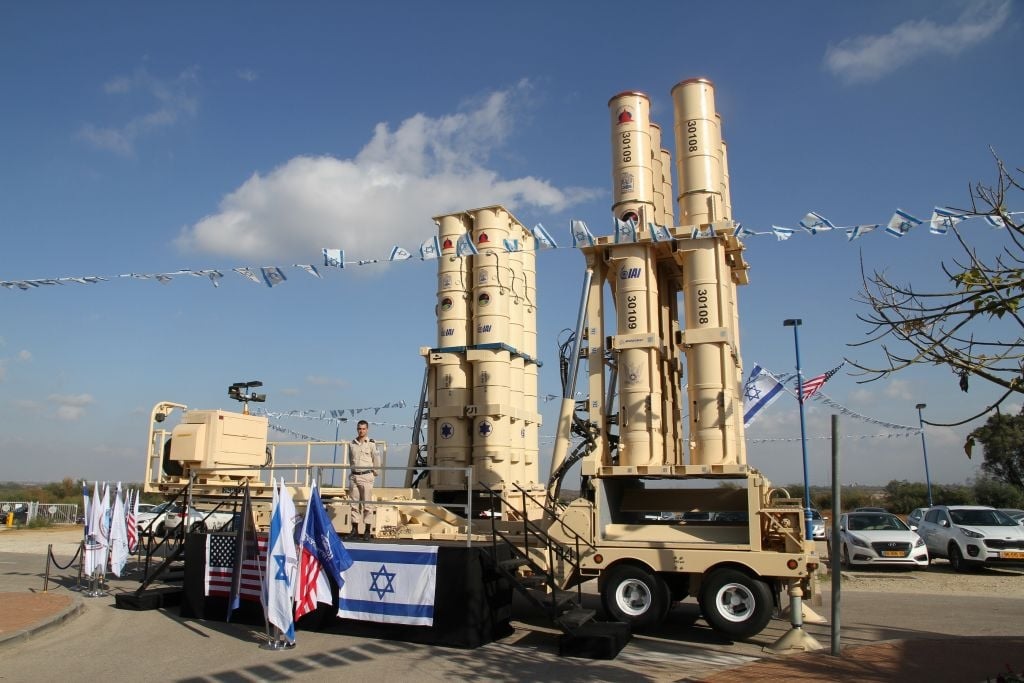
India turned to its trusted defence partner, Israel, for the cutting-edge Arrow-2 interceptor, designed to neutralise short- and medium-range ballistic missiles up to 300 km. Israel was ready to supply, but the system had been co-developed with the U.S. Missile Defense Agency, giving Washington veto rights. In 2002, the United States blocked the sale, arguing that India was not part of the Missile Technology Control Regime (MTCR) and that such a transfer could destabilise the region. Ironically, Pakistan’s missile expansion, with Chinese assistance, continued unhindered.
The denial exposed double standards in Washington’s South Asia policy and became a turning point for New Delhi. Rather than remain dependent on external suppliers, India tasked the Defence Research and Development Organisation (DRDO) to build an indigenous BMD system.
Phase I: First Layer of Defence
-
Prithvi Air Defence (PAD): Designed for exo-atmospheric interception at 50–80 km altitude.
-
Advanced Air Defence (AAD): Endo-atmospheric interceptor for close-range engagements at 15–30 km altitude.
-
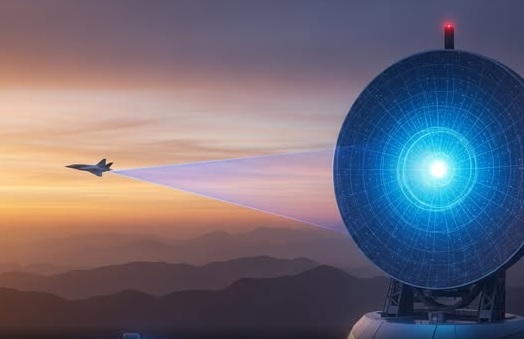
Swordfish Long-Range Radar: Based on Israeli technology, enhanced to detect threats beyond 600 km.
By 2006–2007, India successfully tested PAD and AAD, proving it could destroy incoming missiles in both high and low atmospheric layers. By the mid-2010s, Phase I had achieved operational readiness, with plans to shield cities like Delhi and Mumbai.
Phase II: Long-Range and Advanced Interception
To deal with longer-range and more complex threats, India moved to Phase II.
-
AD-1: A two-stage missile capable of intercepting targets up to 5,000 km.
-
AD-2: Designed for intermediate-range and intercontinental-class threats.
In November 2022, India tested the AD-1 interceptor successfully. In July 2024, the system demonstrated an integrated network-centric trial, where radars, control centres, and interceptors worked seamlessly. These achievements positioned India among the handful of nations with advanced multi-layered missile shields.
Future Vision: Mission Sudarshan Chakra
India’s ambition is to secure the entire nation under Mission Sudarshan Chakra, aiming for a shield comparable to global systems like S-400 or Iron Dome. The upcoming Project Kusha, beginning trials in 2026, is central to this effort, with interceptors capable of handling long-range and hypersonic threats.
On August 23, 2025, DRDO also tested the Integrated Air Defence Weapon System (IADWS), an indigenous multi-layered shield that blends missile, radar, and command-and-control systems into one architecture.
Strategic Lessons
The Arrow-2 denial underscored to India that strategic autonomy cannot rely on foreign goodwill. While the U.S. blocked advanced defence transfers in the name of “regional stability,” Pakistan modernised its arsenal freely with external help. The episode deepened India’s reliance on a diversified procurement strategy—sourcing key systems from Russia, Israel, and Europe—while accelerating indigenous development.
Today, India possesses a credible two-tiered missile defence shield and is advancing towards a national umbrella shield by 2035. What began as a setback has matured into one of India’s greatest defence success stories.
The U.S. veto on Arrow-2, intended to limit India’s capabilities, instead sparked a defence revolution. It compelled India to embrace self-reliance, and two decades later, the country’s indigenous BMD stands as one of the most advanced in the world—built not in spite of restrictions, but because of them.
✍️ This article is written by the team of The Defense News.