U.S. Uranium Processing Facility Faces Cost Overruns and Delays, Safety Risks Mount at Aging Oak Ridge Plant
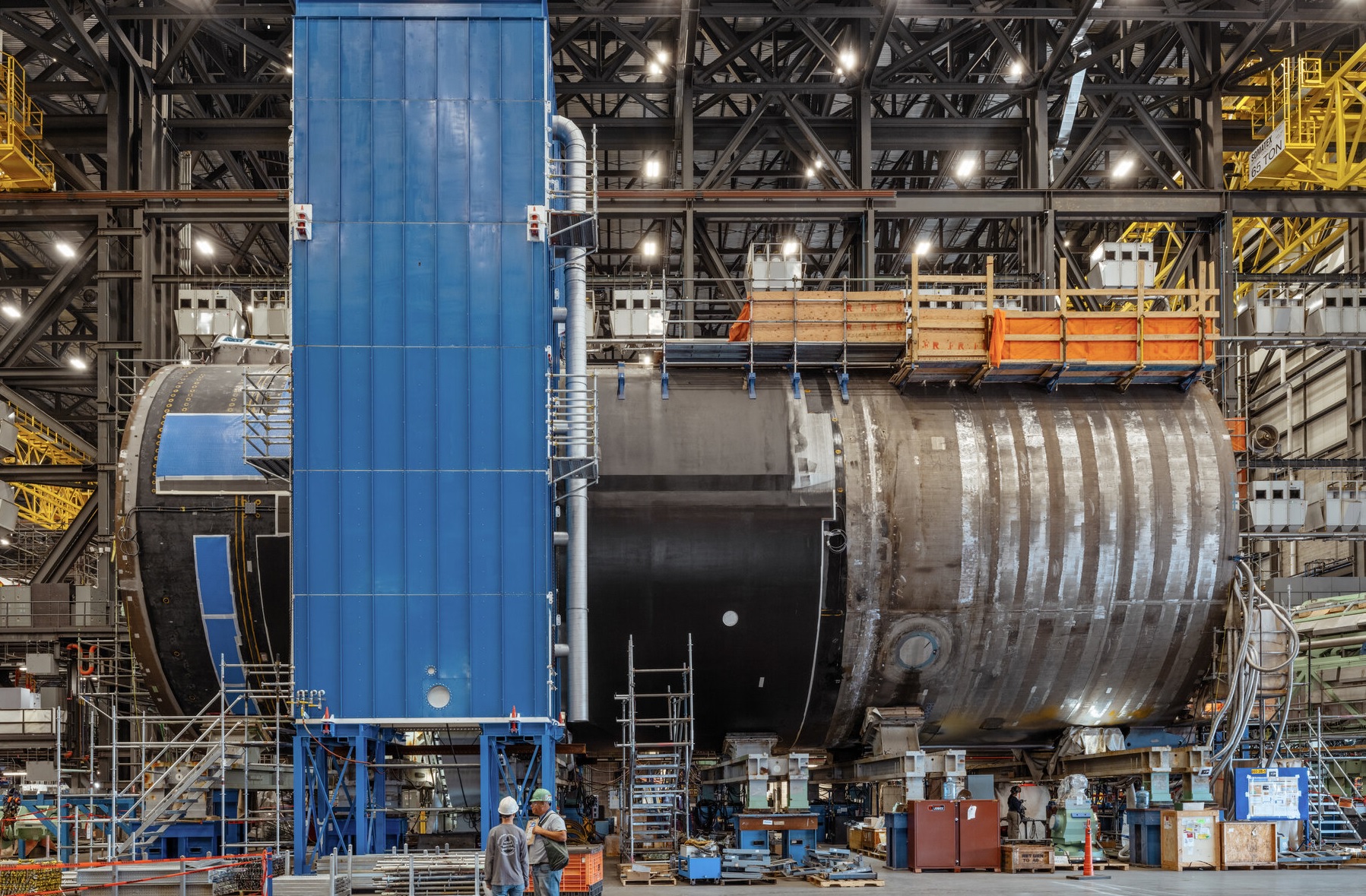
U.S : The United States’ efforts to modernize its uranium processing capabilities have hit a major stumbling block. A new report from the Government Accountability Office (GAO) reveals that the construction of a state-of-the-art Uranium Processing Facility (UPF) in Oak Ridge, Tennessee, is years behind schedule and billions over budget.
The project, overseen by the National Nuclear Security Administration (NNSA), began in 2004 with promises of improved efficiency, safer operations, and reduced long-term costs. The new facility was originally expected to cost $6.5 billion and become operational in 2026. Now, however, its completion date has slipped to 2034, and the price tag has risen to an estimated $10.35 billion—about $4 billion over earlier projections.
While delays drag on, the U.S. remains dependent on Building 9212, a uranium processing complex built in 1945 during the Manhattan Project. The building is plagued with aging infrastructure and safety concerns. Inspectors have documented corroded pipes, cracked walls, and deteriorating roofing. Critical systems such as fire suppression, HVAC, and radiation alarms are at risk of failure. The GAO noted that the facility does not meet modern seismic or severe weather standards, raising concerns about its ability to withstand emergencies.
Repairs to Building 9212 began in 2020 but have often stalled due to funding shortfalls and shifting budget priorities. Officials initially assumed the facility would soon be retired, but repeated UPF delays have forced its continued use. Without a robust safety plan, the risks of continued operation are mounting. Past incidents—including uranium material leaks and malfunctioning fire systems—highlight the dangers of relying on outdated equipment.
The GAO identified several causes for the project’s setbacks, including poor contractor performance, late reporting of cost overruns, and workforce shortages. These factors have stretched what was supposed to be a two-decade modernization effort into a project that will span three decades before completion.
National security experts warn that the delays could have far-reaching implications. The facility is essential not only for maintaining the U.S. nuclear weapons stockpile but also for supplying fuel for naval reactors that power submarines and aircraft carriers. Continued reliance on an 80-year-old plant, without a comprehensive safety plan, poses risks to both national defense operations and worker safety.
In response to the GAO’s recommendations, the NNSA has agreed on the need for a safety strategy to manage Building 9212 until UPF is completed. However, the agency has not yet released a detailed plan to the public.
As costs rise and deadlines extend, the Oak Ridge project has become a symbol of the challenges facing U.S. nuclear infrastructure modernization. Unless urgent steps are taken, the United States may continue to depend on a deteriorating World War II-era facility well into the next decade, raising questions about both safety and strategic readiness.
✍️ This article is written by the team of The Defense News.