U.S Tells Americans to Leave Iran as Protests, Internet Shutdowns Spread
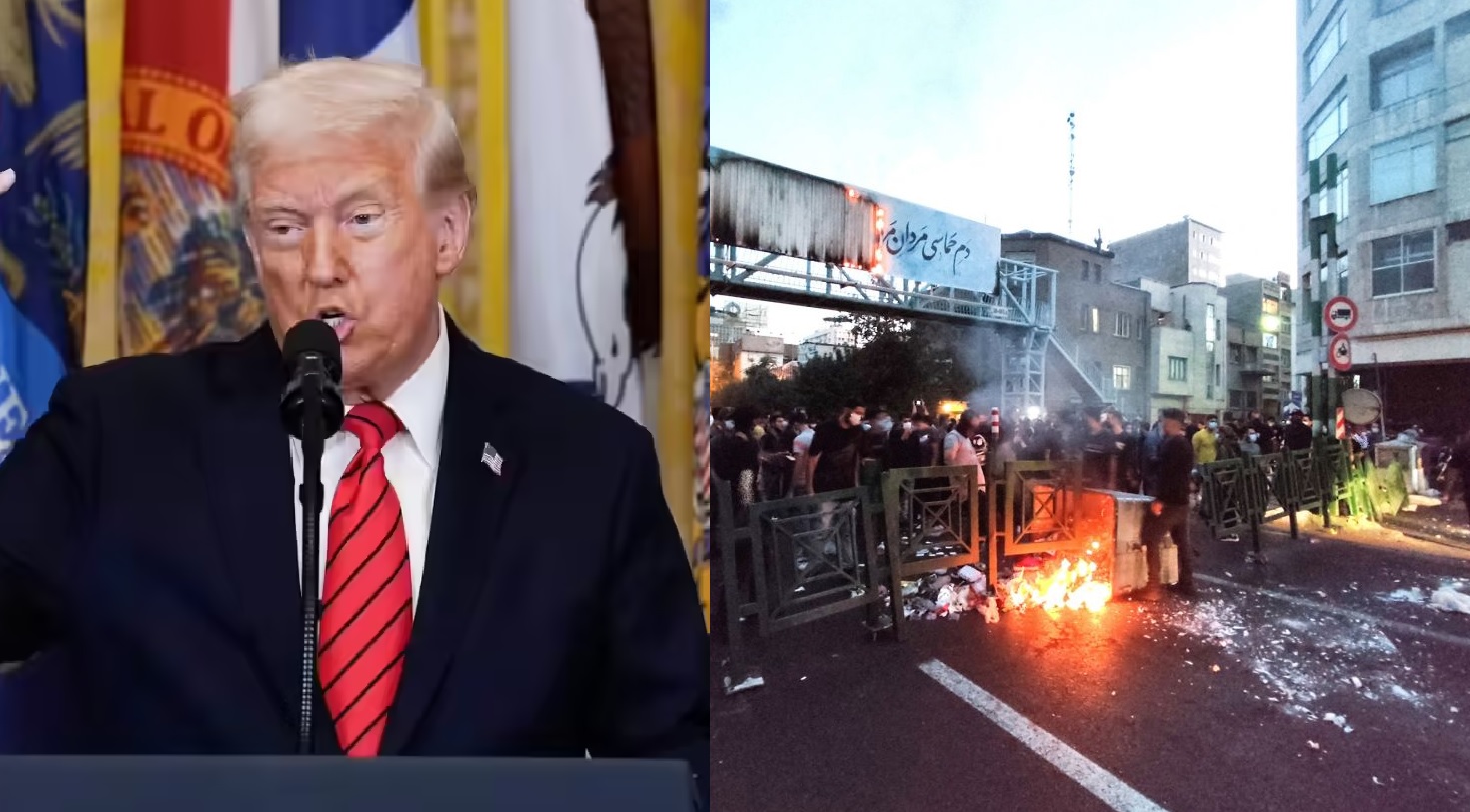
Washington / Tehran : The U.S. State Department on Tuesday issued an urgent security alert advising U.S. citizens in Iran to leave the country immediately or, if departure is not possible, to shelter in place as nationwide protests intensify and the risk of detention increases sharply.
In a statement released through official channels, the department warned that demonstrations across Iran are escalating, triggering heightened security measures by Iranian authorities. These include road closures, expanded security checkpoints, public transportation disruptions, and ongoing internet shutdowns, all of which have significantly restricted movement and communication.
The advisory said commercial flights to and from Iran remain severely limited, with several international airlines suspending services until at least Friday, January 16. Americans were warned to expect continued internet outages and to arrange alternative communication methods. Where it can be done safely, the department advised considering overland departure via Armenia or Türkiye.
Special caution was issued for U.S.–Iranian dual nationals. Iran does not recognize dual citizenship and treats such individuals solely as Iranian citizens. According to the advisory, showing a U.S. passport or demonstrating links to the United States can be sufficient grounds for questioning, arrest, or detention by Iranian authorities.
Escalating Unrest Inside Iran
Iran is facing one of its most volatile internal crises in years. Protests that initially erupted over economic pressures have expanded into nationwide demonstrations openly challenging the government. Human rights organizations and international observers report a heavy security crackdown, with mass arrests and reports of significant casualties, although exact figures remain difficult to confirm due to media restrictions and communication blackouts.
Authorities have tightened control over digital networks, further limiting the ability of residents and foreign nationals to access reliable information or contact family members abroad.
Latest U.S. Military Status
The growing unrest coincides with heightened tensions between Washington and Tehran. Senior U.S. officials confirmed that President Donald Trump has been briefed on a range of response options as the situation continues to evolve.
As of January 13, 2026, the United States military has not launched direct strikes against Iran. However, U.S. forces in the Middle East are on elevated alert. Assets under U.S. Central Command remain fully operational, with naval, air, cyber, and missile-defense capabilities positioned to respond rapidly if U.S. personnel, allies, or regional stability are threatened.
Administration officials have emphasized that while diplomatic pressure remains the preferred course, military, cyber, and strategic options remain on the table should Iran target U.S. interests or if the security situation deteriorates further.
Limited U.S. Assistance and Citizen Guidance
The State Department reiterated that the United States has no embassy or consulate operating in Iran, sharply limiting its ability to provide direct assistance. Switzerland, acting as the U.S. protecting power, offers limited consular support, but officials stressed that Americans should not expect organized evacuations.
U.S. citizens remaining in Iran were urged to avoid protests, maintain a low profile, carry identification at all times, and closely monitor official security advisories. Officials warned that conditions could change rapidly and without warning.
As protests spread and regional tensions rise, the warning underscores growing concern in Washington that Iran’s internal crisis is entering a dangerous and unpredictable phase, with serious implications for foreign nationals, regional security, and international stability in the days ahead.
About the Author
Aditya Kumar:
Defense & Geopolitics Analyst
Aditya Kumar tracks military developments in South Asia, specializing in Indian missile technology and naval strategy.