U.S. Soldier Charged with Attempted Espionage for Sharing M1A2 Abrams Tank Secrets with Russia
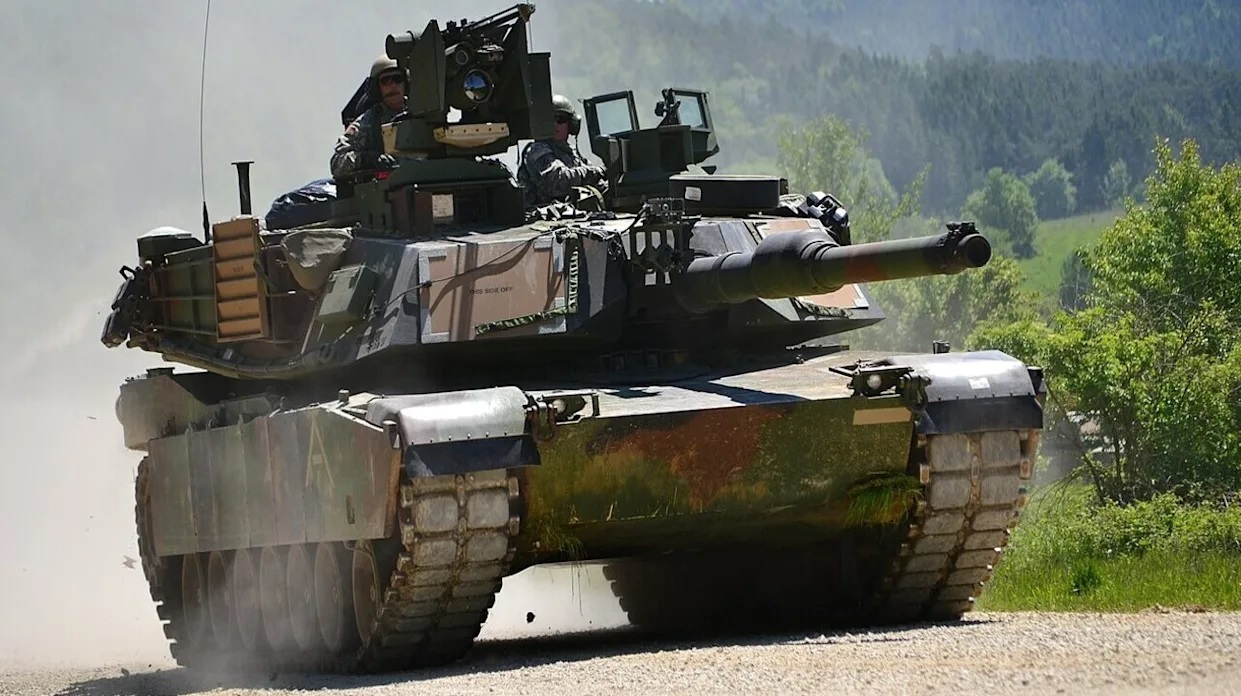
In a serious breach of military trust, an active-duty U.S. Army soldier, Taylor Adam Lee, 22, from El Paso, Texas, has been arrested and charged with attempted espionage after allegedly trying to pass classified information about the M1A2 Abrams main battle tank to Russia. The arrest followed a joint investigation by the FBI and U.S. Army Counterintelligence Command.
Lee, who held Top Secret / Sensitive Compartmented Information (TS/SCI) clearance, allegedly contacted someone he believed to be a Russian intelligence officer between May and July 2025, expressing his willingness to help the Russian Federation. According to investigators, he shared sensitive technical data online, and even met the individual in person, delivering an SD card containing detailed military information.
The data reportedly included Controlled Unclassified Information (CUI), covering vulnerabilities, operations, and technical details of U.S. armored vehicles, particularly the M1A2 Abrams, America’s most advanced and widely deployed tank. Lee was quoted saying, “the USA is not happy with me for trying to expose their weaknesses,” and offered to “volunteer to assist the Russian Federation.”
One of the most shocking claims in the case is that Lee attempted to obtain a specific piece of hardware from the Abrams tank and delivered it to a storage unit, later messaging, “Mission accomplished.”
What Makes the M1A2 Abrams So Critical?
The M1A2 Abrams is a highly upgraded variant of the original Abrams tank, equipped with advanced armor, electronic warfare capabilities, and fire control systems. Recent updates include improved target tracking, crew survivability systems, digital command networks, and new sensor suites. Some versions also feature Active Protection Systems (APS) designed to intercept incoming threats like anti-tank missiles. Disclosing technical information about this system can seriously impact U.S. battlefield dominance.
Authorities React Swiftly
Roman Rozhavsky, FBI Assistant Director for Counterintelligence, stated that Lee “attempted to provide classified military information on U.S. tank vulnerabilities to a person he believed to be a Russian intelligence officer, in exchange for Russian citizenship.”
Assistant Attorney General John A. Eisenberg confirmed that the charges involve national defense information, emphasizing that "serious transgressions will be met with serious consequences." U.S. Attorney Justin R. Simmons added that “national security remains a top priority,” especially when such threats come from within.
Brig. Gen. Sean F. Stinchon, who leads Army Counterintelligence Command, stressed the importance of internal vigilance, urging soldiers to report any suspicious activity. He said, “Soldiers who violate their oath and become insider threats will absolutely be caught and brought to justice.”
Legal Proceedings Underway
The case is being prosecuted by attorneys from the Department of Justice’s National Security Division and the U.S. Attorney’s Office in the Western District of Texas. The FBI’s Washington and El Paso field offices, along with Army Counterintelligence, continue to lead the investigation.
This incident is one of the most alarming examples in recent years of an insider threat targeting advanced U.S. military technology. If convicted, Taylor Lee could face life imprisonment under charges related to espionage and unauthorized export of defense information.
The case is a stark reminder of the vulnerabilities even within the ranks of those sworn to defend the nation—and the lengths to which U.S. agencies will go to stop them.
✍️ This article is written by the team of The Defense News.