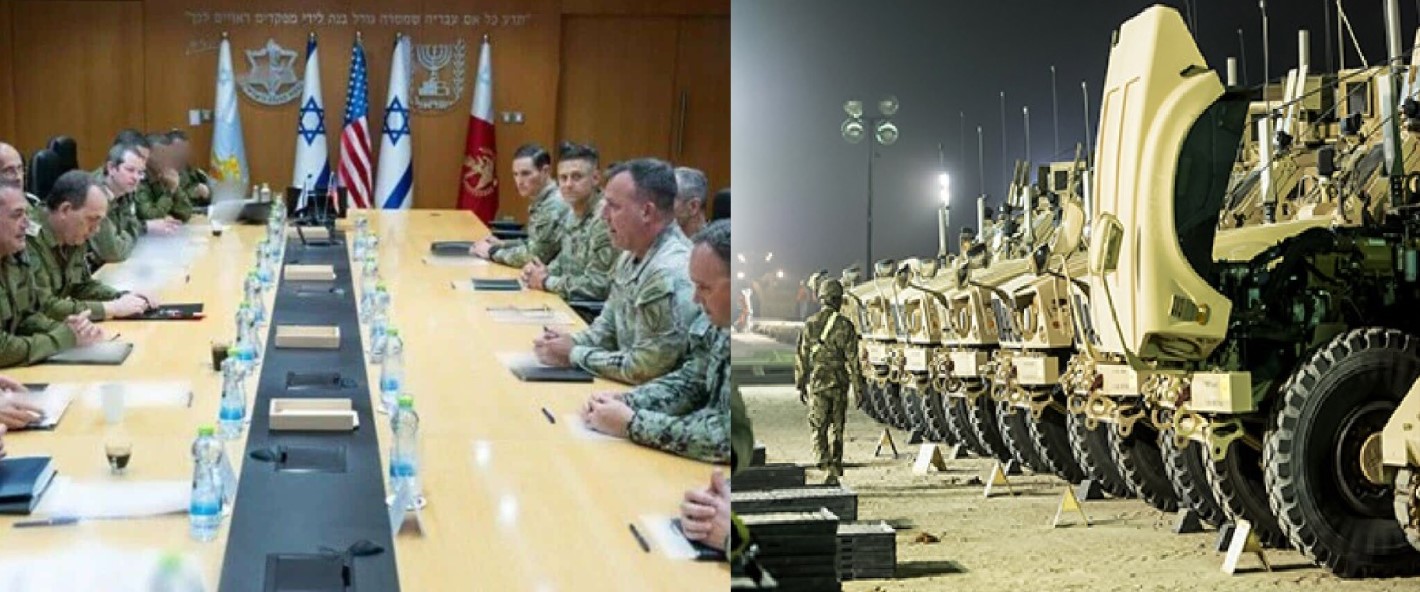
WASHINGTON / DUBAI : The United States has quietly moved a step closer to a possible military confrontation with Iran after ordering United States Central Command (CENTCOM) to shift into a continuous, round-the-clock operational posture, underscoring growing concern in Washington that the coming weeks could prove decisive.
According to officials cited by The Washington Post, senior planners at CENTCOM have been instructed to maintain high-level staffing 24 hours a day “for the next month,” a directive that effectively places the command on a sustained war-planning footing. The order, officials say, is not symbolic. It reflects active preparations for scenarios ranging from limited strikes to a broader regional campaign should diplomatic efforts collapse.
A Narrow Window for Action
U.S. defense officials stress that the current lull in public rhetoric should not be mistaken for de-escalation. A senior Pentagon official told the Post that the U.S. president will face another clear decision point within “the next two to three weeks,” when additional American military assets now en route to the Middle East are expected to be fully in position.
Central to that timeline is the arrival of the USS Abraham Lincoln carrier strike group, currently redeploying from the Indo-Pacific. Once on station, the carrier and its escorts will significantly expand U.S. strike capacity, air superiority, and missile-defense coverage—capabilities viewed by military planners as essential for sustaining operations against a well-armed state like Iran.
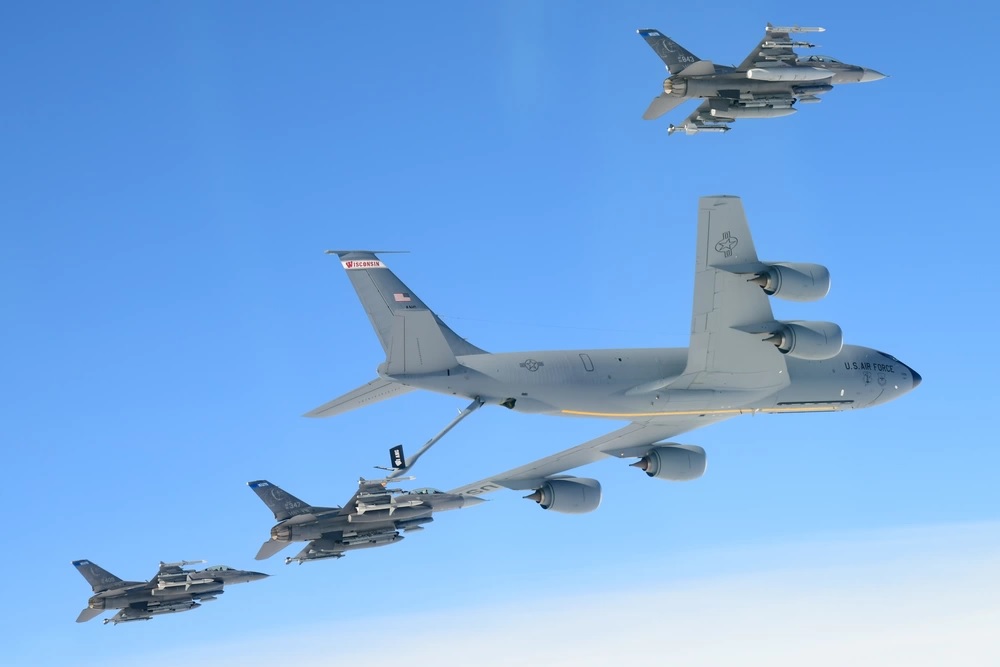
Defense analysts note that previous pauses in U.S. decision-making have often coincided with the need to assemble a “complete force package,” including intelligence, aerial refueling, electronic warfare, and layered missile defenses. “You don’t initiate a major operation without the full toolkit in place,” one analyst said, describing the current buildup as methodical rather than hesitant.
Reassuring Israel, Deterring Iran
Beyond preparing offensive options, the U.S. posture shift is also aimed at calming Israeli security fears. Officials told the Post that the deployment of additional naval and air assets is intended to reassure Israel, which has privately expressed concern that a premature U.S. strike could trigger a large-scale Iranian retaliation before adequate American defenses are established.
Israeli officials worry that Iran and its regional allies could respond with missile and drone salvos targeting Israeli cities and infrastructure. The presence of U.S. carrier-based aircraft and advanced missile-defense systems is seen as a critical buffer against such a scenario, serving both as a protective shield and as a deterrent signal to Iran.
Signs on the Ground
Concrete indications of heightened alert are already visible across the Gulf. At Al Udeid Air Base in Qatar, the forward headquarters of CENTCOM, U.S. personnel have been advised to evacuate family members and restrict non-essential movement. Officials have described the measures as a “posture change” driven by deteriorating regional security conditions rather than an imminent strike order.
Such steps mirror precautionary actions taken ahead of past U.S. operations in the Middle East, when commanders sought to reduce exposure at key facilities while preserving operational continuity.
Diplomatic Warnings and Strategic Calculus
Diplomatic channels between Washington and Tehran remain tense. Iranian officials have repeatedly warned that any attack on Iranian territory would be met with retaliatory strikes against U.S. bases and assets throughout the Gulf, raising the stakes for regional partners hosting American forces.
Despite those warnings, the White House has reiterated that “all options remain on the table,” language that now carries added weight given CENTCOM’s 24/7 planning directive. Officials familiar with the process say the current phase is being used to refine targeting plans, assess escalation risks, and synchronize military readiness with political decision-making.
Whether the coming weeks culminate in a strike or another pause, the order to place America’s most important regional command on continuous alert highlights how narrow the margin for error has become. For now, Washington appears determined to ensure that if a decision is made, the machinery of war will already be fully prepared.