U.S. Pauses Arms Sales to Europe Amid Patriot Shortage and Strategic Shift
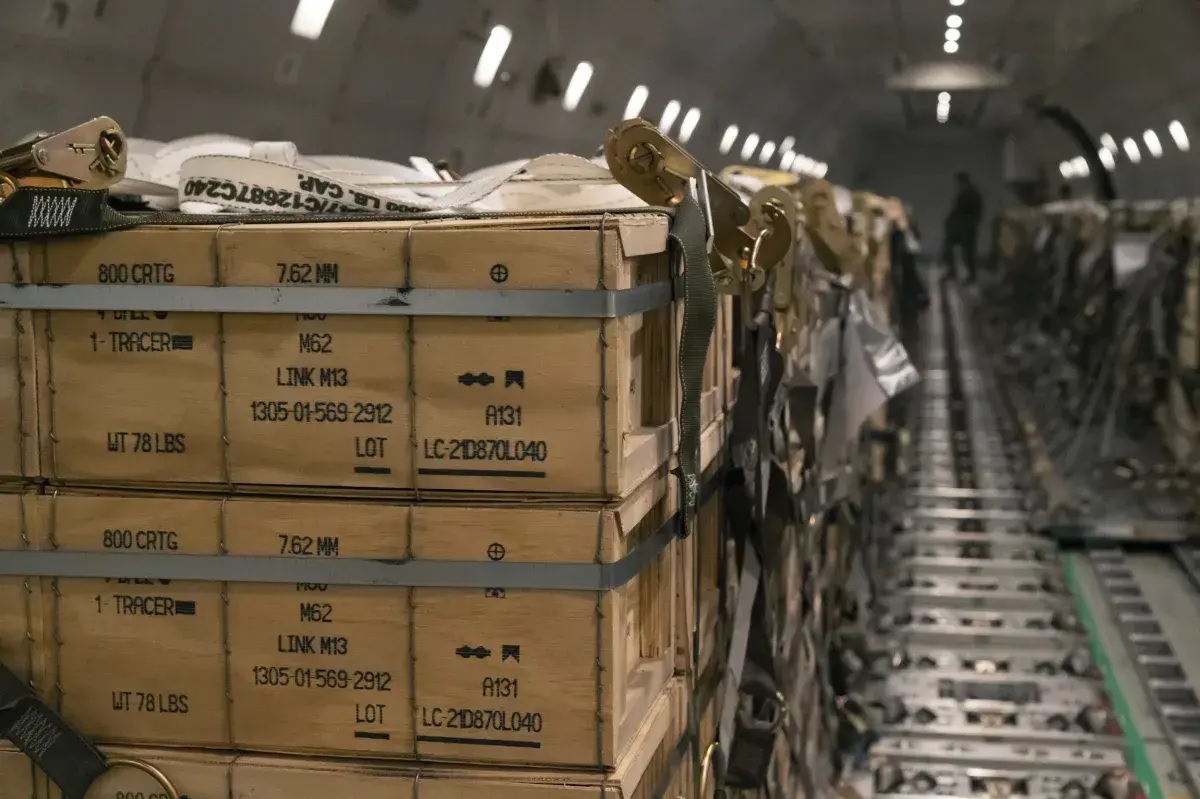
U.S : The United States has quietly paused certain arms sales to European allies, citing shortages in key weapons systems and a growing need to prioritise its own military stockpiles. The decision comes as NATO partners look to strengthen their defences in the face of an increasingly assertive Russia.
The first sign of the shift emerged during Denmark’s negotiations for a multibillion-dollar air-defence system. While U.S. and French officials had previously supported the deal, the Pentagon appeared reluctant at the final stage. Officials later confirmed that Patriot missile systems, in particular, are being withheld as they are in limited supply and needed for U.S. use.
Internal assessments suggest the United States has only about 25 percent of the Patriot interceptors required to meet its current military plans. As a result, the Pentagon has started blocking new requests from European partners, with very few exemptions expected.
The pause has already changed procurement choices in Europe. Denmark has signed a $9.1 billion agreement with a French-Italian venture for long-range systems and with Germany, France, or Norway for medium-range defences. It is the country’s largest-ever arms purchase and signals a shift towards European-made alternatives.
Deputy Assistant Secretary of Defense Elbridge Colby has been quoted as opposing some foreign military sales, including Patriot exports to Denmark. He has argued that resources should be concentrated in the Indo-Pacific, where the U.S. sees China as its primary strategic rival. However, the Pentagon and State Department have rejected suggestions of internal policy divisions, stressing that decisions align with the administration’s “America First Agenda.”
The restrictions have raised concerns among allies. Analysts warn that withholding weapons could weaken European defences, reduce U.S. influence, and encourage governments to seek other suppliers. “We tell Europeans to send weapons to Ukraine and buy replacements, but then we say, ‘You can’t have them,’” one expert noted.
Foreign military sales have long been a major instrument of U.S. foreign policy, with transfers worth $117.9 billion recorded in the 2024 fiscal year. By pausing deliveries to Europe, Washington risks creating uncertainty within NATO at a time when Russia remains an imminent threat.
Former defence officials caution that prolonged delays could incentivise European states to invest heavily in their own production lines. If wait times extend further—from two years to potentially five—U.S. industry risks losing long-term markets to emerging European defence suppliers.
The U.S. decision to pause arms sales underlines a new strategic balance: protecting domestic stockpiles and pivoting toward the Pacific, even if it means allies in Europe will have to look elsewhere to secure their defences.
✍️ This article is written by the team of The Defense News.