U.S. Navy to Upgrade Harpoon Missiles with Advanced Seekers to Extend Service Life
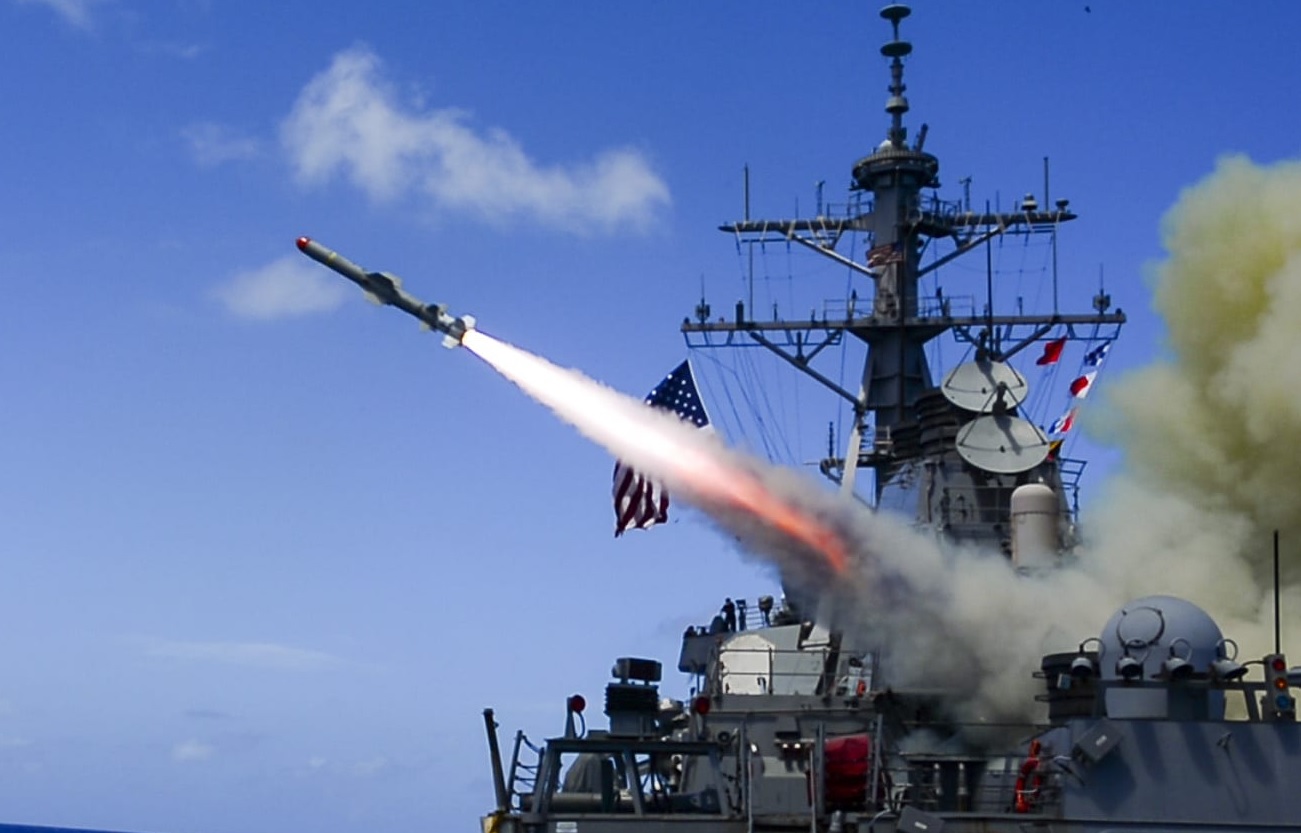
The U.S. Navy is planning a major upgrade to its long-serving Harpoon anti-ship missiles by adding modern seekers, as part of a broader Service Life Extension Program. This move aims to keep the missile relevant in today's fast-changing naval warfare environment, especially with increasing focus on Chinese military activity in the Indo-Pacific.
The upgrade will be handled by Raytheon Missiles & Defense (RTX), which has been identified by Naval Air Systems Command (NAVAIR) as the only contractor capable of designing and manufacturing the necessary seekers. According to a NAVAIR solicitation, RTX is the original developer of the Harpoon seeker system and is best positioned to handle the upgrades.
Originally introduced in the 1970s, the Harpoon has remained a key part of the Navy’s surface strike capability. Over the decades, it has undergone several improvements, with the Block II+ version currently in service capable of hitting targets as far as 248 kilometers. However, the Navy now wants to ensure that its existing stockpile of Harpoons can continue to perform effectively alongside newer systems.
While newer missiles like the Naval Strike Missile (NSM), Maritime Strike Tomahawk, and SM-6 Block IB are being integrated into the fleet, the Navy isn’t ready to retire the Harpoon yet. In fact, the service has even reintroduced a submarine-launched version of the Harpoon, first revealed in 2021. That version uses upgraded Block IC missiles that can be modified for underwater launch — a capability the Navy had moved away from years ago.
Raytheon, which previously supplied sensor systems to Boeing (the Harpoon’s main contractor), has also partnered with Norway’s Kongsberg to pitch the NSM to the U.S. Navy. The NSM has already been chosen as the primary strike weapon for the Littoral Combat Ships, Arleigh Burke-class destroyers, and the upcoming Constellation-class frigates, each of which will carry 16 NSMs. Several allied navies, like those of the UK and Australia, have also begun replacing their Harpoons with the NSM.
Still, the U.S. is not abandoning Harpoon. In addition to modernization, new Harpoon missiles are being built for Taiwan, which ordered 400 missiles for coastal defense batteries — a clear sign of the missile’s ongoing geopolitical importance.
By upgrading Harpoons while also adopting newer missile systems, the Navy is diversifying its strike options and mitigating concerns about munitions shortages in a potential prolonged conflict. Recent wars in Ukraine, the Middle East, and the Red Sea have underlined how crucial it is to maintain both stockpile depth and technological edge in precision-guided weapons.
This upgrade program is expected to not only improve targeting capabilities but also ensure that Harpoon missiles remain a viable and flexible tool for U.S. naval power projection in the years ahead.
✍️ This article is written by the team of The Defense News.