U.S. Navy Deploys Advanced Triton Unmanned Aircraft to Japan for Enhanced ISR Operations

The U.S. Navy has deployed the Triton high-altitude, long-endurance unmanned aircraft to Japan for the first time to enhance intelligence, surveillance, and reconnaissance capabilities in the Indo-Pacific region.
The U.S. Navy has deployed its Triton high-altitude, long-endurance (HALE) unmanned aircraft to Japan for the first time. This move supports the U.S. Indo-Pacific Command’s intelligence, surveillance, and reconnaissance (ISR) operations, enhancing regional monitoring and security.
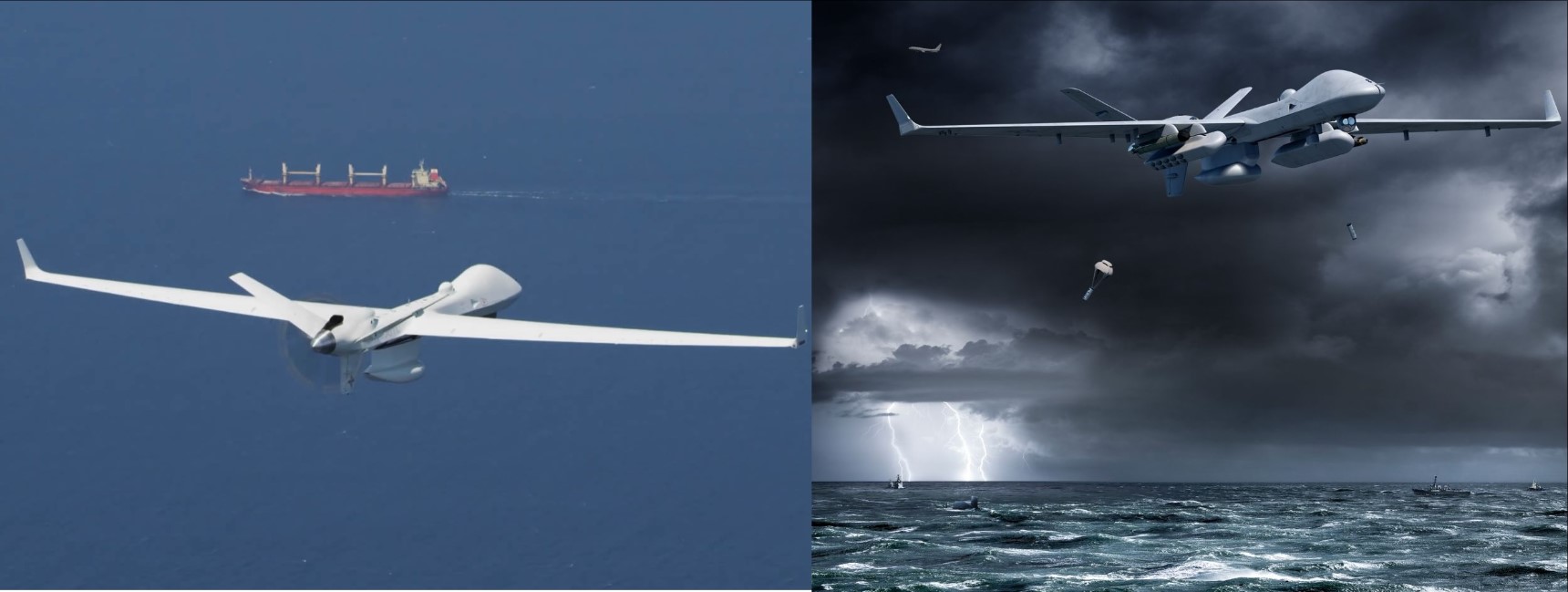
The MQ-4C Triton, developed by Northrop Grumman, is renowned for its advanced maritime ISR capabilities. It provides real-time intelligence, surveillance, reconnaissance, and targeting (ISR&T) over vast ocean and coastal areas. The aircraft, designed for both the U.S. Navy and the Royal Australian Air Force, features a 360-degree sensor suite and boasts impressive range, endurance, and speed. This makes it highly flexible for various operational needs.
Triton's persistent surveillance helps predict adversary actions, which is crucial for joint military planning and operations. Importantly, it accomplishes this without putting crew lives at risk. Since achieving early operational capability in May 2020, Triton has logged nearly 5,000 operational flight hours in the U.S. Indo-Pacific Command area.
In August 2023, Triton reached initial operating capability with the U.S. Navy, solidifying its status as the most advanced maritime ISR&T system in service. The first Triton aircraft were stationed in Guam as part of Orbit 1, significantly enhancing capabilities for Fleet Commanders in the Indo-Pacific region.
Additionally, the first MQ-4C Triton arrived at Naval Air Station Sigonella in Italy on March 30, 2024, under the U.S. Naval Forces Europe and Africa. The Navy plans to deploy Triton aircraft in three orbits across the 7th, 6th, and 5th fleets, highlighting the strategic importance of this technology in multiple global theaters.
The Triton’s deployment to Japan marks a significant step in bolstering the U.S. Navy's ISR operations in the Indo-Pacific, providing unparalleled maritime surveillance and contributing to regional stability and security.
The MQ-4C Triton is designed to operate at altitudes up to 55,000 feet and can stay airborne for up to 24 hours. Its suite of sensors includes radar, electro-optical/infrared cameras, and electronic support measures, making it a versatile tool for comprehensive situational awareness. The deployment of Triton is part of broader efforts to modernize the Navy's fleet and enhance its operational reach across critical regions worldwide.
✍️ This article is written by the team of The Defense News.