U.S Naval Pressure Disrupts Russian-Backed Shipping Of Venezuelan Crude
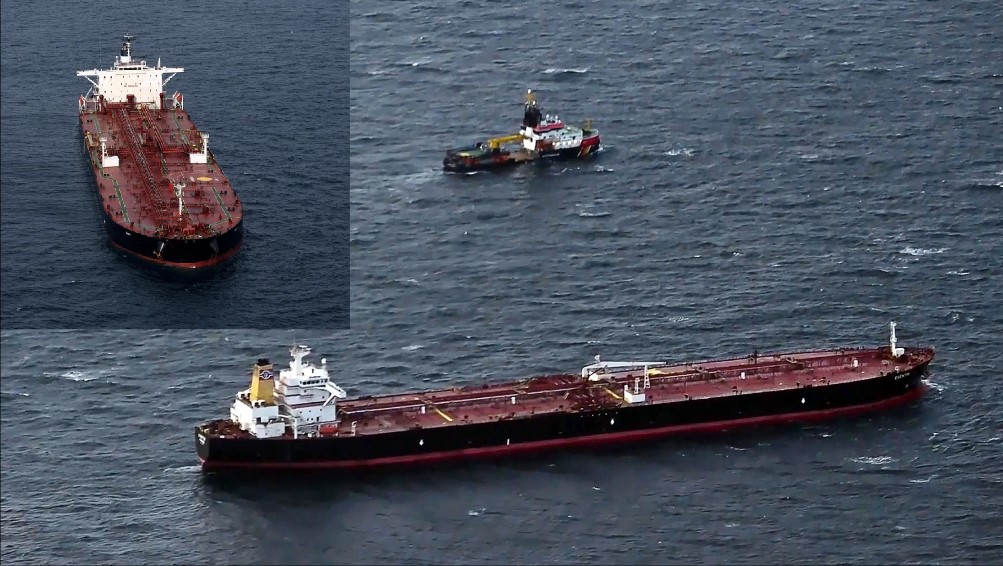
Russian-Linked “Shadow Fleet” Oil Tankers carrying Venezuelan Crude — or delivering Critical Inputs Such As Russian Naphtha to Venezuelan ports — have begun Abruptly Reversing Course In International Waters, a clear sign that Intensifying U.S. Maritime Enforcement is reshaping the Risk Calculus for vessels tied to the Sanctioned Oil Trade.
Shipping Data And Industry Sources indicate that several tankers operating on routes between Russia, Venezuela, And Asian Buyers have executed Sudden U-Turns or slowed to a Near Standstill Offshore rather than approach Venezuelan terminals. The maneuvers follow a Sharp Escalation In U.S. Interdictions And Seizure Actions in the Caribbean, where Washington Has Signaled A Willingness To Physically Stop And Confiscate Vessels suspected of Sanctions Evasion.
A Growing U.S. Maritime Dragnet
The stepped-up enforcement is being carried out with the backing of the United States Navy and other U.S. agencies operating in the Caribbean Basin. American officials have framed the effort as a Lawful Campaign Against Deceptive Shipping Practices linked to Sanctioned Venezuelan Exports, including Flag-Hopping, Falsified Vessel Identities, and the Deliberate Shutdown Of Tracking Transponders.
Recent Seizures And Attempted Boardings have sent Shockwaves Through The Shipping Community. Owners, Charterers, And Insurers involved in Venezuela-linked trade now face the prospect that a voyage could end Not At A Discharge Port, But Under U.S. Custody.
Why Naphtha Matters As Much As Crude
The U-turns are Not Limited To Crude Carriers. Tankers Transporting Russian Naphtha — a Light Petroleum Product Used To Dilute Venezuela’s Extra-Heavy Crude — have also pulled back. Without Steady Inflows Of Such Diluents, Venezuela’s State Oil Company struggles to Blend And Export Its Flagship Heavy Grades.
This Dual Disruption — Crude Exports On One Side and Blending Inputs On The Other — magnifies the pressure on Venezuela’s Oil System. Even if Wells And Storage Tanks Are Full, exports can stall if Ships Refuse To Load or Essential Components Fail To Arrive.
Shadow Fleet Under Pressure
Over the past two years, Venezuela has leaned heavily on a network of Older Tankers often described as a “Shadow Fleet.” These vessels typically operate Outside Mainstream Shipping Markets, relying on Opaque Ownership Structures and Limited Insurance while serving Sanctioned Producers.
The current U.S. campaign appears designed to Fracture That Network. Each interception raises the Cost Of Participation, pushing some operators to Stand Down, Reroute Cargoes, Or Abandon Fixtures Altogether. Maritime Analysts say the sudden course reversals now being observed reflect a Broader Retreat as Seizure Risk Overtakes Potential Profit.
Diplomatic Tensions Rise
The maritime clampdown has also Inflamed Diplomatic Tensions. Caracas has denounced U.S. actions as Illegal and has accused Washington of conducting a De Facto Naval Blockade. Moscow, while not formally acknowledging the role of Russian Supply Chains in the trade, has criticized Unilateral Sanctions. Beijing, a major End-Buyer Of Venezuelan Crude, has objected to Seizures Of China-Bound Cargoes and warned against Interference With International Shipping.
Washington, for its part, maintains that the operations target Only Sanctioned Networks And Vessels Engaged In Deceptive Practices, not Lawful Commerce.
Market Implications
For Global Oil Markets, the immediate impact is Less About Supply Volumes and more about Logistics. Cargoes Stranded Offshore, Ships Idling To Reassess Routes, and Heightened Insurance Premiums all add friction to a trade that already operates At The Margins Of Legality.
If the enforcement campaign continues at its current pace, analysts warn that Venezuelan Exports Could Face Intermittent Disruptions, while Freight Rates And Risk Premiums for Caribbean routes may rise. The sight of Tankers Turning Back Mid-Voyage suggests that, for many operators, the Shadow Fleet’s Margins are no longer sufficient to Justify The Danger.
As U.S. Patrols Intensify and Legal Risks Mount, the once-steady flow of Venezuelan Oil Via Opaque Maritime Channels is showing Clear Signs Of Strain — visible now in the wake of Tankers Carving Sharp Arcs Across The Caribbean, heading away from ports they once approached With Impunity.
✍️ This article is written by the team of The Defense News.