U.S Moves Personnel From Qatar’s Al Udeid Base as Iran Threatens U.S. Military Sites

Doha, Qatar : In an unprecedented shift of U.S. military posture in the Middle East, several American service members were advised to depart Al Udeid Air Base in Qatar by the end of the day on Wednesday, diplomatic sources told Reuters, as tensions between Washington and Tehran escalate dramatically.
Al Udeid, the largest U.S. military installation in the region and a strategic hub for air operations across the Middle East, hosts roughly 10,000 American troops and serves as the forward headquarters for the U.S. Central Command (CENTCOM).
The advisory — described by sources as a “posture change” rather than a full withdrawal — follows warnings from Iranian officials that Tehran would target U.S. military assets in the region if Washington launches a strike against Iran.
Escalating Regional Threats
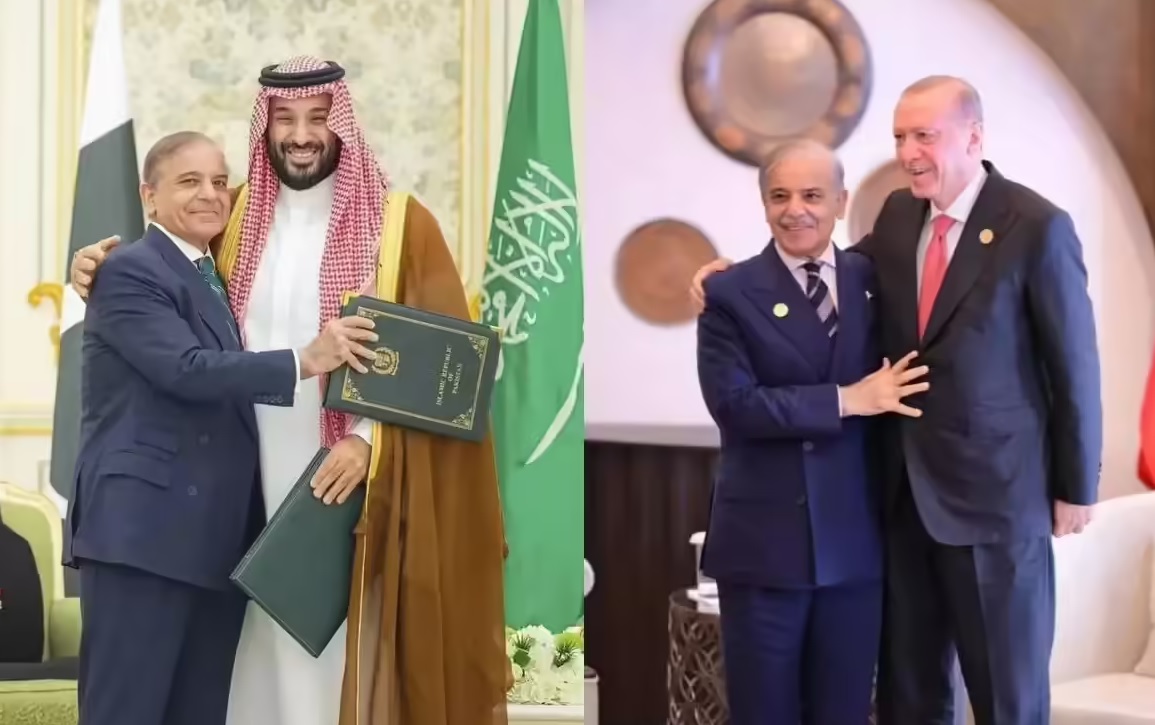
According to senior Iranian sources who spoke to international media, Tehran has communicated to Gulf states including Saudi Arabia, the United Arab Emirates, and Turkey that U.S. bases on their soil would be attacked if the United States initiates military action against Iran.
The move appears tied to broader unrest within Iran, where nationwide protests have drawn global attention and condemnation. Iranian authorities have faced intense internal pressure, and Iranian leadership claims that threats or actions from the United States would provoke direct retaliation against American military infrastructure across the Middle East.
Historical Context and Base Importance
Al Udeid Air Base has been central to U.S. military operations in the Middle East for decades. Originally established in the mid-1990s, the facility expanded after 2003 to support operations in Iraq, Afghanistan, and beyond. It functions as a logistical, intelligence, and command hub, hosting aircraft and personnel from U.S. Air Force units as well as allied forces.
The base also played a prominent role in last year’s confrontation between Iran and U.S./Israeli forces: on June 23, 2025, Iran launched a missile attack on Al Udeid in retaliation for U.S. strikes on Iranian nuclear sites. Although there were no reported U.S. casualties, the attack underscored the vulnerability of U.S. positions in the region and heightened awareness of potential escalation.
U.S. and Regional Responses
The U.S. Embassy in Doha and the Qatari Ministry of Foreign Affairs have issued no public statements regarding the advisory departure. However, local and international media outlets report that American forces have previously undertaken precautionary measures such as relocating families and non-essential personnel from other bases across the region amid rising tensions.
Meanwhile, the United States has also bolstered defensive coordination at Al Udeid, opening an air and missile defense operations cell to enhance regional readiness in response to emerging threats — signaling a strategic shift toward heightened defensive preparedness.
Diplomatic and Strategic Implications
Analysts say the posture change reflects Washington’s attempt to balance deterrence with force protection in a period marked by both internal unrest in Iran and external pressure from allied capitals wary of broader conflict. While the United States has warned of possible intervention to support Iranian protesters, Tehran’s leadership appears determined to link any foreign intervention to direct consequences for U.S. military infrastructure in the Gulf.
Qatar, whose territory hosts the base, has historically maintained strategic cooperation with the U.S. but also navigates complex relations with Iran and other regional powers. How Doha and other Gulf states will respond diplomatically to these developments remains to be seen, as leaders attempt to avoid being drawn into a wider confrontation.
As the situation evolves, the status of Al Udeid Air Base — both as a symbol of U.S. military reach and a potential flashpoint — will continue to be a key barometer of regional stability.
About the Author
Aditya Kumar:
Defense & Geopolitics Analyst
Aditya Kumar tracks military developments in South Asia, specializing in Indian missile technology and naval strategy.