U.S Launches Large-Scale Air and Artillery Strikes on 70 ISIS Positions in Central Syria After Deadly Ambush on U.S Soldiers
The United States has launched a large-scale retaliatory military campaign against Islamic State (ISIS) targets in central Syria, significantly escalating its counterterrorism posture following the killing of two American soldiers earlier this month. U.S. Central Command (CENTCOM) confirmed that the operation, designated Operation Hawkeye Strike, began at 4:00 p.m. Eastern Time on Thursday (18 Dec 2025) under direct orders from the Commander in Chief.
According to CENTCOM, the operation was initiated in response to an ISIS ambush near Palmyra that targeted U.S. and partner forces during a joint patrol. The attack, which claimed the lives of two U.S. service members, marked the deadliest single incident involving American troops in Syria in 2025 and triggered what officials described as a deliberate and overwhelming military response.
Scope and Execution of the Operation
Operation Hawkeye Strike unfolded as a coordinated, multi-domain assault involving airpower, artillery, and coalition support. CENTCOM said more than 70 ISIS-linked sites were struck across central Syria, primarily in Homs and Deir ez-Zor provinces, regions long used by the group as transit corridors and logistical hubs.
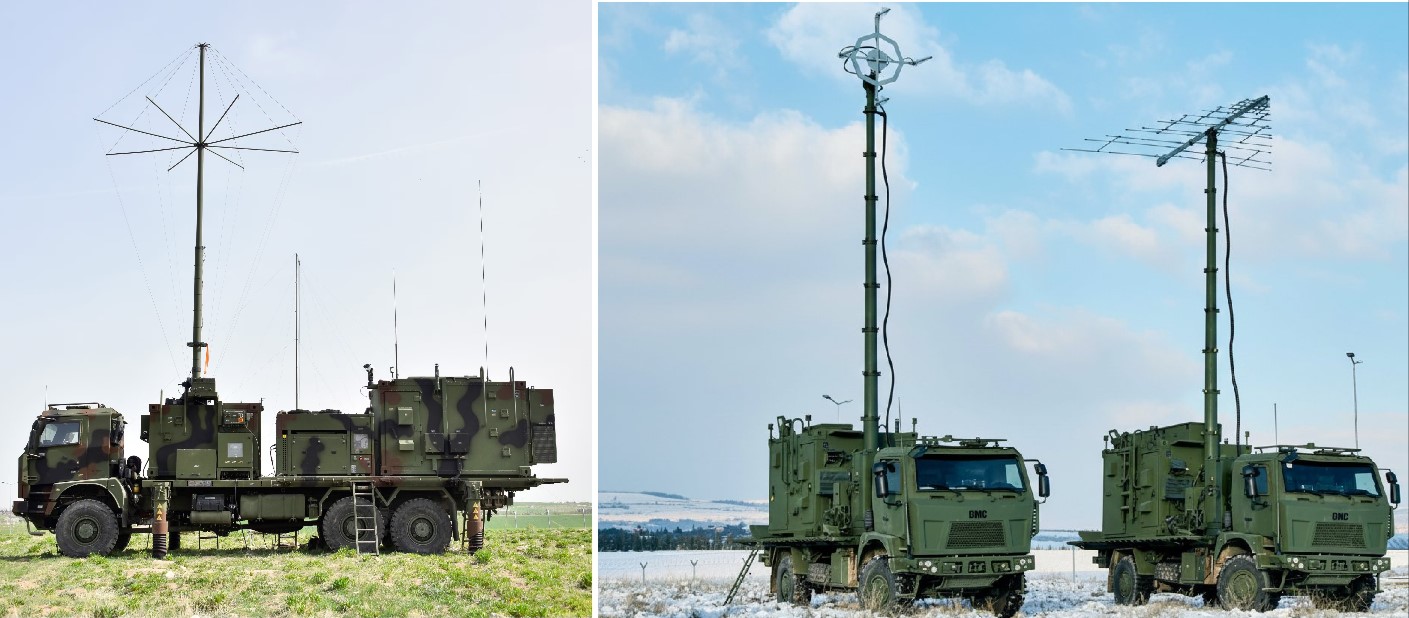
The opening phase featured intensive aerial bombardment supported by U.S. ground-based artillery units positioned in northeastern Syria. These units employed advanced targeting and communications systems to synchronize fires with aircraft overhead, enabling rapid engagement of high-value targets while limiting collateral damage.
Air Assets and Precision Firepower
The air campaign drew on a diverse mix of U.S. combat aircraft operating from regional bases across the Middle East. Ten F-15E Strike Eagles from the 391st Fighter Squadron, flying out of Muwaffaq Al-Salti Air Base in Jordan, conducted deep-strike missions against fortified ISIS positions and command facilities.
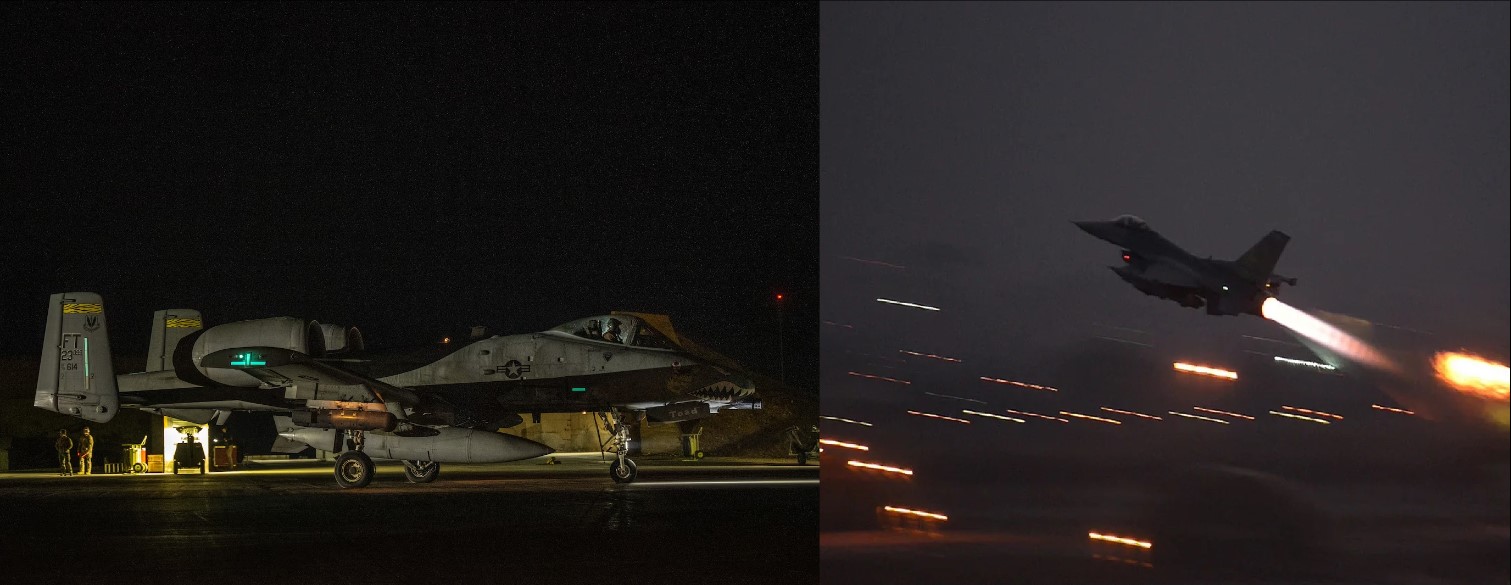
They were supported by six A-10C Thunderbolt II aircraft from the 75th Fighter Squadron based at Al-Dhafra Air Base in the United Arab Emirates, providing close air support against dispersed and mobile targets. Additional sorties were flown by F-16C Block 40 fighters from the 555th Fighter Squadron stationed at Prince Sultan Air Base in Saudi Arabia. CENTCOM said more than 100 precision-guided munitions were employed during the initial wave of strikes.
Imagery released by the U.S. military showed A-10 Thunderbolt II aircraft taxiing at a forward operating base on December 19, underscoring the aircraft’s continued role in counterinsurgency and desert warfare operations.
Coalition Participation and Regional Dimension
Jordanian fighter aircraft conducted parallel strike missions as part of the operation, reinforcing the coalition character of the campaign. CENTCOM officials emphasized that regional cooperation remains critical to sustaining pressure on ISIS networks operating across remote and lightly governed terrain.
Over the past six months, U.S. and partner forces have conducted more than 80 counterterrorism operations across Syria and Iraq, targeting ISIS leadership cells, weapons caches, and cross-border supply routes. In the days following the December ambush, at least 23 ISIS fighters were killed or captured during follow-on missions, according to U.S. military assessments.
Strategic Context and Policy Implications
Operation Hawkeye Strike comes amid a complex security environment in Syria, where Washington continues to balance counterterrorism objectives with evolving local partnerships. Earlier this year, the U.S. authorized limited coordination with elements of Syria’s restructured General Security Forces, a move that has drawn scrutiny due to concerns over the influence of Ahmad al-Sharaa, a figure with documented ties to former al-Qaeda networks.
U.S. defense officials acknowledged the sensitivities but stressed that the latest operation reflects a clear policy stance: attacks on American personnel will be met with immediate and disproportionate force aimed at degrading militant capabilities and restoring deterrence.
Early Assessments and Broader Military Posture
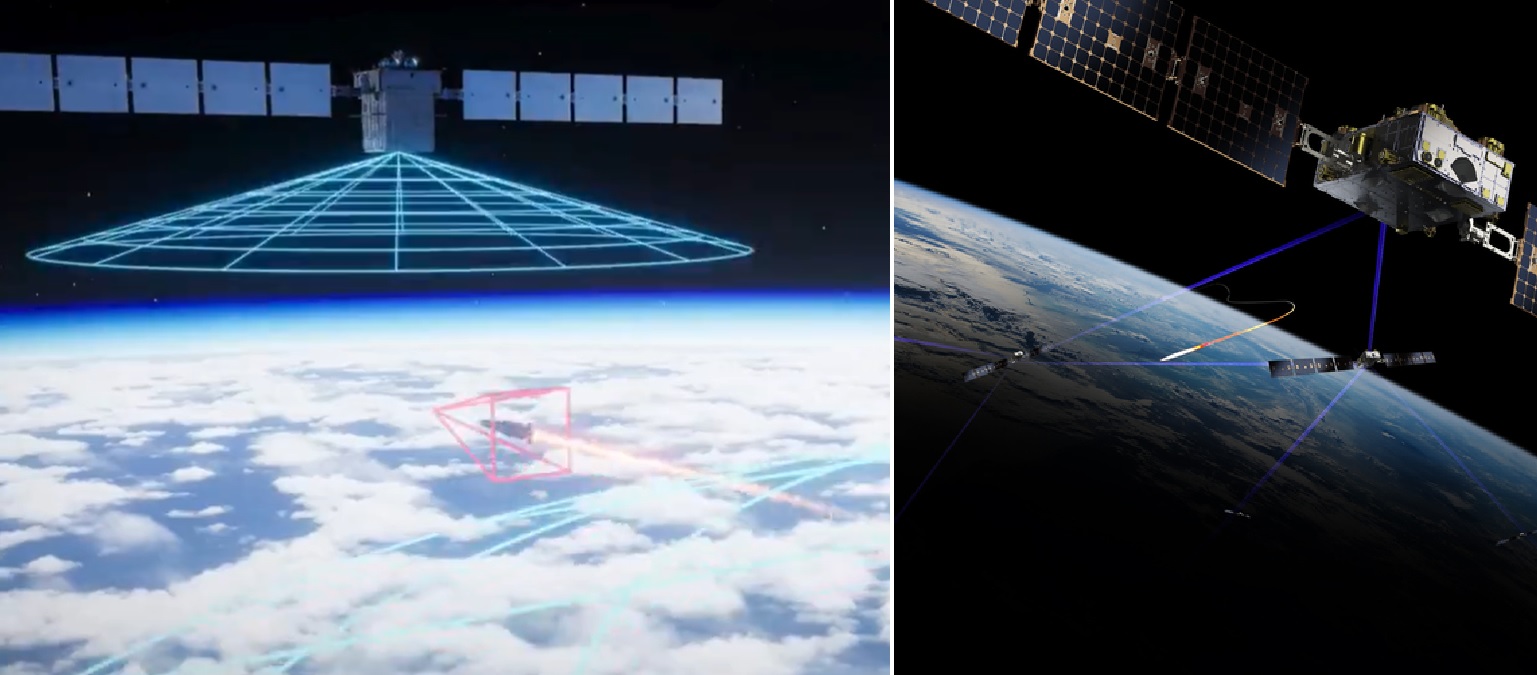
Preliminary battle damage assessments indicate significant degradation of ISIS logistics infrastructure, weapons storage sites, and command nodes. Intelligence, surveillance, and reconnaissance (ISR) platforms, including unmanned aerial systems and satellite assets, continue to monitor the strike areas to verify results and identify follow-on targets.
While U.S. troop levels in Syria remain limited, Operation Hawkeye Strike underscores Washington’s ability to project decisive combat power across the region on short notice. Military officials say the operation highlights the continued reliance on airpower, precision strike capability, and coalition coordination as the cornerstone of U.S. deterrence strategy against resurgent extremist threats in the Middle East.
✍️ This article is written by the team of The Defense News.