US Hand Over Russia the Ukraine Agreed Peace Plan; Russia to Review Next Week
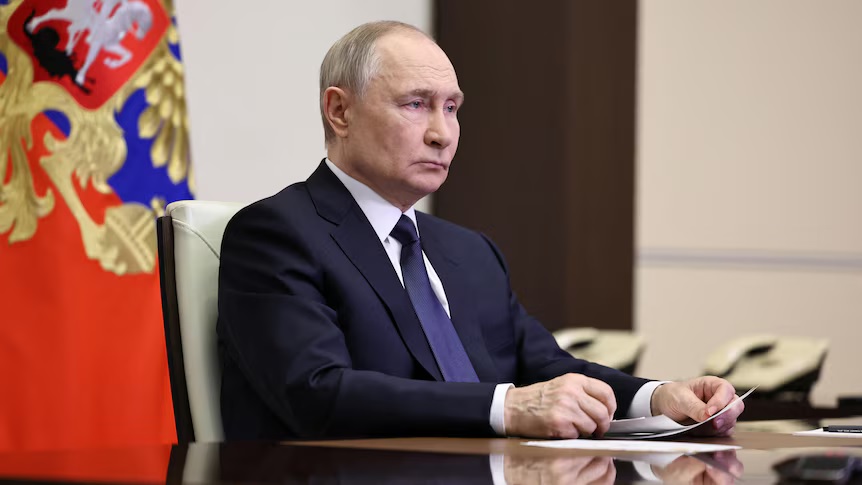
On November 28, 2025, United States has formally transmitted to Russian Federation the parameters of a proposed peace plan for Ukraine, which had been recently agreed with Ukraine during talks in Geneva. The delivery of the plan’s details was confirmed by Kremlin spokesman Dmitry Peskov, who added that Moscow intends to review the document and hold discussions next week.
Peskov said during a briefing that the “key details have been handed over” and that Russia expects further talks to be held on this proposal in Moscow in the coming days.
What the plan reportedly includes
The plan in question originates from a 28-point proposal drafted under U.S. auspices this month. According to open-source summaries, the draft envisages a sweeping settlement to end the war, which could involve recognition of Russia’s control over certain territories currently claimed by Ukraine — including, in the first version, areas such as Crimea, Donetsk and Luhansk, while freezing the status of regions like Kherson and Zaporizhzhia at the current line of contact.
The proposal is reported to call for strict limitations on Ukraine’s future military capabilities, including capping the size of the Ukrainian armed forces and banning NATO membership for Kyiv, in exchange for security guarantees and economic aid. The plan also includes provisions covering humanitarian issues, reconstruction, prisoner exchanges, and long-term stabilization mechanisms.
Earlier versions of the plan had drawn criticism — both internationally and domestically within Ukraine — for appearing heavily skewed in favor of Russian demands: ceding territory, curtailing Ukraine’s sovereignty, and limiting defensive capabilities.
After the October–November diplomatic push, the U.S. and Ukraine conducted consultations in Geneva to revise the plan. According to some reports, the document’s size was reduced (from 28 points to around 19–22), and certain controversial clauses were softened or postponed for later high-level discussions.
Following those consultations, U.S. and Ukrainian officials described the updated proposal as a more balanced “framework,” with certain core security and sovereignty principles reportedly retained — though specific text remains undisclosed.
Russian Response — Cautious but Conditional
While Moscow has accepted receipt of the plan’s parameters, its response so far has been carefully measured. Peskov reiterated that Russia will not conduct broad public discussions or “megaphone-style” negotiations; instead, Moscow prefers closed-door formal talks.
Senior Russian officials have signaled that Russia’s stance remains unchanged: any agreement must reflect Russia’s “territorial realities” and security demands. According to those statements, Russian forces will not concede on territorial or military issues without substantial guarantees.
At the same time, Russian leadership emphasizes willingness to engage — though strictly under conditions shaped by Moscow. The upcoming meetings, expected to include a U.S. delegation, are viewed as a test of whether the revised plan reflects a balanced compromise or remains close to the original draft.
Where Things Stand — Risks and Window for Diplomacy
The transmission of the plan’s parameters to Moscow marks a significant diplomatic milestone. For the first time since the 2022 full-scale invasion, the United States is attempting to advance a peace accord offering Ukraine security guarantees, reconstruction aid, and long-term political commitments.
Yet the risks remain high. The core concessions reportedly asked from Kyiv — military limitations, territorial compromises, and rejection of NATO membership — conflict with Ukraine’s firm insistence that sovereignty and territorial integrity are non-negotiable. European allies share concerns about legitimizing territorial losses.
From Moscow’s perspective, the plan may solidify battlefield gains, but only if terms align with Russia’s maximalist expectations. If Moscow rejects key points, the diplomatic window may quickly close.
Nevertheless, the fact that Russia has formally received the proposal and scheduled follow-up talks indicates that, for now, diplomacy remains alive.
What to Watch Next
In the coming week, attention will focus on participants, agenda, and tone of the Moscow talks. A U.S. special envoy is expected to join Russian political and foreign-policy officials.
Analysts will watch for signs of whether Moscow will amend, reject, or accept parts of the proposal. European partners of Ukraine will also weigh in heavily as debates intensify over any deal involving territorial or military concessions.
Even with progress, implementation will be extremely challenging — involving security guarantees, oversight of reconstruction, prisoner exchanges, and verification mechanisms, all in a region still deeply scarred by war.
As global attention remains fixed on the negotiations, the world waits to see whether this diplomatic effort will lead to a durable peace or become another unsuccessful attempt to end a conflict that has reshaped modern geopolitics.
About the Author
Aditya Kumar:
Defense & Geopolitics Analyst
Aditya Kumar tracks military developments in South Asia, specializing in Indian missile technology and naval strategy.